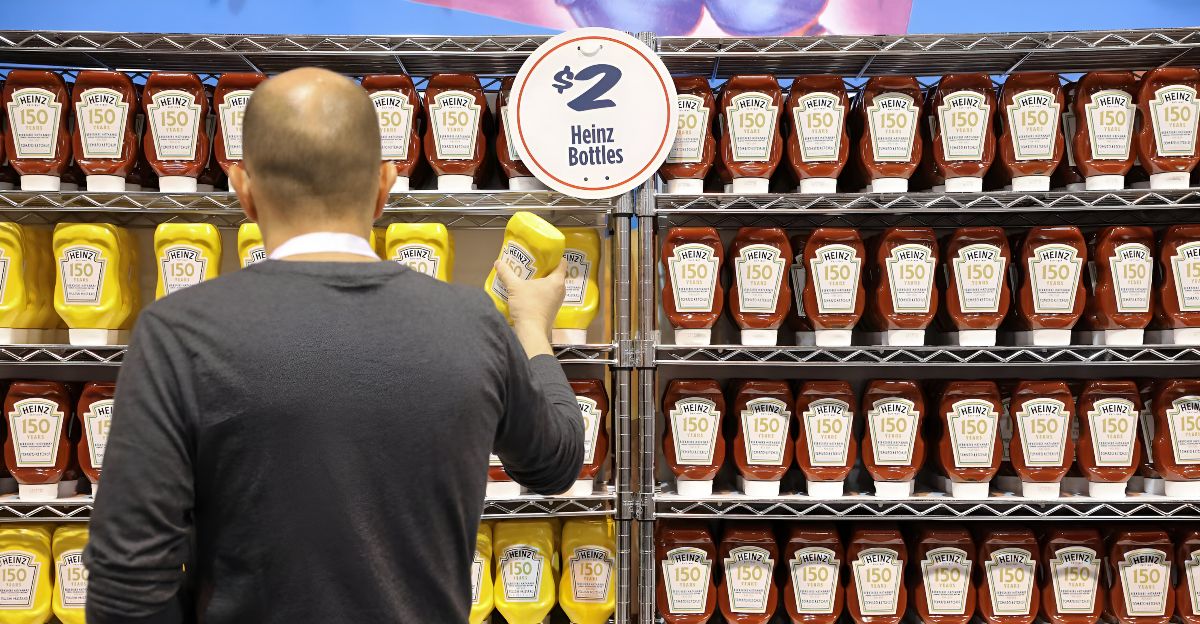
Kraft Heinz surprised everyone this week by announcing it will separate into two companies, ending one of America’s most significant food industry mergers.
By late 2026, there will be two independent ones instead of one giant company with both ketchup and macaroni brands. When the news broke, Kraft Heinz’s stock dropped 7%. Warren Buffett, who played a massive part in creating the merger, was upset about the split.
He said, “It certainly didn’t turn out to be a brilliant idea to put them together, but I don’t think taking them apart will fix it.”
What Does the Split Mean for Groceries?

After Kraft Heinz announced its plans, people across the country worried about how their grocery shopping and family budgets might change, and media outlets quickly tried to answer questions about possible effects on prices or product availability.
The Economic Times noted that shoppers are anxious about “prices, packaging, and store availability.” Experts think changes will not happen immediately, but the future is uncertain.
Robert Moskow summed up this nervousness, saying, “Food companies have found that their breadth of influence in the grocery store does not necessarily yield the advantages they expected.”
A Merger Gone Wrong

In 2015, Kraft Heinz was created by Warren Buffett’s Berkshire Hathaway and 3G Capital in Brazil, making it the world’s fifth-largest food company. Things soon soured, with falling sales, accounting scandals, and $15.4 billion in write-downs.
Kraft Heinz slashed its dividend and faced SEC investigations. The stock has dropped about 60% since the merger. Buffett called the deal “a rare mistake” and “an apparent admission of failure.”
Experts say splitting up may not really fix the deeper, long-running problems.
Changing Food Habits Leave Kraft Heinz Struggling to Keep Up
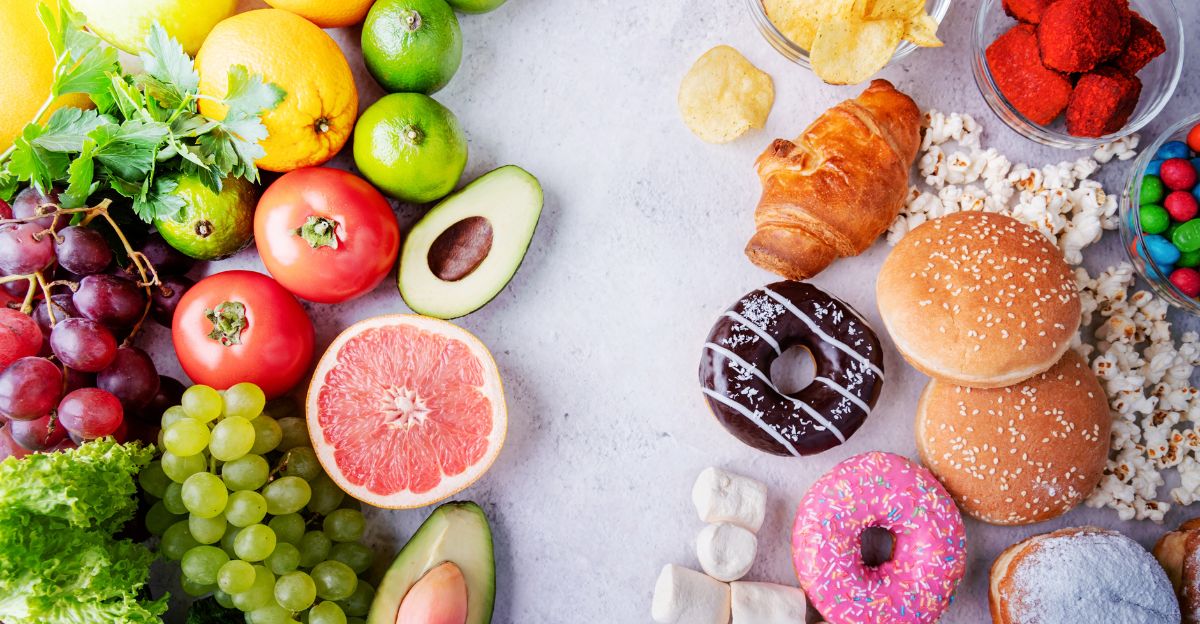
American food habits have shifted, leaving Kraft Heinz trailing behind. Consumers want more fresh, organic, and less processed foods, and these changes hurt sales for classic items like Velveeta and Kool-Aid.
Store brands offer similar products at lower prices; Walmart’s ketchup is less than a dollar, Heinz is nearly three. Analyst Brian Sozzi cautioned, “More marketing support isn’t some form of magic elixir,” warning that advertising alone won’t change shoppers’ new preferences.
Inflation and new diets mean more people choose cheaper, unknown brands, causing Kraft Heinz to lose customers.
Two New Companies
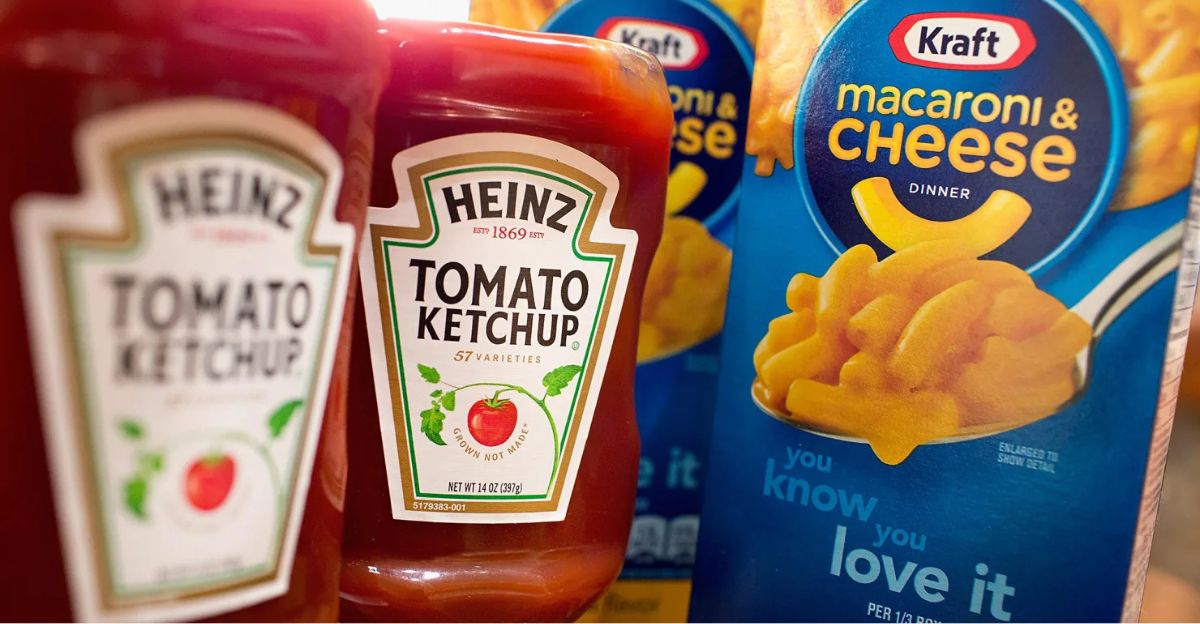
Kraft Heinz is splitting into two new companies. Global Taste Elevation will focus on sauces and spreads like Heinz and Philadelphia, while North American Grocery will continue with foods like Oscar Mayer and Kraft Singles.
In 2024, the sauce division made $15.4 billion, most from higher-margin products, while groceries made $10.4 billion. CEO Carlos Abrams-Rivera leads groceries, and the board is searching for a CEO for sauces.
Exec Chair Miguel Patricio said, “The complexity of our current structure makes it challenging to allocate capital effectively… By separating into two companies, we can allocate the right resources to unlock each brand’s potential.” The deal still needs SEC approval.
Factories and Workforce in Transition

This separation affects the company’s operation, including 75 manufacturing sites and 36,000 employees across 40 countries. North America faces more uncertainty as the grocery side battles price changes and tough competitors.
However, with more investment outside the U.S., Global Taste Elevation may expand faster. Both companies’ supply chains must be coordinated carefully to avoid problems getting products to stores.
Promises and Concerns for Employees

Unlike when Kraft Heinz merged and cut about 2,500 jobs, the leadership now promises to keep operating “as one Kraft Heinz” and wants to avoid layoffs.
Still, the 36,000 employees are unsure about their future jobs, who they’ll report to, and their career growth. The new split creates new challenges like benefits, pensions, and stock options, all of which need to be reworked to keep workers happy.
Wall Street’s Take

Financial professionals have mixed feelings about the Kraft Heinz break-up. They doubt that splitting will really fix the company’s weak brand performance.
Analyst Robert Moskow again stressed, “Food companies have found that their breadth of influence in the grocery store does not necessarily yield the advantages they expected.”
Kraft Heinz expects up to $300 million in new costs from separating, but hopes efficiency can reduce some expenses. Agencies are watching how the two new companies handle their finances, and investors see possibilities for mergers and new deals ahead.
Debt, Value, and Future Possibilities

The main reason for splitting Kraft Heinz into two companies is to help make their stock worth more. Each company can then focus on growing in its own way; one will aim to attract investors looking for fast growth, while the other will be better for those who want steady, reliable returns.
After the split, both companies must figure out how to share money and debt. Some experts think the two new businesses are worth more than Kraft Heinz, but only if they manage everything well.
Warren Buffett Expresses Disappointment Over Kraft Heinz Split

Berkshire Hathaway owns more than 27% of the company, and Buffett openly stated he was “disappointed” and revealed the original merger “didn’t turn out to be a brilliant idea.”
He hasn’t decided whether Berkshire will sell its shares, saying, “We will continue to act in what we believe is best for Berkshire.”
Experts now view Kraft Heinz as a reminder that cost-cutting alone isn’t enough without true innovation and investment.
Why They Chose to Divide

Miguel Patricio, Kraft Heinz’s Executive Chair, strongly defended the break-up as the best way to manage nearly 200 brands in 55 categories.
“We can allocate the right level of attention and resources to unlock each brand’s potential,” he said, arguing that two companies will allow for better management and flexibility.
The whole process has been heavily planned to avoid disruption, and the Board’s Vice Chair, John Cahill, will oversee the complex separation through 2026.
Untangling Factories, Tech, and Brands

Splitting up Kraft Heinz is complex. Companies must separate factories, processes, product sourcing, and tech systems.
Even legal contracts for their brands, recipes, and licensing agreements must be rewritten to suit the independent businesses. During this change, both are trying to ensure deliveries and products remain stable and reliable for retailers and customers.
It’s a massive logistical project requiring careful management to avoid supply chain disasters.
Facing Fierce Competition in the Grocery and Food Industry

This break-up comes amid extreme competition. Private-label and store brands are taking a bigger share of groceries by offering similar products at lower prices.
Health-focused and specialty food startups are also proliferating. Global Taste Elevation will have to battle local brands that know regional demand, while North American Grocery must compete with premium organic lines and value store labels.
Both new companies must develop new strategies to maintain market share and grow.
Suppliers, Stores, and Customers Adjust
A split changes things for suppliers, stores, and customers. Ingredient suppliers, retailers, and logistics partners will need new contracts and will need to renegotiate prices.
Retailers must rethink product displays, promotions, and shelving since they’ll work with two different companies instead of one.
Even customer loyalty programs and support call centers might be reorganized, causing short-term confusion but hopefully more focus in the long term.
Can Splitting Up Revitalize Tired Brands?

Industry observers wonder if splitting the two businesses will help Kraft Heinz’s brands recover after years of losing relevance.
The new companies must show they can develop products that meet shifting demand for health and sustainability. Global Taste Elevation’s international push faces tariffs and intense foreign competition, while North American Grocery must find growth in crowded and mature markets.
Analysts believe the split gives each business a better shot if they innovate and invest enough.
Government Scrutiny and Tax Complexity
Regulators are watching Kraft Heinz’s split closely. The SEC requires detailed filings on how assets, debts, and business units will be separated, while the FTC will analyze whether this affects competition in key grocery sectors.
State governments are checking for any impact on jobs and local investment. Tax experts ensure the deal stays tax-free and fully compliant, as tax rules for prominent spinoffs have become stricter.
Lessons from Kellogg and Others
Kraft Heinz isn’t the first to break up. Kellogg did a big split in 2023, and other companies like Unilever and Middleby have also divided up operations to focus on specific food categories.
In Kellogg’s case, splitting off snacks helped them improve profits even with some initial challenges.
Industry experts believe the move towards smaller, specialized companies is a response to shoppers’ demands for more variety and store brands, forcing big food firms to rethink their business.
How Social Media Shapes Brand Reputation

Social media has made it easy for customers to air complaints quickly. Kraft Heinz found this out when TikTok videos about missing cheese packets in gluten-free Mac & Cheese went viral, reaching millions.
The company’s slow and dismissive responses worsened things, showing that big companies can quickly lose customer trust if they mishandle problems.
Some marketers believe splitting up could help the new companies respond better and maintain their reputation.
Successes and Setbacks in the Past

History shows mixed results for food company splits. The original Kraft Foods split into Mondelez and Kraft Foods Group in 2012, which led to both companies doing well initially. Mondelez thrived internationally, while Kraft merged with Heinz to cope with competition.
Analysts say spinoffs work best when new companies create their own strategies, not just divide the existing business without innovation.
Will Two Companies Solve Kraft Heinz’s Biggest Problems?

Kraft Heinz’s break-up shows the original mega-merger failed to deliver promised growth, leaving shareholders with a company worth $57 billion less than its peak.
While splitting may help simplify things and provide more strategic focus, it’s uncertain if that’s enough. Shoppers won’t see much change at first, but long-term, the success of both new companies will depend on their ability to reconnect with customers, provide value, and compete.
The big question is whether restructuring can overcome the challenges that the merger couldn’t solve.