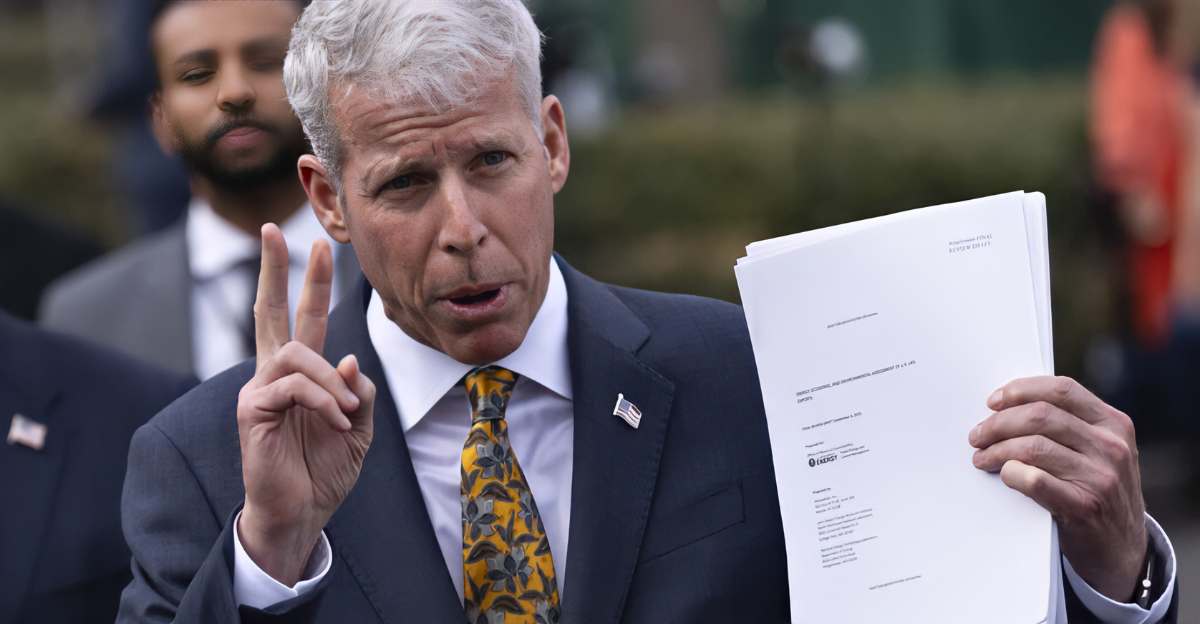
Federal clean-energy programs are unraveling. About 3.56 million Americans work in renewable sectors, but recent rollbacks jeopardize many of those jobs.
Analysts warn this was “one of the hottest and most promising job sectors” now “at serious risk – and with it, our overall economy,” said E2’s Bob Keefe.
The administration’s actions mark the start of dismantling climate investments.
Avalanche Effect
Cuts are creating a funding gap. In March, the EPA canceled $20 billion in grants. DOE followed by returning $13 billion in climate funds.
Together, $33 billion in planned investment has vanished, affecting projects in all states and Puerto Rico.
Developers scramble, while renewable stocks wobble, and Treasury yields briefly jumped amid the uncertainty.
Historical Context
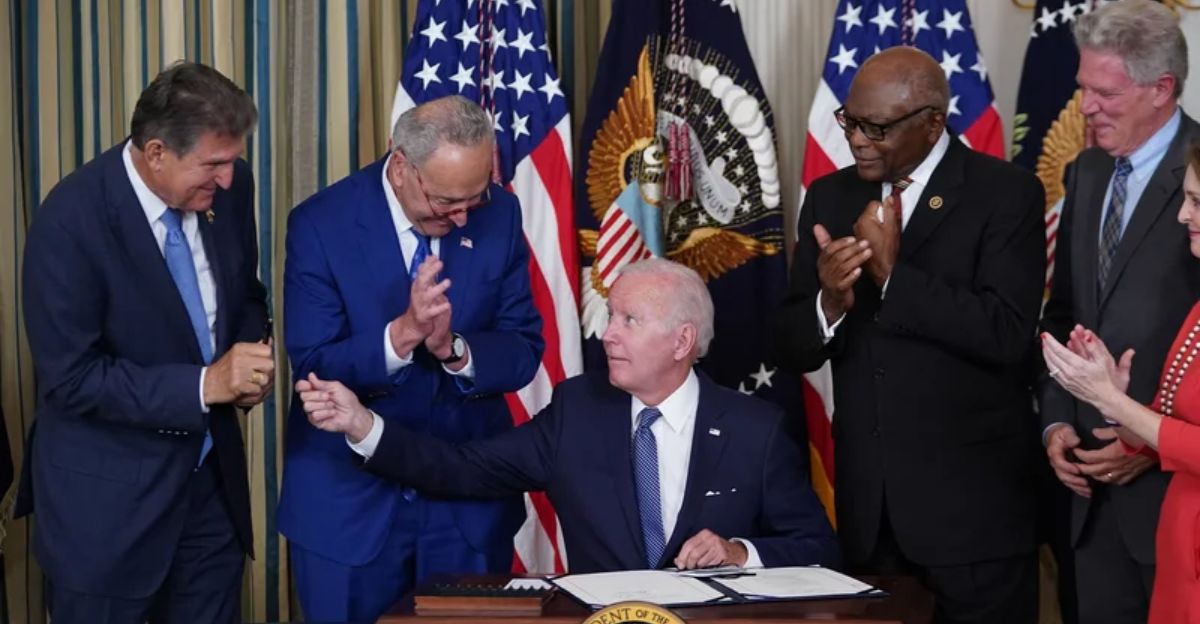
The 2022 Inflation Reduction Act directed $369 billion toward climate programs, America’s largest-ever investment. Biden spent two years deploying funds across energy sectors.
Strikingly, about 85% of IRA investments landed in Republican-led districts, despite unanimous GOP opposition in Congress. Now, many of those same districts face cancellations that threaten jobs and the infrastructure they once celebrated.
Political Pressure

Trump branded the IRA a “Green New Scam,” criticizing “reckless spending”. Energy Secretary Chris Wright echoed the view, framing clean-energy programs as wasteful. But not all Republicans agreed.
In 2024, 18 House GOP members warned Speaker Johnson that repeals would “undermine private investments” and waste billions. The contradiction reflects the political tension between ideology and job protection.
Main Event
On Sept. 24, 2025, DOE said it will return $13 billion in climate funds, canceling approved wind, solar, battery, and EV projects.
Wright hailed the move as ending the “Green New Scam.” “By returning these funds… we affirm our commitment to affordable, reliable energy,” he said.
Washington is abandoning hundreds of subsidies while boosting fossil and nuclear projects.
Regional Impact

Job losses are uneven. States like Texas, Georgia, and North Carolina attracted large IRA projects but now face delays or cancellations.
Offshore, the Revolution Wind project near Rhode Island was halted until a judge allowed resumption.
Republican states that once welcomed federal clean-energy dollars now bear the brunt, leaving governors scrambling to reassure investors.
Human Cost

Workers feel the shock. Offshore wind firms warned “thousands of jobs” were at risk. The Solar for All program, designed for low-income families, is frozen.
“Lower utility bills [and] many thousands of good-paying jobs” were on the line, said Sen. Bernie Sanders, calling the rollback “absolutely insane”.
Families now face stalled paychecks and lost opportunities.
Industry Response

Executives warn that uncertainty jeopardizes $200 billion in EV and battery investments. AESC paused a $1.6 billion South Carolina factory, citing “policy and market uncertainty”.
Gov. Henry McMaster admitted, “Some… are being paused”. Battery Council International notes 106,000 jobs in lead batteries alone. Industry groups fear political swings could collapse years of progress.
Economic Ripples
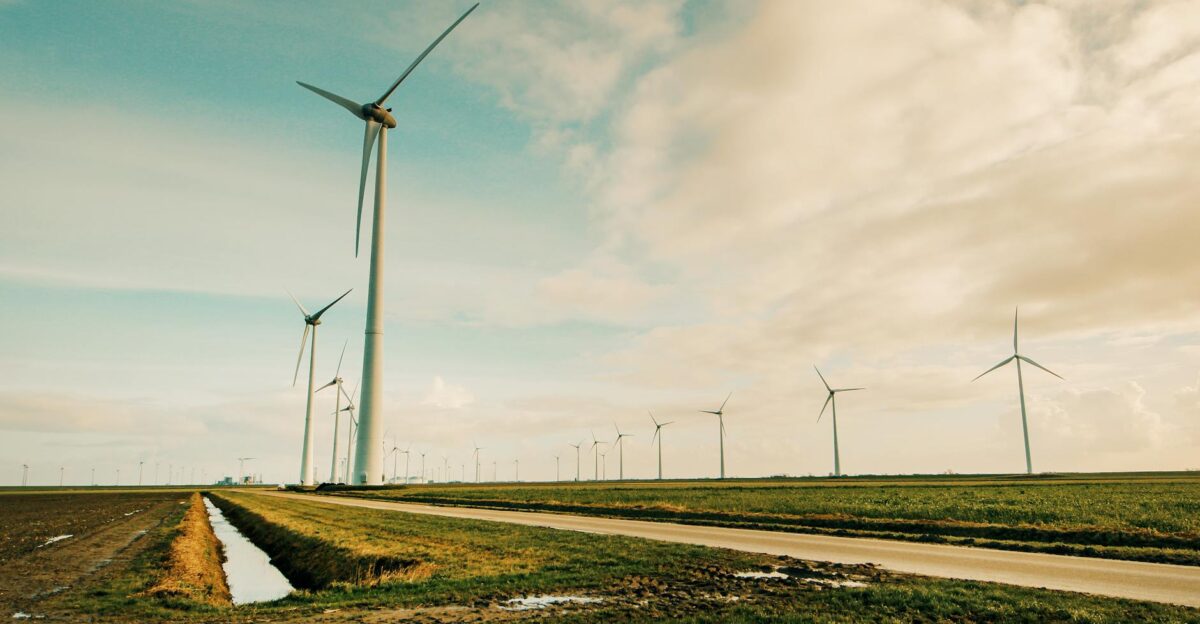
Clean energy supported 3.56 million jobs in 2024, growing three times faster than the broader economy, with wages $9,000 above average.
Analysts found IRA investments returned $1.87 per taxpayer dollar. Critics counter that EV subsidies cost taxpayers about $32,000 per additional car sold.
Either way, halting programs risks undercutting job growth and economic returns.
Hidden Consequence

Markets and geopolitics are shifting. In September, China pledged to cut emissions 7–10% by 2035 and expand renewable capacity.
Analyst Ian Bremmer warned, “Letting China become the sole powerful electro-state is the opposite of making America great again”.
As the U.S. retreats, global competitors seize leadership in clean-tech manufacturing and green trade.
Internal Tensions
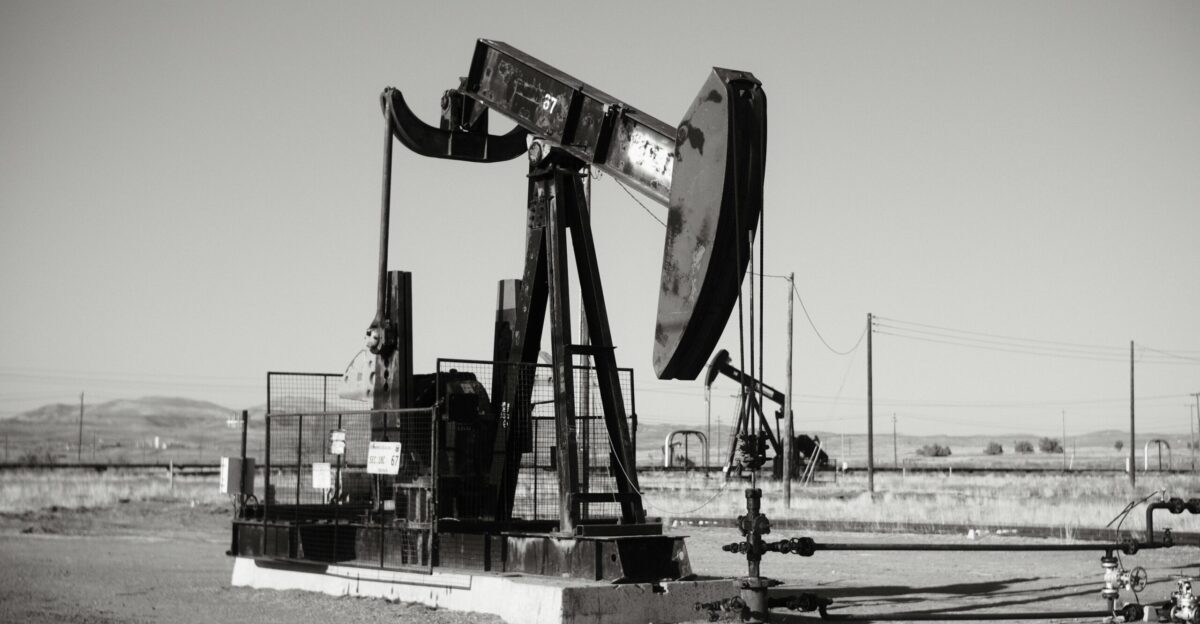
Lobbying is intensifying. Oil-and-gas companies want some tax credits preserved, noting benefits for steel and manufacturing.
Republican governors privately press to keep job-creating incentives. Wright now faces pushback from both sides: climate advocates decry cuts, while industries warn of lost investment.
The administration is squeezed between ideological allies and economic stakeholders.
Leadership Dynamics

Chris Wright, MIT-trained engineer, built Liberty Energy into a top fracking firm. Confirmed 59–38 with bipartisan votes, he is openly skeptical of climate policy.
He once drank fracking fluid on camera, symbolizing defiance. Now, as Energy Secretary, he controls a $50 billion budget, prioritizing nuclear and fossil fuel development, and wielding influence to redirect federal energy strategy.
Strategic Pivot
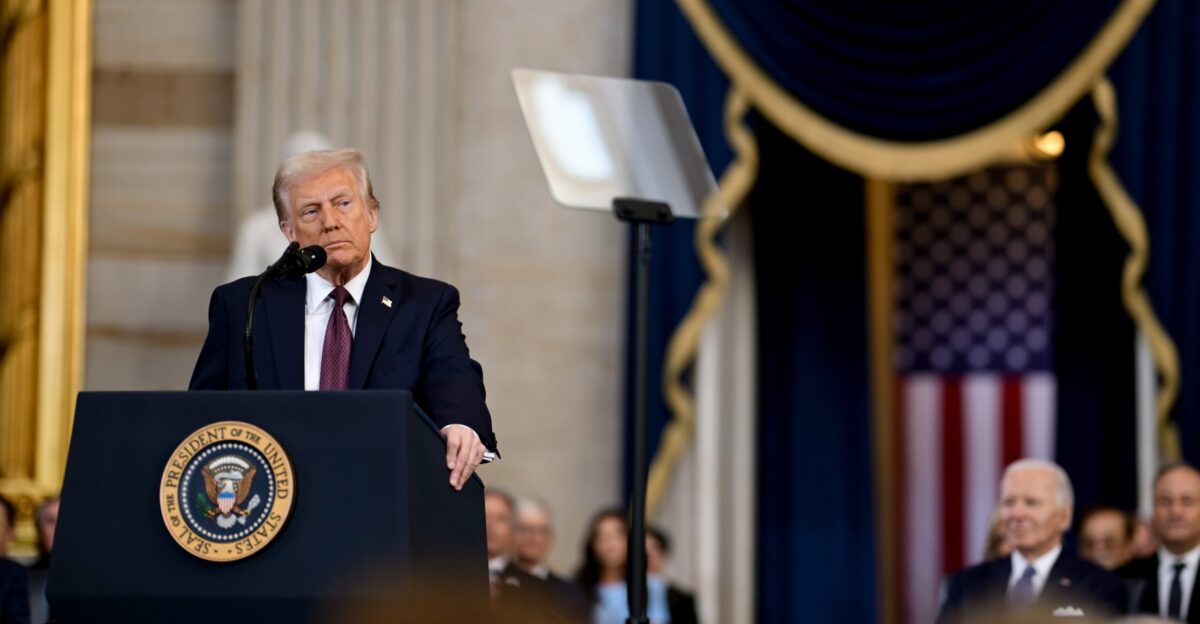
In Feb. 2025, Trump created the National Energy Dominance Council to advance fossil fuels. Rep. Brett Guthrie praised its “baseload power” approach. DOE is redirecting research from renewables toward nuclear, carbon capture, and fossil efficiency. Renewable R&D funding is shrinking, replaced with projects labeled “reliable baseload.”
The administration calls this “all of the above”; critics call it regression.
Expert Skepticism
Despite politics, clean tech’s momentum remains. Solar and wind are already cost-competitive. ICCT projects 84,000–125,000 U.S. battery jobs by 2032.
“Market forces now favor clean energy regardless of subsidies,” one consultant said. Experts argue that private investment and consumer demand will continue the shift, limiting Washington’s ability to reverse a decade of progress.
Forward Question
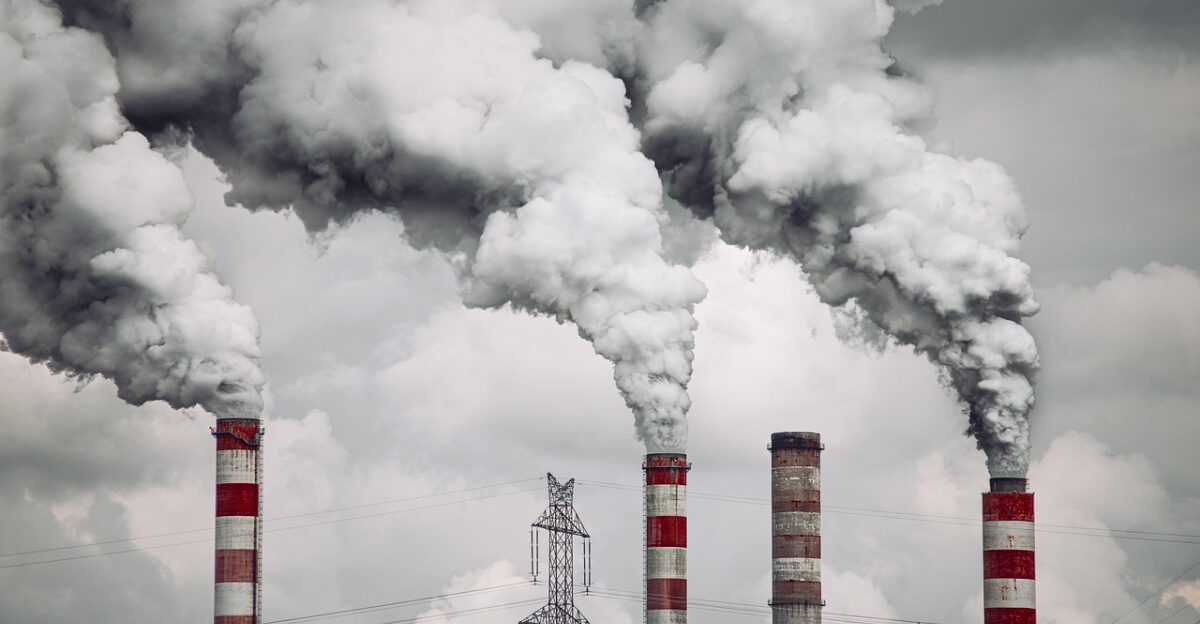
Will these reversals accelerate U.S. decline or revive fossil dominance? Wright’s vision bets on oil, gas, and coal. Globally, nations embrace electrification and decarbonization.
America risks isolation as competitors expand clean industries.
The choice may decide whether U.S. manufacturing thrives or falls behind in the next wave of global energy transformation.
Political Implications

The U.S. again withdrew from the Paris climate treaty of 195 nations. Wright dismissed Paris as “silly” and net-zero by 2050 as “crazy”. Yet about two-thirds of clean-energy jobs are in Republican districts.
Lawmakers face tough choices: support Trump’s rollback or defend local jobs. The contradiction could shape future elections in key states.
International Reverberations
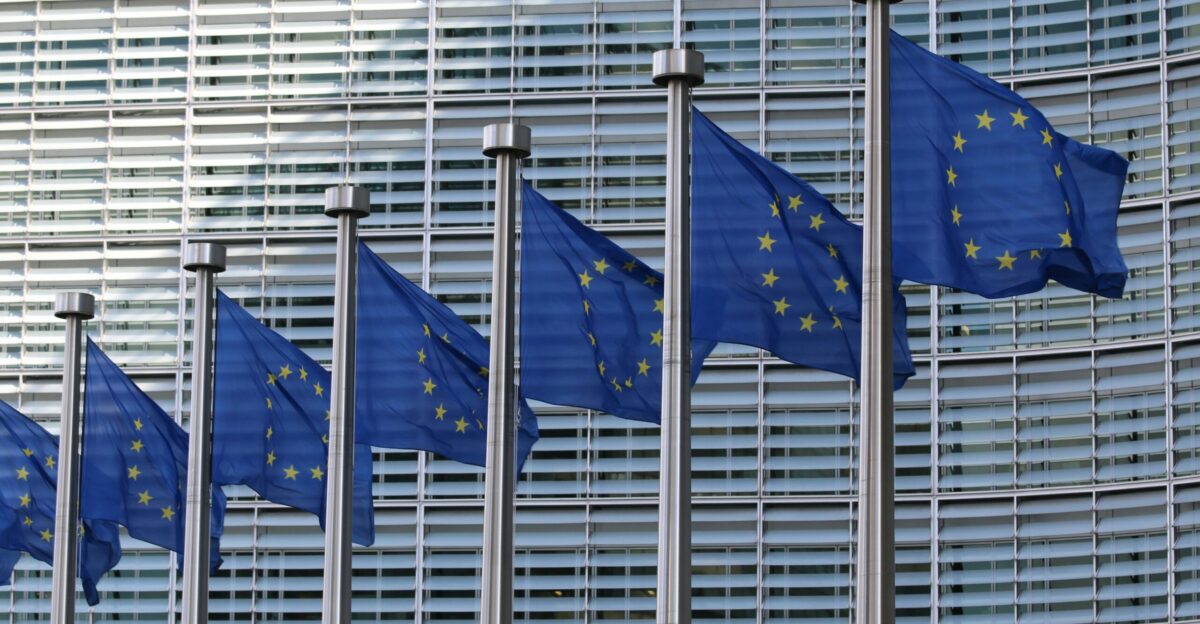
Europe calls the U.S. stance “concerning.” China expands renewables and pledges emissions cuts.
Investors pivot toward India, Japan, and EU markets where clean-tech policies are stable. Foreign firms eye U.S. fossil projects, such as Japan’s $6 billion Texas gas plant.
America risks losing clean-energy investment while welcoming foreign capital for fossil fuel expansion.
Legal Battleground

Courts are pivotal. Lawsuits challenge EPA’s cancellation of $20 billion in grants. In Climate United Fund v. Citibank, plaintiffs argue the rollbacks violate the law.
Separately, a federal judge ordered work to resume on Revolution Wind, rejecting Trump’s stop-work order.
These rulings show judicial skepticism toward sweeping federal interventions in clean energy.
Cultural Shift
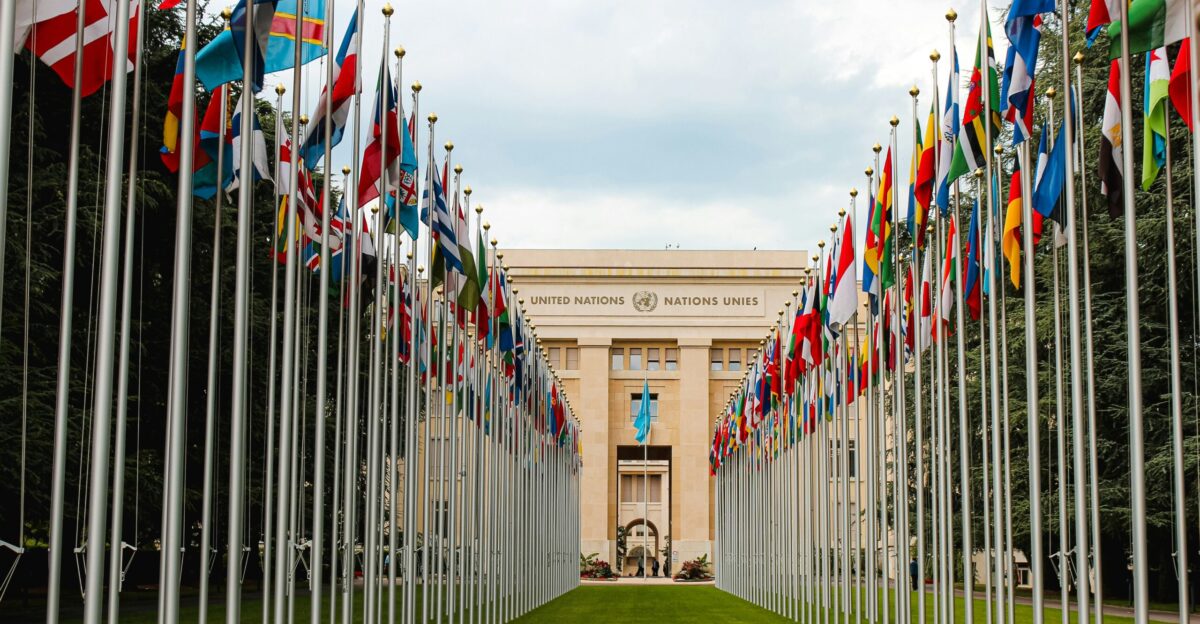
Climate language has grown combative. Trump declared at the UN: “If you don’t get away from this green scam, your country is going to fail”.
Wright’s fracking-fluid stunt symbolizes defiance. Terms like “Green New Scam” dominate conservative rhetoric.
Despite scientific consensus, debate has hardened into slogans, fueling deeper partisan polarization over climate policy.
Future Framework

Returning $13 billion and canceling grants marks a broad retreat from climate action. Wright’s approach emphasizes short-term economic returns over long-term competitiveness.
DOE notes America holds vast oil and coal reserves, yet renewables are now cost-effective.
Ultimately, America’s future may hinge on whether markets and private innovators can overcome political resistance to clean technologies.