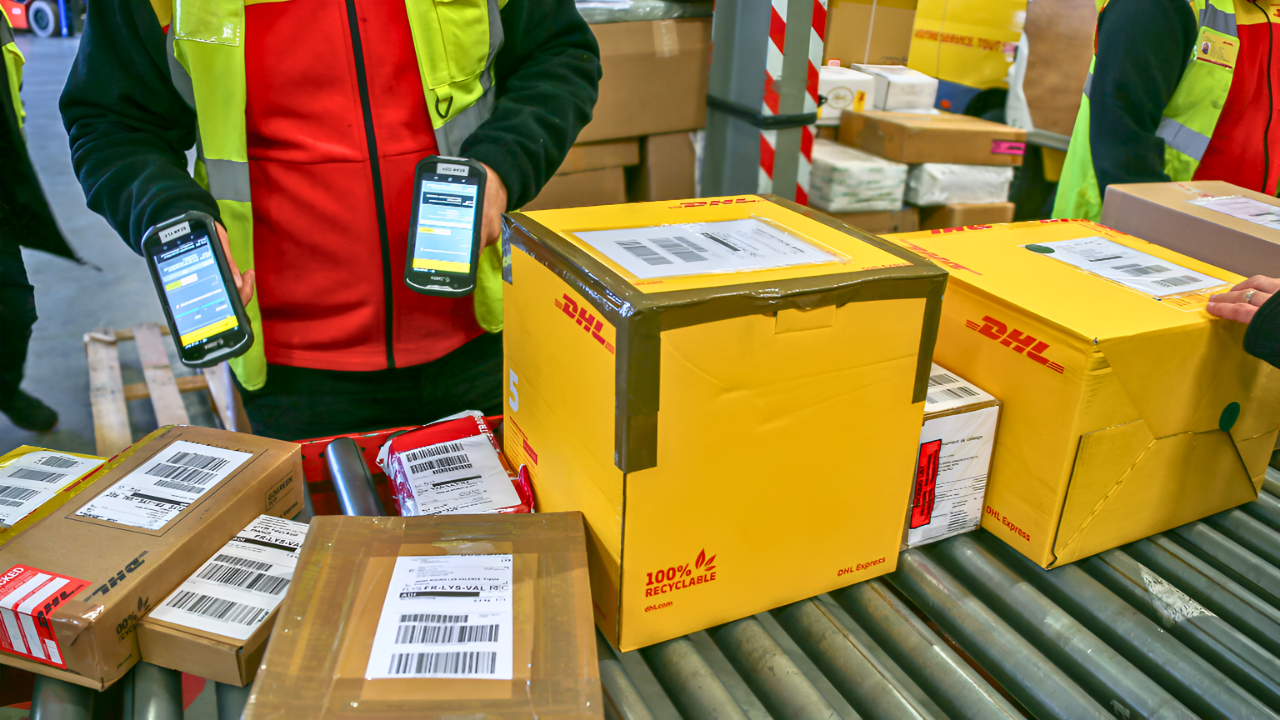
A major shift in U.S. customs rules has created big disruptions in international shipping. DHL Express, one of the world’s largest delivery companies, reported a 32% drop in the number of packages sent to the United States during the third quarter of 2025. The main reason is the end of the de minimis exemption, a rule that once allowed imports worth less than $800 to enter the country without paying taxes or customs duties. Since this rule was removed on August 29, 2025, about 4 million packages entering the U.S. each day are now being taxed. This has increased costs for businesses and consumers and forced shipping companies to rethink how they deliver goods across borders.
This change is part of a series of protectionist trade moves by the U.S. government designed to encourage more domestic manufacturing. By raising tariffs on many imported goods, particularly those from China, the government hopes to strengthen local industries. However, these measures are also creating tension with other countries and causing trade disruptions. Many global companies are now facing delays, higher costs, and a more complicated shipping environment as a result.
How the Trade Policy Shift Rippled Across Businesses
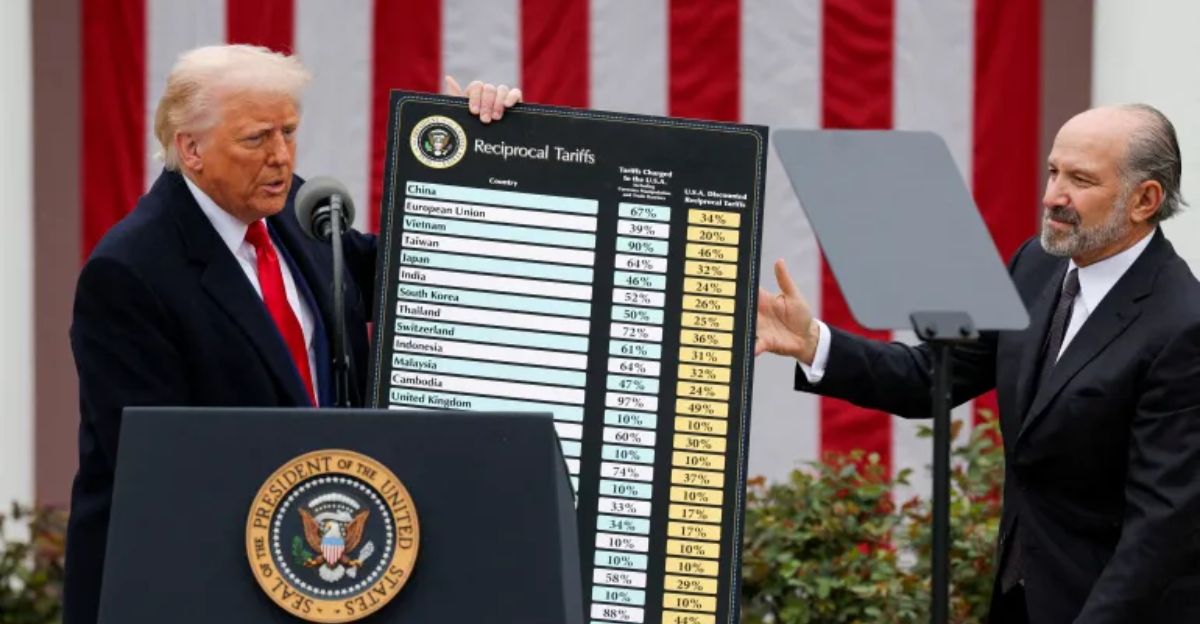
In the past, global trade focused on lowering tariffs and expanding market access. Now, the trend has reversed. The removal of the de minimis exemption has made it harder for international e-commerce businesses to sell to American customers, especially those that rely on low-cost packages. Smaller consumer shipments, once simple and inexpensive, now require customs declarations and additional taxes, slowing down deliveries and adding paperwork. Larger business-to-business (B2B) shipments are less affected, but they still face more regulation than before.
These new barriers have forced major shipping companies like DHL to change their operations. Deliveries that used to move quickly are now stuck in customs for longer, creating backlogs and raising expenses. To deal with these issues, many businesses are trying new approaches. Some are building regional warehouses inside the U.S. to store goods locally and avoid cross-border fees. Others are adjusting their shipping strategies to combine multiple small shipments into one larger order, reducing customs paperwork and saving time. Every step of the supply chain, from manufacturers to delivery companies, is being reevaluated to adapt to the new trade environment.
The Economic and Consumer Impact
The new tariffs are having a noticeable impact on the American economy and on shoppers. Consumers are paying more for items that used to be cheaper because of the added import taxes. This is especially visible in online shopping, where many products come from overseas sellers. Higher prices and longer delivery times are discouraging some buyers, pushing them to look for domestic alternatives or goods from countries with lower tariffs.
Small businesses and online retailers are among those hurt most by these changes. Many of them built their business models on low-cost international shipping, which is no longer as affordable. For DHL, the drop in incoming U.S. shipments signals that trade restrictions are slowing down international e-commerce growth. These effects also extend beyond retail: American manufacturers that depend on imported materials are paying more, which adds pressure on prices throughout the economy. Economists warn that the combination of slower trade and higher costs could contribute to inflation and reduce consumer spending power.
DHL’s Response and the Future of Trade
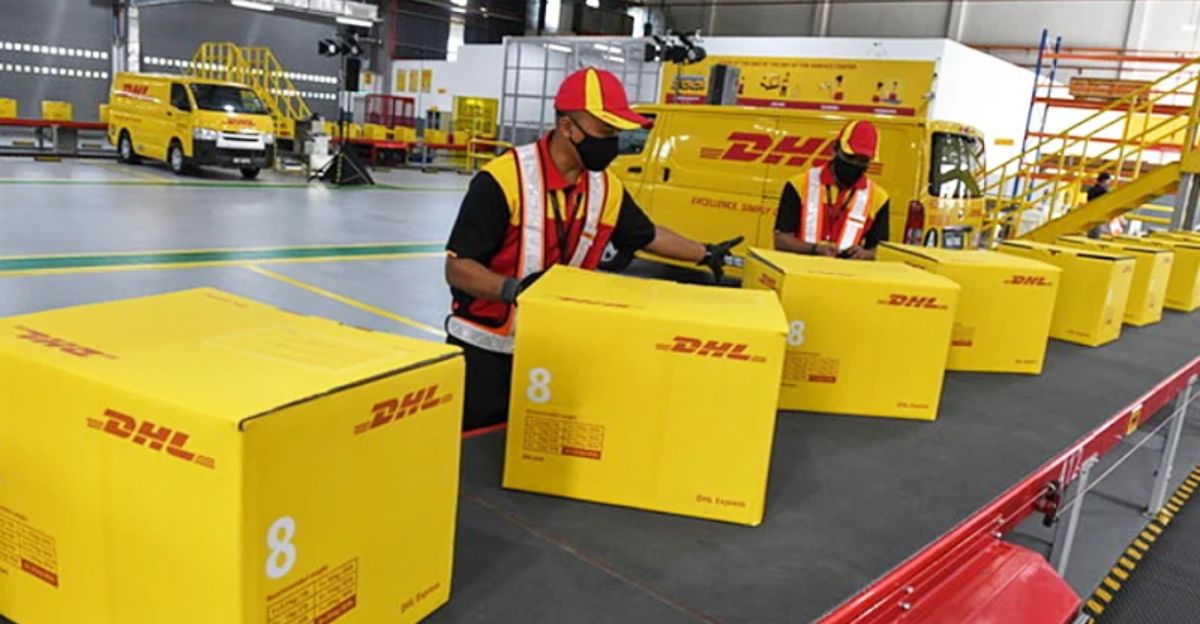
To handle the new customs environment, DHL is making major adjustments. The company has paused some high-value consumer deliveries to the United States, prioritizing business shipments that face fewer delays. DHL is also investing in new customs management tools, such as programs that refund duties on re-exported goods, bonded warehouses that allow products to stay untaxed until sold, and digital platforms that simplify paperwork for clients. It is also encouraging customers to consolidate shipments to reduce customs complexity and costs.
Still, these changes only solve part of the problem. Shipping to the U.S. has become more expensive and slower overall, and companies must deal with more regulatory uncertainty. DHL’s actions highlight how much adaptability matters in a time of trade and geopolitical instability. Other logistics providers are following suit by introducing advanced customs software and expanding local supply networks.
These disruptions might lead to more regionalized trade patterns. Companies could decide to manufacture and store products closer to their main markets, which might reduce shipping distances and carbon emissions in the long run. However, many challenges remain. The suspension of consumer shipments worth more than $800 shows how serious the customs delays have become, particularly for luxury goods and electronics sellers. Some companies may even reroute goods through countries with more favorable trade agreements to avoid the heaviest tariffs.
The long-term effects are still unclear, but it is evident that international trade is entering a more complicated era. DHL’s response shows both the vulnerabilities and the adaptability of global logistics under pressure. For now, businesses, governments, and consumers are all adjusting to a new trade reality,, one with higher costs, slower deliveries, and a growing need for innovation and resilience in how goods move around the world.