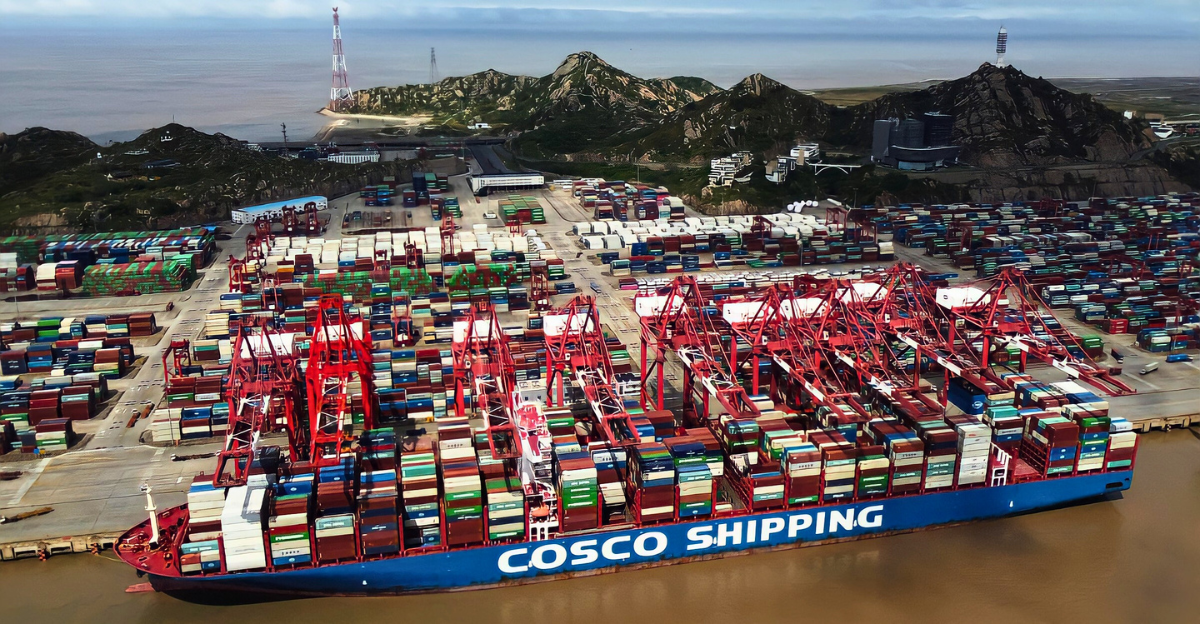
China’s growth engine is showing cracks. Official data point to soft demand and export headwinds – weakening exports, rising debt, and property woes threaten to derail Beijing’s “around 5%” growth plan.
Manufacturing provinces like Guangdong now report falling orders, and factory hiring indexes have sunk to levels seen only in downturns.
The world’s second‑largest economy is clearly navigating choppier waters as global demand shifts.
Warning Signals
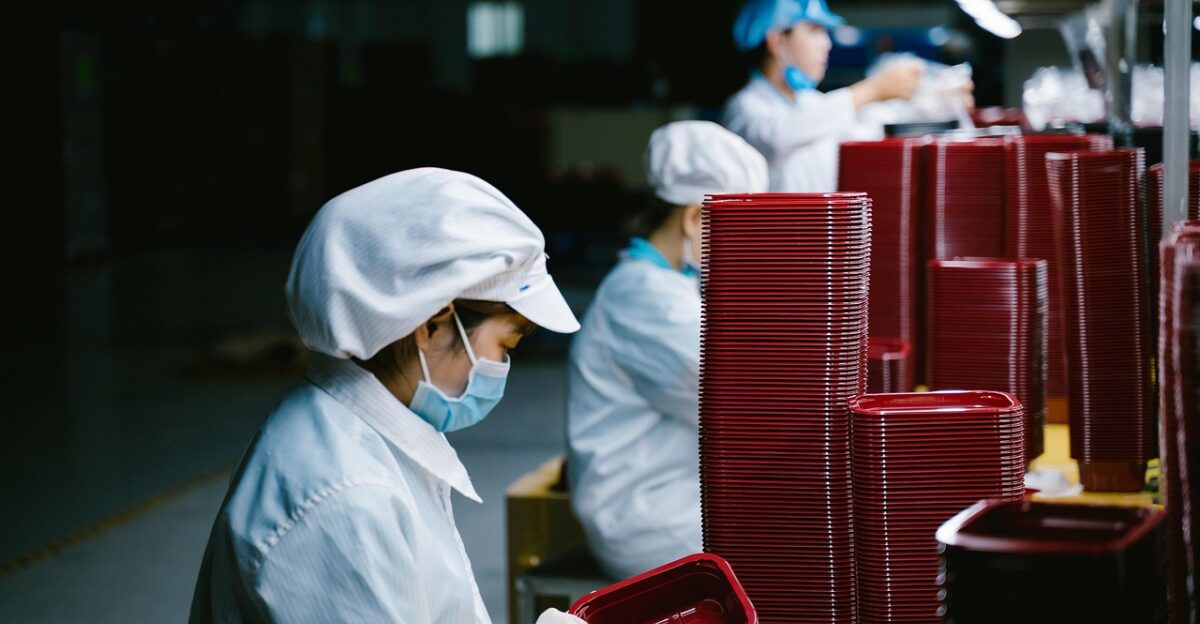
August surveys confirmed the slowdown. The official manufacturing PMI stayed below 50 (49.4) for a fifth straight month, signaling contraction.
Its employment sub‑index fell to about 47.9, reinforcing that jobs are under pressure.
Many factory bosses in export hubs say orders have dried up faster than seasonal norms. In short, the machinery of growth is sputtering: plants are idle and factories report expanding cost-cutting to stay afloat.
Trade Context
The turmoil is rooted in a bitter trade conflict. In spring 2025, the U.S. and China imposed new duties on each other’s goods, but a mid-August truce kicked in before they could jump even higher.
That agreement froze U.S. tariffs on Chinese imports at around 30% and China’s retaliation at 10%, averting an immediate spike.
Still, both sides are bracing for a fresh round of negotiations. With talks ongoing and no permanent deal in sight, exporters face a constant risk that higher duties could snap back.
Mounting Pressures
Chinese exporters are feeling the squeeze. As U.S. demand evaporates under tariffs, firms face two-sided pain: input costs keep rising (due to inflation and supply chain issues) while overseas competition intensifies from goods redirected by other exporters.
Official reports describe a cycle of deflation and weak orders. Factories in steel, textiles, electronics and other sectors are running well below capacity.
Many companies report shrinking profit margins as they slash prices to win whatever business they can. The result is overcapacity and idle equipment in corners of the economy that once expanded rapidly.
Export Slowdown

Customs data confirm a marked slowdown. China’s outbound shipments in August rose just 4.4% year-on-year – the weakest pace in half a year and well below the expected ~5%. July had seen a much stronger 7.2% gain. In other words, the brief bump from the summer trade truce is fading.
Exports to most regions were up but tepid, reflecting still-weak demand. Some analysts still see resilience: as Xu Tianchen of the Economist Intelligence Unit notes, “the number is still decent, and the resilience of exports has certainly lasted longer than we had expected”.
But with U.S. orders drying up, Beijing cannot rely on export growth to carry the economy indefinitely.
US Market Collapse
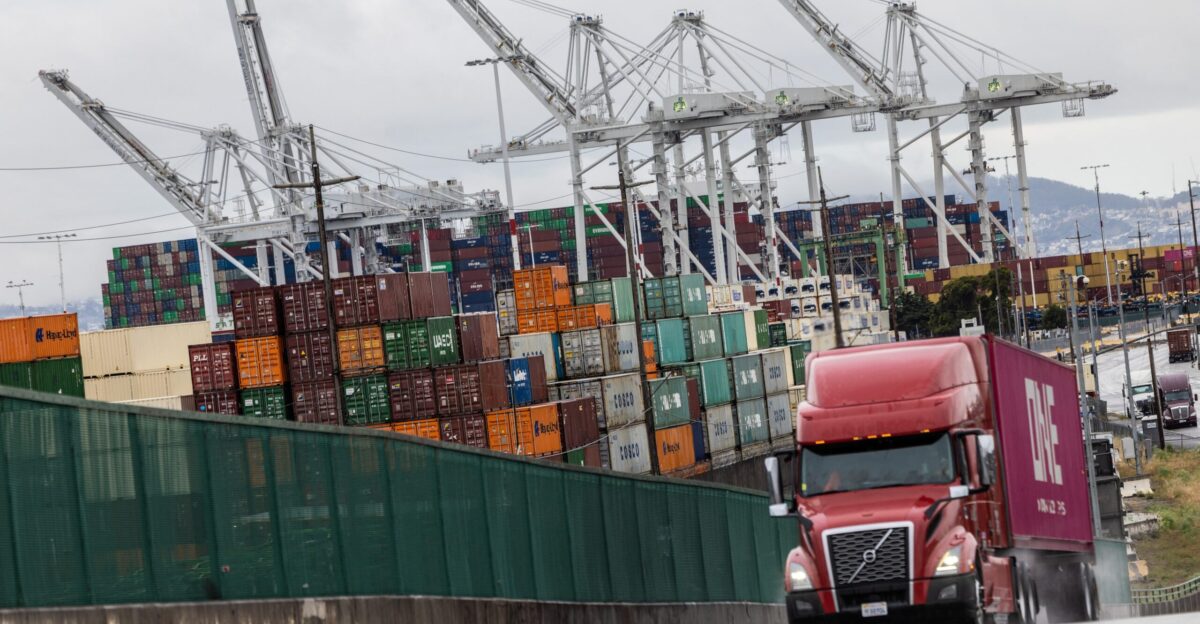
The toughest losses are in North America. China’s shipments to the United States plunged by about one-third in August, extending the steep declines of the past year (down ~21.7% in July).
In dollar terms, exports to the U.S. fell to roughly $47.3 billion last month, while imports from America also slid. By comparison, other markets like Southeast Asia and Europe grew more modestly.
The U.S. remains China’s single largest market, and this collapse in trade underlines just how painful the tariff war has been for exporters.
Human Cost
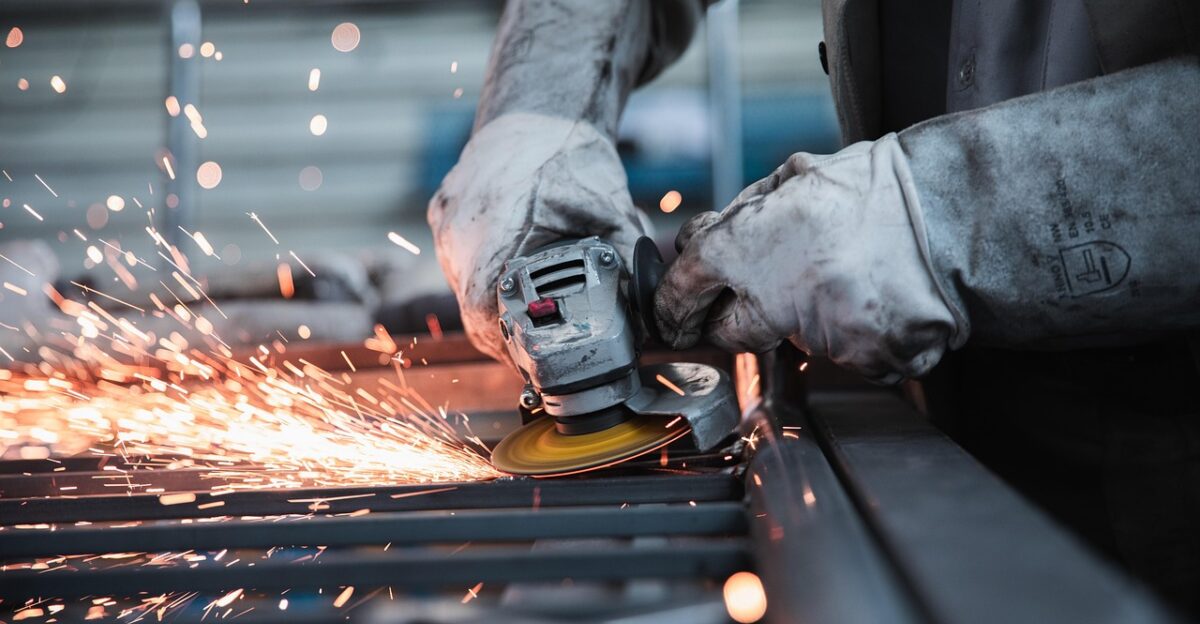
The slowdown is already hurting people on the ground. In Foshan, factory owner Mike Chai has cut his wage bill by nearly 30% to stay competitive. “We’re in survival mode,” he says. “Our factory barely breaks even”.
Workers struggle too: in Beijing, 30‑year‑old Zhang Jinming took a 24% pay cut and now moonlights as a food deliveryman every night. “The pay cut has put me under huge pressure,” Zhang says.
Unpaid leave, shorter hours, and side gigs are becoming commonplace as families try to plug income gaps.
Market Pivot
Exporters are rushing to new markets. Customs figures show Chinese exports to Southeast Asian nations spiked by ~22.5% in August, and sales to the EU rose by about 10.4%.
Exports to Africa jumped nearly 26%. Beijing is banking on a “going out” drive into Asia, Africa, and Latin America to offset U.S. losses.
Even so, analysts warn that none of these markets can match American consumption, which once absorbed over $400 billion of Chinese goods a year. The pivot helps, but it doesn’t fully replace the lost U.S. business.
Surplus Surge
As exports slow, imports have barely lifted – so China’s trade surplus has actually swelled. In August, the surplus hit about $102.3 billion, up from $98 billion a year earlier.
Through the first eight months of 2025, the surplus totaled roughly $785.3 billion (goods only), on track for an all-time high. Net shipments are far outpacing purchases abroad. This reflects weak domestic demand (imports grew only ~1–2%) alongside continued export volume.
The huge surplus highlights China’s dependence on exports amid sluggish home consumption.
Employment Fears
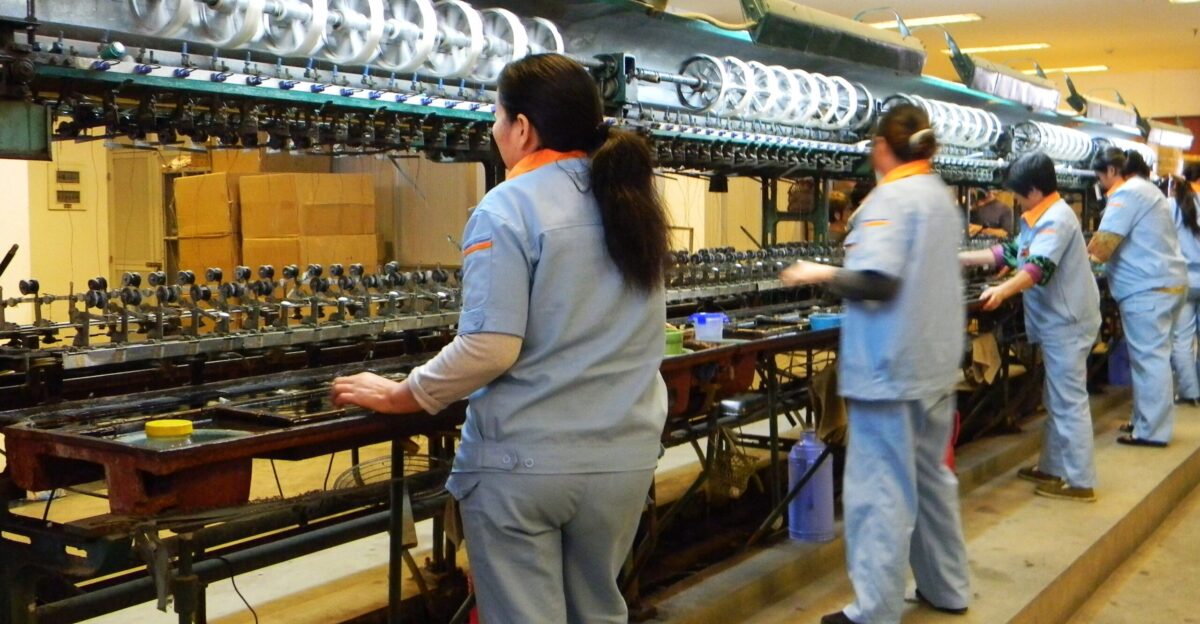
Looking at these trade gaps, economists see danger ahead for jobs. The PMI’s employment index has stayed in contraction (around 47.9) for months, and factory managers are nervous.
Natixis economist Alicia Garcia-Herrero warns that even the current 30% tariffs could still cost China “4‑6 million” jobs.
Many firms are holding onto workers via wage cuts or unpaid leave instead of mass layoffs, but that only delays the pain. If conditions don’t improve, analysts say, companies may be forced into broader workforce cuts, which would be a major shock in a labor-centric economy.
Internal Tensions
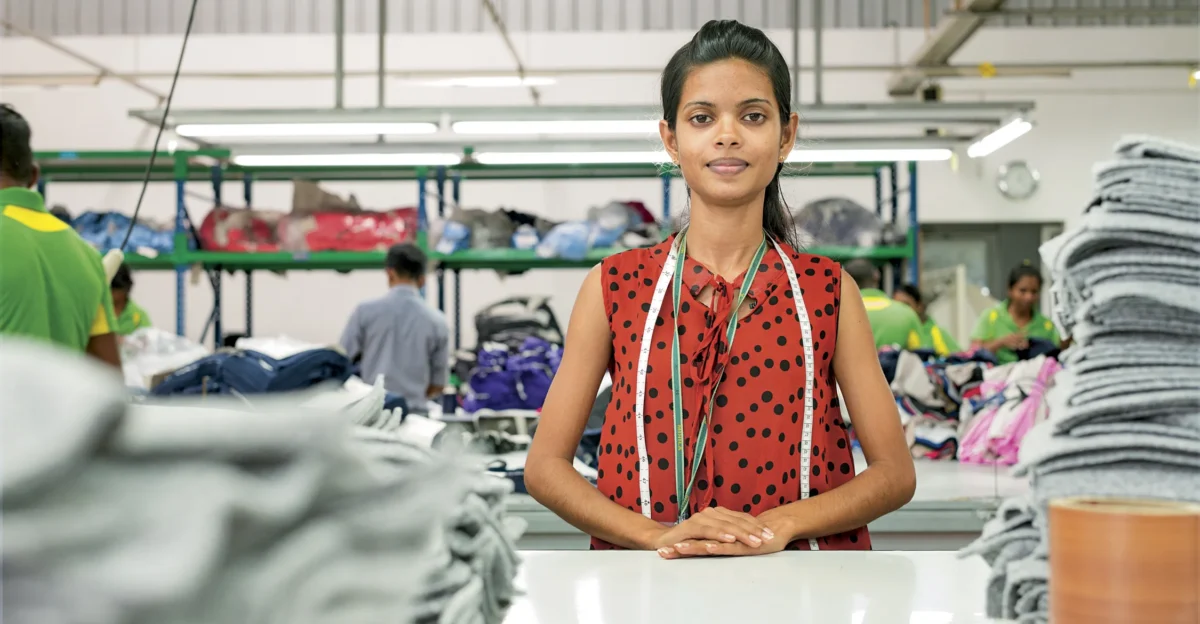
Provincial authorities are walking a tightrope. Export regions like Guangdong and Zhejiang must decide how much to prop up struggling firms versus stick to fiscal discipline. So far, there have been isolated labor disputes and wage delays in smaller factories, but few grand bailouts.
Even so, social stability is a concern. One 42‑year‑old factory worker in Guangdong, Liu Shengzun, lost two jobs in April and returned to farming. “It’s been extremely difficult this year to find steady employment,” Liu says. “I can barely afford food”.
Such stories underscore the risk: if more workers go unpaid or idle, popular discontent could grow.
Strategic Response
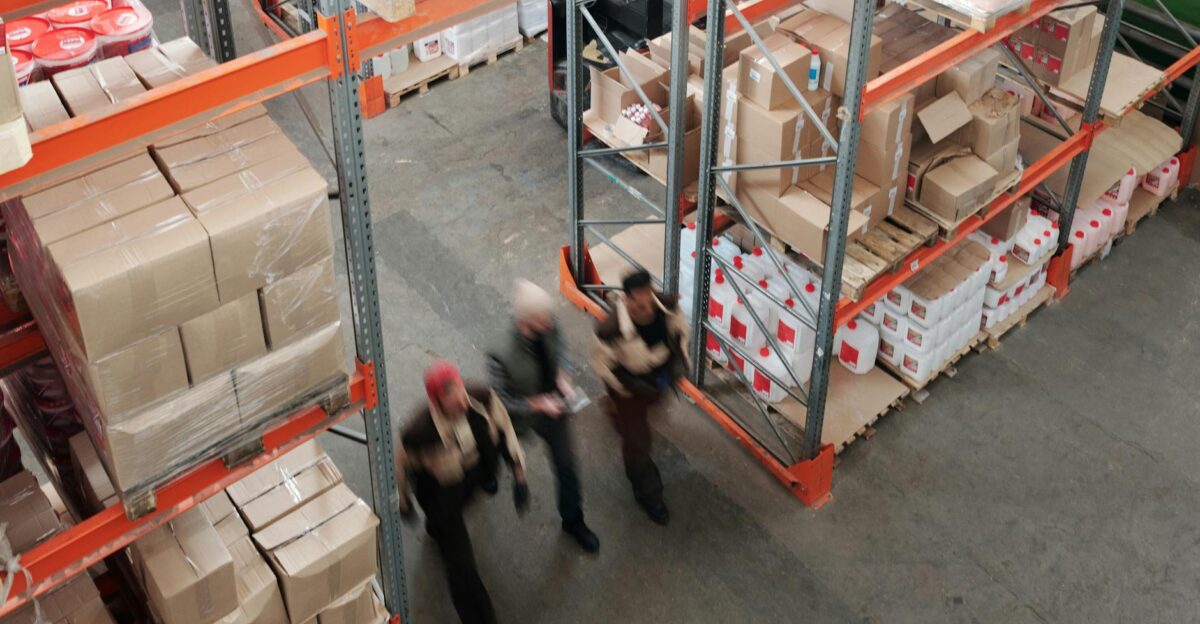
In Beijing, officials preach calm and stick to the growth target. They say China still aims for roughly 5% GDP growth. But instead of big stimulus cheques, authorities are pushing structural fixes.
Policy announcements focus on higher-value industries and domestic demand (e.g., tech, autos, services) rather than propping up exports with fiscal spending. New measures include consumer coupons and credit programs for consumption, but official statements emphasize upgrading factories and opening new markets.
As one adviser puts it, “the most important driver will come from increased government investment” – not corporate borrowing – to create jobs and demand.
Recovery Efforts

Some sectors are trying to pivot up the value chain. Shipments of electronics, machinery, and electric vehicles have shown double-digit gains recently, even as toys and clothing exports shrink.
China has cut all remaining tariffs on African imports and boosted rare-earth exports to friendly markets. (On rare-earths, August shipments rose sharply month-on-month as Europe and Japan scrambled for supply.)
The aim is to build global leadership in high-tech and engineering goods, which are less vulnerable to simple tariff evasion. These moves could help create pockets of growth. Still, most of China’s manufacturing base remains focused on price-competitive consumer goods, and retooling factories is a slow process.
Expert Skepticism

Not everyone is convinced the turn toward new markets will be enough. Capital Economics’ Zichun Huang warns that even the current trade truce bump is fading, and that U.S. plans to slap new tariffs on goods it deems transshipped will put fresh drag on exports.
“With the temporary boost from the U.S.-China trade truce fading and the U.S. raising tariffs on shipments rerouted via other countries, exports are likely to come under pressure in the near term,” he notes.
Other analysts point out that growth in ASEAN or EU demand might slow if Chinese competition intensifies. In short, they say, the coming months will test whether China can find enough buyers beyond its traditional partners.
Future Uncertainty

The calendar itself is a risk. The tariff truce is set to expire on November 10, 2025. If it lapses without renewal, U.S. duties on Chinese imports would snap back toward the triple-digit levels announced last spring, and Chinese retaliatory tariffs toward similarly high rates.
That scenario would effectively choke bilateral trade again. Both sides publicly say they prefer a deal, but negotiations have been fitful.
With no clear path to an agreement yet, businesses and investors remain on edge. Many companies are planning now for worst-case trade war outcomes in coming months.
Political Implications

Behind the tariff battle lies a broader power struggle. U.S. policymakers frame the fight over tariffs and tech as a strategic competition for global leadership. Congress has signaled it will keep pressure on China regardless of the short-term economic pain.
In Beijing, officials cast U.S. measures as unfair containment. The result is that trade policy has become deeply entangled with national security and geopolitical rivalry.
Both sides face domestic political incentives to hold firm, which makes a quick compromise politically difficult. In effect, the trade war is now as much about tech dominance and influence as about goods.
Global Ripples

China’s export struggles ripple worldwide. Europe has seen a windfall from diverted Chinese goods – imports of Chinese furniture, electronics and apparel jumped this year – but European manufacturers complain about being undercut and are pushing for “reciprocity” measures.
In Southeast Asia, Chinese firms have shifted some production, benefiting countries like Vietnam and Malaysia, yet local industries also face fierce competition from cheaper Chinese products.
Overall, economists say global supply chains are being rewired: new trade flows are emerging, and long-standing patterns (e.g., China→US) are weakening. This realignment has winners and losers across Asia, Europ,e and beyond.
Legal Dimensions

The trade conflict is even playing out in trade tribunals. China has filed complaints at the World Trade Organization over U.S. tariff hikes and sanctions. At the same time, Washington is exploring new rules on transshipment and investment that could override WTO norms.
Both sides cite trade-law justifications for their moves, but jurists warn that the dueling protections and punishments strain the existing framework.
The WTO and other trade rules are being stress-tested: some experts fear a clash between national security justifications and trade commitments could undermine the rules-based system if not resolved.
Social Transformation
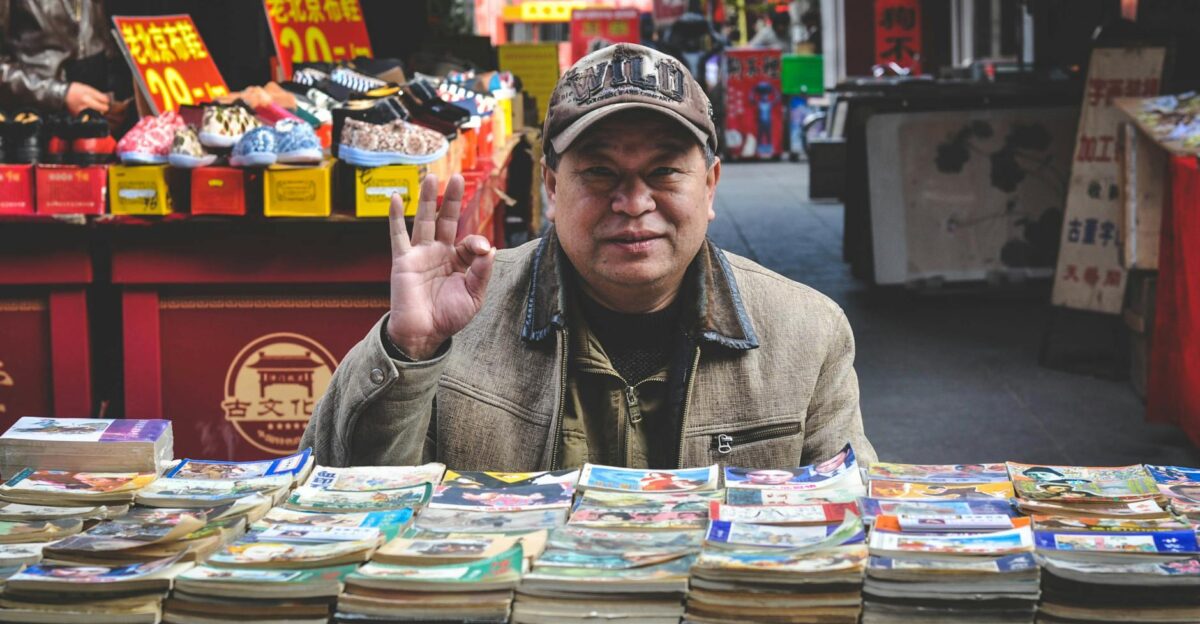
Amid these upheavals, Chinese society is adapting. Many urban workers pick up “side hustles” or freelance gigs to make up for lost income – as Zhang Jinming’s midnight delivery runs show.
Younger workers, especially, are less certain they’ll find stable, well-paying jobs than their parents did. On social media, there’s growing talk about a “new normal” of slower growth and the need for more self-reliance.
Consumers are cutting back: big-ticket purchases have stalled, and saving rates are edging up. Some scholars argue these stresses could finally shift China toward a more consumption-driven model and a more flexible job market – but for now, the immediate effect is that many families are pinching pennies and hedging their bets.
Broader Reflection
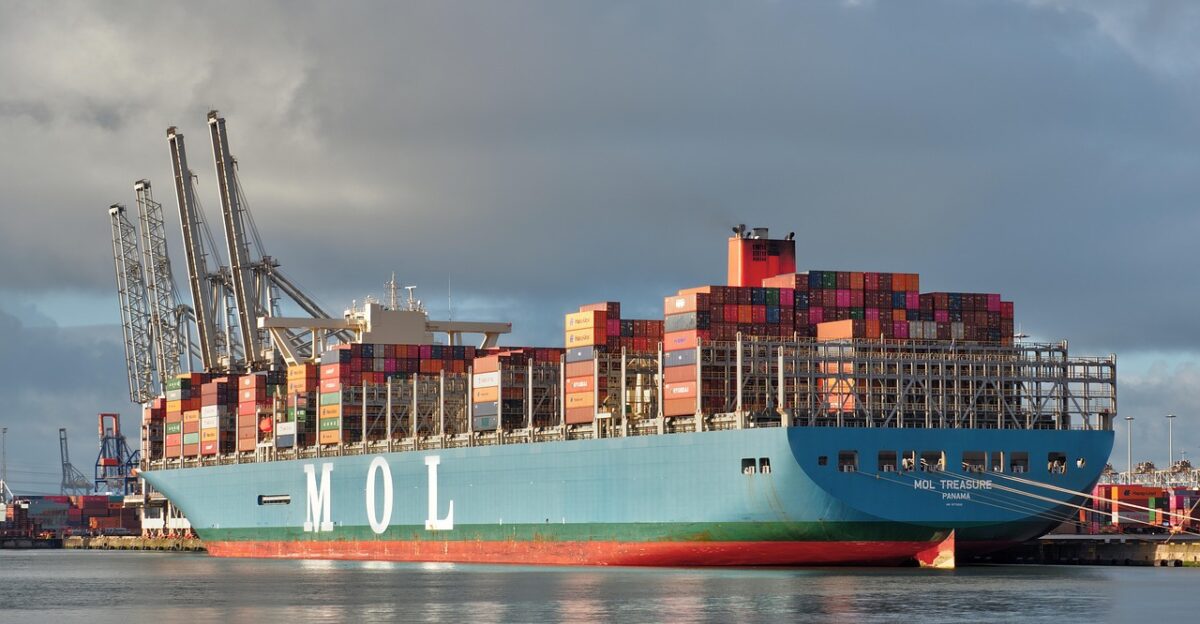
China’s export slump and its effects raise big questions beyond Beijing and Washington. Can short-term tariff truces be turned into lasting peace, or is the era of freewheeling globalization in retreat?
Observers worldwide are watching to see if this reset leads to new trade frameworks or deeper fragmentation. Ultimately, the answer will shape not just U.S.-China relations but the global economic order.
In the end, this isn’t just a bilateral statistic or election cycle story – it’s a defining test of whether deeply intertwined economies can manage their disputes or if economic nationalism will push them apart.