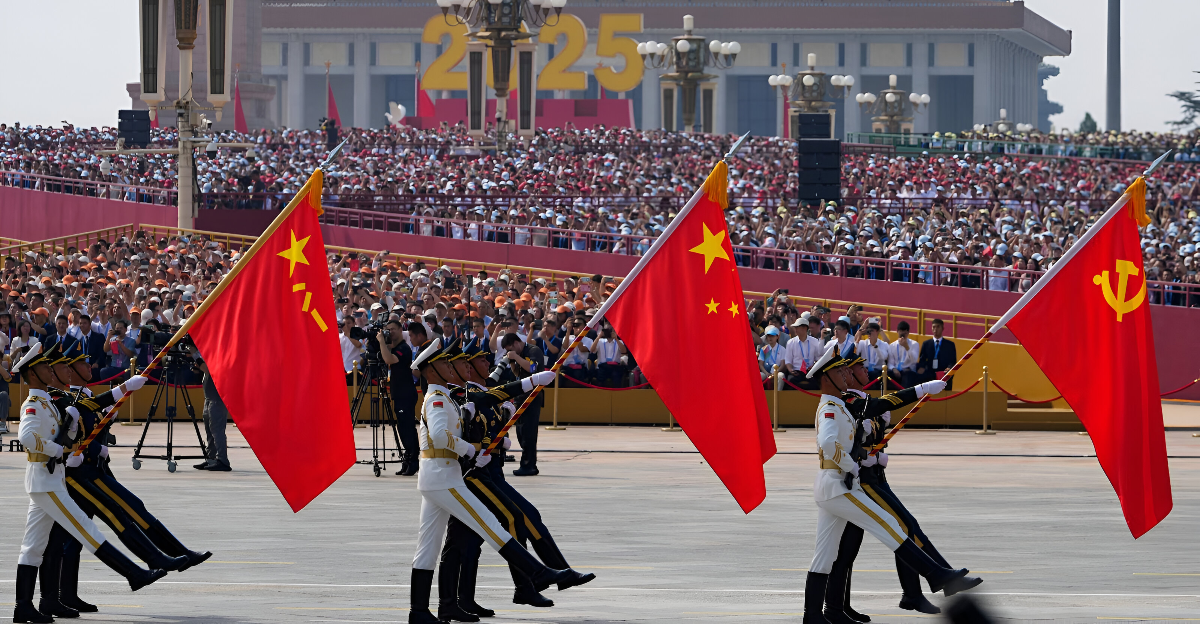
China’s vast military parade in central Beijing wasn’t just a dazzling display of firepower—it was a choreographed declaration of ambition. From hypersonic missiles to robotic troops, the sheer scale and sophistication revealed a military on the move.
For citizens at home and rivals abroad, the event prompted a sharper look at the global order. As Beijing flexes its military muscle, questions now swirl over what kind of power China aims to become—and how the United States might respond.
A Legacy Remembered, a Message Sent
The timing was no coincidence. China marked the 80th anniversary of Japan’s surrender in World War II, evoking themes of endurance, sacrifice, and victory. But the tribute to past triumphs carried unmistakable hints about future aspirations.
By fusing history with hardware, Beijing signaled that it sees itself not just as a former victim of imperialism—but a regional heavyweight prepared to shape global affairs on its own terms.
15,000 Troops, Two Dozen World Leaders
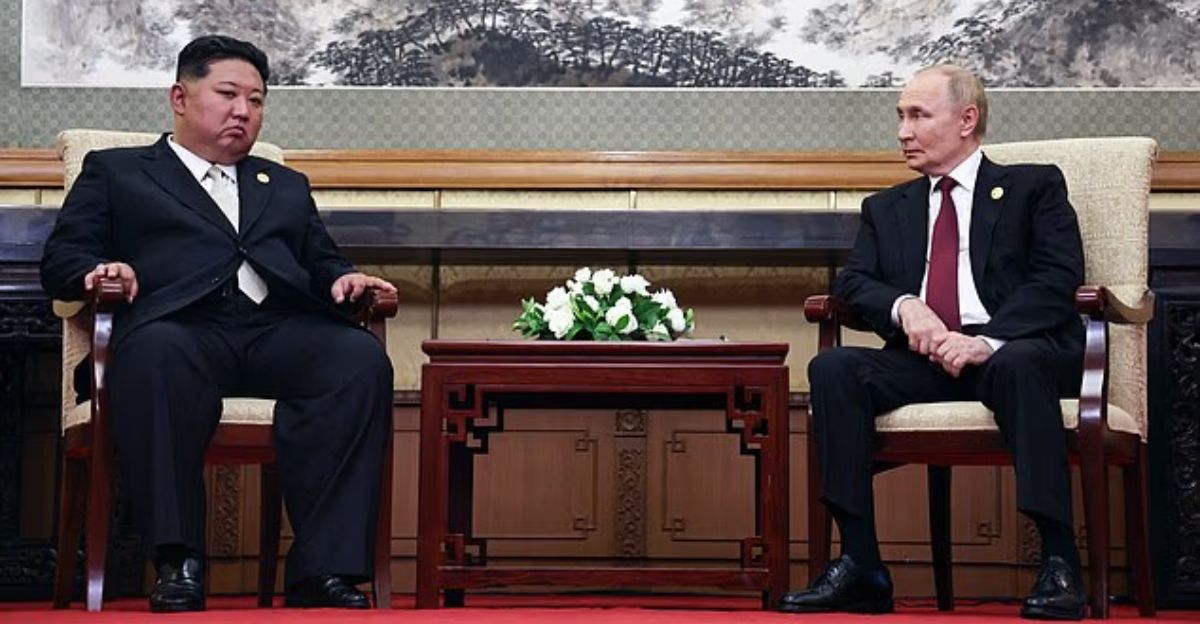
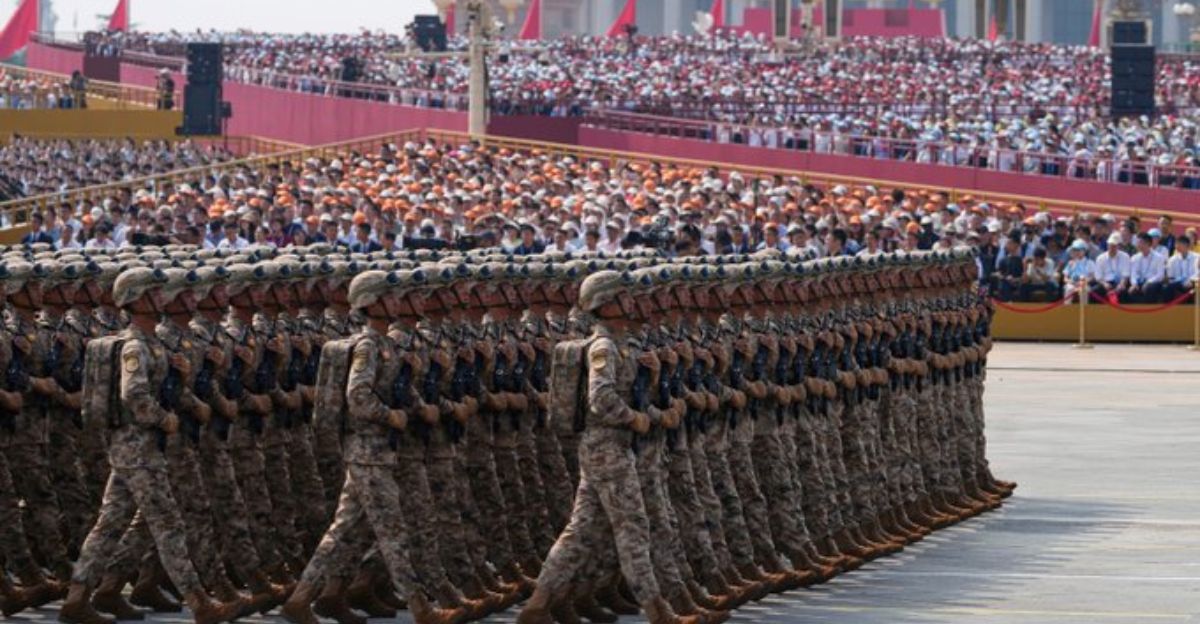
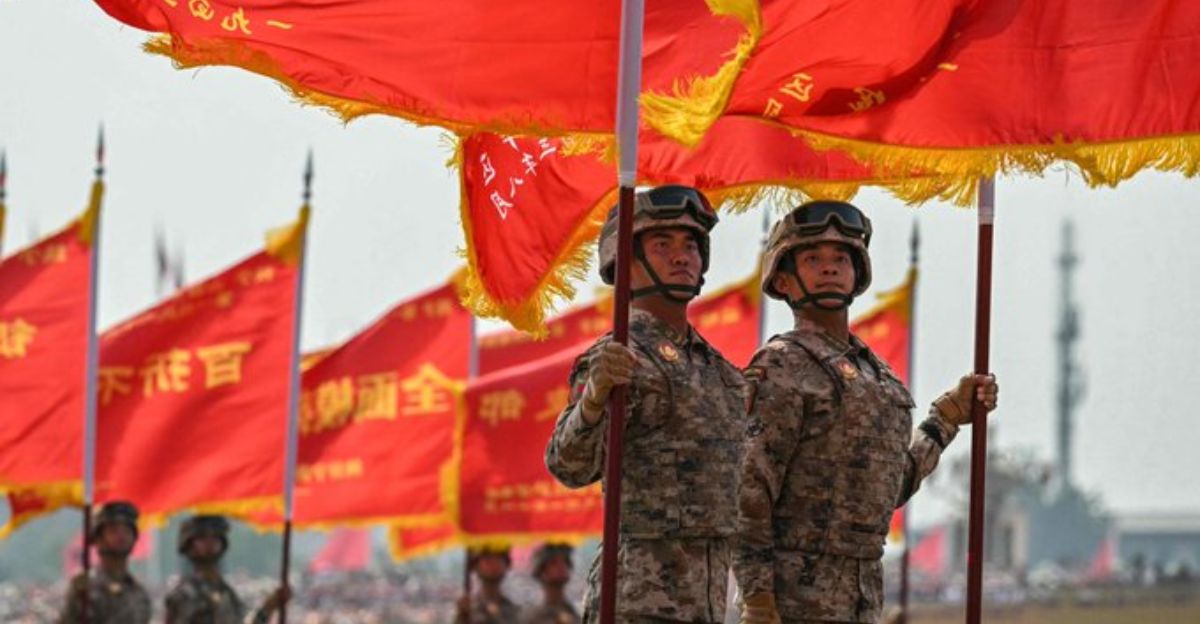
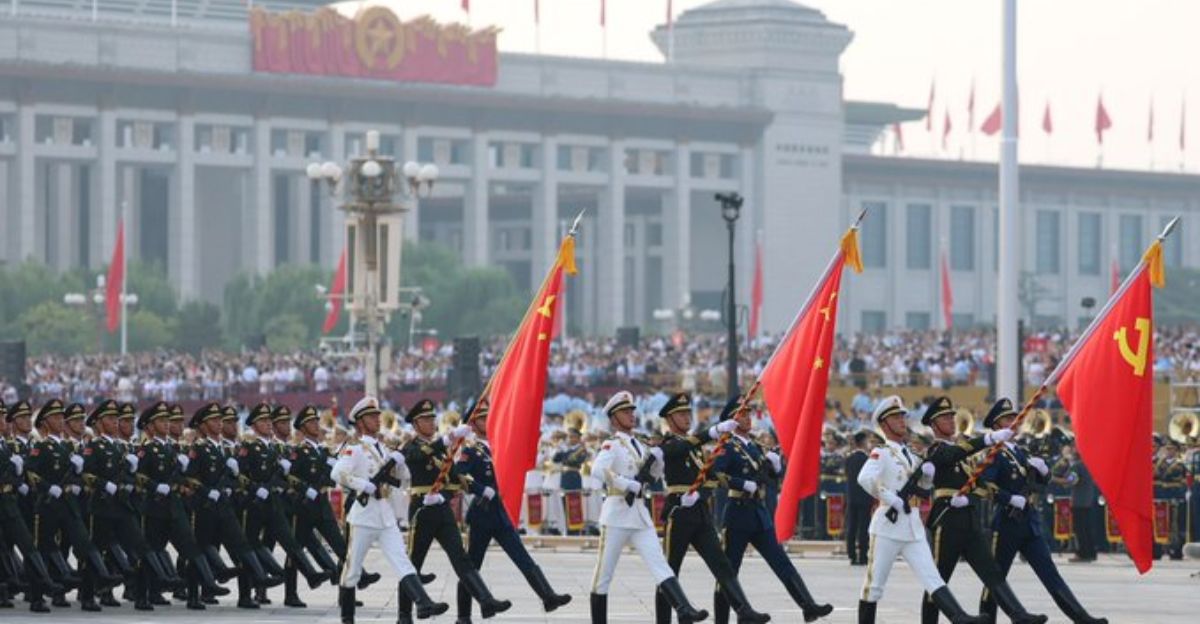
Rows of 15,000 People’s Liberation Army troops marched down Beijing’s iconic Chang’an Avenue, flanked by roaring applause and international scrutiny. Among the guests: Vladimir Putin and Kim Jong Un.
This wasn’t merely military theater. The presence of foreign heads of state and the precision of the formations added a strategic edge—this was military diplomacy with a show of force.
Inside the Arsenal: Beijing’s Big Reveal
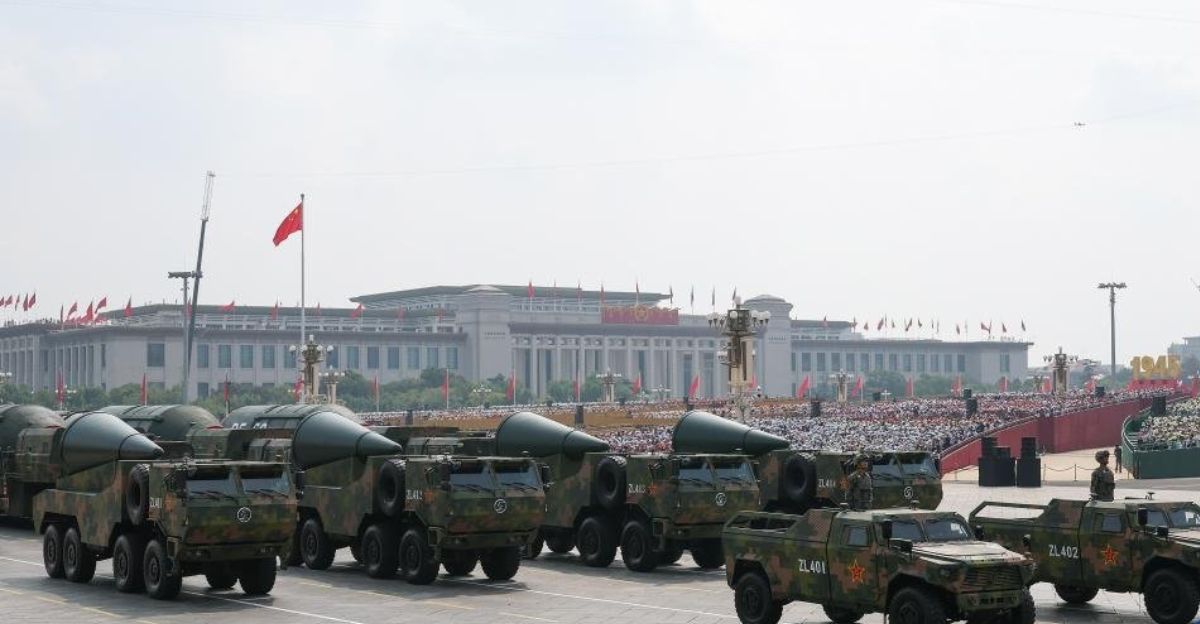
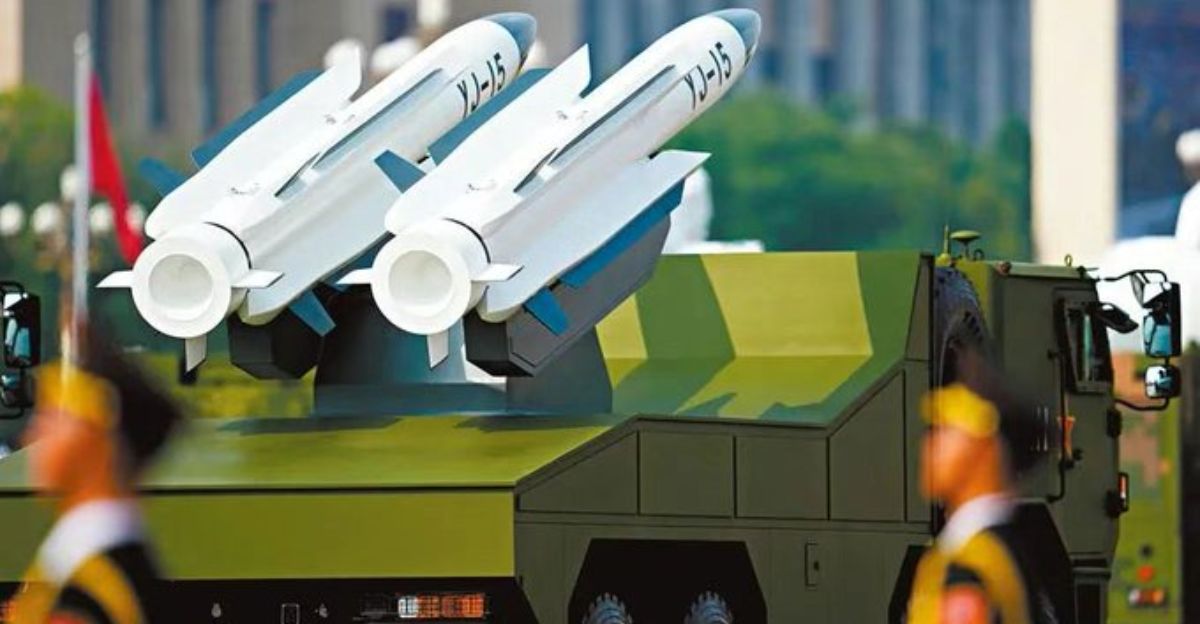
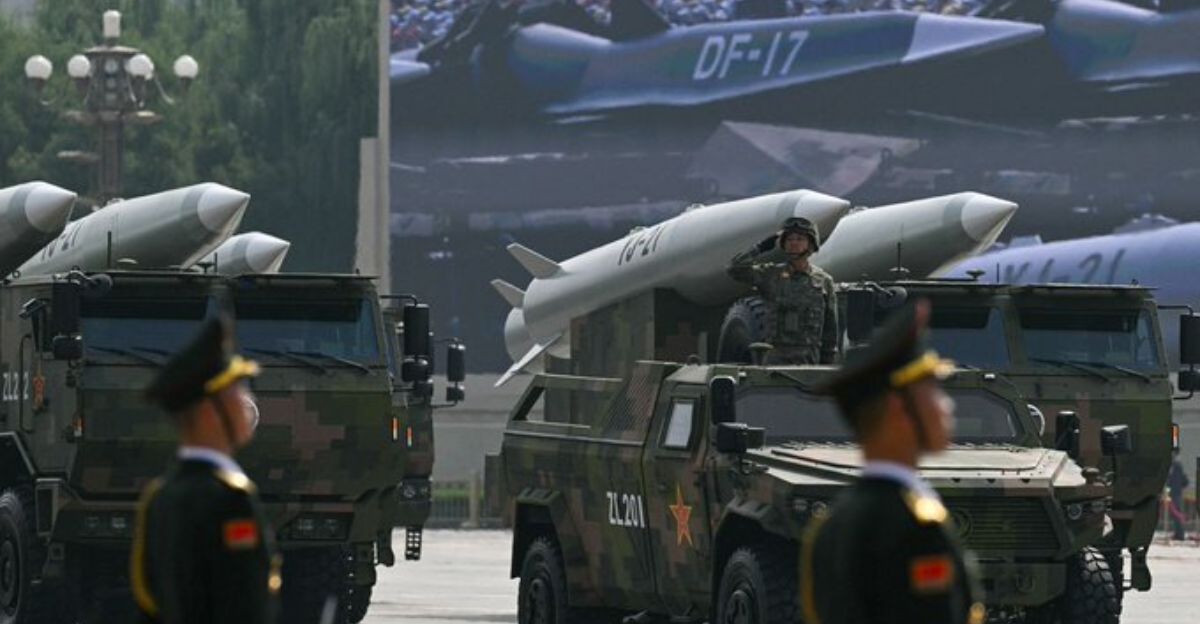
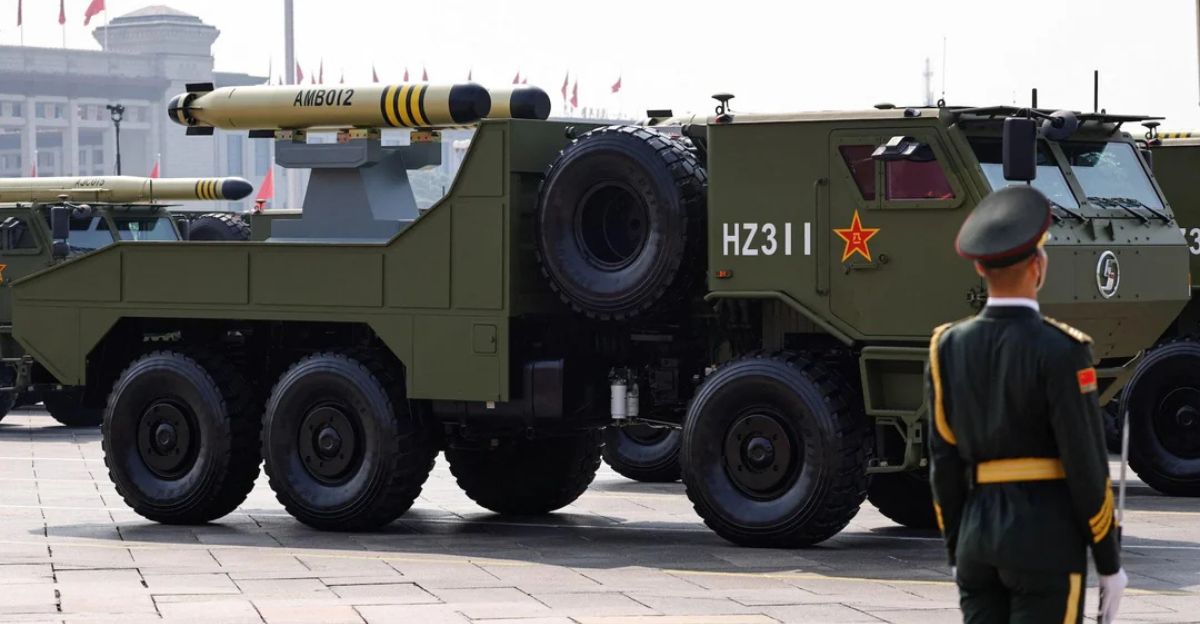
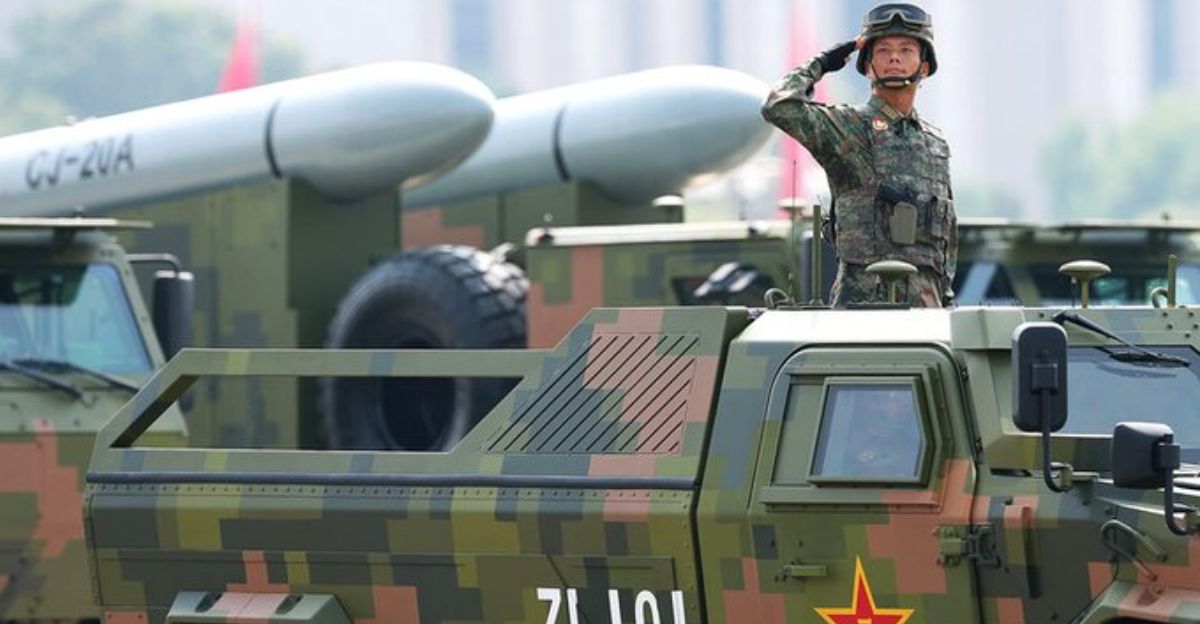
For the first time, new high-tech weapons rolled past the crowds—armored vehicles, next-generation drones, and missiles engineered to challenge U.S. supremacy.
Analysts noted this was no coincidence. It was a deliberate unveiling, meant to showcase China’s expanding capabilities and underscore that the country’s military modernization is well underway.
ICBMs and a New Nuclear Era
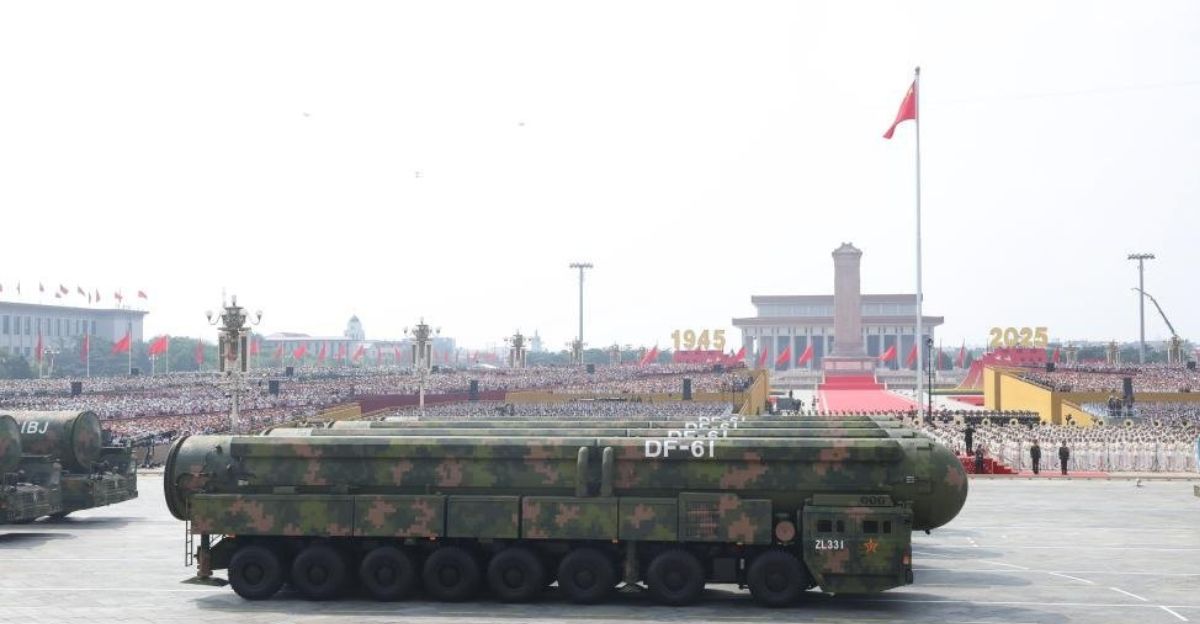
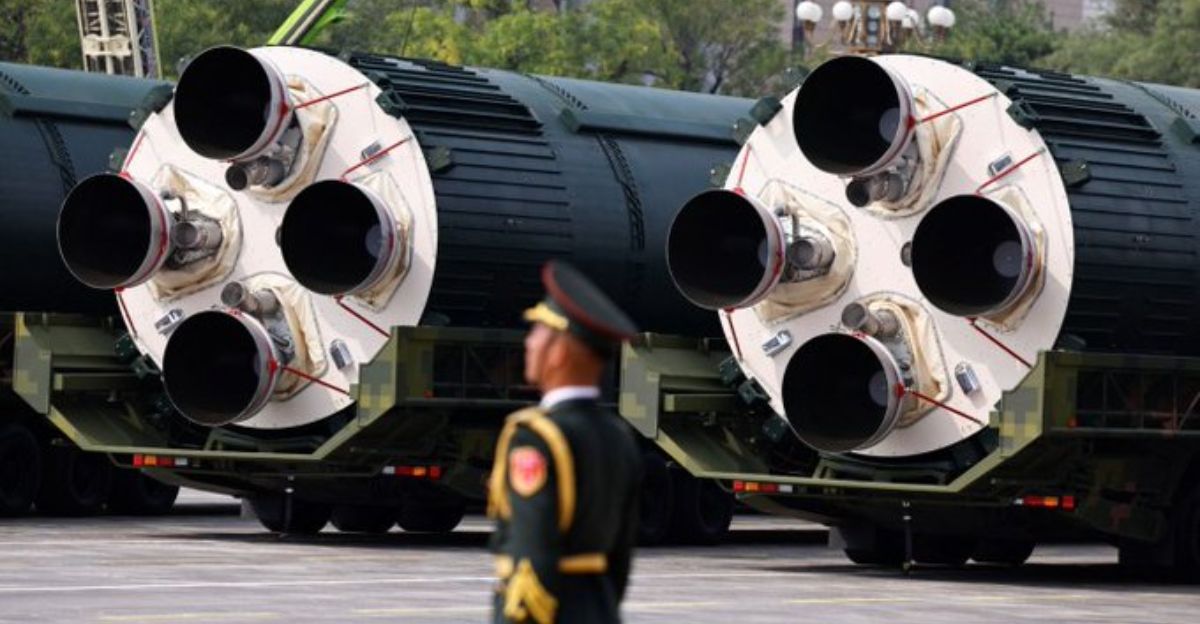
One standout feature: China’s latest intercontinental ballistic missiles, reportedly capable of carrying multiple independently targetable nuclear warheads.
Designed to outmaneuver U.S. defenses and strengthen Beijing’s second-strike ability, this hardware reflects a clear strategic intent—to make any adversary think twice.
Lasers and the War of Tomorrow
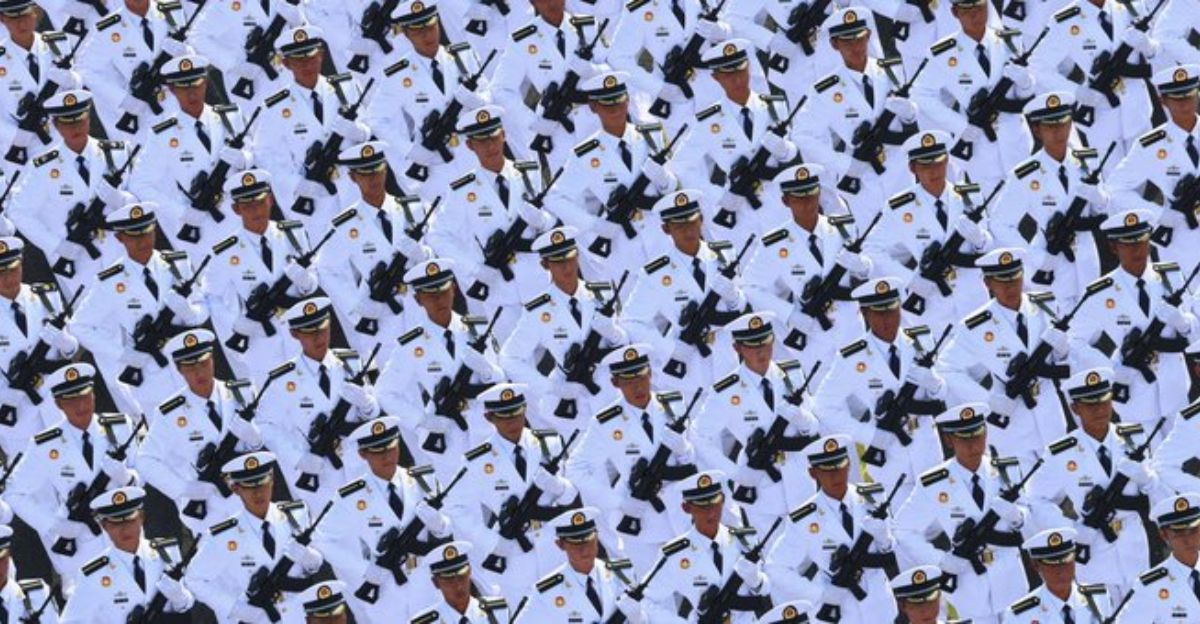
Alongside kinetic weapons, China demonstrated electronic warfare systems and hinted at directed energy capabilities like laser beams. Independent verification is elusive, but the message was clear.
China isn’t just building bigger weapons—it’s betting on future battlefields where electromagnetic disruption may matter as much as missiles.
Stealth Drones Take Flight
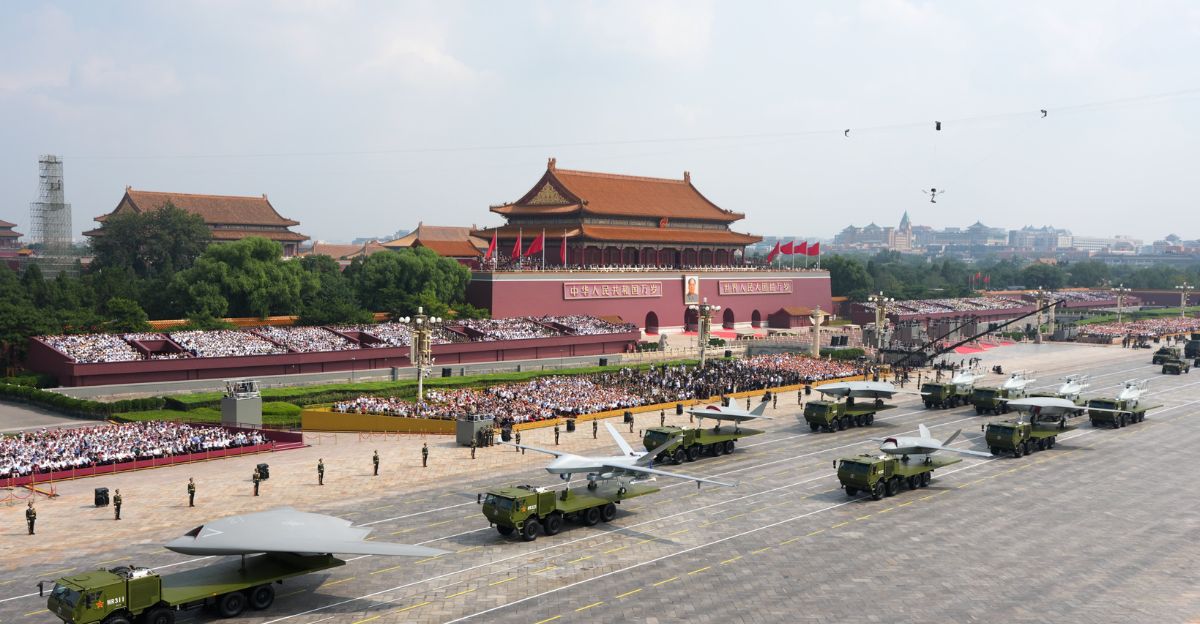
Drones such as the GJ-11 glided by—sleek, angular, radar-evading. These uncrewed systems, capable of strikes and surveillance, reflect a doctrine where humans increasingly take a backseat.
With their potential to operate in contested zones, these assets complicate military calculations across air and naval theaters alike. And they’re just one part of the picture.
Meet the Robotic Wolves
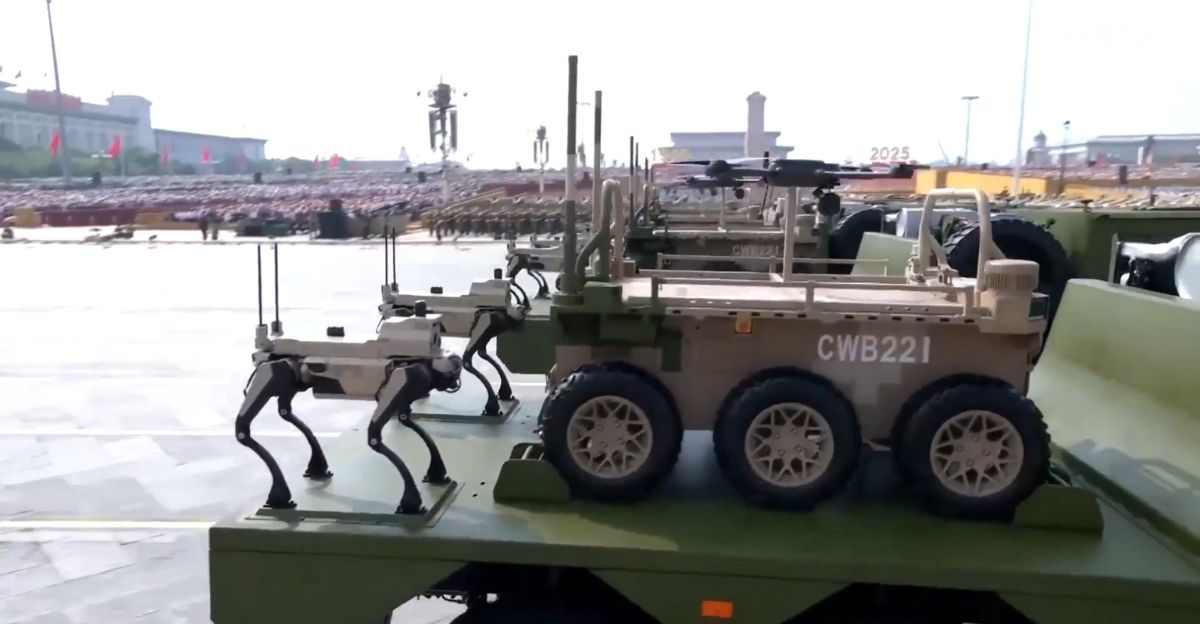
In a striking visual twist, robotic quadrupeds—nicknamed “robotic wolves”—trotted onto the parade route. Primarily built for reconnaissance and mine-clearing, they hint at automation’s growing battlefield role.
While their novelty grabbed headlines, military experts saw deeper significance: a future where autonomous ground support enhances frontline endurance.
160 Planes, One Power Statement
Aerial formations thundered overhead—more than 160 warplanes launched from far-flung airbases in synchronized operations. Advanced stealth jets, bombers, and tankers painted a picture of coordinated air superiority.
This wasn’t just about aviation tech. The real takeaway? China is mastering the logistics and command needed for real-time power projection.
Xi Sets the Tone: Sacrifice to Strength
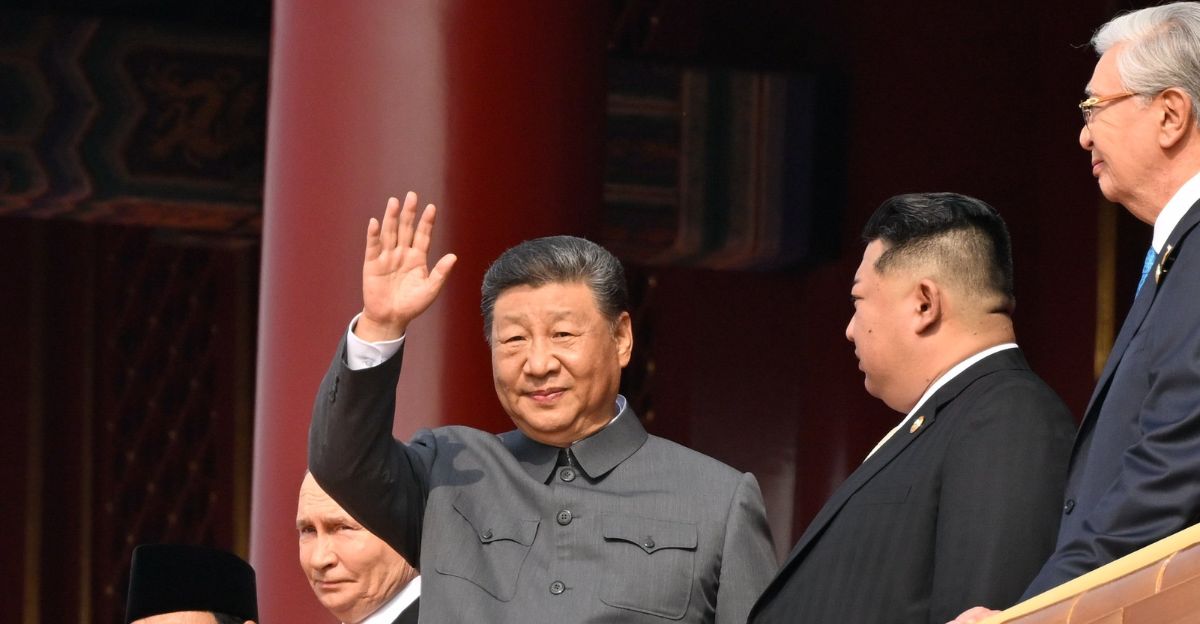
Speaking from Tiananmen Square, President Xi Jinping grounded China’s rise in the bloodshed of past generations. “Immense national sacrifice,” he declared, justified the nation’s growing might.
It was a speech rooted in resurrection: from national trauma emerges a rejuvenated, resolute power ready to lead—and defend.
Sovereignty First, But Open to Discussion
Xi’s message struck a careful balance. He warned against foreign interference and vowed to uphold territorial integrity—clear lines drawn in geopolitical sand.
Yet in the same breath, he promoted “win-win” cooperation and peaceful development, presenting China as both guardian and negotiator on the world stage.
Peace Symbols Meet Power
In a carefully staged moment, massive flags unfurled and symbolic doves soared. It was a pageant of peace—but beneath it, a foundation of steel.
For many Chinese, these rituals reinforced trust in leadership. Beyond the symbolism, they echoed Beijing’s underlying message: a nation ready for peace, but never from weakness.
March Toward 2035: World-Class Ambitions
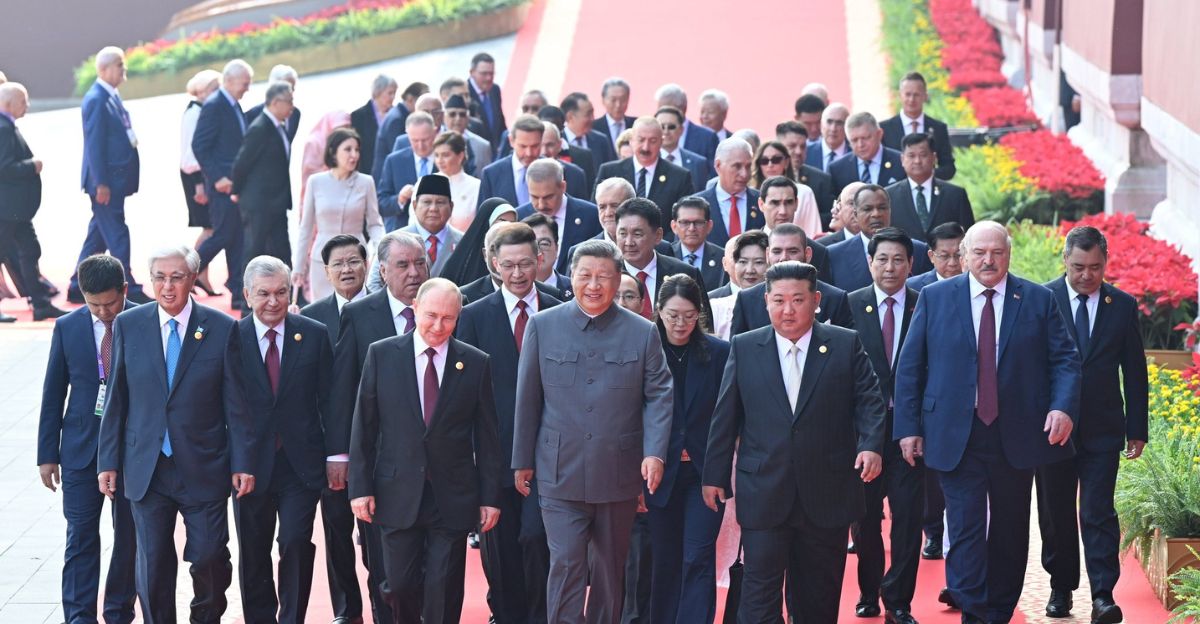
The parade offered a visual timeline toward Beijing’s 2035 goal: building a “world-class” military. That means faster reforms, smarter warfare, and elite talent at every level.
Observers say these pageants are more than milestones. They’re reminders to the PLA—and the world—of how far China aims to go, and how quickly.
Strategic Friends in High Places
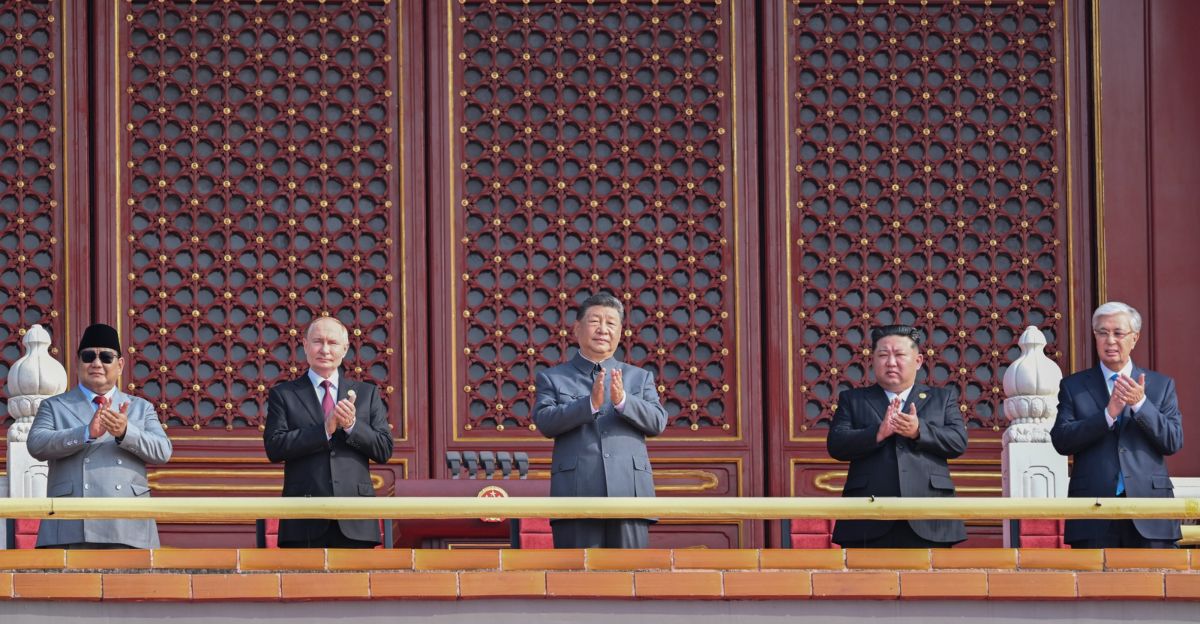
The attendance of Putin and Kim wasn’t protocol—it was a pointed signal of shifting alliances. China is deepening ties with nations also at odds with U.S. influence.
Together, this trio of authoritarian leaders projected a shared narrative: resistance to Western dominance and a vision of a multipolar world in the making.
Lifting Spirits at Home
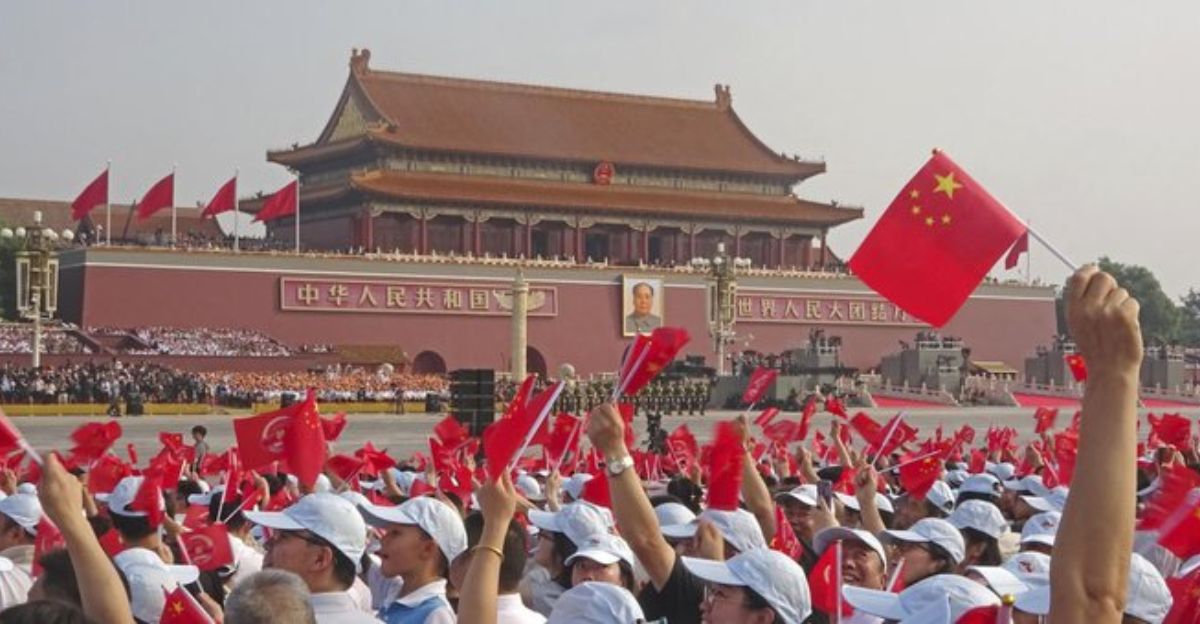
Amid slowing economic growth and mounting external pressure, the parade was also a shot in the arm for national morale. Lining the streets, citizens cheered and waved.
Domestic media painted a proud, confident China. And for many viewers, the procession restored a sense of unity in uncertain times.
A Shot Across Washington’s Bow
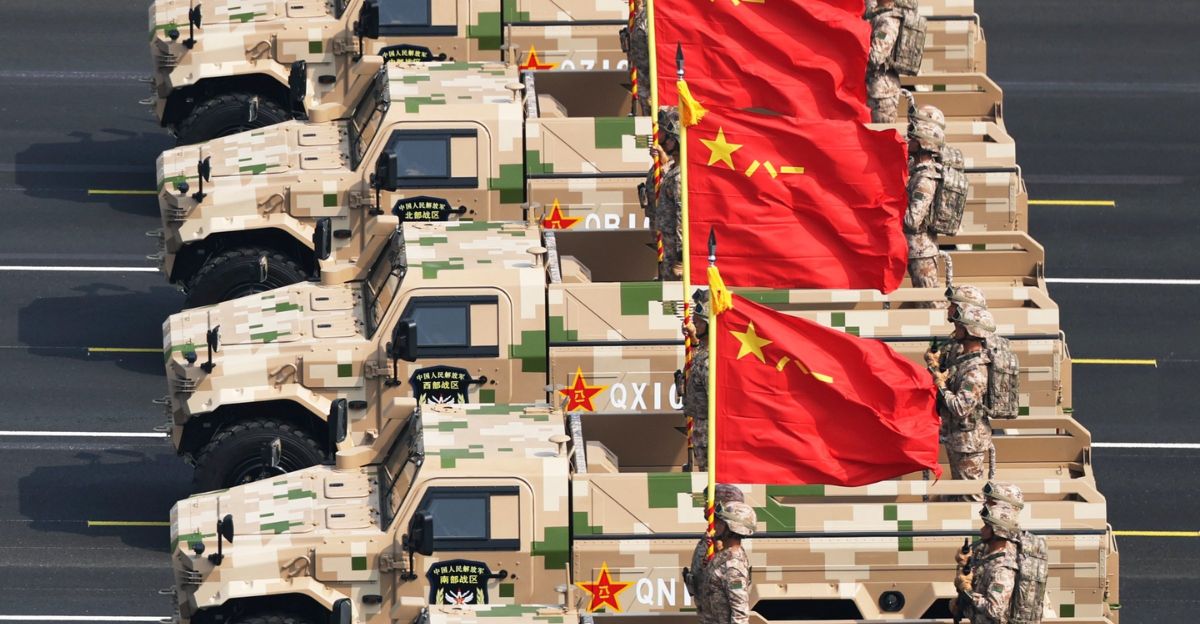
Every missile, drone, and flyover carried a not-so-subtle subtext: China is ready, capable, and unwilling to be sidelined.
U.S. analysts warned that the parade was designed not just to dazzle—but to shift U.S. perceptions of deterrence, and to muddy old assumptions in real time.
The World Reacts With Unease
Global military experts offered mixed views. Some marveled at the speed of China’s modernization. Others questioned the readiness and integration of its newer weapons.
Still, most agreed: the psychological impact—on allies, adversaries, and regional actors alike—was immediate. Uncertainty, not consensus, now defines the equation.
Closing the Gap With the U.S.
China’s military doesn’t yet outmatch the U.S.—but it’s catching up in key domains. Hypersonics, drone fleets, and cyberwarfare give the PLA new asymmetric tools.
This isn’t a battle of equals, yet. But U.S. defense officials now speak of China as a “near-peer competitor”—and that metric alone marks a seismic shift.
Ripple Effects Across Asia
The parade landed not just in Beijing, but in the strategy rooms of Tokyo, Canberra, and New Delhi. Regional actors are recalibrating their alliances and defense postures.
In an increasingly tense Indo-Pacific, China’s display injected new energy—and uncertainty—into an already complicated chessboard.
Power in Plain Sight
China’s parade blended history, technology, and rhetoric into a single, high-impact performance. It wasn’t just about tanks and speeches—it was about perception.
Whether to inspire its citizens, court allies, or caution rivals, Beijing sent a message no one could ignore: China’s rise is no longer abstract—it’s airborne, armored, and accelerating.