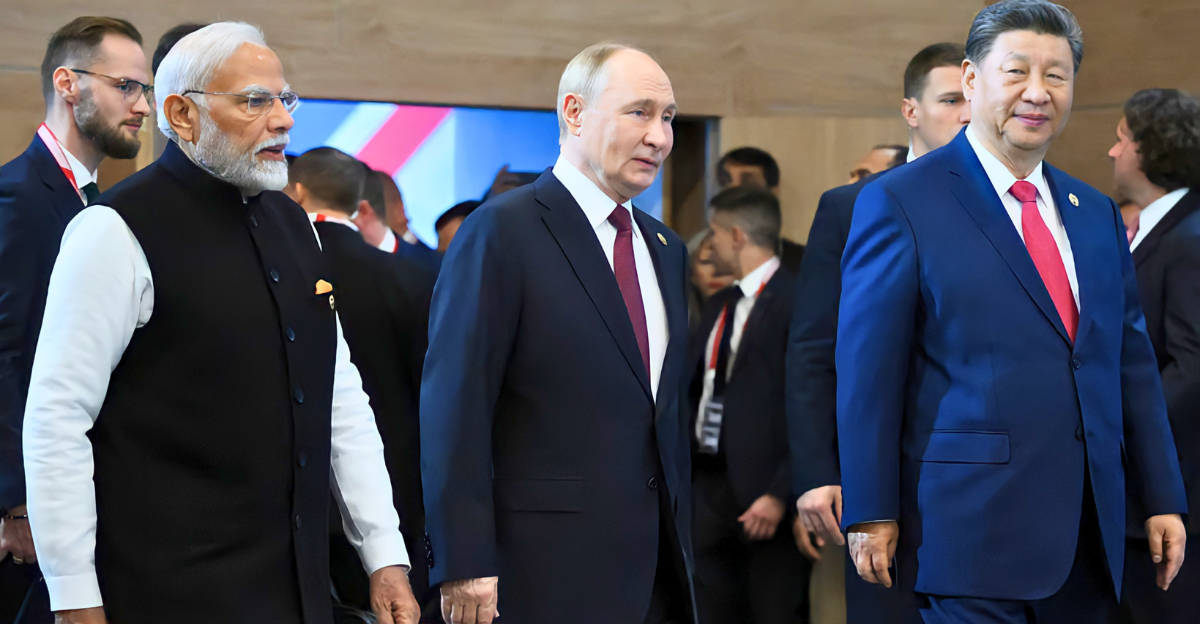
On September 1–2, 2025, the world watched a dramatic meeting in China’s northern port city of Tianjin. Here, the leaders of China, Russia, and India stood side by side, holding hands and smiling for the cameras.
This wasn’t just a friendly get-together: they invited more than 20 world leaders to the Shanghai Cooperation Organization (SCO) summit. They delivered a strong message that together, they could change how the world is run.
The timing was no accident. Just days earlier, the U.S. raised tariffs on Indian goods by 50%, which brought India closer to its longtime rivals, China and Russia.
Tariffs Triggered Change
On August 27, the U.S. slapped 50% tariffs on products imported from India as punishment for India buying oil from Russia, which is under Western sanctions.
The U.S. piled a 25% penalty on top of all usual duties. As a result, India’s stock markets dropped sharply, and the rupee lost value.
Ironically, these harsh economic measures pushed the country to cooperate more closely with China and Russia, giving Xi Jinping the chance to bring India into a new alliance.
Alliances Shift Eastward

Prime Minister Modi’s visit to China significantly changed world alliances. For years, the U.S. had made India a key strategic partner, hoping India would counterbalance China in Asia. This involved building military partnerships, boosting trade, and working closely together.
According to Alyssa Ayres, Council on Foreign Relations, “India and China have had a strong commercial relationship, but that is increasingly less satisfying for India, for many of the same reasons the United States is dissatisfied with its trade relationship with China … India is concerned about the increasingly larger presence that China is establishing across the Indian Ocean, with a base in Djibouti.”
Russia’s Power Play
Russian President Vladimir Putin also seized the moment, using the summit to reinforce Russia’s growing partnership with China and to strengthen ties with India, even as the West continues sanctions against Russia over the Ukraine war.
During the summit, Putin stated, “The SCO’s activities are built on… [the] key principles of the supremacy of international law, the right of nations to self-determination, sovereign equality, non-interference in internal affairs, respect for the independence and national interests of each state. These principles are true and unshakable to this day.”
Breaking the Dollar’s Hold
Perhaps the biggest shock came when Xi announced the creation of a new SCO development bank that will lend money in currencies other than the U.S. dollar.
The goal is to make it easier for countries in the SCO to borrow and trade without relying on the dollar, which has long been the world’s primary currency. China immediately pledged 10 billion yuan to the bank and offered $280 million in free aid.
Xi was clear about the goal: calling for an “equal and orderly multipolarization” of the globe and urging the SCO to build “a more just and equitable global governance system.”
Building a New Financial Order
The impact of the SCO’s new bank could be huge. SCO countries represent over 40% of the global population and possess vast energy supplies.
Instead of borrowing from places like the World Bank or IMF, these countries can now seek funding in local currencies like the yuan, ruble, or tenge.
Chinese analyst Victor Gao commented, “It will be a natural or a logical step forward. I personally believe the momentum is on China’s side.” This bank could funnel an estimated $125 billion a year into Eurasian infrastructure, rivaling established institutions.
Everyday Changes for Millions

For regular people in SCO countries, the new bank may offer faster, less costly development aid for businesses and communities. Pakistani companies could skip costly dollar conversions, while Iranian manufacturers might finally bypass U.S. banking rules.
In Kazakhstan, small farmers may get loans for new equipment without satisfying Western lenders’ strict rules. However, there are worries that the bank’s rules aren’t clear, and political disputes could lead to conflict over decisions.
A key question remains: will the SCO’s promise of a fairer financial system be matched by fair governance?
Financial Markets React
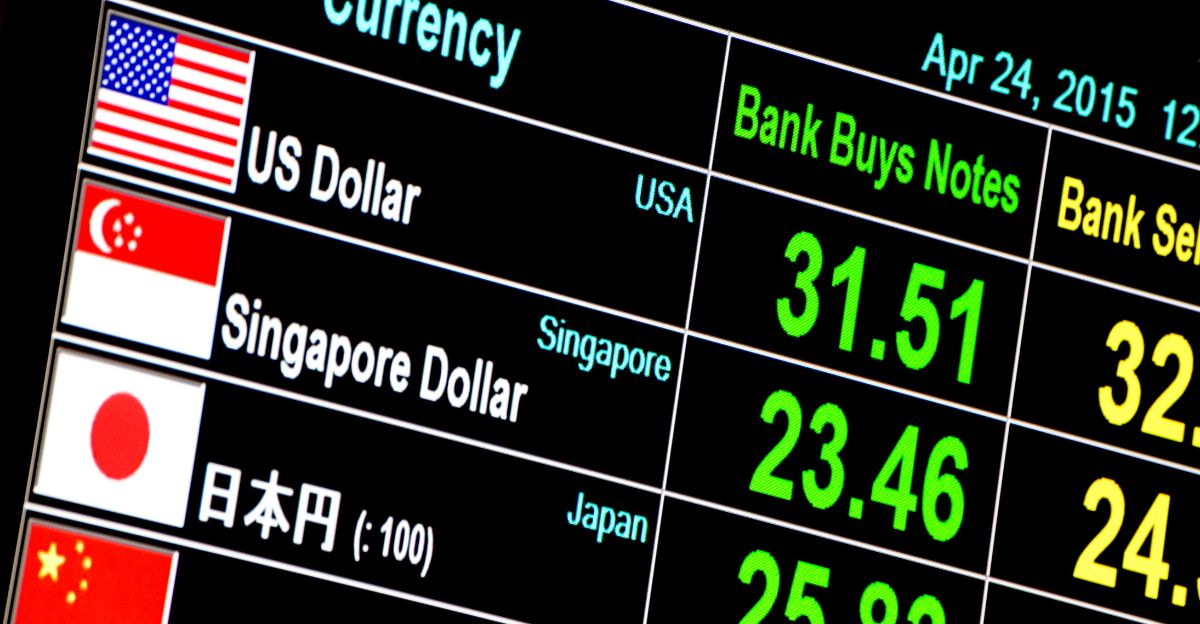
Financial markets are already reacting to these big moves. The proportion of global reserves held in dollars dropped from 70% in 2000 to just 58% in 2024, and the new SCO bank could push this even lower.
Investors and currency traders are looking closely at the exchange rates between the yuan and ruble, and companies see big profits, especially in energy and digital projects.
However, many foreign investors remain cautious, due to concerns about political risks, corruption, and the lack of clear rules in this new, non-Western framework.
Experts Sound the Alarm
International analysts call this summit a “Bretton Woods moment” for the developing world, referencing the 1944 conference that shaped today’s global financial system.
Victor Gao, senior Chinese analyst, said: “He [Xi] seeks to present an alternative global order, especially as the U.S.-led order declines. This is the central theme.”
Alyssa Ayres further notes that India is likely “hedging” rather than fully aligning with China, a process sped up by Trump’s strict policies.
Military Strength On Display

Soon after announcing the new bank, China demonstrated its growing power during a major military parade in Beijing attended by Xi, Putin, and North Korea’s Kim Jong Un.
Over 10,000 troops marched through Tiananmen Square, showcasing new Chinese hypersonic missiles, stealth jets, and underwater drones. The display reinforced Xi’s words about global “multipolarization.”
Trump responded with anger online, accusing these countries of plotting against the U.S. and using strong language about American interests.
India’s Balancing Act
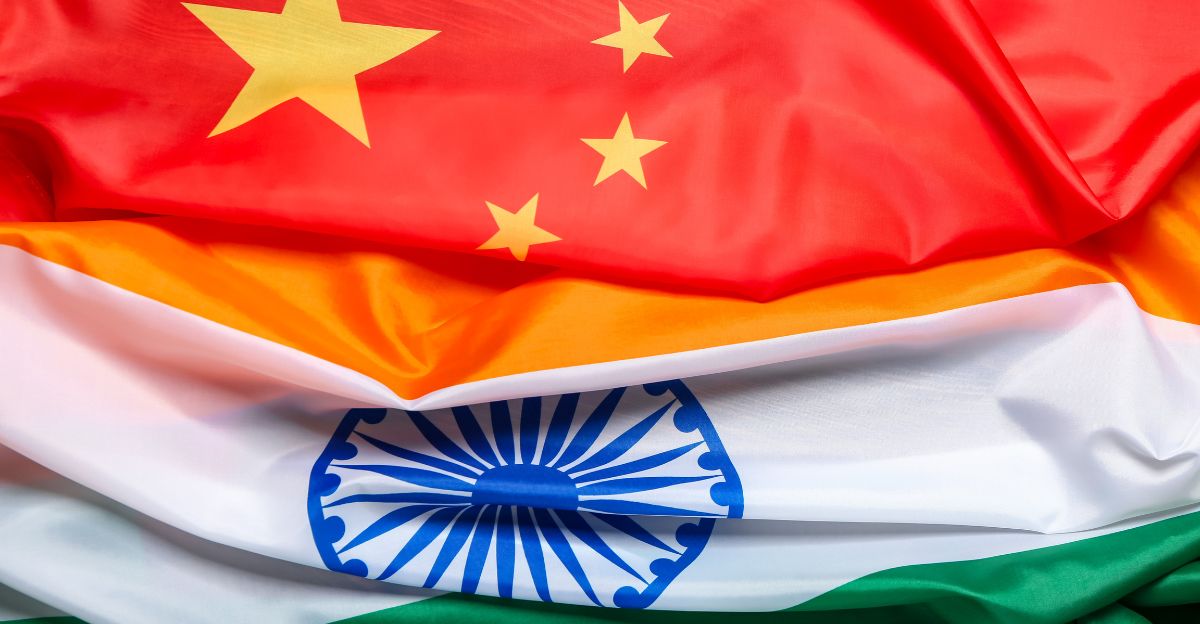
Prime Minister Modi must reassure Indian citizens that growing closer to China is the right move, even though the two countries fought deadly border clashes as recently as 2020.
At the summit, Modi stressed India’s focus: “The SCO also means security and cooperation for India. Strong connectivity boosts trade and opens doors to growth and trust. Our effort was to take SCO beyond governments. To connect common people, young scientists, scholars, and start-ups…”
On terrorism, Modi was firm: “We must clearly and unanimously say that no double standards on terrorism will be acceptable. We must jointly oppose terrorism in all its forms.”
U.S. Policy Backfires
Trump’s trade war and tough talk have left American foreign policy in disarray. State Department insiders admit that the high tariffs have done more harm than good, pushing a longtime partner, India, to seek help from China and Russia.
Trump posts online about further upping tariffs or insisting that India drop its import taxes. Secretary of State Marco Rubio tries to patch things up by calling the U.S.-India friendship the “defining relationship of the 21st century.”
Trump’s Republican colleagues, like Nikki Haley, warn that the president’s unpredictable approach is helping China expand its reach.
Business Faces New Challenges
American businesses are taking a hit from this changing landscape. Many companies spent decades building up trade with India.
Still, the recent tariffs have caused U.S. exports to India to fall, and Indian companies are seeking new suppliers in China or Russia.
At the summit, business leaders from SCO nations met to create new partnerships and supply networks, which means, in the future, many of these countries may no longer look to the U.S. for goods, services, or finance.
Central Asia’s Big Opportunity
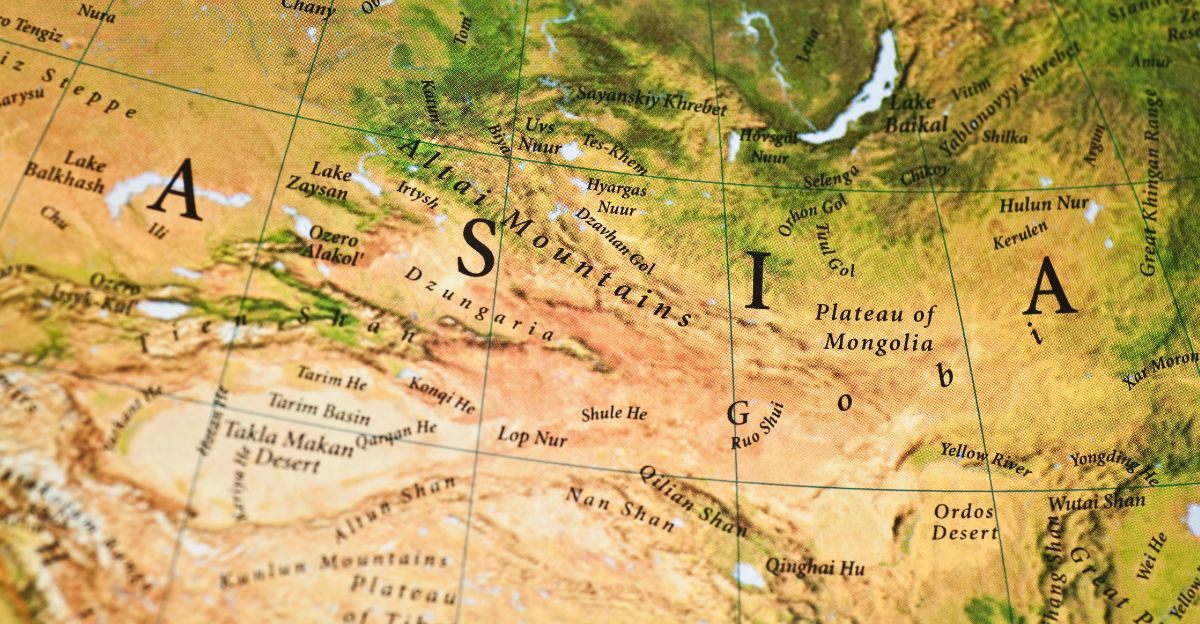
While China, Russia, and India steal the headlines, Central Asian nations could gain the most from these new alliances. They now have access to significant financing opportunities through the SCO bank, but without as many restrictions as Western loans or worries about China’s “debt trap diplomacy.”
Central Asia is crucial because of its vast energy reserves and position along the classic “Silk Road” between Europe and Asia.
As these countries draw closer to SCO partners, they could help create a new, powerful economic corridor stretching from Moscow to Mumbai that reshapes global trade and energy flows.
Trump’s Tough Choices
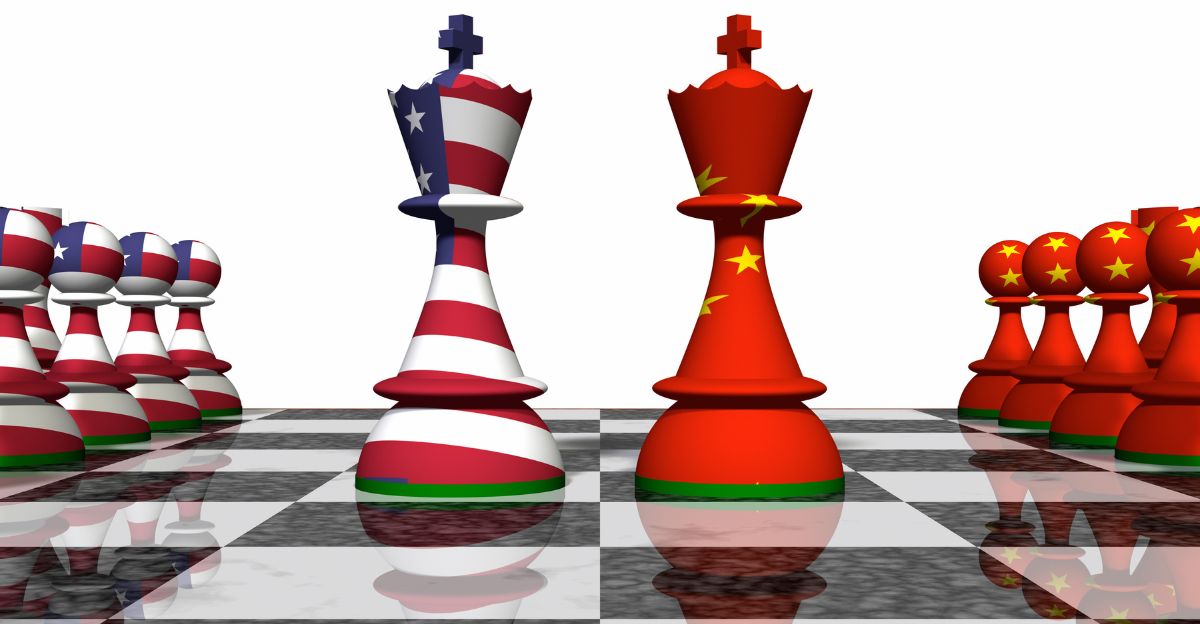
Trump’s dilemma is apparent: India may permanently pivot to China’s side if he keeps up the tariff war. If he backs down, he looks weak to his supporters.
While he claims India might bargain for “zero tariffs,” his unpredictable style makes long-term deals difficult.
U.S. military experts warn that this new China-Russia-India group is a serious security threat and say America needs to reconsider how it competes strategically.
Congressional Investigations Begin
The U.S. Congress is worried about how Trump’s policies have backfired. Hearings are being launched into whether the tariffs made China stronger and America weaker, and intelligence agencies are warning that the new non-dollar banking system could undermine the U.S.’s ability to use sanctions against countries like Iran or North Korea.
Lawmakers want to know if the president should have less power to impose sweeping tariffs and are talking about boosting military spending in the Indo-Pacific region to counter the China-Russia-India alliance.
Tech Industry Disruption
Tech companies are especially vulnerable. The SCO bank’s focus on new “digital economies” could fund Chinese technology that competes directly with U.S. platforms.
As India is squeezed between U.S. tariffs and Chinese investment, its IT sector may have to build for SCO-compatible standards, using Chinese cloud systems and alternatives to U.S. payment processing.
Chip shortages and fragmented supply chains will increase, and companies that don’t adjust may lose out on markets representing roughly 40% of the world’s people.
Global Reactions on Social Media
This summit’s visuals, the world’s top non-Western leaders holding hands, spread rapidly across all social media platforms. Chinese media promoted unity, while American and European users voiced alarm.
Indian users were divided, with some praising Modi’s diplomacy and others fearful of moving away from democracy. Russian troll accounts and disinformation added to the confusion, exaggerating the SCO bank’s power to dethrone the dollar immediately.
Meanwhile, platforms like TikTok, owned by a Chinese firm, showed more SCO-friendly content, while American-trending hashtags debated U.S. policy failures.
Lessons from History
This gathering echoed the 1955 Bandung Conference, where Asian and African nations saw themselves as independent of American and Soviet control.
However, the SCO leaders today command much more military and economic power, including nuclear capabilities. Attempts to dodge the dollar in the past failed.
This time, however, China’s economic reach and Russia’s military might mean the new financial system has a real chance.
The Next Chapter in World Power
This new setup has risks but gives many countries practical ways to sidestep American rules. As the symbolic hand-holding photo session showed, the center of global power may be moving east.
Unless America changes course, it may find itself locked out of new systems shaping the future economy and security of the 21st century.
The real question is no longer whether rivals will create alternatives, but how fast those alternatives will change the world.