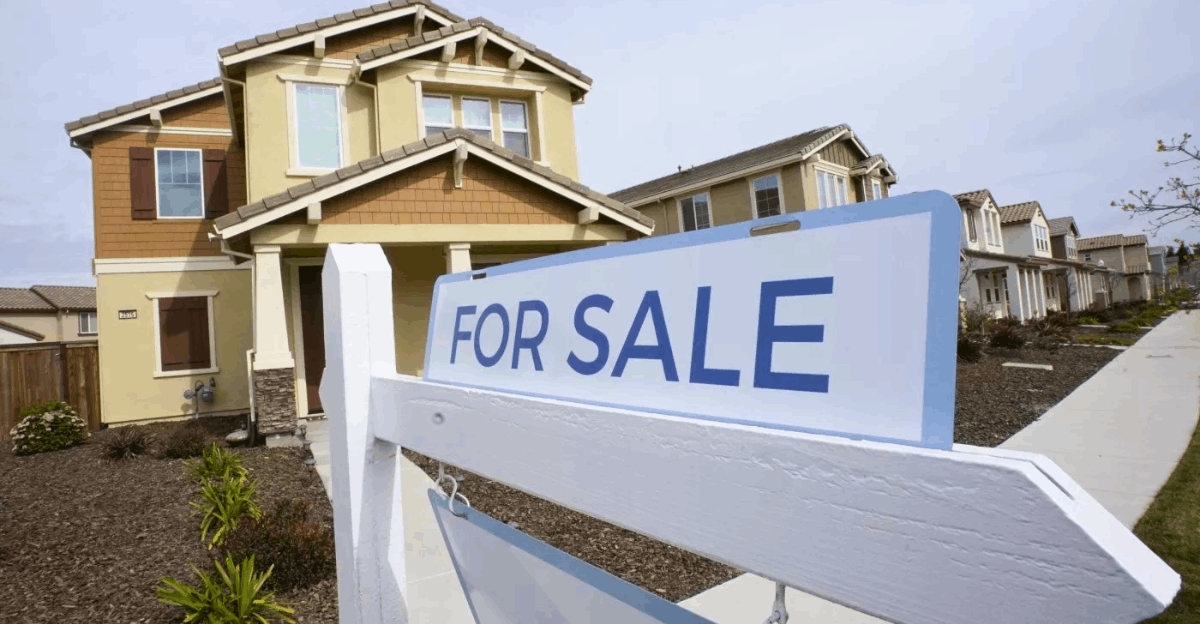
California’s housing market is at a crucial turning point in 2025, catching national headlines for its unexpected shift in affordability.
According to LendingTree, newly built homes now cost far less than existing properties—a reversal from historic trends that could reshape buying decisions. “We are witnessing the largest gap on record,” LendingTree’s senior analyst Jacob Channel says.
Savings Surge for Buyers

Buyers eyeing new construction in California can save nearly $200,000 versus purchasing an existing home, LendingTree data confirms.
The median price of a new home is $591,116, while existing homes average $784,798—producing a $193,682 difference. This unprecedented margin has real impacts for first-time and move-up buyers.
Longstanding Imbalance
Historically, existing homes were considered the budget-friendly choice. But years of limited building, surging demand, and homeowners staying put created a tight resale market, pushing existing home prices skyward across the state. “Low inventory keeps prices high for existing homes,” notes C.A.R. President Heather Ozur.
Supply and Demand Dynamics
A chronic housing shortage, coupled with high mortgage rates, has left many owners “locked in” to their homes.
New listings rose year-over-year in 2025, but competition for well-located properties remains intense, keeping upward pressure on resale prices, especially in coastal metro areas.
The $193,000 Reveal
In 2025, LendingTree reports California’s median new home price is $591,116, well below the $784,798 median for existing homes—a $193,682 advantage.
This is the largest price gap between new and existing homes nationwide, driven by unique California market forces.
Regional Inequality in Pricing
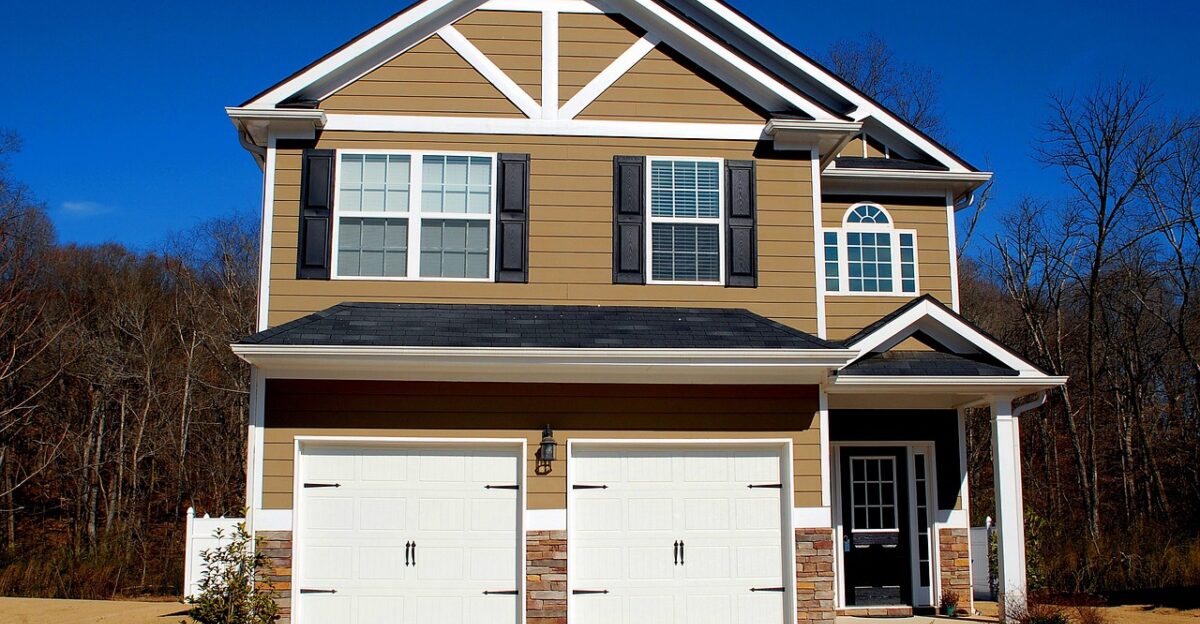
Los Angeles, San Francisco, and San Diego see the sharpest disparities. In these regions, existing homes may sell at even higher premiums, further widening the savings seen with new construction. Location remains a major factor in how much buyers can save.
A Buyer’s Perspective

“New homes aren’t just more affordable—they’re easier to buy, too,” explains real estate agent Michael Marks.
Many builders offer buyer incentives that lower upfront costs and mortgage rates, giving new home shoppers more financial flexibility than resale buyers.
Builders Offer Incentives
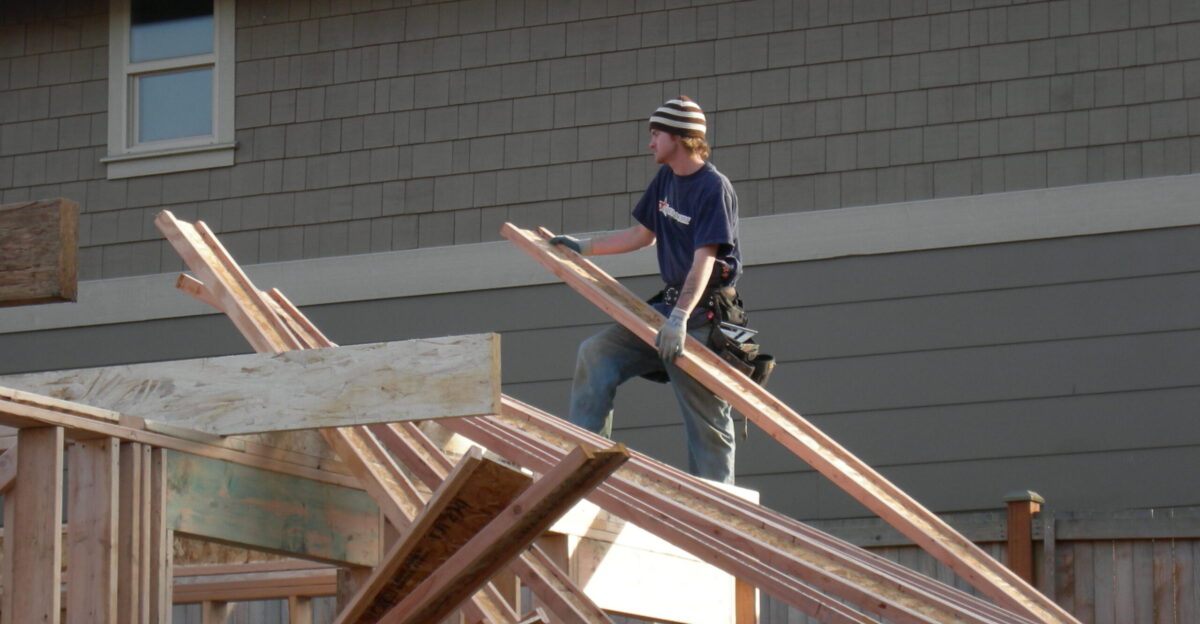
Major homebuilders have responded by giving substantial perks: mortgage rate buy-downs, upgraded finishes, and even cash credits at closing.
The California Energy Smart Homes Program adds up to $3,500 in rebates for fully electric or energy-efficient properties.
National Context
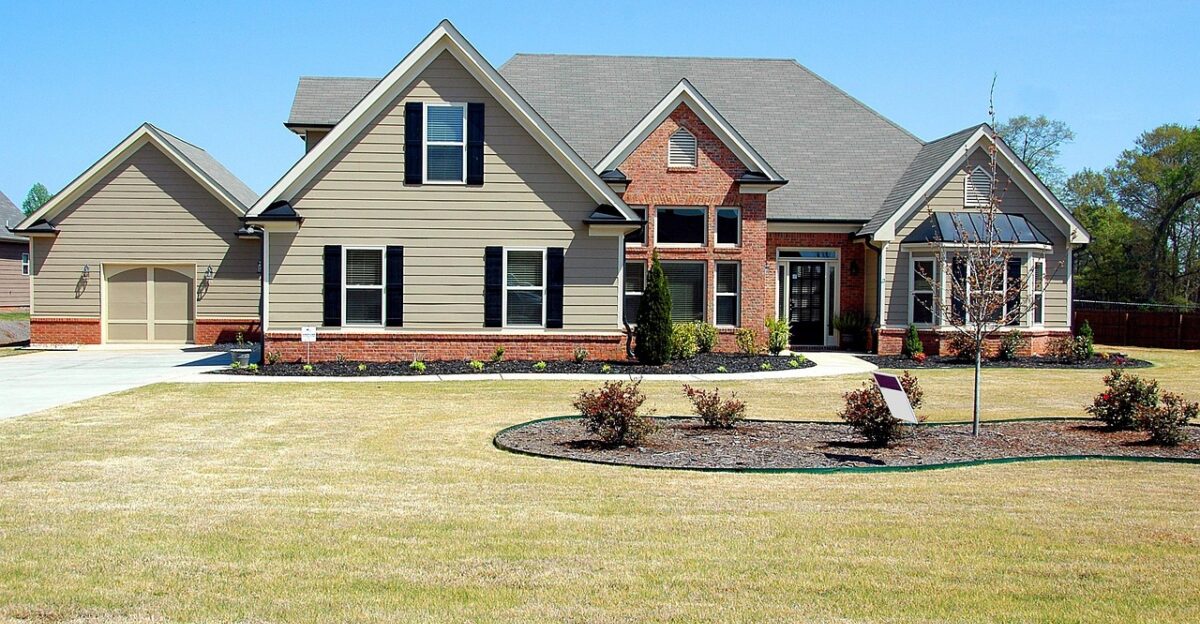
While most states see new homes sell for more, only six—including California—now buck this trend. National Association of Realtors data shows the vast majority of U.S. buyers pay a premium for new construction, but California stands apart, giving local buyers a rare edge.
Law Unlocks New Supply

New “Builder’s Remedy” legislation allows housing developments previously blocked by local zoning rules.
Passed in late 2024, these reforms are accelerating new projects statewide, helping address the chronic undersupply fueling price spikes.
Frustrations Remain

Despite new savings, 80% of potential California buyers cite high mortgage rates as a powerful deterrent, with many choosing to wait until rates decrease further. The affordability crisis hasn’t vanished—it has only shifted to new frontiers.
Who Benefits Most?

State programs such as CalHFA and regional down-payment grants can narrow the affordability gap for lower-income and first-time buyers. But strict income limits and competition for available funds can still leave many on the sidelines.
Builder Strategies Evolve

Homebuilders are investing in more affordable, energy-efficient homes and targeting underserved buyers.
Strategic inventory management and pricing adjustments help them navigate shocks in buyer sentiment and changing market demand.
Expert Skepticism

Economists warn today’s price breaks on new construction might not last. “If inventory tightens or incentives dry up, these savings could diminish,” says C.A.R. Chief Economist Jordan Levine, urging buyers to act promptly if they want to capture current deals.
The Outlook Ahead

Will this price gap persist? Analysts forecast moderation as builder incentives wane and inventory stabilizes. Buyers should move quickly to lock in today’s discounts before market dynamics shift again later in 2025.
Political Calculus
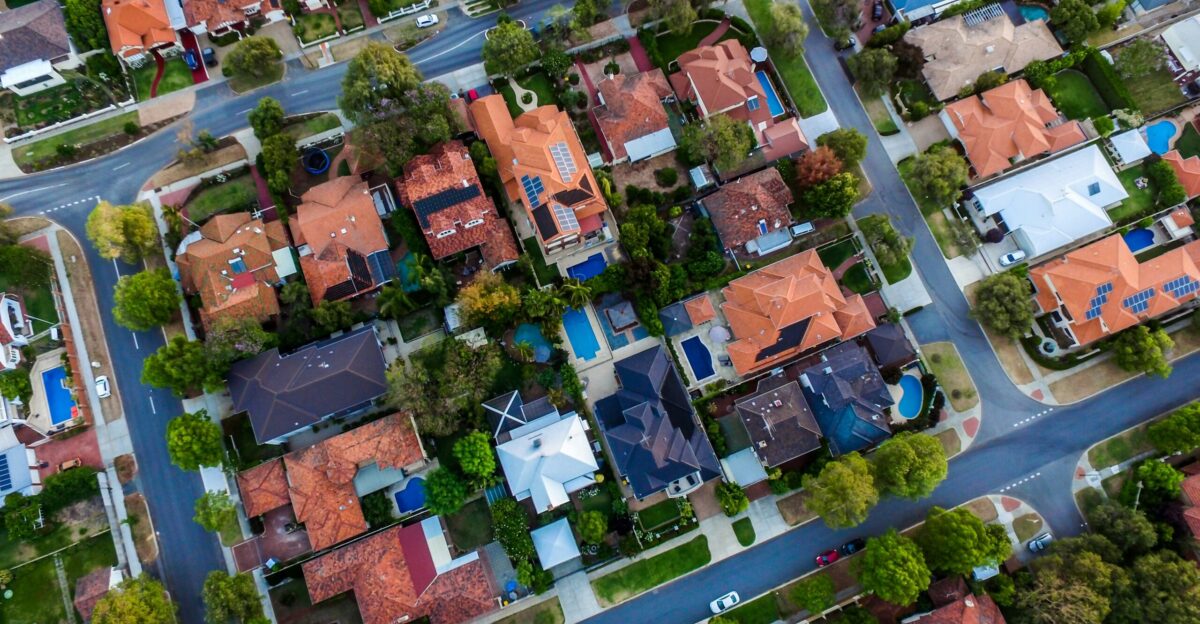
California’s legislature enacted over 60 housing measures in 2025, from relaxed zoning to new tax credits for green construction. Lawmakers are betting regulatory ease will unlock broader affordability and spur economic growth.
A National Example

Other states are monitoring California’s reforms. If new construction incentives and zoning changes succeed here, housing policy across the U.S. may soon shift in similar directions, potentially reshaping affordability for millions.
Environmental Stakes
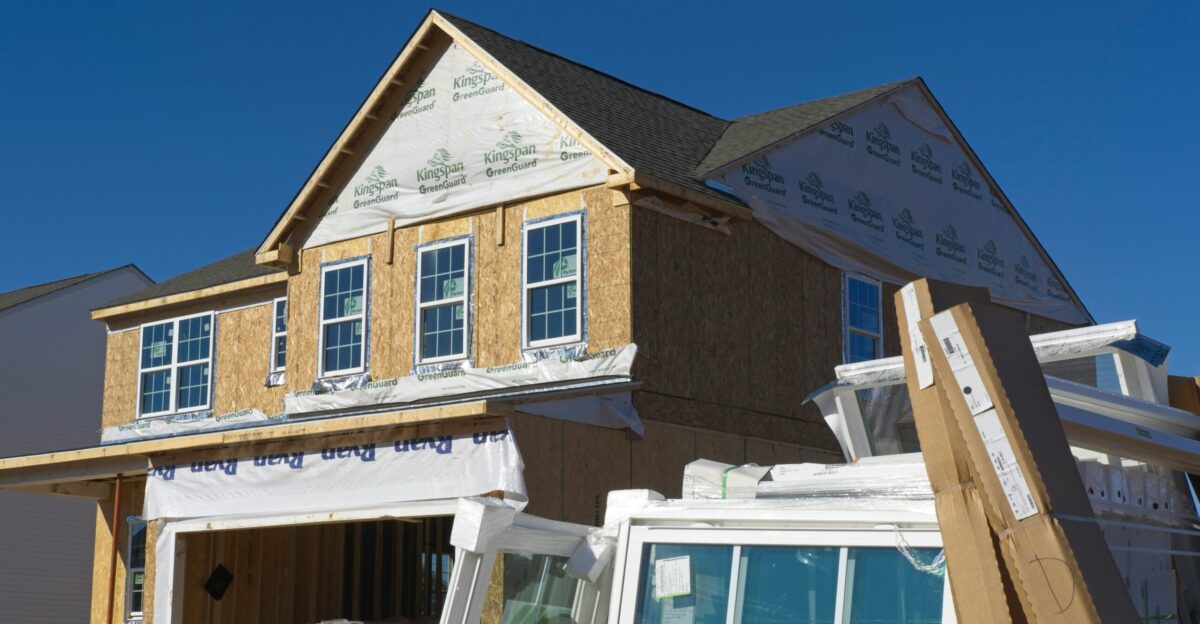
Modern new builds don’t just save buyers money—they support California’s green goals. All-electric and environmentally conscious dwellings reduce both emissions and monthly utility bills, multiplying the benefits of buying new.
Cultural Change

A new generation of buyers values affordability, amenities, and sustainability. “Young Californians are rethinking what homeownership means,” says Tami Pardee, real estate expert, as family support and changing priorities gain influence.
What This Signals

California’s surprise price gap highlights deep shifts in the state’s economy, policy, and culture. For buyers who act fast, 2025 could present a rare—and valuable—opportunity that soon might be a thing of the past.