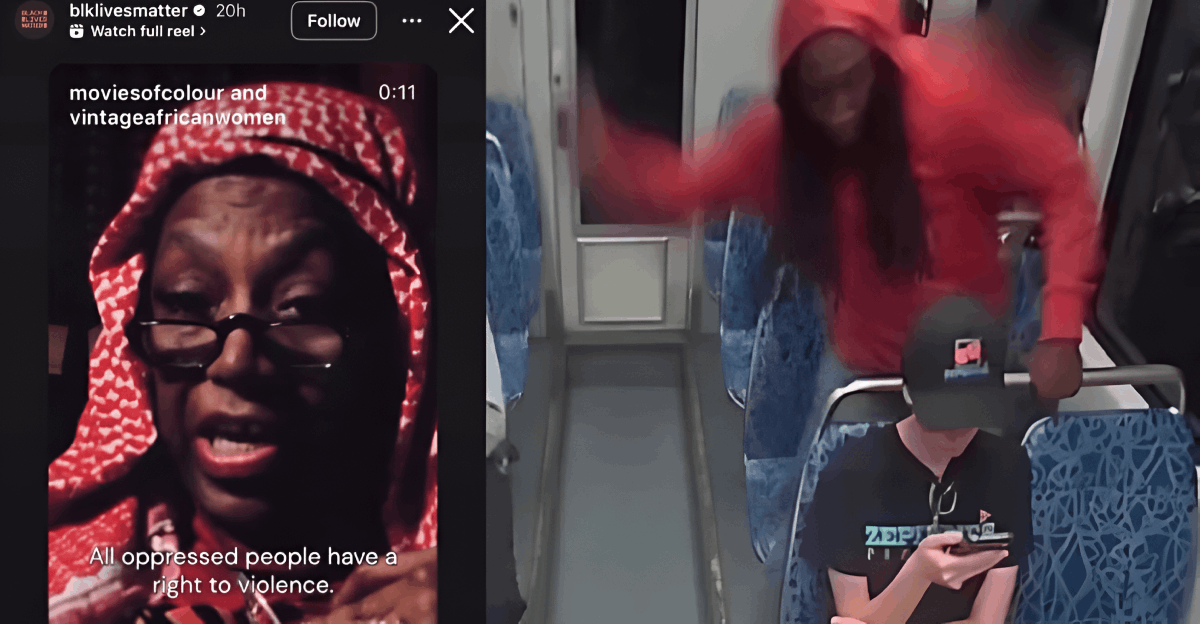
The Black Lives Matter (BLM) movement faces fierce controversy after posting a video declaring, “We have a right to violence. All oppressed people have a right to violence.”
Notably, this story, shared for just 24 hours, landed in the middle of public outcry following the fatal stabbing of Ukrainian refugee Iryna Zarutska in Charlotte, North Carolina.
The timing and content of BLM’s post triggered swift criticism, especially from conservative commentators, who immediately called for bans and restrictions targeting the movement.
BLM, known for provocative advocacy and messaging, suddenly found itself in the crosshairs of a much larger debate over racial tensions, criminal justice reform, and how social media continues to shape real-world conflict.
Conservative Backlash Intensifies
Right-wing reaction built momentum at lightning speed. Prominent commentators and media outlets, including Daily Caller, argued that BLM should face stronger moderation on major social platforms, with some voices even suggesting extremist labels—though no formal legal action has been taken.
In particular, critics argued that sharing a video—taken from the 1983 feminist film “Born in Flames”—amid public attention on the Zarutska case risked appearing to endorse violence during the investigation. “This crosses a line from advocacy into dangerous rhetoric,” wrote one commentator, highlighting concerns that posts like BLM’s could inspire copycat acts and deepen public distrust.
Furthermore, the chorus of accountability swelled as politicians, police officials, and activists joined calls for action against what they labeled a “tone-deaf” message in the wake of Zarutska’s death.
Additionally, coverage of Zarutska’s case amplified the controversy, spreading calls for BLM bans and for greater scrutiny of activist accounts accused of fanning social unrest. Various officials from multiple backgrounds commented on how incendiary social posts undermine public safety and unity.
Despite this intensifying storm, BLM later released a statement clarifying that the post was not connected to Zarutska’s death, saying they did not condone political violence and apologizing for any suggestion to the contrary.
A New Flashpoint in America’s Racial Divide
Ultimately, the BLM post and ensuing backlash quickly forced a national conversation about race, media bias, and the boundaries of activism.
As a result, the Zarutska case—centered on the stabbing of a Ukrainian refugee, allegedly by a Black suspect—highlighted how race-related violence exposes America’s deep societal fissures.
Many observers pointed to contrasting media coverage and argued that narratives reflect political interests rather than objective facts.
The controversy placed criminal justice reform advocates in a difficult position. For instance, they warned that incidents like this risk derailing progress by inflaming polarization and strengthening foes of reform.
On the other hand, critics cautioned that incendiary rhetoric from national movements such as BLM can translate into tangible real-world consequences, extending far beyond fiery online arguments.
As the fallout from the Zarutska case continues, Americans confront new questions about how to bridge racial divides, hold advocacy groups to account, and promote responsible discourse in a country still grappling with persistent polarization.