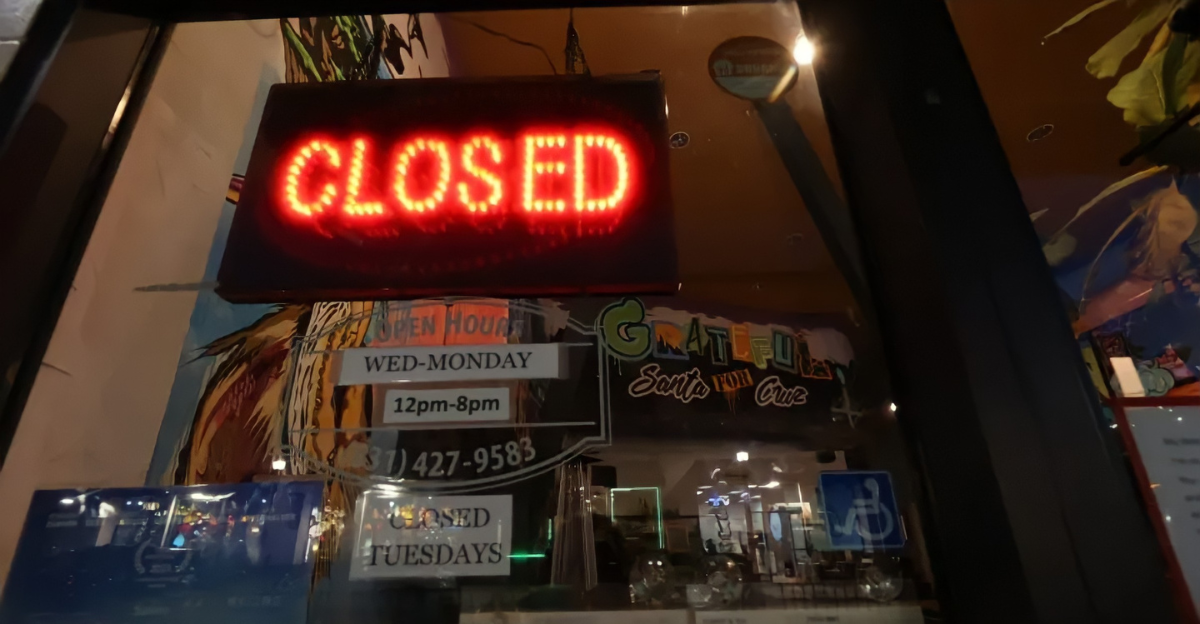
A fancy vegan restaurant chain that started in Toronto and was once visited by celebrities like Jessica Chastain and Gabriel Macht is now one of the latest big vegan spots in America to go under.
Known for making plant-based fine dining trendy, they opened in many large cities, expanded quickly, and enjoyed press attention and famous customers. But even all that wasn’t enough, as significant financial troubles and industry problems struck them.
Experts are apprehensive, as the chain had managed to win over regular diners before things went wrong.
Rising Storm

Hundreds of restaurants filed for bankruptcy in 2025 after being hit by higher ingredient prices, extreme weather, and new import tariffs. The U.S. Department of Agriculture said food prices shot up by about 2.2%.
Not only did food get more expensive, but labor also increased as the minimum wage jumped in cities like New York. Add in trouble getting ingredients and increased costs at every step, and even restaurants with big followings started to struggle.
Worried about their budgets, customers began looking for low-cost meals instead of fancy nights out. Expensive restaurants, especially those with limited menus or specialty ingredients, were hit the hardest.
Specialized Struggles
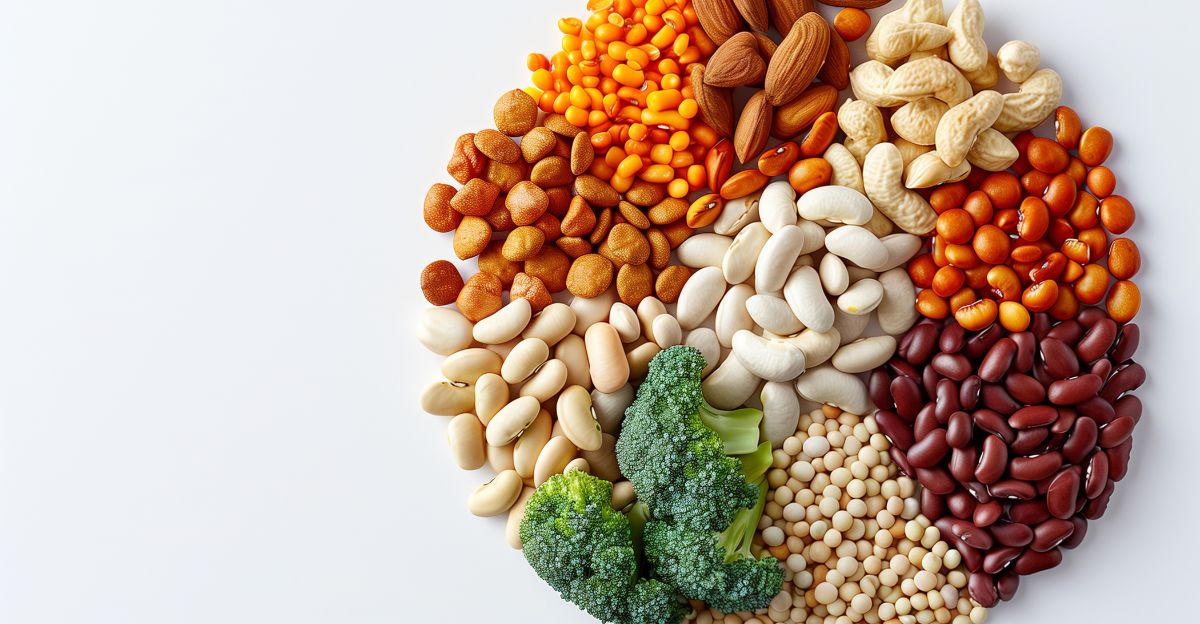
Vegan restaurants had it even tougher than most other places. Their key ingredients cost more than regular chicken or beef. Plus, they serve a smaller group because not everyone wants plant-based food.
“Despite hopes that burgers, sausages and chicken made from soy, peas and beans would curb Americans’ love of eating butchered animals…these alternatives languish at just 1% of the total meat market in the US.”
These places had to pay the exact high rent and labor costs as everyone else, but couldn’t make up for it with many customers.
Pandemic Aftermath
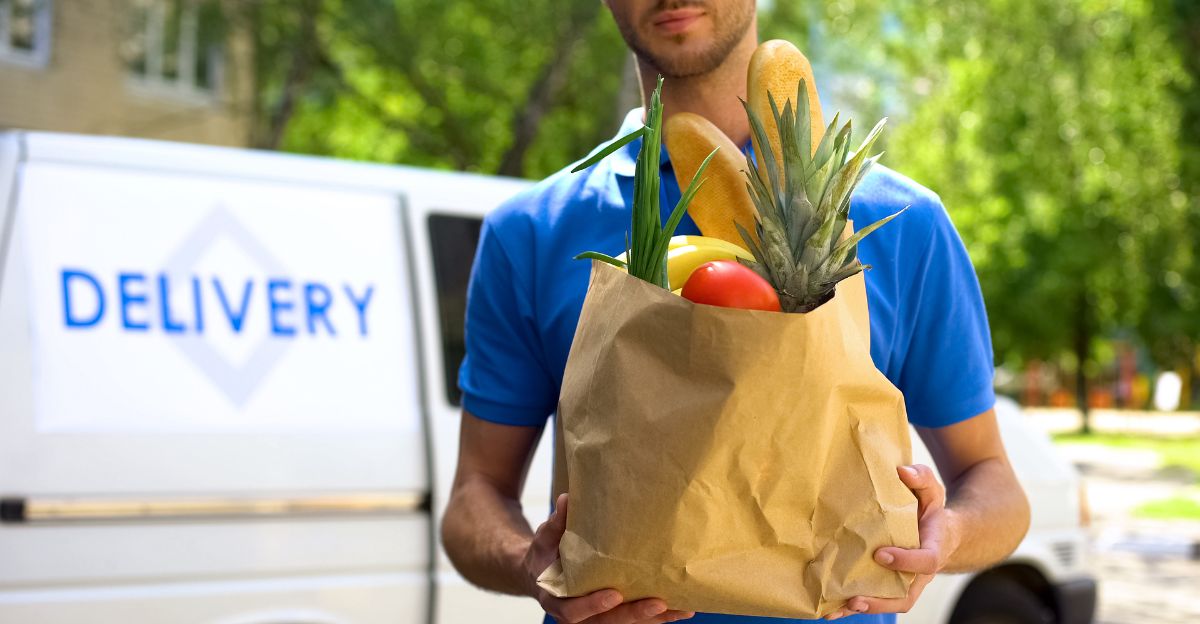
COVID-19 changed the restaurant business. In the early days of the pandemic, more people wanted healthy, plant-based foods. Sales rose for a while, especially with the help of delivery apps.
But soon, relying on those apps made profits shrink, since third-party deliveries took a big cut of each order. As the economy stayed shaky in later years, people returned to old eating habits and classic foods.
Restaurants found that the early pandemic boost wasn’t enough to survive long-term if customers mostly wanted traditional fare once things settled down.
The Main Event
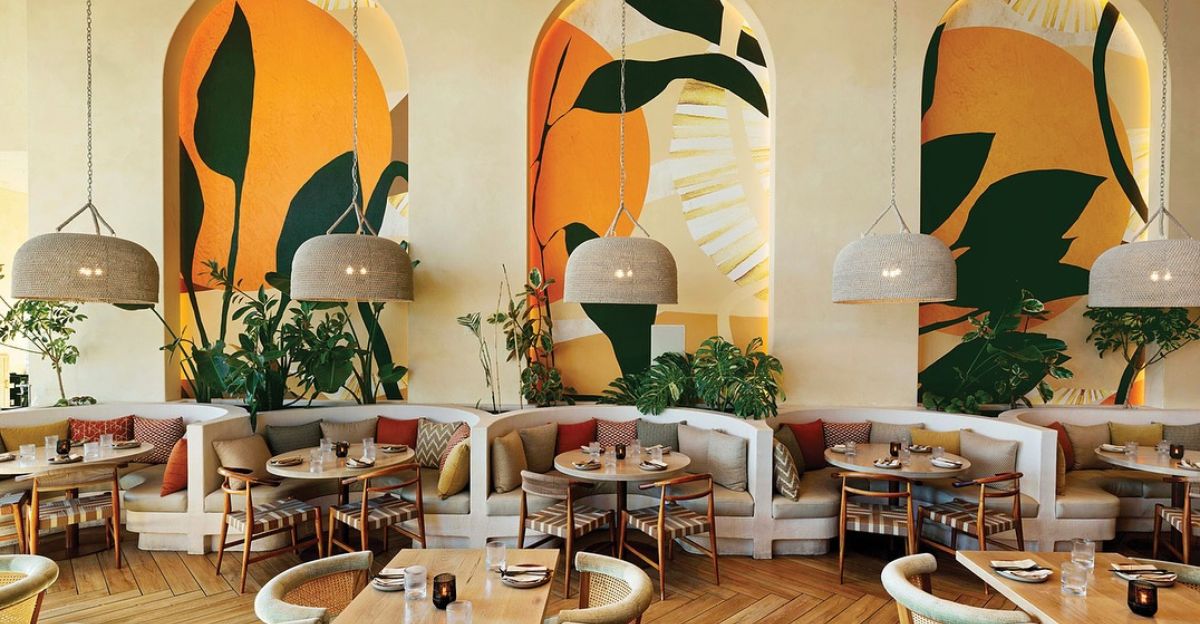
The chain at the center of all this, Planta, had expanded to 18 locations across the U.S. and Canada and saw its revenue soar from $3.5 million to $46 million in just a few years.
But after the pandemic and with bills piling up, they filed for bankruptcy in May 2025. “The swift establishment of 12 restaurants within three years intensified the challenges posed by pandemic-related disruptions and broader economic pressures,” CEO Steven Salm explained in court filings.
He also admitted, “alterations in the cost structure and broader changes in the restaurant industry adversely affected its profitability.” Planta owed $10 to $50 million but only had $50,000 to $100,000 in assets.
Regional Impact

Florida got hit the worst by Planta’s closures. Places like Miami Beach, considered trendy vegan hot spots, quietly shut down. Coconut Grove’s restaurant hung on until July before shutting for good.
Even in cities that love fitness and healthy food, these closures meant the loss of dozens of jobs and left empty spaces in busy shopping areas.
Critics in Miami noted that closing these locations was a real blow to the city’s reputation for wellness and new food trends.
Employee Impact
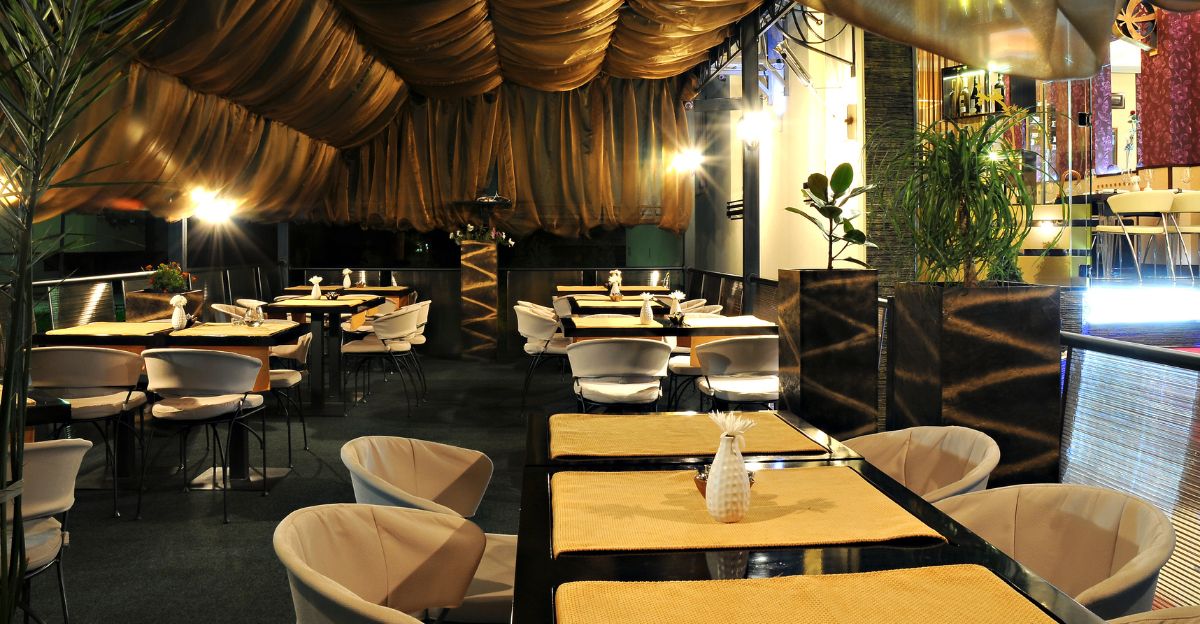
Losing Planta restaurants left hundreds of workers without jobs, from cooks to waitstaff to managers.
“We were taken by surprise, as there had been no prior notice,” said assistant manager Jessie Gregory after the closure of the West Palm Beach location. “
Despite the bankruptcy announcement…there was a prevailing sentiment at the CityPlace location that they would remain operational. I devoted much energy to being a good employee and assisted them whenever they required help.”
Market Analysis

2025 was a year when lots of plant-based restaurant chains shut their doors or reduced business. Analysts say the problem comes from high costs for vegan ingredients, a limited market, and the general pinch everyone’s feeling with rising prices.
As the economy got rough and some people returned to eating meat, fewer came in for plant-based meals. There’s also a trend of people eating out less, which is helped by weight-loss drugs like Ozempic.
Investment money dried up for vegan-focused chains, as investors lost their appetite for risky food ventures without guaranteed profit.
Expert Perspective

Bankruptcy lawyers say Chapter 11 can sometimes help a restaurant chain survive, allowing it to close failing locations and shrink its debts.
One expert explained that plant-based chains “can reject failing leases and reorganize their debts,” but this only works if what’s left has real demand.
Vegan restaurants have to deal with regular restaurant problems and issues unique to their market, like needing particular, expensive ingredients.
Some lawyers and restaurant advisers now suggest these places should widen their menus or mix in more mainstream foods to survive tough times.
Financial Lifeline

In the case of Planta, a company called Anchorage Capital Group helped them survive.
Instead of investing a lot of new money, Anchorage took on Planta’s debts in exchange for owning the company, allowing the strongest locations to continue operating.
This deal let eight of Planta’s sites stay open and gave creditors some payment, though less than they were owed. An outside banking firm managed the complicated deal so Planta could avoid shutting down.
Internal Tensions

Court papers showed that Planta was in deep trouble in the months before bankruptcy. The chain owed lots of back rent, with one location in Atlanta $613,000 behind, and hundreds of thousands in legal fees.
Executives tried to ditch unprofitable leases but couldn’t do it fast enough. Steven Salm said, “Attempts to adjust pricing to counteract these increased costs resulted in diminished consumer traffic. Additionally, the growing reliance on third-party delivery services has further strained the brand’s financial framework.”
Disagreements at the top about whether to invest more money stopped them from finding other solutions in time.
Leadership Response

Planta’s founder, Steven Salm, argued that enormous pressures like inflation and less spending on dining out were out of the company’s control.
“The swift establishment of 12 restaurants within three years intensified the challenges.”
He still believes in the company’s mission to make plant-based dining more accepted, even after bankruptcy, and wants the new, smaller Planta to do better.
Strategic Repositioning
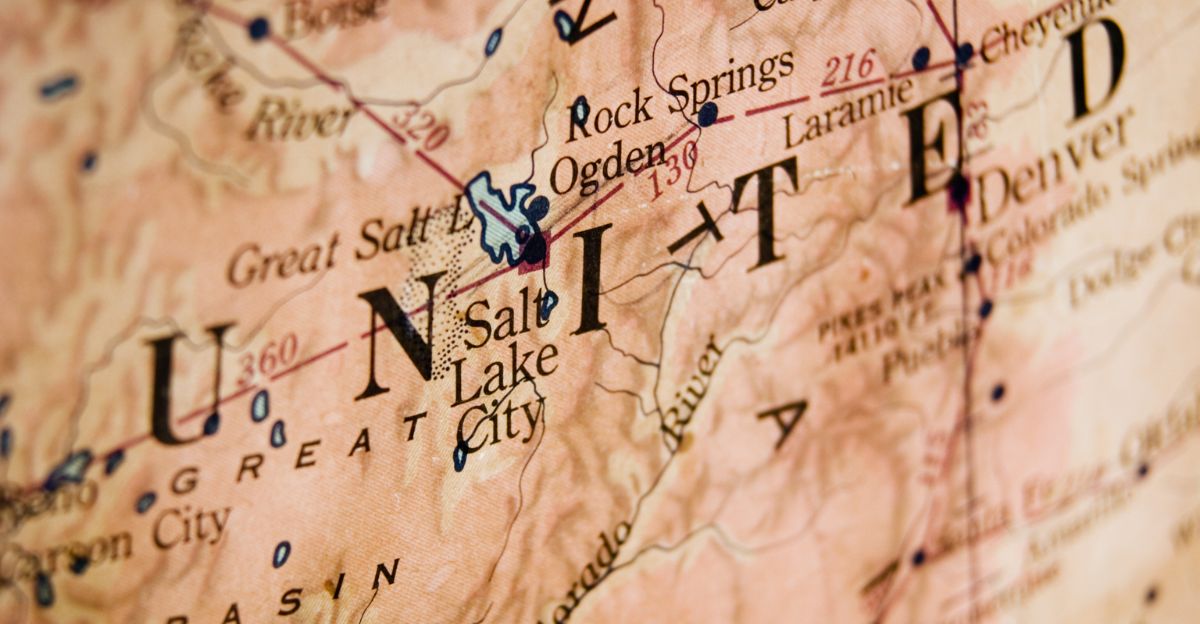
After bankruptcy, Planta kept just eight restaurants open, choosing the ones with the best chance of making money. These surviving locations are in key markets like California, New York, Illinois, Maryland, and Washington, DC.
Under new ownership, the focus is on running fewer places more efficiently, not rushing to add more sites. Planta still offers globally inspired menus and tries to attract a range of customers, from foodies to famous faces.
The relaunched chain continues avoiding waste, sourcing food locally, and using eco-friendly operations.
Recovery Strategy
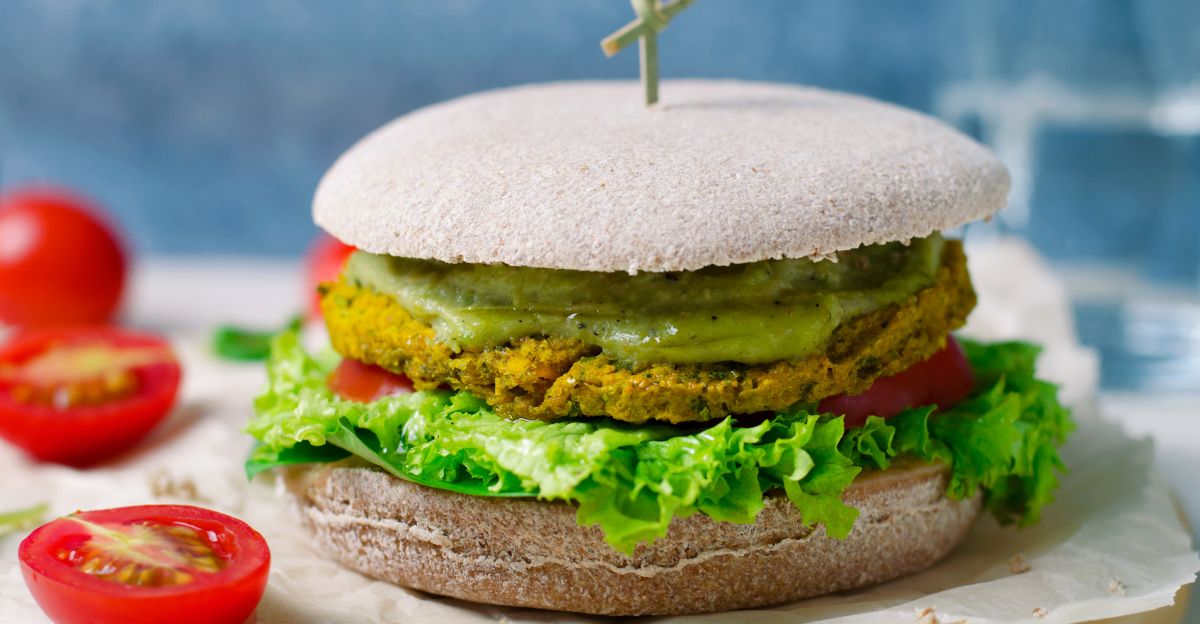
Experts say Planta’s rebirth shows that plant-based fine dining can work if it doesn’t grow too fast. The new approach focused on keeping only money-making locations and ditching bad leases.
Lawyers say the case is a good example of how bankruptcy can sometimes save restaurant brands and jobs.
The new version of Planta aims to attract celebrities and high-spending guests by concentrating on memorable experiences and innovative marketing rather than on opening as many stores as possible.
Future Outlook

The whole plant-based restaurant sector is still on shaky ground. To grow for the long haul, vegan spots must appeal to all customers, not just strict vegans.
That might mean making supply chains cheaper, keeping costs low, and considering new ways to get people excited about their menus. Some analysts think the market will continue to shrink, with weaker restaurants closing and only smart, well-managed places surviving.
The challenge is to compete with mainstream restaurants that are now serving more vegan-friendly meals themselves.
Regulatory Developments
Rules about how vegan food can be labeled and marketed are getting stricter. The Food and Drug Administration is reviewing guidelines on plant-based meat names, which could mean new expenses and legal headaches for vegan chains.
Bankruptcy courts are also creating new rules for dealing with vegan restaurants’ unique contracts, especially those tied to ingredient supply and rent.
Legal experts say the plant-based business world will see more changes in the coming years as rules catch up with industry growth.
Industry Ripples
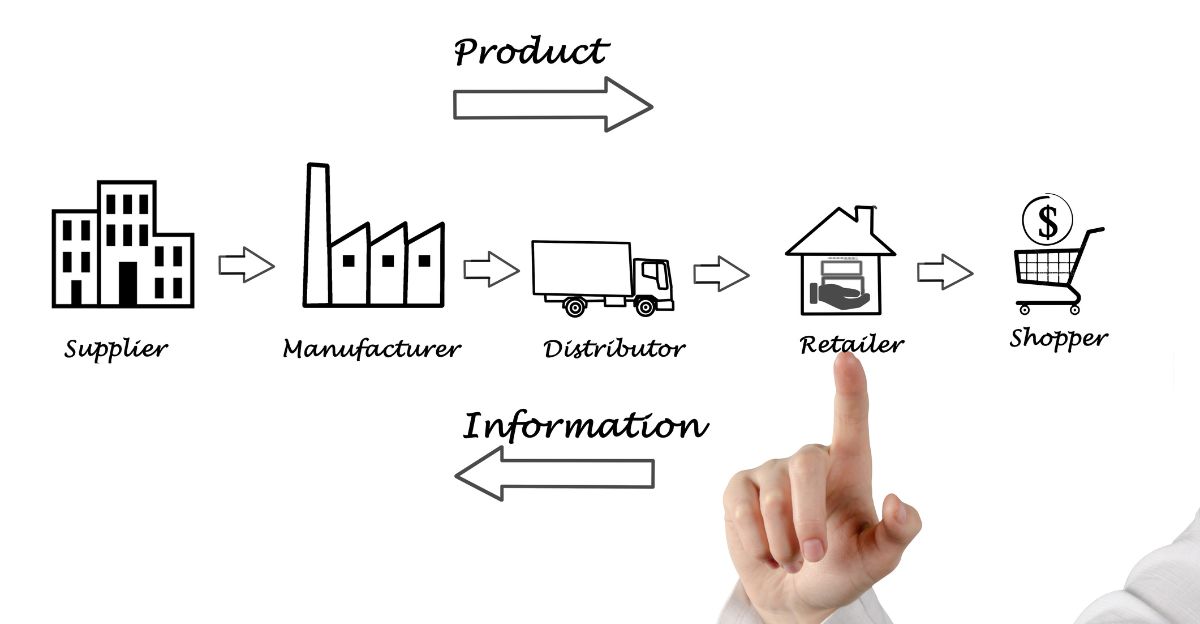
Problems in the plant-based dining world are affecting other industries, too.
Food suppliers and landlords for these restaurants are left scrambling, especially when specialty spaces go vacant. Even companies that make technology for vegan kitchens are seeing less business.
As a result, investment in new plant-focused food tech startups is falling, as money shifts to safer bets.
Social Media Response

Planta’s closures and the challenges of vegan restaurants created a buzz online.
Influencers shared disappointment, and the hashtag #plantabankruptcy trended as foodies discussed larger problems in the plant-based sector. Some said plant-based food doesn’t appeal to enough people.
Others blamed fast growth. Nutritionists and restaurant experts joined in to correct misinformation spreading across platforms.
Historical Precedent
This shake-out among vegan chains looks like past food trends, when many new stores opened quickly and most closed after the fad faded.
Food historians note that restaurants with narrow appeals and small customer pools struggle to survive when the market gets difficult.
Still, a few manage to last, as long as they find a unique edge and keep their business efficient.
Big Hype, Bigger Hurdles
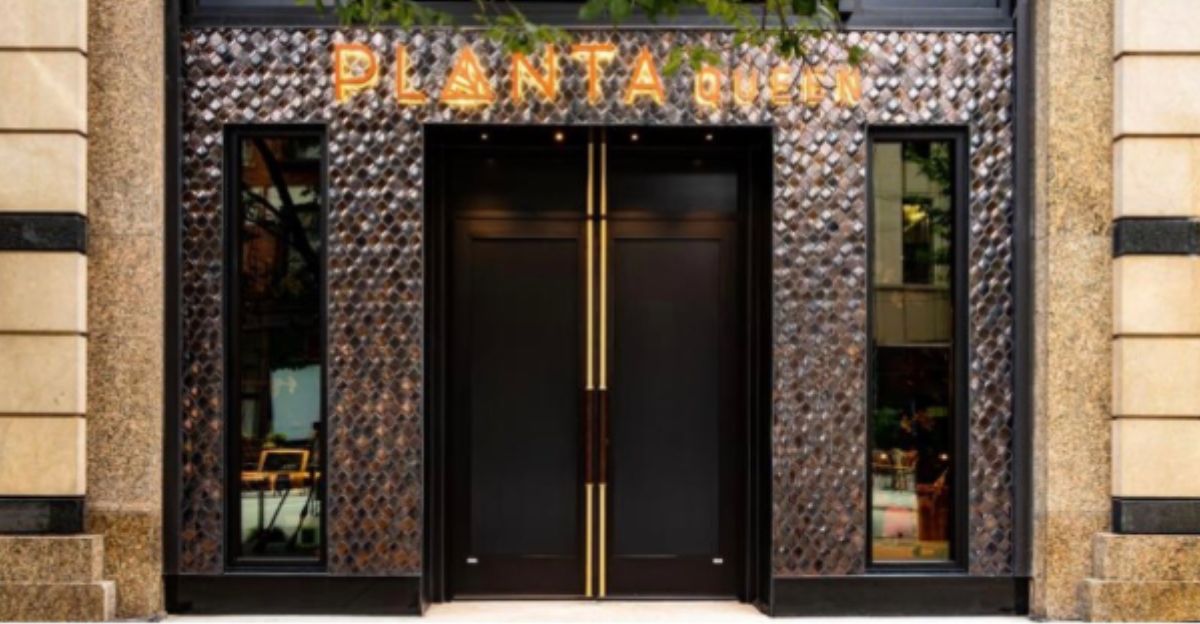
Planta’s fall from a fast-growing star to a much smaller chain shows that being trendy and backed by celebrities isn’t enough for a restaurant to survive.
“This is a company that is presenting themselves to people as people who are looking after your health and best interest, when in reality it is the complete opposite,” said one former employee.
Only intelligent, careful business decisions and broader customer appeal can support upscale vegan dining over the long term.