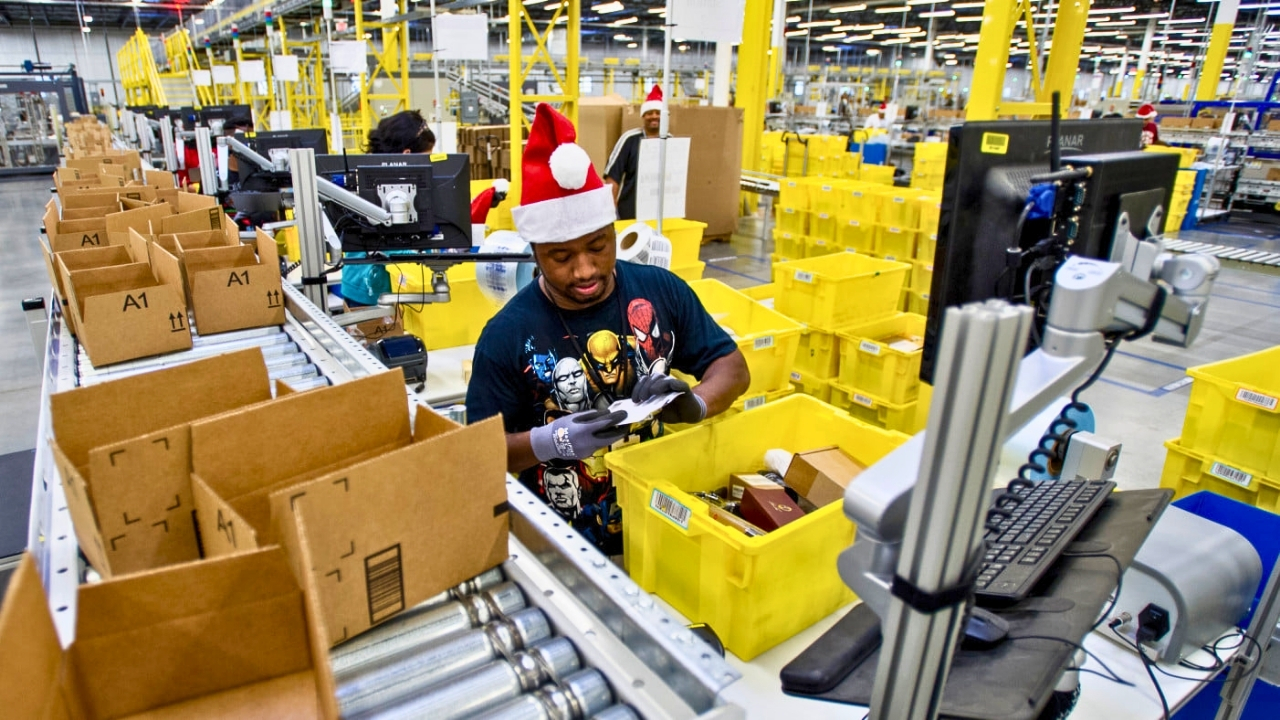
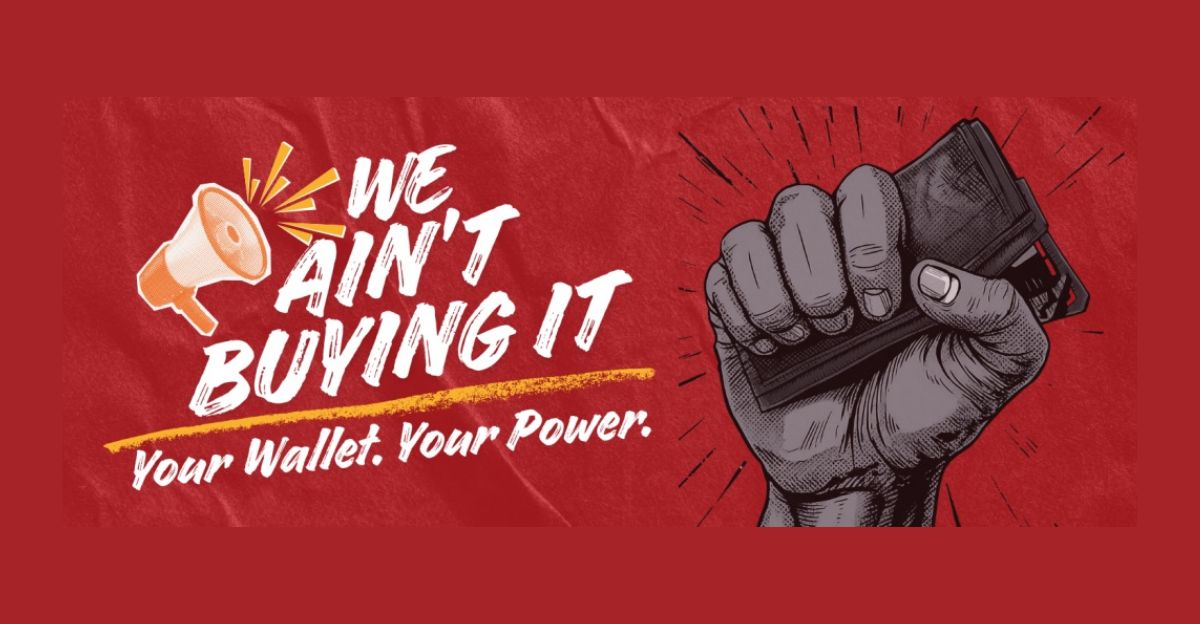
Chaos brews in America’s busiest shopping week. Instead of lining up for deals, millions of would-be Amazon customers are pledging to unplug. A national action called “We Ain’t Buying It”—organized by Black Voters Matter, Indivisible, and Until Freedom—launched a five-day boycott of Amazon, Target, and Home Depot.
The holiday protest aims to test just how untouchable e-commerce’s biggest giant really is.
Record Crowds, Epic Protest
A jaw-dropping 186.9 million people are expected to shop Thanksgiving weekend—a U.S. record, says the National Retail Federation. This is the peak of commerce, with nearly 20% of annual retail spending compressed into five high-stakes days.
For the first time, millions will skip their Amazon carts and join the protest. “We want this to be the largest holiday boycott ever,” organizers declared this week.
Behind the Blackout: Why Now?
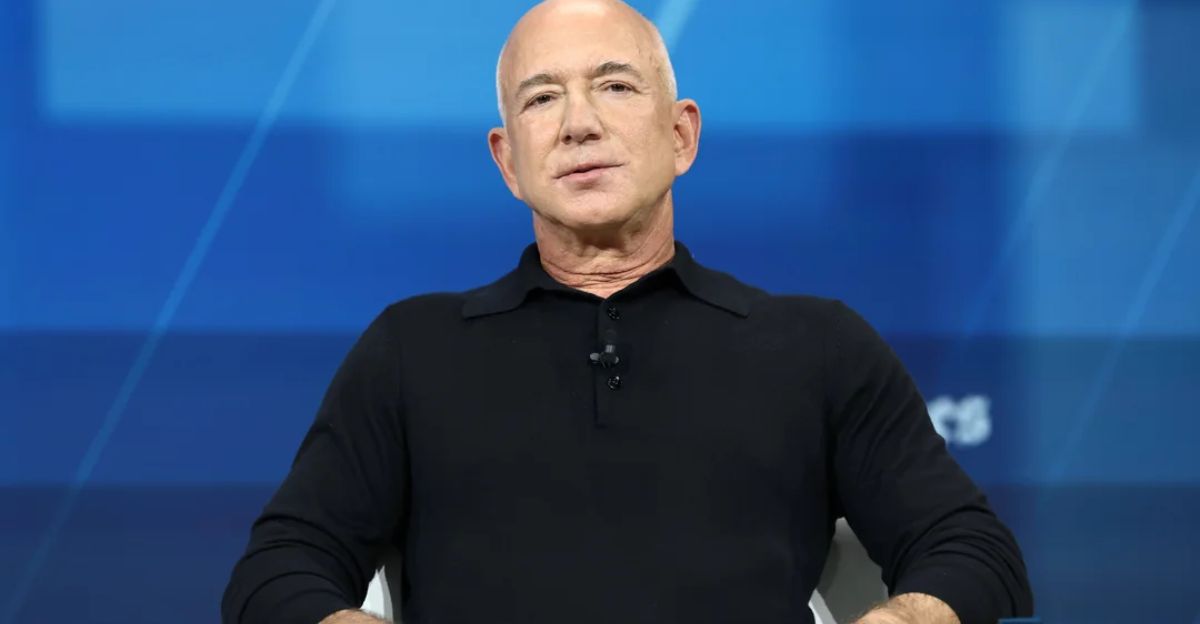
Why now? “Amazon holds a monopolistic position in the market, contributes to dangerous working conditions, and CEO Jeff Bezos has donated over $1 million to this administration,” leaders from Black Voters Matter, Indivisible, and Until Freedom charged.
Their public call lands as holiday dollars become weapons of protest, ratcheting up pressure during Amazon’s most vulnerable five-day stretch.
Amazon’s Iron Grip on Shopping
Amazon controls over 40% of U.S. e-commerce—a remarkable digital dominance, eMarketer data confirms. This year, Amazon’s Q3 net sales in the U.S. rose 11%, and the company banked around $15 billion in net income, dwarfing its rivals and fueling activists’ arguments that the company is immune to ordinary consumer pushback.
“For too long, Amazon’s power has gone unchecked,” boycott leaders say.
Protest’s Ticking Clock: Five Days

The clock is ticking. From November 27 to December 1, the nation’s biggest retail engine faces a coordinated pressure campaign. The twist: Nearly 60% of Americans have already begun their holiday shopping, leaving organizers just five days to make a lasting dent.
“If we stop even a fraction, we send a chilling message to the boardroom,” declared Indivisible co-founder Leah Greenberg.
Boycott Inspired by Civil Rights Legacy
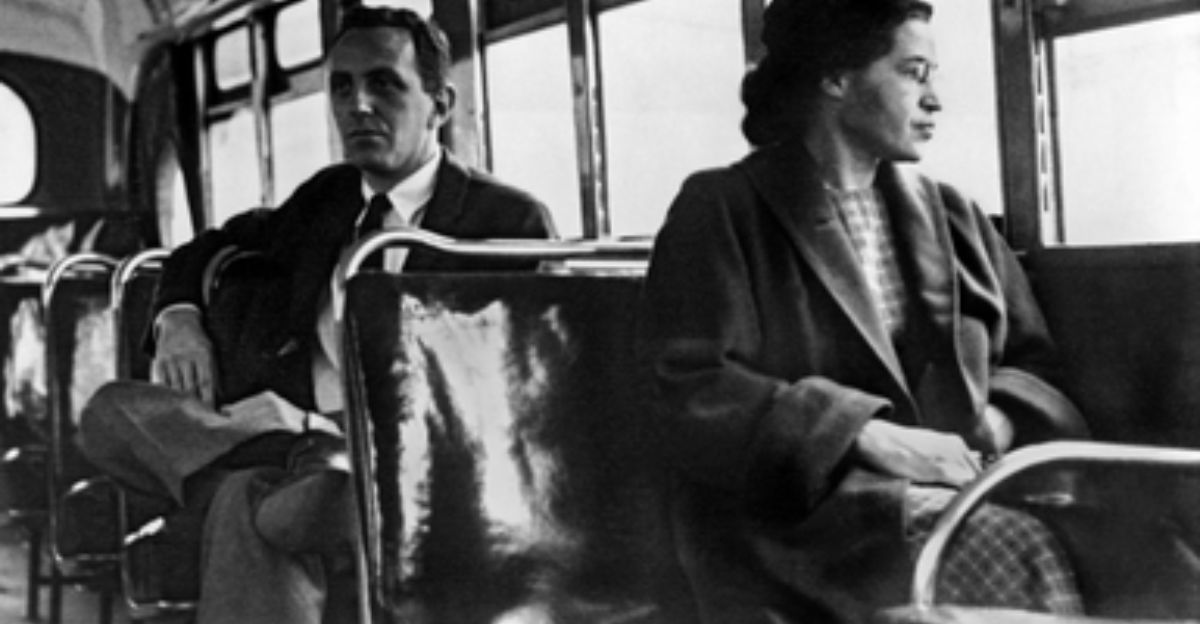
This movement draws its spirit from the Montgomery Bus Boycott—timed to its 70th anniversary, as LaTosha Brown of Black Voters Matter notes. “We’re turning protest into power and our wallets into weapons for change,” Brown said.
“If they want to call it Black Friday, let’s show them what that really means.” The battle, she argues, is for economic justice as much as it is for bargains.
$21 Billion Profits on the Line
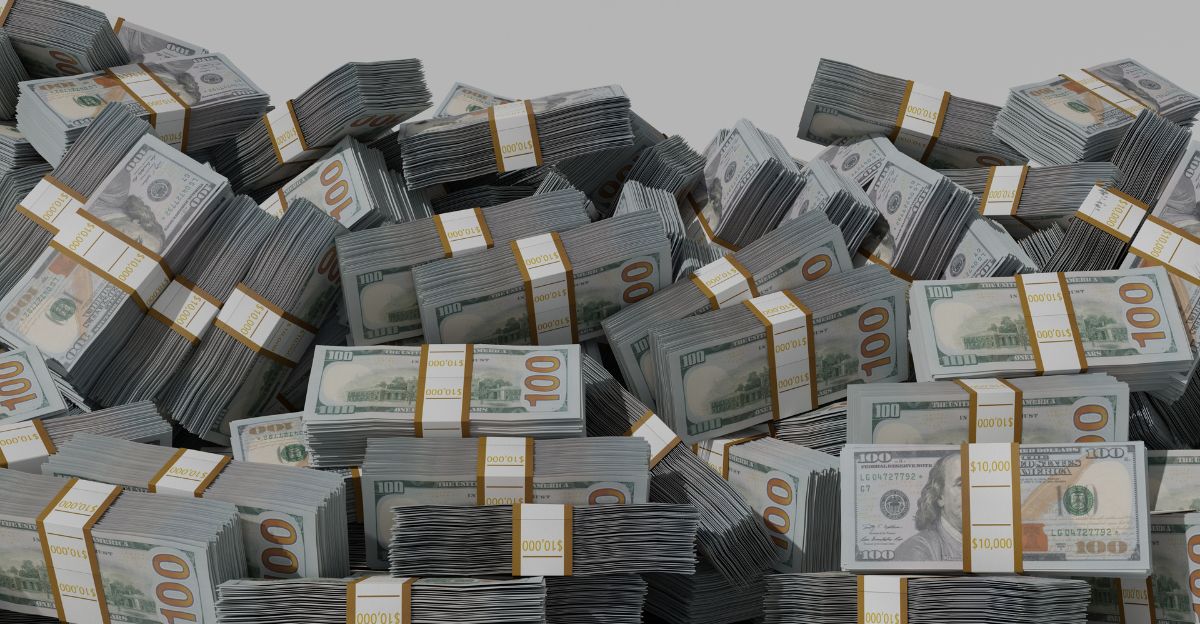
At stake are billions of dollars: Amazon made $21.2 billion in just the last quarter alone, surging 38% year-over-year. Black Friday isn’t just a branding exercise—it’s the company’s financial lifeblood, with an estimated $8–16 billion in sales potentially at risk during this brief boycott window.
It’s a David-and-Goliath standoff with Wall Street watching closely.
Warehouse Workers: Human Cost Hits Home
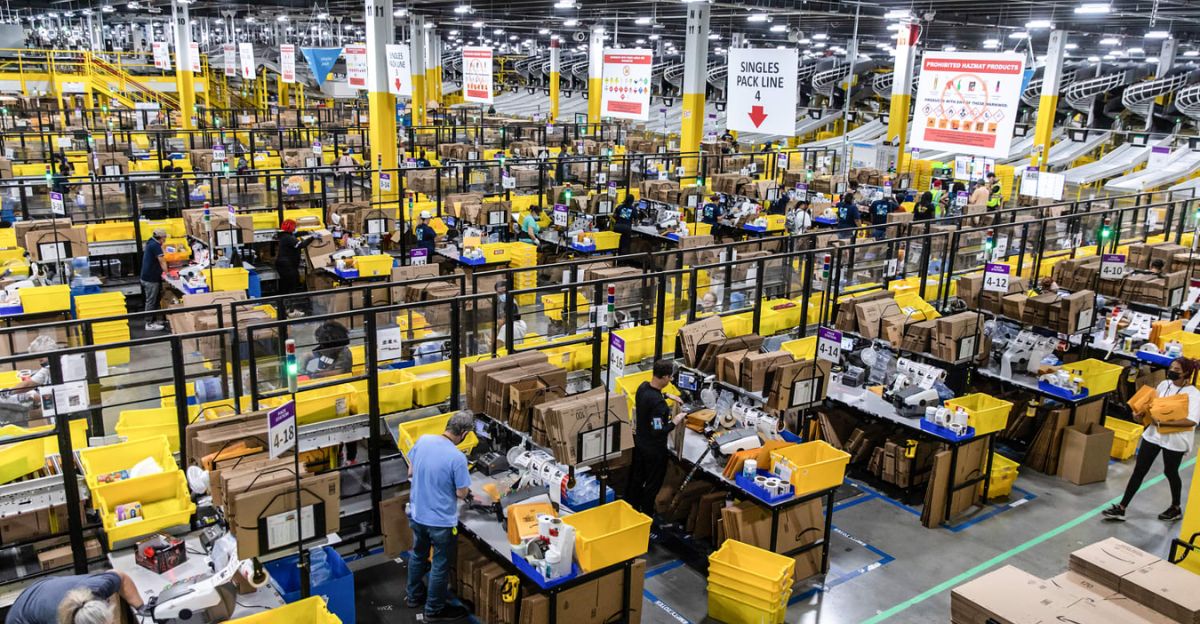
Activists aren’t fighting over cardboard boxes and same-day shipping. The real spark is worker safety. A Senate investigation recently found Amazon warehouse employees “almost twice as likely” to be injured compared to other warehouse workers, with 30% more injuries than the industry’s average.
Senator Bernie Sanders called the company’s practices “utterly unacceptable.”
Behind the Headlines: Real People, Real Injuries
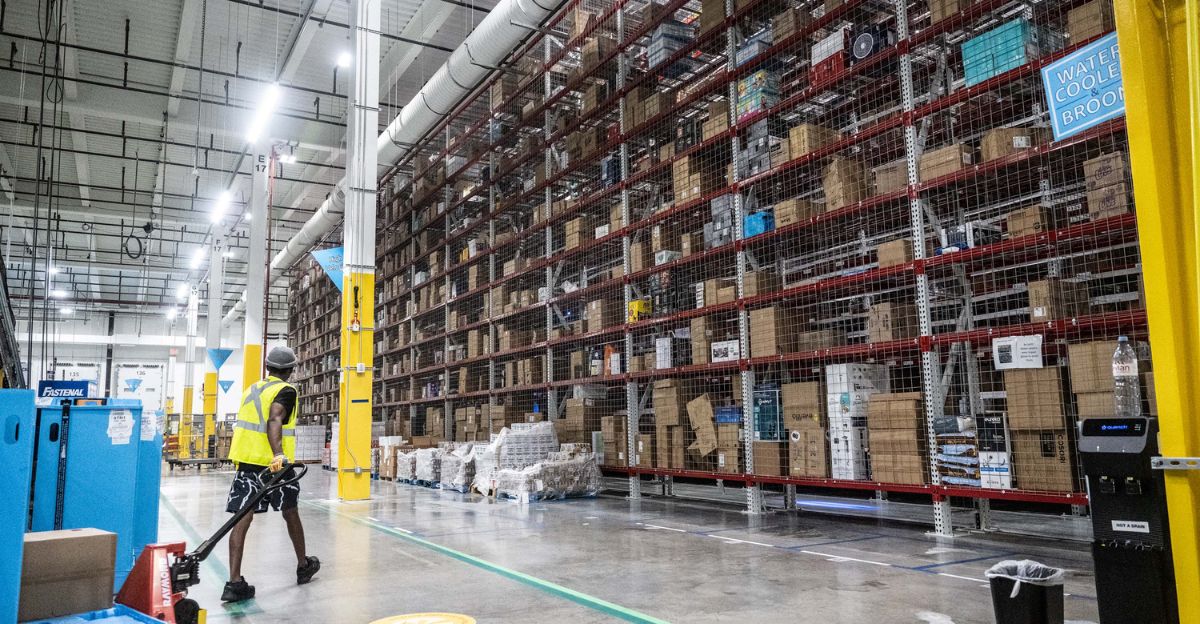
Warehouse floors pack a heavy human toll. Federal records show that Amazon’s injury rates have repeatedly outpaced those of its competitors. “The relentless pace of quotas and surveillance is breaking people down,” said a warehouse worker, quoted in the Senate’s 2024 report.
Unions and safety advocates warn: “Fast shipping shouldn’t cost workers their health.”
The Bezos Factor: Political Tensions Boil Over
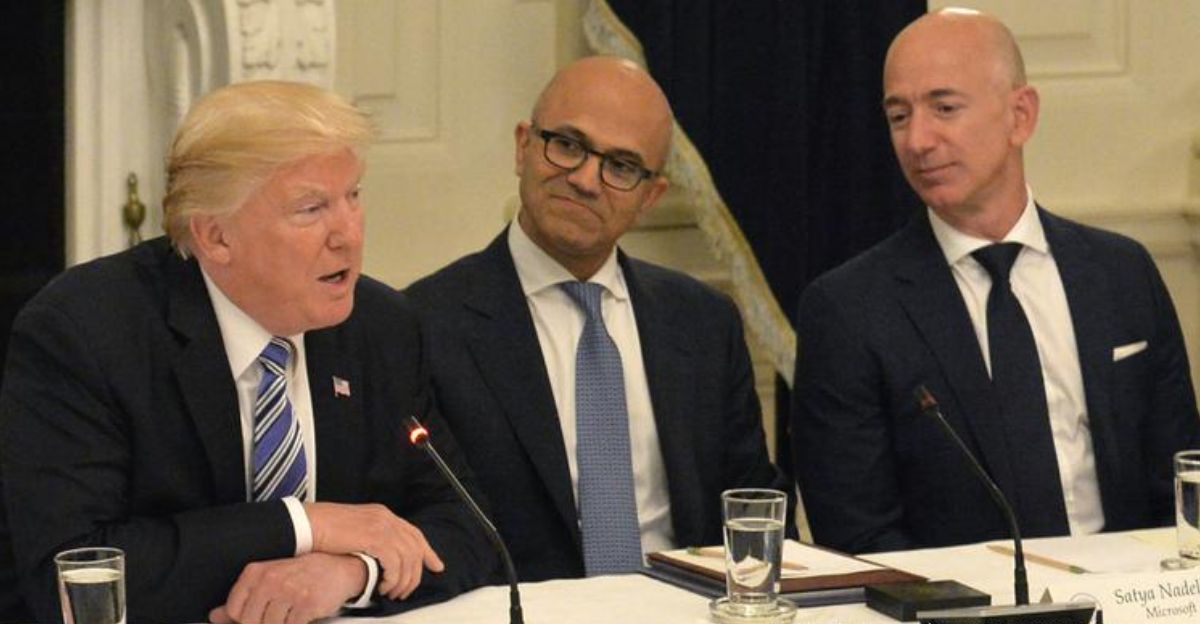
Fueling the campaign is Amazon founder Jeff Bezos’s $1 million donation to President Trump’s inaugural fund. Organizers see this as a “direct financial endorsement of policies many shoppers oppose.”
In this fraught election year, holiday shopping choices are morphing into headline-grabbing acts of activism and dissent.
Why Boycotts Are Back
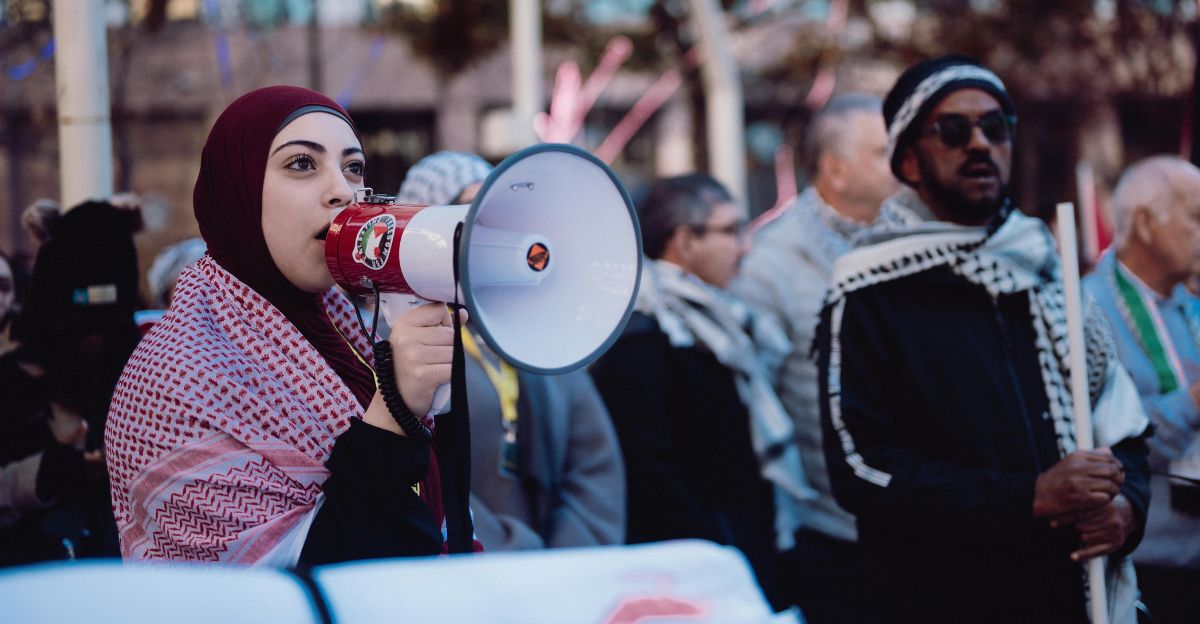
The numbers reveal a shifting landscape: 31% of Americans have already boycotted a business due to values or political reasons, according to LendingTree. Young people are especially engaged, with nearly half of Gen Z researching a brand’s stances before hitting “buy.”
“Corporations can’t ignore what shoppers care about,” said one consumer advocacy group this week.
Not Amazon’s First Boycott Battle
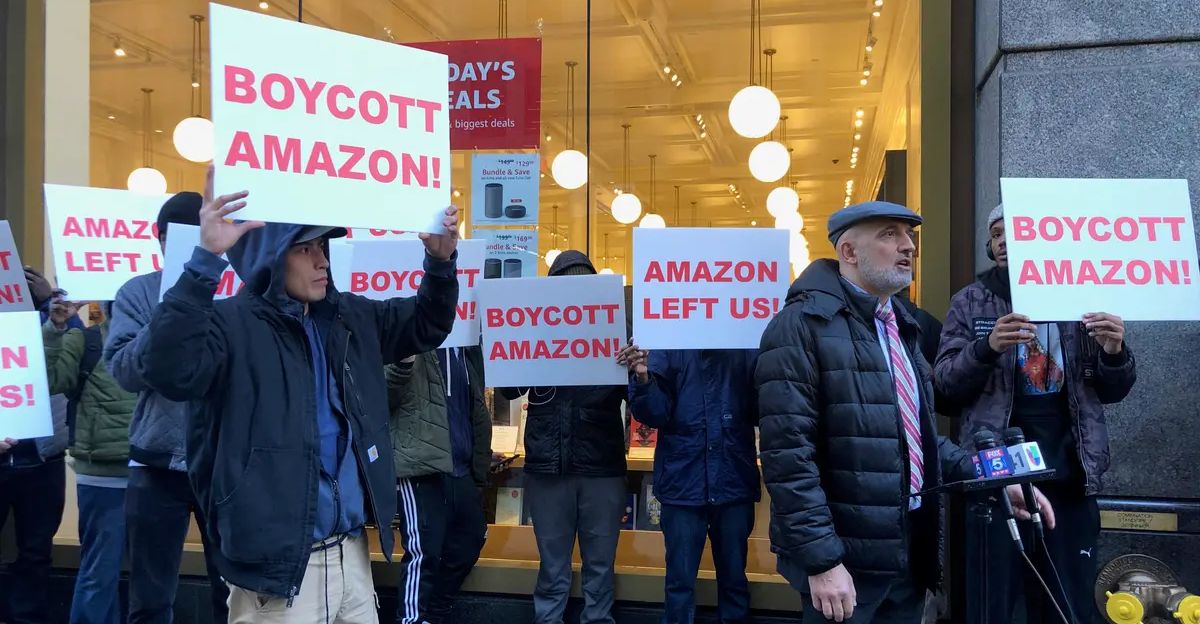
Amazon’s 2025 has been turbulent—this protest is its fourth coordinated boycott this year, following actions in March, May, and July. While immediate impacts haven’t always dented sales, activists believe that repeated economic pressure creates change over time.
The “We Ain’t Buying It” campaign is angling for long-term leverage.
Target and Home Depot in the Crosshairs
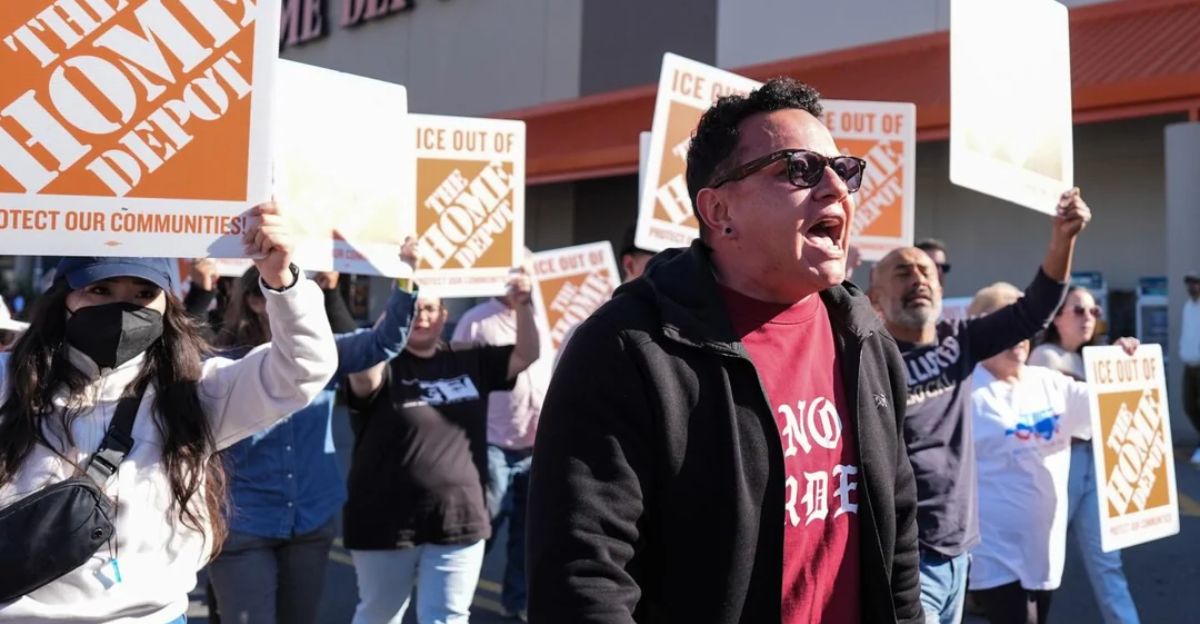
The boycott doesn’t stop at Amazon. Target and Home Depot are also in the organizers’ sights—Target for rolling back DEI initiatives, and Home Depot over alleged ICE cooperation at stores.
Both donated $1 million to Trump’s inauguration, broadening the campaign’s political and economic reach across every corner of the American retail sector.
Can 17 Million Really Make a Dent?
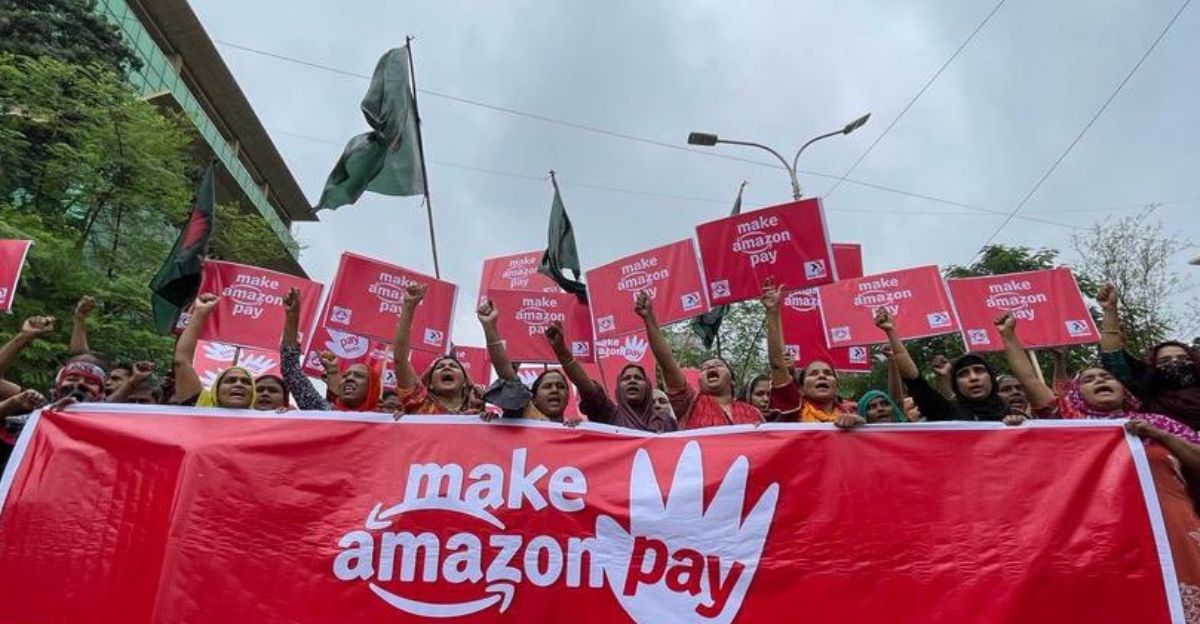
If even 9% of anticipated Thanksgiving weekend shoppers join the boycott—about 17 million people—that could equal a billion-dollar blow.
Even skeptics admit that’s too large a number for investors to ignore. “This is no longer about symbolism,” said a Bloomberg analyst. “It’s about bottom lines.”
Global Solidarity, International Protests
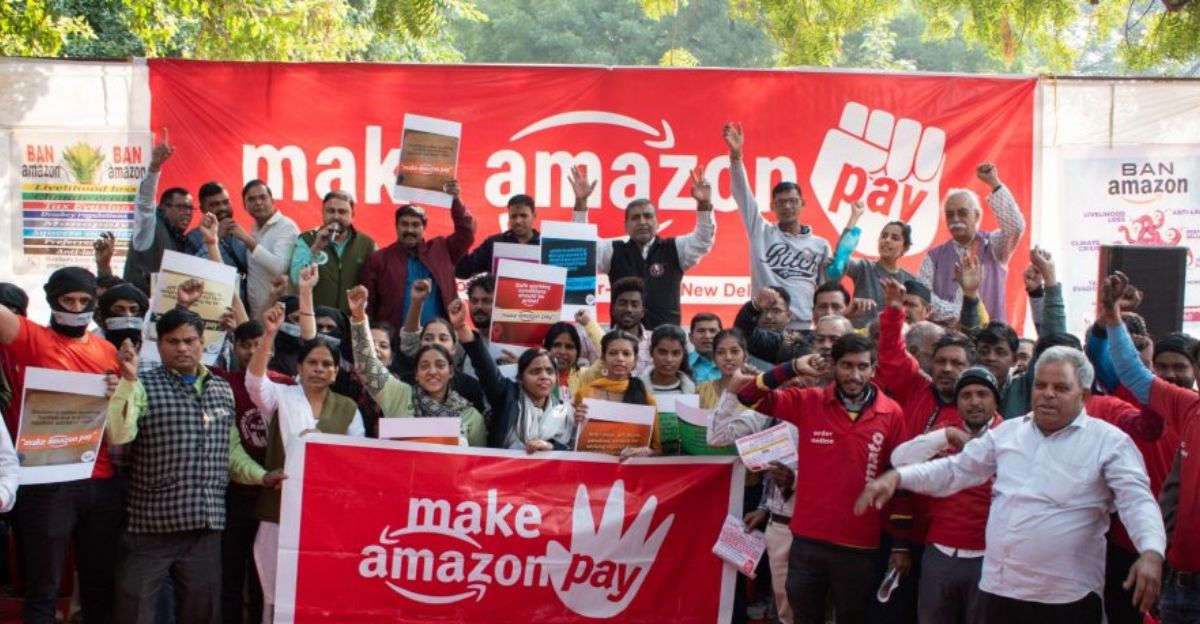
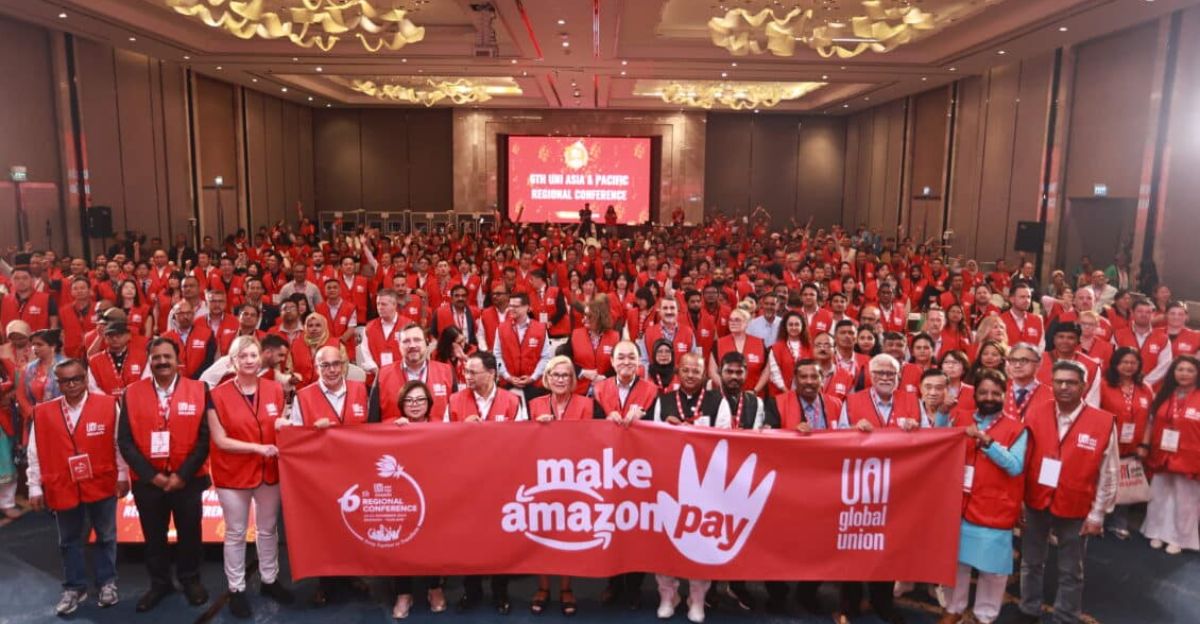
This isn’t just an American story. Workers and activists from six continents, under the “Make Amazon Pay” banner, have announced parallel protests aligned with this holiday boycott. From Berlin to New Delhi, employees are striking for higher wages and labor protections.
Amazon’s flash sales now spark flash mobs—demands for global change traveling the same supply chains.
Families Forced to Choose: Convenience or Conscience

For many, the decision hits home. “Ordering from Amazon is just easier,” admits New Jersey mom Janet L., “but this year, I keep thinking about the headlines.”
Social feeds are packed with memes urging consumers to rethink every click. “It’s families like mine who decide if this movement goes viral or fades by Monday,” she reflected.
Main Street Hopes for a Boon

Local stores—often dwarfed by Amazon’s logistics—are watching with hope. Small business coalitions tell shoppers: “Every dollar you hold back is a dollar that stays in your community.”
Boycott organizers direct would-be Amazon shoppers to indie shop directories, hoping Main Street’s gain is Wall Street’s worry.
Amazon Fights Back: Discounts and Damage Control
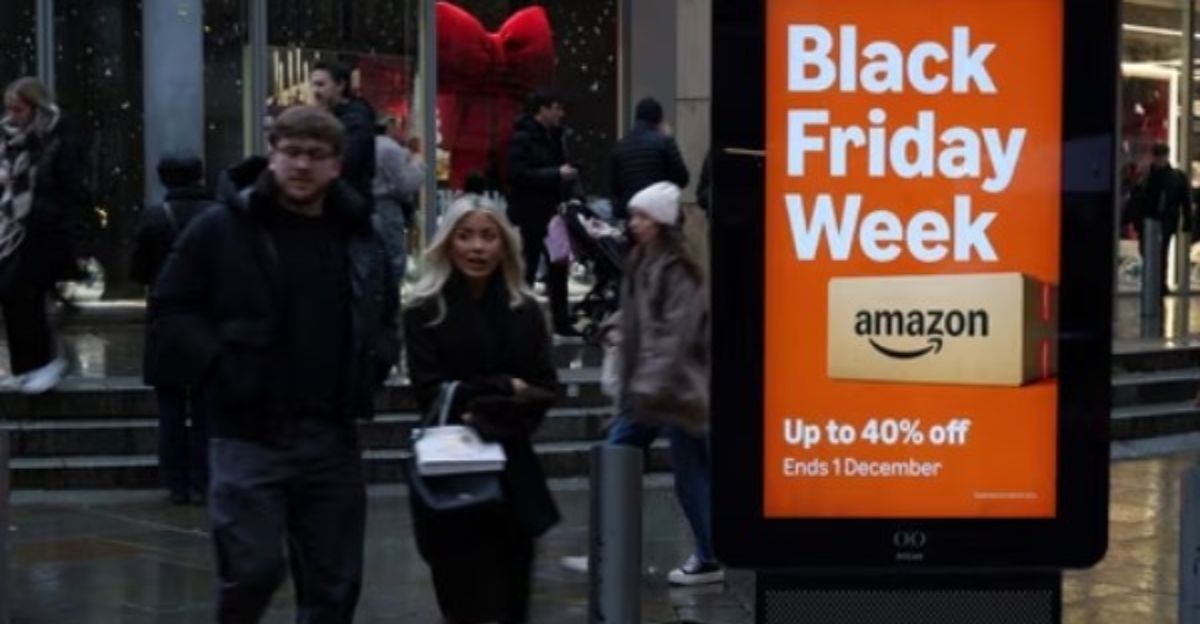
Amazon isn’t sitting quietly. The company has rolled out record Black Friday deals, splashy ads, and statements defending its labor record.
“We are constantly innovating to improve workplace safety,” Amazon said in a statement, pushing back against criticism and highlighting ongoing investments in worker well-being.
What Success Looks Like—And What It Doesn’t
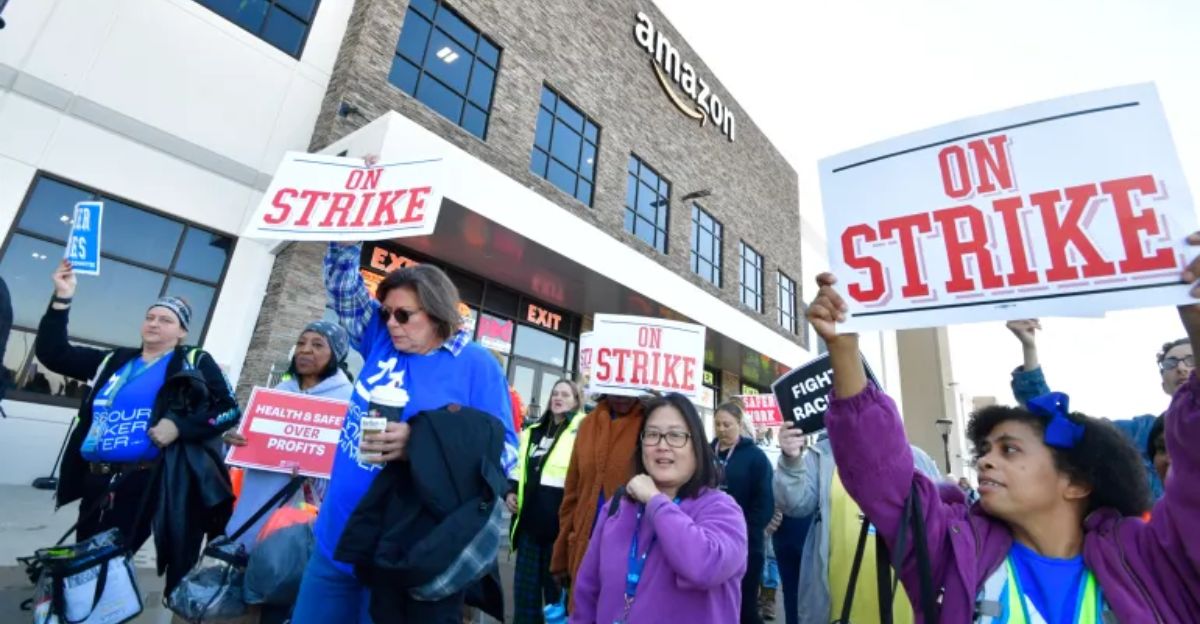
Organizers are realistic: Few expect Amazon’s sales to plummet overnight. “We know they’re huge. But historic changes—like Montgomery—begin with people choosing differently,” said LaTosha Brown.
The main goal? Shine a spotlight, make headlines, and begin a new tradition of wallet-driven activism each holiday season.
The Countdown Ends, The Question Remains
As the five-day clock winds down, the true impact remains to be seen. Will millions actually hit pause on Amazon orders? Will dollars shift to local stores?
Regardless of tallies, “We Ain’t Buying It” has already changed the tone of the busiest shopping weekend ever, transforming bargains into a battleground for American values.
Shopping Is Now Activism
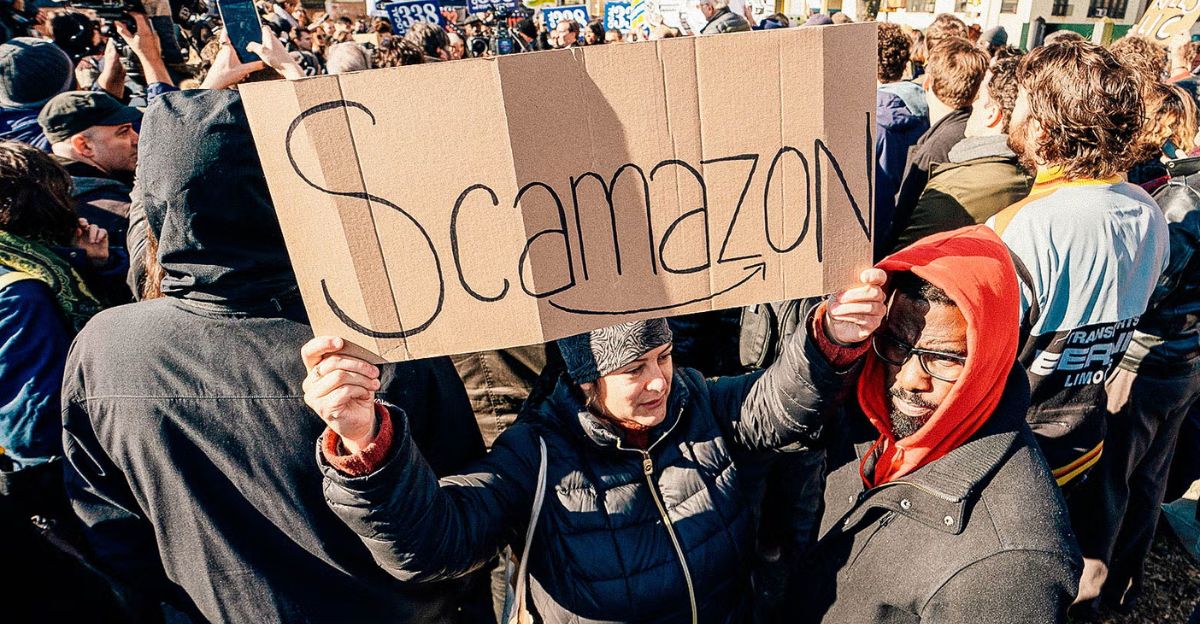
The final lesson: Black Friday isn’t just about deals anymore. With nearly 20% of annual retail dollars at stake, the simple act of shopping has become a collective choice—between convenience and conscience, silence and speaking out.
The drama is still unfolding. This year, clicking “Add to Cart” is a political act.
Sources:
National Retail Federation – “Thanksgiving Weekend Expected to Draw Largest Number of Shoppers on Record”(November 19, 2025)
U.S. Senate HELP Committee Investigation – “The Injury-Productivity Trade-off: Amazon’s Workplace Safety Record(December 2024)
We Ain’t Buying It Campaign Official Statement – Black Voters Matter, Indivisible, Until Freedom(November 24, 2025)
Amazon.com, Inc. – Q3 2025 Earnings Release & Financial Results (October 30, 2025)
eMarketer – “U.S. Amazon E-commerce Forecast 2025” (April 27, 2025)
LendingTree – “Almost a Third Have Boycotted a Business” Boycott Survey (June 23, 2025)