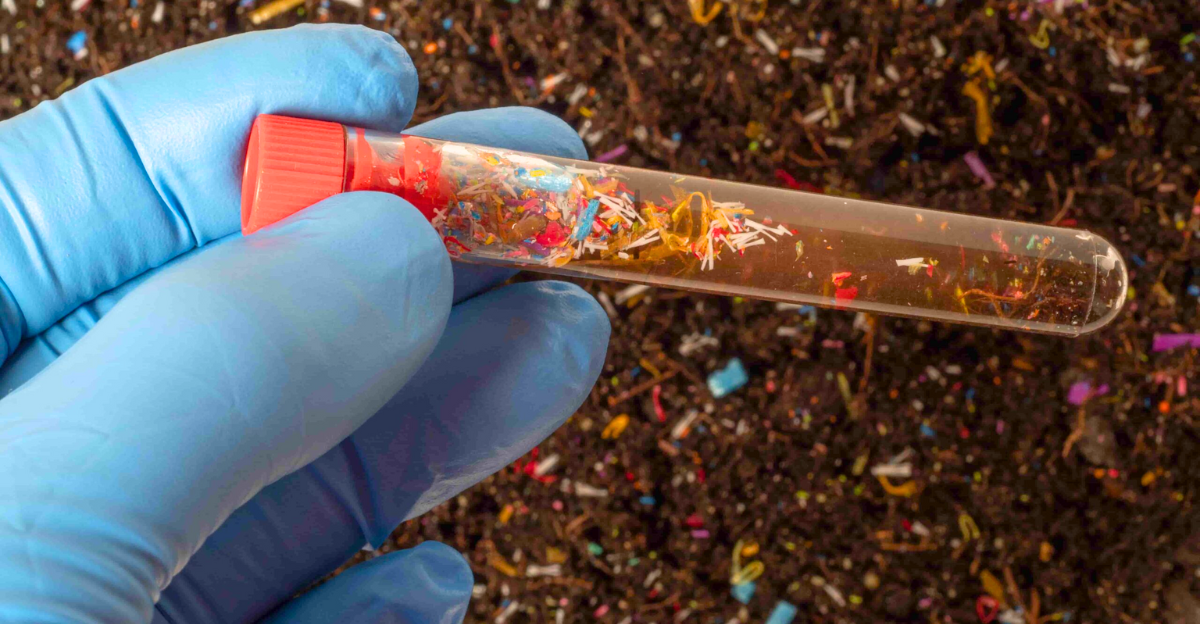
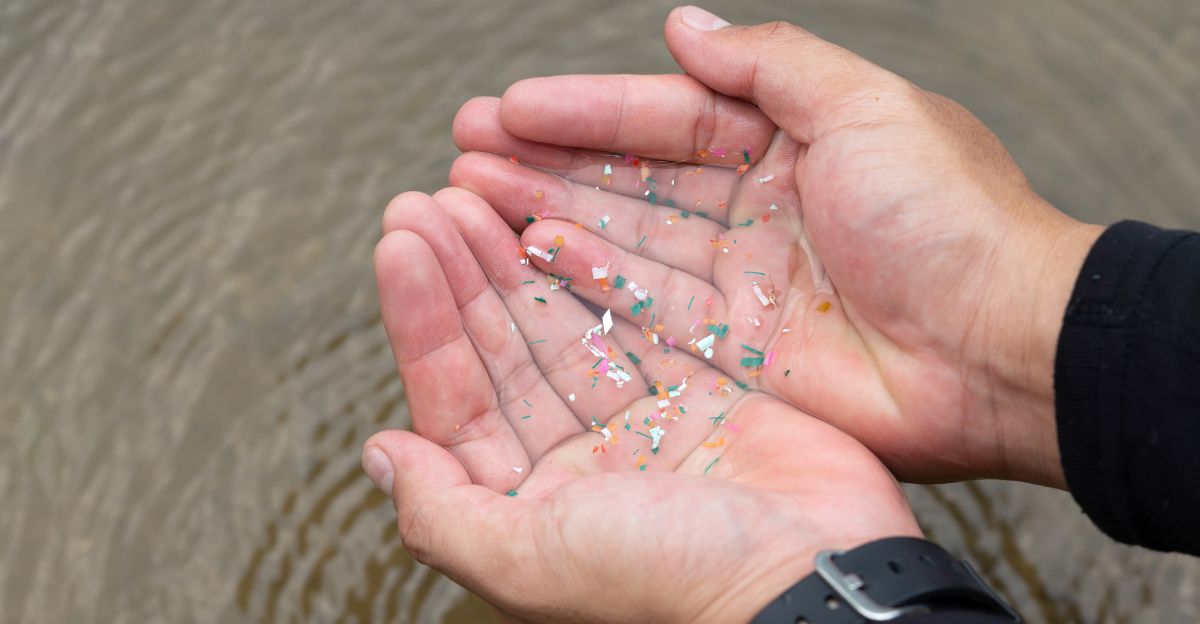
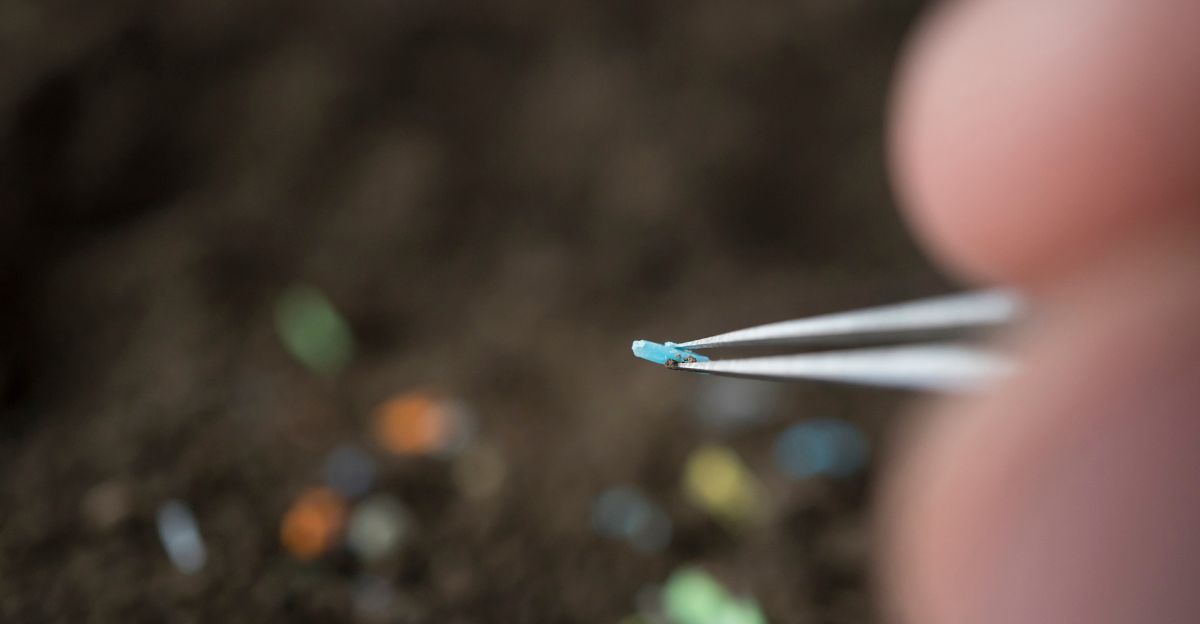
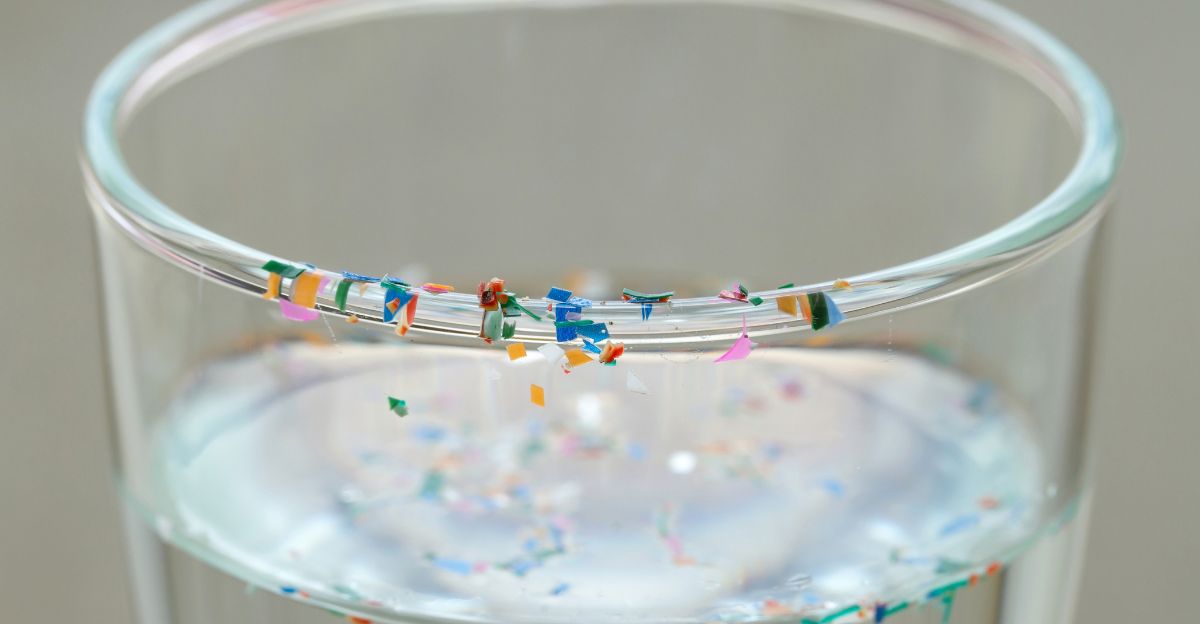
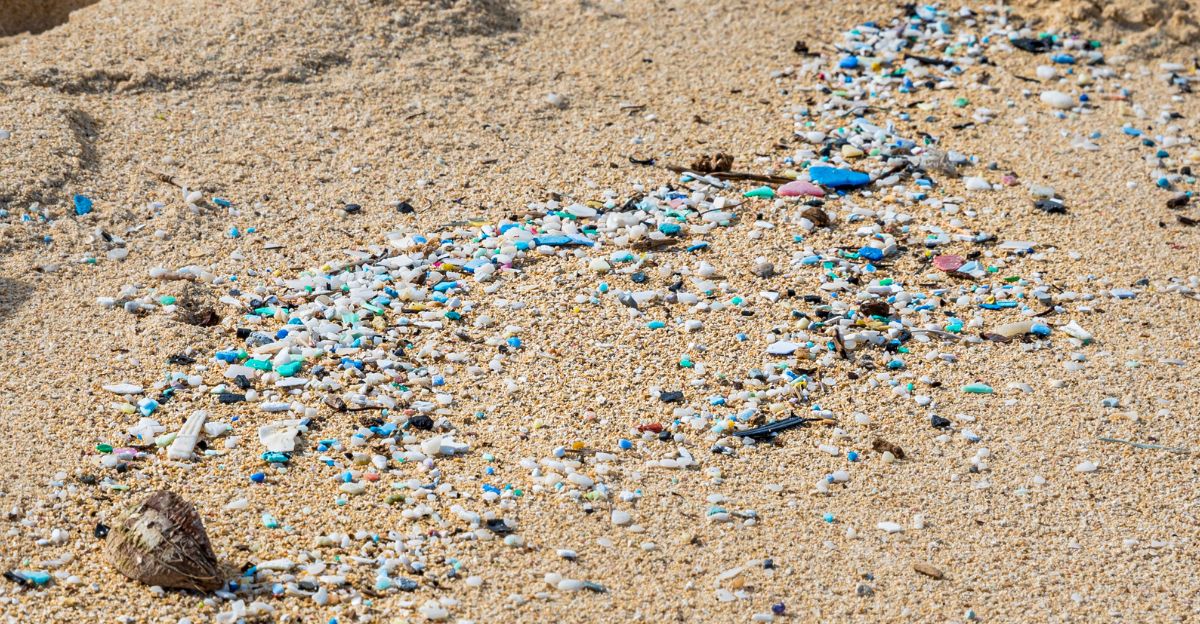
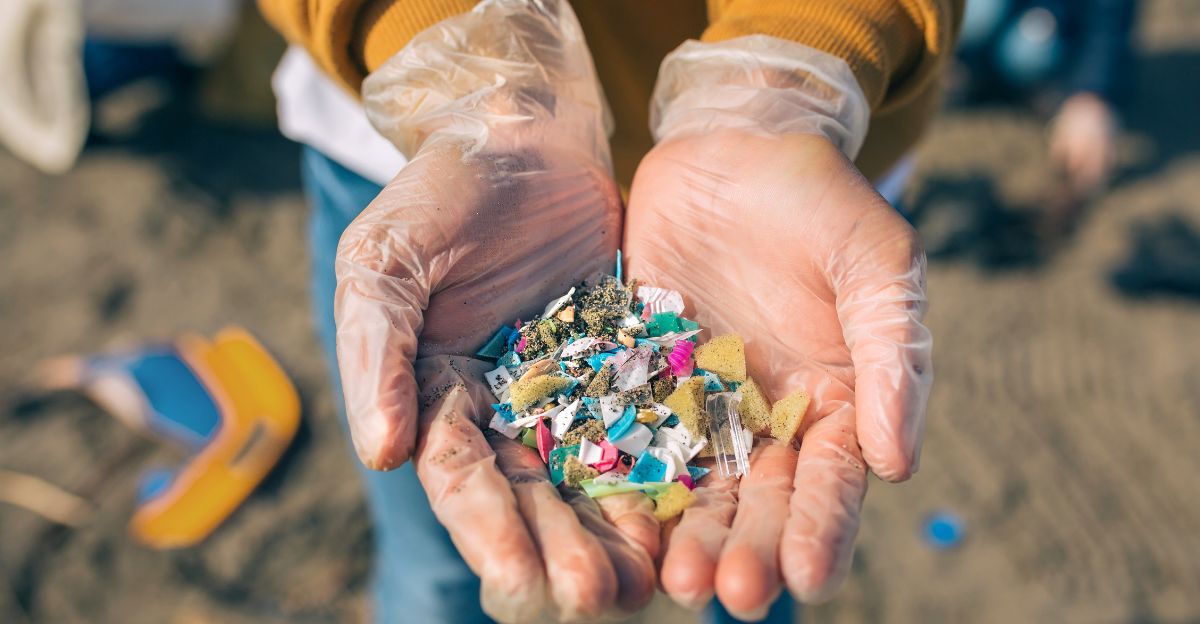
Rising concern surrounds microplastics—tiny plastic particles found in drinking water, food, and the environment.
According to The Independent, exposure to microplastics is linked to potential health risks including heart disease, stroke, and cancer.
Recently, scientists discovered a surprisingly simple, natural solution: plant extracts that trap and remove most microplastics from water. Experts say the breakthrough may change how water is purified worldwide.
Microplastics: Global Reach
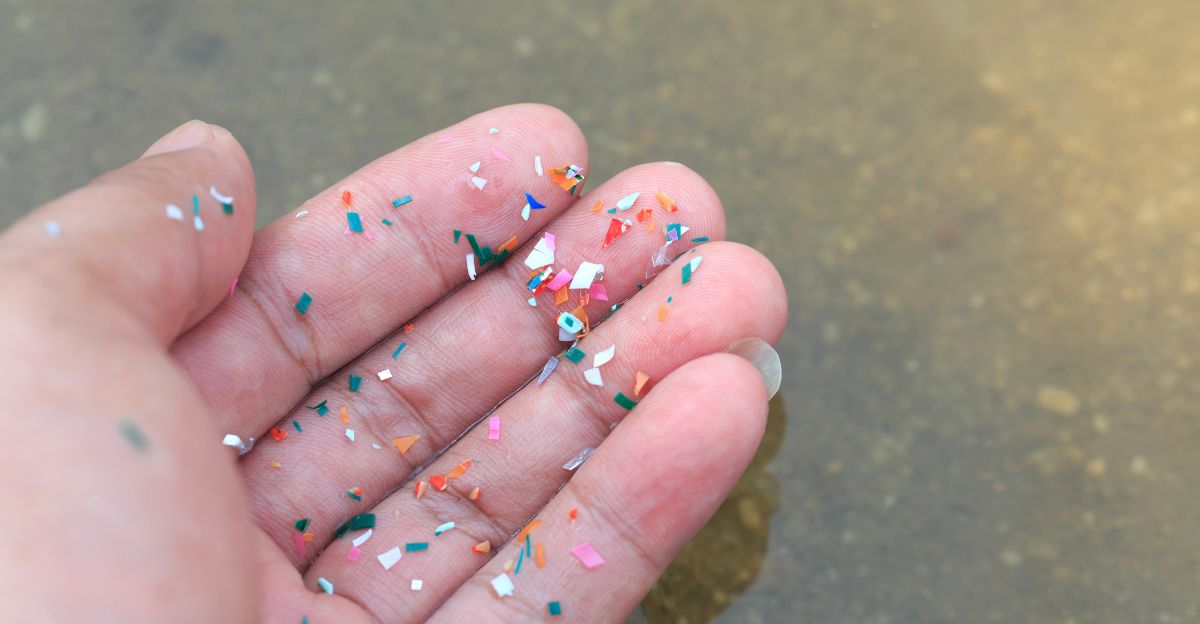
Microplastics permeate our surroundings, from oceans and rivers to the human body itself. The World Health Organization (WHO) calls for urgent research, noting traces of microplastics found in blood, lungs, and even placentas.
Dr. Maria Neira of WHO says, “Microplastics are everywhere—including in our drinking-water.” The global push for action is intensifying as studies uncover growing risks to wildlife and people.
Sources and Spread of Microplastics
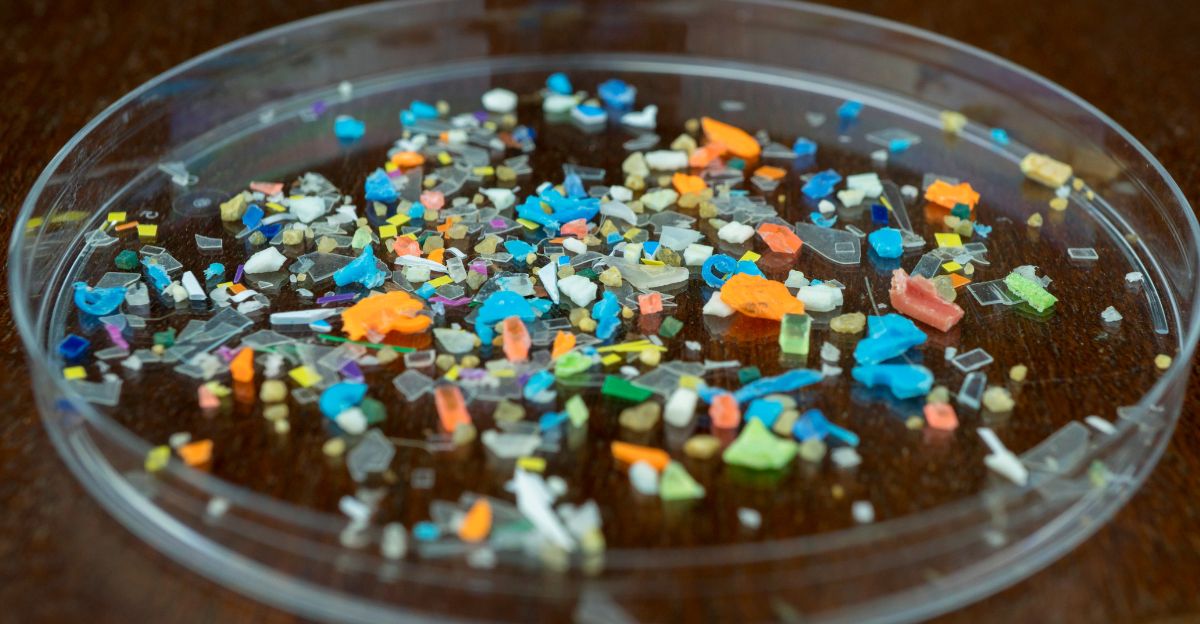
Microplastics enter waterways via run-off, sewage sludge, and fragmentation of larger plastic debris. Once in the water, they resist standard filtration systems, accumulating in seafood and agricultural products.
Research published in PubMed Central finds that microplastics have infiltrated ecosystems and the food chain, raising alarms over potential long-term impacts.
Health Concerns Mount
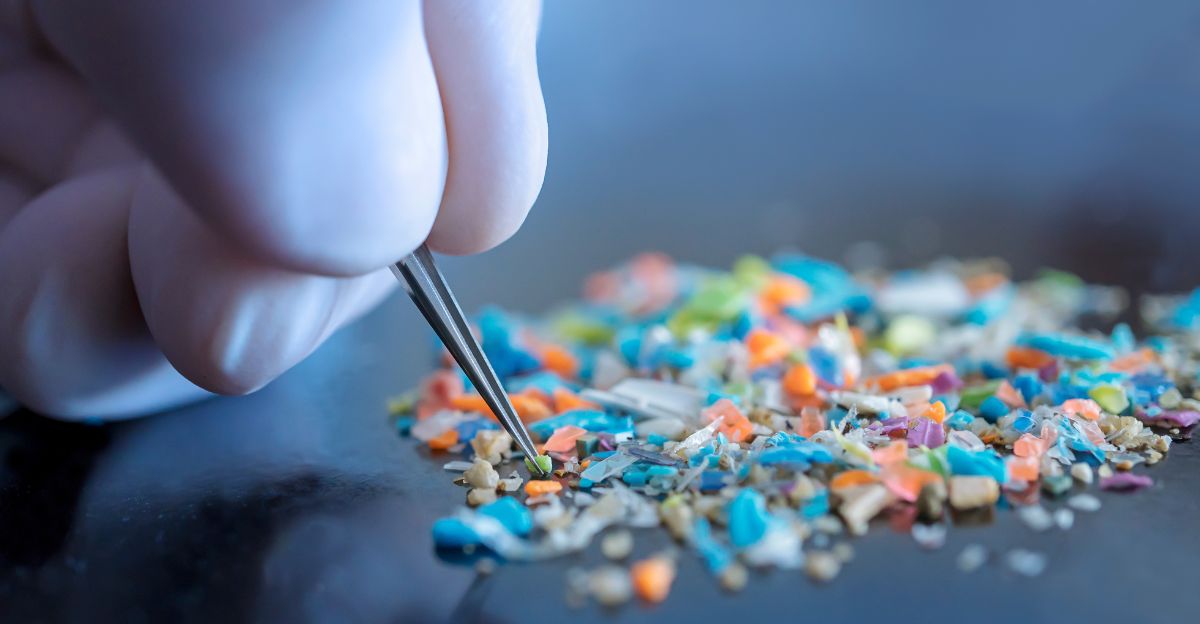
Exposure to microplastics correlates with cellular damage, inflammation, and neurotoxicity, according to recent World Economic Forum and Communication Biology studies. Scientists documented microplastics crossing the blood-brain barrier and affecting organ function.
Professor Kjersti Aagaard notes, “Accumulation of plastics could be contributing to preterm births.” Many experts warn of a looming health crisis if contamination levels keep rising.
The Breakthrough: Okra and Fenugreek Extracts
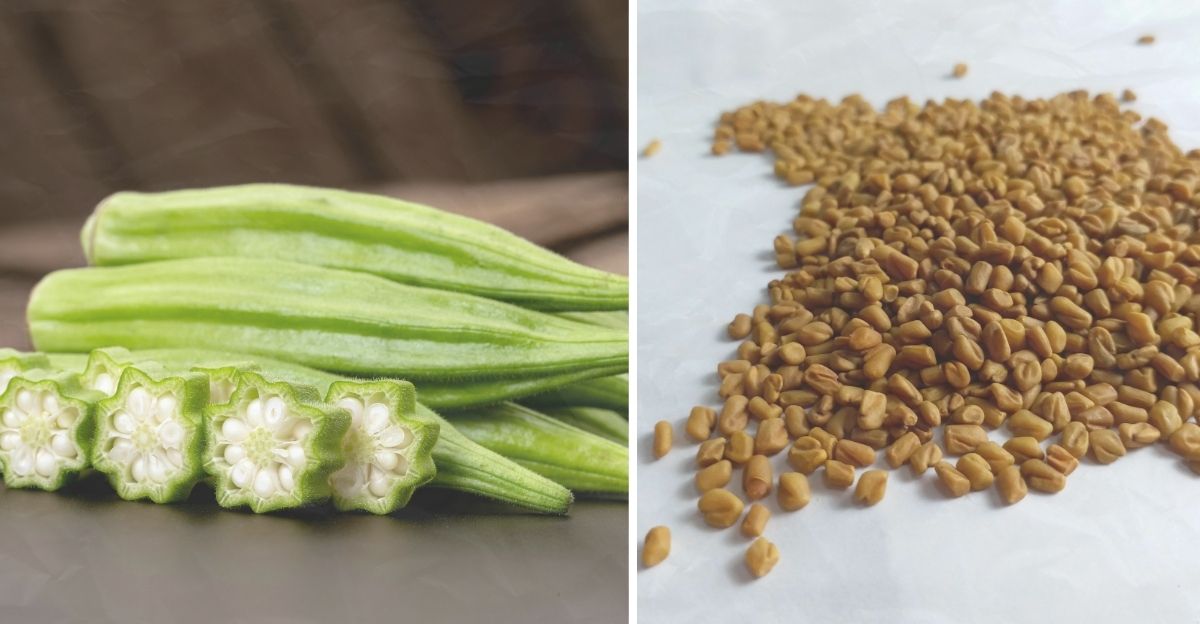
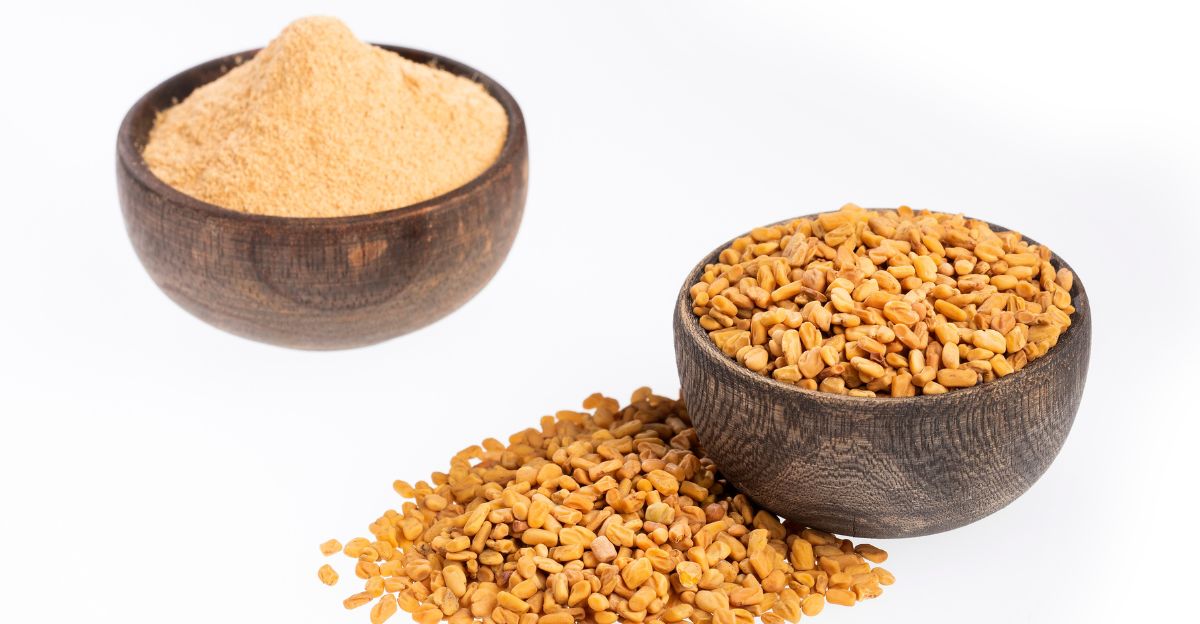
In April 2025, a team led by Dr. Rajani Srinivasan at Tarleton State University published an ACS Omega study revealing that okra and fenugreek extracts can remove up to 90% of microplastics from ocean water, groundwater, and freshwater.
These plant-based polymers outperformed conventional synthetic chemicals—heralding a new era in water treatment.
Tested Across Water Types

Researchers collected polluted water from Texas environments, applying okra, fenugreek, and a 1:1 blend. Okra excelled in ocean water (80% removal), fenugreek in groundwater (80–90%), and the blend in freshwater (77%).
The ACS Omega results were confirmed by field and lab trials. Variations depended on types and sizes of microplastics present in each sample.
Cleaner Drinking Water
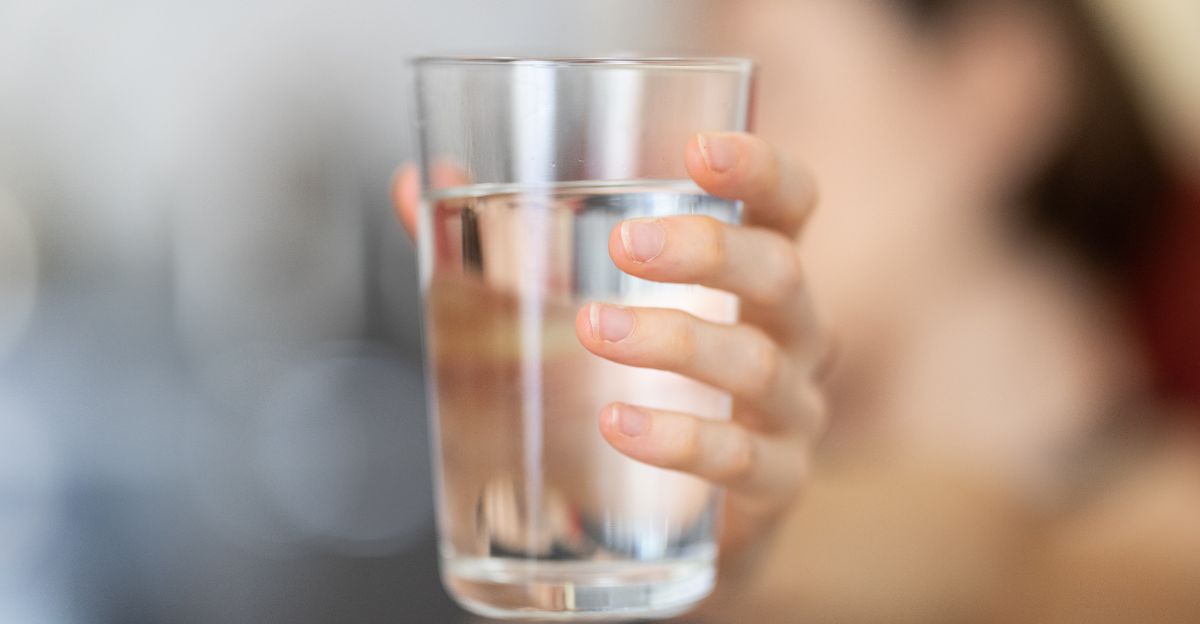
Dr. Srinivasan emphasizes real-world benefit: “Utilizing plant-based extracts in water treatment will remove microplastics and other pollutants without introducing additional toxic substances to the treated water—thus reducing long-term health risks to the population.” Communities facing poor water quality stand to gain the most from these affordable natural solutions.
Plant-Based Technology Surges
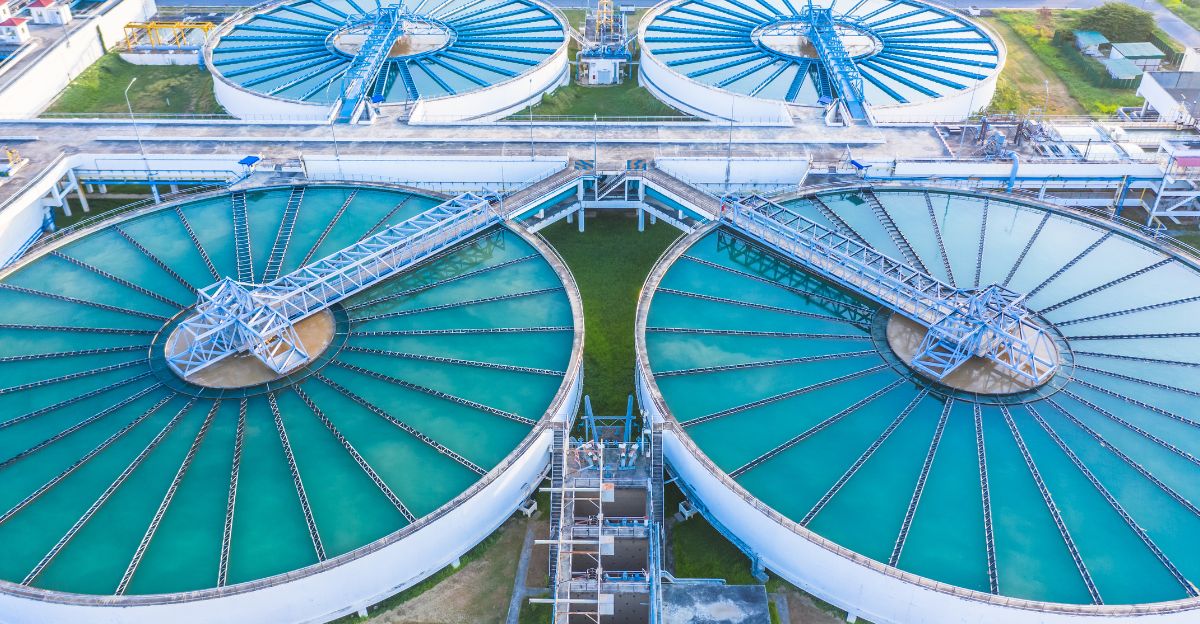
Green water treatment markets are expanding, driven by demand for safe, nontoxic solutions. A report by MarketsandMarkets notes rising investments in plant-based chemicals over traditional synthetic options.
“We don’t have to build something new to incorporate these materials,” says Dr. Srinivasan. Existing facilities can adopt plant extracts with minimal adaptation.
Regulator Shift: Policies Tighten

Governments are updating guidelines for water safety, spurred by new evidence on microplastics. The European Chemicals Agency and China’s Ministry of Ecology and Environment are pushing for bio-based treatments, restricting hazardous chemicals.
EPA recommendations now emphasize biodegradable solutions for wastewater, as policymakers worldwide look to the latest science.
Plant Powders Outperform Synthetics
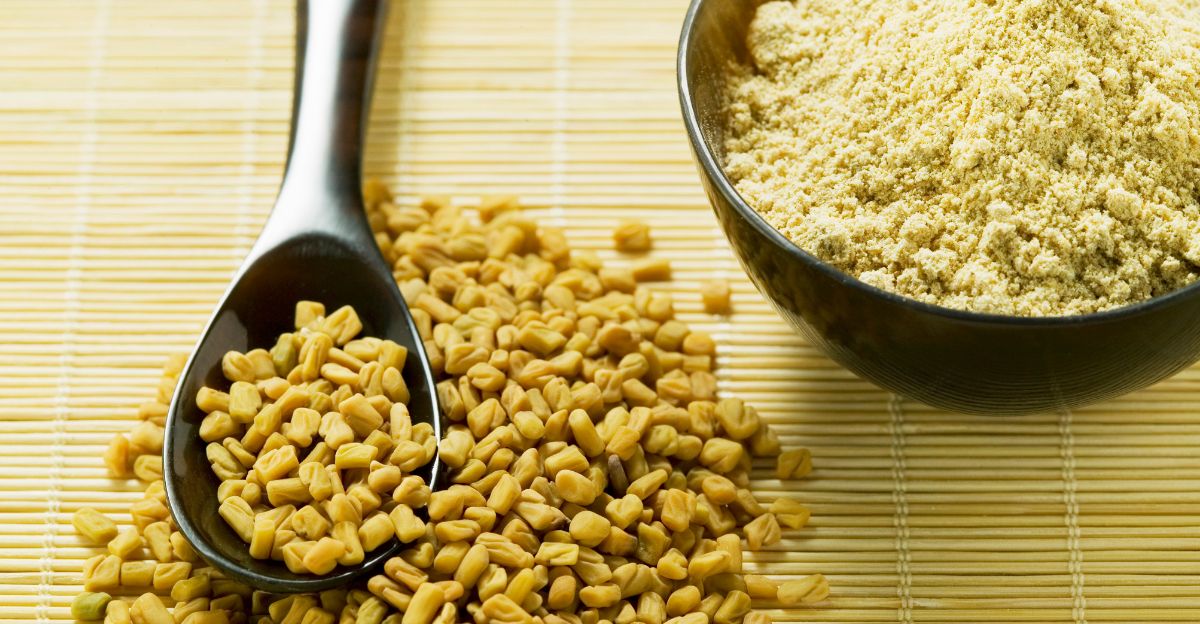
In side-by-side tests, okra and fenugreek extracts trapped microplastics up to 93% in an hour—significantly better than the synthetic polyacrylamide polymer currently used in treatment.
The plant powders are gluten-free, safe, and effective in various water sources. This collateral benefit is drawing attention from municipal and industrial water managers.
Internal Challenges Persist
Despite the promise, challenges remain: variable removal efficiency, extraction costs, and limited supply. Not all operators are ready; some worry about reliability over large volumes.
“Scaling up production and delivery will take years,” says water consultant Michael Fowler. Differing microplastic types can impact how well vegetable extracts work.
Leadership Drives Innovation
Tarleton State University’s team—backed by the U.S. Department of Energy and National Science Foundation—pioneers new extraction methods and field studies.
Their collaborative effort is inspiring researchers across the globe, with patents pending on the polysaccharide-based purification approach. The academic and industrial partnership fuels commercialization hopes.
Strategy: Integration and Scale-Up
Manufacturers and utilities invest in pilot projects to ensure vegetable extracts integrate smoothly with existing systems.
Upgrades are guided by real-time monitoring of microplastics, while supply chains shift toward reliable, sustainable sources of okra and fenugreek. Industry analysts forecast rapid expansion in the next five years.
Expert Outlook: Optimism and Caution
Lead researcher Dr. Srinivasan states, “Our plant-based polymers show better microplastic removal efficiency than commercial options.”
She encourages further studies to refine dosing and application. Some environmental groups want faster implementation; others urge caution to ensure long-term safety and ecosystem health.
Global Adoption?
Will vegetable-extract purification gain traction worldwide? Tarleton’s team plans additional trials, while policymakers debate integrating these solutions into municipal water systems.
WHO urges more research and standards for microplastic measurement, emphasizing urgency for effective global action.
Political Implications Emerging
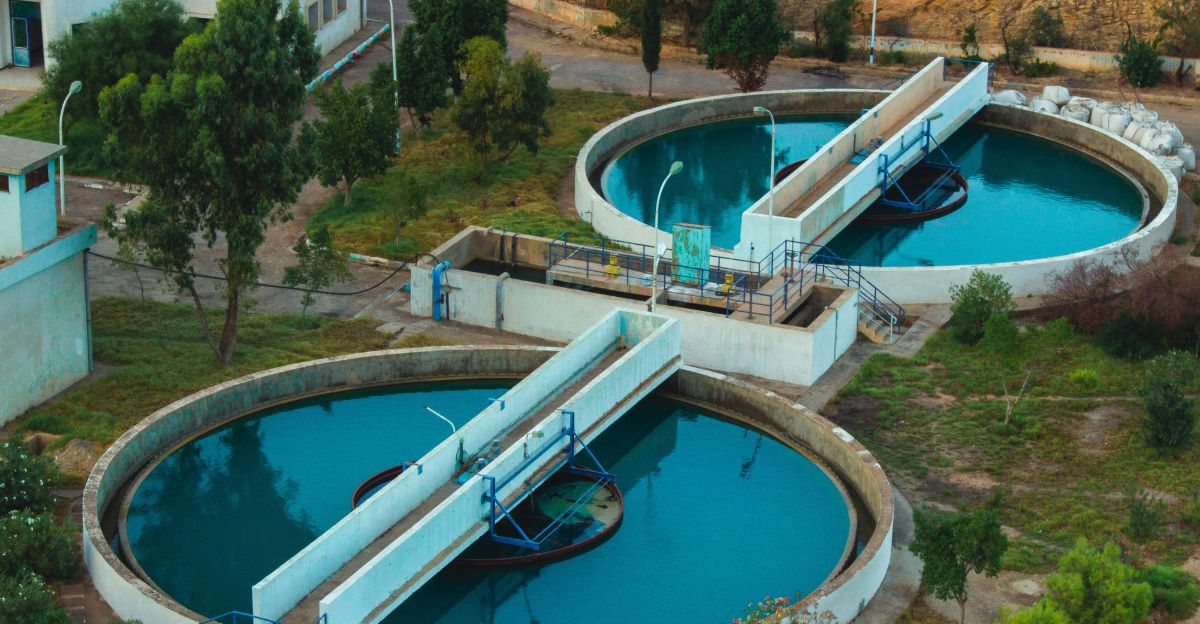
States like California are developing microplastics strategies and funding pilot projects. Lawmakers increasingly consider incentivizing or mandating non-toxic water treatment approaches. International negotiations focus on harmonizing standards and funding sustainable solutions.
UN Action

More than 60 nations involved with the United Nations Environment Programme (UNEP) are addressing microplastic pollution.
International treaties and collaborative projects now target water safety through bio-based purification, aiming for measurable reductions in microplastic contamination.
Environmental Impact Deepens
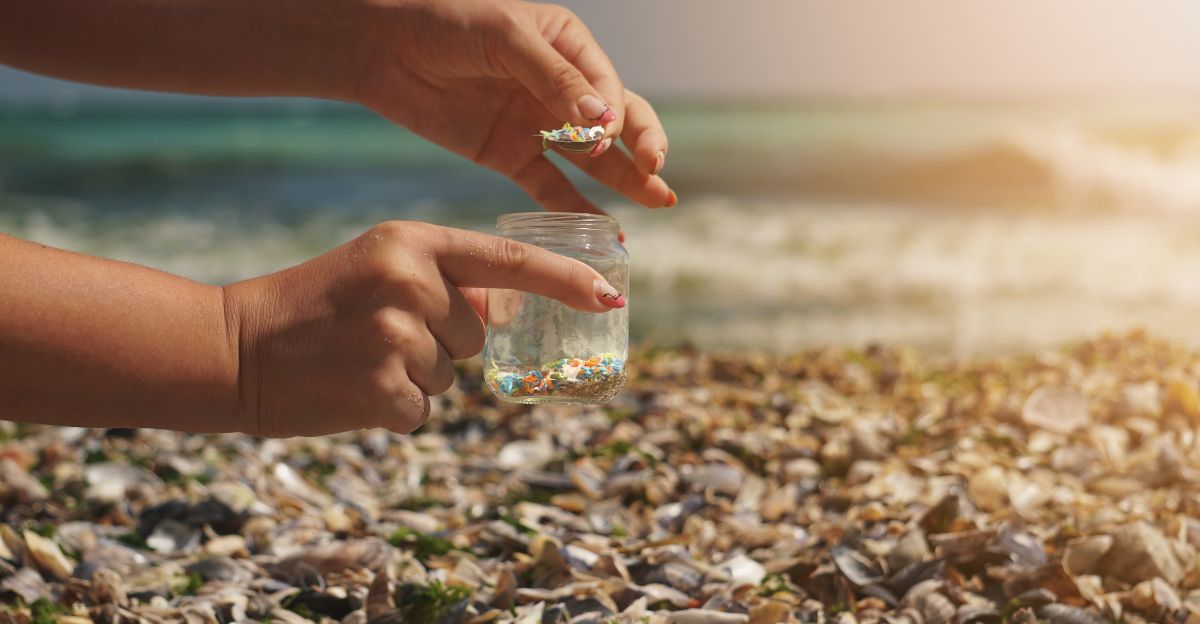
Microplastics harm aquatic ecosystems—blocking nutrient cycling, damaging marine animals, and disrupting food webs.
Nature-based purification methods foster recovery and resilience in polluted habitats, supporting biodiversity and water quality over time. Scientific reviews affirm broad ecological benefits from these biopolymers.
Generational Attitudes Shift
Younger consumers and activists drive adoption of sustainable water technologies. Surveys reveal strong demand for “clean label” and environmentally responsible treatments.
Vegetable-based purification is especially popular among vegan, eco-conscious, and community-focused groups, signaling a cultural move toward natural solutions.
Where Next: The Conversation Evolves

The plant-based microplastic breakthrough marks a turning point in water purification. Trust in science, collaboration, and innovation will shape future strategies as the world confronts pervasive pollution. According to Dr. Srinivasan, “We are just beginning to realize the potential of plant-powered water treatment.”