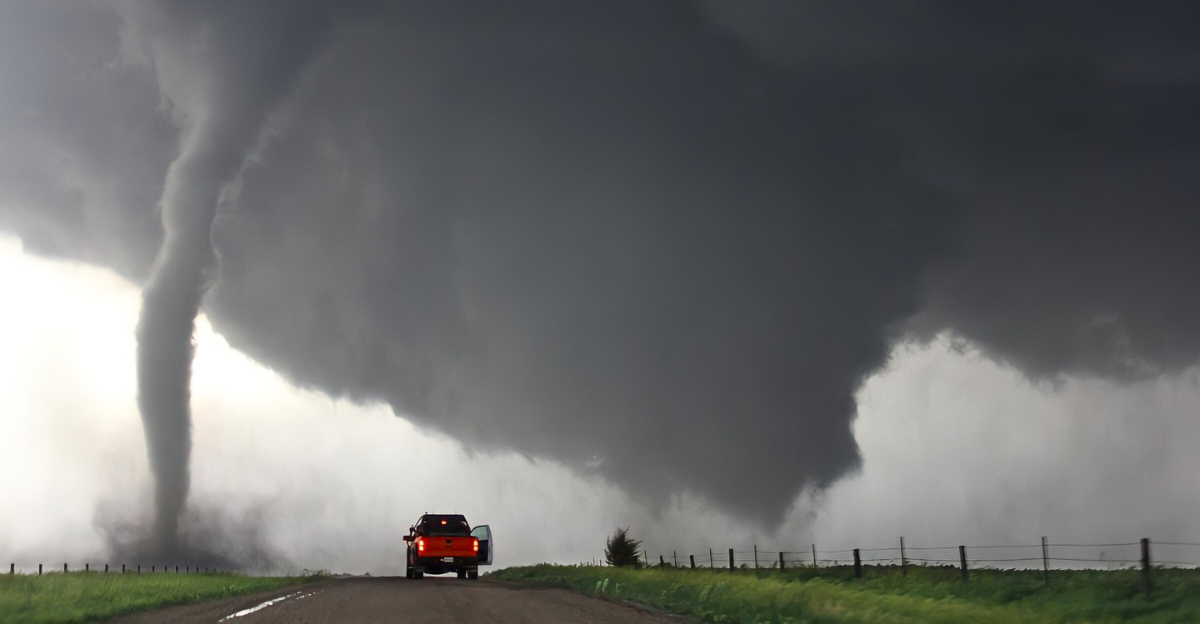
A powerful storm system is advancing across the central and eastern United States, capturing national attention as over 87 million Americans face heightened risk.
According to AccuWeather, this multi-state event is one of the largest autumn outbreaks in recent years, and the National Weather Service has issued widespread alerts in anticipation of severe impacts. Communities from Texas up to Ohio are bracing for what experts call “dynamic risk zones.”
Escalating Danger Zone
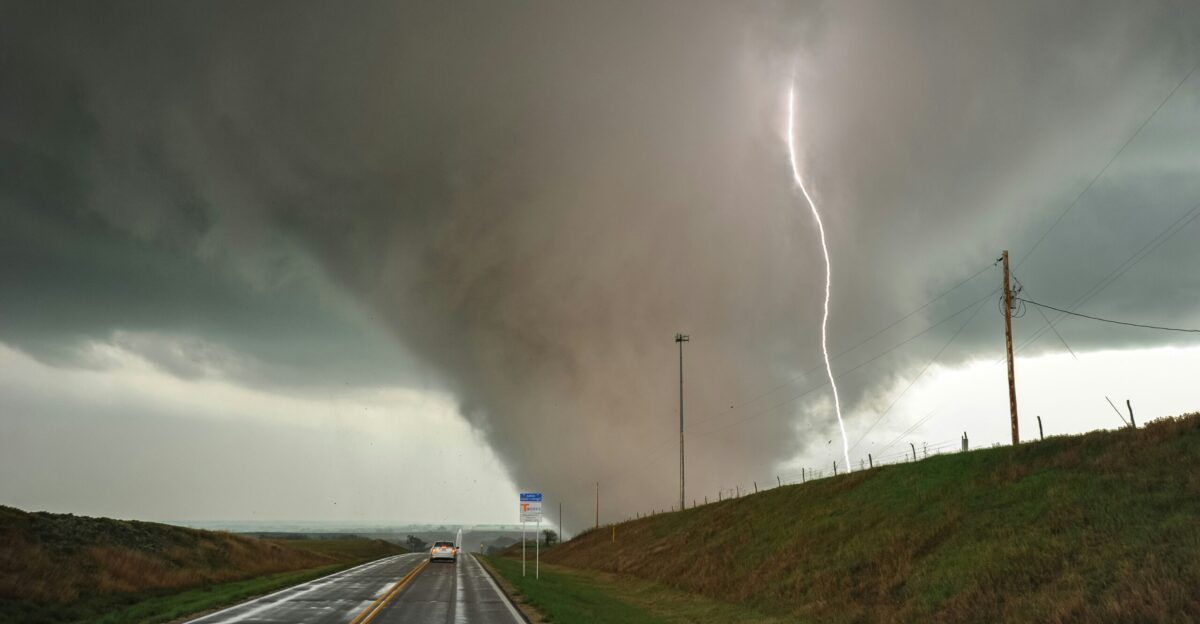
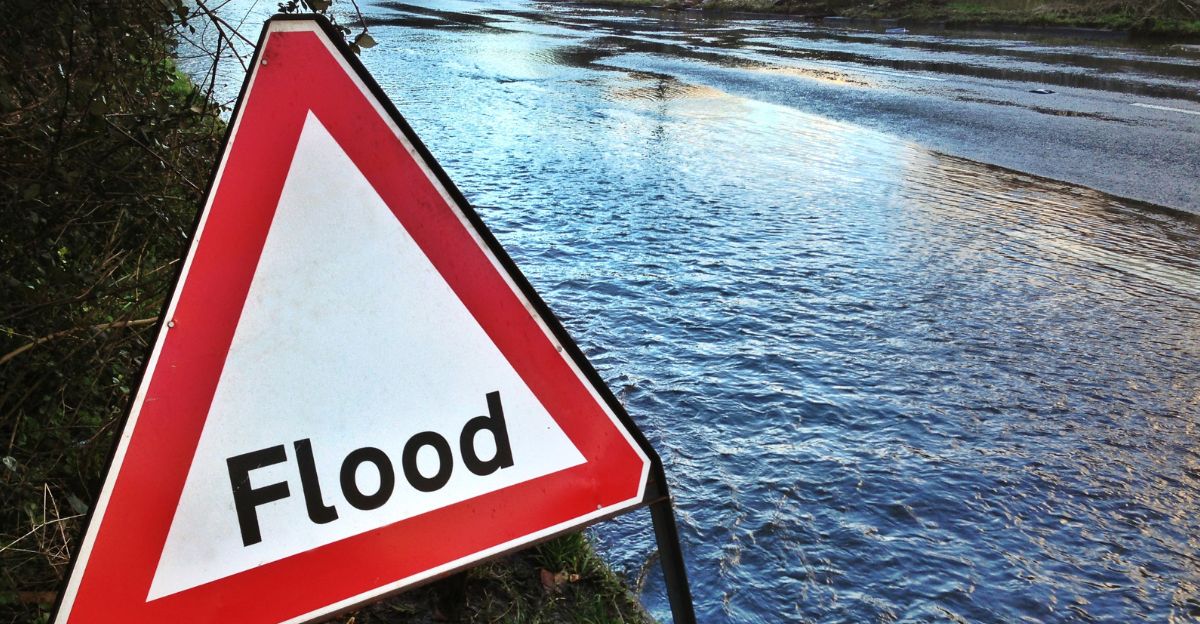
Severe weather warnings are being ramped up nationwide as meteorological models show an unusually high probability of tornadoes, flooding, and hazardous winds.
AccuWeather reports that nearly two dozen states now fall within the system’s projected path, forcing regional agencies to activate emergency protocols. Experts warn that both urban and rural populations could be affected this week.
Storms Break Patterns
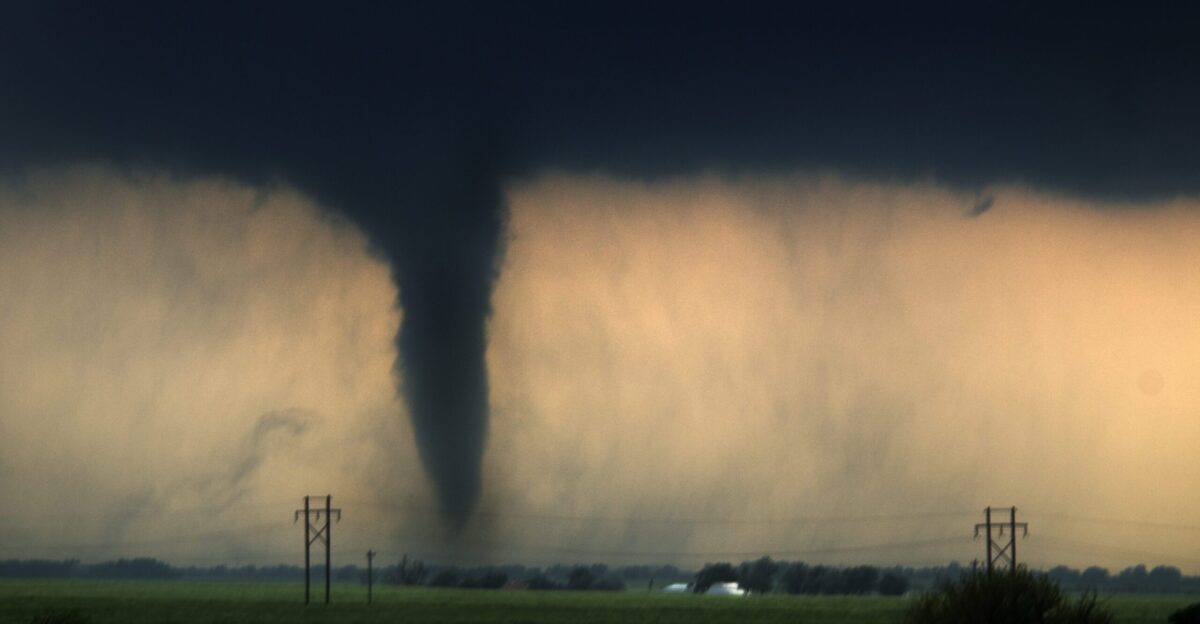
Historically, tornado frequency in September has trailed behind spring months, but recent years show a shift. The National Weather Service documents a surge in tornado and severe thunderstorm activity extending late into autumn since 2020.
This emerging trend demands updated preparedness plans and more resilient community infrastructure for future events.
New Meteorological Pressures
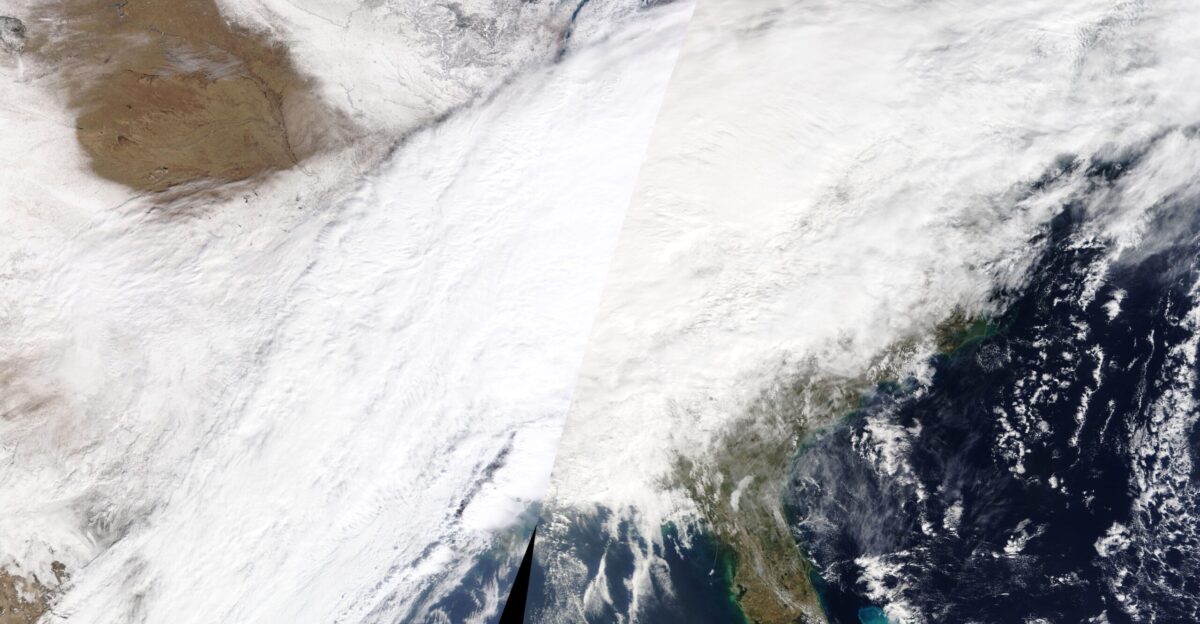
Changing climatic conditions mean storms are forming and intensifying more quickly than in previous decades. According to experts, unstable weather and warm Gulf air have triggered this year’s dynamic outbreak.
In response, emergency officials have reinforced communications systems to keep citizens informed at every stage of the storm’s progress.
Alerting 87 Million Citizens
On September 22, official severe weather alerts covered more than 87 million Americans, according to AccuWeather and National Weather Service bulletins.
Meteorologist Alex DaSilva notes this marks one of the broadest warning zones ever recorded for an early autumn event, reflecting both storm intensity and a growing emphasis on aggressive public caution.
Texas Faces Fury
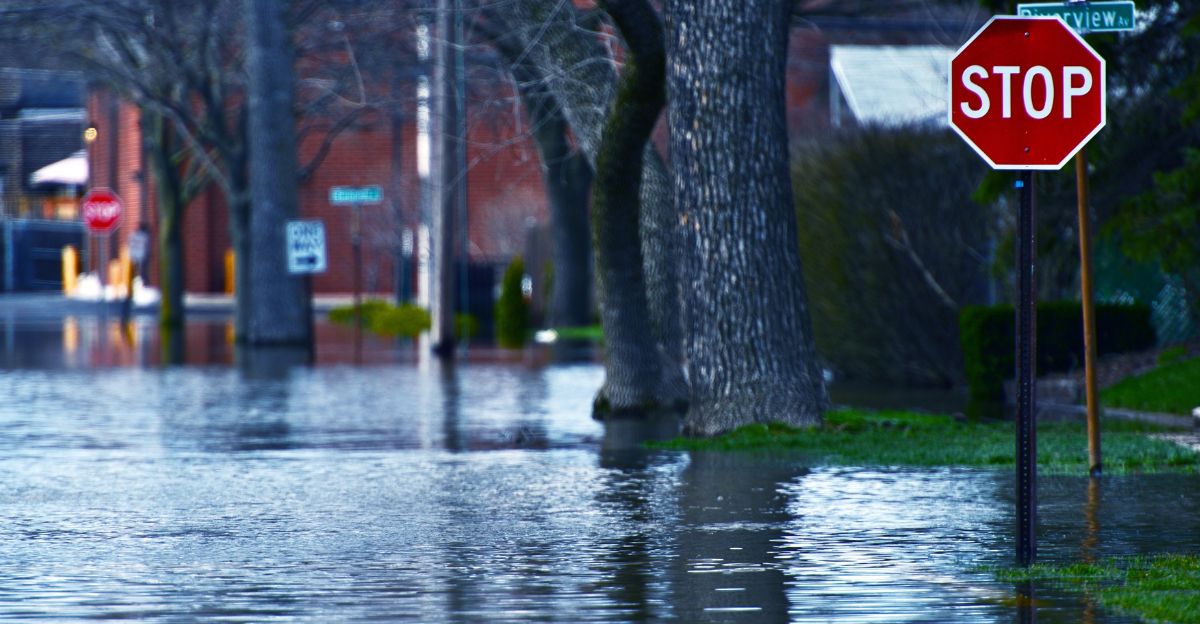
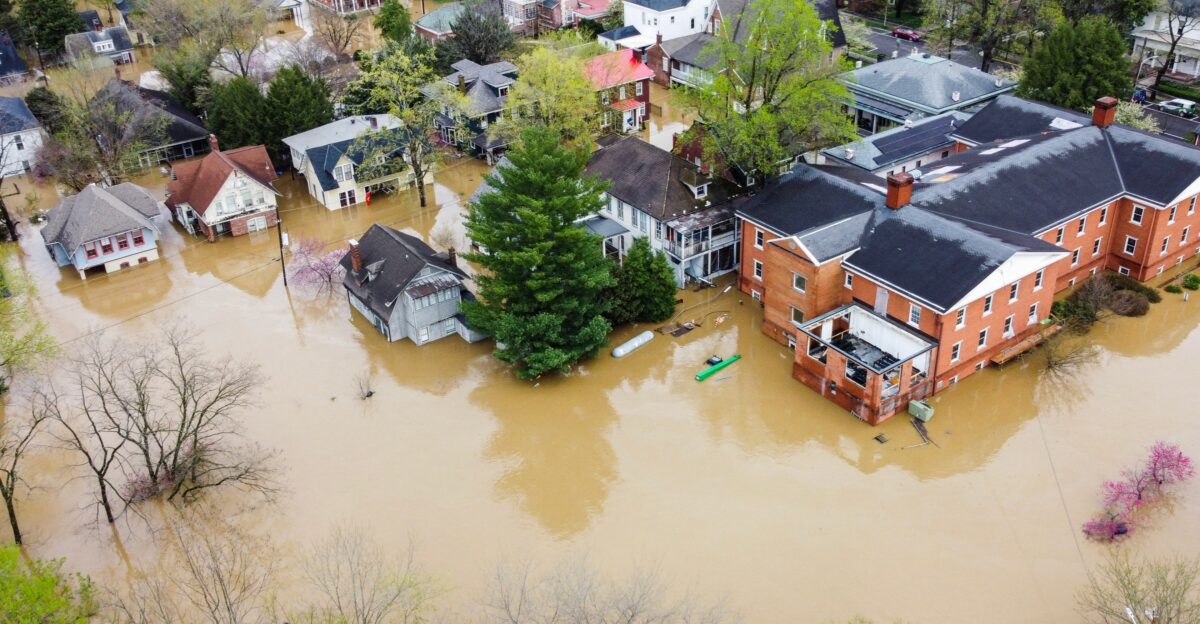
Texas is experiencing some of the week’s most dangerous weather, with dozens of counties under tornado and flash flood watches.
Cities like Dallas have registered damaging hail, power outages, and swift water rescues, impacting travel and emergency services. Officials underscore the need for preparedness across the state as the system evolves.
Missouri’s Path of Destruction
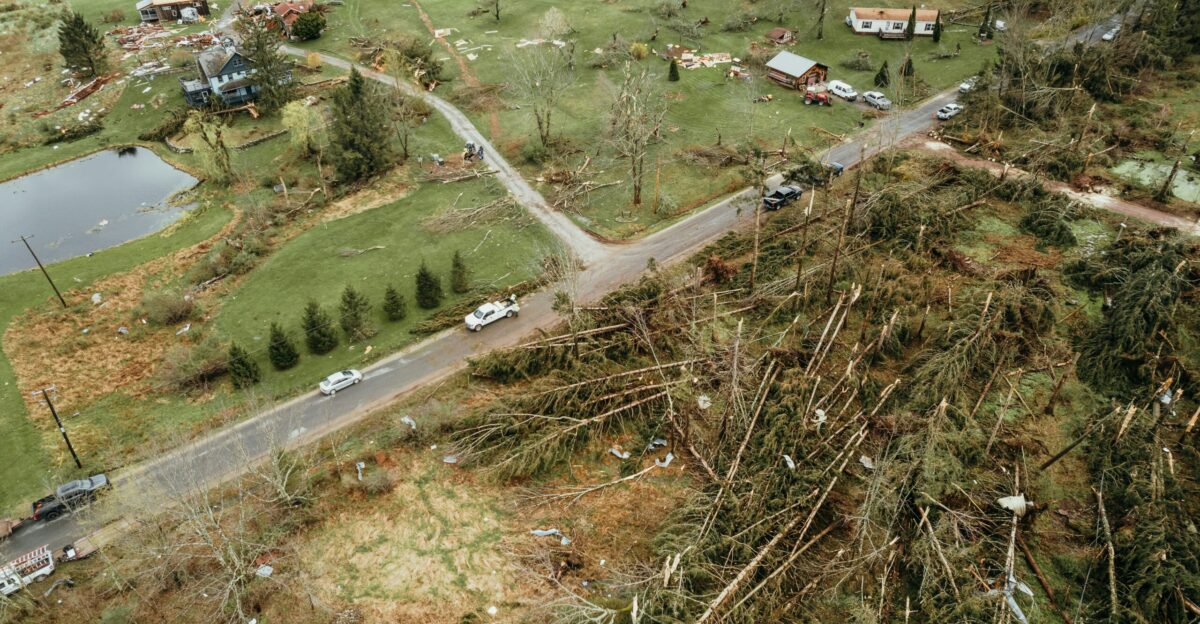
Missouri has been hit especially hard, with reports of collapsed homes and infrastructure damage in St. Louis and surrounding regions.
The National Weather Service attributes multiple tornadoes to this system, prompting a redoubling of efforts by first responders and utility crews working across the state.
Regulatory Changes in Play

Meteorological and emergency services have deployed new protocols to help the public understand the scale and risk of this storm.
The National Weather Service now uses enhanced categories for “particularly dangerous situations,” while AccuWeather integrates real-time, geotargeted alerts to increase warning precision for each affected area.
Response Initiatives
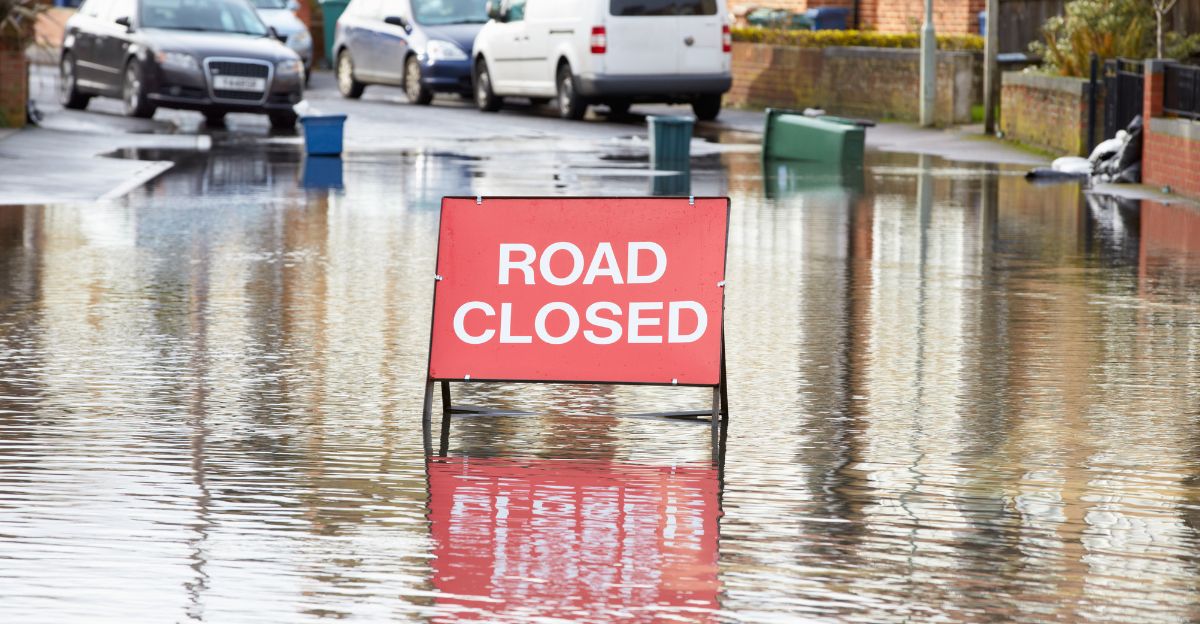
Federal and state authorities are investing in infrastructure upgrades, driven by frequent and increasingly intense storms.
Resources include improved drainage, fortified shelters, and widespread distribution of educational materials.
National Weather Service data indicate a positive correlation between such measures and reduced loss during extreme weather.
Expert Staffing Issues
Budget constraints have created staffing gaps at the National Weather Service, threatening the accuracy of critical forecasts.
Meteorologist Michael Porter says reduced personnel can lead to slower data processing and warning delays, compounding the risks faced by communities during peak storm activity.
Community Recovery Challenges
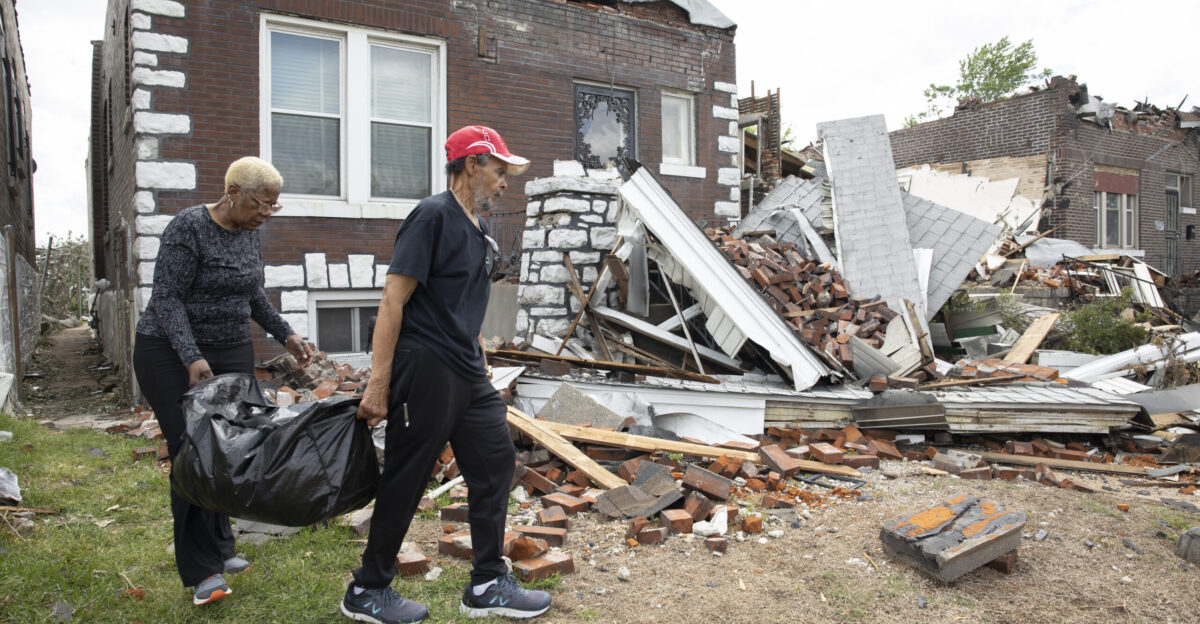
Recovery from severe storms remains uneven, especially in less-resourced rural areas. Many communities are still grappling with power restoration and home repairs, weeks after initial damage.
Relief organizations call for increased support and multi-year planning to help smaller towns bounce back from repeated weather crises.
Meteorology Teams Rebuild
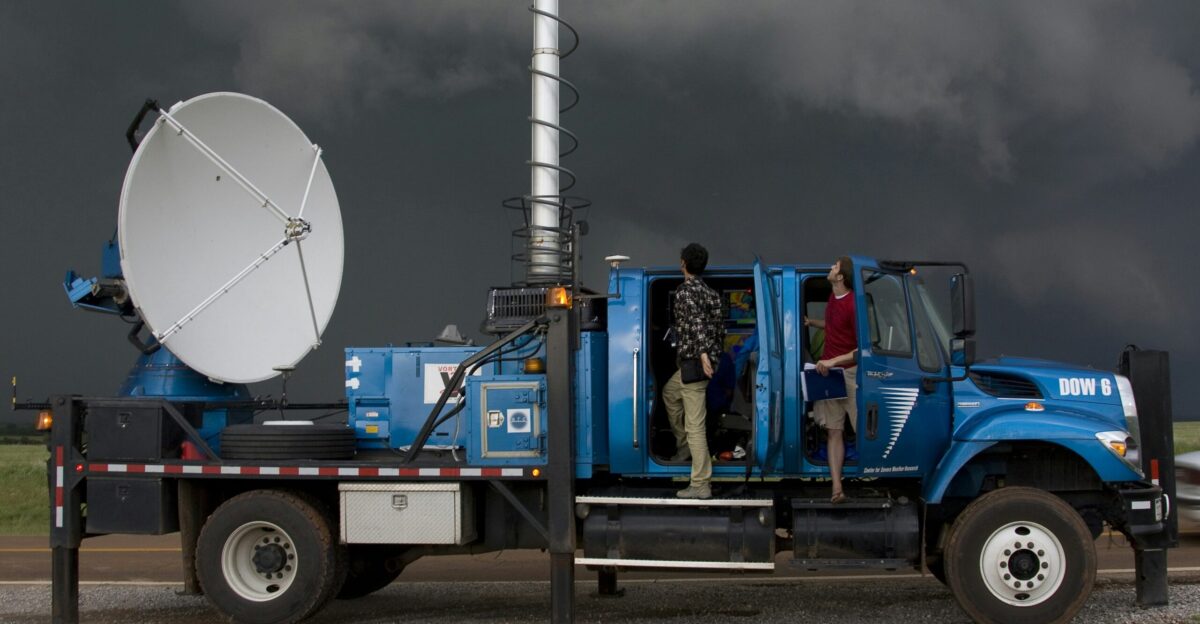
The National Weather Service has announced new recruitment drives to address operational gaps. The goal is to restore forecasting capabilities and ensure every region has an active, reliable alert network.
The process involves onboarding veteran and new meteorologists and upgrading digital infrastructure nationwide.
Strategic Local Initiatives

Cities and counties are taking targeted steps to recover, prioritizing flexible response strategies and rapid repairs.
Coordination across local governments and federal disaster agencies has improved outcomes, particularly for major metropolitan centers in the storm’s direct path.
Experts Urge Preparedness
While warning systems are improving, meteorologists urge that individual and family readiness may still lag. Public safety officials emphasize the importance of emergency kits, evacuation plans, and regular updates as foundational steps that save lives during storms.
Autumn’s Uncertain Outlook
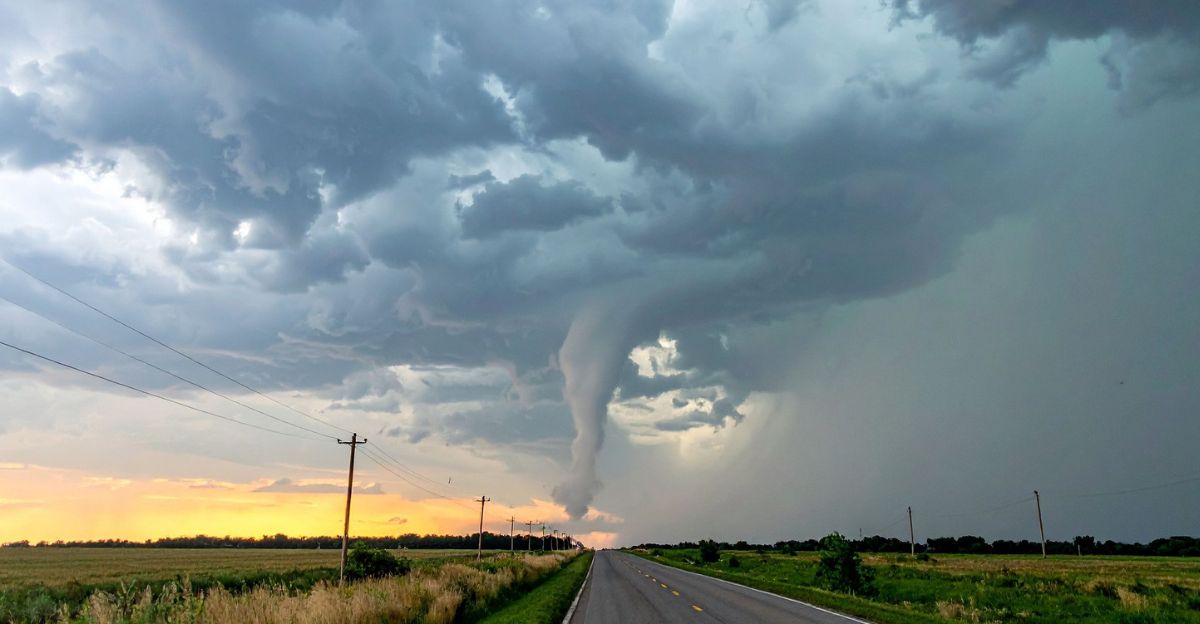
Forecasts suggest that severe storm risk will persist through October, with potential for additional tornado outbreaks.
AccuWeather and government experts encourage vigilance, especially for travelers and workmen in agriculture and energy industries who are exposed during seasonal transitions.
Changing Policy Landscape

Policy modifications are underway as federal agencies begin rolling back some climate disaster tracking efforts.
Critics, including nonprofit groups, warn that reduced data transparency may obscure the full financial and societal effects of increasingly severe storms.
Global Impact Grows
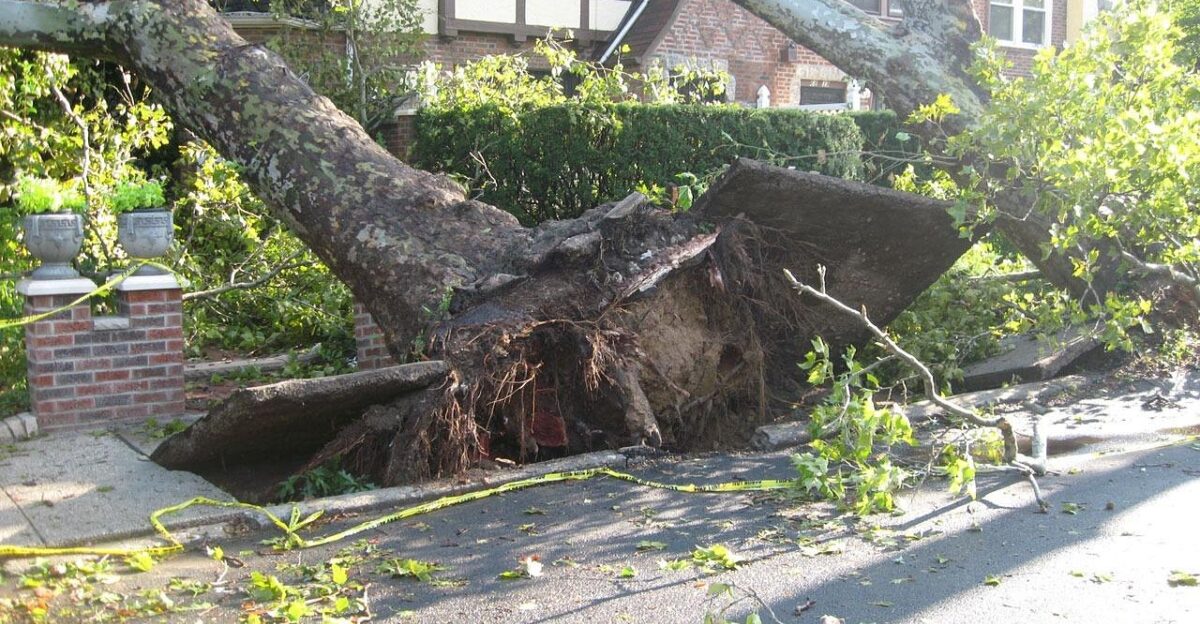
International reinsurance markets are monitoring the rise in U.S. tornado activity, as insured losses mount. This storm’s economic and logistical effects ripple into global supply chains, affecting everything from commodity deliveries to import/export logistics.
Legal and Environmental Fallout
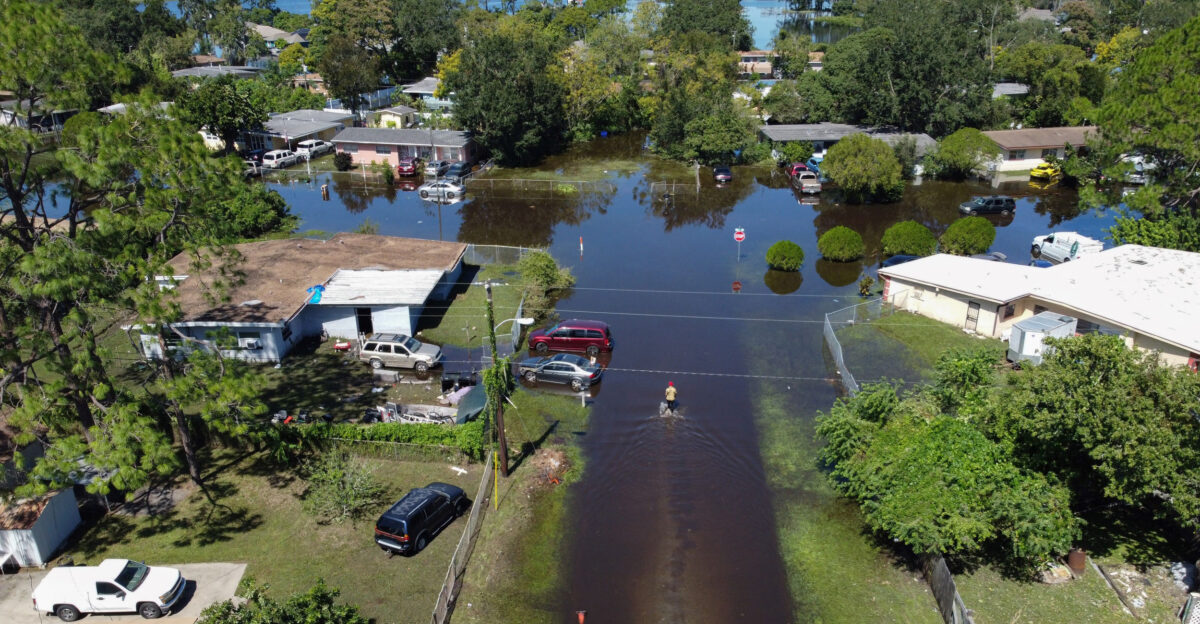
Disputes over storm recovery funds and insurance payouts have reached the courts, where legal and regulatory standards are being challenged.
Environmental advocates push for stricter building codes and adaptation measures, citing growing evidence of climate-driven extreme events.
Evolving Cultural Response
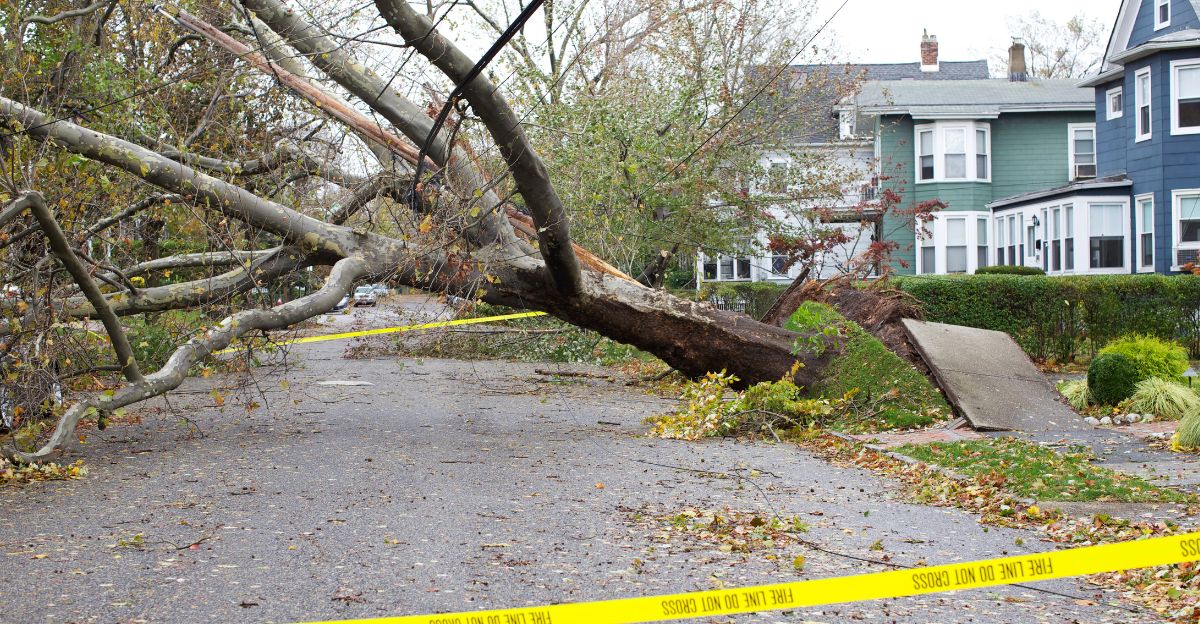
Severe weather is reshaping community priorities, with schools, companies, and civic groups increasingly focused on disaster preparedness.
Younger generations are pioneering resilience efforts, making storm safety top of mind in social and digital dialogue.
Reflecting on Resilience

This week’s massive storm underscores the shifting landscape of climate risk in America. As preparedness, communication, and recovery systems evolve, the resilience of communities will be continuously tested, demonstrating the enduring importance of proactive, informed response.