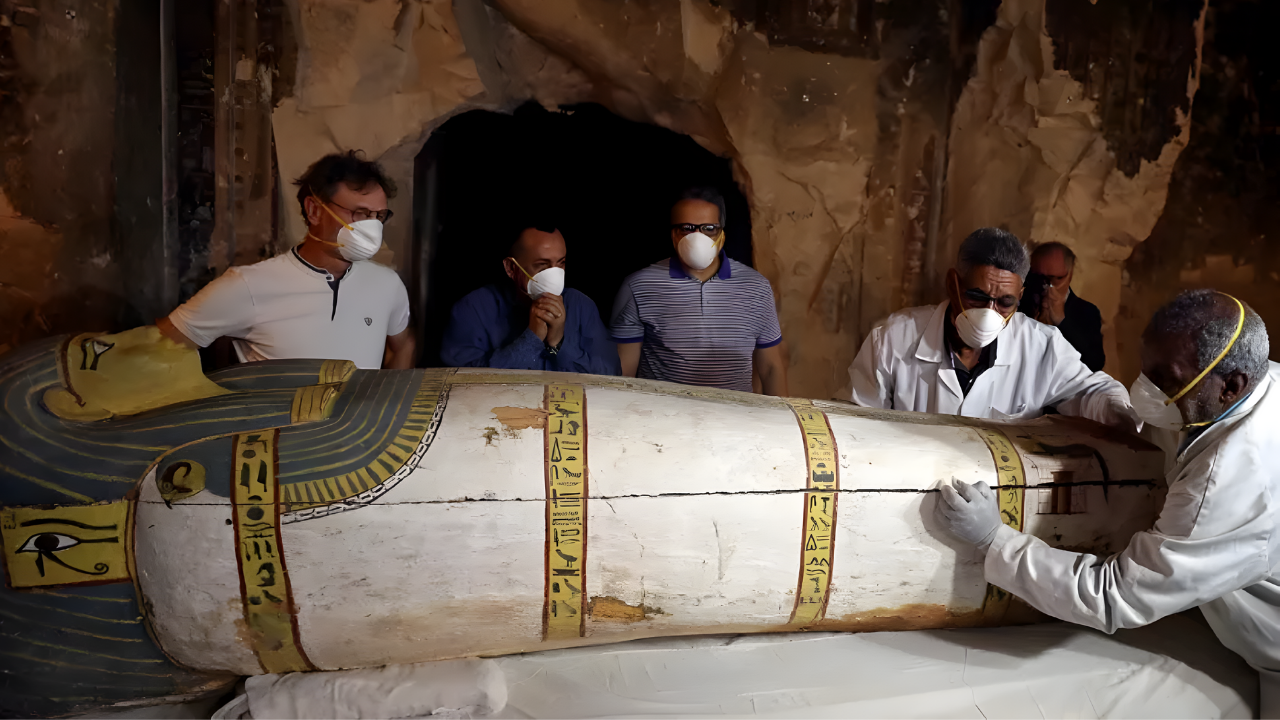
For decades, Egypt’s city of Akhetaten was believed to have collapsed due to a catastrophic plague. A groundbreaking 17-year investigation examined over 11,000 burials excavated between 2005 and 2022, applying cutting-edge bioarchaeological methods.
The results are stunning: no mass graves, no rushed burials, no panic-driven disposal of bodies. Researchers found orderly interments with grave goods and careful wrapping, fundamentally challenging everything Egyptologists believed about Akhenaten’s mysterious capital.
Stakes for History
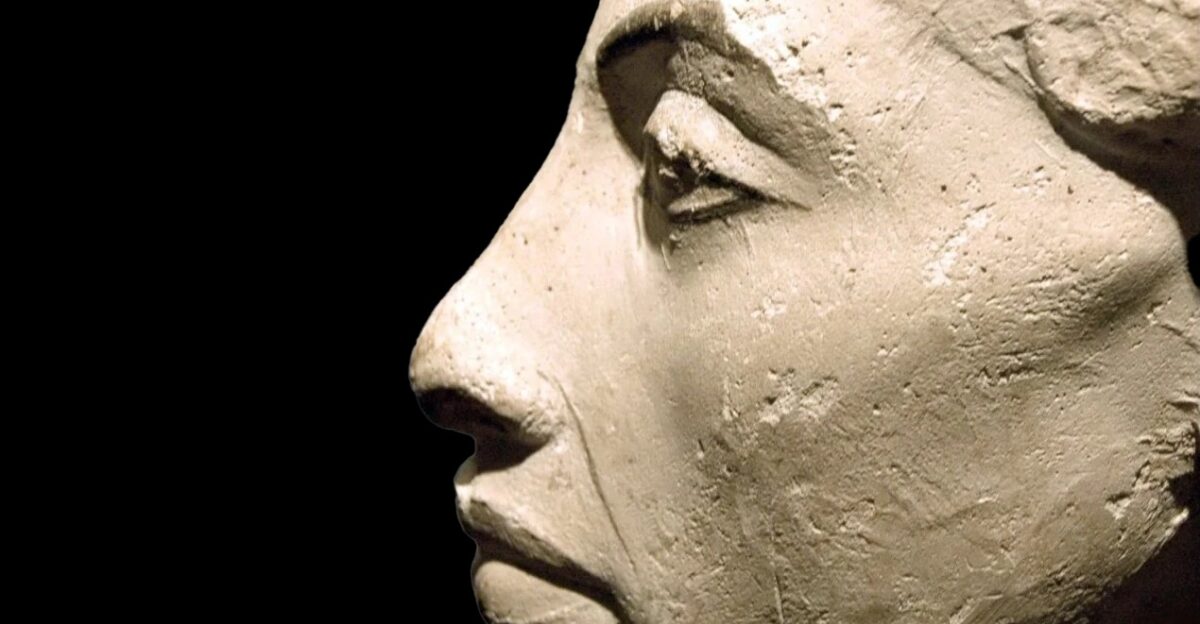
For over a century, the supposed plague shaped the understanding of Akhenaten’s reign. Museums worldwide display artifacts describing divine punishment and epidemic devastation. Popular media dramatized the plague as a form of retribution for religious heresy.
Dr. Gretchen Dabbs of Southern Illinois University explains: “Once the seed of that connection was planted, it became a ‘fact’ through repetition.” The ripple effects require updating exhibits, textbooks, and programs from Cairo to London.
The Revolutionary City
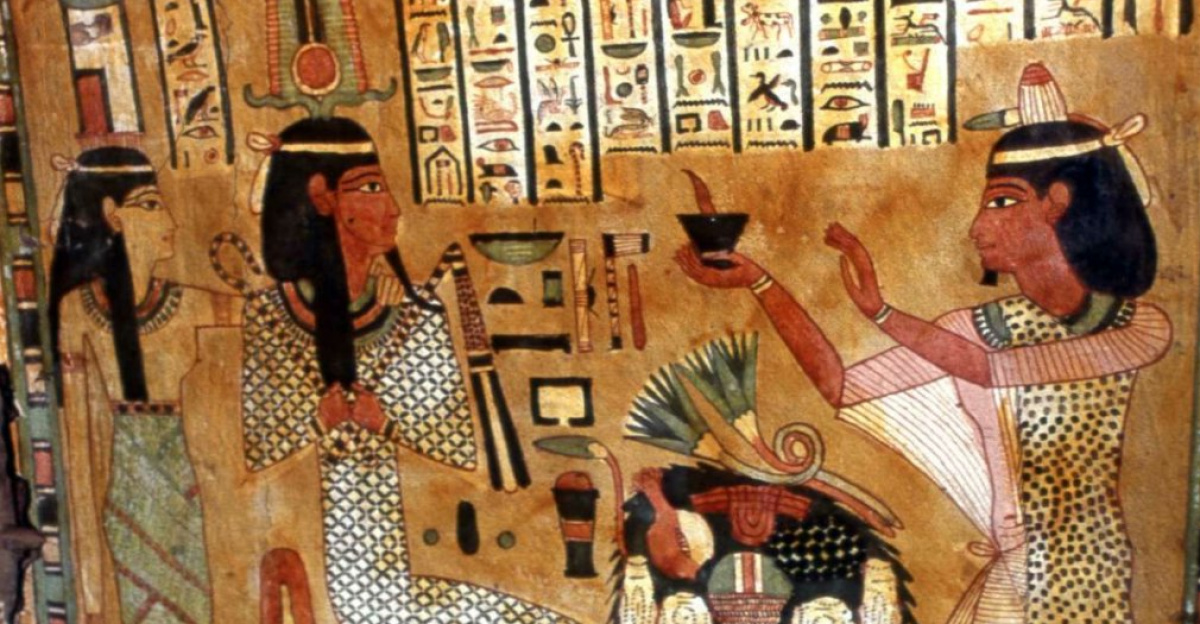
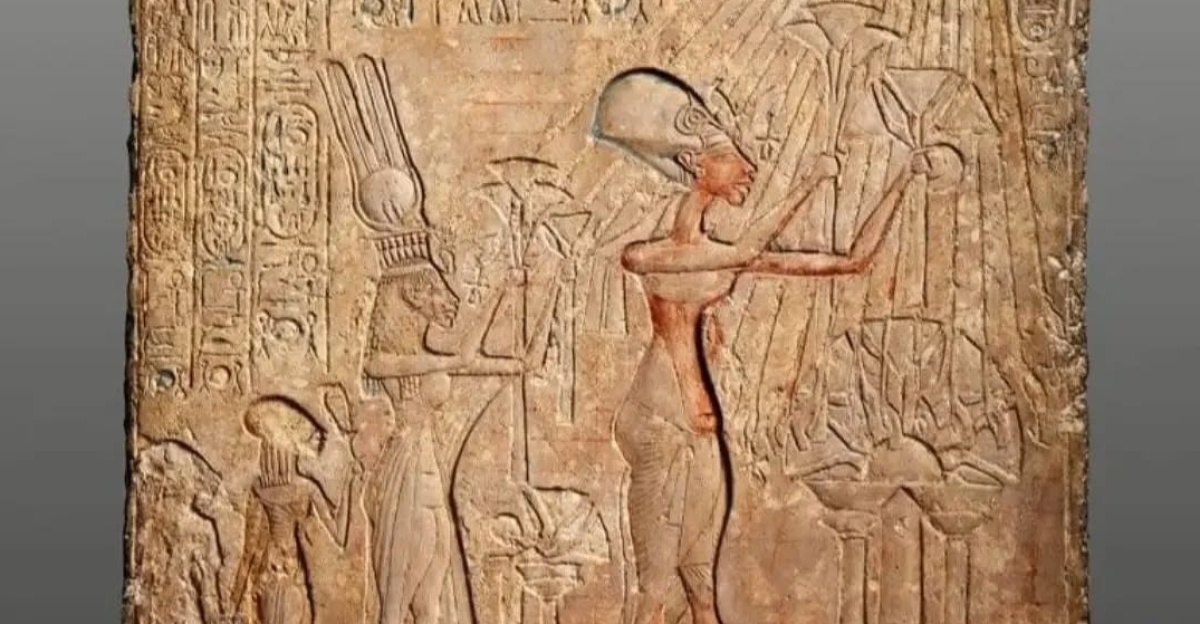
Akhetaten, meaning “Horizon of the Aten,” was founded around 1346 BCE by Pharaoh Akhenaten. This revolutionary capital represented a radical break from Egyptian tradition, dedicated to worshipping the single deity Aten.
Built hastily from mud brick along the Nile’s east bank, spanning eight miles, this ambitious experiment lasted barely two decades before systematic abandonment began after the death of Akhenaten around 1332 BCE.
Mounting Skepticism
Recent advances in bioarchaeology have enabled the development of frameworks for detecting ancient epidemics with unprecedented precision. Researchers studying plague-stricken cities identified consistent patterns: rushed burials, mass graves, abandoned buildings, and mortality spikes.
When applied to Akhetaten, troubling gaps emerged. Dr. Anna Stevens noted researchers could now “compare what we see at Amarna to what is expected of an epidemic city.” The evidence didn’t match, creating pressure for reevaluation.
No Plague
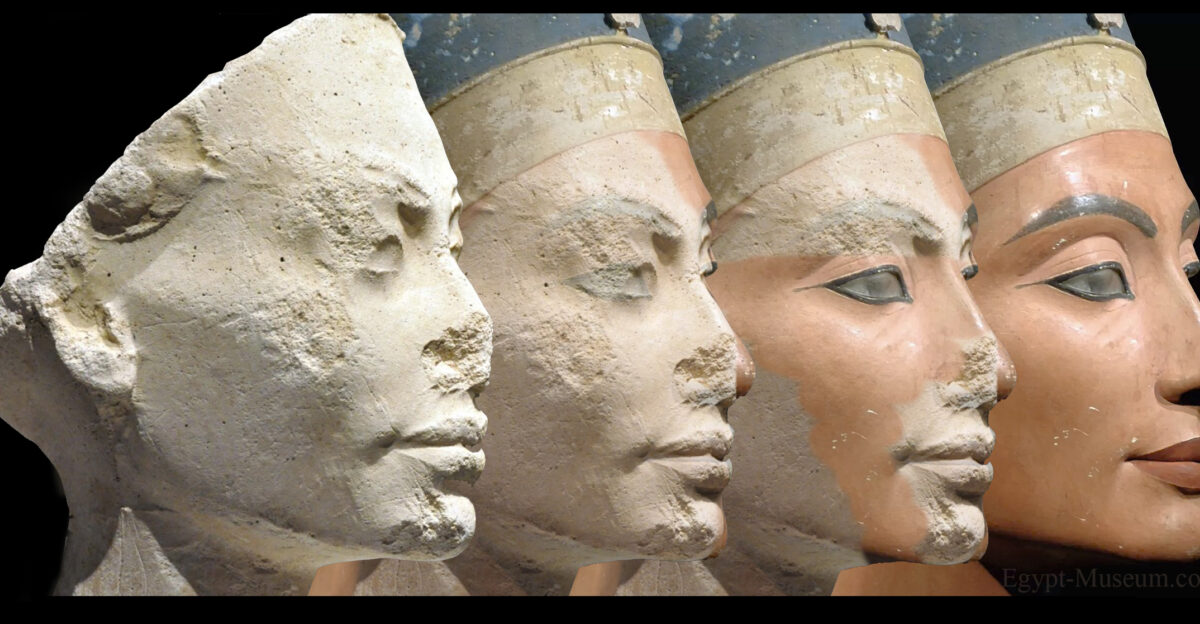
The headline discovery: A comprehensive analysis found no evidence that Akhetaten suffered a sudden, lethal epidemic. Four cemeteries containing 11,350 to 12,950 burials showed ordinary mortality patterns.
Dr. Gretchen Dabbs stated, “There is little to suggest Akhetaten was affected by a mortal epidemic currently.” Bodies were interred carefully, not the chaotic mass burials marking genuine plague catastrophes. No mortality spike exists in archaeological records.
Regional Disease Context

Regional Late Bronze Age texts mention disease outbreaks. Hittite “plague prayers” describe epidemics allegedly brought by Egyptian prisoners.
Amarna Letters mention disease at Megiddo, Byblos, and Sumur. However, not one primary source specifically mentions epidemic disease inside Akhetaten itself. Dr. Dabbs emphasizes: “We must be careful using data from distinct locales to make arguments specific to Amarna.” Regional context was grafted onto Akhetaten without local evidence.
Human Stories in Bone
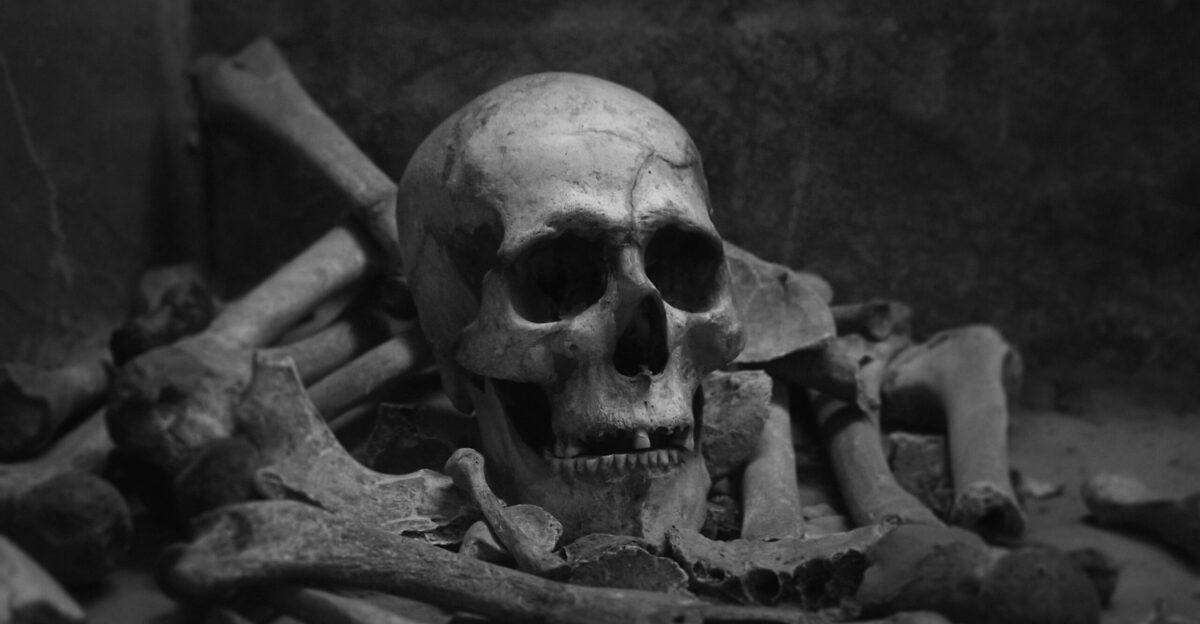
Skeletons reveal stories of hardship. Researchers documented widespread linear enamel hypoplasia grooves from childhood malnutrition. Many skeletons displayed spinal trauma and degenerative joint disease from demanding labor.
Adult stature was notably low, indicating chronic undernutrition. These bioarchaeological markers paint a picture of genuine hardship, including food insecurity, heavy workloads, and limited nutrition. Crucially, these are signatures of chronic stress and poverty, not acute infectious disease.
Disciplinary Reckoning
With a central myth toppled, Egyptology faces uncomfortable questions. If the plague never existed despite being repeated for over a century, what other “facts” rest on shaky foundations? The study demonstrates how circumstantial evidence can harden into accepted truth through repetition rather than verification.
Dr. Dabbs notes: “Something makes logical sense if you don’t look at it too critically.” The case is prompting systematic reviews of claimed epidemic sites.
Paradigm Shift
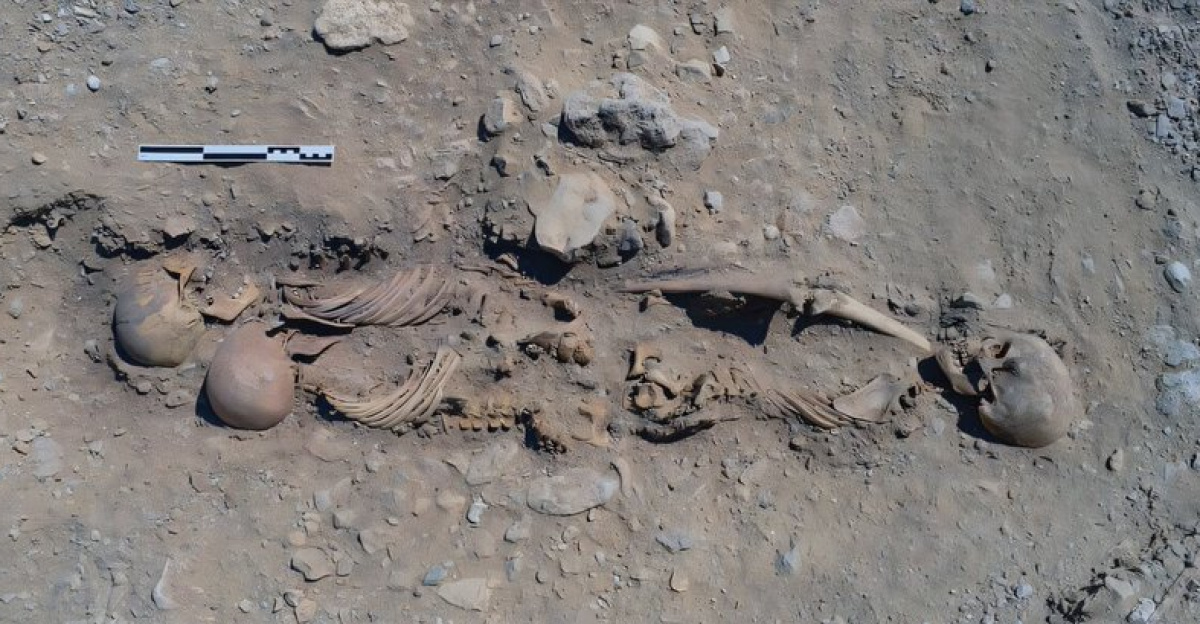
The Akhetaten study reflects a broader transformation in the approach to ancient disasters. Earlier scholars often accepted dramatic catastrophe theories, which were usually aligned with biblical plagues or divine punishment.
Modern bioarchaeology demands rigorous evidence, including mass graves, breakdowns in burial practices, and mortality spikes. Dr. Dabbs’ team applied frameworks from documented epidemics where archaeological signatures are unmistakable. This represents a fundamental methodological shift from narrative-driven history to hypothesis-testing science.
Workforce Suffering
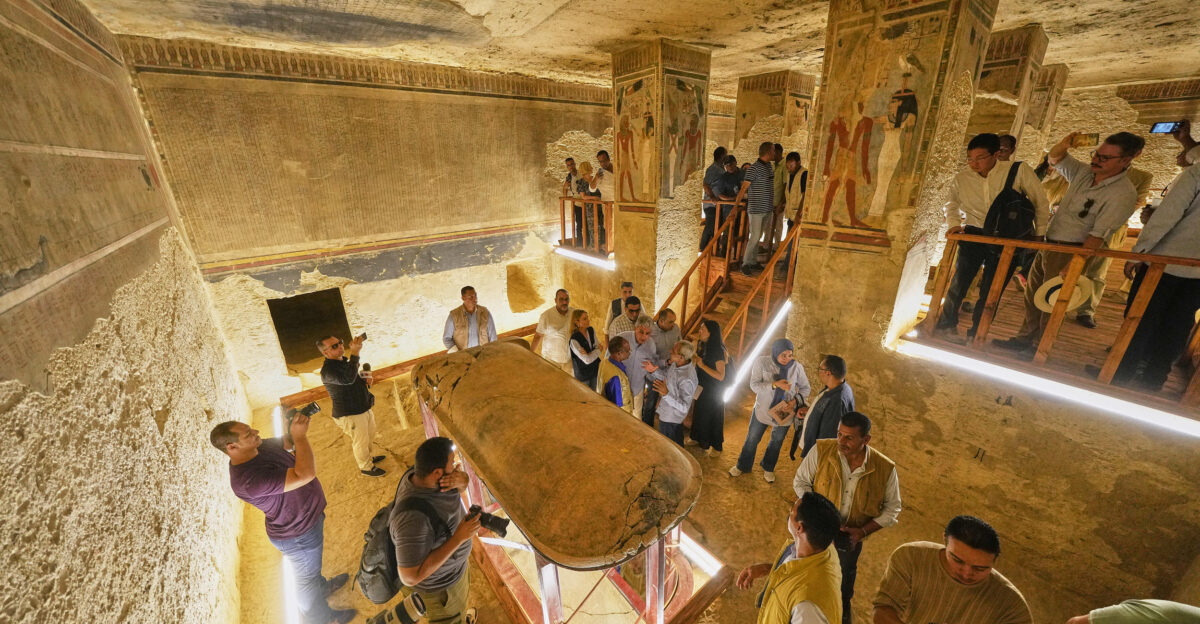
The secondary revelation challenges assumptions further. Akhetaten’s North Tombs Cemetery showed unusual demographics: the overwhelming majority died between the ages of five and twenty-five. This youth-heavy pattern is abnormal, likely representing a specific workforce rather than the general population.
Skeletal analysis revealed extensive labor markers: spinal damage, joint degeneration, and stress fractures. Combined with malnutrition indicators, evidence points to young workers under brutal conditions. The “plague” myth may have obscured systemic labor exploitation.
Traditionalist Resistance
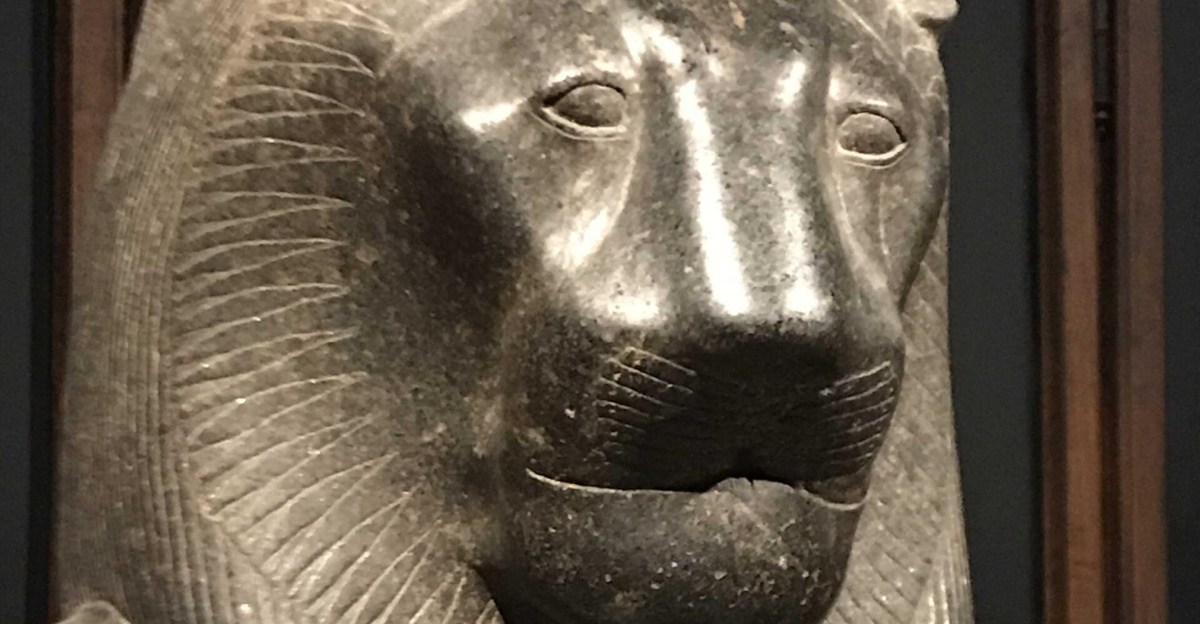
Not all scholars embrace the new interpretation. Some argue that the study hasn’t ruled out every possible epidemic, noting that certain diseases leave minimal skeletal traces. They cite royal family death clusters and Amenhotep III’s hundreds of statues to Sekhmet, goddess of pestilence.
Regional Amarna Letters mentioning plague are cited as corroborating evidence. Yet, these arguments connect dots across different times and places without local evidence from Akhetaten. Extraordinary plague claims now require extraordinary archaeological proof.
Research Leadership
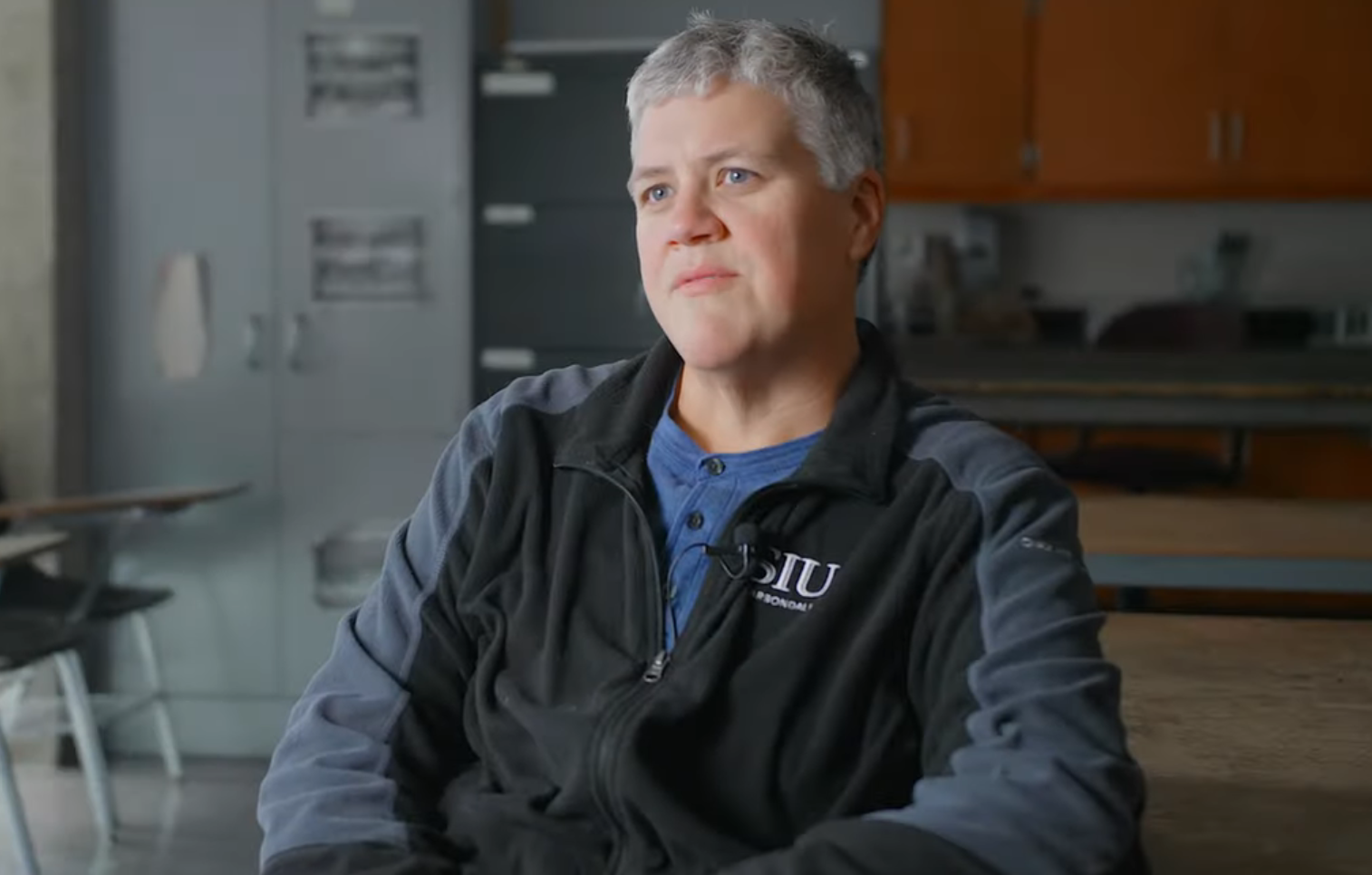
The breakthrough emerged from collaboration between leading bioarchaeologists. Dr. Gretchen R. Dabbs of Southern Illinois University brought expertise in skeletal analysis. Dr. Anna Stevens of Monash University contributed decades of excavation experience.
Their team included specialists in paleodemography, taphonomy, and bioarchaeological theory. This multidisciplinary approach was essential. The comprehensive analysis, published in October 2025 in the American Journal of Archaeology, represents one of the most thorough assessments of an ancient city’s epidemic.
Methodological Innovation

The 17-year timeline reflects the rigor of modern archaeological science. Between 2005 and 2022, teams systematically excavated 889 individual burials from four major cemeteries. Each burial required meticulous documentation, including body position, wrapping materials, grave goods, soil composition, and stratigraphic relationships.
Skeletal remains underwent comprehensive analysis. Researchers specifically looked for epidemic signatures. Advanced statistical techniques were used to compare observed mortality distributions with expected patterns. Every analytical step followed internationally established protocols, ensuring peer review scrutiny.
Ongoing Debates

Despite overwhelming evidence, scholarly debate continues. Some advocate for additional investigation, suggesting that future discoveries may reveal previously undetected proof of an epidemic. Others argue royal family death clusters indicate that disease affected elites differently. Some maintain that exceptionally virulent diseases may leave no skeletal traces.
However, Dr. Dabbs counters that even fast-acting diseases create detectable patterns: “Epidemic disease affected all kinds of systems.” The current consensus shifts decisively toward labor- and policy-based explanations.
Future Questions

The study opens provocative research directions. Are other ancient “plague sites” similarly misidentified? Classical Athens’ famous plague has never been definitively confirmed archaeologically. The methodology provides a template for systematic reassessment.
Additionally, the study raises questions about historical memory: why do societies prefer dramatic catastrophe narratives over mundane explanations, such as policy changes? Museums now face practical questions about updating exhibits and correcting public misconceptions. Archaeological science continues rewriting human history.
Syndemic Theory Application
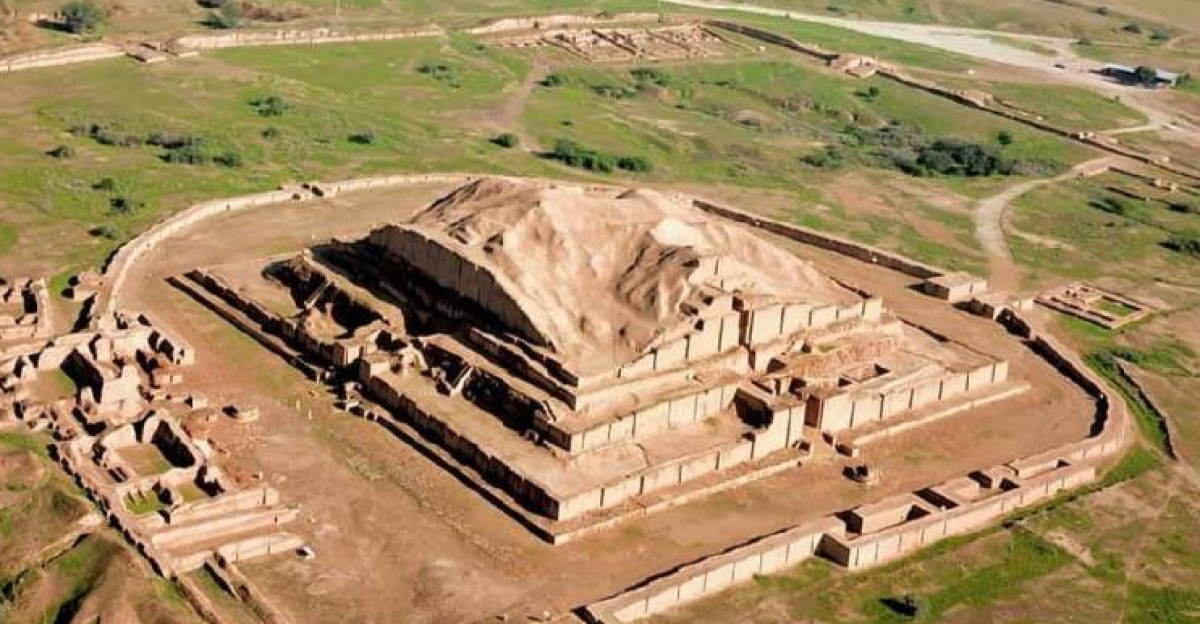
The findings underscore the value of syndemic theory in understanding ancient health. Rather than seeking single, catastrophic causes, syndemics recognize how multiple health problems interact and amplify one another.
At Akhetaten, chronic malnutrition, intensive labor, inadequate housing, and possibly endemic parasitic infections created overlapping vulnerabilities, elevating mortality without epidemic disease. For Akhetaten’s workforce, harsh labor intersected with nutritional deficits, producing elevated death rates. Future studies might prioritize documenting chronic stressors and structural inequalities.
Global Museum Response

Cultural institutions worldwide are responding to the revised narrative. The British Museum is reviewing exhibit text for accuracy. Museum education departments are developing new materials emphasizing evidence-based archaeology over sensationalized plague narratives.
In Cairo, the Egyptian Museum and the Grand Egyptian Museum are consulting researchers. European institutions, including Berlin’s Neues Museum, are updating programming. Museum websites, databases, and educational apps are being amended. This coordinated international response demonstrates how rigorous study can reshape public understanding.
Ethical Archaeological Practice
The study exemplifies contemporary ethical standards in bioarchaeological research. Excavations followed international protocols established by UNESCO and Egypt’s Ministry of Tourism & Antiquities, ensuring respectful treatment of human remains. The study addresses decolonization concerns by centering local evidence rather than imposing interpretations from European texts or biblical narratives.
By rigorously testing hypotheses against material evidence from Akhetaten itself, researchers resisted the temptation to fit Egyptian history into preconceived frameworks. Ethical practice includes correcting past errors in a transparent and public manner.
Cultural Narrative Shift

Popular media are adapting to the paradigm shift. Documentary filmmakers are revising scripts to eliminate unsupported references to the Black Death, not the plague. Educational podcasts increasingly explain how the plague myth developed and persisted. Publishing houses are reviewing manuscripts to reflect the current state of archaeological understanding.
This cultural recalibration is significant because popular media have a greater impact on shaping public historical consciousness than academic publications. The “curse of Akhetaten” fits compelling storytelling tropes, but the evidence-based alternative policy-driven abandonment and workforce exploitation is more historically accurate.
Enduring Legacy
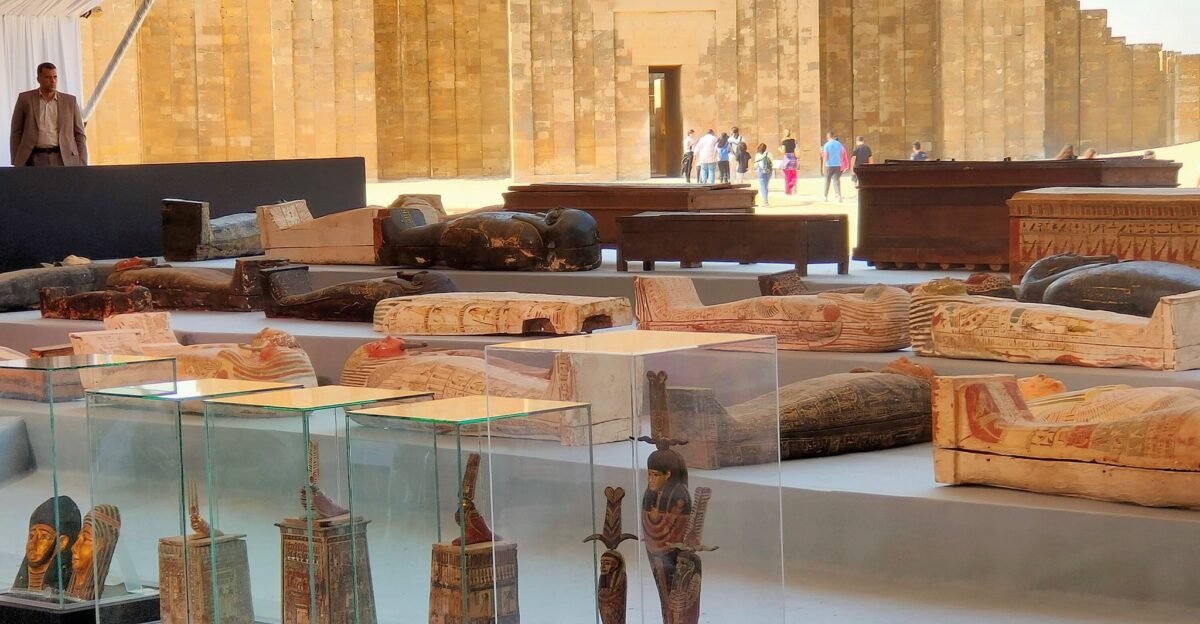
The Akhetaten case establishes a powerful precedent for evidence-based ancient history. It demonstrates that even widely accepted “facts” repeated for over a century can crumble under rigorous scrutiny. The methodology provides a replicable framework for evaluating claimed epidemics throughout the archaeological record.
Most significantly, research validates that the absence of evidence, when thoroughly sought, constitutes meaningful evidence of absence. As Dr. Dabbs concludes, the case reminds us “to test big stories against local data,” a lesson extending beyond Egyptology.