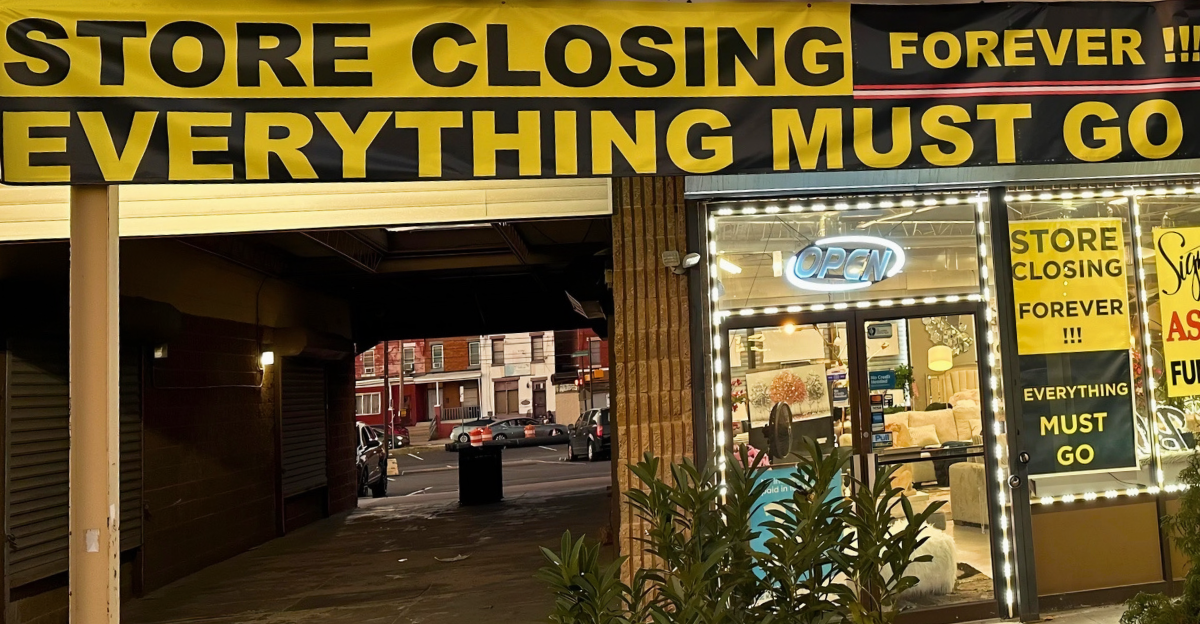
Across the United States, a strange trend is unsettling communities as long-standing furniture stores are closing with little warning. The sudden shutdowns are leaving customers frustrated and employees jobless. Retail watchers say this isn’t just a string of bad luck but part of a larger retail shake-up.
The shock is sharper because furniture chains once seemed steady and dependable. Now, social feeds fill with questions, speculation, and worry. People are asking: Which retailer has collapsed, and why? The answer comes sooner than many expected—and it signals far more than just one brand in trouble.
A Century of Legacy at Risk
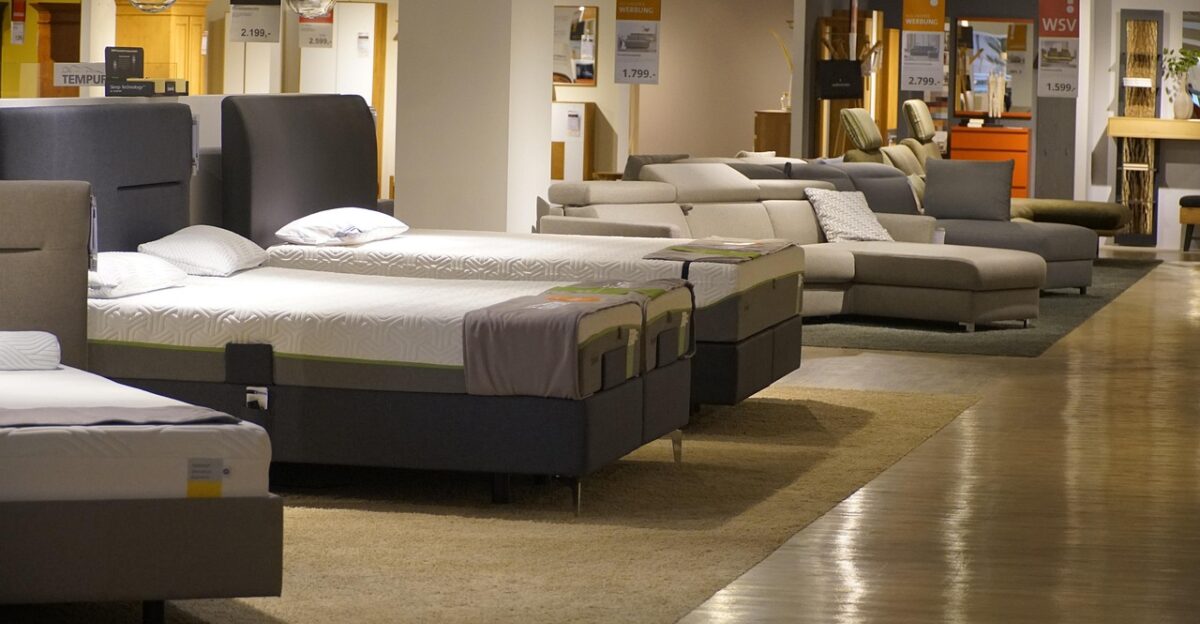
For generations, certain names in American furniture felt immovable. These were the stores where families bought their first beds, living room sets, and dining tables. The kind of places that outlasted recessions, weathered competition, and still drew loyal customers. Now, one of these iconic brands is facing its toughest test yet.
After nearly a century, its survival is no longer guaranteed. The contrast between its proud past and the uncertainty of today has caught many by surprise.
Layoffs Spread Across the Country

The human toll is immediate as retail workers, some with decades of service, are suddenly unemployed. “We’ve never seen anything like this,” retail analyst Deborah Weinswig told CNBC, noting the scale and speed of job losses. Entire teams were dismantled overnight, leaving communities without familiar faces who once welcomed them at the showroom door.
For employees, the closures aren’t just about losing a paycheck but about losing stability, routine, and community. While layoffs in retail are not new, the size of these cuts has raised alarms about whether the industry is at a breaking point.
Customers Caught in Limbo
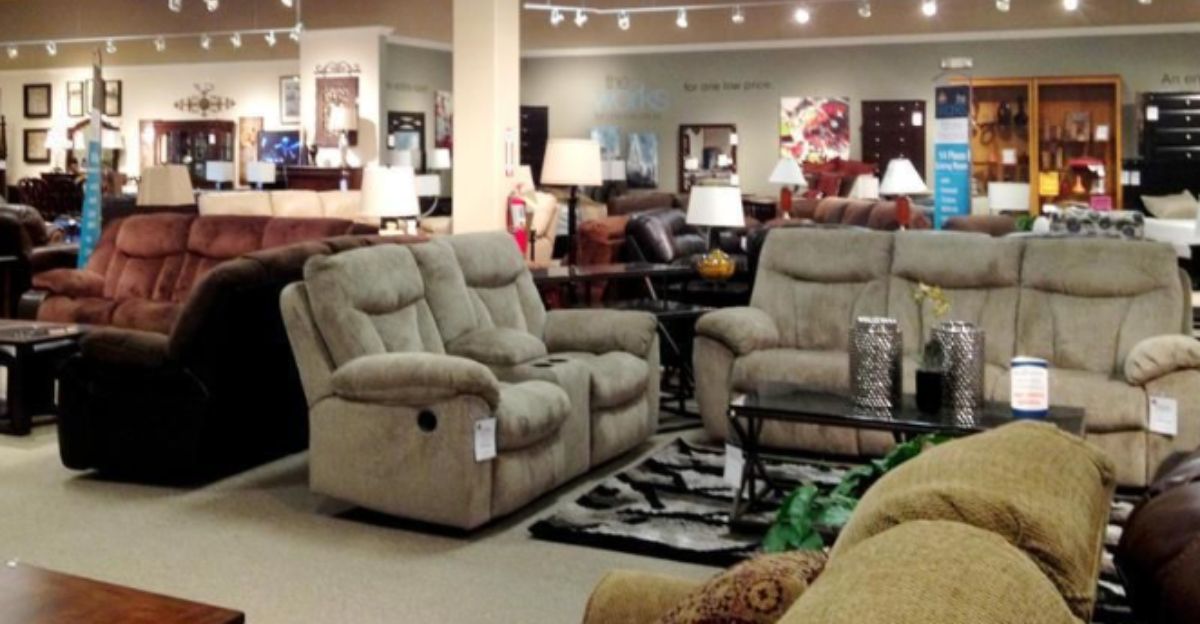
The impact extends to customers, many of whom are caught mid-purchase. Social media is filled with anxious posts about missing deliveries, unreturned calls, and warranties that may no longer be honored.
Some customers have already paid thousands of dollars for furniture that never arrived, and others report frustration with customer service lines going silent. Families wonder if they’ll ever receive what they ordered or if their money is gone for good. The lack of answers has only fueled frustration.
RoomPlace Revealed as Collapsing Giant
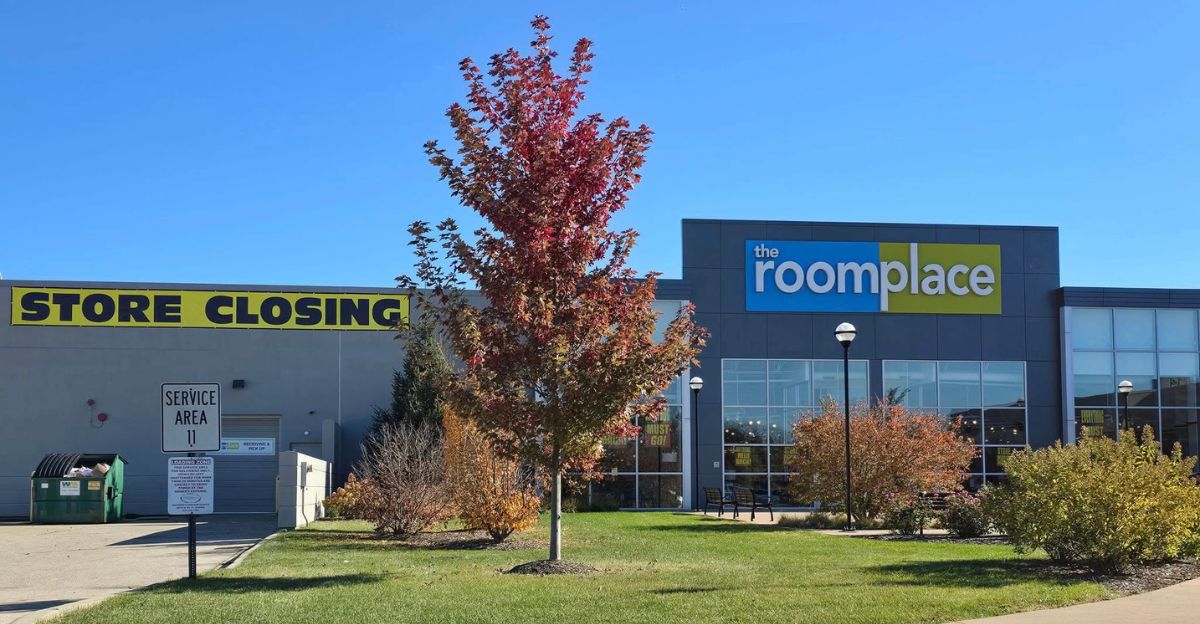
After more than 100 years in business, Chicago-based RoomPlace has filed for Chapter 11 bankruptcy, TheStreet reported in September 2025. All remaining stores are closing, with immediate layoffs affecting hundreds. Founded in 1912, RoomPlace became a Midwest staple, known for family-friendly showrooms and financing deals. Its century-long run has now come to an abrupt halt.
The fall of RoomPlace is not just about one chain; it’s a symbol of how quickly even historic brands can unravel under modern pressures. The question now shifts to how it all went wrong and what comes next for retail.
Economic Headwinds Strike Hard

Behind RoomPlace’s downfall lies a punishing economic backdrop. Rising interest rates, now above seven percent, have made it harder for Americans to afford big-ticket purchases. Furniture is often financed, and when borrowing costs climb, sales decline. Store staff have described thinner foot traffic, heavy discounts, and waves of canceled orders.
Analysts say these headwinds have been building for months, squeezing margins and sapping momentum. For a retailer already stretched thin, the strain proved too much. One expert noted that even strong brand loyalty cannot offset the financial reality of higher debt costs and cautious shoppers.
Housing Market Slowdown Adds Pressure

The furniture industry also lives and dies by the housing market. Since late 2024, home sales have cooled dramatically. With fewer people buying houses, fewer are buying sofas, tables, and beds to fill them. “Furniture is the first to feel the pain when homes aren’t selling,” Zillow economist Orphe Divounguy explained in recent analysis.
The slowdown rippled quickly, resulting in less demand, more unsold inventory, and deeper discounts that further eroded profits. For RoomPlace, the timing was brutal. The collapse of housing demand meant its traditional customer base was shrinking when the company needed stability most.
Tariffs and Rising Costs Hurt Margins

On top of shrinking demand, RoomPlace faced mounting costs. Tariffs on imported furniture increased prices for essentials like mattresses and dining sets. Retailers across the industry have warned that tariffs are eating into tight margins. “Profits are evaporating before products even reach the floor,” one executive told Bloomberg. For RoomPlace, the math didn’t work.
Passing costs onto customers risked driving them away, but absorbing them deepened financial losses. This squeeze made long-term survival nearly impossible, especially for a company carrying significant debt from past expansions. It was a pressure cooker with no escape.
Online Competition Changed the Game

Digital-native retailers thrived in the same environment that punished RoomPlace. Shoppers are now comfortable browsing furniture on phones and expect fast delivery with flexible returns. Online sellers often undercut traditional chains on price while offering more choice. For RoomPlace, the pivot to digital came late.
Analysts argue that the chain underestimated how fast consumer behavior was shifting. “Legacy retailers must adapt fast or risk extinction,” warned Deborah Weinswig. RoomPlace tried to play catch-up with an online push, but competitors already had years of head start. The gap was too broad, and the pivot too rushed.
The Community Fallout
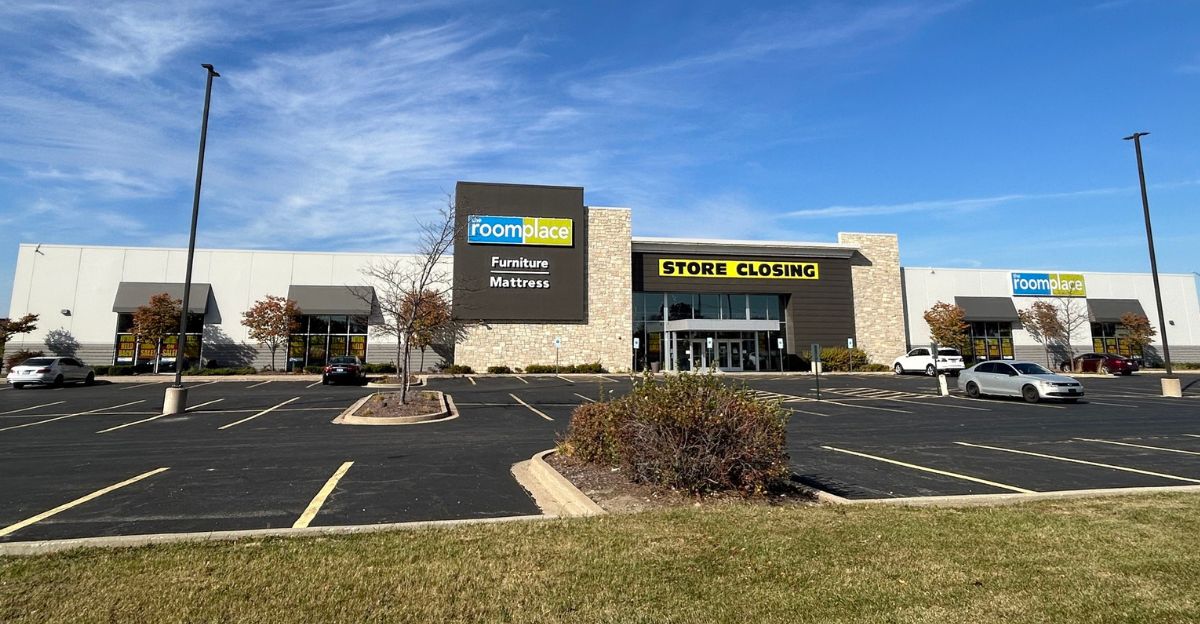
Closures don’t just leave empty storefronts; they ripple through neighborhoods. Hundreds of jobs vanish overnight, suppliers lose contracts, and small businesses nearby lose steady traffic. “They were loyal employees, not just numbers,” said Valerie Berman-Knight, president of a regional retail association.
The closures feel personal in towns where RoomPlace stores have been fixtures for decades. Families remember buying living room sets for the holidays or beds for their first apartments. Beyond economics, there’s an emotional void. For many, the end of RoomPlace is the end of a familiar ritual that tied communities together for generations.
Leaked Memos Expose Internal Struggles

The downfall appeared sudden to the public, but insiders say it was brewing for months. Leaked memos showed tense debates over downsizing, asset sales, and digital reinvention. Employees describe abrupt decisions: one day, stores were open, and the next, they were told to pack up.
Plans shifted quickly, with financial realities overriding long-term strategies. Many staff members felt the company was in survival mode, reacting rather than leading. The leaks painted a picture of executives scrambling to buy time. But the pressures—from debt to shrinking sales—were too overwhelming to overcome.
Bankruptcy Filing Marks a Last Stand
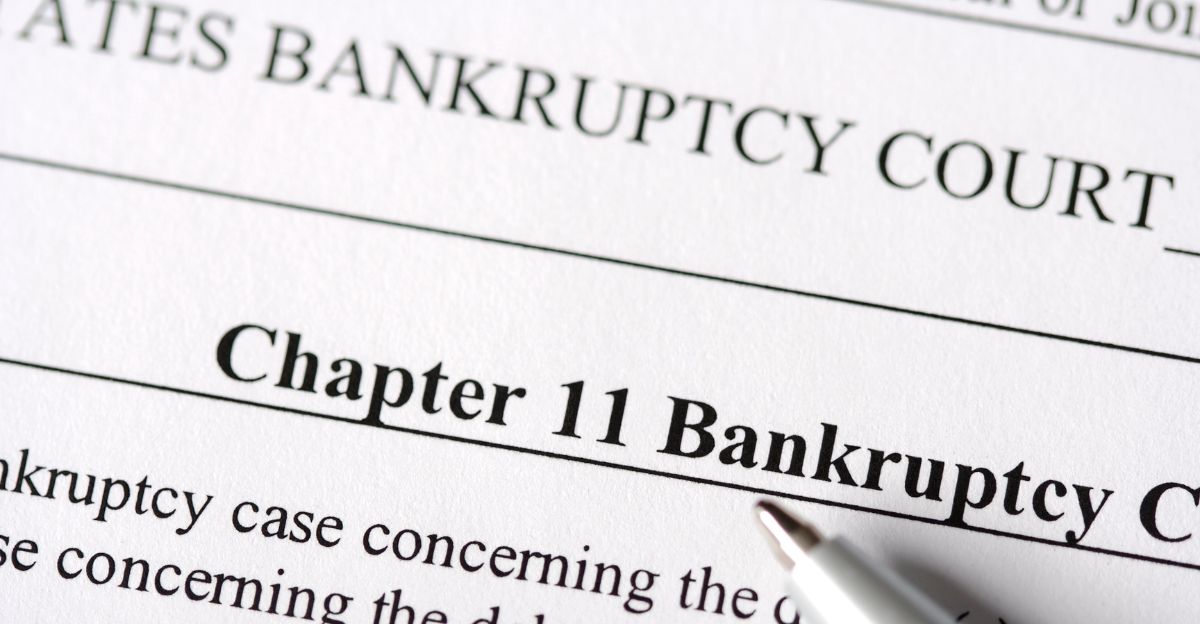
Court documents filed in September paint a grim picture. RoomPlace cited “unsustainable cash flow” and mounting creditor demands as the reasons for filing under Chapter 11. The move was described as an effort to restructure debt and salvage some assets. But analysts caution that bankruptcy rarely guarantees a comeback. More often, it marks the beginning of liquidation if a turnaround fails.
Executives framed the filing as necessary, but experts saw it as a last-ditch attempt to slow the collapse. The story of RoomPlace now rests on whether anything can be saved.
Customers Wait for Answers

The bankruptcy raises urgent questions for customers. RoomPlace has pledged to honor warranties and pending orders through a transition team. A spokesperson told ABC7 Chicago, “We’re working as fast as possible to meet every commitment.” Still, confusion remains. Some customers report delivery delays, and others say phone lines go unanswered.
The uncertainty is testing the trust built over decades. The stakes are personal for families who invested thousands of dollars into big purchases. The company’s ability—or inability—to deliver on these promises could determine how RoomPlace is remembered in the eyes of its longtime customers.
A Century of Community Legacy
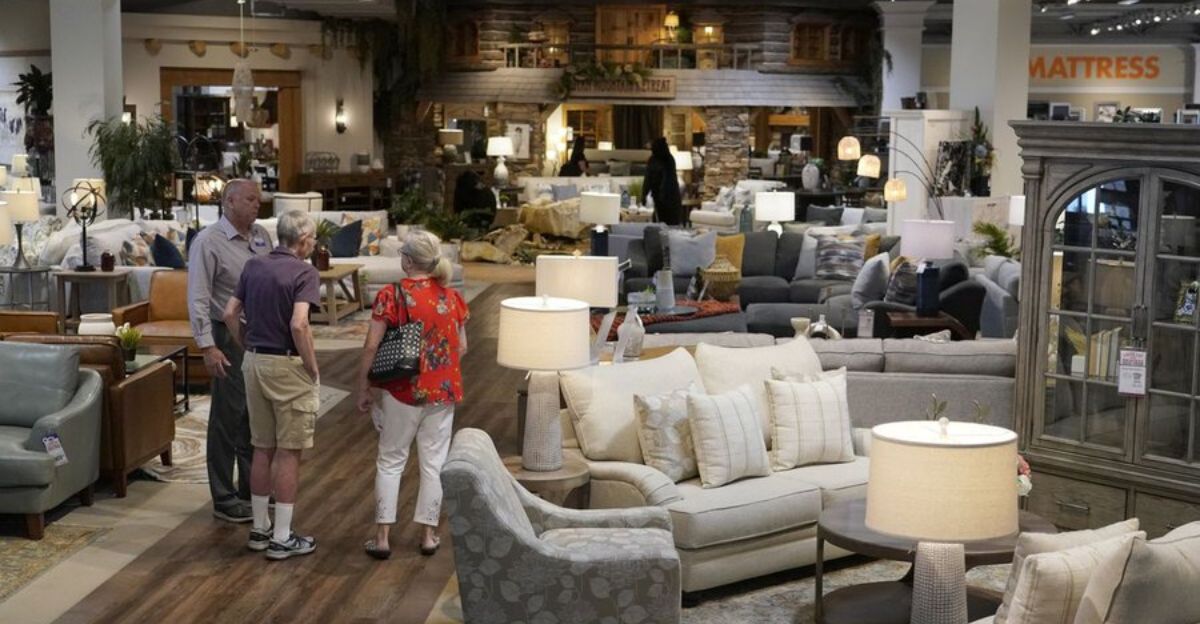
RoomPlace wasn’t just a retailer but part of life in Midwest communities. Generations of families bought furniture for milestones: first apartments, new homes, holiday gatherings. Local leaders have shared their disappointment. “Every sofa in our house came from RoomPlace,” one Chicago resident told WGN News. The brand’s collapse feels like losing a trusted neighbor for loyal customers.
The emotional weight of this bankruptcy sets it apart from other retail failures. While the stores may close, the memories remain. The challenge now is whether any of that legacy can carry forward in some form.
The Digital Pivot That Fell Short
In recent years, RoomPlace has tried to reinvent itself through e-commerce. The idea was to scale back showrooms and drive sales online, but execution lagged. Competitors like Wayfair and Amazon already dominate digital furniture sales with faster shipping and wider catalogs. RoomPlace’s website updates and promotions weren’t enough to close the gap.
Analysts say the shift was necessary but too little, too late. When the company leaned into online sales, customers had already moved on. The digital gamble failed to offset mounting costs, leaving RoomPlace with fewer options as losses piled up.
Experts See Trouble Across Retail

RoomPlace’s collapse is not an isolated event. Analysts see it as part of a broader crisis in American retail. Coresight Research projects up to 15,000 store closures in 2025, double last year’s figure. Rising costs, slowing home sales, and the relentless rise of e-commerce have created a complex mix.
RoomPlace’s bankruptcy highlights how even century-old companies can fall quickly in today’s economy. Experts warn that unless legacy retailers reinvent themselves, many could face similar outcomes. The story of RoomPlace may be the first big domino in a much larger wave of change.
Layoff Ripple Effects Widen

The fallout from RoomPlace extends beyond employees and customers. Suppliers, trucking companies, advertising firms, and cleaning crews all lost contracts overnight. Analysts describe this as the “domino effect” of retail closures. The impact radiates outward, weakening local economies. Families lose income, small businesses lose customers, and entire communities feel less stable.
The strain compounds in areas with multiple closures. RoomPlace’s case reminds us that when a large retailer falls, it doesn’t collapse alone. It takes a whole ecosystem of jobs and businesses down with it, amplifying the economic pain.
Other Furniture Chains in Trouble

RoomPlace isn’t alone in facing collapse. In 2025, Home Group, Worthy’s Run Furniture, and American Freight filed for bankruptcy or liquidation. Each pointed to similar challenges: inflation, housing market slowdowns, and rising import costs. The fact that multiple brands fail in the same year signals industry-wide distress. While some regional players remain stable, few feel immune.
Analysts predict that the shakeout will continue, reshaping the American furniture landscape. For shoppers, this means fewer brick-and-mortar choices and uncertainty about where the next round of cuts might land for workers.
The Choice Ahead—Adapt or Fade

If there’s a lesson in RoomPlace’s collapse, it’s that reinvention can no longer wait. Analysts stress that retailers must invest in digital platforms, supply chain innovation, and customer experience. Having a recognizable name is no longer enough. Those unwilling to adapt may share RoomPlace’s fate.
Yet there is still opportunity. Demand for stylish, affordable furniture remains strong. Companies that meet those needs with speed and creativity could thrive. The industry now faces a choice: evolve quickly and boldly or fade into history. RoomPlace shows what happens when that choice comes too late.
RoomPlace’s Final Act as a Warning

The story of RoomPlace ends with bankruptcy, liquidation, and communities left in shock. Its century-long presence in American homes is gone, but its lessons remain. No company, however historic, is immune to change. The collapse warns that adaptation is crucial in a world of shifting economics and technology.
As the retail industry looks ahead, insiders ask who might be next. It’s a reminder for families that even trusted names can vanish overnight. What was once a household staple is now a cautionary tale that the industry is watching closely.