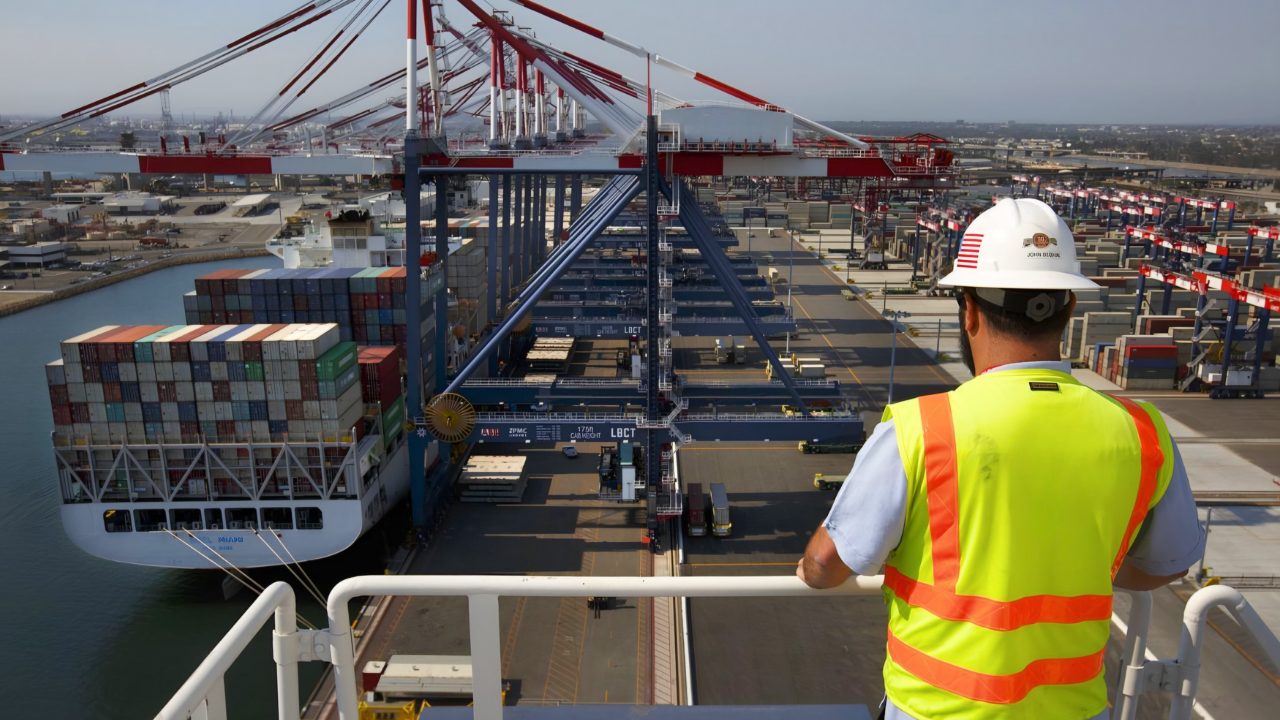
California’s twin ports of Los Angeles and Long Beach, the nation’s busiest, saw longshore work orders drop by nearly 50% from late May to early June, according to several reports. Cargo processing slowed dramatically, disrupting supply chains nationwide. While the greatest confirmed impact is at California’s ports, some Texas ports—including Houston and Galveston—faced cargo and volume pressures around the same period, though similar employment impacts are not clearly documented. Workers in affected areas arrived to find digital job boards showing far fewer work opportunities, with no formal notices signaling the downturn. The sudden drop in port activity has left many dockworkers, truckers, and warehouse staff with substantially reduced hours and uncertainty regarding steady paychecks.
Who’s Affected

The impact extends far beyond the docks. Longshoremen in Los Angeles and Long Beach experienced significant reductions in work over the course of several weeks as of early June 2025. Warehouse staff, truck drivers, and other supply chain employees faced parallel disruptions. Harbor-area restaurants and service providers saw customer numbers fall, and regional economies that depend on port activity—generating $21.8 billion annually—are now facing notable losses. The full extent of the ripple effects remains uncertain, but the economic toll is already visible.
Consumers Face Shortages

Shoppers may encounter inventory shortages during the holiday season as import volumes continue to drop. Gene Seroka, executive director of the Port of Los Angeles, warned on June 13, 2025, that “unless long-term, comprehensive trade agreements are reached soon, we’ll likely see higher prices and less selection during the year-end holiday season.” The strain on the U.S. supply chain is expected to persist, with retailers preparing for significant inventory challenges.
Timeline and Causes
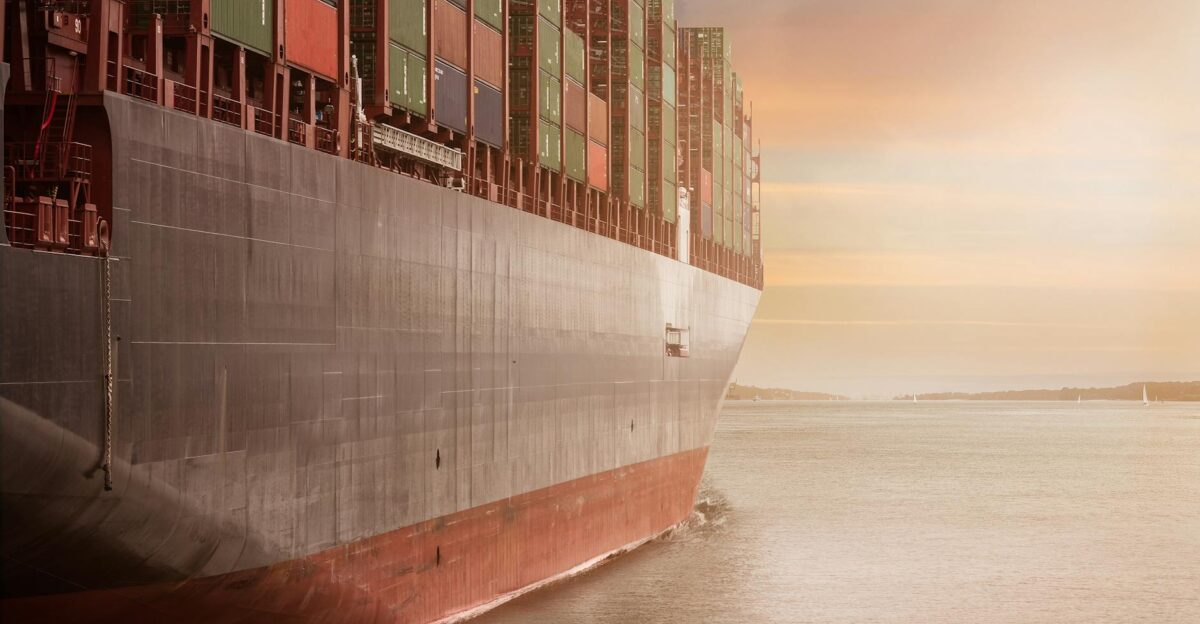
Cargo disruptions began in early April 2025, following the escalation of tariffs imposed by the Trump administration. The steepest losses occurred in late May and early June, with ship cancellations, volume contractions, and employment gaps continuing through July and into the peak pre-Christmas inventory season. The Port of Los Angeles processed 25% less cargo than forecast in May, with import volumes falling approximately 19% month-over-month. Reports indicate that every 1% drop in cargo volume equates to a substantial employment impact.
Economic and Social Impact
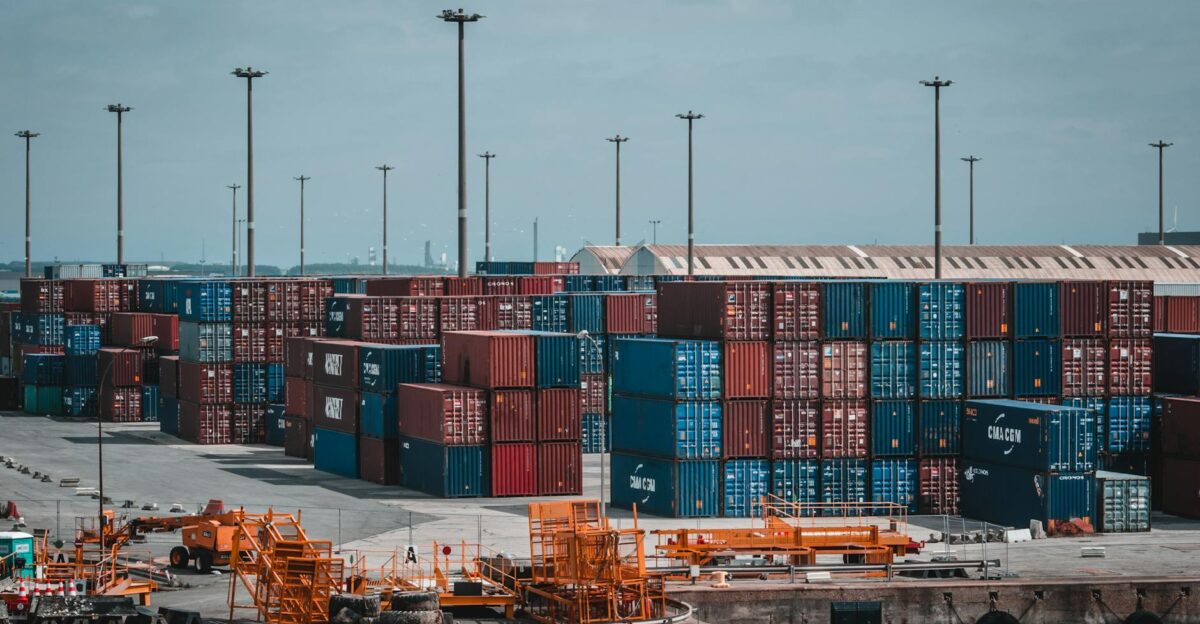
The job losses and reductions in work opportunities have been subtle but profound. Workers arrived to find fewer assignments, with no formal notices marking the start of a deep employment crisis. Truckers, warehouse staff, and dockworkers all faced uncertainty. The Port of Los Angeles and Long Beach supported 165,462 direct and indirect jobs in 2023, contributing $21.8 billion to the local economy. The 2025 downturn threatens this foundation, with small harbor-area businesses already seeing revenue shortfalls.
Looking Ahead
Unless comprehensive trade agreements stabilize shipping, cargo volumes and employment may remain depressed. Union advocacy and coordinated trade strategies will be critical in the coming months. The next few months could determine whether 2025 becomes a significant low point for U.S. freight employment. The combination of job loss, delayed shipments, and tariff uncertainty makes this a pivotal year for U.S. supply chains. Policymakers will need to act swiftly to address the challenges and mitigate the long-term impact on both the economy and consumers.