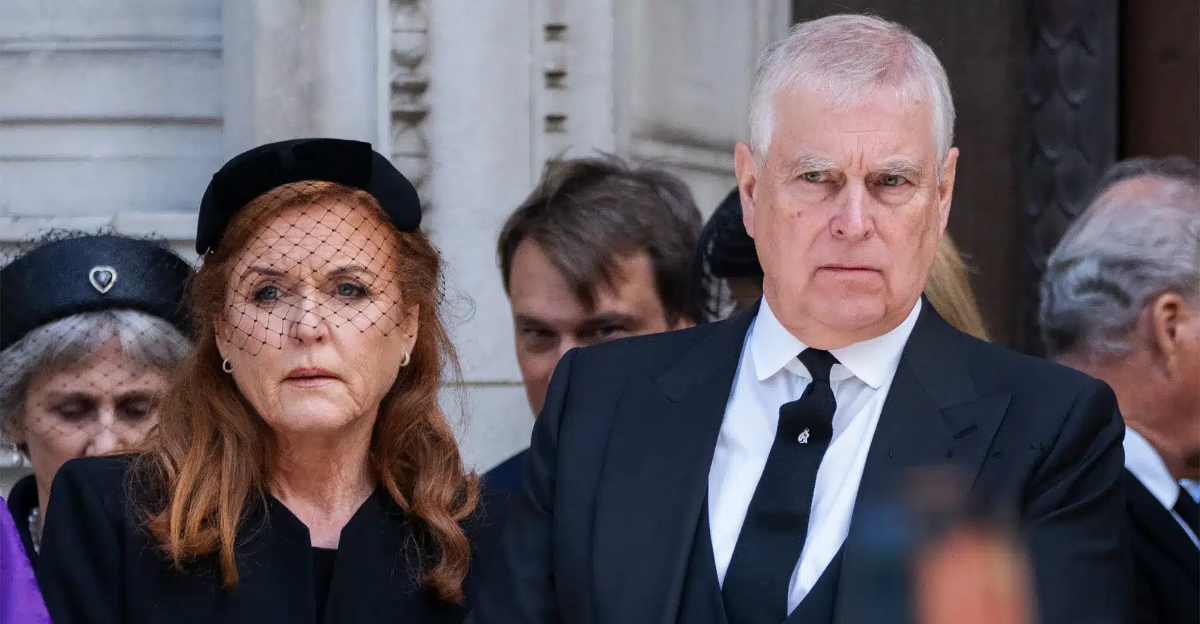
A new wave of controversy has reignited tensions within the British royal family. Recent revelations about Prince Andrew’s continued ties to Jeffrey Epstein have forced Buckingham Palace to take unprecedented action. With mounting scrutiny from the public and media, the monarchy is striving to protect its image during this intense period of examination.
As allegations and evidence continue to surface, the royal family finds itself navigating a treacherous landscape where its history and reputation are at stake. This troubling chapter not only highlights the family’s strained dynamics but also reflects broader societal dissatisfaction with elite figures and institutions.
Stakes for the Monarchy

The stakes have escalated dramatically this week, as emails revealed that Prince Andrew maintained contact with Epstein longer than previously acknowledged. This troubling discovery has intensified calls for accountability from both the public and various political figures, pushing the royal family into a corner.
Observers argue that this level of scrutiny requires the monarchy to show transparency and integrity like never before. As the institution faces increasing pressure, ensuring its survival while adhering to modern expectations is critical. The royal family’s actions over the coming months will be pivotal in shaping public opinion on its role in contemporary society.
Decades of Division
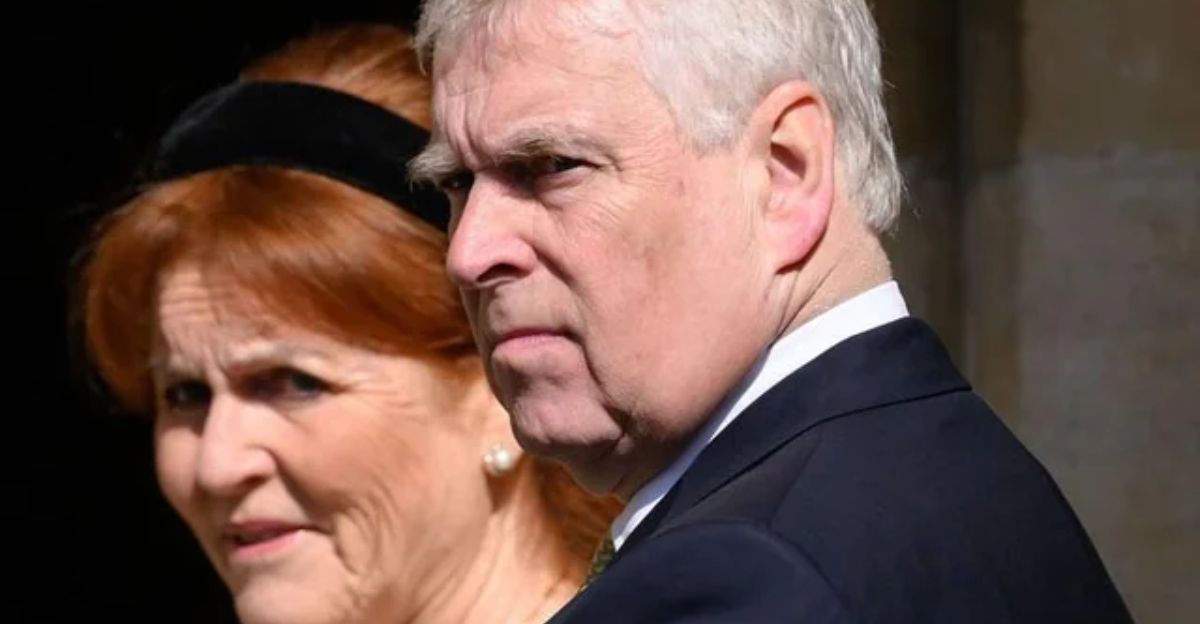
The royal family’s internal divisions date back nearly three decades, significantly impacting its current predicament. Tensions between key family members, particularly surrounding Prince Andrew and Sarah Ferguson, Duchess of York, have often bubbled to the surface, reflecting broader issues within the House of Windsor.
Their tumultuous relationship has been exacerbated by ongoing scandals, igniting debates about loyalty and responsibility in the family. This historical rift not only complicates the monarchy’s response to crises but also highlights how personal grievances can escalate over time, leading to fractures that threaten to undermine the institution’s stability and public image.
Mounting Public Pressure
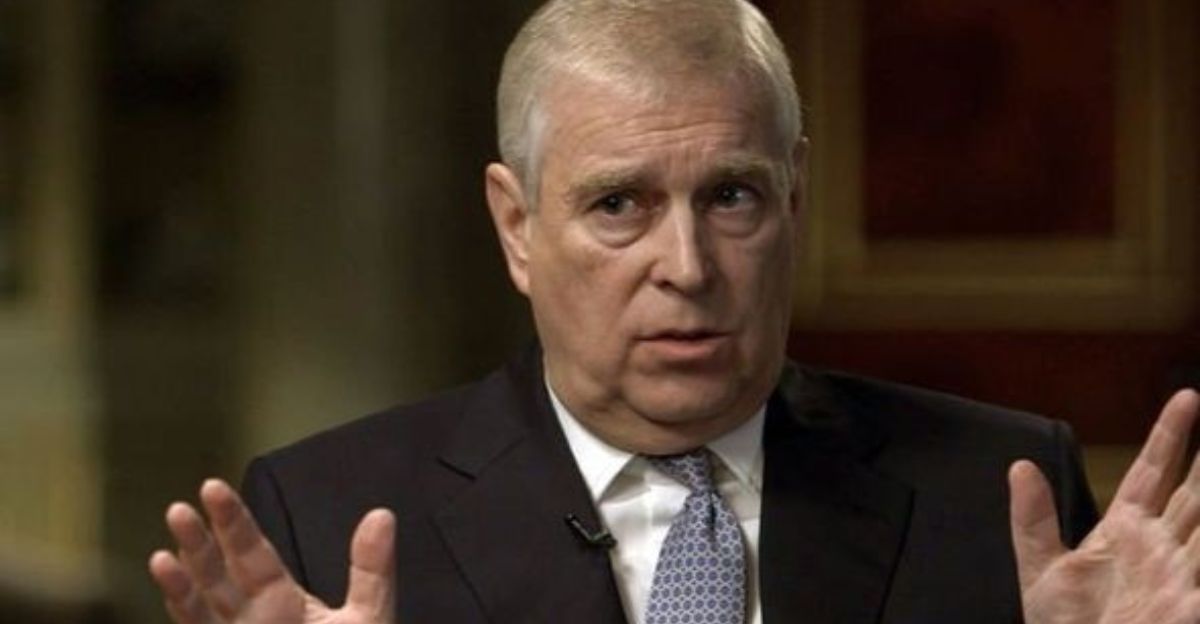
Since Prince Andrew’s disastrous BBC interview in 2019, public and media scrutiny have steadily intensified. His withdrawal from royal duties then raised significant questions about the monarchy’s handling of scandals and its capacity to adapt to current societal expectations.
As revelations about his connections to Epstein continue to surface, the royal family faces persistent inquiries into its resolve and ethical standing. With each detail, the public’s trust diminishes, demanding a re-evaluation of royal responsibilities. The monarch’s challenge lies not only in mitigating damage but also in rejuvenating its image in the face of increasing skepticism and disappointment.
Andrew Sidelined
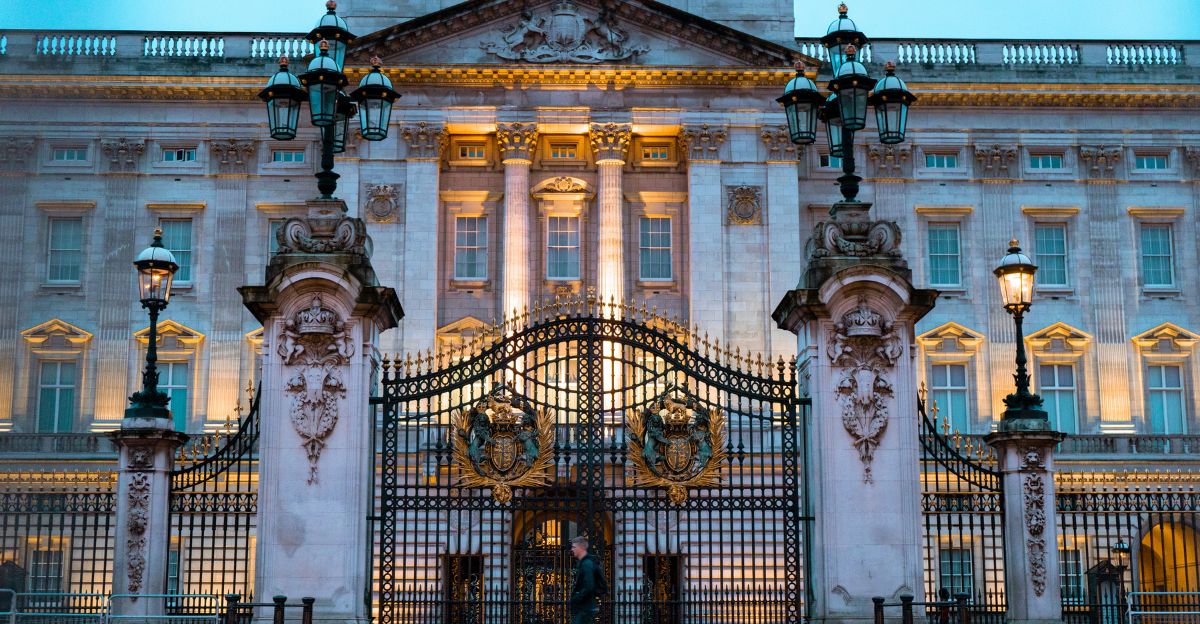
On Friday, Buckingham Palace announced that Prince Andrew would relinquish his remaining royal titles. This significant move, prompted by new evidence of his ongoing contact with Epstein, marks a crucial step for the royal family in an effort to shield the monarchy from further reputational harm.
By sidelining Andrew, the Palace seeks to reassure the public of its commitment to accountability and transparency. This would also allow the royal family to focus on its core missions, distancing itself from the controversies that have plagued it. The decision portrays a monarchy attempting to navigate its increasingly complex societal landscape.
Impact on Windsor

The fallout from Andrew’s sidelining has been particularly acute at Windsor Castle, where his presence has become increasingly uncomfortable for the royal family. The decision to distance him aims to restore stability while signaling a renewed commitment to the monarchy’s core functions.
With criticism and scrutiny growing, the royal family is under pressure to present a united front while addressing longstanding issues. Reflecting on the internal impact, royal experts have observed that this move could have broader implications for the future dynamics of the family and its functioning amid ongoing difficulties and public scrutiny.
Human Toll: Ferguson’s Stand
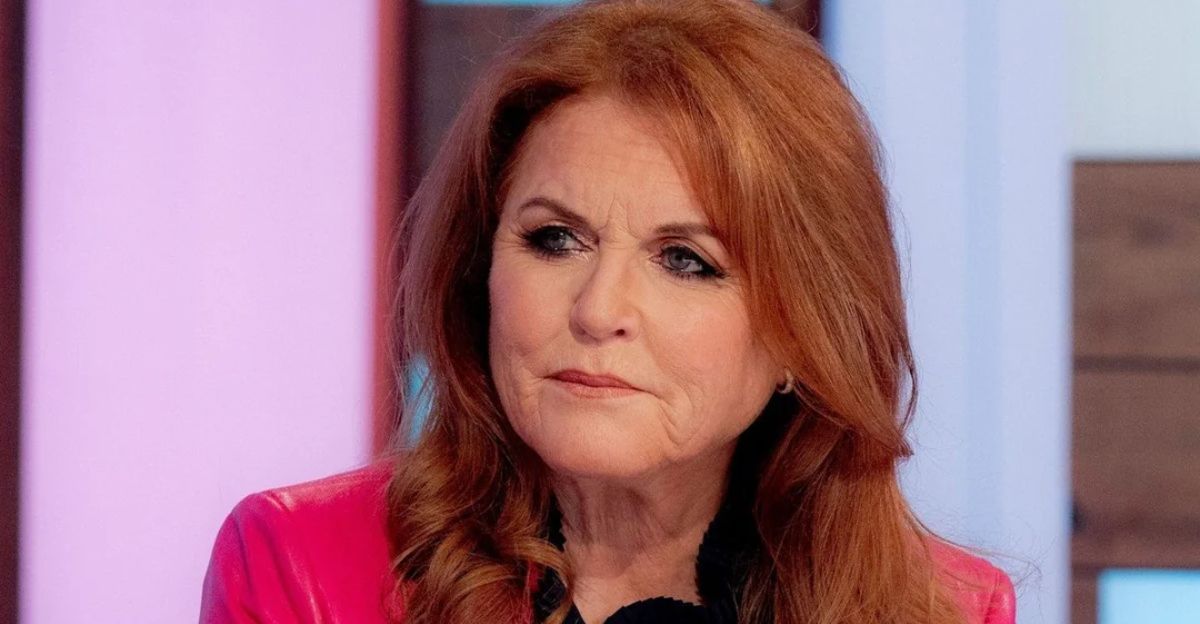
Sarah Ferguson, Andrew’s ex-wife, has publicly supported him throughout this tumultuous period. Her steadfast advocacy highlights the personal strain placed on individuals entangled in the web of royal scandals. Ferguson’s commitment is laden with complexities and a longstanding bond that complicates her public image, especially as new revelations emerge.
As a result, her relationship with Andrew becomes a vital lens through which to examine the nuances of loyalty and familial obligation in the face of scandal. Her stance serves as a reminder that even amidst the Palace’s turmoil, human emotions and connections remain at the forefront, shaping personal narratives.
Competitor Moves: Modernization Push
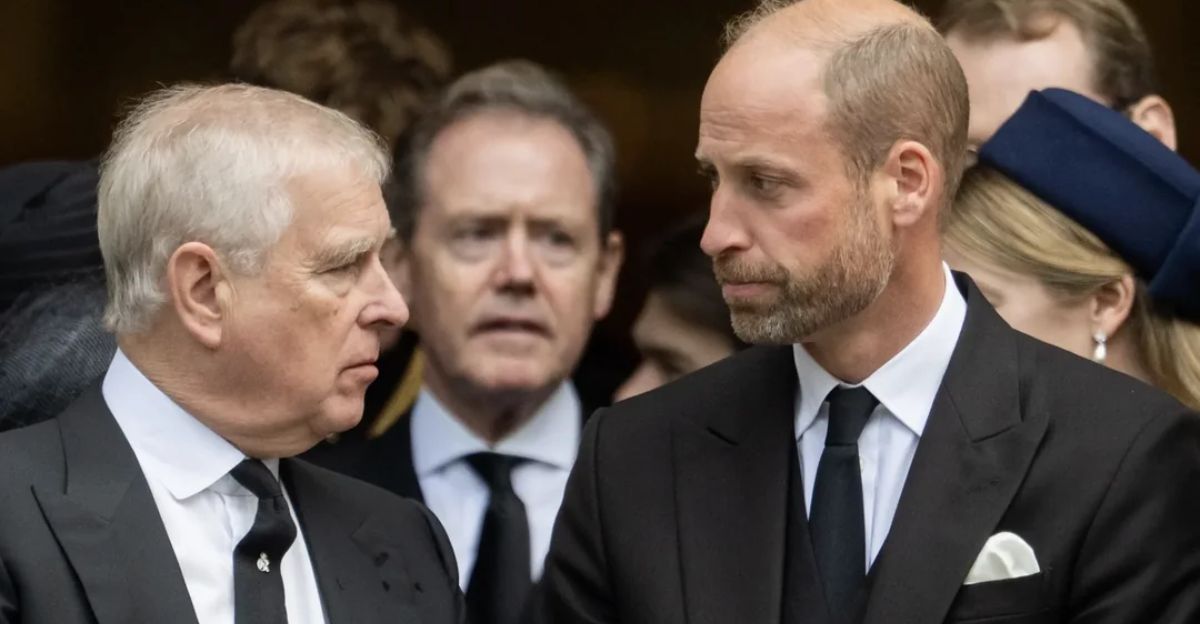
Meanwhile, Prince William has articulated a vision for modernizing the monarchy, emphasizing the need for urgent change and greater accountability. This contrasts sharply with Andrew’s controversial conduct, underscoring generational differences within the royal family regarding public expectations and accountability.
William’s proactive stance is indicative of a broader outreach to resonate with the public and reflect the evolving societal landscape. As he promotes a royal legacy rooted in responsibility and transparency, it raises important questions about how the monarchy can adapt to maintain its relevance in a world increasingly skeptical of traditional institutions.
Scrutiny of Elites

The challenges faced by the royal family mirror a broader societal trend of increased scrutiny on public figures and institutions. The fallout from Epstein’s associations has amplified calls for transparency and ethical conduct among elite circles. The public’s growing dissatisfaction is driving a push for more accountable leadership across various sectors, including the royal sector.
As a result, the monarchy’s response may serve as a crucial barometer for how similar institutions might navigate their respective scrutiny. Increasingly, public figures must confront the same demands for integrity that the average citizen faces, reshaping their reputations in this competitive landscape.
Giuffre Memoir’s Impact

Virginia Giuffre’s upcoming posthumous memoir, set for release this week, has reignited the controversy surrounding Prince Andrew. Excerpts published in the press have renewed scrutiny on Andrew’s actions, providing fresh validation for her claims and reigniting discussions about accountability. Giuffre’s narrative, as outlined by her family, highlights the profound implications of Andrew’s alleged connections to Epstein.
This revelation could further entrench opinions about Andrew’s character and deepen the monarchy’s troubles as it seeks to distance itself from ongoing scandals. The memoir’s release is poised to be a pivotal moment in the public discourse surrounding these controversies.
Internal Frustration
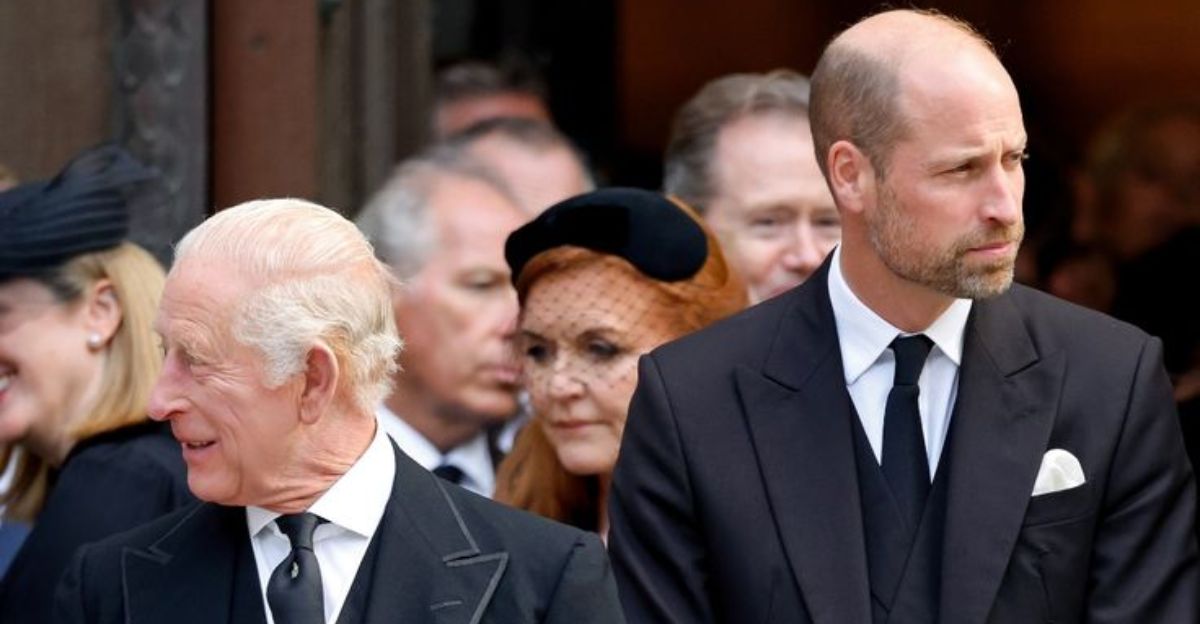
Royal historian Sally Bedell Smith suggests that King Charles and Prince William have exerted considerable pressure on Andrew to step aside. This move is less voluntary and more a reflection of the deep frustration stemming from Andrew’s reluctance to take responsibility for his actions.
Internal dynamics are crucial in determining how the royal family can navigate its path forward amid turmoil. Such sentiments reveal an ongoing struggle for unity within the institution as it grapples with both familial loyalty and the weight of public scrutiny. It is a stark representation of the challenges faced by the monarchy today.
Leadership Shift
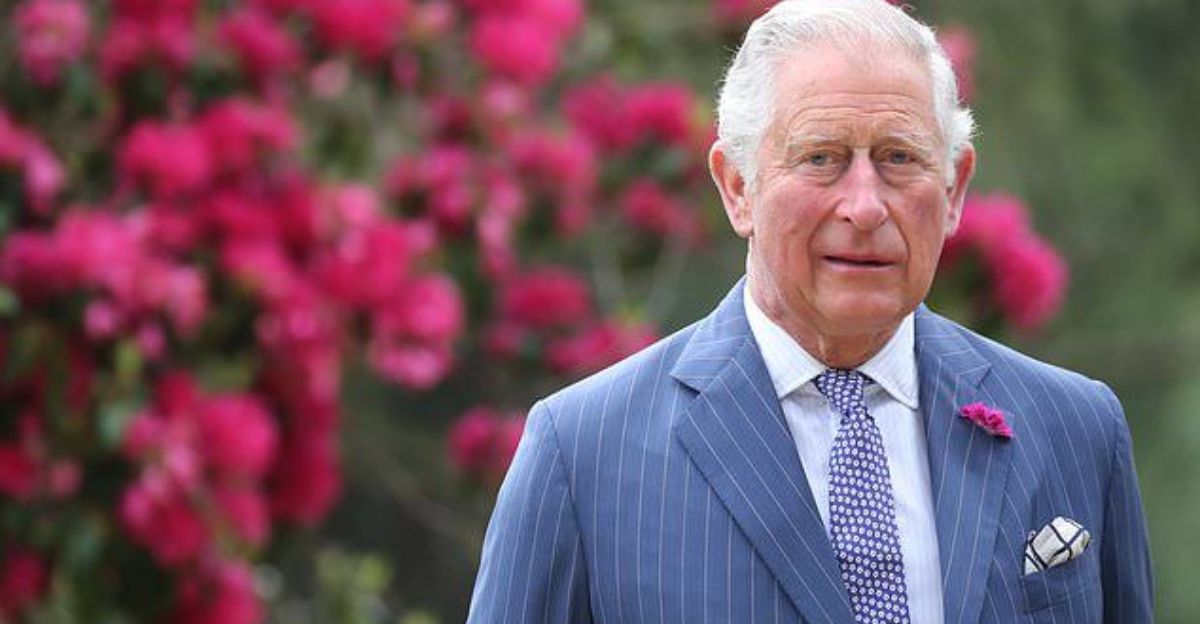
In this context, King Charles III, currently undergoing cancer treatment, has prioritized the long-term stability of the monarchy. His collaborative leadership approach with Prince William signals a significant shift toward a more proactive and protective stance for the institution.
As they navigate their roles while dealing with multiple crises, their efforts to modernize the monarchy are intertwined with addressing the fallout from Andrew’s scandals. Charles’s situation illustrates the pressures that come with leadership during tumultuous times and the balancing act required to ensure the monarchy’s relevance and continuity for generations to come.
Strategic Recovery
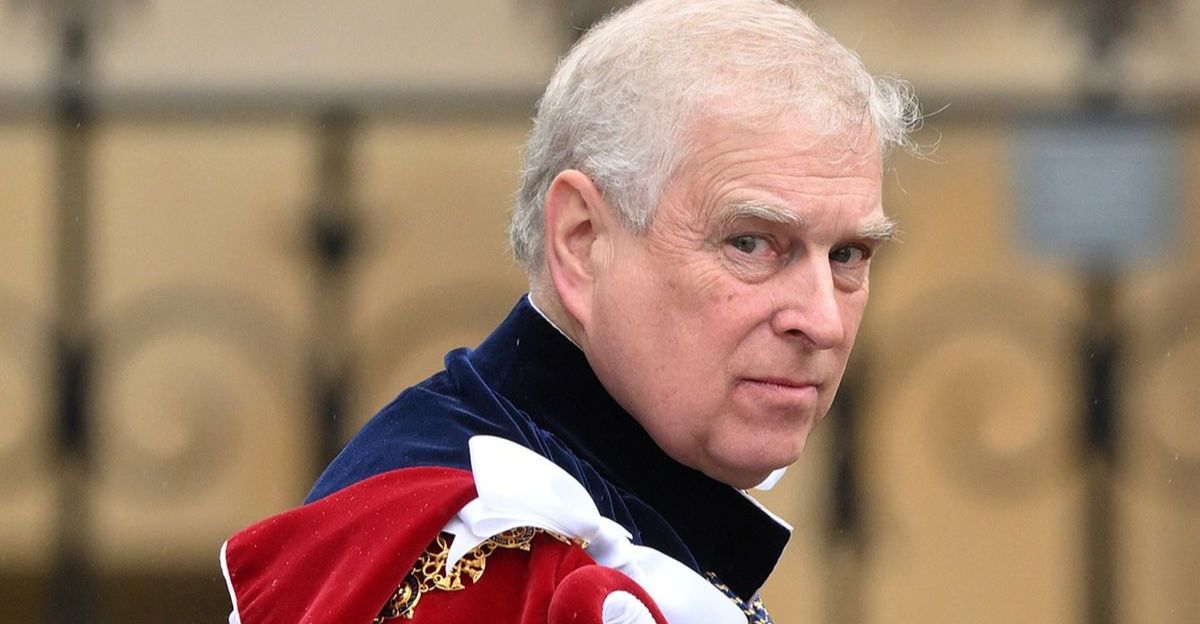
Recognizing the need for a strategic recovery, the Palace’s swift actions to distance itself from Andrew reflect a larger effort to restore public trust. This deliberate maneuvering aims to draw a clear line between the royal family’s core mission and the controversies associated with Andrew.
By taking such decisive actions, the monarchy seeks to prevent further reputational damage, enabling it to refocus on its charitable and ceremonial responsibilities. It underscores a commitment to ethical standards as part of rebuilding relationships with the public and reaffirming its place within a modern context.
Expert Outlook
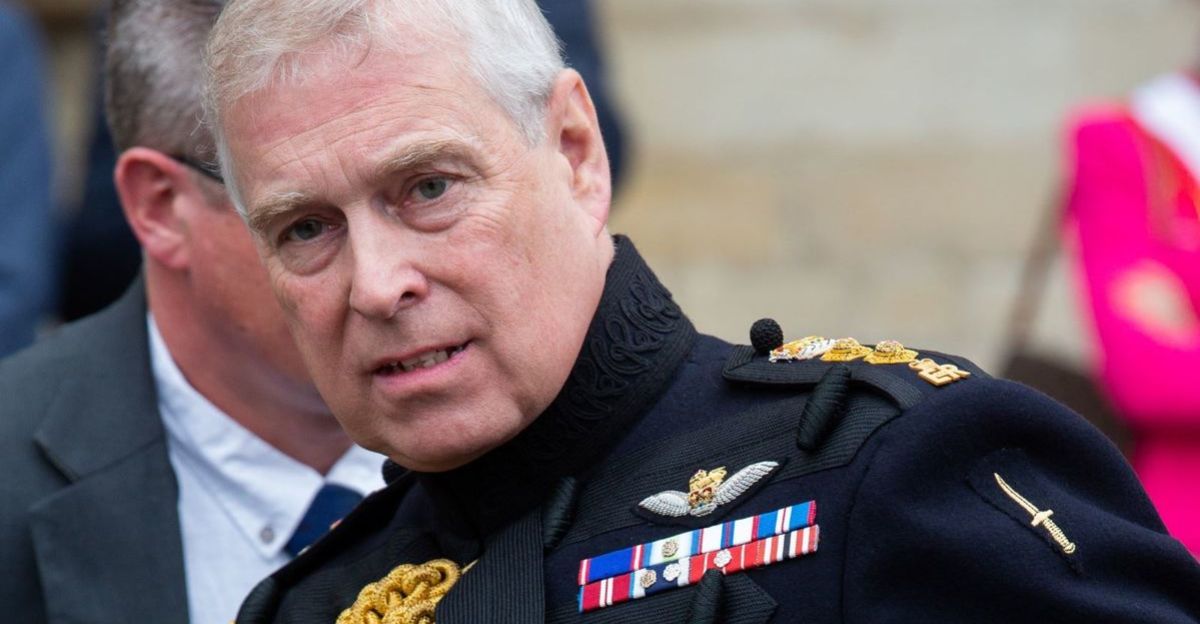
Experts caution that while sidelining Andrew may stabilize the monarchy in the short term, lingering questions regarding accountability and transparency will remain. These lingering issues will test the institution’s adaptability and ability to recover crucial public confidence over time.
Analysts emphasize the importance of long-term measures that go beyond immediate actions, advocating for continuous engagement with public expectations. The monarchy’s future will depend on its capacity to confront these challenges authentically while maintaining a narrative that resonates positively with the evolving sentiments of its audience.
Looking Ahead
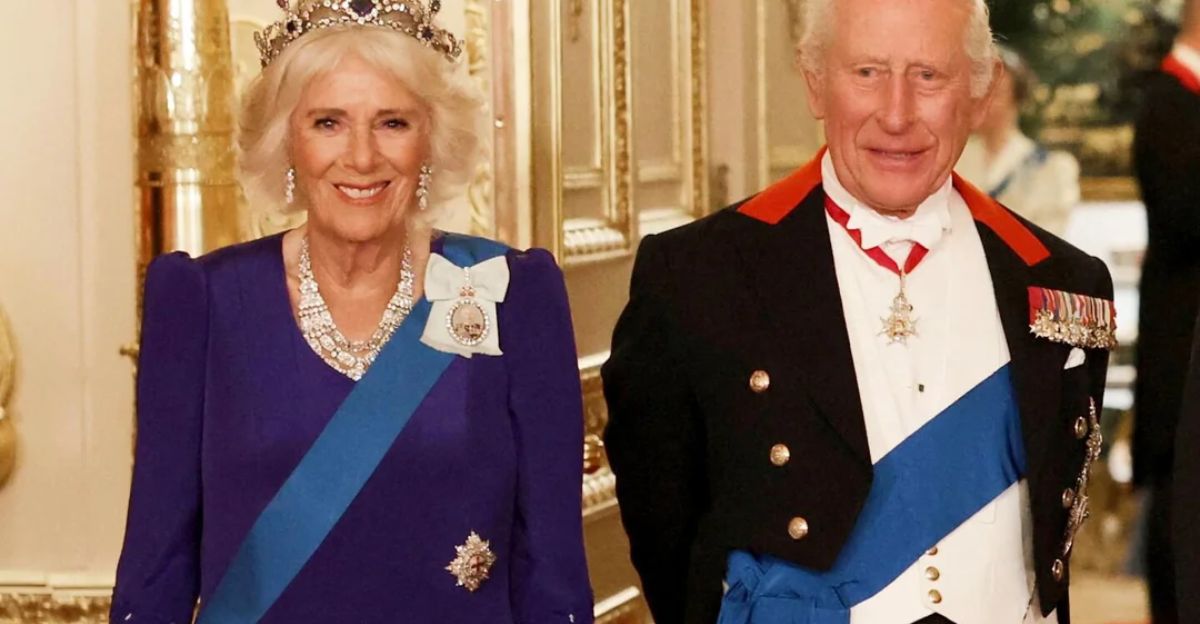
As King Charles prepares for a state visit to the Vatican, the royal family stands at a pivotal moment. The effectiveness of recent reforms, particularly those related to Andrew’s situation, remains an open question.
Observers will scrutinize how these measures shape the monarchy’s future direction. Will the institution emerge stronger and more united, or will the divisions worsen? This moment in the royal family’s timeline is crucial for determining not just its immediate fate but also its legacy as it grapples with the shadows of history while aiming for renewal.
Political Implications
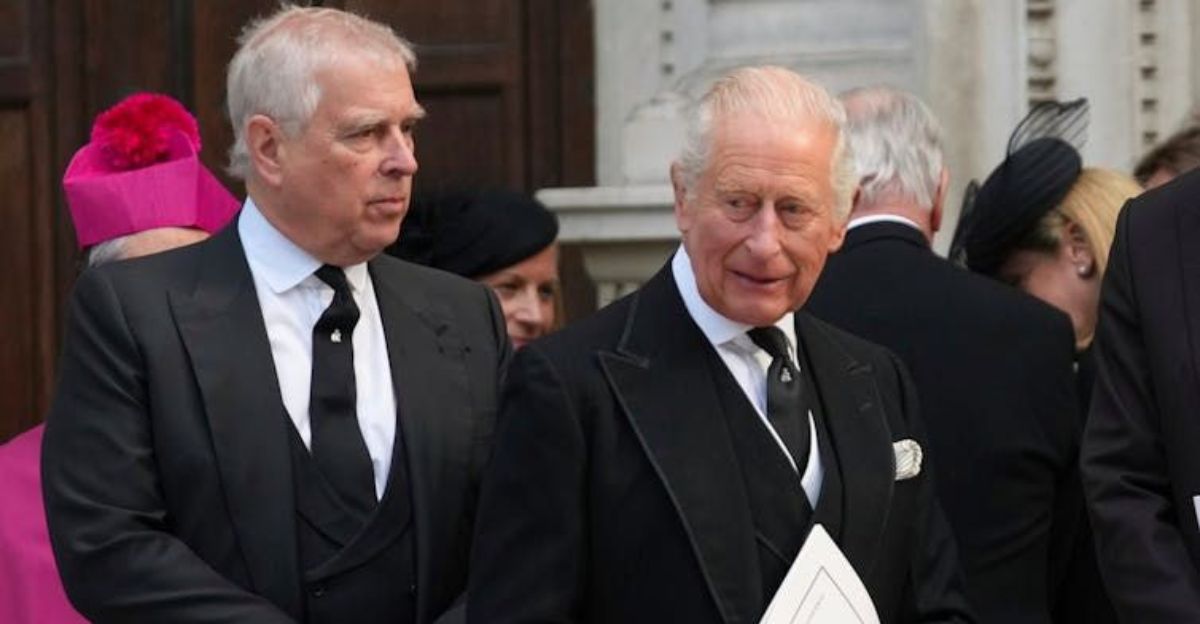
The decision to sideline Andrew comes at a delicate time for the monarchy, with political leaders and advisors closely observing its moves. The ramifications of this decision echo into political realms, potentially shaping debates about the relevance and future role of the royal family in contemporary Britain.
Coupled with a society that’s increasingly demanding accountability from its leaders, the monarchy must navigate its legacy while being mindful of external pressures. This situation exemplifies how the monarchy’s image is intertwined with political discourse, revealing the complexities of maintaining authority in uncertain times.
International Repercussions
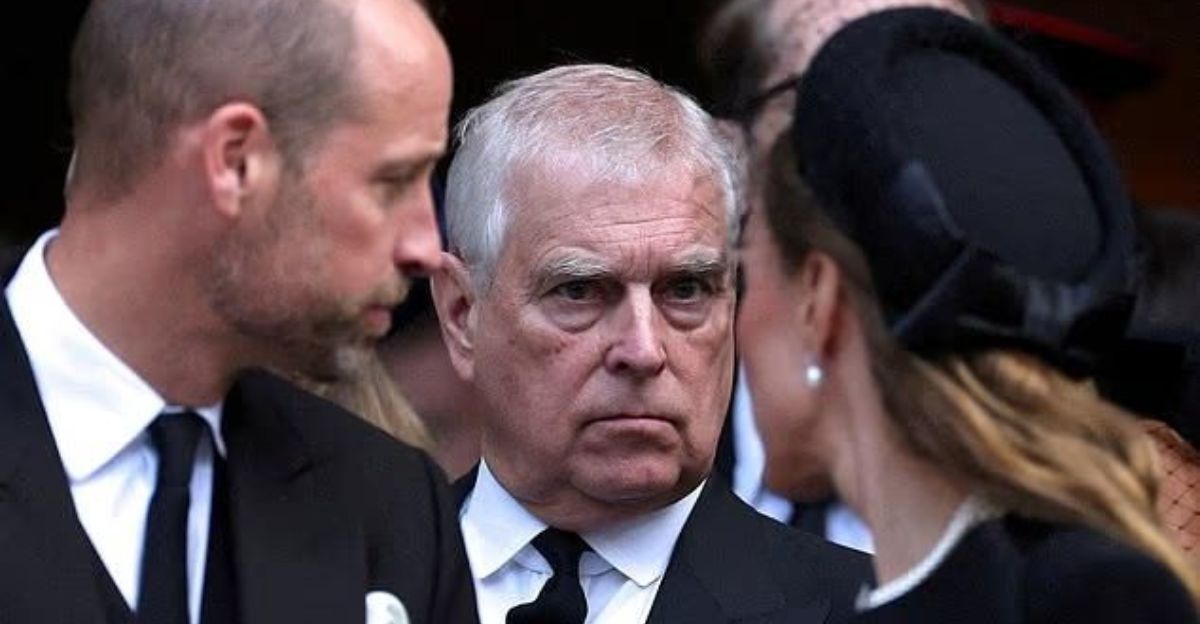
The ramifications of the monarchy’s handling of Prince Andrew’s situation could have far-reaching international implications. As elements of the Epstein saga gain traction globally, the royal family’s reputation on the world stage becomes increasingly fragile.
Various international observers are keenly watching the monarchy’s responses, questioning how its actions align with modern values of justice, accountability, and moral responsibility. This scrutiny may influence how other monarchies and public institutions address similar crises, redefining expectations and standards among global elites grappling with their own integrity issues.
Media Perspective

The media landscape has become a double-edged sword for the royal family. While outlets have historically cultivated a fascination with royal narratives, the scrutiny of Andrew’s connections to Epstein highlights a strain in this relationship. Increasingly, investigative journalism, such as tracing the timeline of Andrew’s contacts with Epstein, calls for greater accountability.
Meanwhile, public interest fuels a narrative that may continue to expose the monarchy’s internal struggles. This complex media dynamic pressures royal figures to engage transparently, reinforcing the notion that public opinion is significantly shaped by media portrayals of their actions and judgments.
Societal Expectations

As the monarchy grapples with its legacy amid rising scandals, public expectations continue to evolve. There is a growing demand for institutions, including the royal family, to exemplify core values of integrity, ethics, and responsiveness. The public increasingly views the monarchy as a reflection of societal standards, further complicating its image.
Royal figures are now navigating a landscape marked by skepticism, particularly concerning past associations and decisions. It presents an opportunity for the royal family to recalibrate its relationship with the public, making strides toward modernization and embracing the values that resonate within a contemporary context.
Concluding Thoughts
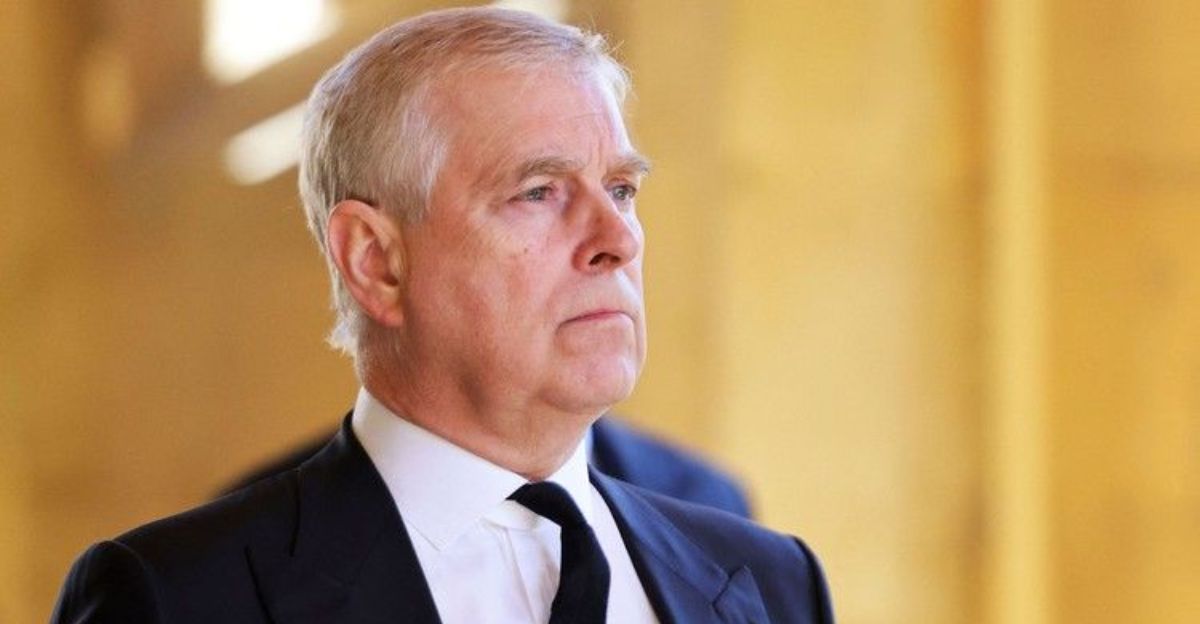
In conclusion, the focus on Prince Andrew and the repercussions surrounding the Epstein saga has underlined enduring complexities within the British royal family. As it faces intense scrutiny, the institution’s future hinges on its response to internal challenges and public calls for accountability.
Through strategic actions, familial solidarity, and engagement, the monarchy may navigate this tumultuous landscape successfully. As societal norms continue to shift, the monarchy’s evolution could serve as a compelling case study in resilience, accountability, and the delicate balance of tradition and modernity in addressing contemporary concerns.