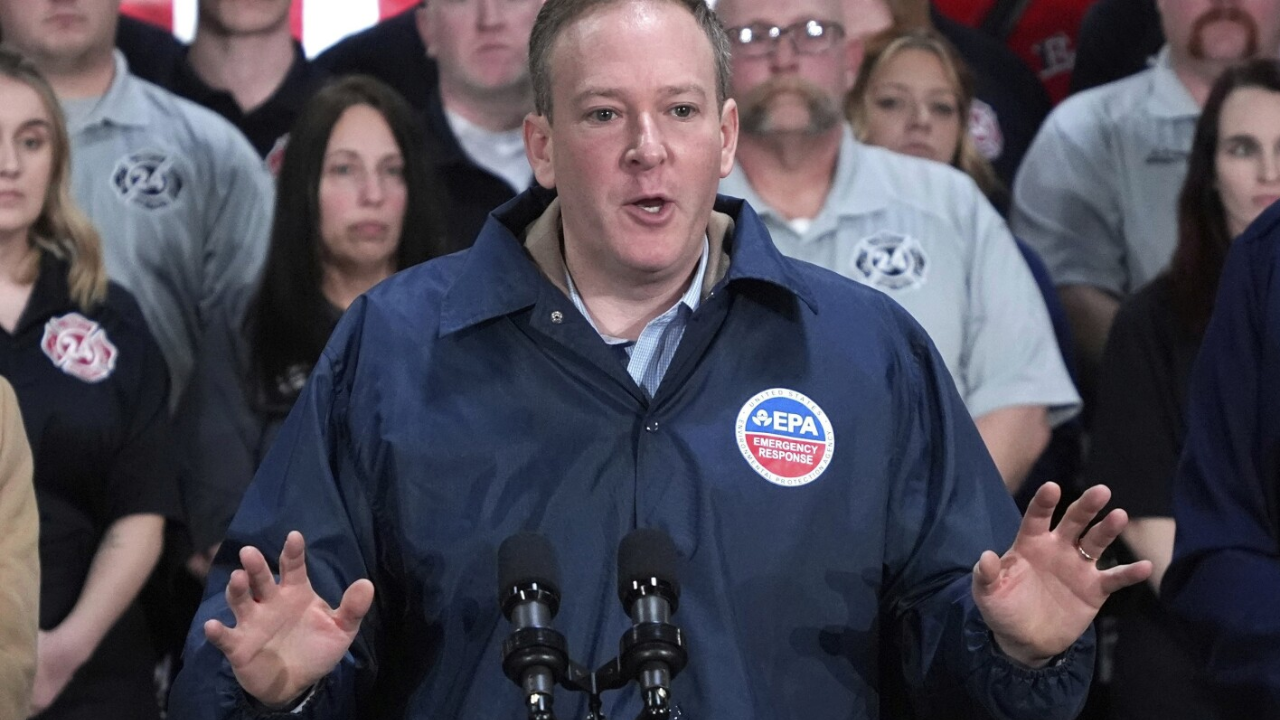
A coalition led by the Rhode Island AFL‑CIO sued the EPA on Oct. 6, 2025, to reverse Administrator Lee Zeldin’s decision to cancel the Solar for All program.
Filed in federal court in Providence, the complaint names unions, nonprofits (and even a Georgia homeowner) as plaintiffs, demanding the reinstatement of the $7 billion grant initiative for low-income solar.
Economic Stakes and Promises

Solar for All was designed to deliver massive savings. EPA projected it would help about 900,000 low-income households save roughly $350 million per year on electricity (about $400 per household).
Grants were awarded across 60 recipients; Rhode Island’s Office of Energy Resources received $49.3 million (targeting ~8,500 homes), and a Southeast consortium won $156 million for rural solar. In all, this funding was expected to cut bills for disadvantaged families and create jobs.
Origins in the IRA

Solar for All was a centerpiece of Biden’s 2022 Inflation Reduction Act. Congress created a new Greenhouse Gas Reduction Fund ($27 billion) and carved out $7 billion for low-income solar grants.
EPA Administrator Michael Regan summed it up: “Today we’re delivering on President Biden’s promise that no community is left behind by investing $7 billion in solar energy projects for over 900,000 households…”.
Rising Political Pressure
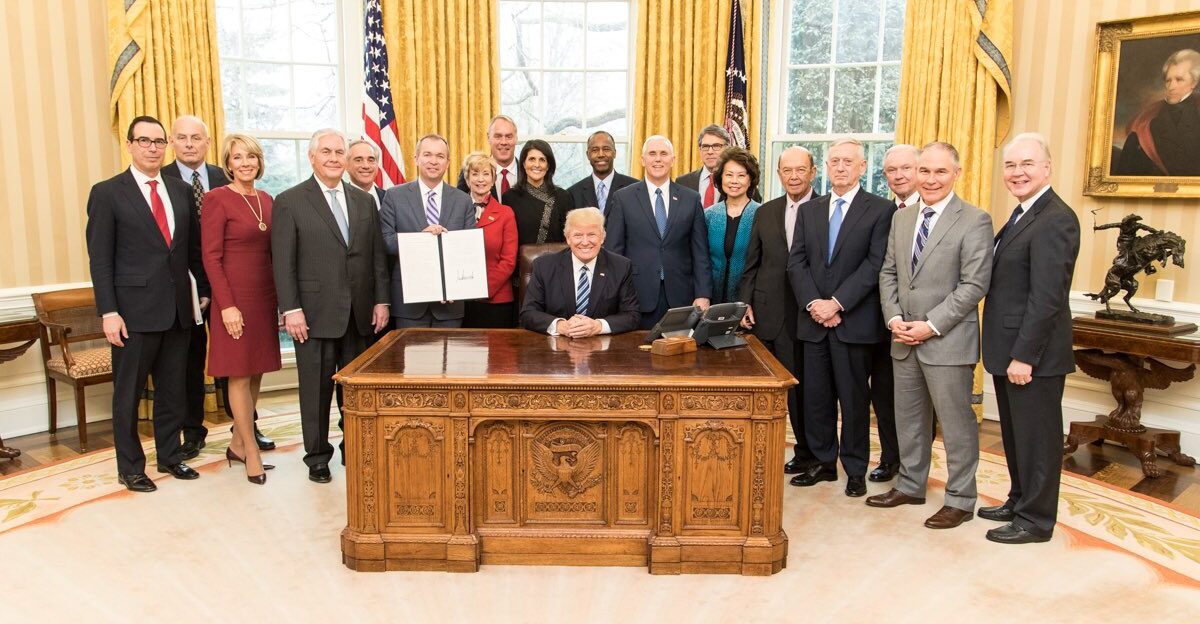
Even before its launch, Solar for All faced headwinds. In January 2025, the Trump administration issued an order freezing most EPA climate funding. The Solar for All grants were briefly held up; a court forced EPA to release funds in March 2025.
Still, activists sounded the alarm. Vote Solar’s executive director, Sach Constantine, warned, “the EPA’s move to cancel Solar for All grants… and claw back contractually obligated funding is deeply alarming”.
Abrupt Termination
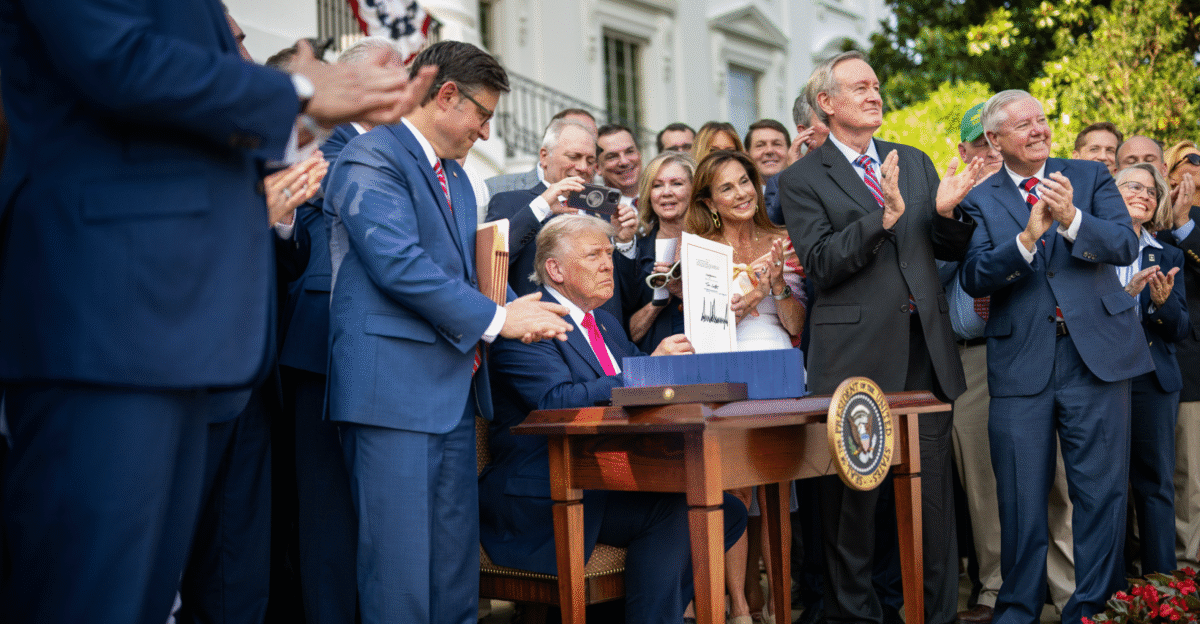
Then came the watershed moment. On August 7, 2025, EPA Administrator Lee Zeldin announced via social media that Solar for All was dead.
Citing the newly passed “One Big Beautiful Bill Act,” he declared the program a “boondoggle,” claiming EPA now lacked authority or funds to continue. He announced: Solar For All is over. Formal letters arrived that day to all 60 grant winners, abruptly halting projects nationwide.
Rhode Island’s Plans in Limbo

The cut affected states deeply. Rhode Island had planned to use its $49.3 million grant for seven solar initiatives targeting roughly 8,500 low-income homes (public housing, nonprofits, rural residents, etc.).
The funds would have paid rooftop incentives, community solar subscriptions, and affordable housing upgrades. State officials warn that without federal support, Rhode Island will struggle to meet its clean energy law (Act on Climate) and maintain projected utility cost reductions.
Personal Consequences
Ordinary families were blindsided. Court filings mention a Georgia homeowner who had applied for a no-cost solar installation under Solar for All. She “cannot afford solar’s upfront cost alone,” so Zeldin’s cancellation effectively blocked her only pathway to lower bills (a common story for many low-income applicants).
Thousands of others across the country planned home improvements around this promised aid. The abrupt loss of funding shattered those plans, leaving many stranded.
Industry in Disarray

Solar installers and nonprofits nationwide report chaos. Companies had hired crews and ordered panels in anticipation of funded projects. One Georgia firm notes it cannot fulfill contracts, harming its business relationships.
Vote Solar’s Constantine summed up the frustration: if the EPA proceeds with these cuts, “we will see them in court.” Indeed, groups like Groundswell (a Southeast nonprofit) had broken ground on 24 MW of solar under a $156 million grant.
Part of a Larger Rollback
The Solar for All cancellation fits a broader trend. Earlier in 2025, the administration repealed a $20 billion climate “green bank” that was part of the same law. Clean energy employment, which had hit record highs, now faces uncertainty.
As ABC News puts it, this move is “amid [the administration’s] assault on clean energy policy”. In Washington’s new energy agenda, wind and solar programs are defunded, and oil-and-gas projects are prioritized.
Legal Gamble

The crux of the lawsuit is technical but pivotal. Plaintiffs say the One Big Beautiful Bill only allowed rescinding unobligated balances, not funds already legally awarded. In other words, money already committed by contract should have remained intact. (Rep. Morgan Griffith had assured on the House floor that awarded Solar for All grants would continue.)
If the court agrees, EPA’s action may have exceeded its authority. The case hinges on whether Zeldin’s team misread Congress: Is Obama’s Solar for All now another of Congress’s “obligated” promises?
Labor Unions Rally

Union leaders are furious at the fallout. Rhode Island AFL‑CIO President Patrick Crowley said Solar for All was “critical to meeting the mandates of the Act on Climate” and that it “could lead to hundreds of good-paying union jobs.”
Local unions had spent years training solar electricians and were prepared to employ them. Crowley warned that cancelling the program would kill jobs and force families to pay higher bills.
Administrator’s U-Turn
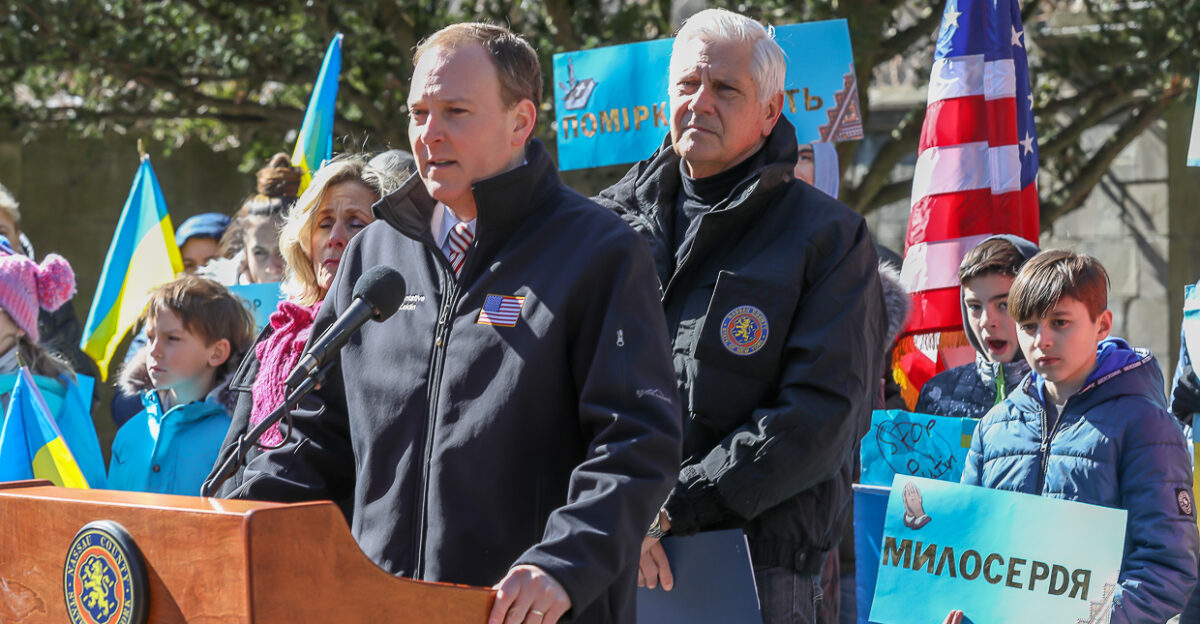
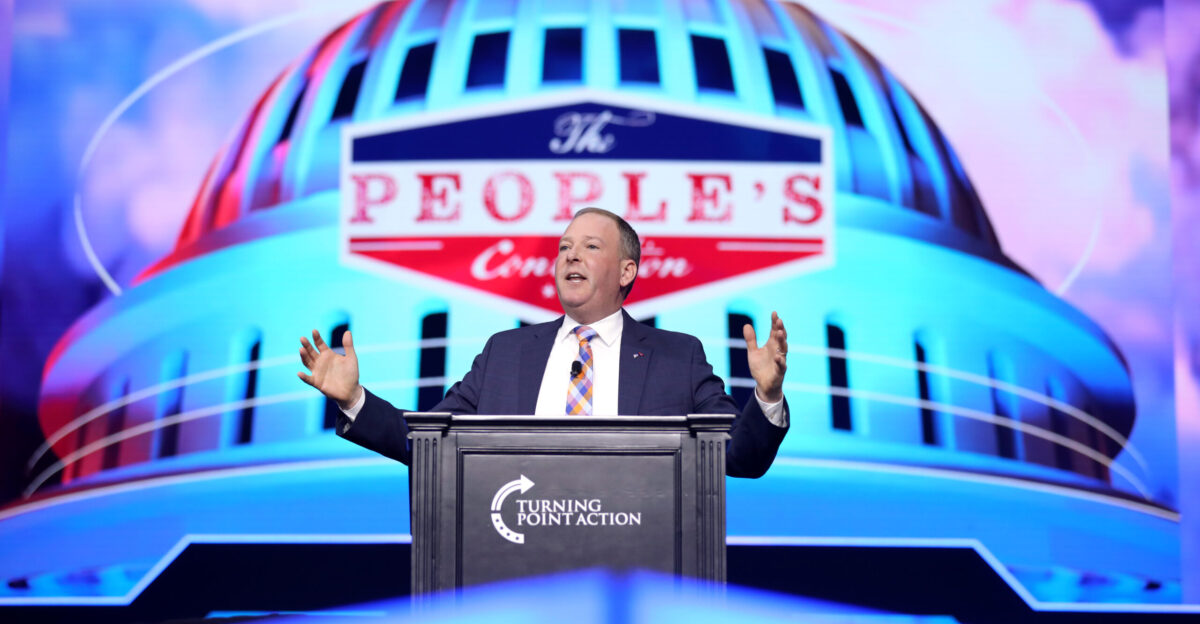
Lee Zeldin’s takeover of the EPA has meant a 180° policy shift. A former Republican congressman from New York, Zeldin, consistently derided clean energy subsidies as wasteful. On X (Twitter), he crowed that “we are ending Solar for All for good, saving U.S. taxpayers ANOTHER $7 BILLION!”.
His press statement labeled the entire program a “boondoggle”. (That language is a far cry from the previous EPA’s focus.)
Finding New Funding

Meanwhile, states and tribes scramble to cover the gap. Some have turned to alternative resources. The nonprofit Alliance for Tribal Clean Energy is offering emergency grants up to $500,000 and loans up to $1 million to tribes whose solar projects lost federal backing.
Philanthropy has also stepped in: for example, after a California tribe lost a $3.55 million federal award for a solar microgrid, a foundation donated $1 million to keep the project alive.
Expert Skepticism

Lawyers question whether EPA followed the rules. Groundswell CEO Michelle Moore bluntly noted, “A tweet is not a termination”, arguing that the agency announced an end via social media rather than formal rulemaking.
Environmental law experts note that most Solar for All awards were backed by signed contracts; in similar cases, courts have treated these as “essentially contractual” disputes. If grants are legally contracts, unilaterally cancelling them without notice could violate the Administrative Procedure Act and fiscal law.
What This Means Next

The lawsuit’s outcome will set a precedent. A ruling for the plaintiffs would constrain future administrations from unilaterally cutting already-awarded funds. The case will test Congress’s power of the purse. Some analysts warn that if the EPA wins, it could open the door for broad rescissions of any obligation deemed inconvenient.
In either scenario, federal grantmaking hangs in the balance: billions in climate and infrastructure programs could be affected.
Climate and Justice Impact
Beyond budgets, the cancellation is a major setback for climate goals. Solar for All would have directly aided almost 1 million low-income households, cutting collective emissions by roughly 30 million metric tons (the equivalent of taking 7 million cars off the road).
Those environmental justice benefits vanish with the program. Critics point out that without these solar installations, disadvantaged communities lose access to cleaner, cheaper energy just as national targets demand massive clean-power deployment.
International Standing

The abrupt reversal also resonates abroad. Other nations had seen Solar for All as evidence of U.S. leadership on a just energy transition. EPA’s own announcements bragged that the program would bring solar to “thousands of communities across New England and the country”.
Now foreign partners may question whether the U.S. can be counted on to follow through on climate finance and justice commitments. In diplomacy, mixed signals like this can undermine American credibility at climate summits, making it tougher to rally global support for ambitious clean-energy initiatives.
Separation of Powers Test
At root, the case raises constitutional questions. Can the President or an agency unilaterally void funds Congress has obligated? Plaintiffs argue Zeldin’s move violates Congress’s spending power and the APA.
The complaint explicitly cites constitutional violations, suggesting that terminating awarded grants crosses the executive’s proper role.
Community Fallout

Across the country, local plans are crumbling. In Rhode Island alone, hundreds of union installers and electricians were poised to build these solar projects. Now workforce training programs stand idle, and small solar firms lose customers. Rural areas and small towns lose expected jobs and local tax revenue.
Tribal energy initiatives and urban community solar co-ops that secured grants now face insolvency or delays.
What’s at Stake
This lawsuit is more than a funding fight – it’s a gauge of America’s commitment to clean energy equity. Its final verdict will determine whether vital programs can survive partisan swings. As one advocacy group noted, without Solar for All the nation’s plan to expand affordable renewables “won’t stand”.
In the end, the court’s decision will send a signal: can low-income communities rely on federal promises for clean power, or must every successive administration re-approve them?