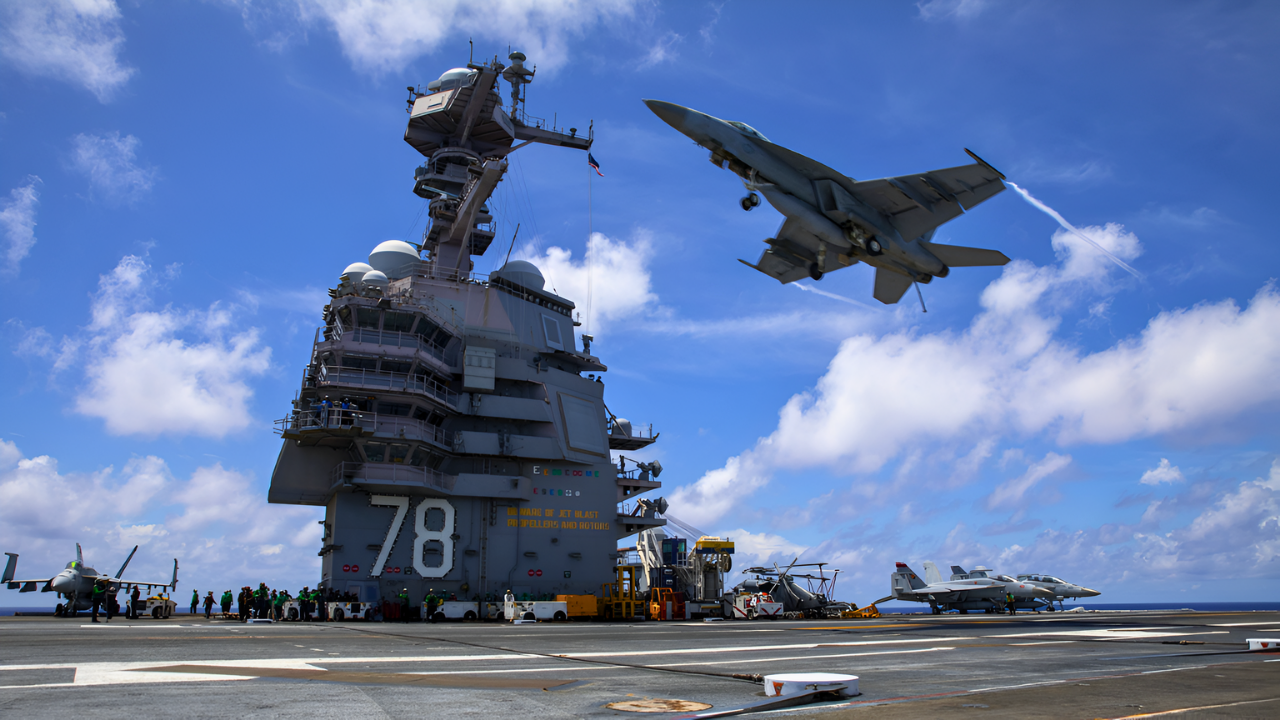
The USS Gerald R. Ford, a $13 billion supercarrier carrying over 4,000 sailors and dozens of tactical aircraft, entered the Caribbean Sea on November 16, 2025, positioning itself just seven miles from Venezuela’s coastline. The deployment marks the largest U.S. military buildup in the region in decades, signaling a dramatic shift in American strategic posture toward Latin America and triggering immediate ripple effects across security, commerce, and civilian life throughout the Caribbean.
Operation Southern Spear and Counter-Narcotics Strategy
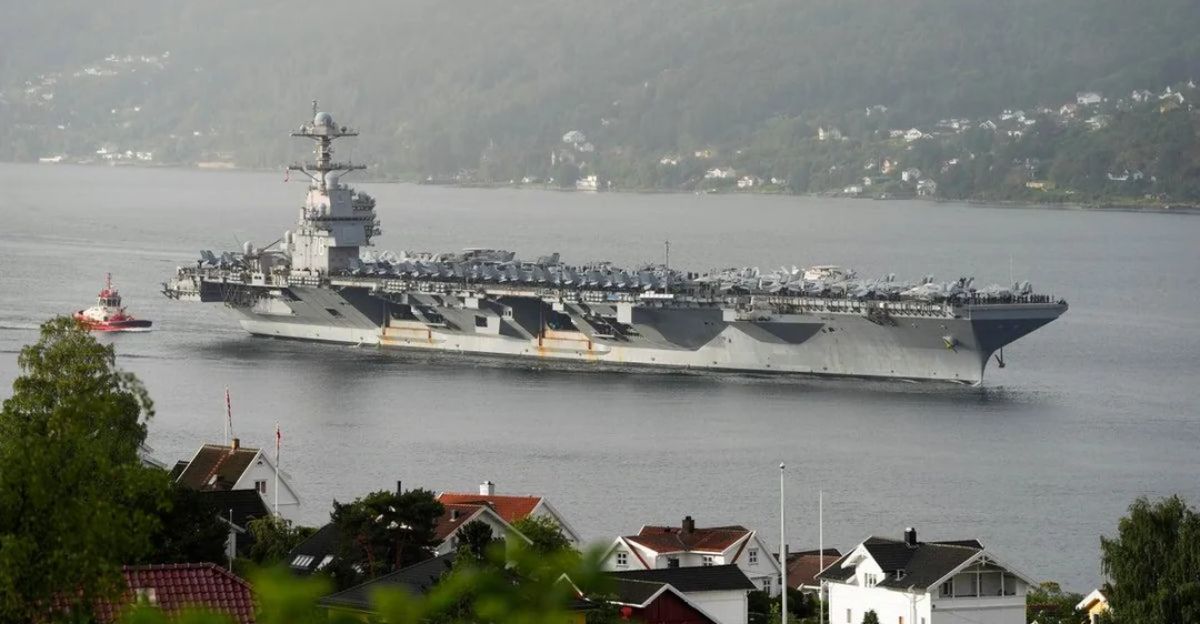
The carrier’s arrival is part of Operation Southern Spear, a comprehensive military operation targeting alleged narco-terrorist threats. Nearly a dozen Navy ships and approximately 12,000 sailors and Marines are involved in the operation, which U.S. officials justify through ongoing strikes on drug trafficking vessels and the upcoming designation of Cartel de los Soles as a foreign terrorist organization. This represents a significant escalation from traditional counter-narcotics approaches toward aggressive, high-intensity military engagement in the region.
Regional Security and Immediate Consequences
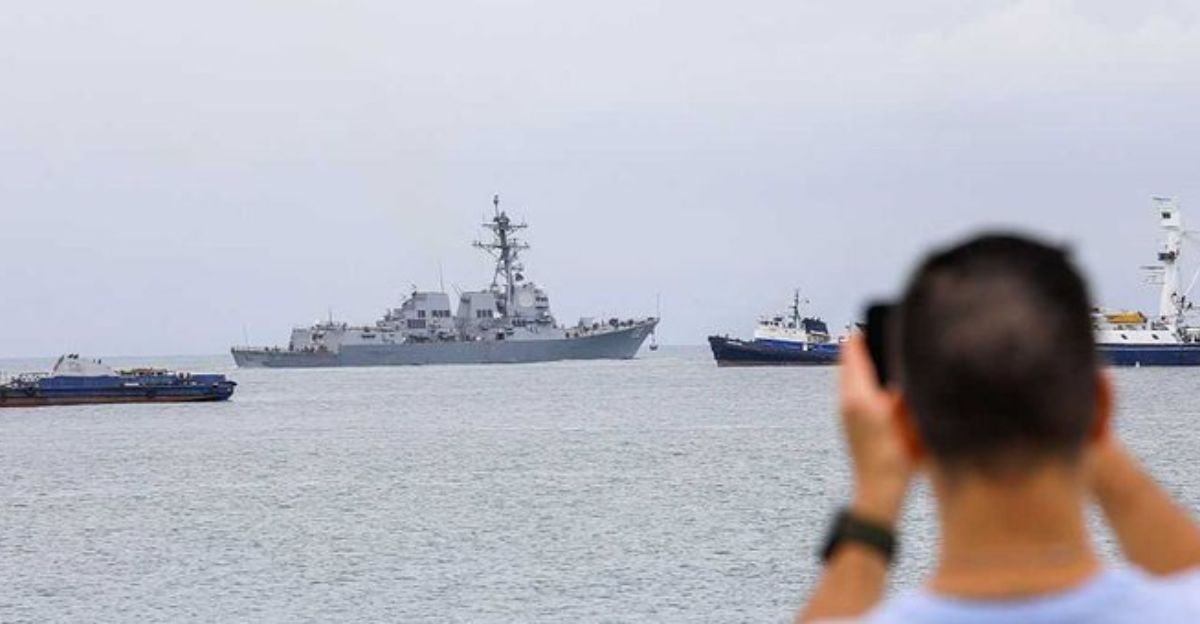
Trinidad and Tobago, positioned only seven miles from Venezuela at its closest point, has ramped up security measures around Port of Spain and initiated joint military exercises with U.S. Marines. The immediate presence of a supercarrier and multiple naval vessels has reshaped security perceptions in neighboring countries, with residents reporting heightened anxiety as warships patrol nearby waters. Meanwhile, Venezuela has mobilized an estimated 200,000 troops, creating a tense standoff that extends the human cost of military positioning to both military personnel and civilian populations on both sides.
Maritime Commerce and Insurance Uncertainty
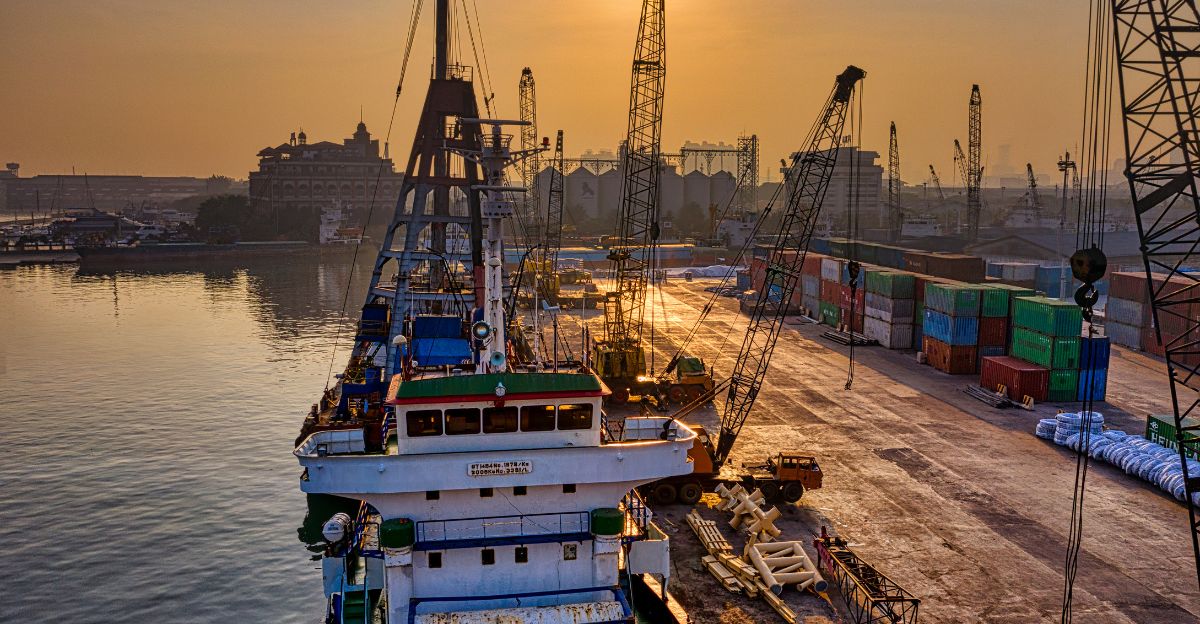
The deployment introduces new uncertainties into regional maritime operations. Shipping companies are reassessing insurance and risk strategies as the carrier and multiple naval vessels patrol critical trade routes. While no immediate economic crisis has materialized, observers note that the military presence creates caution in shipping, logistics, and insurance planning. Port operations and vessel protocols are shifting in response to the heightened military activity, affecting industries from fishing to general cargo transport that depend on stable maritime conditions.
Energy Markets and Global Commodity Concerns
Venezuela’s position as home to the world’s largest proven oil reserves now places its energy infrastructure within striking range of carrier-based aircraft. Energy markets are monitoring potential volatility, considering the intersection of military operations, existing sanctions, and geopolitical risk. The deployment underscores the interconnection between military positioning and global commodity stability, raising questions about potential supply disruptions that could affect energy prices far beyond the Caribbean region.
Broader Latin American Economic Implications
Neighboring nations including Colombia and Brazil have expressed concern over escalating U.S.-Venezuelan tensions. Regional trade agreements and investment plans face potential instability as governments weigh the risks of confrontation. Economists warn that prolonged deployments or increased militarization could disrupt commerce and long-term economic partnerships across Latin America. Financial markets across the region are reacting cautiously, with Venezuela’s already unstable currency facing additional pressure and sectors tied to trade, tourism, and energy closely monitored by investors recalibrating their expectations.
Civilian and Business Sector Adaptation

Retailers across the Caribbean and northern South America are assessing potential supply chain disruptions, with ports and regional logistics prompting contingency strategies. The travel and hospitality industry is monitoring visitor trends, as uncertainty over safety could affect bookings and operational planning. Agricultural and fishing industries are responding to new maritime protocols, while consumers in distant markets may eventually experience price fluctuations or product scarcity if tensions escalate further. The deployment demonstrates how military operations extend far beyond defense considerations, reaching deeply into service economies and local industries reliant on stable maritime activity.
Political Rhetoric and Sovereignty Debates
President Donald Trump has framed the deployment as an anti-drug and homeland security action, while Venezuelan President Nicolás Maduro portrays it as imperial aggression. This verbal escalation mirrors the physical buildup, with the situation reigniting discussions about intervention and sovereignty in Latin America. Critics warn of overreach, while proponents argue the operation is necessary to combat drug trafficking and narco-terrorism, underscoring the tension between national security priorities and respect for regional autonomy.
The USS Gerald R. Ford’s arrival has fundamentally reshaped the Caribbean and northern South America, with ramifications extending across security, economics, and society. Whether this deployment results in negotiation, conflict, or a new balance of power will determine its legacy and mark a pivotal moment in modern U.S.-Latin American relations.