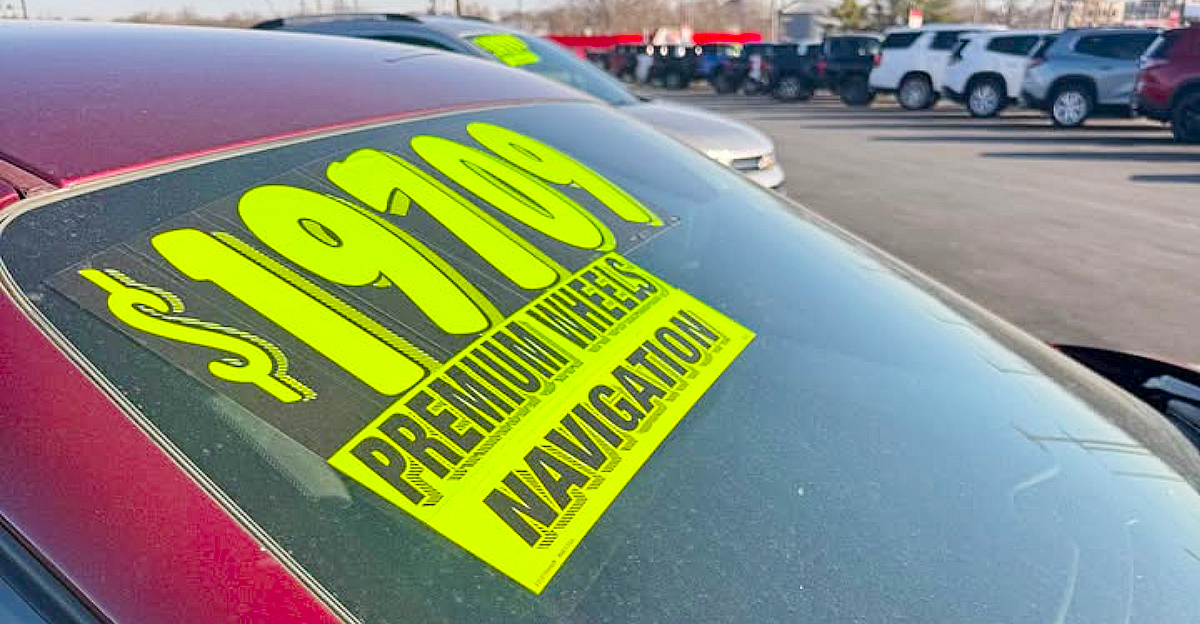
On September 10, Tricolor Holdings—once a familiar name in used cars and subprime loans—filed for Chapter 7 bankruptcy. Reuters reported that all 65 dealerships in six states shut their doors overnight, leaving customers and employees stunned.
The collapse was triggered by Fifth Third Bank’s allegations of large-scale fraud tied to a $200 million warehouse loan. Behind the swift shutdown is an unfolding federal probe that suggests deeper trouble. For years, Tricolor had sold itself as a lender for the underserved. Now, the empire is gone in a matter of hours.
Allegations of $200 Million Fraud
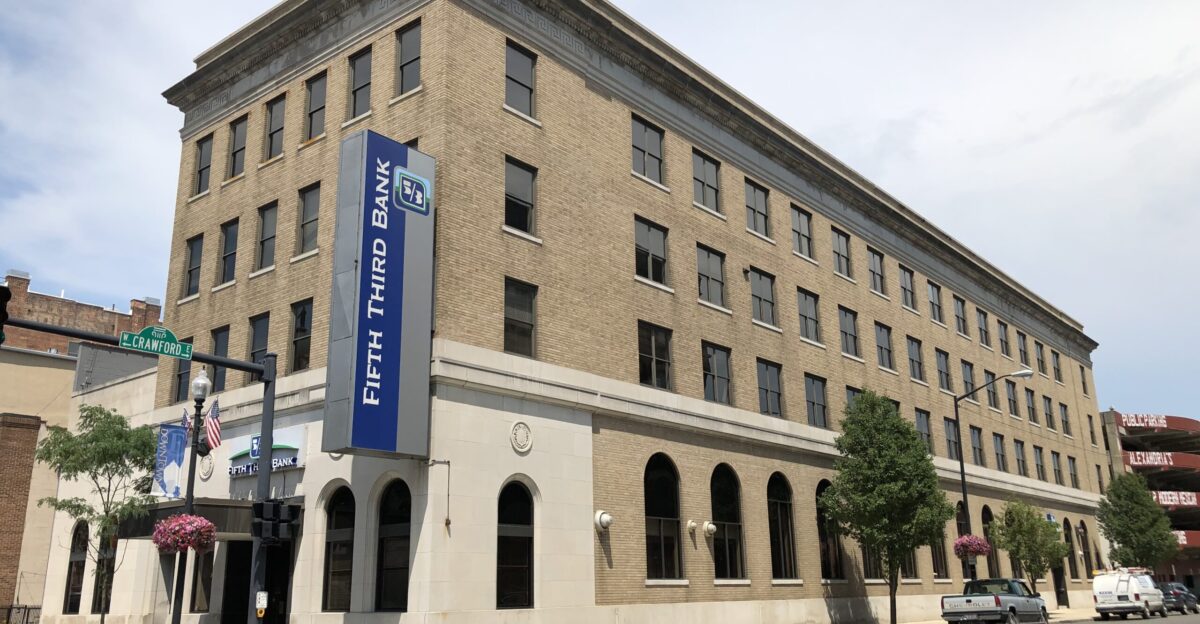
Fifth Third Bank disclosed that it uncovered “significant fraud in the collateral file” backing loans tied to Tricolor. At a September 10 earnings call, CEO Tim Spence confirmed the bank expects an impairment charge of $170–200 million. The revelation left little room for recovery, sending Tricolor into immediate liquidation.
What began as a trusted partnership unraveled quickly, forcing one of Texas’s largest auto lenders into bankruptcy. The discovery raised urgent questions about how a fraud of this scale could remain hidden, and who inside the company may have known.
Dealerships Close Without Warning
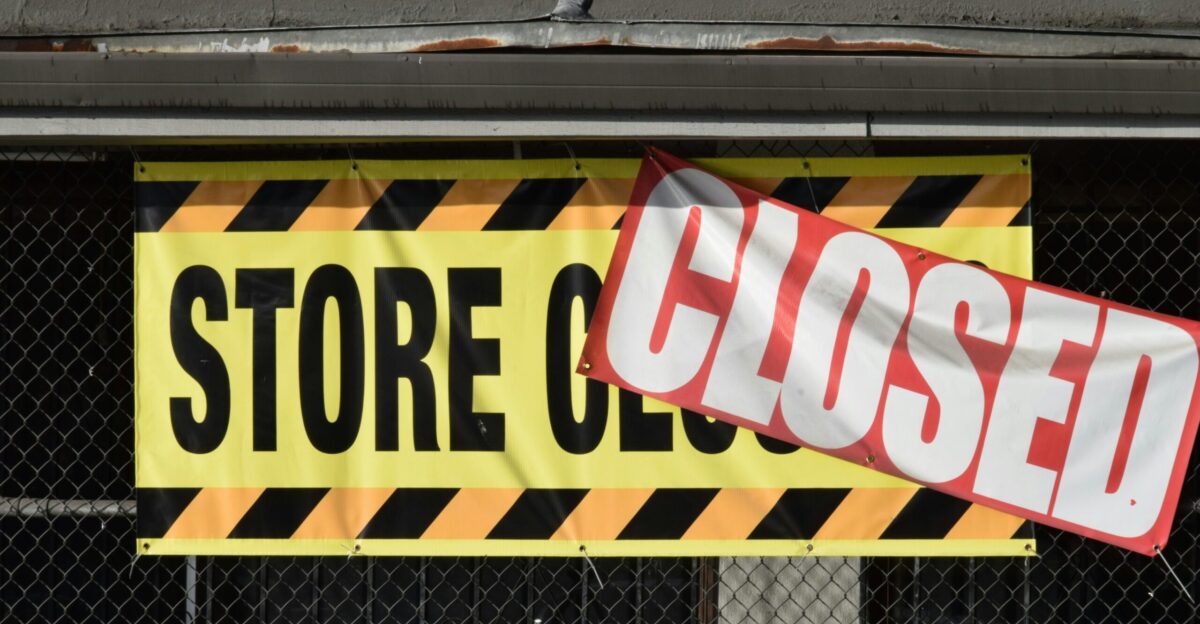
Across Texas and beyond, employees showed up for work only to find locked doors and disconnected phones. With little explanation, customers arriving for service or payment were met with shuttered dealerships. Local television stations broadcast images of empty lots and paper notices taped to windows.
The Texas Department of Motor Vehicles said it opened investigations and urged consumers to file complaints. For workers, the collapse means lost jobs and unpaid paychecks. For borrowers, it brings fear of repossession and vanished support, fueling frustration and confusion across communities.
Justice Department Steps In
Within days, the Department of Justice confirmed it had opened a federal probe into Tricolor. Investigators are looking at whether the company reused the same collateral to secure multiple loans, a practice that could amount to systemic fraud. The Financial Times reported that federal agents are already speaking with company insiders.
The investigation adds weight to allegations that the collapse wasn’t simply mismanagement, but a deliberate scheme. The outcome may reshape how lenders and regulators view warehouse-backed auto loans, a once obscure corner of finance now thrust into the spotlight.
Banks Confront Heavy Losses
Court filings reveal Tricolor listed between $1 billion and $10 billion in assets and liabilities, along with more than 25,000 creditors. Global banks like JPMorgan Chase and Barclays are among the largest exposures, each potentially out as much as $200 million. Fifth Third’s financial outlook confirms the damage.
These losses ripple outward, striking investors who bought Tricolor’s securitized loans. Analysts say this won’t trigger a financial crisis, but it highlights vulnerabilities in subprime lending that banks have long underestimated. For Wall Street, the hit is significant and sobering.
A Retail Powerhouse Across States

Headquartered in Dallas, Tricolor had grown into the third-largest used-car retailer in Texas and California by mid-2025. Its dealerships stretched from Arizona and Nevada to Florida and New Mexico. The model combined retail sales with in-house financing, capturing a market that traditional lenders often overlooked.
Tricolor was more than a dealership for many immigrant and Hispanic families—it was a gateway to car ownership. Its sudden disappearance now leaves thousands scrambling for vehicles and a financial bridge they believed was built for them.
Serving Borrowers Without Credit
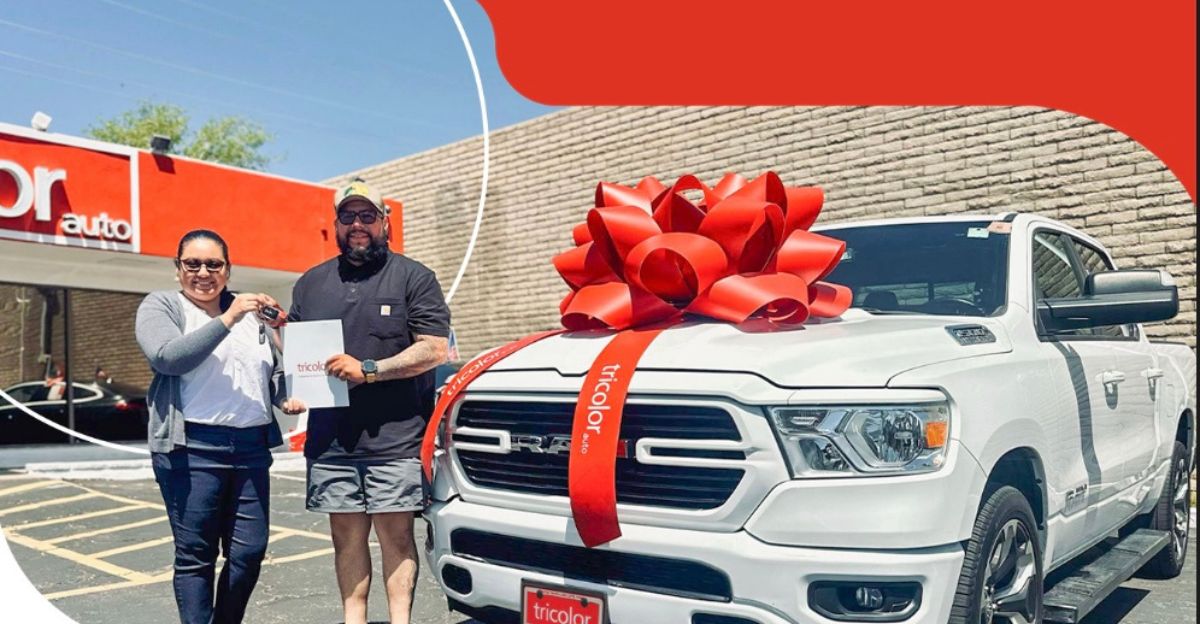
Tricolor built its brand around offering loans to those excluded by mainstream banks. Many of its customers lacked social security numbers or had limited credit histories. In a June statement, the company framed itself as “providing mobility and opportunity” for underserved groups. That pitch resonated in immigrant communities across Texas and California.
Cars purchased through Tricolor often represented a family’s first reliable way to get to work, school, or medical care. Therefore, the collapse isn’t just financial; it disrupts the everyday lives of people who counted on the company’s promise of inclusion.
Billions in Loans Over Two Decades
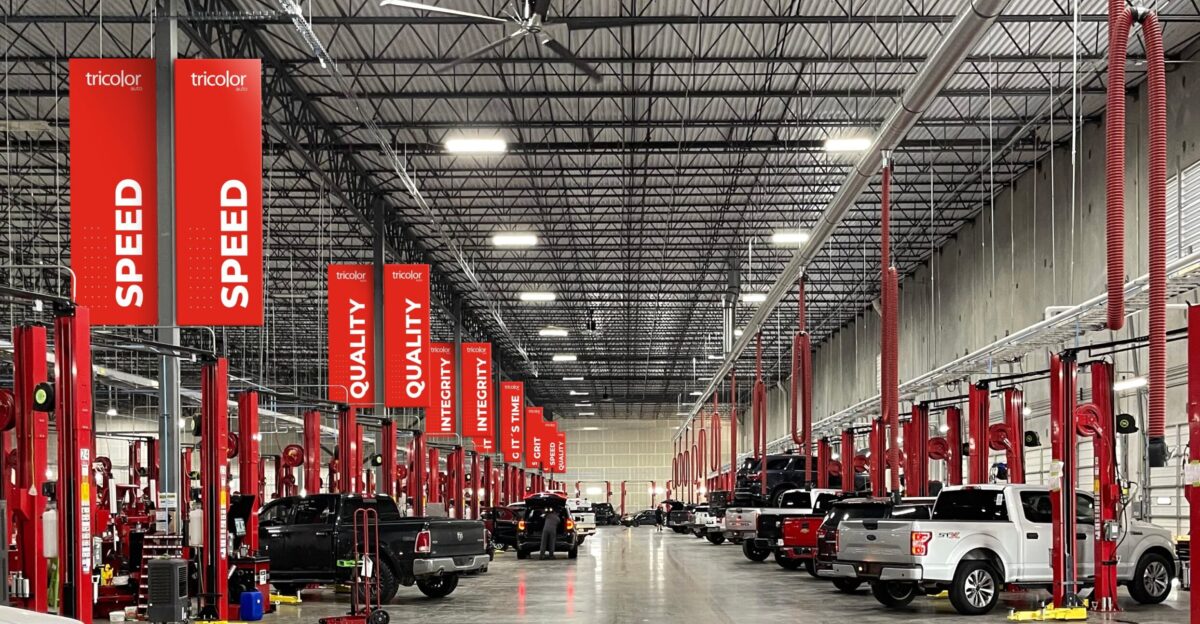
Since its founding, Tricolor said it has originated more than $5 billion in loans. Despite being little known outside its markets, it became a significant player in subprime lending. Securitization fueled its growth—bundling loans into asset-backed securities sold to investors.
The narrative was one of steady expansion and social purpose, offering a path to ownership for buyers turned away elsewhere. The bankruptcy filing now redefines that story, turning it into a cautionary tale about unchecked lending practices. For borrowers, the company’s history is no comfort against an uncertain future.
Shockwaves in Asset-Backed Securities
Tricolor had sold nearly $2 billion in asset-backed securities since 2022. Many remain outstanding, now tainted by fears of default. Analysts say the collapse jolts a market usually viewed as niche and stable. Investors who bought Tricolor’s bonds expected predictable cash flows from subprime car payments. Instead, they face the risk of steep losses.
Financial outlets warn the fallout could push investors to rethink the risks of similar deals. While broader markets remain steady, this failure marks one of the most visible breakdowns in auto ABS in recent years.
Borrowers Face Immediate Risk
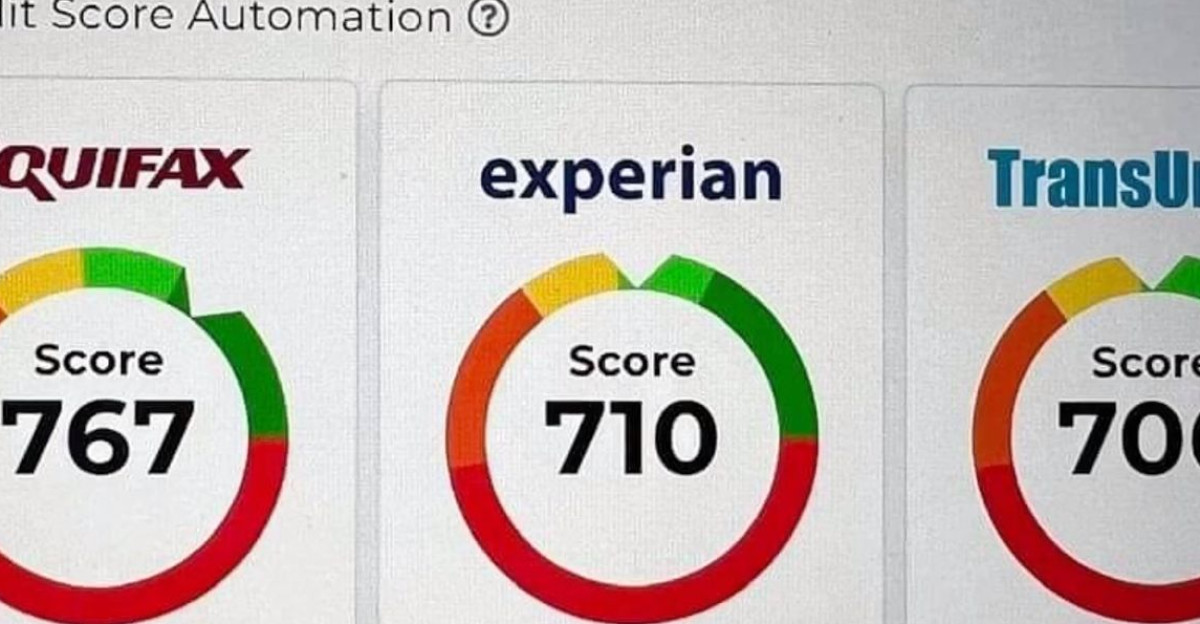
For the thousands who financed vehicles through Tricolor, the collapse is personal. Legal experts told CNN that repossessions are likely as accounts shift to debt collectors. Customers may also lose access to payment portals or service records, complicating their ability to prove good standing. Credit scores could be damaged if loans are mishandled in bankruptcy.
Community groups in Texas and California say they are fielding calls from distressed borrowers who are unsure where to turn. The practical fallout reaches far beyond Wall Street, landing hardest on families already on the financial margins.
Federal Scrutiny of Loan Practices

Investigators are now piecing together how Tricolor handled its warehouse lines. Sources told Reuters the company may have used a single pool of collateral to secure multiple loans—a red flag in asset-backed lending. If confirmed, it would suggest the fraud was not an accident but a system of layered misrepresentation.
Regulators are watching closely, knowing the case could set a precedent for oversight. For years, auto warehouse lending was a quiet corner of finance. The Tricolor scandal forces it into the open, raising the stakes for banks, borrowers, and regulators.
Fifth Third Explains the Losses
Fifth Third Bank has tried to reassure investors while bracing for the impact. CEO Tim Spence said during the September 10 call that “significant fraud” tainted both the collateral file and audited financial statements tied to Tricolor. The bank expects the impairment to cost up to $200 million, a major hit even for a mid-sized lender.
Spence stressed that the company is cooperating with law enforcement. Still, questions linger about how long the bank overlooked warning signs. For shareholders, the statement offered clarity but not comfort, and for borrowers, it offered no answers.
Global Banks Share the Exposure
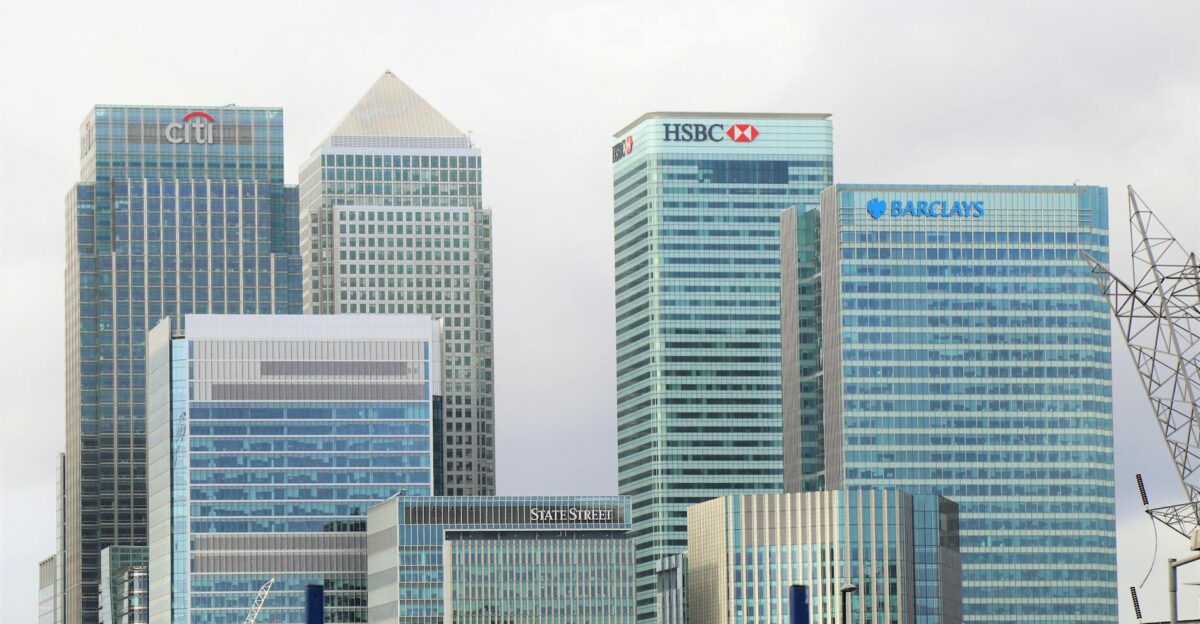
Beyond Fifth Third, other financial giants face trouble. Bloomberg reported JPMorgan Chase holds nearly $200 million in exposure, with Barclays and other investors also at risk. These losses highlight how deeply Wall Street had tied itself to Tricolor’s loan portfolios. Banks treated the company as a reliable originator, often securitizing its loans for sale.
Now those deals look shaky, forcing banks to account for unexpected losses. While the financial system can absorb the hit, the collapse illustrates how a regional lender can ripple outward, touching some of the world’s largest institutions.
Tens of Thousands of Creditors Affected

Tricolor’s bankruptcy filing listed over 25,000 creditors, ranging from global banks to small vendors. Each faces an uncertain road through liquidation, with repayment unlikely to cover full losses. For some, the company was a client. For others, a partner. For thousands of borrowers, it was a lender.
The number of parties caught up in the collapse shows how far Tricolor’s reach extended. The breadth of connections is staggering in court documents. What was once a tightly woven business network has unraveled, leaving creditors with little more than claims on paper.
Analysts Warn of Broader Fallout

Industry experts are quick to note this isn’t a repeat of 2008. However, they caution that the collapse will ripple through subprime auto lending. Analysts told Bloomberg that the scandal could prompt investors to reevaluate warehouse lending risk, especially where documentation and collateral oversight are thin. Regulators may tighten rules, while banks grow more cautious.
For lenders serving marginalized borrowers, access to funding could shrink. The impact may be most visible in communities that relied on these loans. The lesson, analysts say, is that even small corners of finance can carry outsized risk.
State Regulators Step In
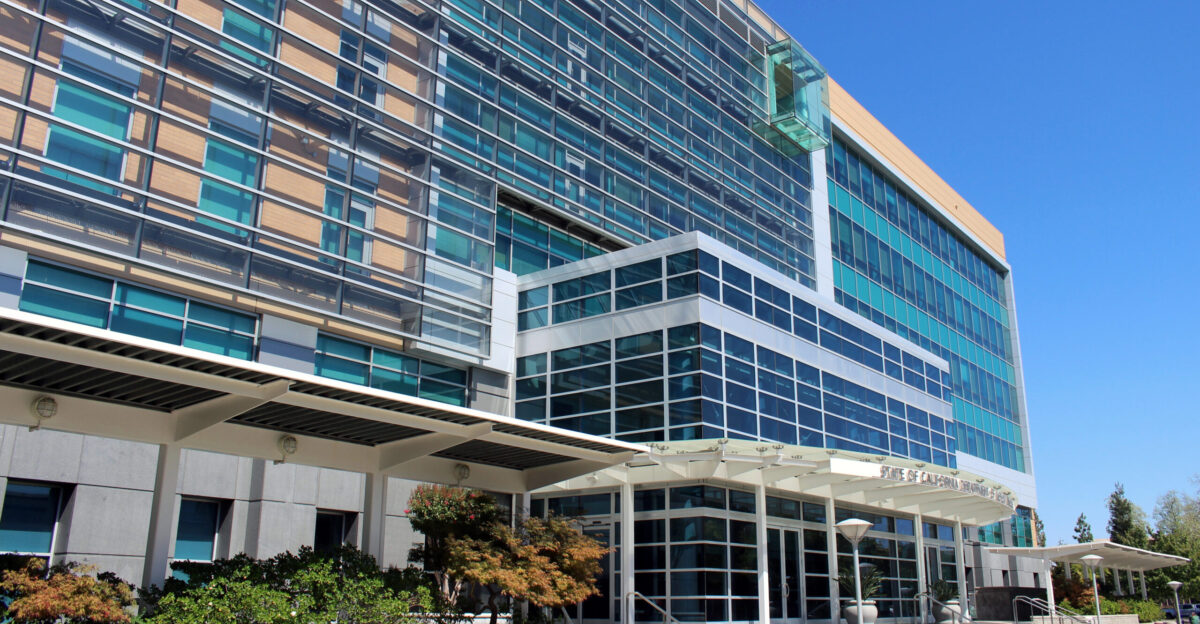
The Texas Department of Motor Vehicles has already confirmed active investigations tied to the sudden closures. Officials urged consumers to file formal complaints if they were left without vehicles, titles, or refunds. The disruption is deeply felt in a state where Tricolor was a household name in certain neighborhoods.
Regulators stress they will work to protect buyers, though remedies may take months or years. The DMV’s involvement shows that the collapse is not just a banking matter—it’s a consumer crisis unfolding in neighborhoods from Dallas to Los Angeles.
Executives Keep Silent
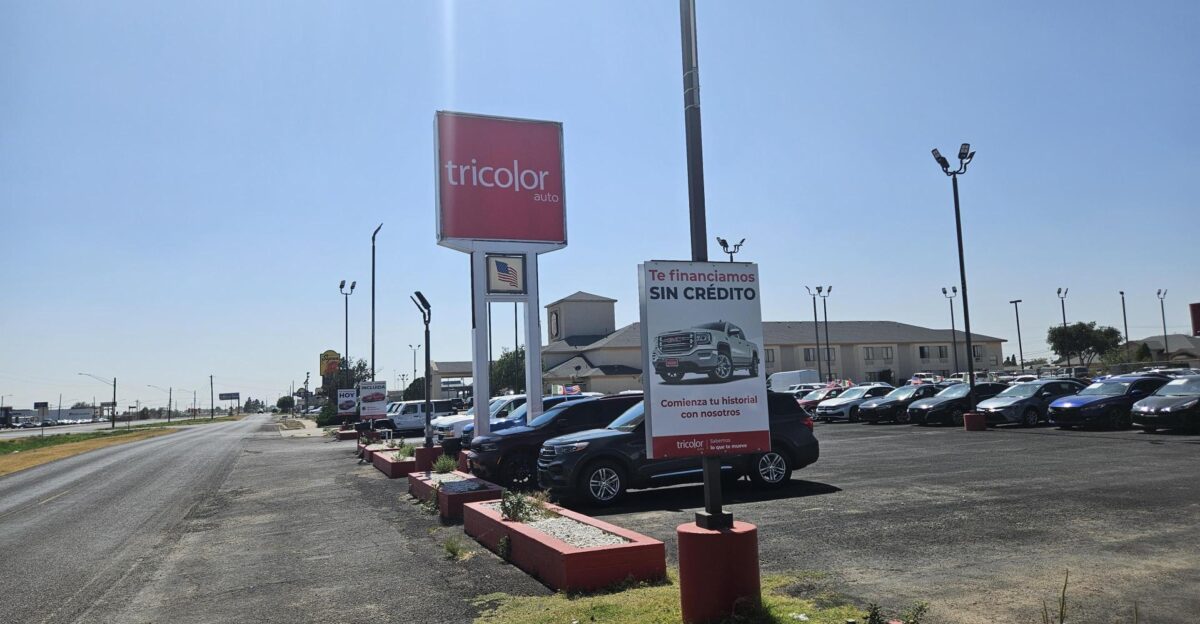
Attempts to reach Tricolor executives have been met with silence. The CEO and leadership team declined to comment to major outlets, leaving unanswered questions about their role in the alleged fraud. Reuters reported that bankruptcy attorneys engaged initially by the company have already withdrawn representation.
The lack of communication adds to frustration among employees, creditors, and borrowers alike. The silence is deafening for a business that once marketed itself as transparent and community-focused. It suggests a company in freefall, with leaders either unable—or unwilling—to explain what went wrong.
Restructuring Attempts Fell Apart
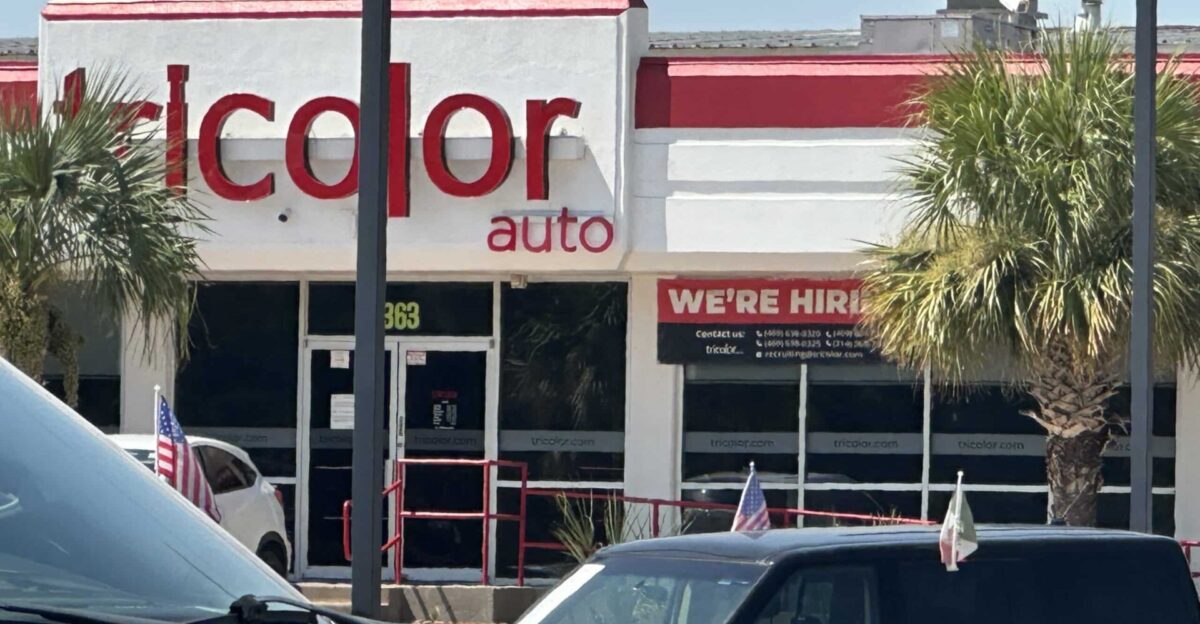
Bloomberg reported Tricolor had explored a Chapter 11 restructuring as late as August. That would have allowed it to reorganize and keep operating. Instead, revelations of fraud forced the abrupt move to Chapter 7 liquidation. Signs of distress had existed, but most went unnoticed by customers or employees until the end.
For many, the speed of the collapse remains shocking. One month, the company was seeking lifelines. The next, it was gone. The failure of restructuring efforts highlights how fragile the business was once the fraud surfaced.
Federal Probe May Reset Rules
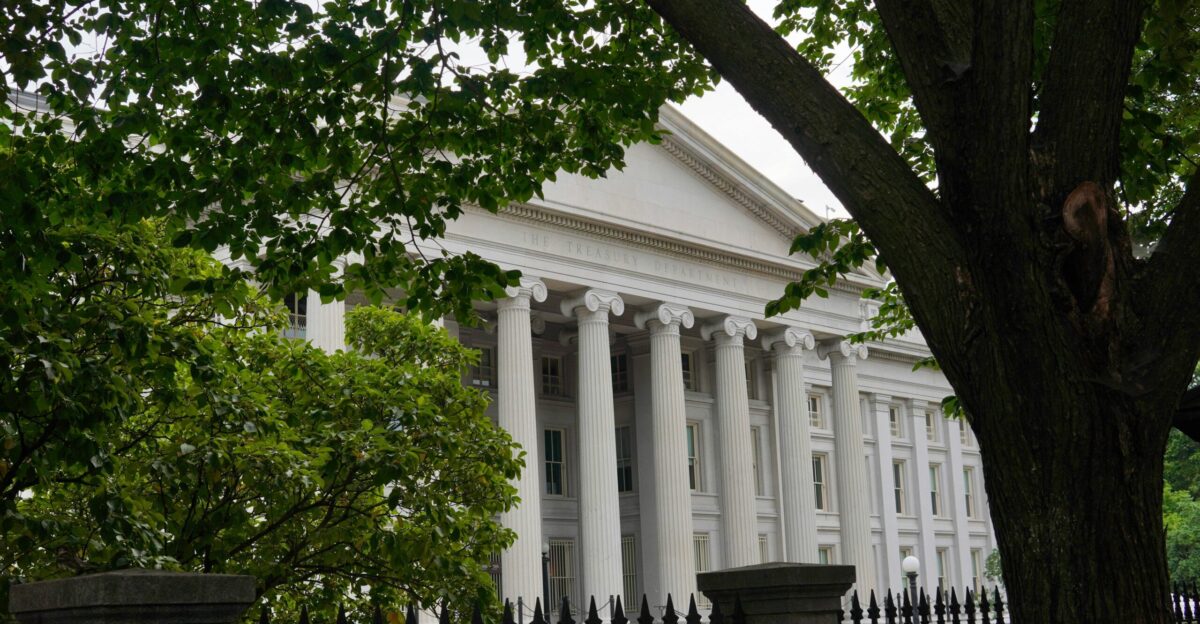
The Justice Department’s probe could change how auto warehouse loans are regulated. Experts say the case may spur stricter oversight of collateral verification, documentation standards, and due diligence practices. For lenders, this could mean more compliance costs. For borrowers, it could reshape how access to subprime loans is granted.
While the DOJ investigation is still in its early stages, its impact may be long-lasting. Tricolor’s collapse may become a case study in how regulators and banks failed to prevent obvious risks until it was too late.
The Future of Subprime Auto Lending
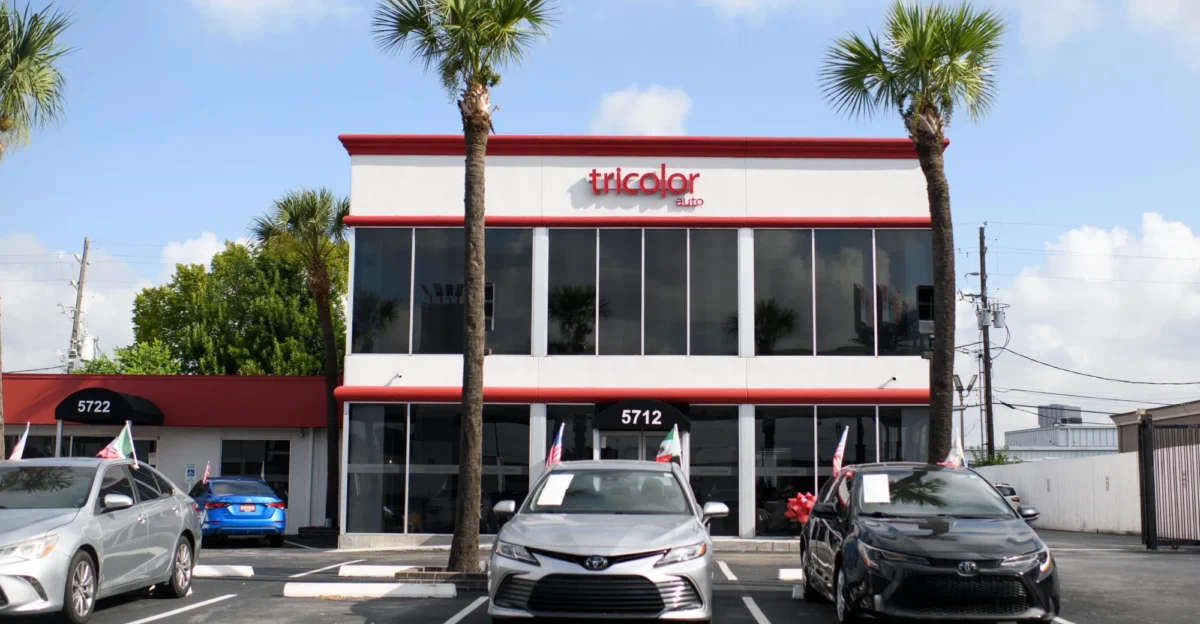
As Tricolor’s liquidation begins, the future of subprime auto lending hangs in the balance. Borrowers still need access to credit, and banks still seek returns in higher-risk markets. But this scandal has rattled confidence. Investors may hesitate, regulators may tighten controls, and communities once served by companies like Tricolor may find these doors closed.
The story is still unfolding, but one fact is clear: an empire built on billions in loans has vanished almost overnight. What remains are questions about oversight, risk, and the cost of lending at the margins of the market.