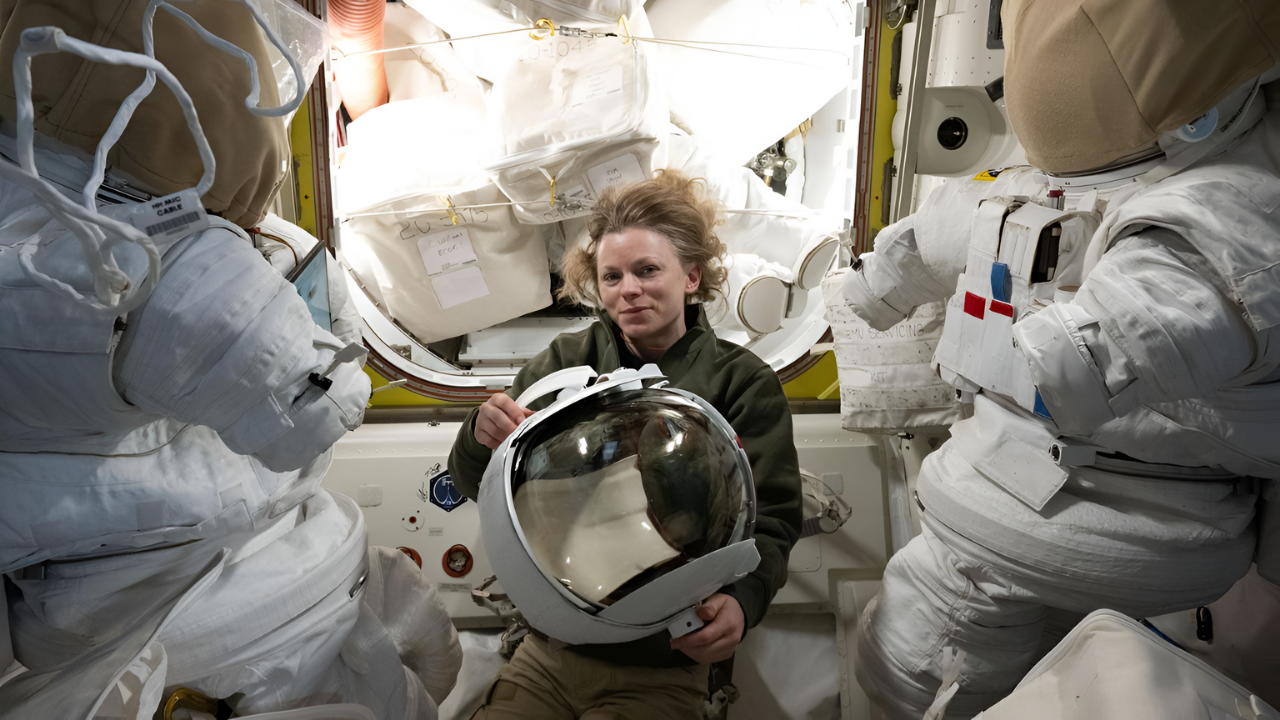
NASA has ordered the early return of all four SpaceX Crew-11 astronauts from the International Space Station due to a medical emergency with one crew member on January 7, 2026. The astronaut remains stable, but the condition demands Earth-based diagnostics unavailable in orbit, marking the first full crew evacuation for medical reasons in the station’s 25-year history.
The crew will depart aboard the SpaceX Dragon Endeavour, undocking in mid-January and splashing down off the U.S. West Coast, weather permitting. This decision prioritizes safety over mission duration, with NASA confirming no immediate danger to the crew or station.
Crew-11 Breakdown

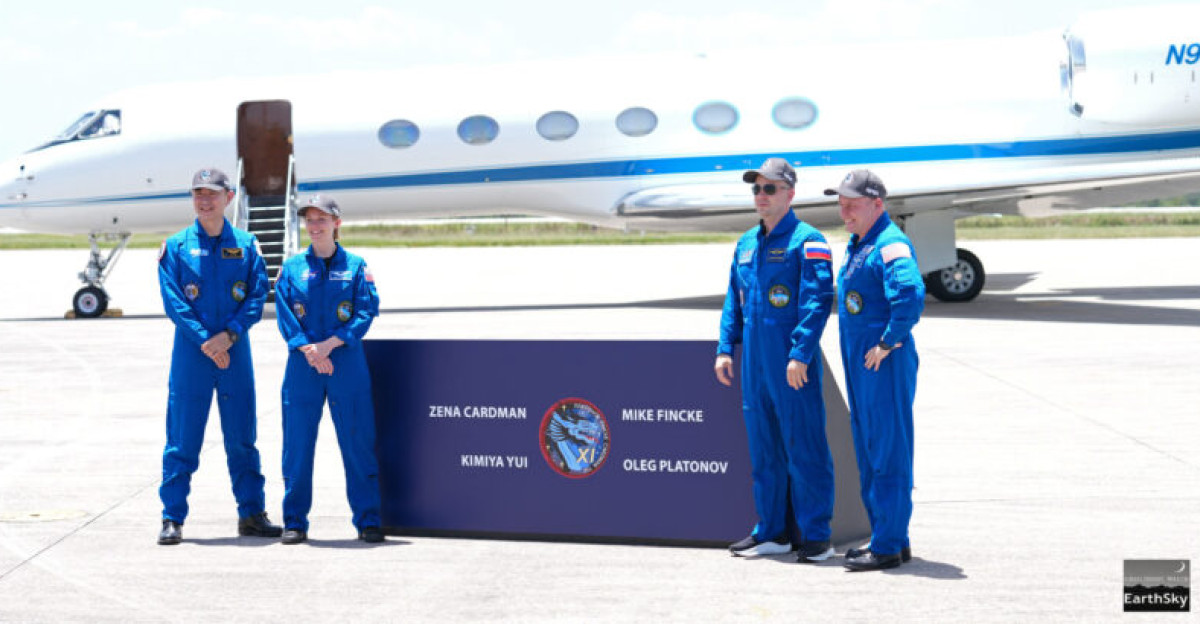
Crew-11 includes Commander Zena Cardman, Pilot Mike Fincke, Japan Aerospace Exploration Agency astronaut Kimiya Yui, and Roscosmos cosmonaut Oleg Platonov. Launched in August 2025 for Expeditions 73 and 74, the multinational team conducted scientific research, station maintenance, and technology tests for future deep-space missions. Their six-to-eight-month stay now ends prematurely, pausing experiments in human health, materials science, and microgravity effects.
Event Timeline
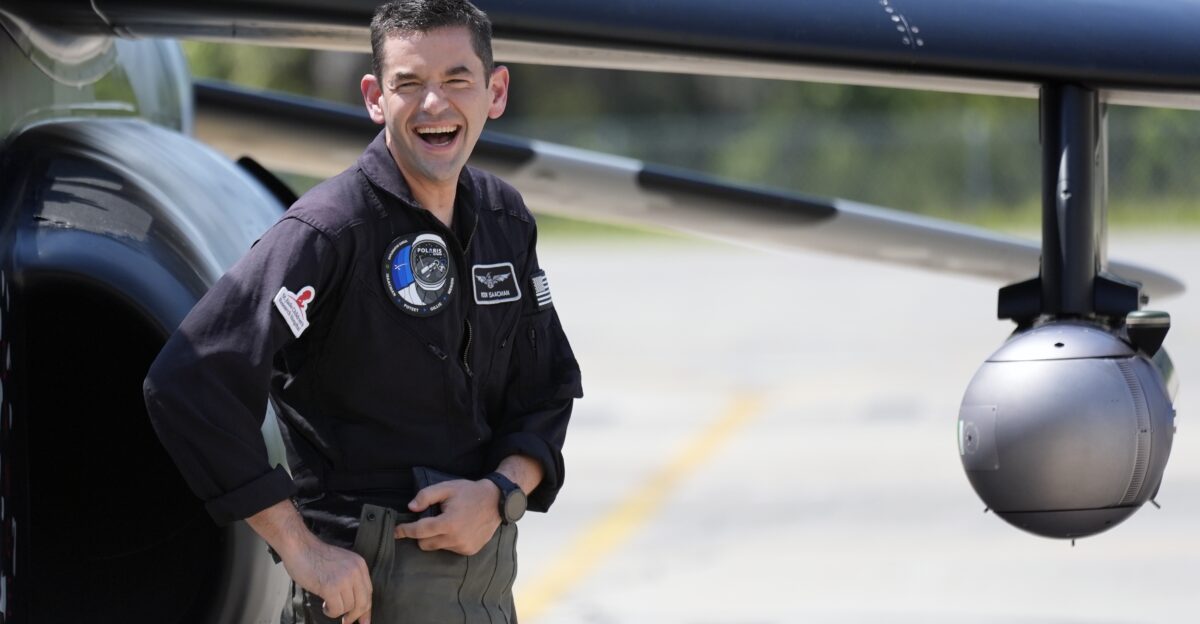
NASA detected the issue on January 7, 2026, triggering immediate evaluations and operational adjustments. Within 24 hours, leaders determined orbital care insufficient, finalizing the return plan. The affected astronaut, stable and fit for reentry, requires advanced tools like CT scanners or MRIs not available aboard.
Full Crew Return Rationale
Only one astronaut is impacted, yet all four return together to uphold safety protocols, leverage spacecraft readiness, and preserve team cohesion for reentry. This avoids leaving individuals without their full unit during the station’s transition, minimizing risks as the crew size drops from seven to three.
ISS Medical Constraints
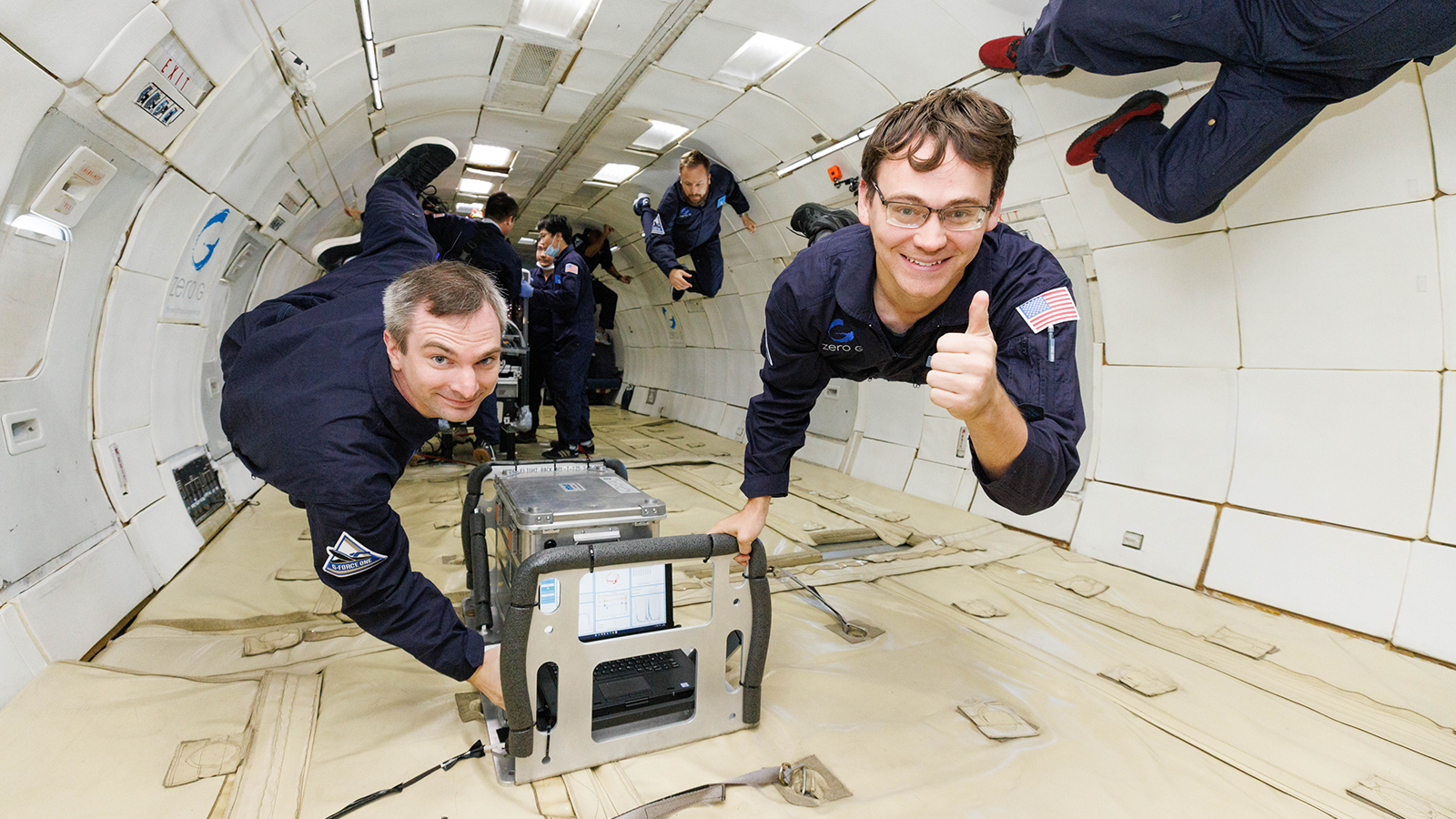
The station handles routine and emergency care with ultrasound, medications, and Earth consultations via telemedicine. However, it lacks comprehensive labs or imaging for complex diagnoses. Long-duration spaceflight risks—fluid shifts, bone loss, muscle atrophy, immune changes, cardiovascular effects, and elevated radiation—can uncover issues beyond onboard limits, though NASA links this case to none specifically and reports no threats to others.
Operational and Research Fallout
The departure reduces crew to three for essential tasks, pausing non-critical research. The ISS stays fully operational with contingencies in place, and rotations proceed as planned. Past incidents, like deep vein thrombosis, were managed in orbit, but this exceeds those capabilities, highlighting evolving safety priorities. SpaceX Dragon’s flexibility enabled the swift, controlled response.
This milestone reinforces astronaut health above all objectives as the ISS nears deorbit around 2030. Lessons from Crew-11 will shape Artemis and Mars missions, advancing remote diagnostics and onboard medicine for deeper space travel.
Sources:
“NASA says targeting ISS medical evacuation for January 14”
Space.com”ISS astronaut medical evacuation latest news: Crew-11 …”
Times of India”NASA announces first-ever medical evacuation from the …”
ABC News”NASA says a medical situation with an astronaut is ending ISS …”
BBC”Astronaut’s ‘serious medical condition’ forces Nasa to end …”
New Scientist”NASA is performing an unprecedented medical evacuation …”