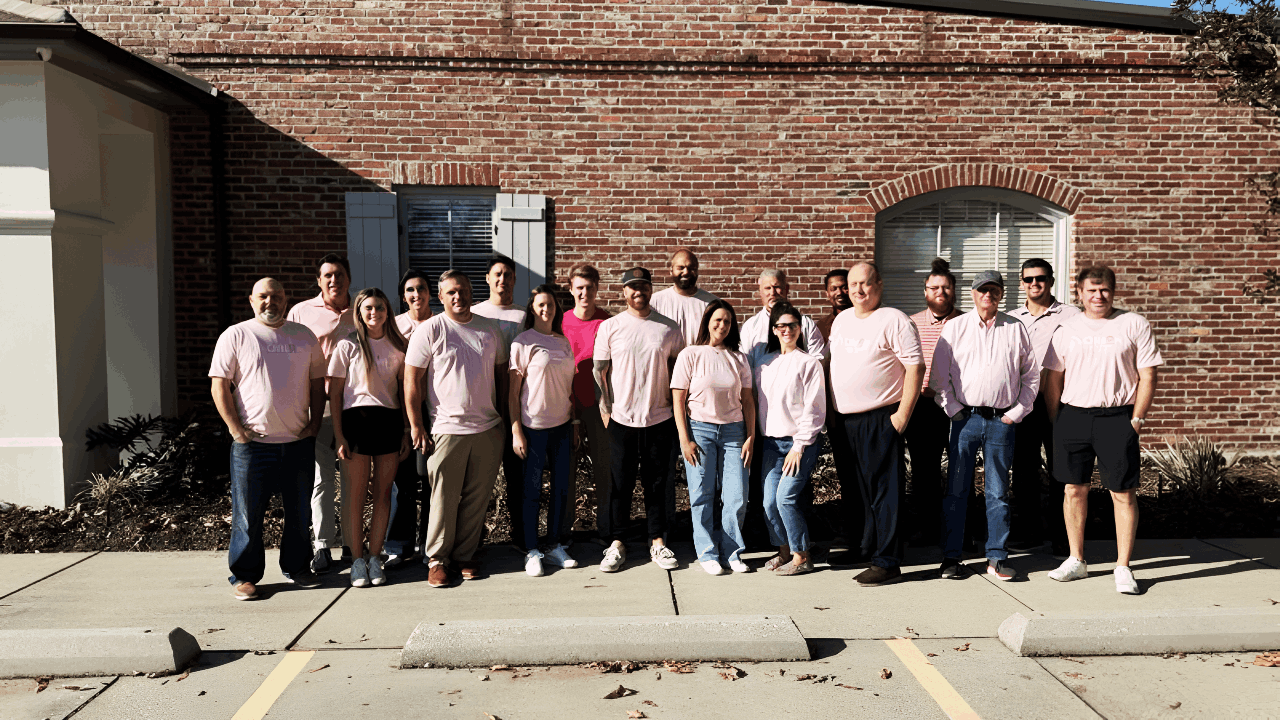
On Oct. 27, 2025, Orion Engineers + Constructors (founded 2001) announced its HQ will move from Theodore, Alabama, to the newly incorporated City of St. George, Louisiana.
The deal creates 111 jobs (50 direct, ~$100K avg salary) and $5M+ capital investment in Baton Rouge. It’s more than a relocation—this shock signals an escalating interstate battle for engineering talent and corporate tax base.
How Targeted Incentives and LSU Talent Won Orion
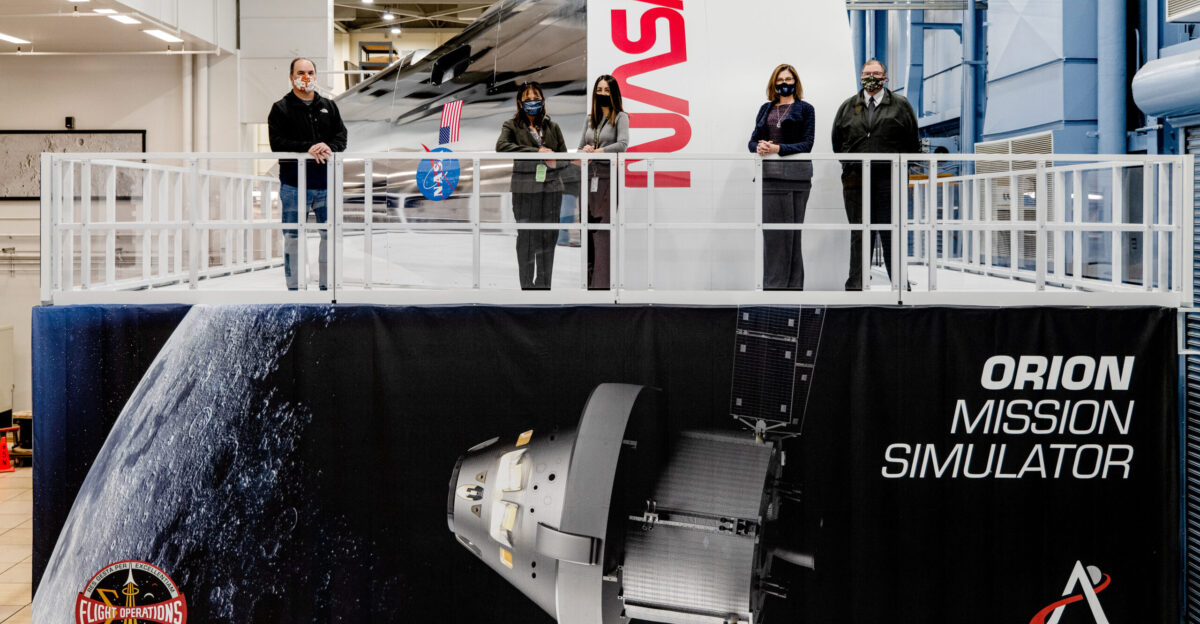
Louisiana’s pitch combined tax breaks with talent. The state offered Orion its Quality Jobs payroll-rebate program plus a $500K performance grant. Regional leaders also highlighted LSU’s engineering pipeline.
As LSU’s economic development chief, Lori Melancon noted, Louisiana’s “exceptional higher education assets…are producing the kind of skilled professionals that a firm like Orion needs”.
High-Payroll Jobs Spark Consumer Spending

The 50 new Orion jobs (avg $100K) will inject about $5 million in annual payroll into Baton Rouge, with 61 indirect jobs adding another ~$6.1 million.
These engineers earn roughly 153% of East Baton Rouge’s average wage, so their salaries will flow into local shops, restaurants, and services. Baton Rouge retail and service sectors can expect a surge in consumer spending from these well-paid newcomers.
Corporate Relocations Become Big Business

Orion’s move reflects a nationwide trend. Analysts project the U.S. corporate relocation services market to grow from about $20.22 billion in 2025 to $32.47 billion by 2032.
Indeed, hundreds of companies have shifted HQs in recent years, peaking at 137 announced moves in 2023. Each relocation often hinges on chasing tax benefits and talent, and Orion’s cross-state shift is part of this booming relocation wave.
Louisiana’s Engineering Pipeline Pays Dividends

Louisiana’s robust engineering ecosystem is the first ripple from Orion’s move. LSU’s College of Engineering invests $29.89 million/year in research, and its graduates start around $71K, giving companies skilled talent on day one. Industry partnerships strengthen this advantage: BASF recently awarded $15,000 in LSU scholarships to develop local talent.
Shell USA has committed $27.5 million to an LSU energy innovation institute.
Alabama’s Brain Drain Widens

Orion’s exit worsens Alabama’s talent loss. Forbes ranks Alabama the nation’s third-worst state for keeping college graduates. ACHE director Jim Purcell warns: “Think about trying to build an economy based on half of your graduates”.
Orion’s departure means 45 retained local jobs are gone and adds to Alabama’s uphill recruiting battle.
Baton Rouge Construction Boom vs. Theodore’s Loss

St. George’s new Orion campus will drive years of construction jobs. The headquarters build-out (target completion June 2030) will mobilize local contractors, suppliers, and laborers in Baton Rouge.
That $5M+ project funds immediate work in Louisiana’s construction sector. In contrast, Theodore, AL, loses comparable construction activity – vacant lots and idle crews replace the multiplier effects of a major build-out.
Incentive Arms Race Escalates

Orion’s relocation spotlights a fierce interstate incentive war. Alabama traditionally boasts a better overall business tax climate than Louisiana, but targeted packages matter. Despite Alabama’s edge in broad rankings, Louisiana’s specific Quality Jobs rebates and grants won the deal.
This episode will embolden states to sharpen incentives and workforce programs. Offerings like Louisiana’s must improve if Alabama is to keep companies from looking south.
State Tax Revenue Shifts

The payroll shift moves tax dollars. Orion’s 111 jobs (≈$11.1 annual payroll) generate roughly $1.1M in state income taxes (assuming ≈10% effective rate). That $1.1M now flows to Louisiana instead of Alabama each year.
Orion creates a permanent revenue transfer. Over time, the cumulative loss for Alabama and gain for Louisiana will mount with each annual payroll cycle.
Real Estate Markets Feel the Change

The office real estate markets are also affected. Theodore loses a key corporate tenant, likely leaving more vacant space. Meanwhile, St. George’s commercial market gets a boost: Orion becomes one of its first major office tenants. (St. George was only incorporated in 2019.)
As a flagbearer for the new city, Orion should raise property values and spur development. For example, a bigger tenant mix may encourage more retail and service space. Theodore, by contrast, now has to fill Orion’s old footprint and slower growth outlook.
Closer to Louisiana’s Petrochemical Corridor
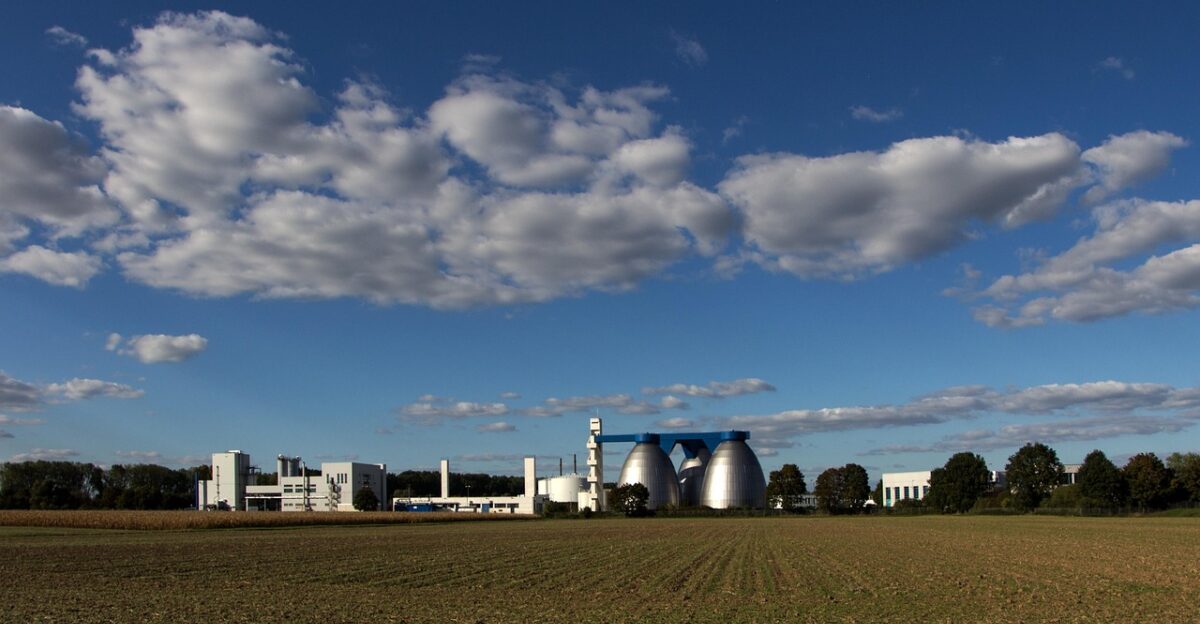
Orion’s oil-and-gas focus now aligns geographically. Its Baton Rouge HQ sits at the heart of Louisiana’s Mississippi River petrochemical corridor, home to 200+ chemical plants and refineries. Nearby facilities include BASF, Shell’s refinery, and ExxonMobil.
Proximity could deepen client ties: engineers can more easily support projects at these massive facilities.
Embedded in the Manufacturing Growth Hub
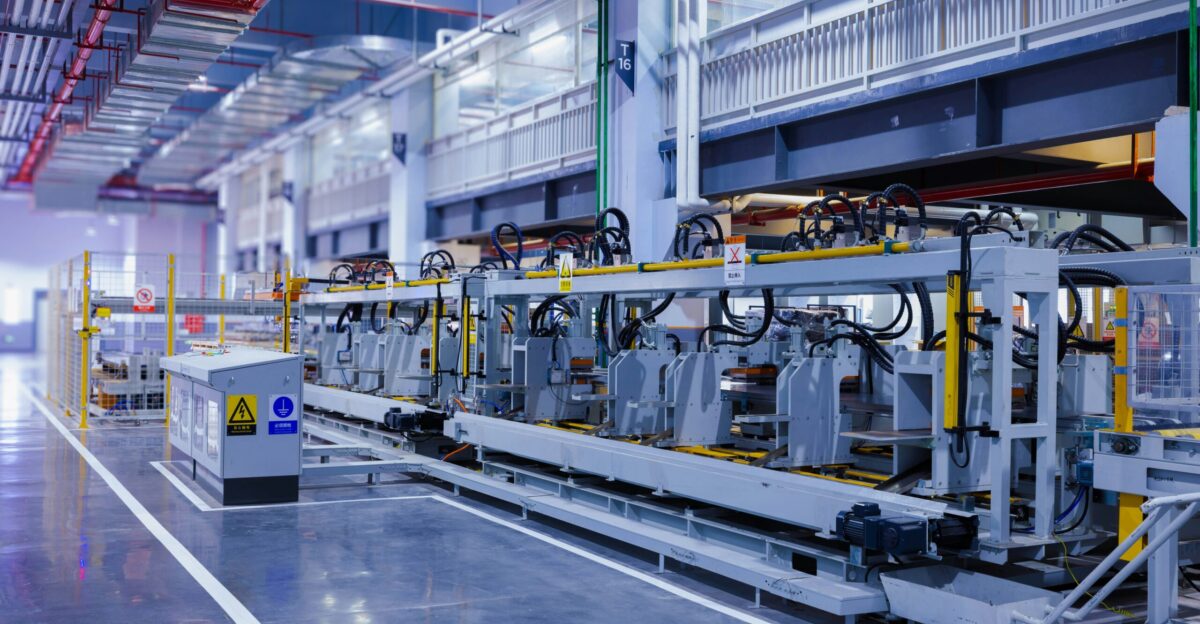
Louisiana’s manufacturing surge offers Orion new business opportunities. Hyundai Steel’s $5.8B mega-plant (5,400 jobs in Ascension Parish) is online. CF Industries plans a $4B ammonia complex nearby.
Now in Louisiana, Orion sits in that growing ecosystem. CF CEO Tony Will notes their ammonia joint venture is “tangible progress toward building a reliable…low-carbon ammonia value chain”.
National STEM Talent Competition

The U.S. STEM market is increasingly global: roughly 19% of U.S. STEM workers are foreign-born. States must therefore not only attract new talent but also retain graduates. Louisiana’s collaborative education-industry initiatives give it an edge.
For instance, LSU’s new XR (extended reality) studio “supports interdisciplinary collaboration, industry partnerships, and innovation” (even partnering with NASA). These programs help develop and retain engineers, benefiting firms like Orion as competition for talent intensifies.
Quality of Life Sways Workers

Beyond pay, engineers value lifestyle. St. George sells itself as a fast-growing planned community. As one Baton Rouge area entrepreneur said: “One of the biggest advantages is it’s a growing city…new people, new businesses, new ways to connect”.
Mayor Dustin Yates adds, “We’re able to attract… businesses that want to be here”. With suburban amenities and new infrastructure, St. George’s quality of life may be more attractive than Theodore’s more limited options, helping Orion recruit and keep talent.
Greener Energy Projects on the Horizon

Louisiana’s energy landscape is shifting, and Orion is in position to lead. For example, Woodland Biofuels plans a $1.35 billion carbon-negative renewable gas and hydrogen plant in St. John Parish. The state also touts itself as “poised to be a national leader in harnessing offshore wind”.
In Louisiana, Orion can serve green-energy projects that are under development. Alabama’s economy remains largely tied to traditional oil and gas, so Orion’s Louisiana base gives it a front-row seat to the clean-energy transition.
Winners and Losers Among Alabama Firms
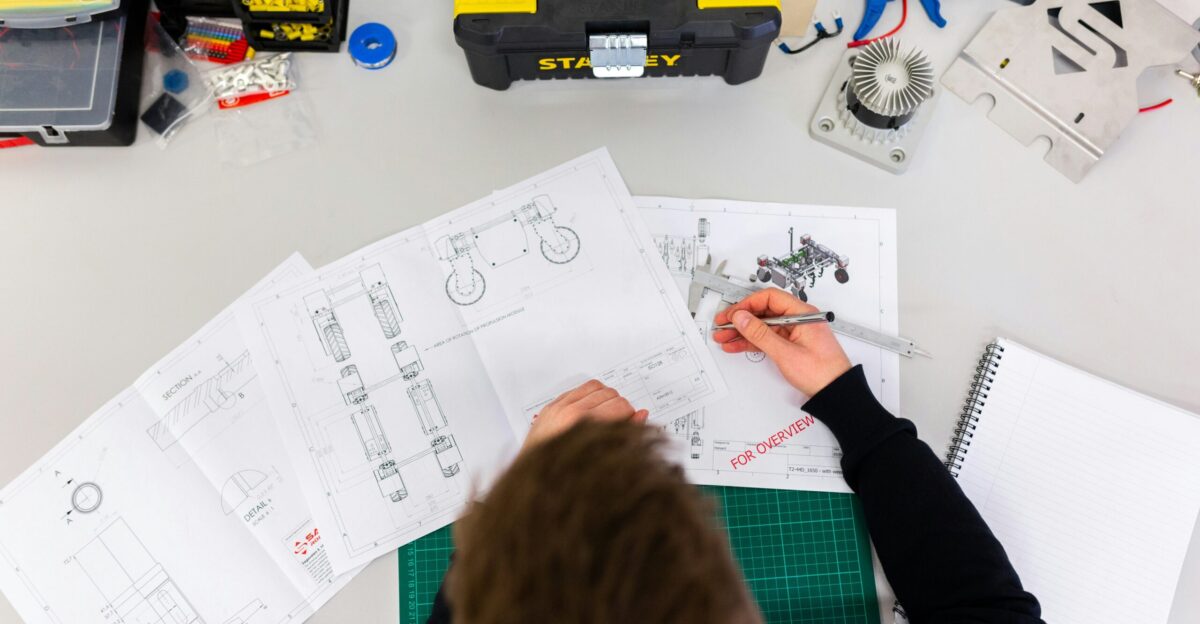
Alabama’s remaining engineering firms are mixed winners. In the near term, fewer local competitors mean more projects and talent are available for them. But this isn’t a sustainable advantage. Remember Alabama’s underlying issue: Forbes says it ranks third-worst at keeping college grads.
Unless the state revamps its policies and incentives, this short-term market share gain may vanish as other firms also consider leaving.
Boon to the Relocation-Services Industry

Each HQ move like Orion’s generates new business for service providers. Experts expect the corporate relocation industry to keep expanding: Clancy Moving projects the U.S. market will leap from ~$20B in 2025 to over $32B by 2032.
That growth means profits for movers, real-estate speculators, and workforce-integrators. Louisiana’s success with Orion suggests that Baton Rouge-area moving, housing, and staffing companies can expect continued demand to support future relocations.
Engineers: Follow the Companies
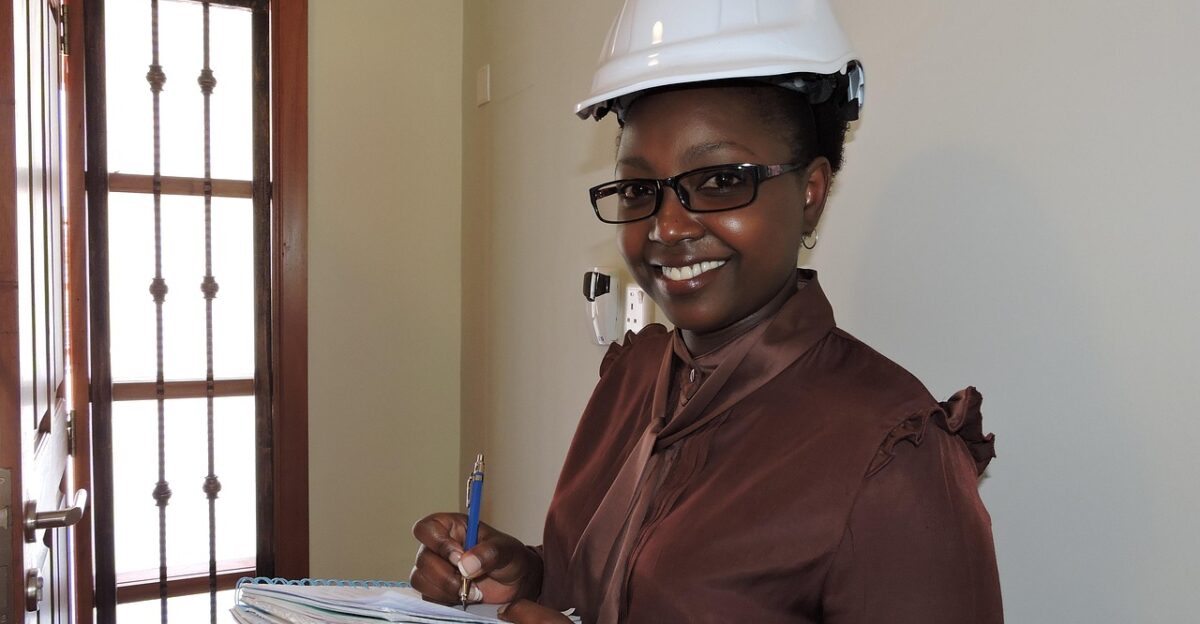
Engineering career paths now increasingly hinge on where firms locate. BLS projects about 186,500 new architecture/engineering job openings per year through 2034, so geographic decisions matter. Louisiana’s coordinated workforce development and incentive-driven growth hint at stronger opportunities.
Engineers and graduates should track where big projects go; states with aggressive talent pipelines (like Louisiana’s) may offer better job prospects than those with weaker support systems.
Interstate Competition Shows No Signs of Slowing

Expect more HQ moves as states fine-tune incentives. CBRE’s latest count is 561 U.S. HQ relocations announced by 2024 (96 in 2024 alone). Southern states have taken the lead in offering both tax breaks and talent programs.
Louisiana’s strategy with Orion—combining targeted grants with university partnerships—proved effective. Other states are likely to copy this model, further heating the rivalry to attract and keep businesses and skilled workers.
The New Geography of American Business

In sum, Orion’s move is a microcosm of shifting economic geography. Companies are increasingly mobile, and state competition shapes prosperity. As CBRE observes, “the transfer of business headquarters continues to be a significant focus in the dynamic landscape of corporate strategy”.
The long-term winners will be states with comprehensive approaches: aligning higher-ed and industry, smart incentives, and infrastructure. That’s the new formula for regional success—not just legacy advantage.