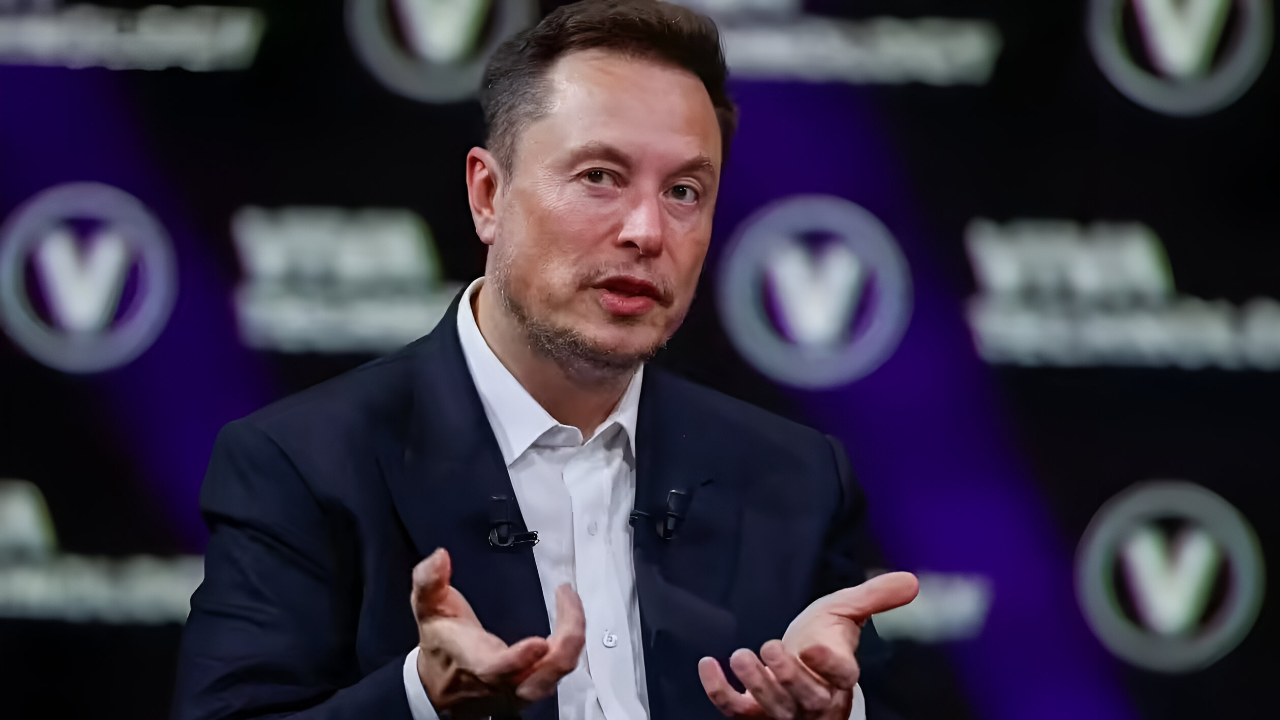
Artificial intelligence is transforming the global workforce at a rate faster than any previous industrial revolution. Elon Musk has issued a stark warning that AI is a “supersonic tsunami” poised to wipe out half of white-collar jobs, while experts predict that millions more will vanish within years.
As machines increasingly outperform humans at digital tasks, industries, governments, and workers face a reckoning that could redefine what work means. Here’s what’s unfolding—and what comes next.
What’s Going On?

On October 31, Elon Musk told Joe Rogan that AI is a “supersonic tsunami” already wiping out desk-based roles at record speed. Anthropic CEO Dario Amodei separately projected that up to 50% of entry-level professional positions could vanish within five years.
But how did this acceleration happen so fast?
The Acceleration of AI Automation

“AI is the supersonic tsunami,” Musk said. “Anything digital—AI takes over like lightning.” Advances in generative AI and automation are moving faster than expected, reshaping entire industries. Companies now scale output without adding staff, signaling a permanent shift in how work gets done.
And for many employees, the shift has already begun.
The First Ripple: Job Instability Hits Workers

College graduates and entry-level professionals are feeling the shock first. Graduate unemployment reached 5.8% in March—its highest in four years. Automated hiring tools and AI task systems are reducing interview opportunities, leaving many young workers between degrees and facing dwindling job offers.
However, these early effects may be just the beginning.
Corporate Restructuring Gains Momentum

Corporations are cutting human staff as AI handles routine work. Just this month, IBM confirmed thousands of layoffs, with 7,800 positions paused or replaced by AI. Marketing, legal, and finance departments are shrinking fast. Yet, firms developing AI itself are ramping up engineering hires.
Still, some sectors are moving in an unexpected direction.
The Shift Toward Physical Work

While digital work declines, physical jobs endure. Musk calls it “atom-moving work”; construction, cooking, and logistics remain safe for now. AI-related postings, however, are increasing by 30% annually. The WEF expects 97 million new tech-focused roles to emerge, widening the divide between creators of AI and those it displaces.
That divide is also deepening across borders.
Global Competition Heats Up

U.S. companies are expanding into lower-cost labor markets, such as India, where skilled professionals are abundant. Outsourcing of digital work is surging, tightening global job competition. Developing economies are capitalizing on AI efficiencies, but domestic workers face declining wages and fewer opportunities.
Meanwhile, for many young professionals, the fallout feels personal.
Entry-Level Workers Bear the Brunt

A Stanford study found a 13% job loss in AI-exposed fields since 2022. Roles such as customer support, administrative work, and coding are shrinking at the fastest rate. Economists now refer to it as a “white-collar recession,” which disproportionately affects graduates aged 22–27 who once viewed tech and office work as stable career paths.
Governments are starting to take notice.
Political Responses Gain Urgency
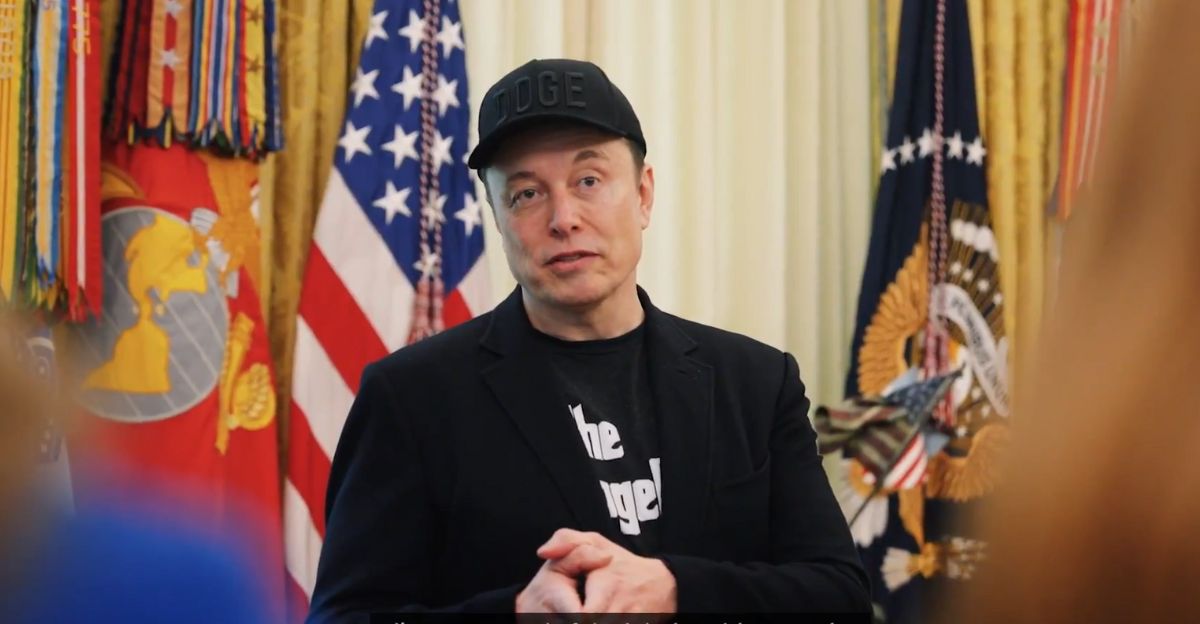
Governments are turning to AI themselves. In January this year, President Trump established the Department of Government Efficiency, led by Musk and Vivek Ramaswamy, to utilize AI in reducing federal jobs and costs. Cities now employ AI chatbots for public services—proof that automation is spreading from corporations to government halls.
But this efficiency comes at a cost to workers’ stability.
The New Divide: Profits vs. People
AI boosts productivity and profits, but it also shrinks middle-class careers. Entry-level wages are falling as automation commoditizes knowledge work. Musk’s proposed “universal high income” would redistribute AI-generated wealth, letting people live without traditional jobs. He warns, though, that “trauma and disruption” will come before stability.
Those effects reach beyond finances into daily life.
The Mental Toll of AI Job Losses

Job insecurity is fueling widespread stress and anxiety. Many workers are retraining or transitioning to gig work to make a living. Watching one’s career vanish “at lightning speed” has blurred work-life boundaries and sparked existential fears. As AI replaces human effort, many are asking what defines purpose in this new era.
This cultural reckoning is spreading fast.
Society Questions the Meaning of Work

The AI era has reignited debate over labor’s role in identity and worth. Musk’s “universal high income” proposal divides opinion—can billionaires driving automation also solve its social fallout? Critics doubt it. Philosophers and economists alike ask: if work disappears, what gives life meaning in its absence?
Public perception reveals just how profound this shift is.
Changing Views on Education and Careers

Nearly half of U.S. Gen Z job seekers now believe AI has devalued college degrees. The long-held formula of “study hard, get a stable job” is collapsing. Globally, young professionals are rethinking career paths, turning to skills training and digital entrepreneurship to survive the world AI is remaking.
And from the chaos, new winners are emerging.
Winners and Losers in the AI Era

AI-trained workers and automation investors are thriving. Data scientists, engineers, and AI architects command soaring salaries. Yet 40–50 million American desk workers remain at risk, representing $2–3 trillion in wages. Creative fields and physical jobs hold out longer, defying 150 years of industrial hierarchy.
But survival depends on adaptation.
Adapting Before It’s Too Late

Financial markets favor AI innovators as workers scramble to stay relevant. Experts urge rapid skill pivots—learn AI tools, seek roles that require emotional intelligence, and diversify income streams. The window to adapt is closing fast, with full automation of computer-based work expected within 3–7 years.
So where does humanity go from here?
Rethinking the Future of Work

This year’s white-collar disruption compresses centuries of labor change into a few years. Musk envisions a world where work becomes optional and wealth is generated by machines. However, before that vision arrives, society must face a painful adjustment. The question now is not whether AI will change work, but what humans will become without it.