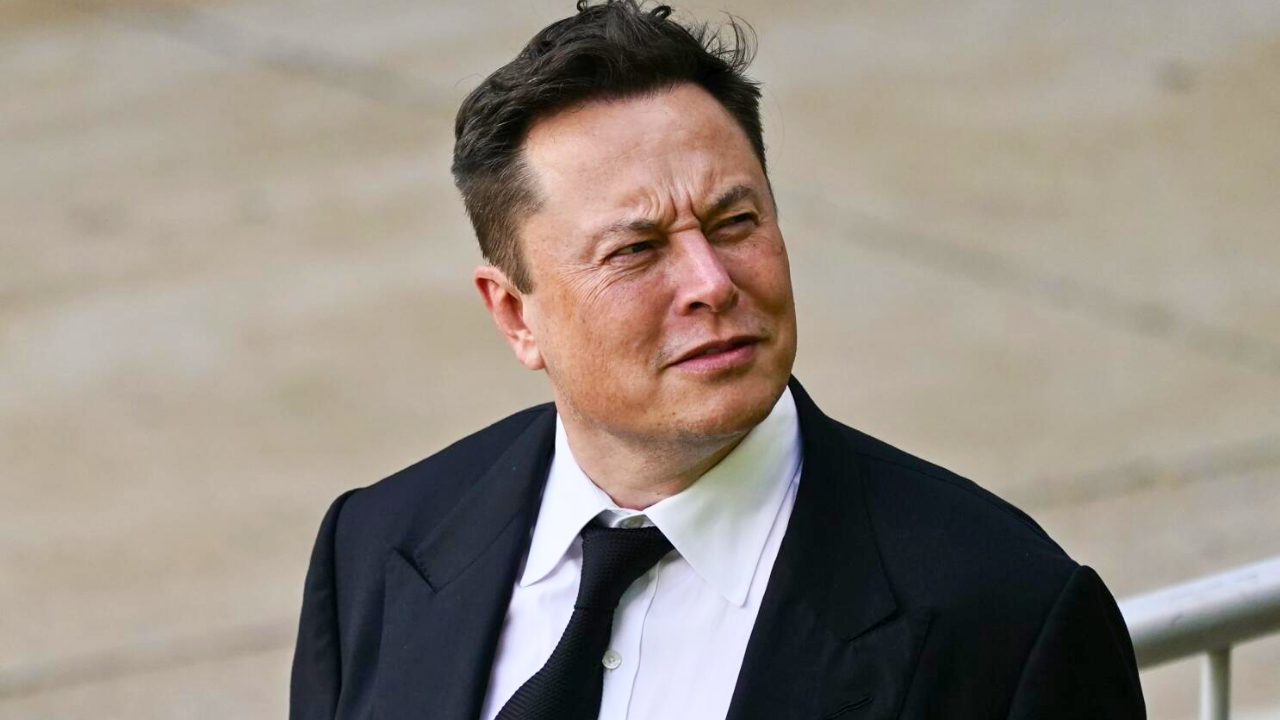
The Boring Company, Elon Musk’s tunnel construction firm, faces a $493,297 penalty for illegally dumping drilling fluids into Las Vegas sewers. This fine, issued by the Clark County Water Reclamation District in November 2025, is one consequence of nearly 800 documented environmental violations over two years. The case has ignited debate about corporate accountability and regulatory oversight in high-profile infrastructure projects.
A Vision for Urban Transit Meets Regulatory Reality
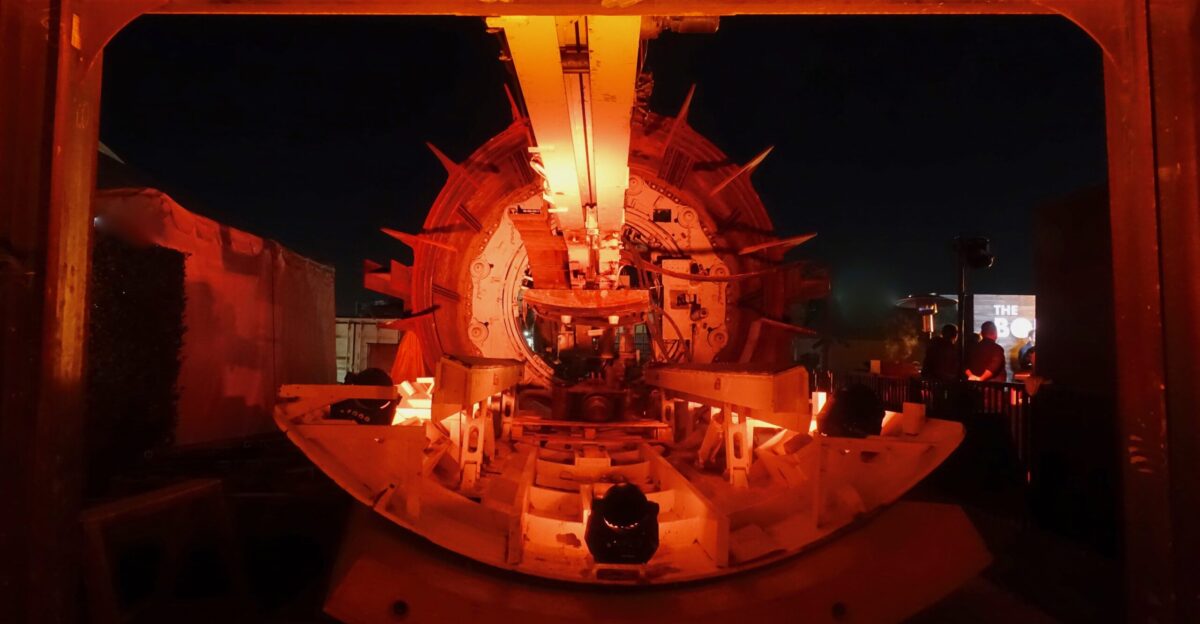
Founded in December 2016 and formally registered in January 2017, The Boring Company set out to transform urban transportation by building underground tunnel networks. Its flagship venture, the Vegas Loop, aims to connect major Las Vegas destinations with high-speed transit using Tesla vehicles. The LVCC Loop opened to the public in April 2021 and has since expanded. By October 2023, the company was valued at $7 billion and known for its rapid, innovation-driven approach to tunnel construction.
The Vegas Loop project involves extensive drilling beneath the city, generating large volumes of wastewater and drilling fluids. These byproducts are subject to strict environmental regulations, requiring specialized disposal to prevent harm to municipal infrastructure and water systems. The project’s scale and visibility have made it a focal point for both technological optimism and regulatory scrutiny.
Illegal Dumping and Defiance
In August 2025, inspectors from Clark County discovered Boring Company workers dumping drilling fluids directly into public sewer manholes. When ordered to stop, employees initially refused, and later “feigned compliance” only to resume dumping after inspectors assumed they had left the site. Official reports describe a pattern of deliberate deception and defiance, escalating the severity of the violations.
The dumped fluids contained chemicals and materials from tunnel excavation, including MasterRoc AGA 41S, that can damage wastewater treatment facilities and contaminate water supplies. Proper disposal requires treatment at specialized facilities, a step the company bypassed. Clark County crews ultimately had to clean 12 cubic yards of “drilling mud, drilling spoils, and miscellaneous solid waste” from one sewage treatment facility.
The $493,297.08 fine reflects not only the environmental damage but also the company’s refusal to comply with inspectors and its attempts to evade oversight. District officials emphasized that the penalty is intended as both punishment and deterrent.
A Pattern of Violations and Reduced Penalties
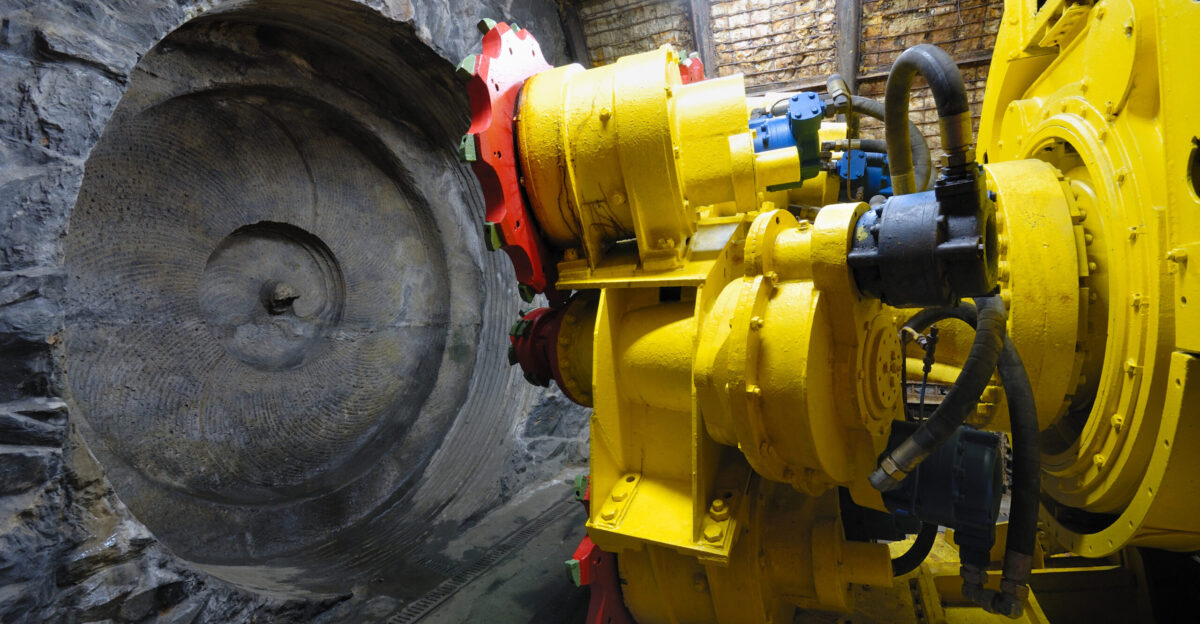
The illegal dumping incident is part of a broader pattern. Nevada’s Division of Environmental Protection documented between 689 and nearly 800 violations by The Boring Company from 2023 to 2025. These included starting excavation without proper approvals, releasing untreated stormwater onto city streets, spilling construction materials, failing to conduct required inspections, and neglecting to hire an independent environmental compliance manager as mandated by permits.
A September 22, 2025 cease-and-desist letter from Nevada’s Bureau of Water Pollution Control alleged repeated violations of a 2022 settlement agreement that the company had entered into after being fined five years earlier for discharging groundwater into storm drains without a permit. State inspectors documented nearly 100 alleged new violations of that agreement, plus 689 missed inspections.
Despite the scale of non-compliance, Nevada regulators settled for a reduced penalty of $242,800 in October 2025—down from a potential $3 million. The 92% reduction has sparked debate about whether such fines are sufficient deterrents for a multi-billion-dollar company. Critics argue that the financial impact is minimal compared to the company’s resources, potentially encouraging continued violations.
Worker Safety and Corporate Culture
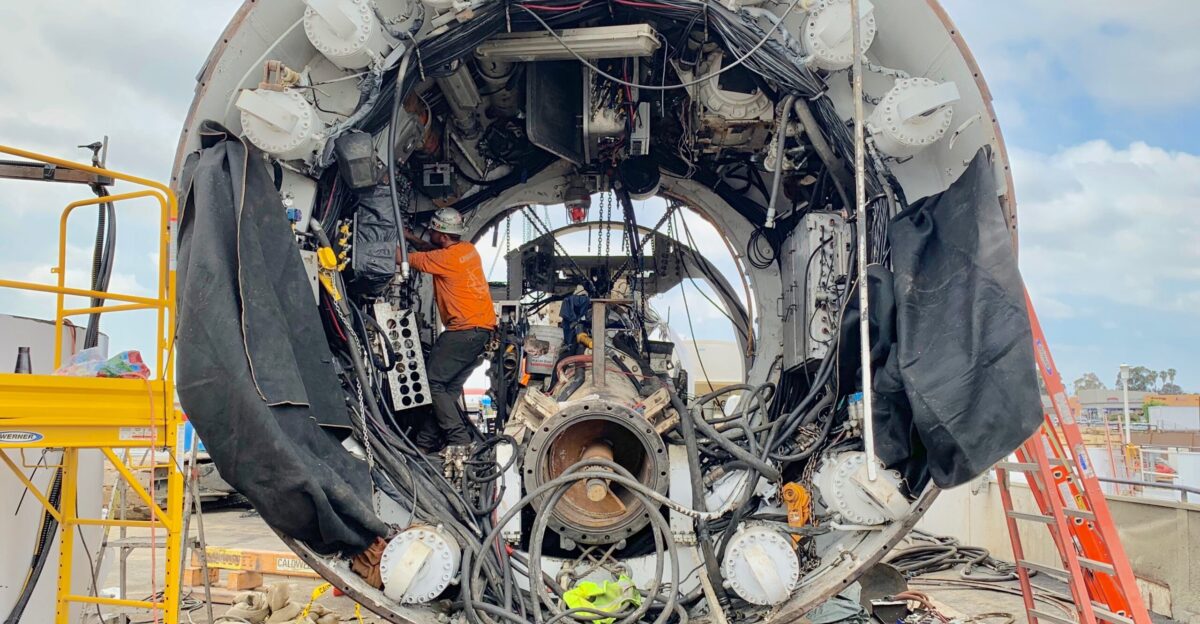
Beyond environmental infractions, The Boring Company has faced scrutiny over worker safety. Nevada OSHA documented that 15 to 20 workers suffered chemical rashes and burns while working at the Las Vegas tunnel site over two months in summer 2023. Workers reported wading through chemical sludge that would sometimes be up to two feet high, describing the sensation as being “on fire” when it splashed onto their skin. At the Encore dig site, such burns became “almost routine,” with some workers left permanently scarred on their arms and legs.
Nevada’s Occupational Safety and Health Administration fined The Boring Company $112,504 in late 2023 after finding eight “serious” violations related to inadequate safety equipment, lack of proper training, and chemical exposure hazards. According to OSHA investigations, workers were not provided with adequate personal protective equipment, showers were not available on-site to wash off chemicals, and at least two employees were inadvertently sprayed in the face and eyes with the chemical mixture. The company has contested these citations.
Industry observers note that The Boring Company’s approach appears to prioritize speed over compliance. The relatively small penalties compared to the company’s valuation suggest that fines may be absorbed as routine business costs rather than prompting meaningful operational changes.
Regulatory Oversight and Environmental Impact
The accumulation of nearly 800 violations over two years has led to criticism of Nevada’s regulatory oversight. Observers question how so many infractions occurred before significant enforcement actions were taken, and whether current fine structures are adequate to deter wealthy corporations from environmental misconduct.
Environmental scientists warn that untreated stormwater and drilling fluids can carry pollutants into drainage systems and groundwater, threatening Las Vegas’s water resources and infrastructure. Research indicates that for penalties to effectively deter environmental violations, they need to be significant enough to impact a company’s profits; otherwise, companies may find it financially beneficial to ignore regulations.
Looking Ahead: Accountability and Implications
The Boring Company’s response to the violations has been limited, with the company disputing the violation letters but providing few public statements addressing the compliance failures. The pattern of non-compliance raises concerns about the company’s commitment to future regulatory standards and transparency.
With tunnel projects proposed in other cities including Austin, Miami, Fort Lauderdale, and Nashville, regulators nationwide are likely to scrutinize The Boring Company’s record more closely. The Nevada case may influence permitting decisions elsewhere, as officials demand stronger environmental guarantees and oversight.
Industry leaders emphasize that robust compliance programs are essential for large-scale construction projects. The Boring Company’s failures highlight the need for effective enforcement and transparent accountability as innovative infrastructure ventures expand. Whether recent penalties will prompt lasting change or remain a cost of doing business is a question that regulators, environmental advocates, and the public will continue to watch.