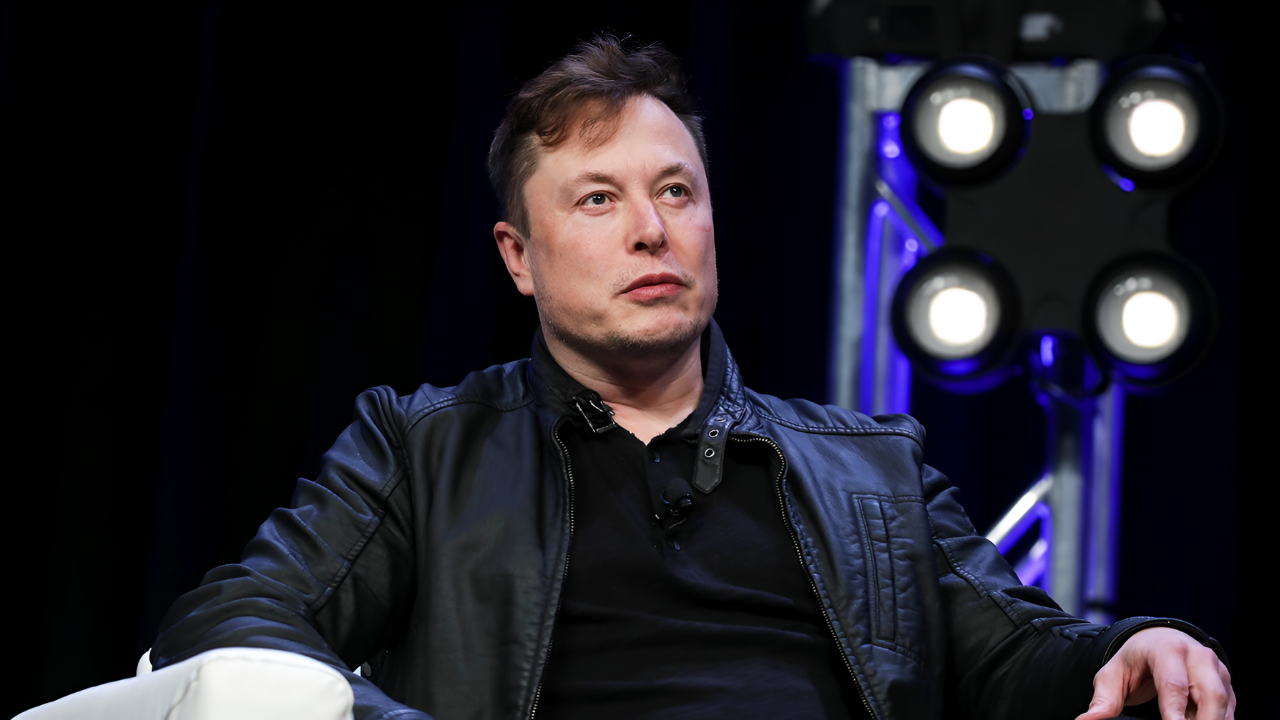
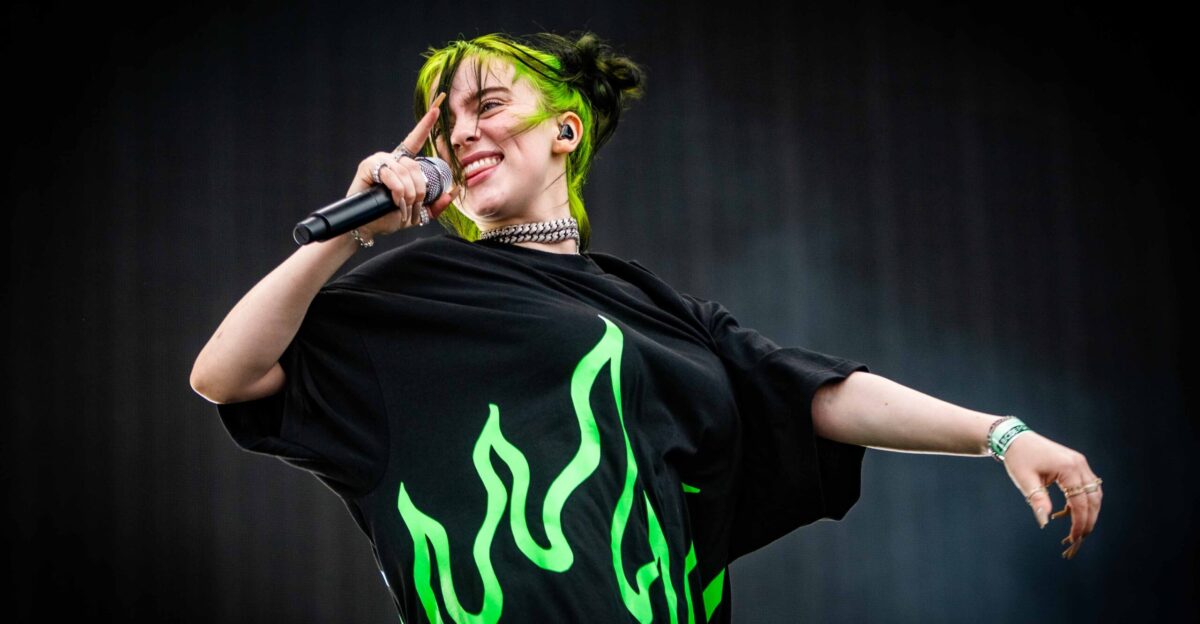
Elon Musk called Billie Eilish “not the sharpest tool in the shed” after the Grammy winner publicly branded him a “coward” in scathing Instagram stories viewed by millions. The 23-year-old pop star’s November 2025 attack accused the world’s richest man of hoarding wealth while global crises worsen.
Within hours of Musk’s dismissive response on X, the celebrity feud exploded across social media, reigniting fierce debates about billionaire responsibility.
Musk’s Astronomical Wealth
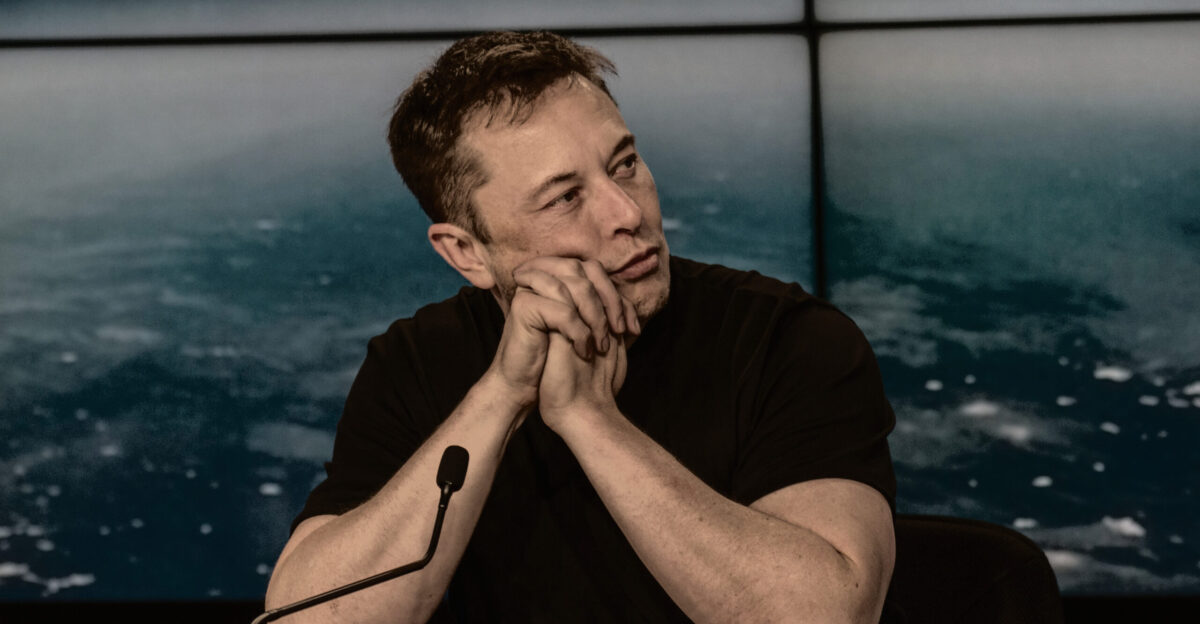
Elon Musk currently holds a staggering net worth of $408.3 billion, making him the wealthiest person on Earth.
Financial analysts predict he could reach trillionaire status within the next few years, largely driven by Tesla stock appreciation and his stakes in SpaceX, X (formerly Twitter), Neuralink, and The Boring Company. This unprecedented wealth accumulation has drawn increasing criticism from activists and celebrities alike.
Eilish’s Solutions for World Problems
Eilish shared infographics from activist group “My Voice, My Choice” that proposed specific ways Musk could deploy his wealth for global causes. The graphics outlined potential investments to address world hunger, provide universal clean water access, and protect endangered species.
These proposals represented the activist group’s calculations for using billionaire wealth to tackle humanitarian and environmental challenges facing the planet.
The Gaza Rebuilding Proposal

Among Eilish’s shared solutions was a proposal for Musk to invest $53.2 billion toward rebuilding Gaza and areas of the West Bank.
The infographic detailed how this massive investment could address humanitarian crises and infrastructure devastation in conflict-affected regions. This particular suggestion touched on one of the most politically sensitive global issues, adding controversy to her already provocative statements about the responsibility of billionaires.
Musk’s Dismissive Response
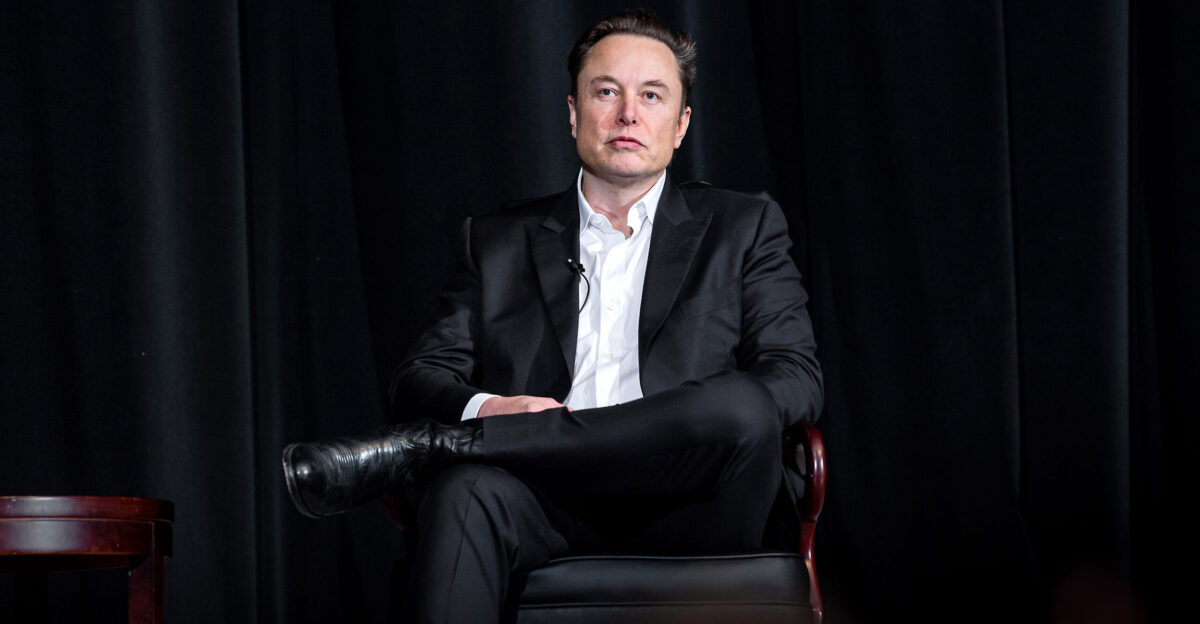
Four days after Eilish’s Instagram stories, Musk discovered the posts when a fan account shared screenshots on X. The tech mogul’s response was characteristically brief and dismissive: “She’s not the sharpest tool in the shed.”
His comment immediately sparked thousands of reactions from both supporters and critics, further amplifying the feud. Musk has previously engaged in similar public disputes with celebrities and critics.
Eilish’s Track Record of Activism
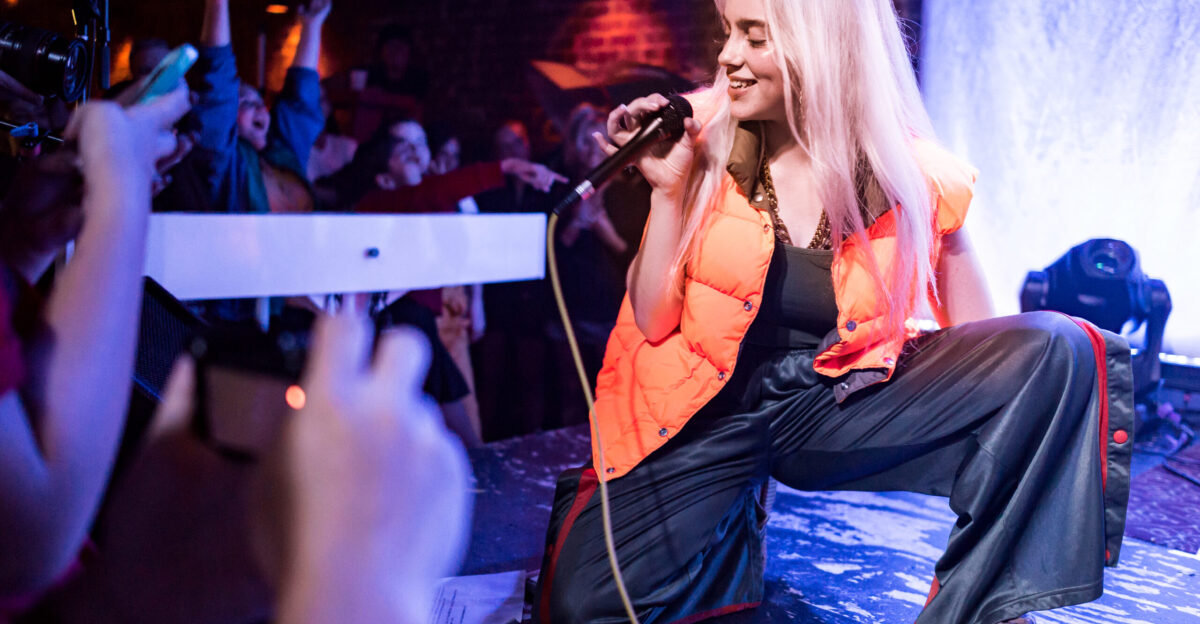
Billie Eilish, with a personal net worth of $53 million, has consistently advocated for wealth redistribution and social causes. In October 2025, she announced that she would donate $11.5 million from her “Hit Me Hard and Soft” tour to support food equity, climate justice, and carbon reduction efforts.
Her activism extends beyond words to concrete financial commitments, lending credibility to her criticism of the hoarding of billionaire wealth.
The Wall Street Journal Awards Confrontation
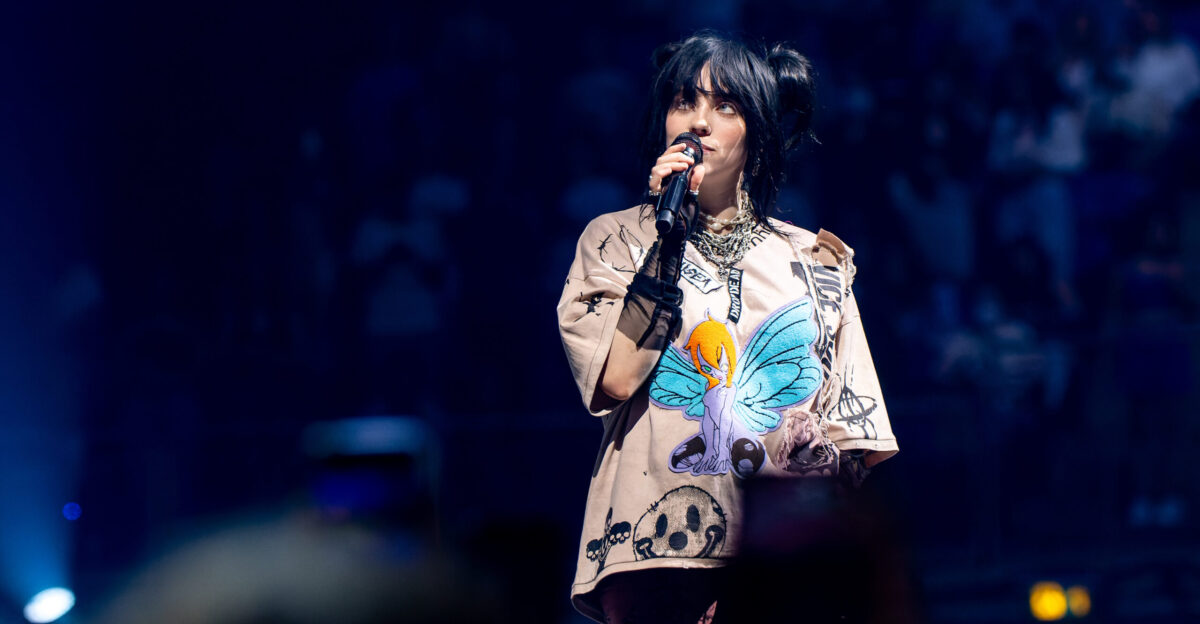
At October 2025’s Wall Street Journal Innovator Awards, Eilish made waves by directly confronting billionaires in attendance, including Meta CEO Mark Zuckerberg. During her acceptance speech, she boldly stated, “If you’re a billionaire, why are you a billionaire? No hate, but yeah, give your money away, shorties.”
The pointed comment about wealth inequality drew significant attention, underscoring her consistent advocacy for billionaire philanthropy and income redistribution.
Musk’s Philanthropic Record
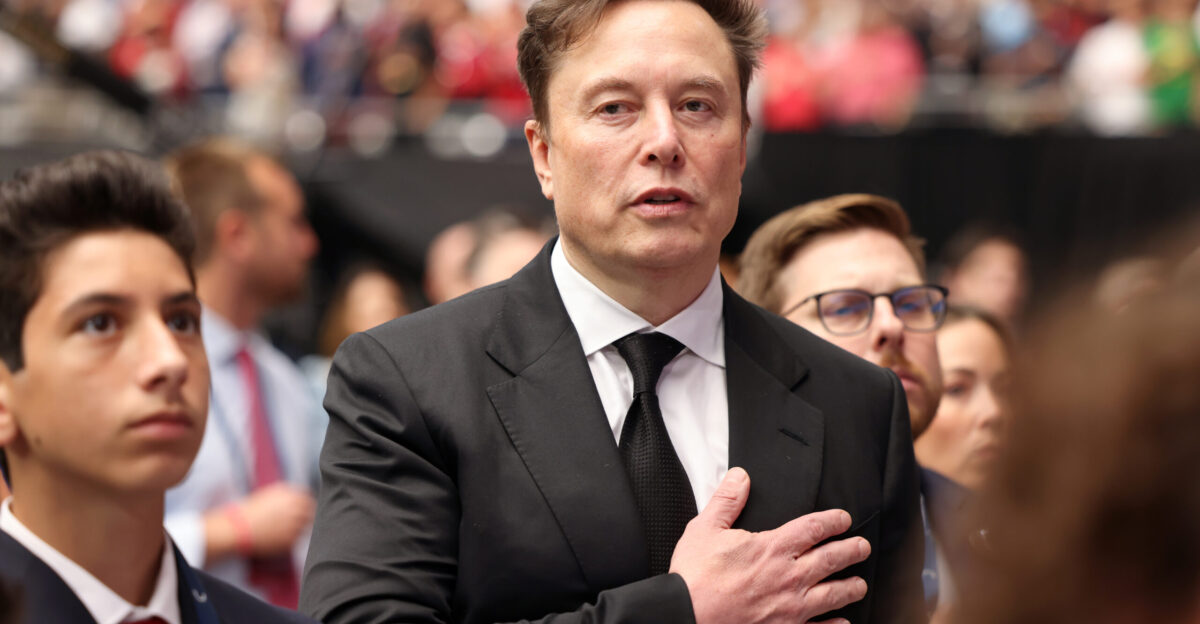
Musk donated 286,000 Tesla shares valued at $108.2 million to unnamed charities in January 2025. His foundation has contributed over $450 million in the past three years to various causes.
However, The New York Times revealed that the Musk Foundation failed to meet the IRS’s 5% donation requirement for 2023—the third consecutive year it has missed this guideline for maintaining tax-exempt status, raising questions about its philanthropic commitments.
The Percentage Problem

While Musk’s philanthropic donations appear substantial in dollar amounts, they represent a tiny fraction of his overall wealth. His $450 million in charitable giving over three years equals roughly 0.11% of his current $408.3 billion net worth.
Critics argue that billionaires should donate higher percentages annually, as many foundations are legally required to distribute at least 5% of their assets to maintain tax-exempt status under IRS regulations.
Public Opinion Divides
Social media erupted with divided reactions to the feud. Musk supporters argued that entrepreneurs aren’t obligated to solve world problems and that his companies create jobs and advance technology.
Eilish’s supporters countered that extreme wealth concentration is morally indefensible when billions lack basic necessities. The debate highlighted broader societal tensions about capitalism, philanthropy, and billionaire responsibility in addressing global crises.
Celebrity Activism Trend
Eilish joins a growing number of celebrities openly criticizing billionaire wealth accumulation. Figures like Mackenzie Scott, Jeff Bezos’s ex-wife, have donated billions through “no strings attached” giving.
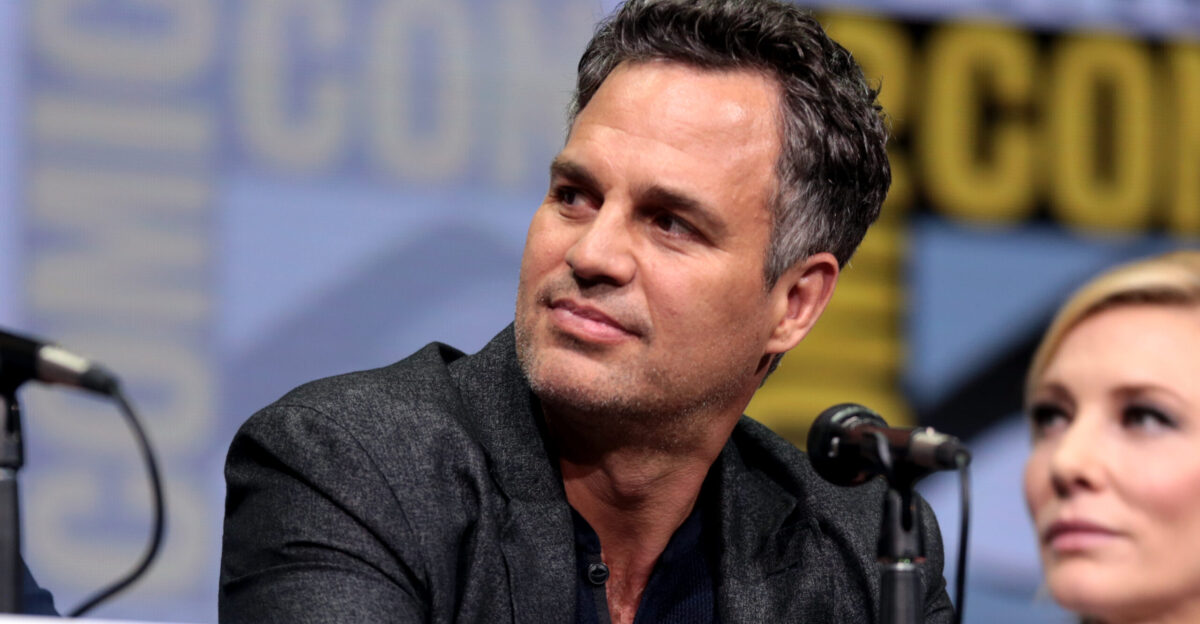
Meanwhile, celebrities including Mark Ruffalo, Abigail Disney, and members of organizations like “Patriotic Millionaires” advocate for higher taxes on the ultra-wealthy. This movement reflects increasing public discourse about extreme wealth inequality in America and globally.
The Trillionaire Timeline

Financial experts estimate Musk could become the world’s first trillionaire by 2027-2030 if current wealth accumulation trends continue. This milestone would represent an unprecedented concentration of wealth in one individual.
For perspective, $1 trillion could theoretically fund the annual budget of several small nations, provide healthcare to millions, or address multiple global humanitarian crises simultaneously, fueling debates about appropriate wealth limits.
Historical Context of Wealth Criticism
Criticism of extreme wealth isn’t new—America’s Gilded Age witnessed similar debates about the fortunes of industrialists. The Rockefellers, Carnegies, and Vanderbilts faced pressure to establish philanthropic foundations.
Modern billionaires face heightened scrutiny in the social media age, where wealth disparities are instantly visible and shareable. Eilish’s viral posts exemplify how digital platforms amplify conversations about wealth inequality to unprecedented audiences, potentially reshaping public opinion and policy discussions.
Potential Solutions Debated
Economists and policymakers debate various approaches to addressing wealth inequality, including progressive wealth taxes, higher capital gains rates, mandatory charitable giving requirements, and restructured corporate governance. Some advocate for “giving pledges” where billionaires commit the majority fortunes to charity.
Others argue systemic changes in labor law, antitrust enforcement, and corporate taxation would more effectively address root causes than relying on voluntary billionaire philanthropy.
What Happens Next?
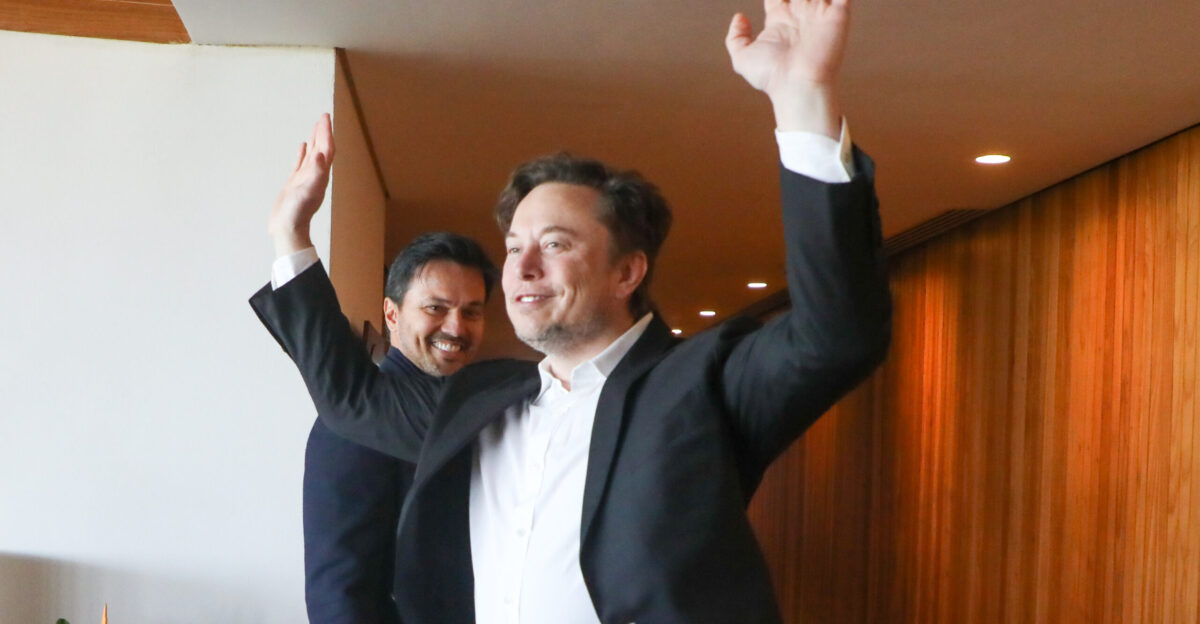
Neither Eilish nor Musk has further commented since their initial exchange, leaving the feud’s future uncertain. The incident highlights the ongoing cultural tensions between the entertainment industry’s progressivism and the tech industry’s libertarianism.
As wealth inequality continues growing and social media amplifies such confrontations, similar celebrity-billionaire disputes will likely emerge. The conversation about billionaire responsibility and wealth redistribution shows no signs of fading from public discourse.