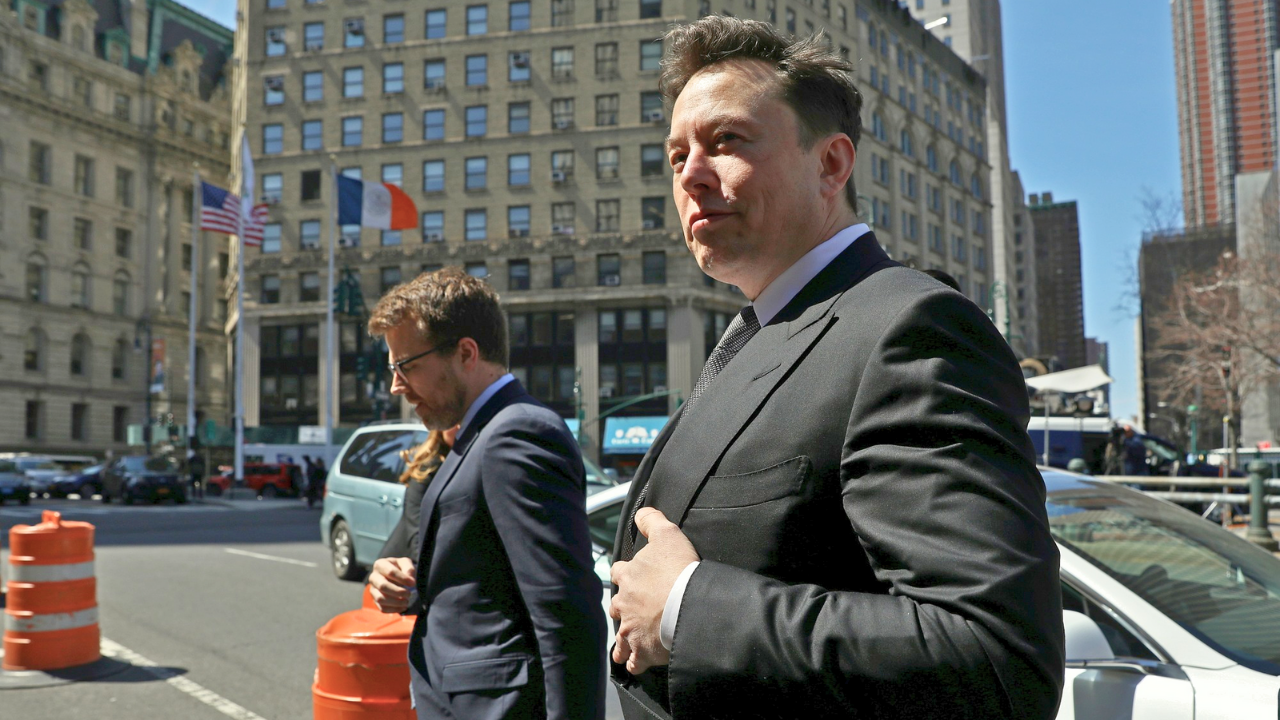
Elon Musk’s Boring Company faces a $493,297 fine from the Clark County Water Reclamation District for illegally dumping drilling fluids into Las Vegas sewers.
The November 2025 penalty comes amid nearly 800 documented environmental violations over the past two years, raising serious questions about the company’s compliance culture and the effectiveness of its regulatory oversight. The case highlights growing concerns about corporate accountability in infrastructure projects.
What is The Boring Company?
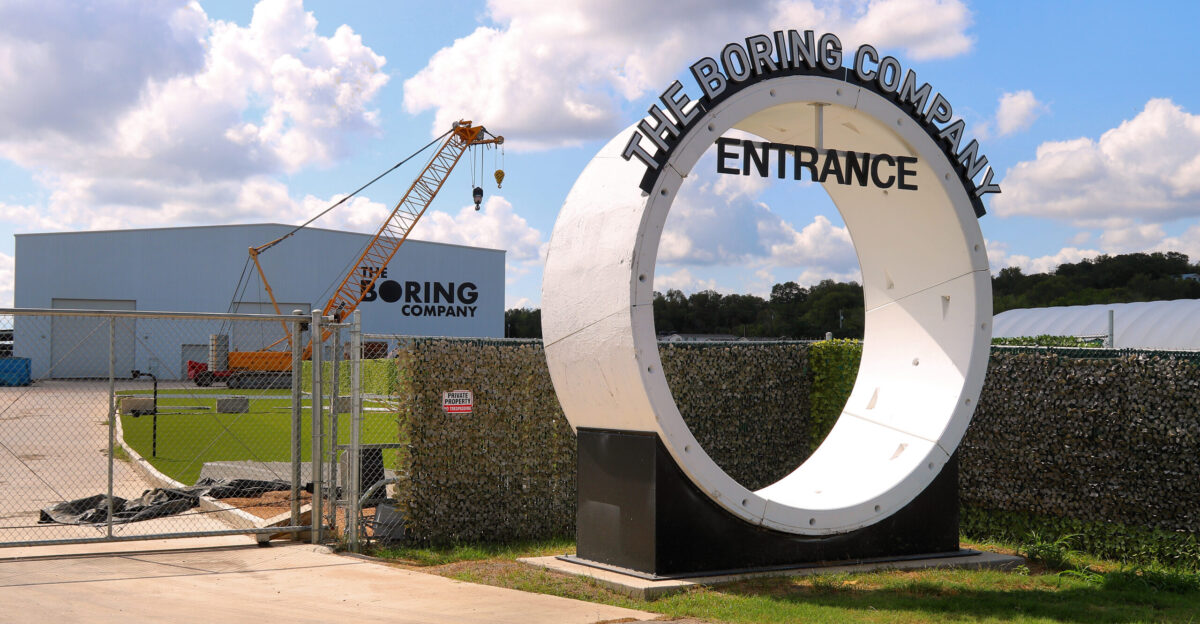
Founded by Elon Musk in 2016, The Boring Company aims to revolutionize urban transportation through the development of underground tunnel networks. The company’s flagship project, the Vegas Loop beneath Las Vegas, promises high-speed transit connecting major destinations across the city.
Valued at approximately $7 billion in 2023, the company operates with Musk’s signature “move fast” philosophy, prioritizing rapid development and innovation in tunnel construction technology.
The Vegas Loop Project
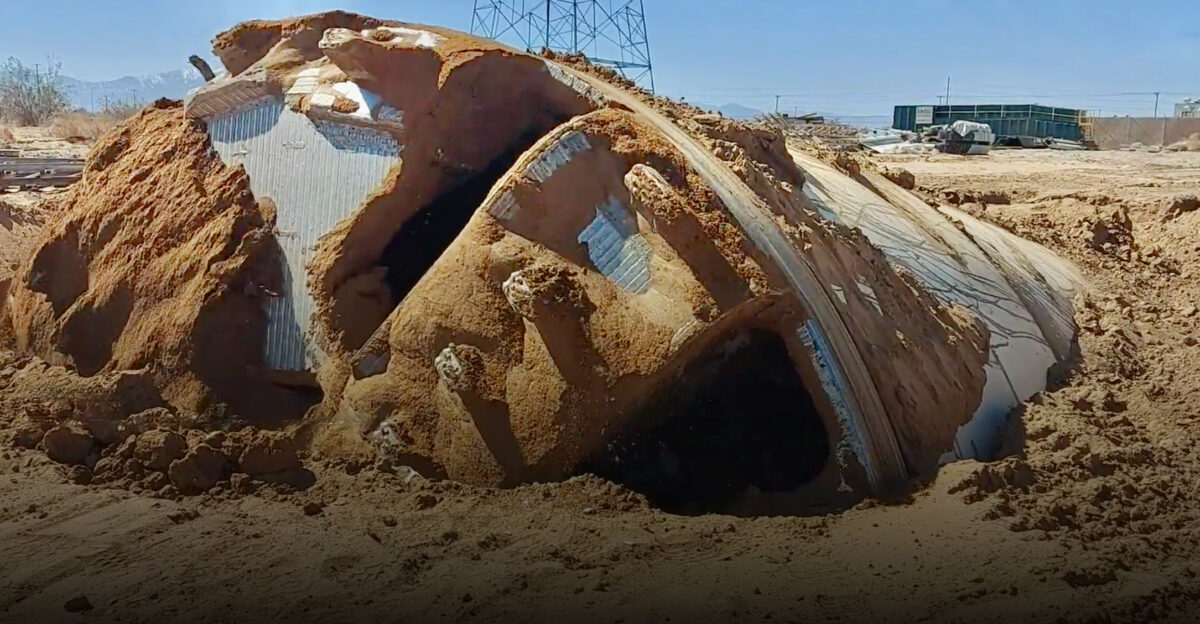
The Vegas Loop is an expanding underground transportation system using Tesla vehicles in tunnels beneath Las Vegas Convention Center and Strip resorts. The network currently spans multiple stations with ambitious expansion plans throughout the metropolitan area.
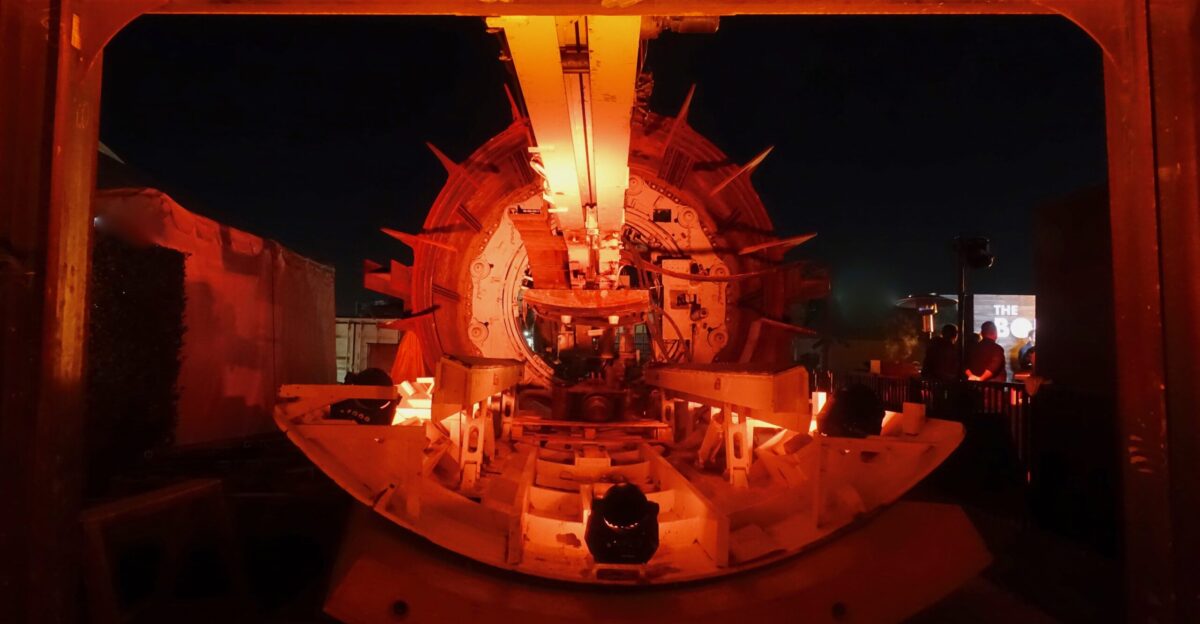
Construction involves extensive drilling and excavation operations, generating significant amounts of wastewater and drilling fluids that require proper disposal under strict environmental regulations. The project represents one of the company’s most visible commercial ventures.
The Illegal Dumping Incident
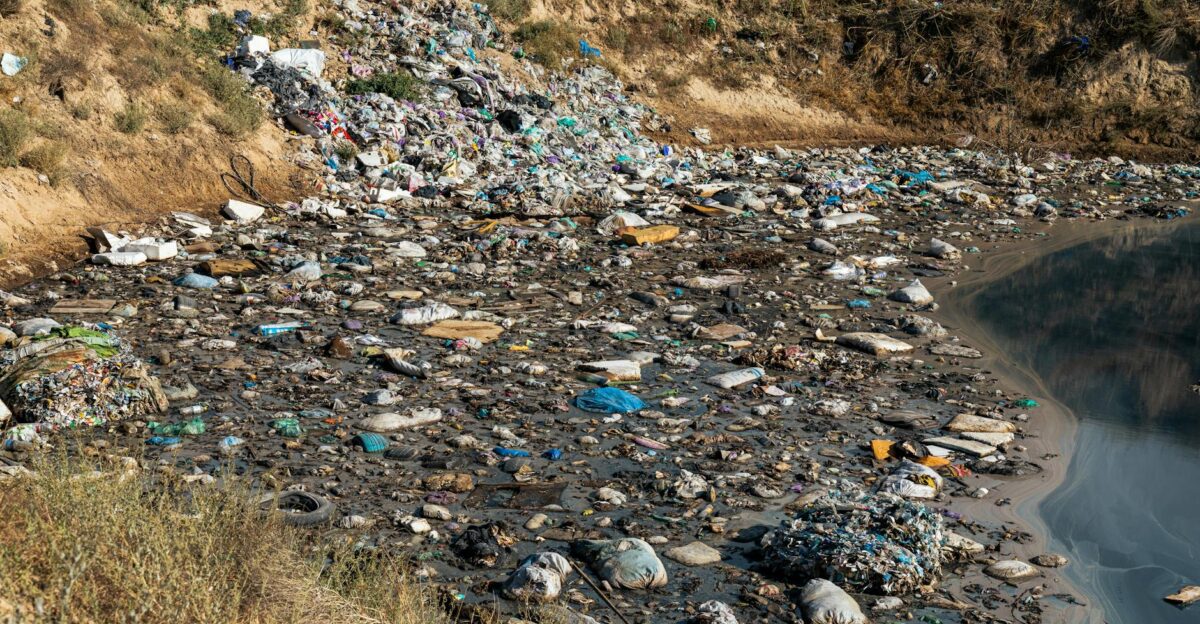
In 2024, Boring Company employees were caught dumping drilling fluids directly into Las Vegas manholes connected to the public sewer system. When Clark County inspectors arrived and ordered them to stop, workers initially refused to comply with the directive.
This brazen violation triggered an investigation that led to a nearly $500,000 fine. The incident demonstrated a concerning disregard for environmental protocols and the authority of the inspector at the construction site.
Defying Inspectors
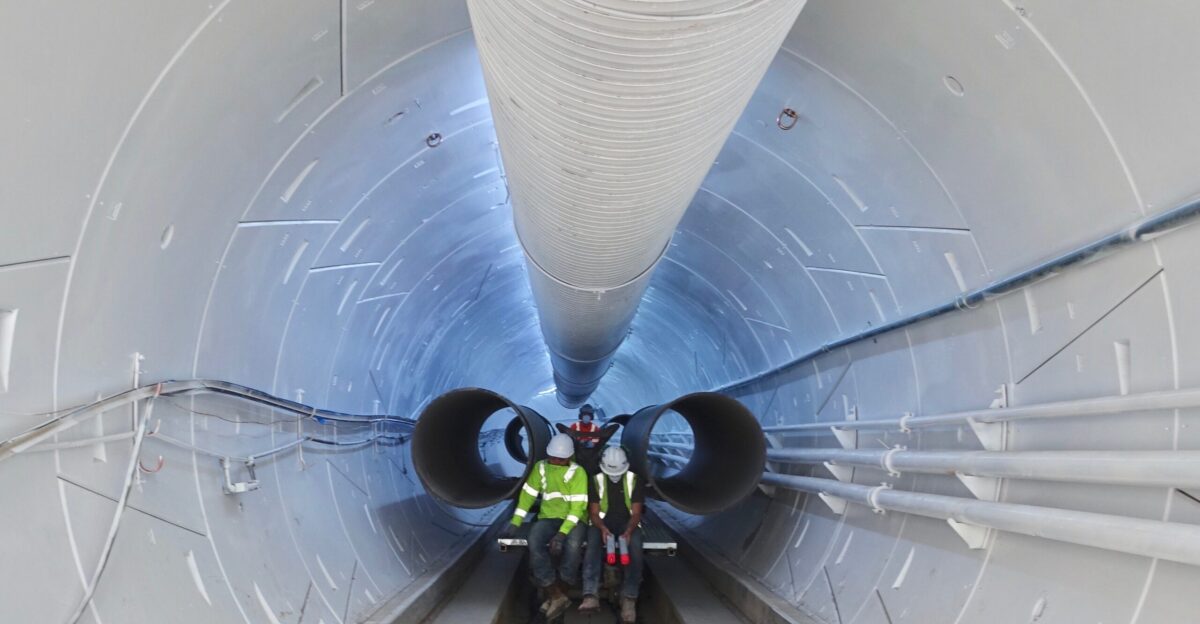
The day after being ordered to stop, Boring Company employees appeared to comply with inspectors’ demands during monitoring visits. However, they resumed illegal dumping operations shortly after assuming district inspectors had left the property, according to official reports.
This deliberate deception significantly escalated the severity of violations and demonstrated intentional non-compliance with regulatory oversight. The pattern suggested systematic efforts to evade environmental enforcement.
What Was Being Dumped?
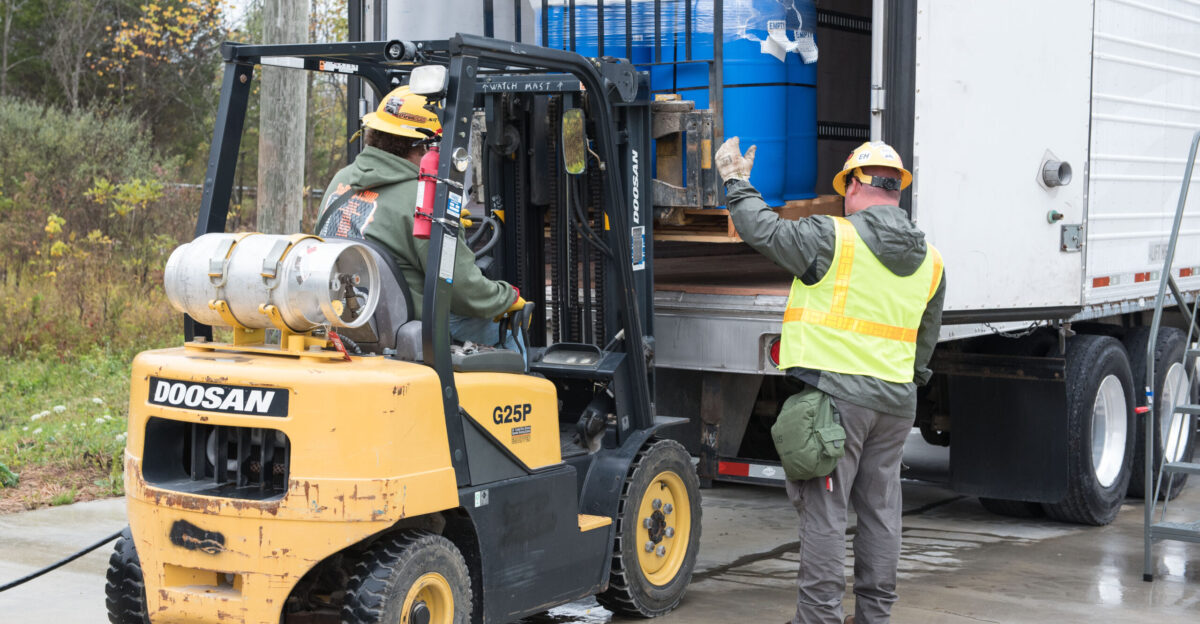
The drilling fluids illegally discharged contained various chemicals and materials from tunnel excavation operations. These substances can damage wastewater treatment infrastructure and potentially contaminate water systems if not properly handled.
Proper disposal requires specialized handling and treatment facilities, which The Boring Company bypassed by dumping into public sewers. The chemicals posed risks to both municipal infrastructure and environmental safety, according to water quality experts.
The $493K Fine Breakdown

Clark County Water Reclamation District issued a penalty of exactly $493,297.08 in November 2025 for the dumping violations. This substantial fine reflects both the environmental damage and the company’s defiant behavior when caught by inspectors.
The penalty calculation took into account the deliberate nature of the violations, refusal to comply with inspectors, and attempted deception following initial warnings. District officials emphasized the fine’s role as both punishment and deterrent.
Nearly 800 State Violations
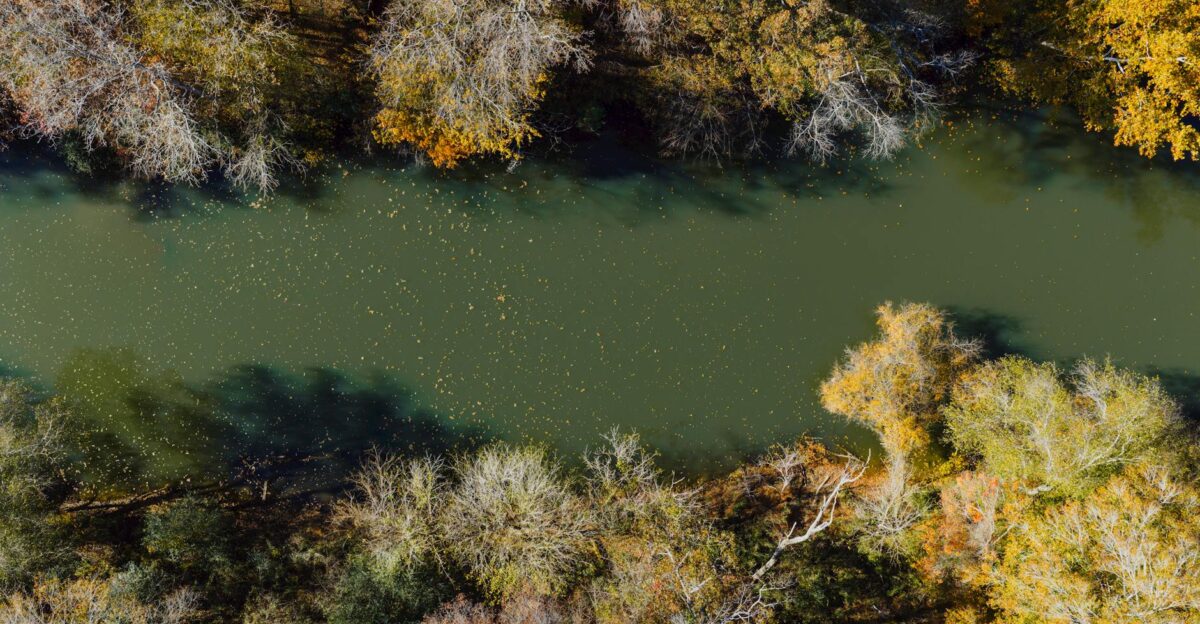
Separately, Nevada’s Division of Environmental Protection accused The Boring Company of violating environmental regulations 689 to nearly 800 times over a two-year period. These violations occurred between 2023 and 2025, revealing a systematic pattern of non-compliance rather than isolated incidents.
The sheer volume of infractions raised questions about the company’s environmental management systems and commitment to regulatory compliance throughout the Vegas Loop construction timeline.
What Were the State Violations?
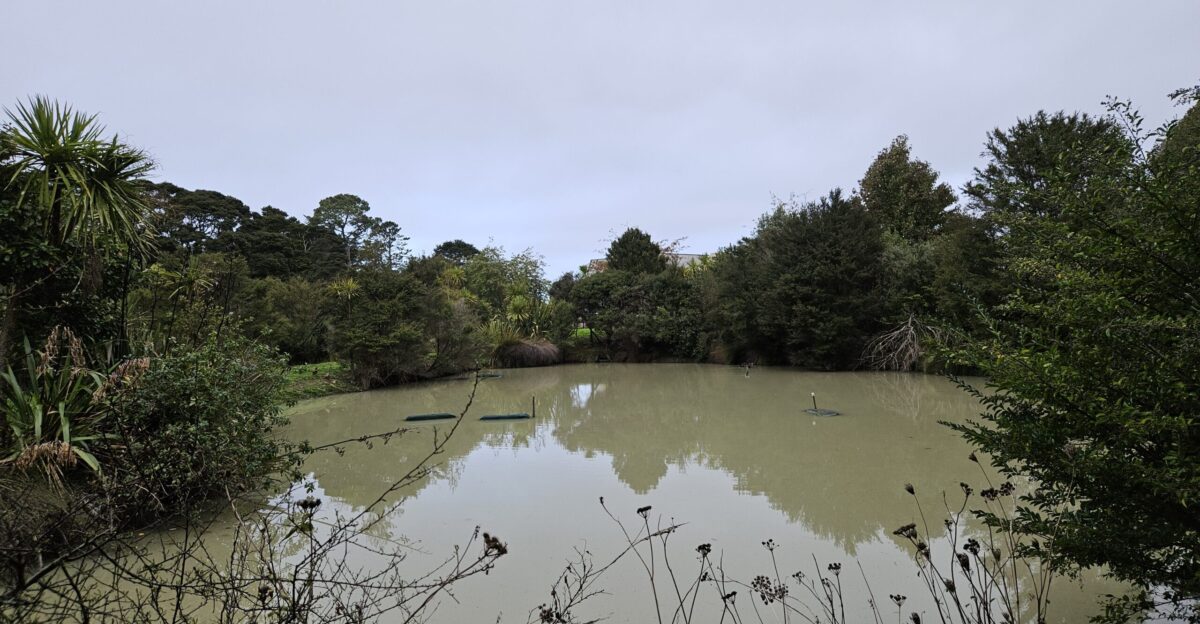
State violations included starting excavation without proper approvals, releasing untreated stormwater onto Las Vegas streets, spilling construction materials from trucks, and failing to conduct required inspections.
The company also failed to hire an independent environmental compliance manager as required by permits. Additional infractions involved inadequate erosion controls and unauthorized disturbance of protected areas. The violations spanned multiple environmental protection categories, indicating widespread compliance failures.
Reduced State Penalties
Nevada regulators could have fined The Boring Company over $3 million for the documented violations based on standard penalty calculations. However, they reduced the penalty to $242,800 in October 2025 through a settlement process.
Critics question whether such reduced fines provide a sufficient deterrent for a multi-billion-dollar company. The 92% penalty reduction sparked debate about whether enforcement adequately protects environmental standards when dealing with well-funded corporations.
Pattern of Regulatory Violations
The recent fines represent a continuing pattern that has been in place since the Vegas Loop construction began in earlier years. In 2024, reports emerged of workers suffering chemical burns, indicating inadequate safety protocols at construction sites.
State officials documented 689 missed required inspections, suggesting systematic neglect of regulatory obligations rather than accidental oversights. The pattern revealed gaps between the company’s rapid construction timeline and the compliance infrastructure necessary to meet environmental standards.
Worker Safety Concerns
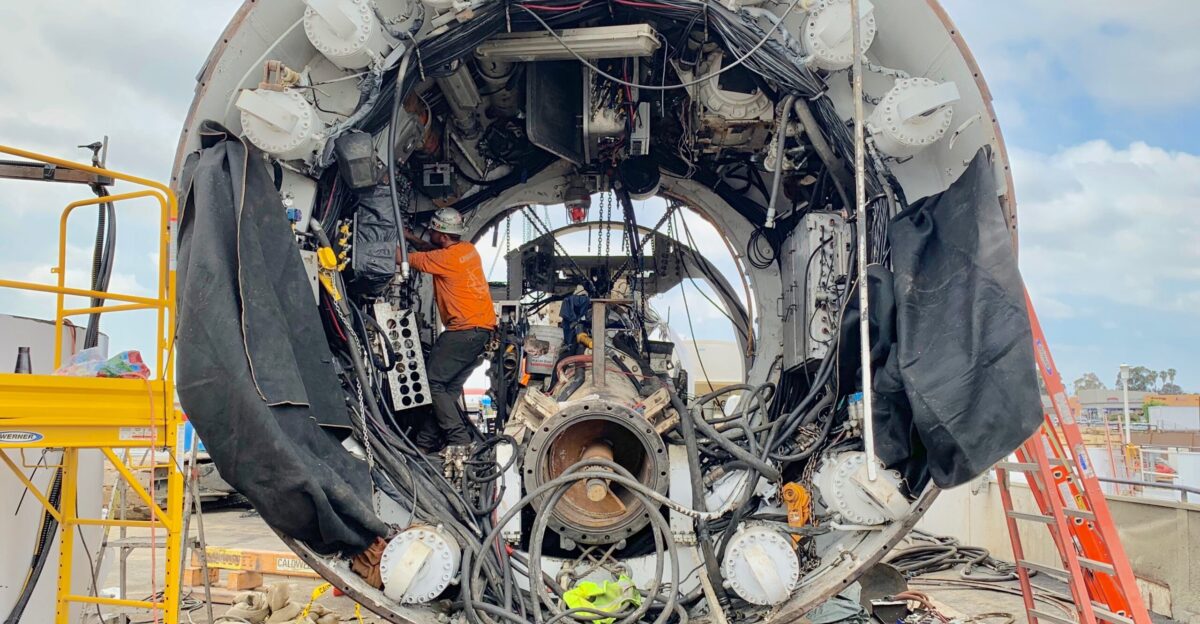
Beyond environmental violations, Boring Company faced scrutiny over worker safety conditions at Las Vegas tunnel sites. Reports in May 2024 documented workers suffering burns from chemicals used in tunnel construction operations.
These incidents raised questions about whether the company’s rush to complete projects compromised both environmental protection and employee welfare. Worker safety advocates called for increased oversight of working conditions in underground construction projects.
The “Move Fast, Pay Fines” Model

Critics argue The Boring Company operates under a business model of moving quickly and accepting fines as a cost of doing business. With a company valuation around $7 billion, penalties of several hundred thousand dollars may not provide meaningful deterrence, potentially encouraging continued non-compliance.
Industry observers note this approach prioritizes speed over regulatory compliance. The relatively small financial impact of fines compared to a company’s value raises questions about the effectiveness of enforcement.
Regulatory Oversight Questions
The extensive violations over a two-year period raise serious questions about the effectiveness of regulatory oversight in Nevada. How did nearly 800 violations accumulate before significant enforcement? Do current fine structures adequately deter wealthy companies from environmental violations? Nevada officials face criticism for reducing potential penalties by over 90 percent.
These questions highlight broader challenges in regulating well-funded companies with aggressive development timelines and limited resources for environmental compliance.
Environmental Impact Assessment
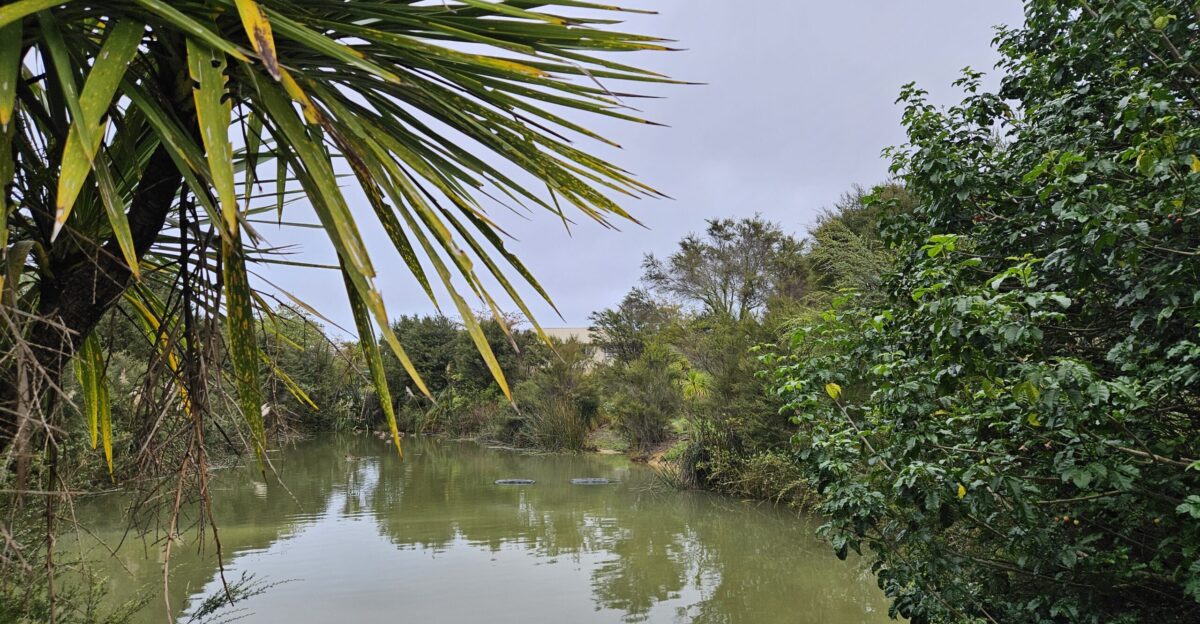
Untreated stormwater released onto city streets can carry pollutants into drainage systems and potentially groundwater sources. Drilling fluids dumped into sewers can damage treatment infrastructure and introduce contaminants into water systems.
The full environmental impact remains under assessment by state and local authorities, but repeated violations suggest significant cumulative damage. Environmental scientists emphasize the importance of proper waste handling to protect Las Vegas’s water resources and infrastructure.
Company Response and Accountability
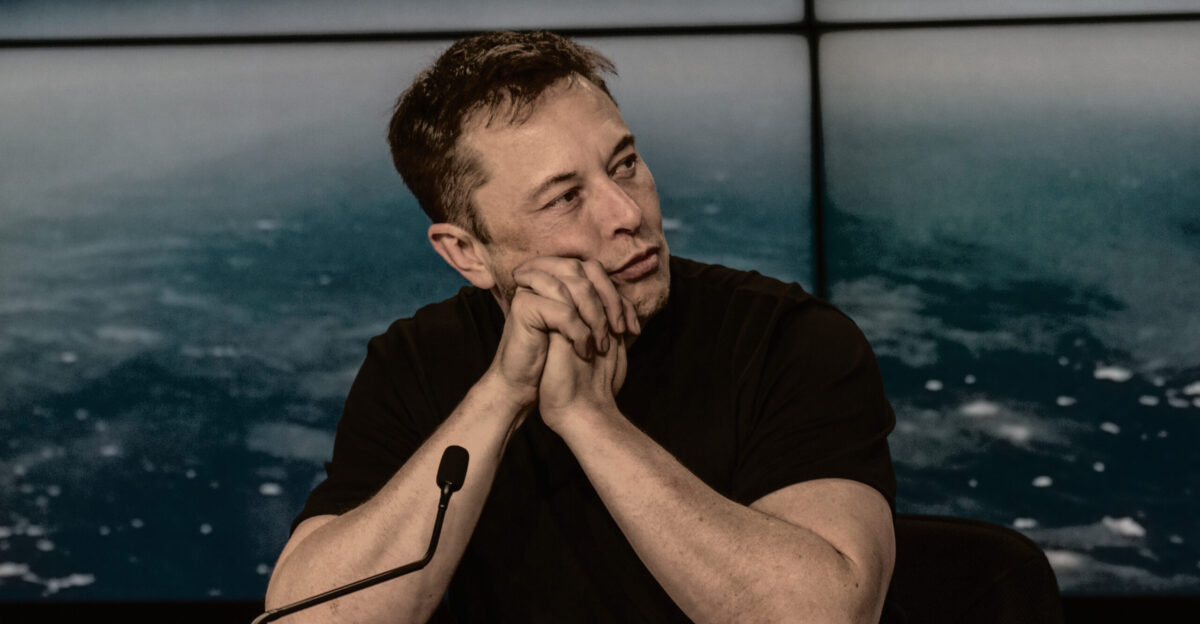
The Boring Company’s response to the violations has been limited, with few public statements addressing the systematic compliance failures. The pattern of non-compliance contrasts with the need for transparent accountability measures in infrastructure projects.
Questions remain about the company’s commitment to future compliance and whether leadership will implement systematic changes to prevent further violations. Lack of detailed public accountability plans concerns environmental advocates monitoring the situation.
Legal and Financial Consequences

Beyond direct fines totaling approximately $736,000 from both Clark County and Nevada state actions, The Boring Company faces potential additional legal liability. Environmental violations can trigger citizen lawsuits, additional regulatory scrutiny, and damage to reputation, ultimately affecting future project approvals in other jurisdictions.
The documented compliance failures may influence how other cities evaluate Boring Company proposals. Legal experts note that patterns of violations can strengthen regulatory opposition to new projects.
Implications for Future Projects
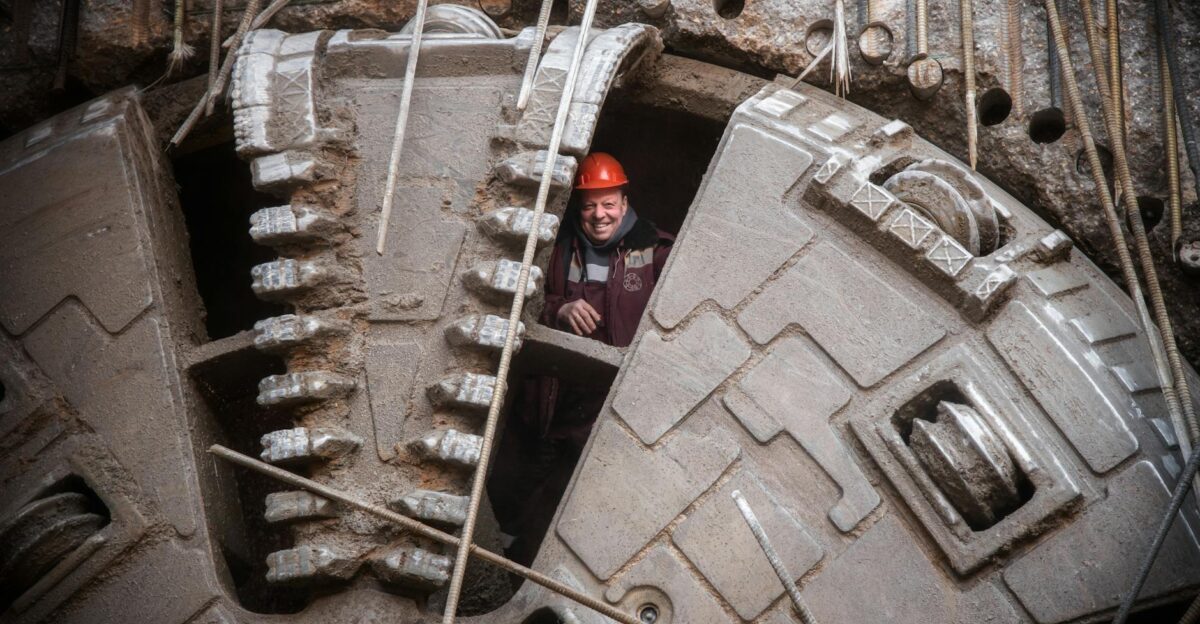
The Boring Company has proposed tunnel projects in multiple cities nationwide, from Florida to Texas. These documented violations and compliance failures may influence permitting decisions elsewhere as regulators conduct due diligence.
Regulators in other jurisdictions now have evidence of systematic non-compliance to consider when evaluating project applications. Some cities have already expressed increased scrutiny of Boring Company proposals following the Nevada violations, requiring additional environmental guarantees.
Industry Standards and Best Practices
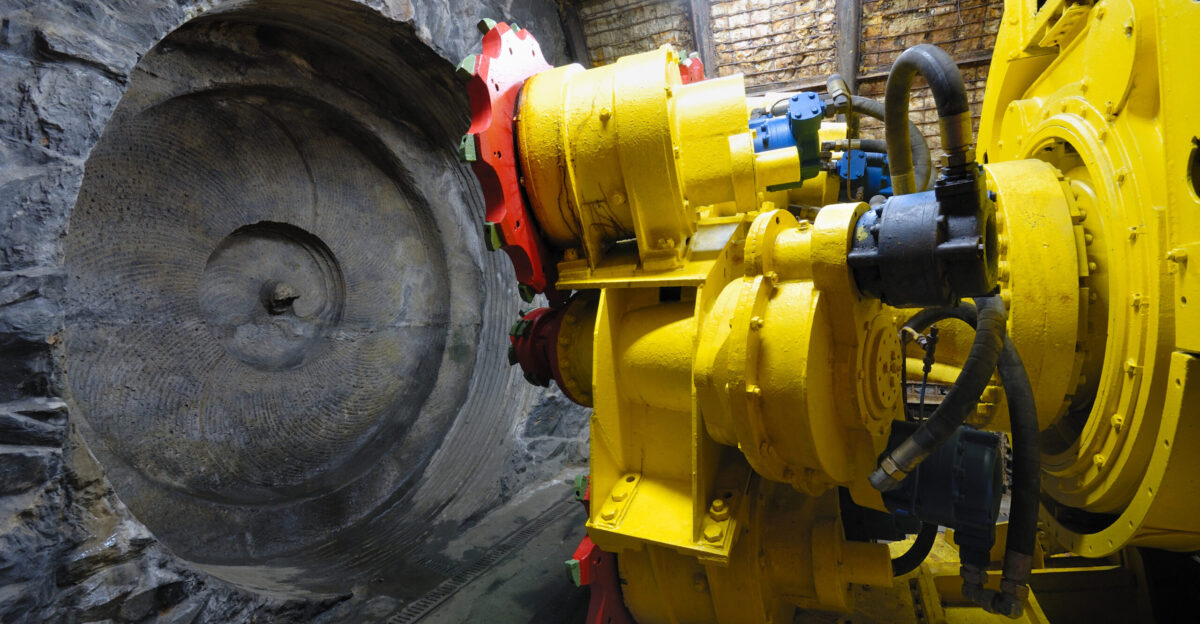
Major construction and tunneling companies typically maintain robust environmental compliance programs with dedicated staff, regular training, and independent auditing systems.
The Boring Company’s failures suggest inadequate compliance infrastructure despite having resources to implement industry-standard protections, given its multi-billion-dollar valuation. Industry leaders emphasize that proper environmental management is essential for large-scale construction projects. Competitors point to their own compliance records as evidence that profitability and environmental responsibility can coexist.
What Happens Next?
The Boring Company must now demonstrate improved compliance to continue operating the Vegas Loop and expanding in Nevada. Regulators will likely increase the frequency and scrutiny of inspections for all company activities in the state.
Whether these penalties trigger meaningful operational changes or simply become absorbed as business costs remains the critical question for environmental protection advocates. The case may influence how regulators nationwide approach oversight of innovative but fast-moving infrastructure companies.