On December 23, 2025, federal safety regulators launched an investigation into 179,071 Tesla Model 3 sedans over concerns that emergency manual door releases are “hidden, unlabeled, and not intuitive” during emergencies.
The probe marks the second investigation in four months, following a September inquiry into 174,290 Model Y vehicles, bringing over 353,000 Teslas under regulatory scrutiny amid mounting safety concerns.
Death Toll Rises to 15

A comprehensive Bloomberg investigation revealed at least 15 deaths over the past decade where occupants or rescuers couldn’t open Tesla doors following crashes.
The investigation compiled data from NHTSA records, police reports, fire department documents, autopsy reports, and 911 recordings. These confirmed fatalities represent cases where door functionality was definitively identified as contributing to deaths, suggesting the actual toll may be higher.
Piedmont Tragedy Claims Three Lives
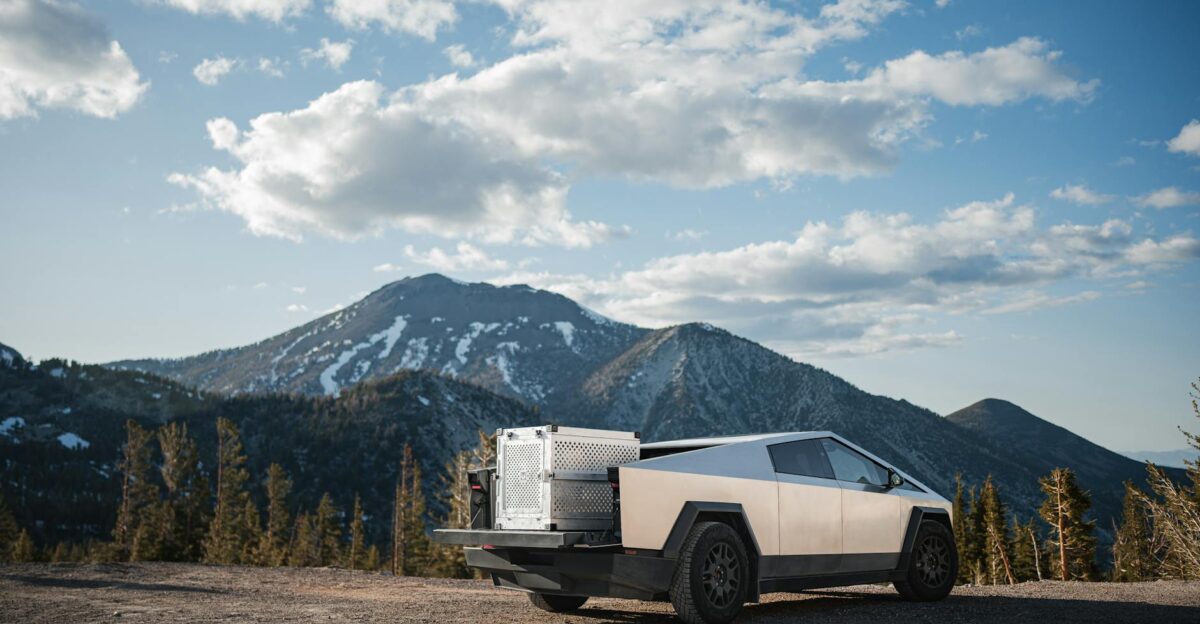
The November 27, 2024 Cybertruck crash in Piedmont, California exemplifies the crisis’s human cost. College students Krysta Tsukahara, 19, Soren Dixon, 19, and Jack Nelson, 20, died after their vehicle struck a wall and tree, then caught fire.
Electronic doors lost power after impact, trapping occupants inside. A friend required “ten to fifteen hits” with a tree branch to break the window. The three victims died from smoke inhalation, not crash injuries.
How Tesla Doors Fail
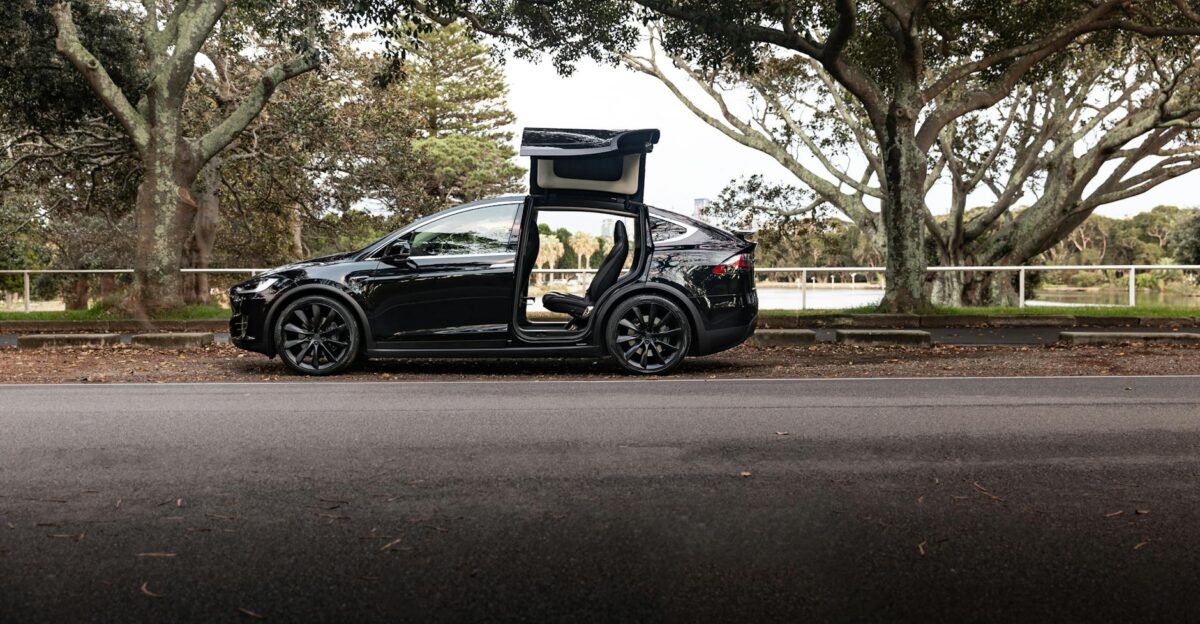
Tesla’s door system relies on a 12-volt low-voltage battery—separate from the main propulsion battery—to power electronic locks and latches. When this battery loses power or voltage drops, doors become completely inoperative.
Critically, Tesla doors “fail closed,” meaning they cannot be opened from outside without electrical power. Owners report receiving no warning before failures occur, creating silent but deadly scenarios.
Manual Releases Hidden From View
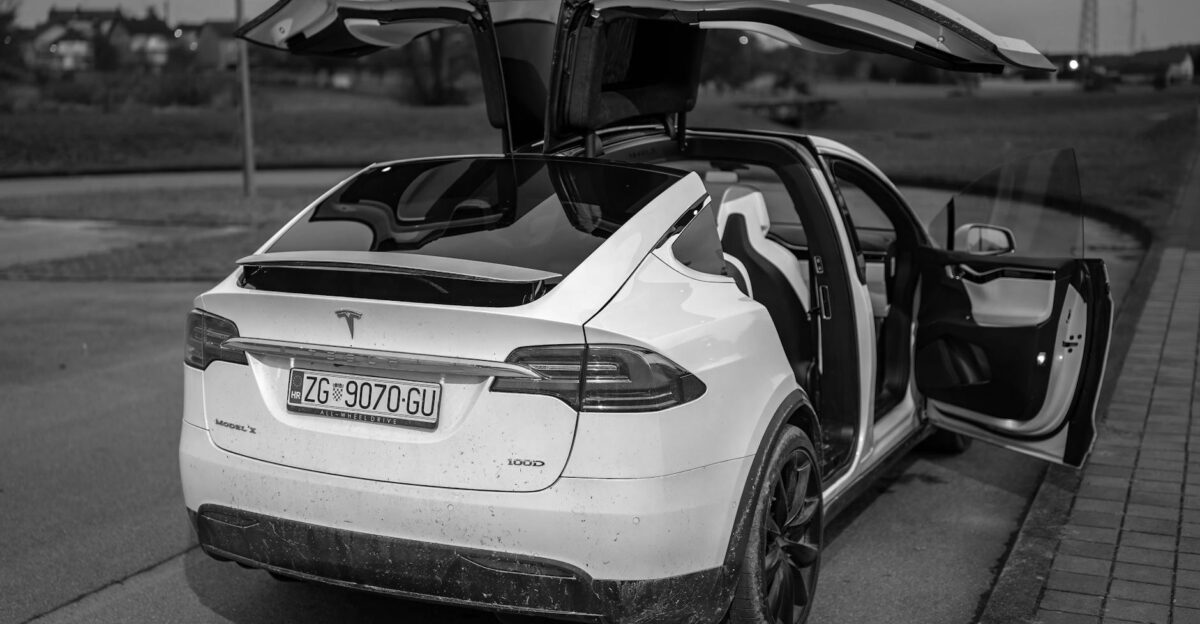
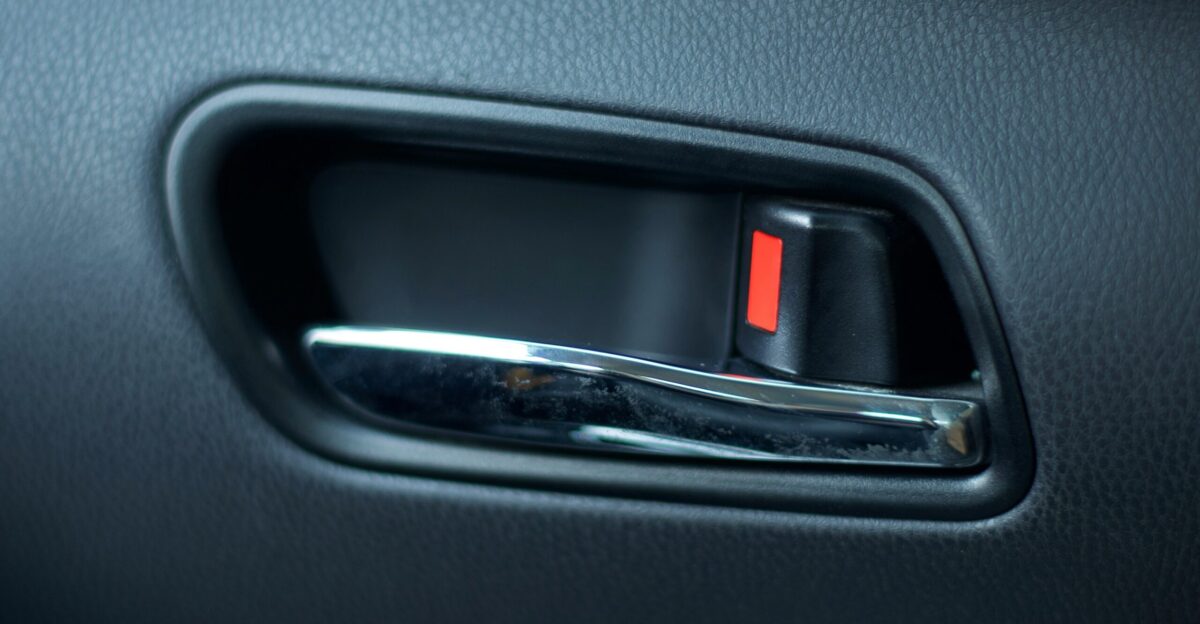
While Tesla equips vehicles with manual emergency releases, their implementation varies significantly across models. In Model 3 rear seats, the release is hidden beneath a mat in the door pocket, requiring occupants to remove covering and pull a concealed lever.
Model Y features a small red tab behind a mat. Cybertruck hides releases in map pocket wells. These placements suggest mechanical backups were design afterthoughts rather than primary safety systems.
Survivor’s Harrowing Escape
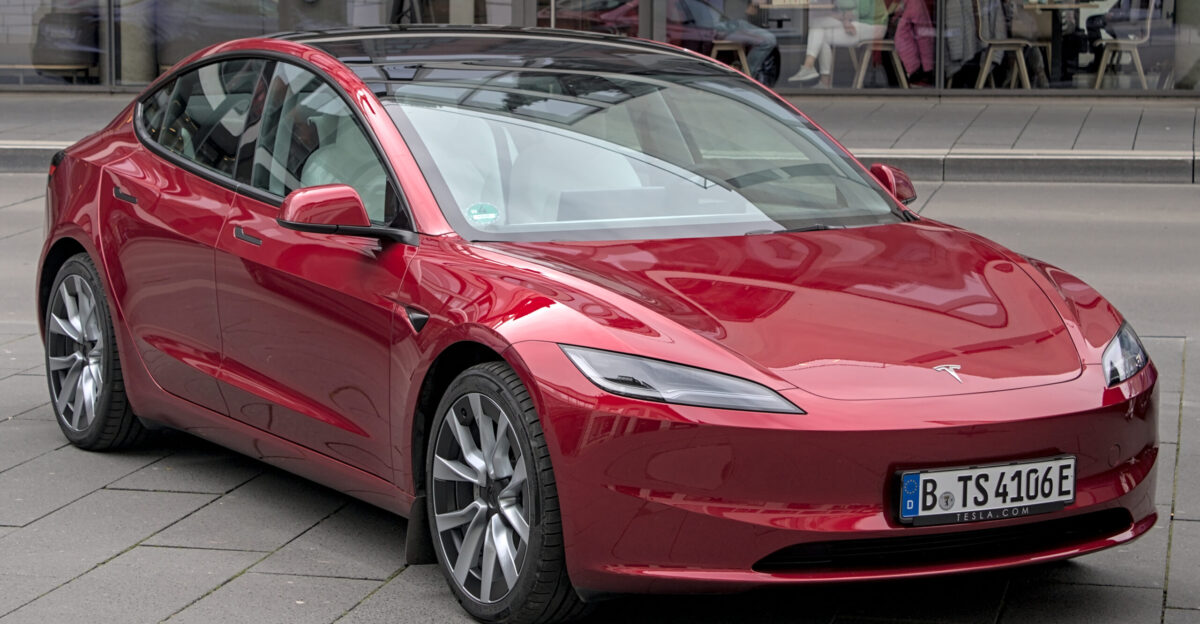
Kevin Clouse’s 2023 experience catalyzed the federal investigation. After his Model 3 caught fire following a crash, Clouse couldn’t open doors using electronic buttons and didn’t know manual release locations.
Trapped in the burning vehicle, he climbed to the back seat and kicked out the rear window with his legs, sustaining burns during escape. His NHTSA petition detailed how non-intuitive door designs endangered his life during critical seconds.
Children Trapped Inside Vehicles

Beyond crash scenarios, battery failures during normal operation have trapped children inside Teslas. NHTSA’s Model Y investigation documents nine cases where parents couldn’t open doors to retrieve children from back seats. Four incidents required parents to break windows.
One case involved 18-month-old Salem, trapped in her car seat for nearly two hours after a 12-volt battery failure, with police struggling to access the hysterical toddler.
Musk’s Design Philosophy Backfires
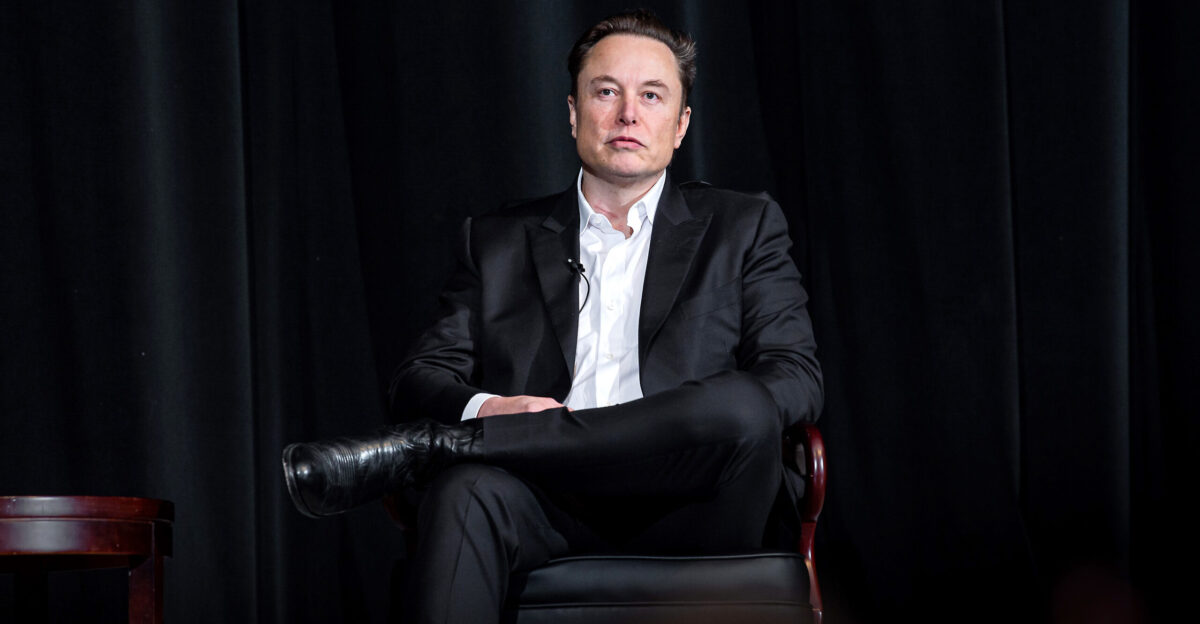
Tesla’s door design originated during Model 3 development when CEO Elon Musk insisted on electronic doors despite engineer warnings about safety hazards. Inspired by Apple’s minimalist aesthetic and guided by his philosophy that “the best part is no part,” Musk prioritized form and cost reduction. Engineers raised concerns but Musk remained insistent.
Mechanical backups were added late in development as compromise, resulting in non-intuitive emergency access.
Designer Acknowledges Problems

Tesla’s chief designer Franz von Holzhausen acknowledged the issue in September 2025, stating that combining electronic and manual releases “into one button makes a lot of sense. That’s something we’re working on.”
However, Tesla hasn’t provided implementation timelines or clarified whether solutions would apply to existing vehicles through software updates, hardware retrofits, or only new production models. The company declined multiple media requests for comment.
China Bans Retractable Handles

China took the most aggressive regulatory stance, releasing draft regulations on December 18, 2025 that effectively ban fully retractable door handles on vehicles under 3.5 tons starting January 1, 2027.
The mandate requires all vehicles to feature mechanical emergency opening functions accessible from interior and exterior. A transition period extends to July 2028 for previously approved models, forcing Tesla to redesign for one of its largest markets.
European Regulators Issue Warnings

European Union authorities issued formal warnings in October 2025 about electronic door handle design defects, noting multiple fatal accidents and urging immediate improvements. The United Nations Forum for Harmonization of Vehicle Regulations launched special discussions in May 2025.
The Netherlands Vehicle Authority, which certifies Tesla for EU markets, is studying revised requirements to ensure doors open without power and enable external rescue worker operation.
NHTSA Considers Mandatory Recall
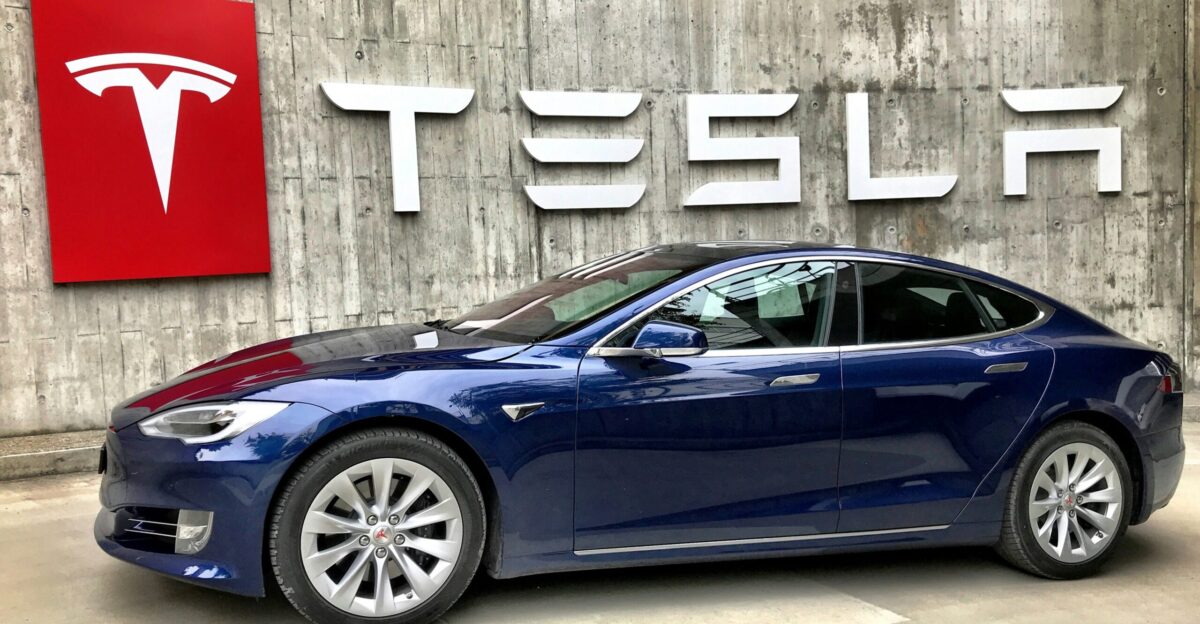
The federal investigation could culminate in a mandatory recall affecting over 353,000 vehicles. Petitions explicitly accuse Tesla of violating Federal Motor Vehicle Safety Standard FMVSS 206, governing door locks and retention systems.
NHTSA stated that failing to provide adequate vehicle egress means could constitute a safety defect requiring recall. The agency hasn’t yet decided whether to grant or deny the petition.
Industry-Wide Problem Emerges
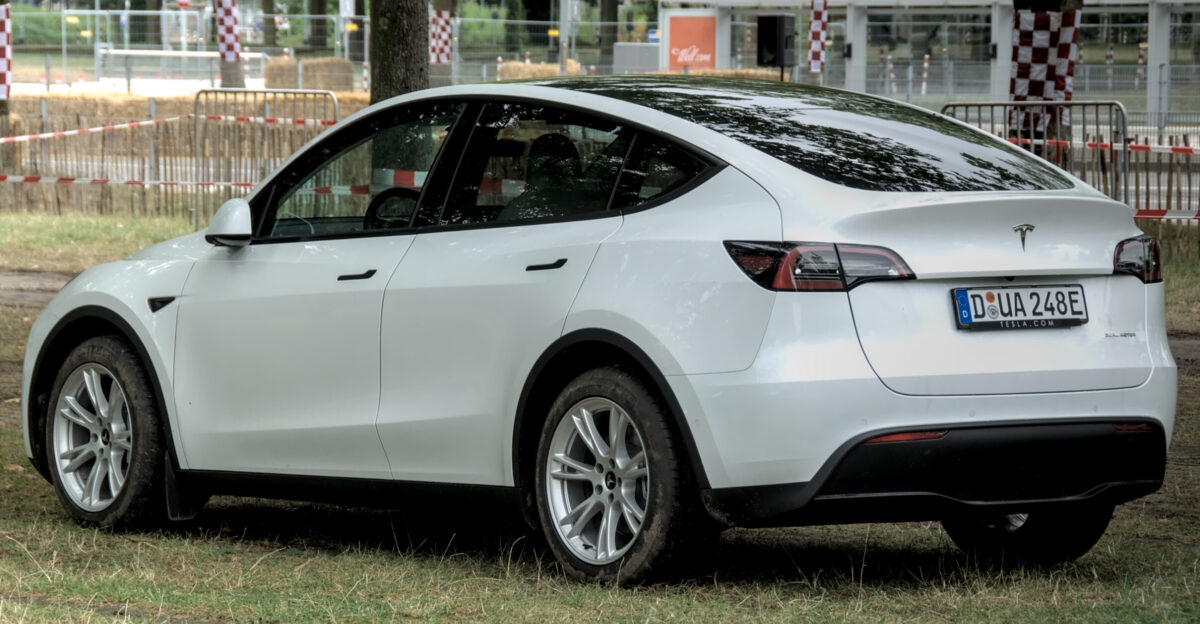
Tesla’s door handle controversy extends beyond one manufacturer. Ford recalled over 300,000 Mustang Mach-E electric crossovers for door handle issues potentially locking people in or out.
Fisker recalled 12,523 Ocean electric SUVs globally for exterior handles that could stick and fail. Chinese safety testing reveals electric handles deploy successfully after side collisions only 67% of the time, compared with 98% for traditional mechanical handles.
Consumers Buy Emergency Tools
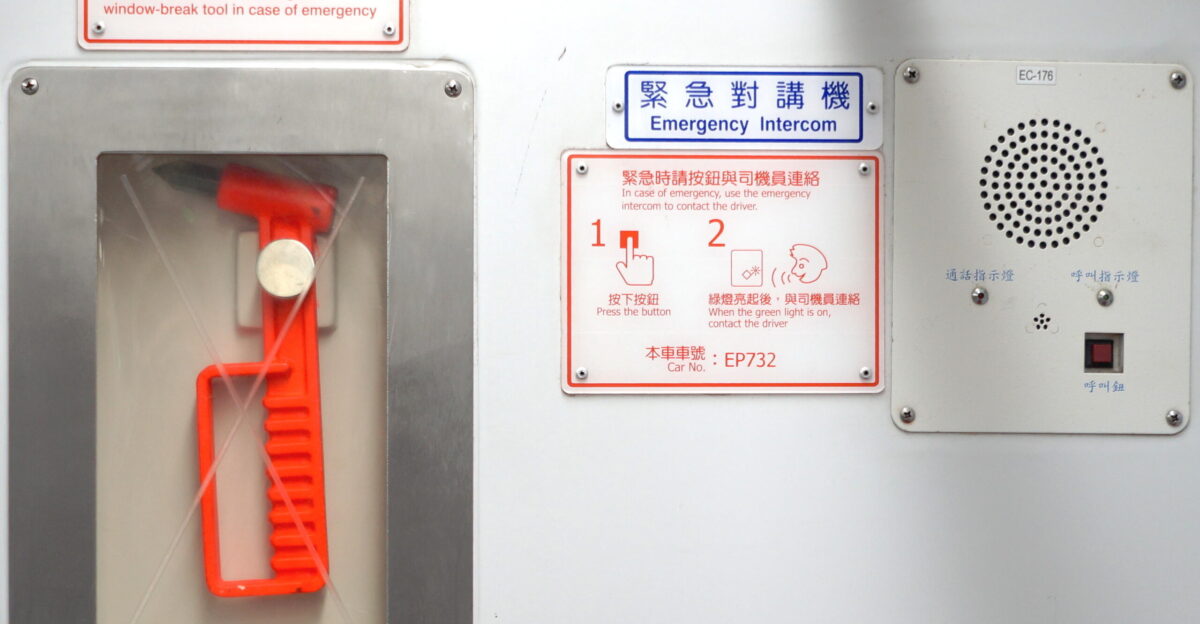
Consumer response manifested in grassroots education efforts and a growing aftermarket for safety accessories. Rideshare drivers now proactively demonstrate manual release locations to passengers. Amazon and Etsy sellers offer emergency pull cords, colored handle attachments, and window-breaking tools designed specifically for Tesla owners.
Nearly 35,000 people signed a Consumer Reports petition calling on automakers to fix electronic doors. One verified Amazon purchaser wrote: “How is anyone supposed to find this release in an emergency?”
Brand Loyalty Collapses
The door safety crisis contributes to eroding Tesla brand perception. Customer loyalty rates plummeted from 73% in June 2024 to 49.9% by March 2025—falling below industry average—before recovering slightly to 57.4% by May 2025.
Forrester’s 2025 rankings revealed Tesla scores 72.5 points among existing customers but only 33.3 among non-customers, representing “the widest perception gap across more than 400 brands evaluated globally.”
Sales Decline Sharply

Financial impacts are mounting. Tesla’s U.S. retail sales dropped 23% in November 2025 to near four-year lows of approximately 39,000 vehicles. Global 2024 deliveries totaled 1.79 million, marking the company’s first annual decline in 12 years.
First quarter 2025 deliveries fell 13% year-over-year to 336,681 vehicles. Stock declined 0.7% to 1.4% following the December investigation announcement, with shares trading near $485.
Recall Costs Could Reach Hundreds of Millions

If NHTSA mandates hardware retrofits for the 353,361 vehicles under investigation, costs could reach hundreds of millions of dollars. Tesla door handle repairs currently cost $240 to $840 per handle including labor and diagnostics.
Unlike software issues resolved via over-the-air updates, door handle defects may require physical modifications like more visible manual releases, permanent labeling, or redesigned door pockets, straining cash flow during heavy AI investment periods.
Safety Advocates Demand Standards
Automotive safety experts call for comprehensive regulatory intervention. Michael Brooks, Center for Auto Safety executive director, stated: “There needs to be a federal safety standard that standardizes the placement of manual releases for emergency exit.”
Rosemary Shahan, president of Consumers for Auto Reliability and Safety, commented: “No one should have to resort to breaking windows to get into their own car when their child is trapped inside because door handles fail.”
Aerodynamic Benefits Prove Marginal
The justification for electronic handles collapses under scrutiny. Industry research shows hidden door handles offer only 0.005 to 0.01 coefficient of drag improvement—far below the 0.03 manufacturers claim in marketing. Electronic handles cost several times more than traditional mechanical handles and exhibit significantly higher failure rates.
Great Wall Motor chairman Wei Jianjun remarked hidden handles “offer minimal aerodynamic benefits while increasing weight, noise, and safety risks.”
Future Remains Uncertain
Tesla faces immediate challenges responding to dual NHTSA investigations, redesigning for China’s 2027 ban, and implementing the combined release system von Holzhausen announced without timelines. The broader automotive industry confronts a potential inflection point in electronic door adoption.
For the 15 individuals who died trapped in vehicles and countless others who escaped only by breaking windows, the aesthetic appeal of flush handles proved an unacceptable cost for innovation that failed to account for deadly failure modes.
Sources:
“NHTSA Opens Probe into Tesla Emergency Door Releases Following Reports of Deaths.” Electrek, December 24, 2025.
“Tesla Door Safety Tied to At Least 15 Auto Accident Deaths.” Bloomberg News, December 22, 2025.
“U.S. Auto Safety Agency Probes Tesla Model 3 Emergency Door Release.” CNBC, December 26, 2025.
“Lawsuit Blames Cybertruck Door Handles for Death of Three Teens After Tesla Crash.” Electrek, October 3, 2025.
“Tesla-Style Retractable Door Handles Will Be Banned in China.” Mashable, December 28, 2025.
“Tesla’s Brand Loyalty Collapsed After Musk Backed Trump, Data Shows.” Reuters, August 4, 2025.
“Tesla Faces NHTSA Probe Over Model 3 Emergency Door Handles.” Fortune, December 24, 2025.