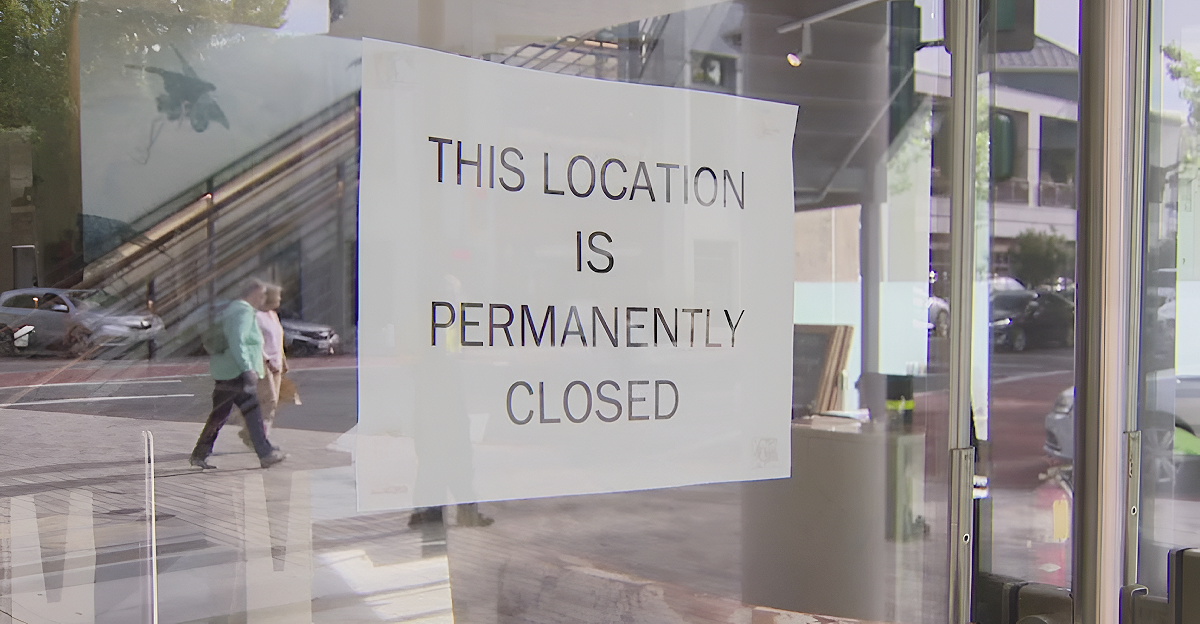
Across the country, September 8 looked ordinary at one of America’s most recognized eatertainment chains. Families filled game lanes, kitchens fired up signature dishes, and staff clocked in without concern. By morning, however, the picture was very different.
Doors that had been open for years were suddenly locked, and employees stood outside, confused and anxious. A place built on fun and connection had gone dark overnight, leaving regulars and workers alike to wonder what had happened while the rest of the world slept.
Subtle Warnings in the Air

In the weeks leading up to the shutdowns, insiders noticed changes that didn’t add up. Shifts were shortened, supply orders were reduced, and managers were visibly tense. Industry publications had also begun raising concerns about weakening demand in the sector, suggesting trouble could be looming for some operators.
Among staff, whispers circulated about potential restructuring, but nothing seemed urgent enough to suggest widespread closures. Still, there was a sense that something big was coming, and the silence from corporate only deepened suspicion.
A Morning of Shock
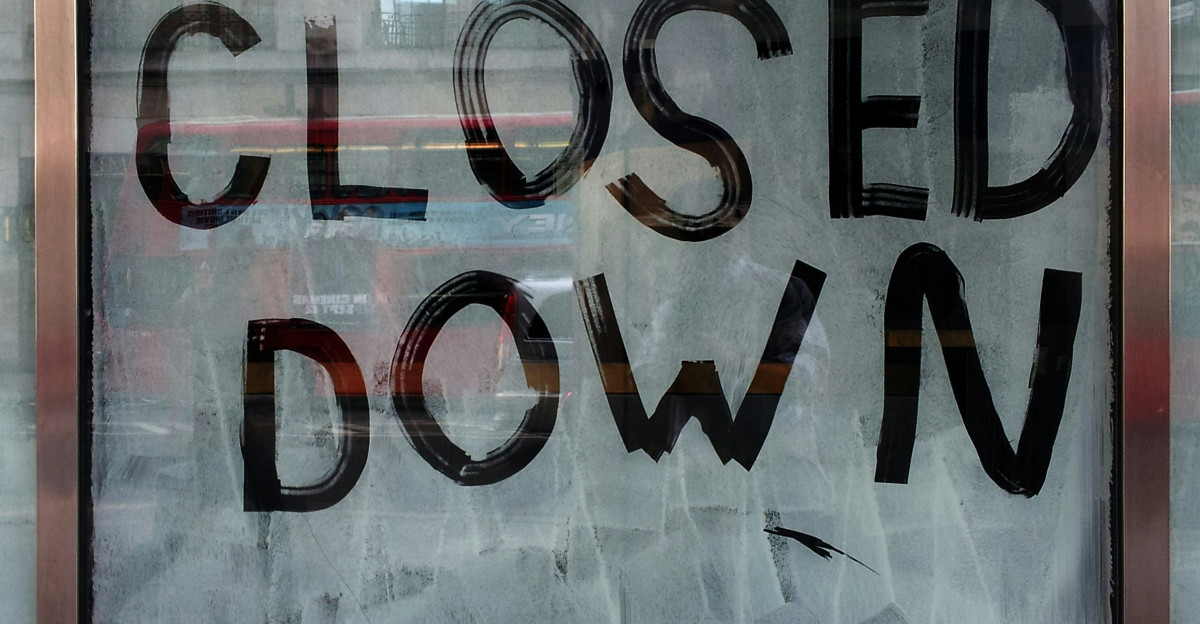
On September 9, the first signs appeared. Employees arriving for morning shifts discovered their workplaces shuttered, with printed notices taped to glass doors. Phones went unanswered, emails bounced back with automated replies, and regular customers arriving early were left puzzled.
Local news outlets documented workers gathering in parking lots, still in uniform, asking each other if they had been fired. The abrupt change contrasted sharply with the chain’s usual energy, replacing music and conversation with silence and uncertainty. For staff, it was a bewildering way to start the day.
Whispers Become Headlines

As confusion mounted, more details trickled out. Local TV crews reported that closures weren’t isolated; they were happening in cities nationwide. Entire teams were effectively cut off from their workplaces overnight. Labor advocates criticized the lack of communication, arguing employees deserved clarity before such drastic moves.
The abrupt shutdown left communities scrambling for answers. Which brand could shut down so suddenly, with no warning, and affect so many? By midday, it was clear this wasn’t a handful of restaurants; it was a sweeping corporate retreat.
The Brand Behind the Closures
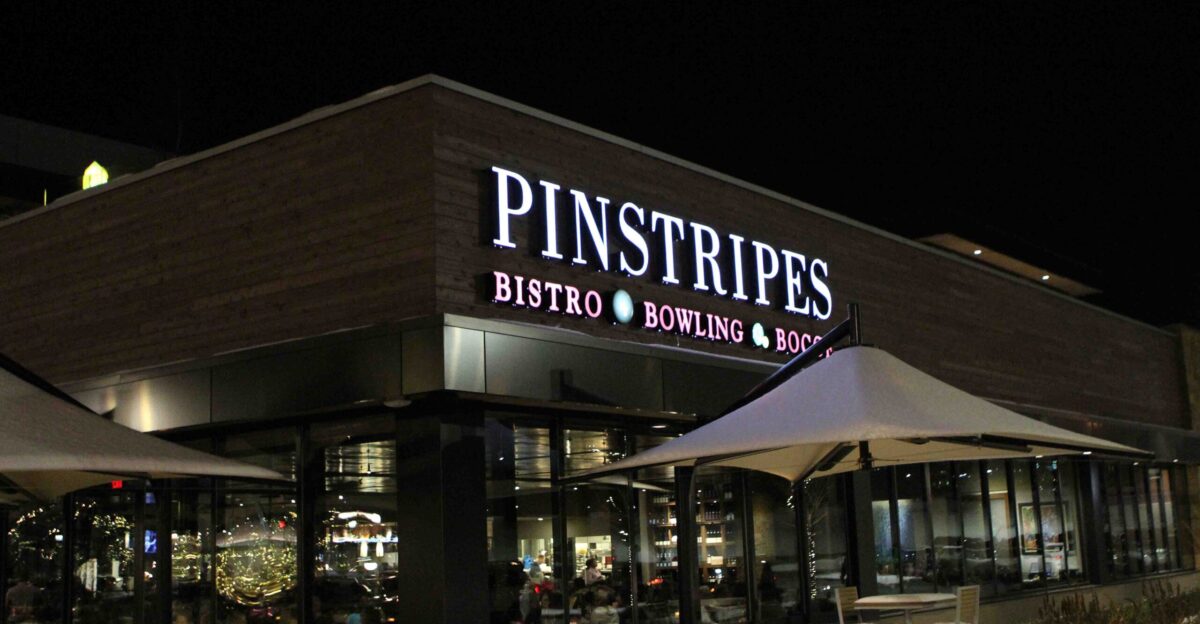
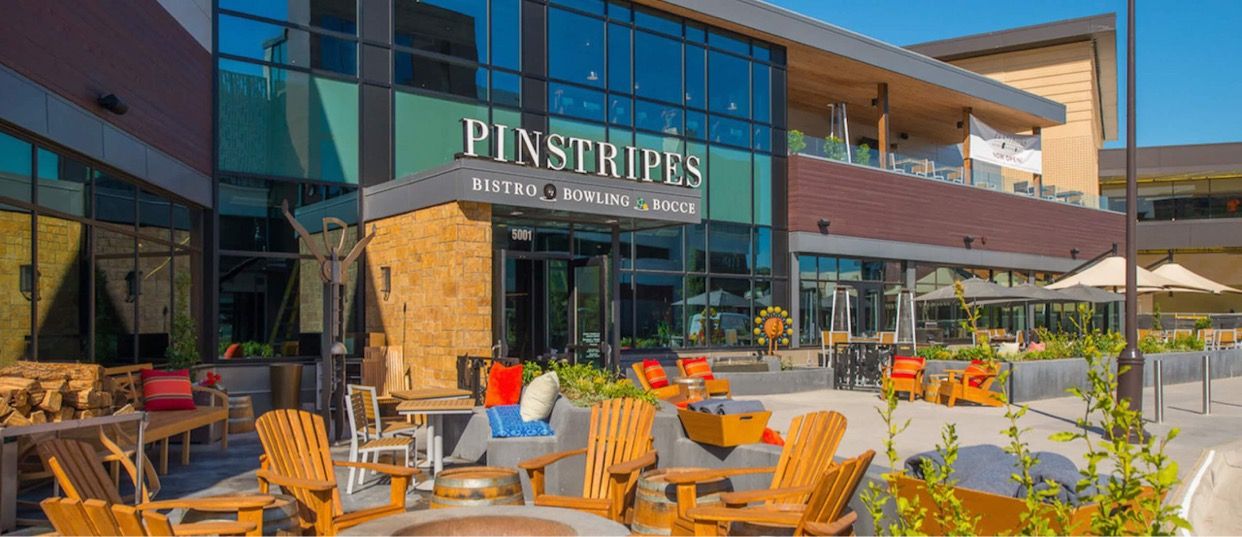
Court filings soon identified the company as Pinstripes, a pioneer in the eatertainment boom, which had moved to shutter 10 locations overnight. The filings, reviewed by Restaurant Business, confirmed the closures were part of a larger Chapter 11 bankruptcy process. For many, the revelation was jarring.
Pinstripes had built its reputation by pairing Italian-American dining with bowling and bocce, which became a staple in suburbs and cities alike. Now, a brand once celebrated as innovative was suddenly a symbol of how fragile the sector had become.
How Pinstripes Rose to Fame
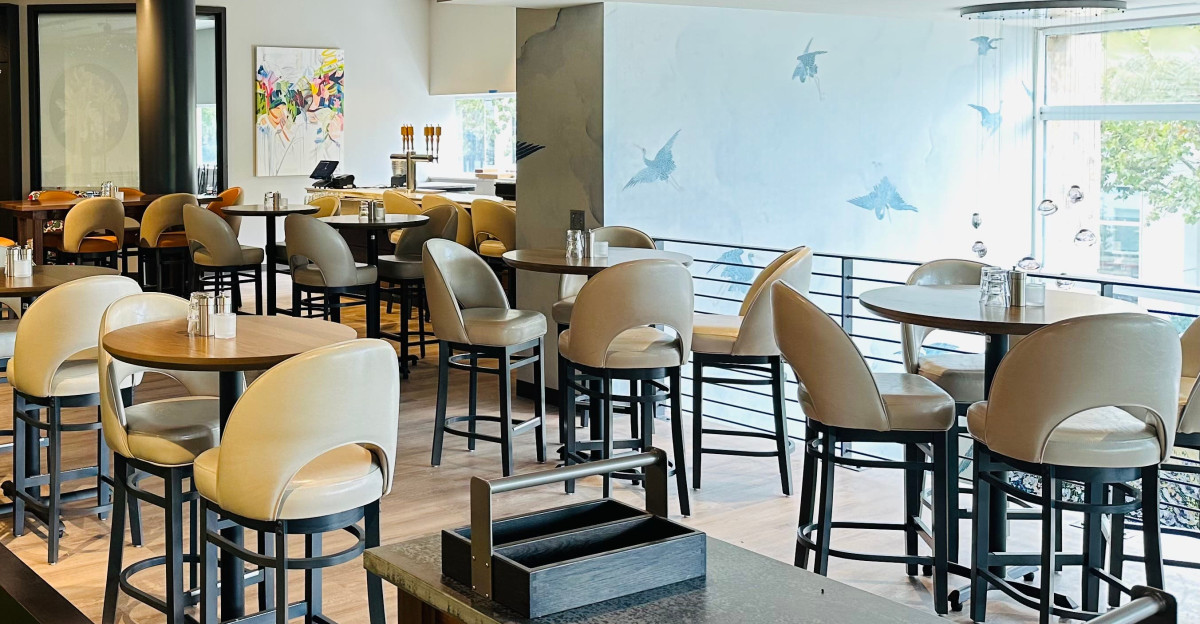
Founded in 2007, Pinstripes carved out a distinct niche, offering food and games under one roof. Its sprawling venues became popular destinations for corporate events, family gatherings, and weekend nights out. At its peak, the company operated 18 locations nationwide, with industry outlets like FSR Magazine highlighting it as a leader in experiential dining.
Investors saw the chain as proof that customers craved more than just a meal; they wanted a social experience. The model seemed to thrive for years, until shifting economic winds eroded its momentum.
Economic Pressure Mounts

The pandemic altered consumer habits, moving demand toward smaller, flexible venues while undercutting large-scale group outings. Inflation drove up food and labor costs, while commercial rents stayed high. CNBC analysts noted that big-format restaurants reliant on consistent traffic struggled to regain footing in the new economy.
Pinstripes’ venues, with their extensive square footage and staffing needs, were especially vulnerable. Despite outward appearances of success, cracks were spreading beneath the surface, setting the stage for a financial squeeze that would soon reach breaking point.
Financial Dominoes Collapse

According to federal court records, by early 2025, Pinstripes was carrying $143 million in debt. A $7.5 million cash infusion earlier in the year provided short-term relief but quickly evaporated. Bloomberg analysts said the company’s size and operating model made recovery difficult. Overhead costs remained fixed, but revenues failed to keep pace.
As one industry consultant explained, “You can’t run venues that big without filling them every week, and that consistency isn’t there anymore.” For Pinstripes, the math no longer worked.
Bankruptcy Filing Confirms the Crisis
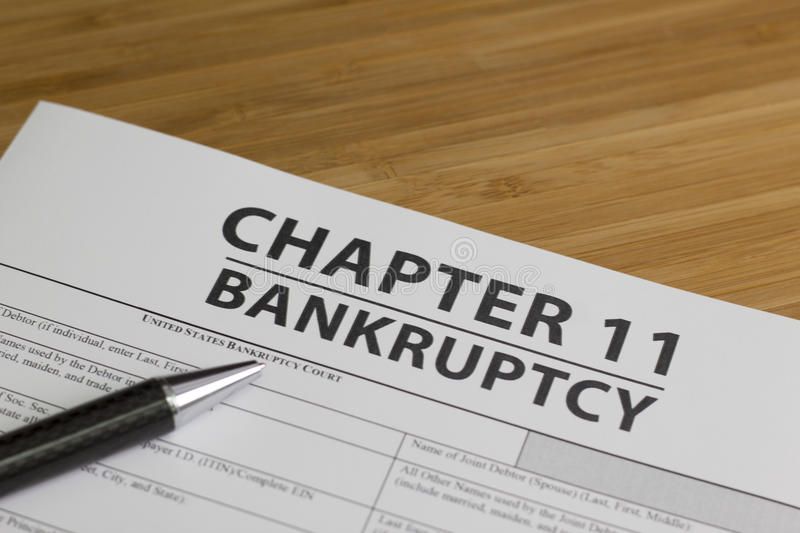
On September 9, federal filings confirmed Pinstripes had filed for Chapter 11 bankruptcy protection. The move was framed as a restructuring effort, not a complete shutdown, but the immediate closures signaled how dire the situation had become. Workers learned the news primarily through headlines, not company briefings.
A press release acknowledged that the decision was difficult but necessary. The brand that had symbolized fun, food, and family moments was now navigating a legal process designed to salvage what it could while trimming operations quickly.
Ten Locations Go Dark

The bankruptcy filing led directly to the closure of 10 sites in multiple states. The sudden closures from suburban Chicago to Washington, D.C., and Dallas shocked communities. “Local TV stations showed images of employees retrieving personal items from shuttered restaurant entrances, where notices of permanent closure had been posted overnight.”
Customers accustomed to hosting birthdays and weddings at the venues voiced disappointment online. Within hours, a business that had taken years to build had downsized dramatically. For many cities, the loss meant more than job cuts; it left cultural voids where people had gathered for over a decade.
Jobs Vanish Overnight
Court documents confirmed 1,000 jobs were eliminated with the closures, one of the largest single-day workforce reductions in the hospitality sector this year. Reuters reported that labor laws will guide compensation and benefits, though details remain uncertain.
Economists say the case highlights how service workers often face abrupt, destabilizing changes with little notice. The statistics were immediate and personal for those affected: lost paychecks, cancelled health benefits, and the challenge of finding new work in a competitive job market.
The Human Side of the Fallout
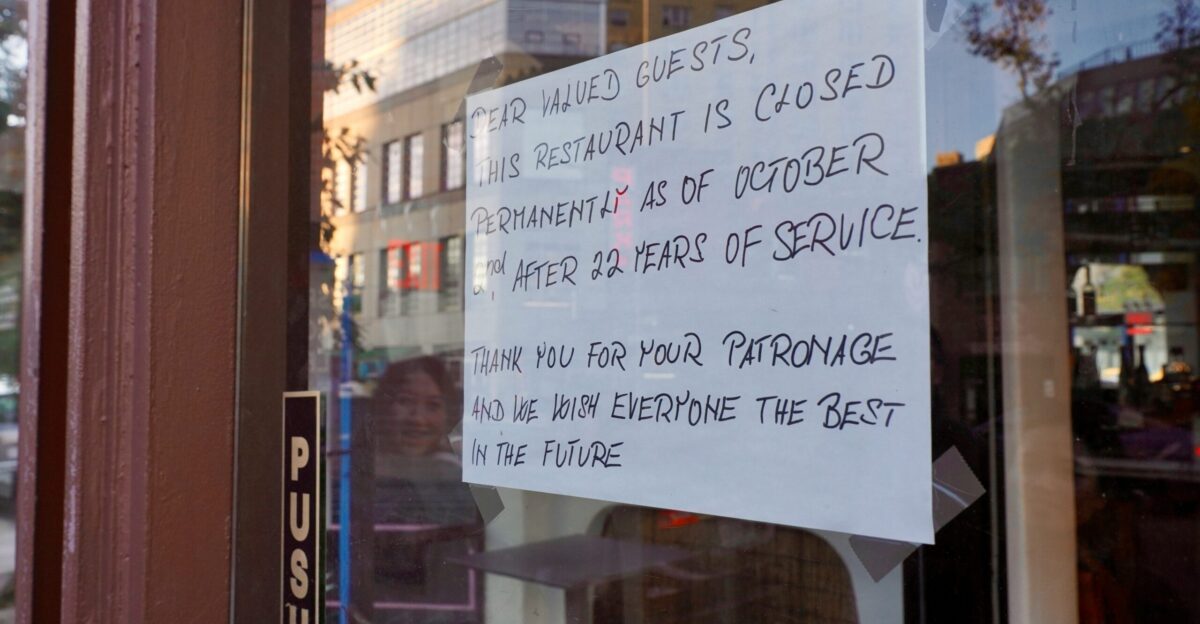
For workers, the closures came as a personal shock. “I showed up for my morning shift and the doors were chained shut,” one employee in Illinois told ABC7 News. Others described finding out through social media rather than from supervisors.
The sudden end fractured teams that often bonded like family, leaving employees unemployed and cut off from a community. Their stories highlighted the human cost of corporate decisions, extending beyond balance sheets and bankruptcy filings.
Ripple Effects in Local Economies
Pinstripes venues often served as anchor tenants, bringing steady traffic to surrounding businesses. Now, nearby restaurants, shops, and service providers fear declines in customer flow. Arlington officials told WTOP News they expect the closures to impact local economies for months, particularly in entertainment districts built around foot traffic.
Small business owners echoed those concerns, noting that losing a major draw like Pinstripes disrupts more than one business; it disrupts the ecosystem that thrives on shared customers and busy streets.
Corporate’s Admission
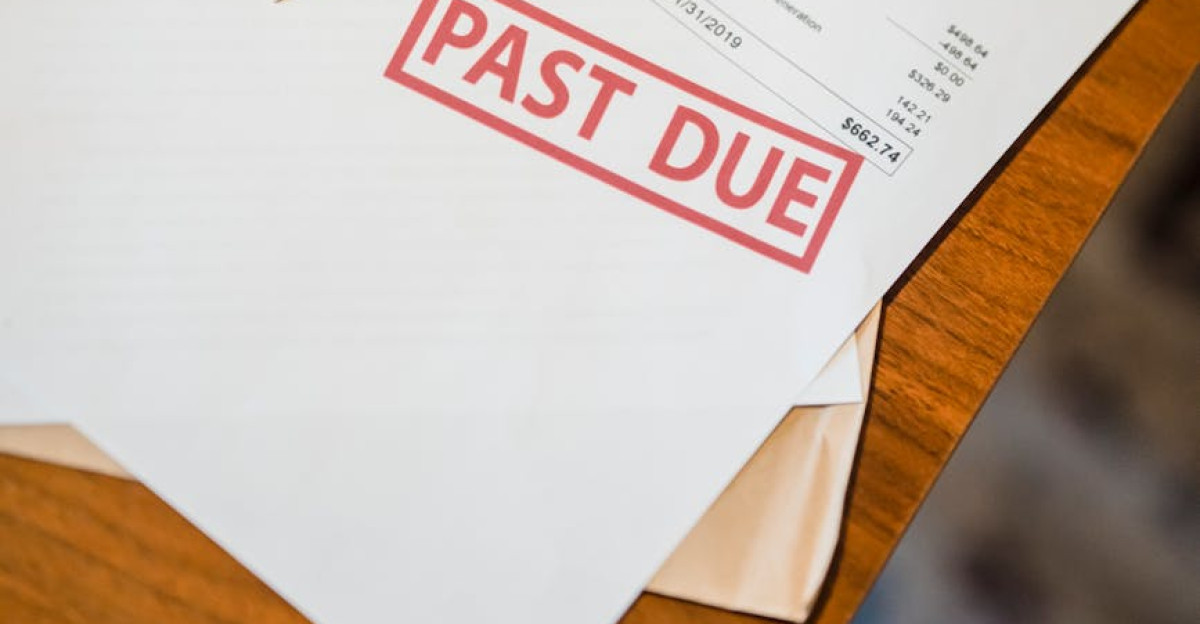
Bankruptcy filings contained a candid acknowledgment: “To be blunt, the process proposed is not perfect, and it is not where the debtors wished they were right now.” The statement reflected both regret and realism, highlighting the limited options left for management.
While executives have avoided detailed interviews, filings reviewed by Restaurant Business confirm the company is pursuing an asset sale to reduce debt. The direct language offered a rare glimpse of a corporation speaking plainly about its struggles, even as it charted a difficult path forward.
Wall Street Signals Ignored

The warning signs were already flashing months earlier. In early 2025, Pinstripes was delisted from the New York Stock Exchange after its stock value collapsed. Investor confidence waned, making new fundraising nearly impossible. Analysts pointed out that the delisting foreshadowed a deeper instability.
For many frontline employees, however, those financial moves felt distant until the closures made them tangible. The disconnect between Wall Street signals and Main Street consequences again highlighted how quickly corporate realities can filter to ordinary workers.
The Auction Ahead
Pinstripes’ future now depends on a bankruptcy auction. According to court records, a $16.6 million “stalking horse” bid has already been submitted, setting a floor for competing offers. The Wall Street Journal notes that such bids often pave the way for debt-for-asset swaps to keep parts of a brand alive under new ownership.
Whether Pinstripes will reemerge in its current form or be reshaped by new investors remains uncertain. For staff and customers, the process offers faint hope but no promises.
An Industry in Turmoil
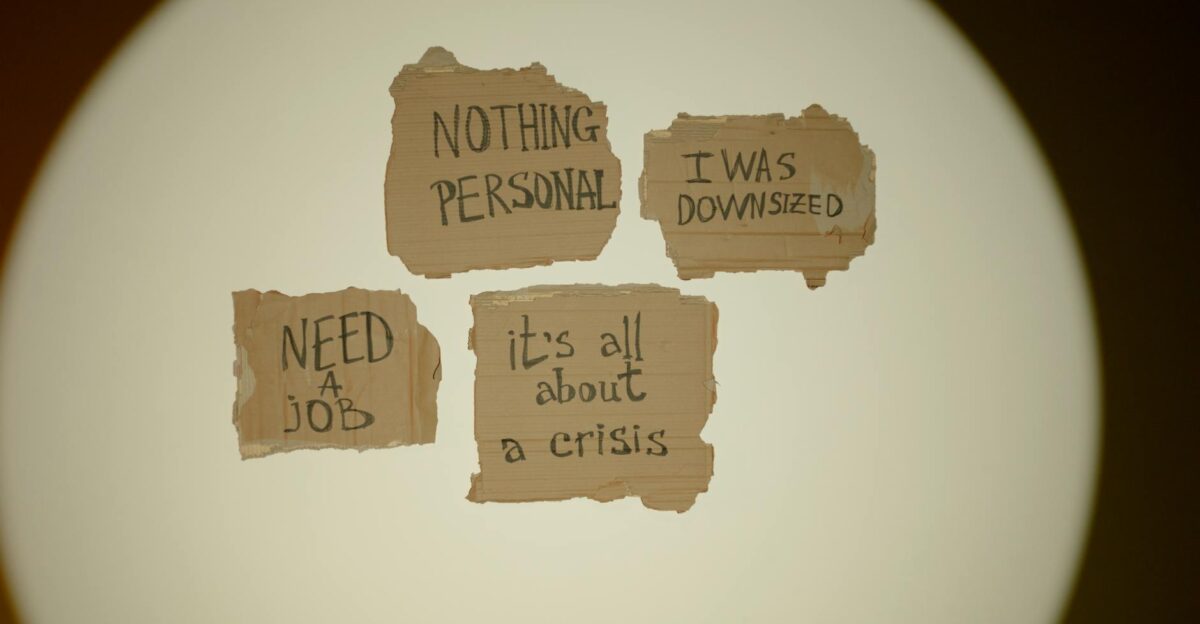
Pinstripes’ collapse is part of a broader trend. As reported by the Economic Times, hospitality and entertainment companies across the U.S. have announced mass layoffs this year. Inflation, shifting consumer behavior, and debt burdens are straining many operators.
Analysts say large-scale venues built around group entertainment are among the hardest hit. What once looked like a growth sector is now fragile, raising questions about the long-term viability of the eatertainment model in a changing economic landscape.
Lessons for the Sector
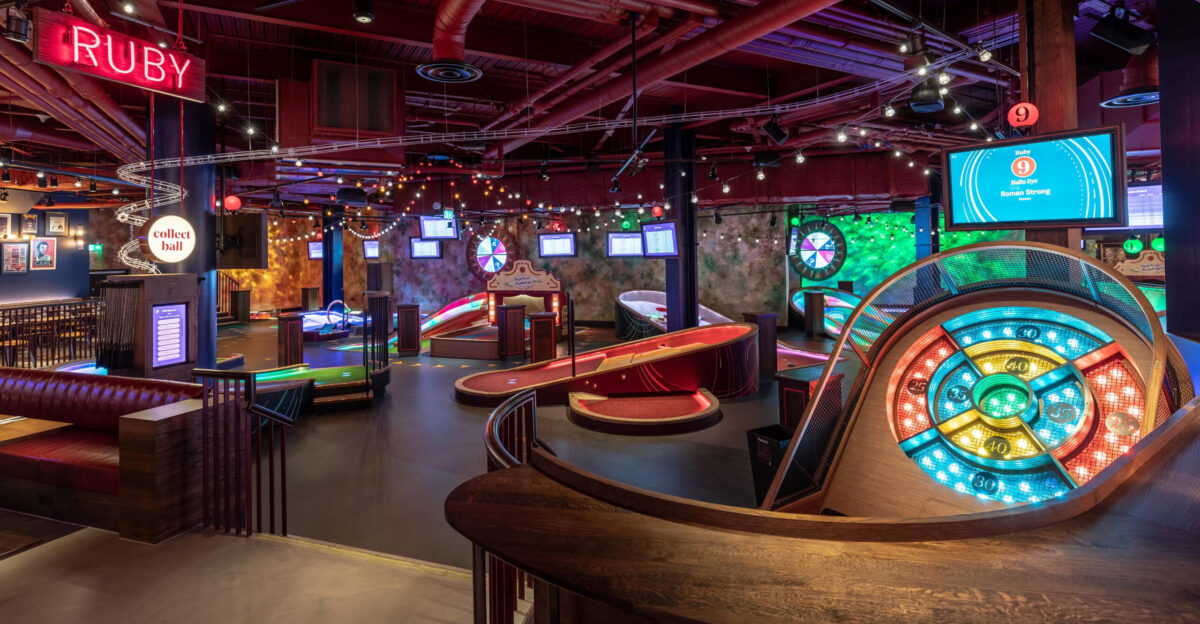
Experts interviewed by Nation’s Restaurant News say Pinstripes’ fate offers lessons for competitors. While appealing, the eatertainment model relies on consistent traffic and high visitor spending. Inflation pressures and evolving tastes expose weaknesses in the business structure.
Smaller, adaptable concepts may fare better in today’s climate. Pinstripes’ unraveling highlights how even successful, well-branded chains can fall quickly when debt and demand collide, leaving little margin for recovery once economic pressures accelerate.
Employees Find Resilience
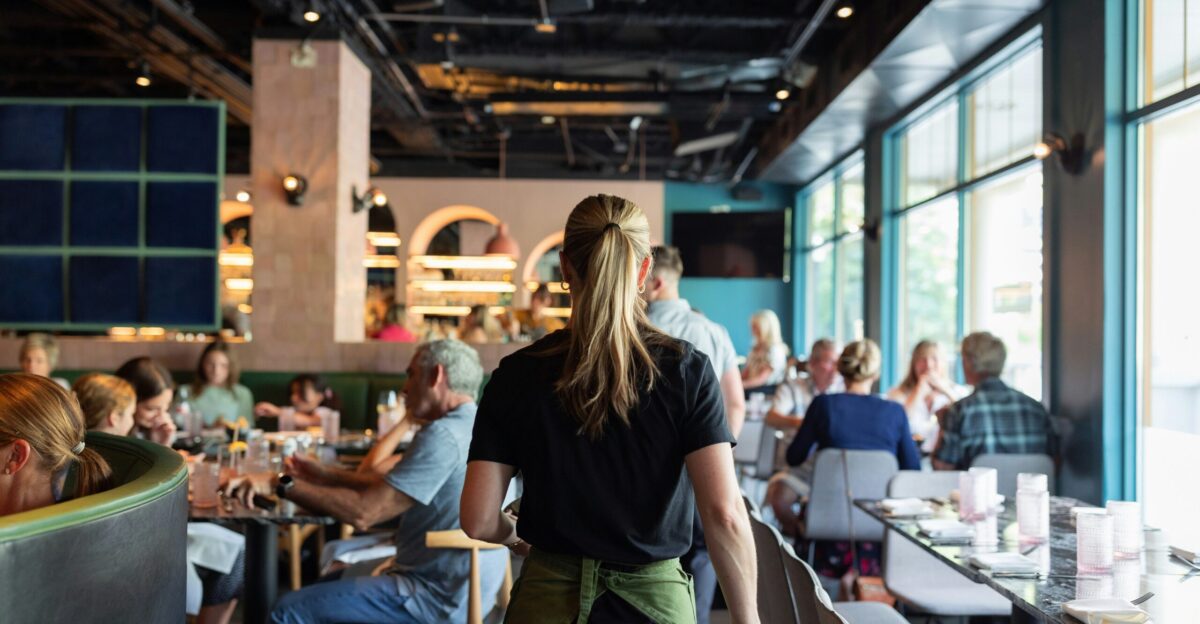
Despite the upheaval, many former employees are already pursuing new opportunities. Some seek work in restaurants or hotels, while others are shifting industries altogether. One longtime worker told local reporters, “We made memories that matter,” reflecting on years of events hosted at the venues.
While the closures marked a painful end, they also highlighted the adaptability of staff determined to move forward. Their resilience reminds us that behind every corporate story are individuals finding ways to rebuild.
What This Closure Reveals
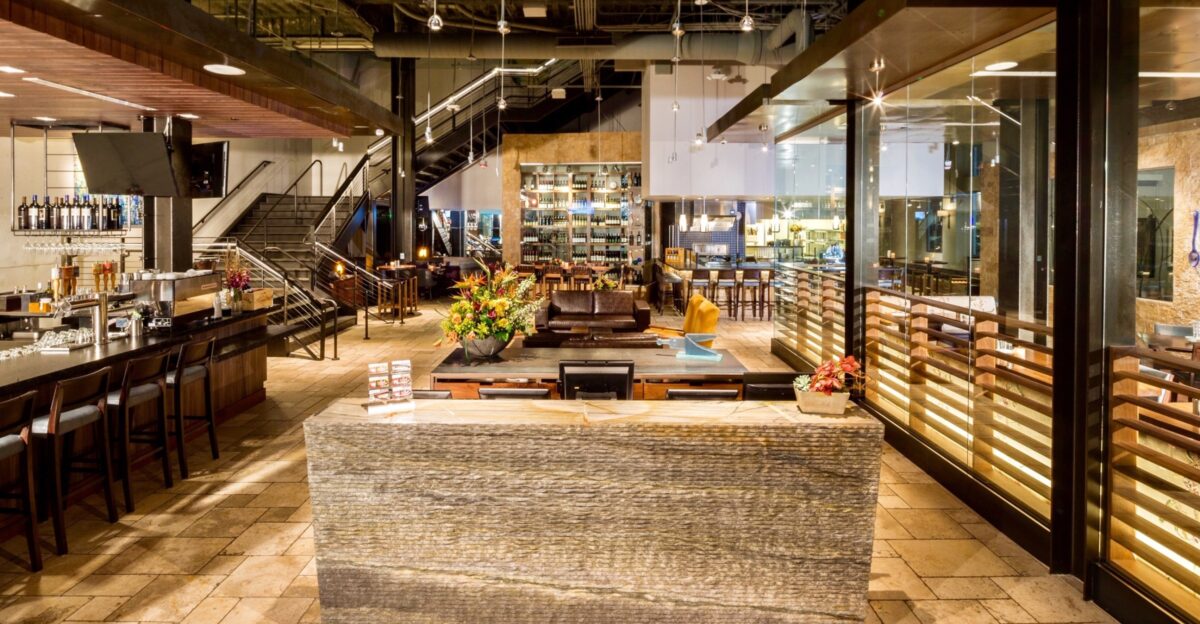
The shuttering of ten Pinstripes locations is more than a headline—it reflects shifting times. For workers, it was the sudden loss of income and community. For surrounding businesses, it was a blow to local economies. And for the industry, it was a wake-up call about the fragility of large-scale eatertainment.
The future of the model remains uncertain, but the story of Pinstripes shows how quickly a cultural hub can unravel, leaving behind lessons, memories, and an open question about what comes next.