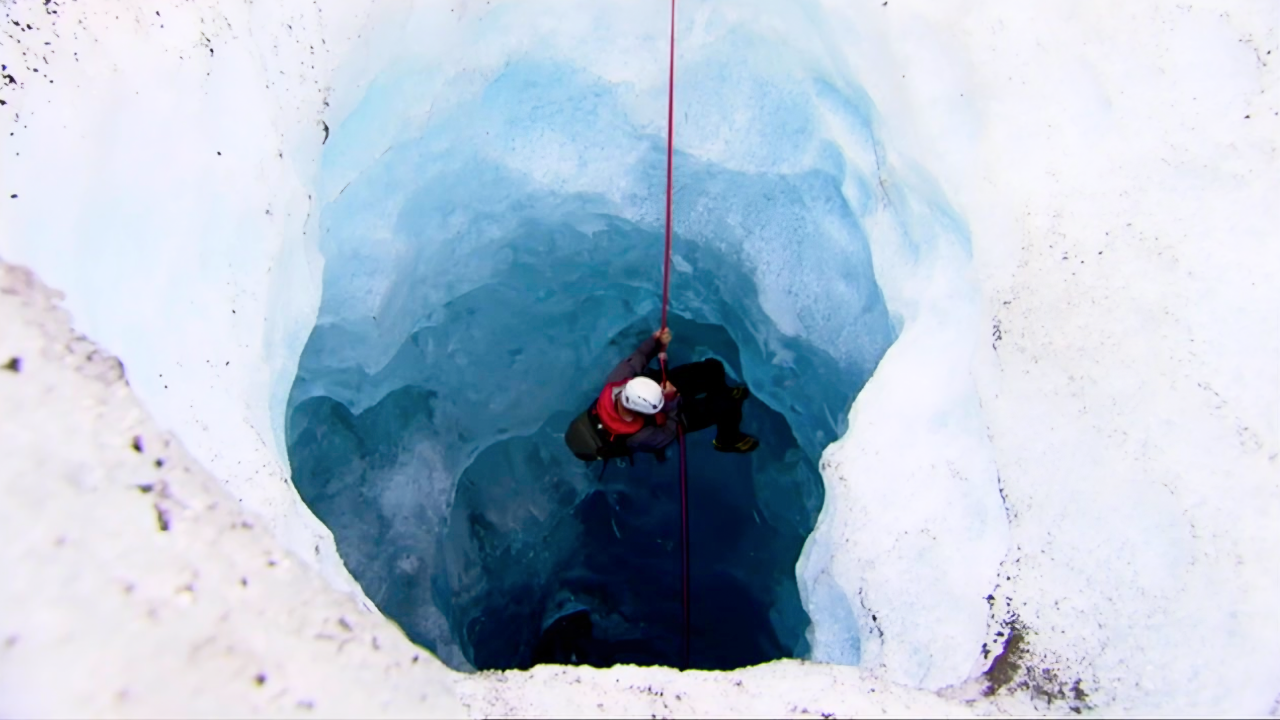
Scientists probing for Earth’s oldest continuous ice core near the South Pole Basin have uncovered disturbed basal layers and trace sediment at the ice-bed interface, complicating what was seen as a prime drilling site.
Airborne radar from the University of Texas Institute for Geophysics showed that geothermal heat from below has likely caused slow melting in sediment-rich bedrock areas. Over millions of years, ice flowing over buried mountains melts, refreezes, and carries sediment, challenging the view of deep Antarctic ice as fully stable.
This process reveals a dynamic subglacial environment where heat flow and topography subtly reshape the oldest layers.
Why Basal Alteration Occurs
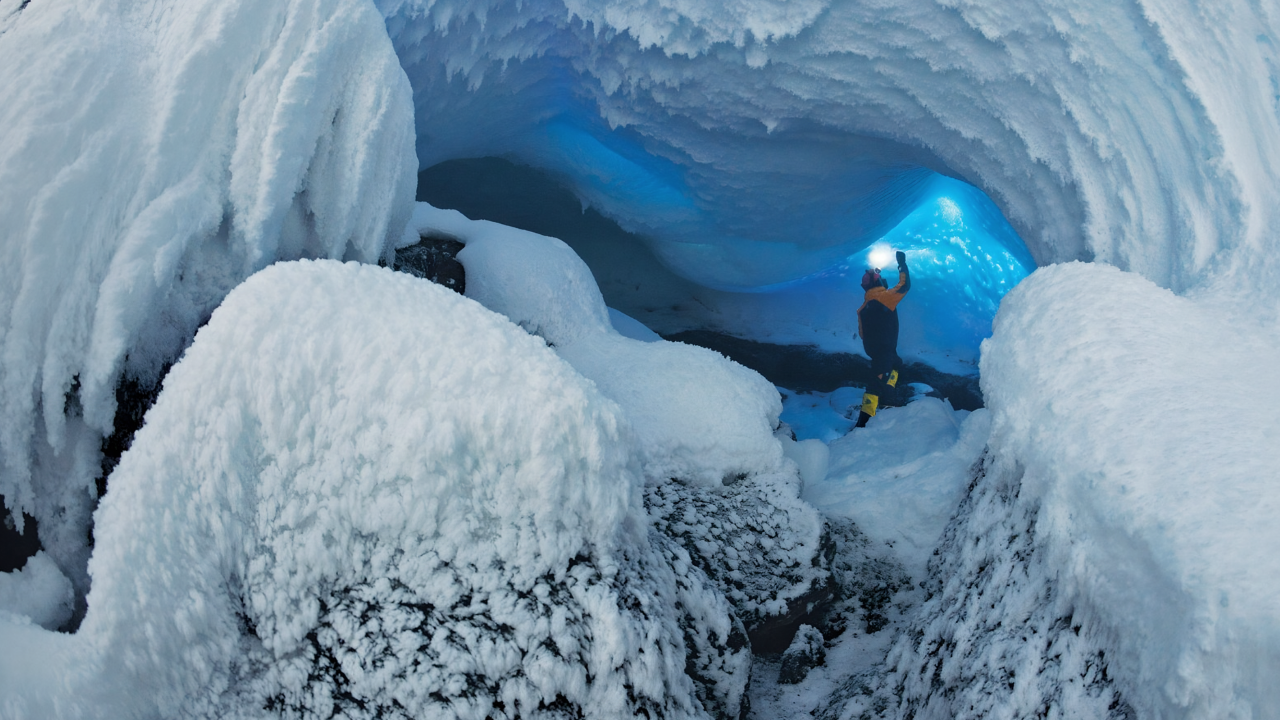
Localized geothermal heat drives the melting beneath East Antarctica’s ice sheet. Researchers note higher heat flux in areas with sediment-covered bedrock promotes this gradual change.
Ice interacts with rugged terrain, picking up particles as it slides downslope. Unlike surface erosion or subglacial rivers, this stems from prolonged ice motion combined with underground warmth, creating unrecognized sediment buildup.
These insights, described as unexpected by lead researcher Duncan Young, highlight previously overlooked interactions in the South Pole Basin.
Impact on Climate Archives
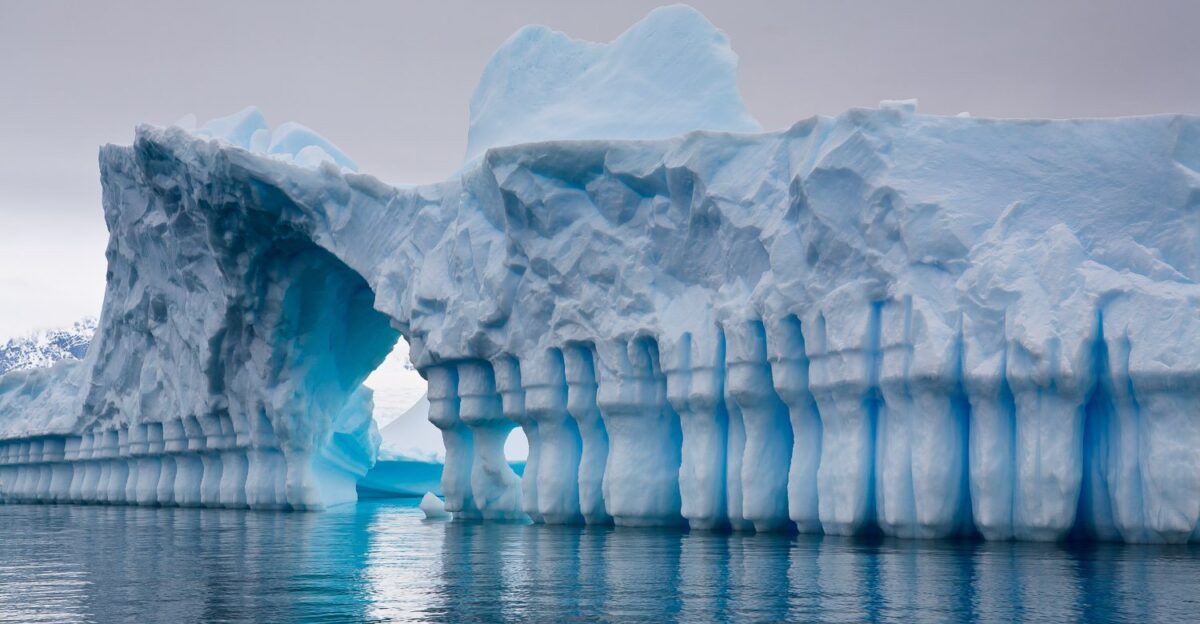
Antarctic ice cores offer the finest record of past atmospheres, tracking greenhouse gases and temperatures. Current longest continuous cores span 800,000 years.
Basal melting could disrupt or erase deep sections, potentially leaving gaps in the record. Surface layers stay pristine, but verifying the deepest ice’s continuity is now essential.
This does not undermine climate science but stresses rigorous site checks to ensure reliable histories.
Adapting Drilling Strategies
The National Science Foundation-funded Center for Oldest Ice Exploration (COLDEX) has revised plans near the South Pole. Teams now target upstream sites with colder ice and lower bedrock heat.[4]
Radar data guides avoidance of disturbed zones, boosting odds of extracting million-year-old, unaltered ice. Multi-year efforts, including surveys and drilling, demand steady funding.
European Beyond EPICA projects complement this, with ice over 1.2 million years old already retrieved from Little Dome C for analysis.
Blue-Ice Sites as Alternatives
With deep basins under review, blue-ice areas like Allan Hills draw focus. Wind and flow expose ancient ice near the surface here.
Though discontinuous, samples reach six million years old, yielding climate snapshots. These complement cores, providing data on Miocene and Pliocene eras.
Such sites expand the archive despite gaps in continuity.
Global Stakes and Future Outlook
Ancient ice gauges climate sensitivity—temperature response to carbon dioxide—informing warming and sea-level forecasts used worldwide.
Findings refine ice-bed models without signaling collapse, aiding projections for coasts and infrastructure. They also map geothermal patterns, advancing geophysics beyond Antarctica.
Public understanding shifts from a frozen wasteland to a geologically active continent shaped over eons. Sustained research ensures these records endure, sharpening responses to rising seas and heat, even as natural processes test ideal sites.
Sources:
“While searching for the world’s oldest ice, scientists find sediment sneaking under the Antarctic ice sheet” – University of Texas Institute for Geophysics (UTIG) / Geophysical Research Letters (paper)
Press and explainer materials on South Pole Basin basal heat and COLDEX – University of Texas Institute for Geophysics (UTIG)
“Miocene and Pliocene ice and air from the Allan Hills blue ice area” – Proceedings of the National Academy of Sciences (PNAS)
“Antarctica’s oldest ice arrives for climate analysis” and related oldest‑ice coverage – British Antarctic Survey (news and feature articles)
“Historic drilling project finds ice over 1.2 million years old” – Astrobiology / BAS‑affiliated news release