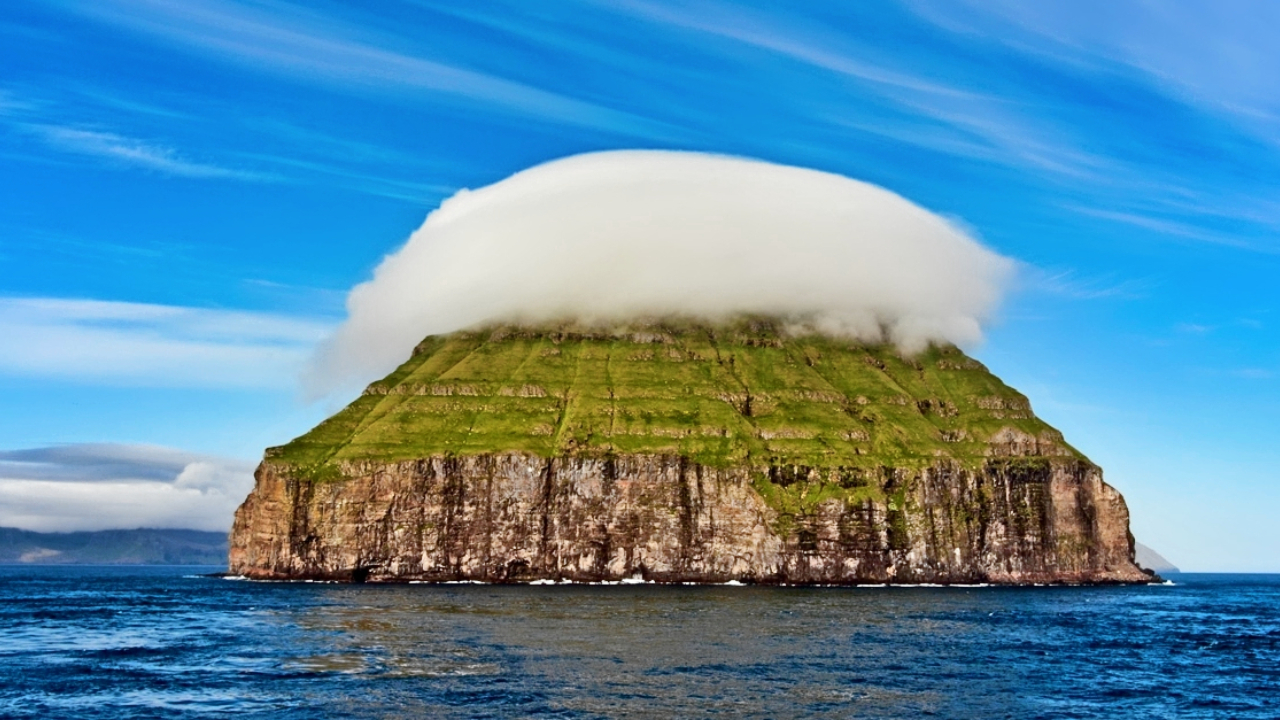
Beneath the vast expanse of the Pacific Ocean lies a landmass larger than Greenland, one that has remained concealed for centuries. Zealandia, the world’s eighth continent, was only confirmed as a geological entity in 2017. Once dismissed as a geological curiosity, recent scientific discoveries have revealed compelling evidence supporting its classification.
The world has been swimming over an uncharted continent—its story has just begun.
The Stakes of Zealandia’s Recognition
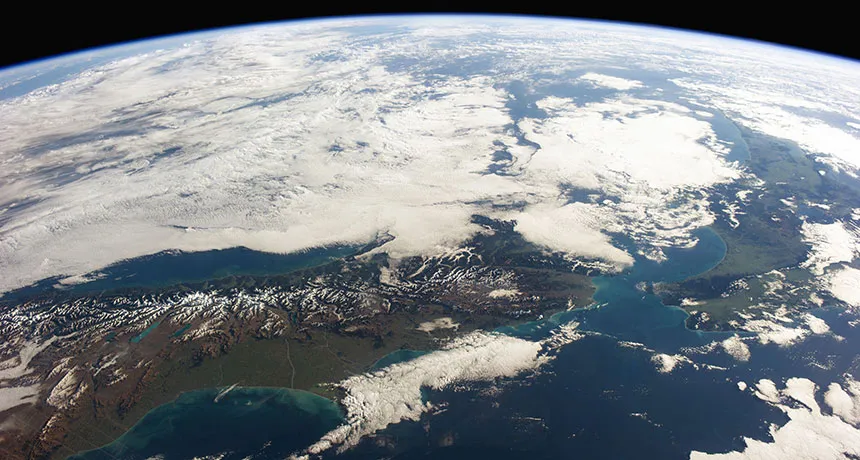
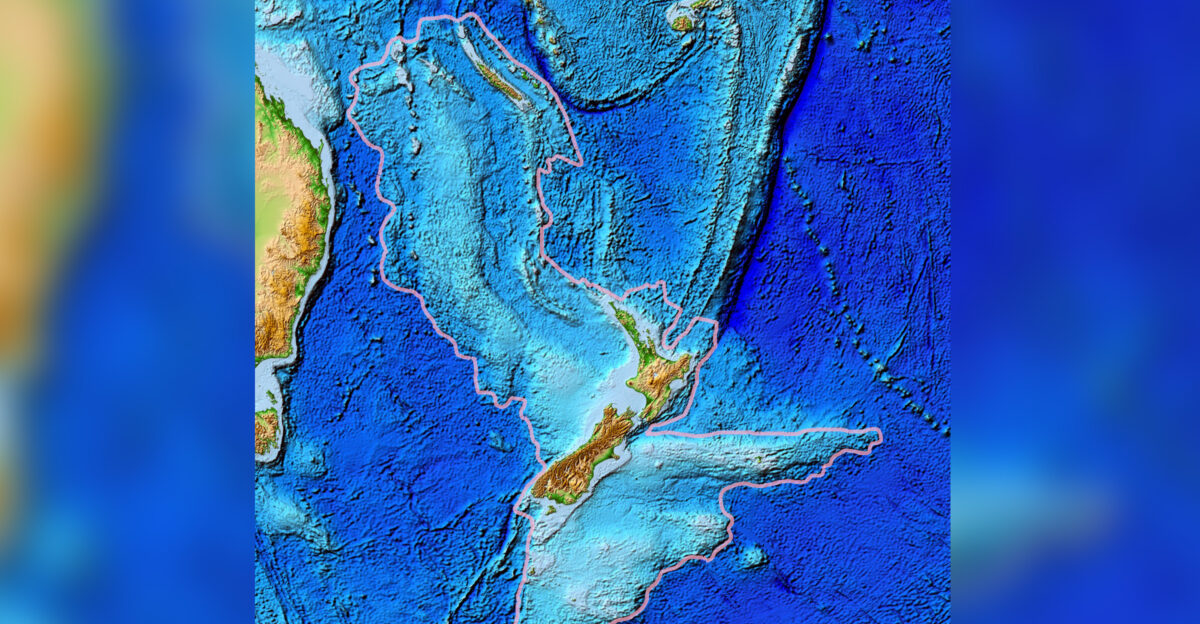
According to GNS Science’s 2017 peer-reviewed study in GSA Today, 94% of Zealandia’s area lies submerged beneath the ocean, leaving only the continent’s visible peaks—New Zealand, New Caledonia, and the Chatham Islands—above water. This revelation has led to a global reassessment of the Pacific region.
The decision could shift economic and geopolitical dynamics in the Pacific, with resource-rich seabeds now under scrutiny and debate. What lies beneath these waves is more than just land—it’s power, potential, and conflict.
The Search for Zealandia Begins
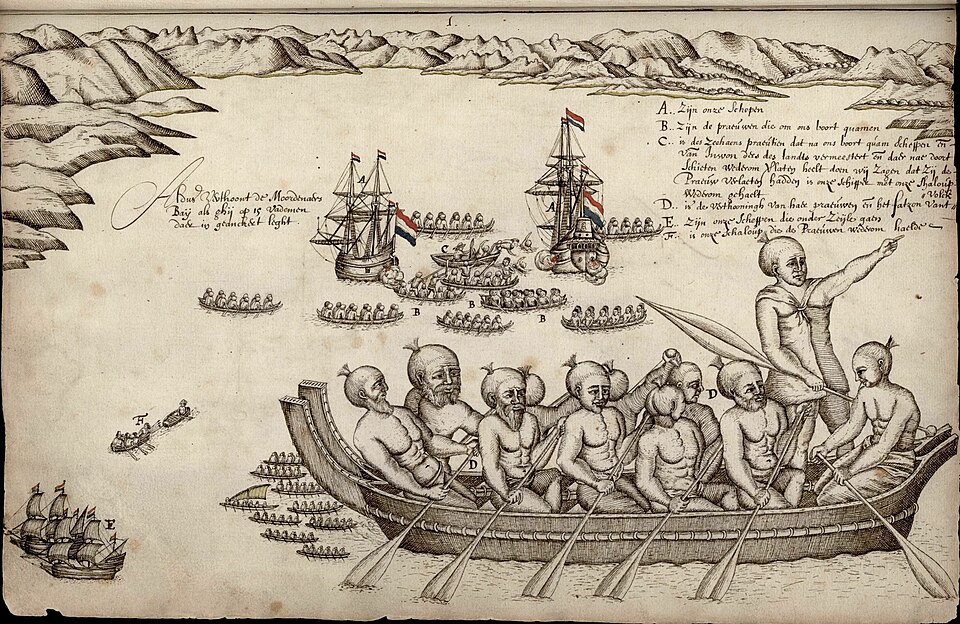
Historical records show that in 1642, explorer Abel Tasman sailed above Zealandia’s submerged continental shelf, unaware of the immense landmass beneath the waves. It wasn’t until 1895—according to Royal Society of New Zealand records—that geologist Sir James Hector first proposed that New Zealand might be part of a sunken continent.
However, the scientific community dismissed his hypothesis, unable to gather conclusive proof. The mystery deepened.
The Evidence Builds
The pursuit of Zealandia gained momentum as technology advanced. Satellite mapping, deep-sea drilling, and fossil evidence began to piece together the puzzle. The International Ocean Discovery Program played a pivotal role, conducting drilling expeditions that provided sediment cores to verify the continent’s existence.
These groundbreaking discoveries forced scientists to reconsider the geological makeup of the Pacific.
The 2017 Revelation
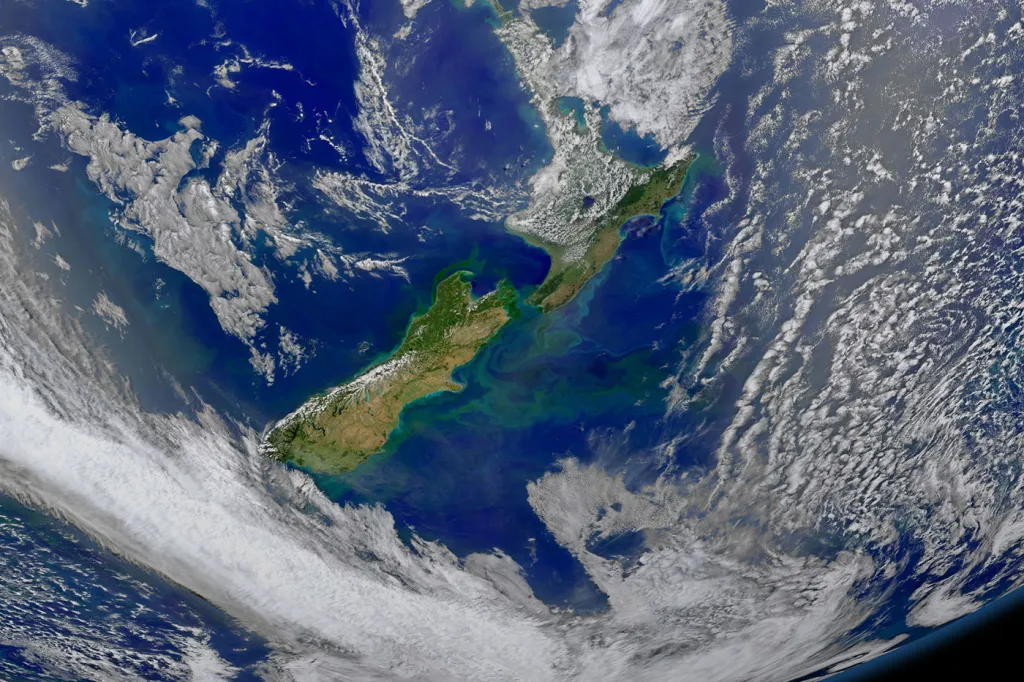
In 2017, a landmark study from GNS Science (New Zealand’s Crown Research Institute) offered definitive proof that Zealandia should be considered Earth’s eighth continent. The findings, published in GSA Today, confirmed that Zealandia spans nearly 2 million square miles, more extensive than Greenland.
This research marked the end of 375 years of debate and began a new chapter in geological exploration.
The Regional Impact of Zealandia’s Recognition
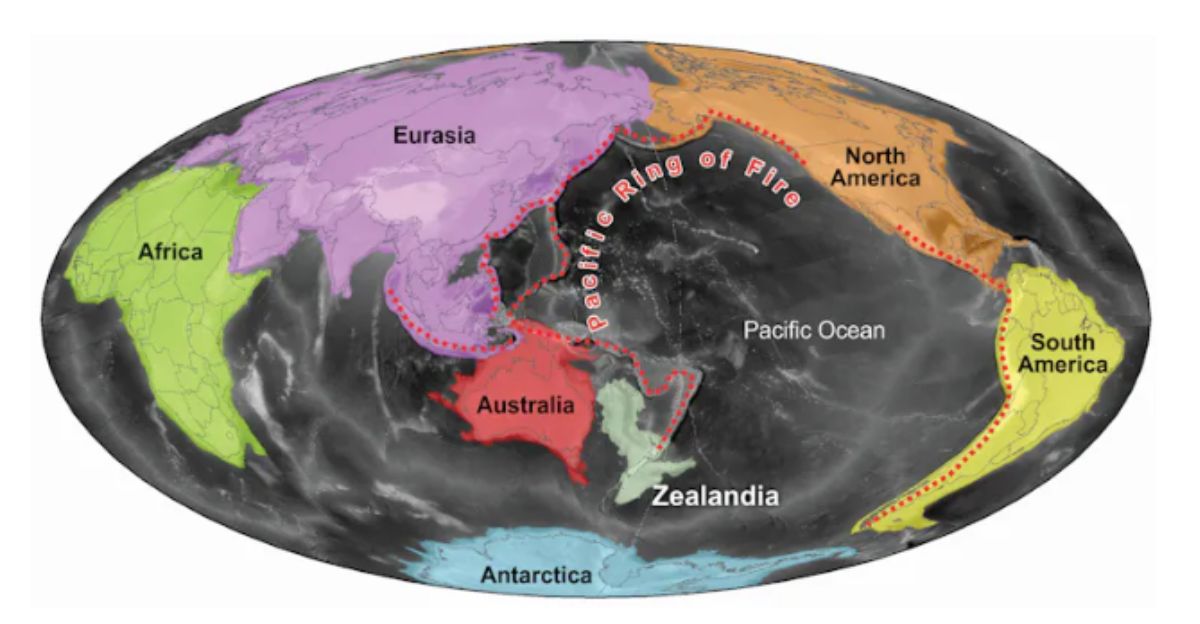
Zealandia’s recognition carries profound implications for the Pacific region. New Zealand, located on Zealandia’s highest peaks, now sits atop a continental structure previously ignored. Alongside it, New Caledonia and the Chatham Islands are remnants of this submerged landmass.
This new understanding prompts a reevaluation of regional geology, biodiversity, and untapped resource potential. The stakes are higher than ever.
Evidence from Fossils
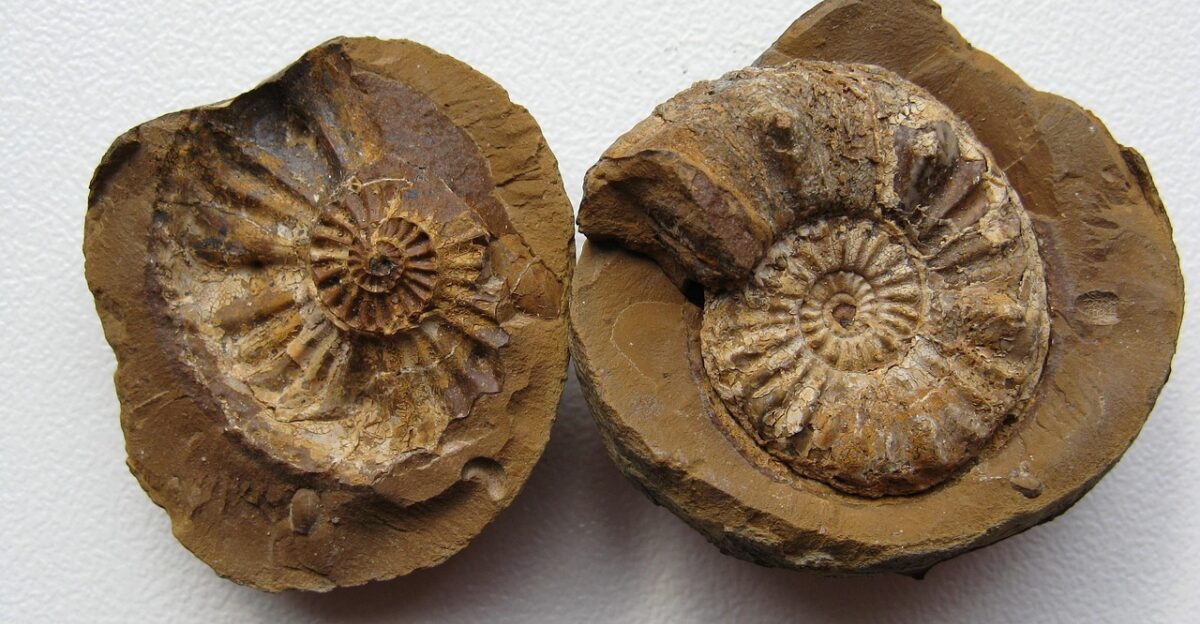
Fossils unearthed in Zealandia provide a vivid glimpse into the continent’s geological past. Fossils from New Zealand and the Chatham Islands support the theory that Zealandia was once above sea level. These ancient remains—ranging from microfossils to dinosaurs—suggest that Zealandia harbored life long before submerging.
“Zealandia is not just fragmented pieces of land, it is a coherent, once-thriving continent,” GNS Science scientists declared.
Global Competition Heats Up
Zealandia’s recognition has ignited a global race. Countries surrounding the continent, along with marine research organizations, are eager to explore and claim its resources. The role of the International Ocean Discovery Program highlights the scientific interest in Zealandia, but there are also economic and political implications at play.
The competition for access to Zealandia’s submerged resources is intensifying.
A Shift in Geological Understanding
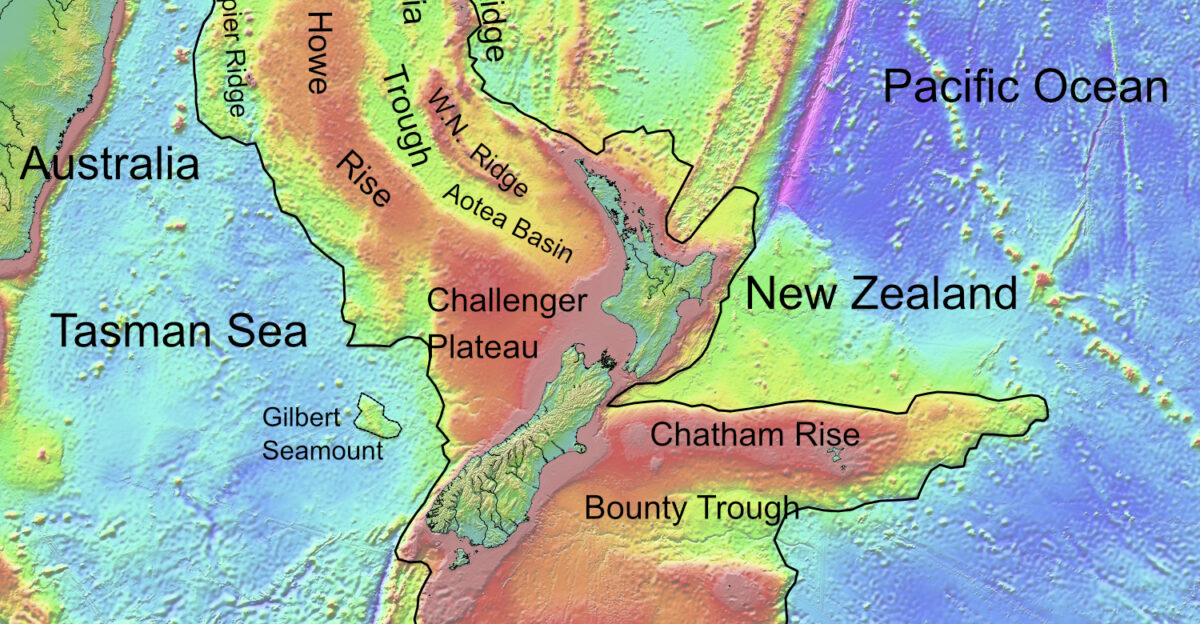
Zealandia’s formal recognition signals a broader shift in the geological community’s understanding of Earth’s continents. Advances in satellite technology and oceanic exploration are challenging traditional views of continental boundaries. Zealandia is not just a scientific curiosity; it is part of a larger trend of reevaluating submerged landmasses and their role in the Earth’s geological history.
This opens the door to more discoveries of hidden continents beneath the ocean.
Fossilized Evidence of a Lost World
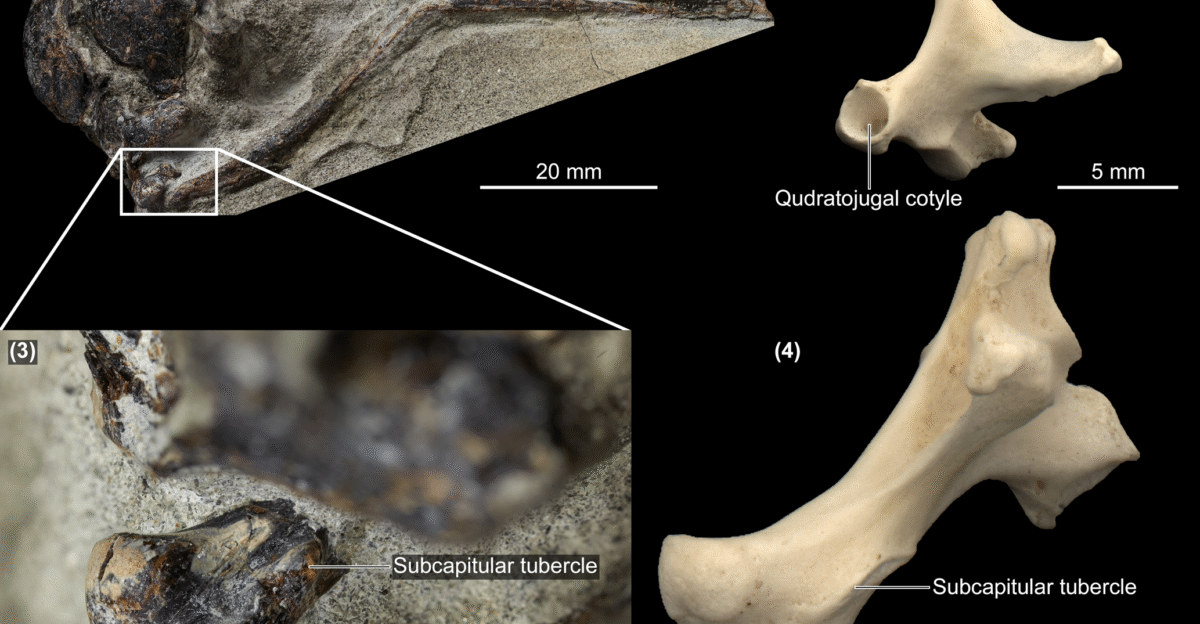
Fossils found in Zealandia provide vital clues about the region’s past. The discovery of pollen grains and sauropod remains suggests that Zealandia was a fertile landmass before sinking. These findings are rewriting the evolutionary history of the region, providing insight into a world that existed millions of years ago, before the continent was submerged beneath the waves.
These fossil records are invaluable for understanding the ancient ecosystems of Zealandia.
Frustration Over Delayed Recognition
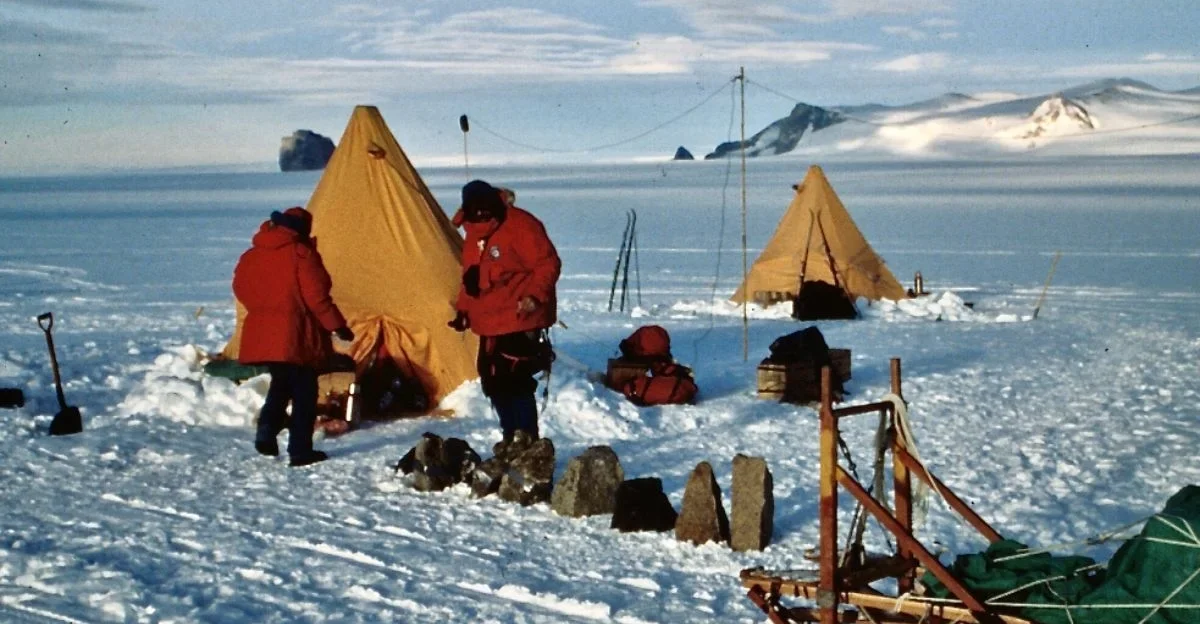
Bruce Luyendyk, a U.S. geophysicist who coined the term ‘Zealandia’ in 1995 according to academic research publications, found his early hypotheses dismissed by the scientific community. His terminology was not formally adopted until GNS Science officially recognized it in 2017.
This delay has sparked debates over the pace of scientific progress and the resistance to new ideas.
A Change in Leadership

The acceptance of Zealandia as a continent was largely driven by GNS Science and their collaboration with the International Ocean Discovery Program. This partnership brought together a diverse team of geologists, oceanographers, and paleontologists who worked tirelessly to bring Zealandia’s recognition into the mainstream.
Their research paved the way for a new narrative in geological science.
New Zealand’s Strategic Response

The scientific recognition of Zealandia has prompted a reevaluation of New Zealand’s resource claims and marine boundaries, as outlined in the UN Commission on the Limits of the Continental Shelf (CLCS) recommendations (2008) and detailed in the LINZ Continental Shelf Project documentation. With its newly confirmed continental status, Zealandia’s seabed may hold vast mineral resources and untapped energy reserves.
Strategic plans, coordinated through government maritime policies, are now in the works to ensure sustainable exploration while balancing conservation and economic interests. Strategic plans are now in the works to ensure sustainable exploration of Zealandia’s resources.
Cautious Optimism from Experts
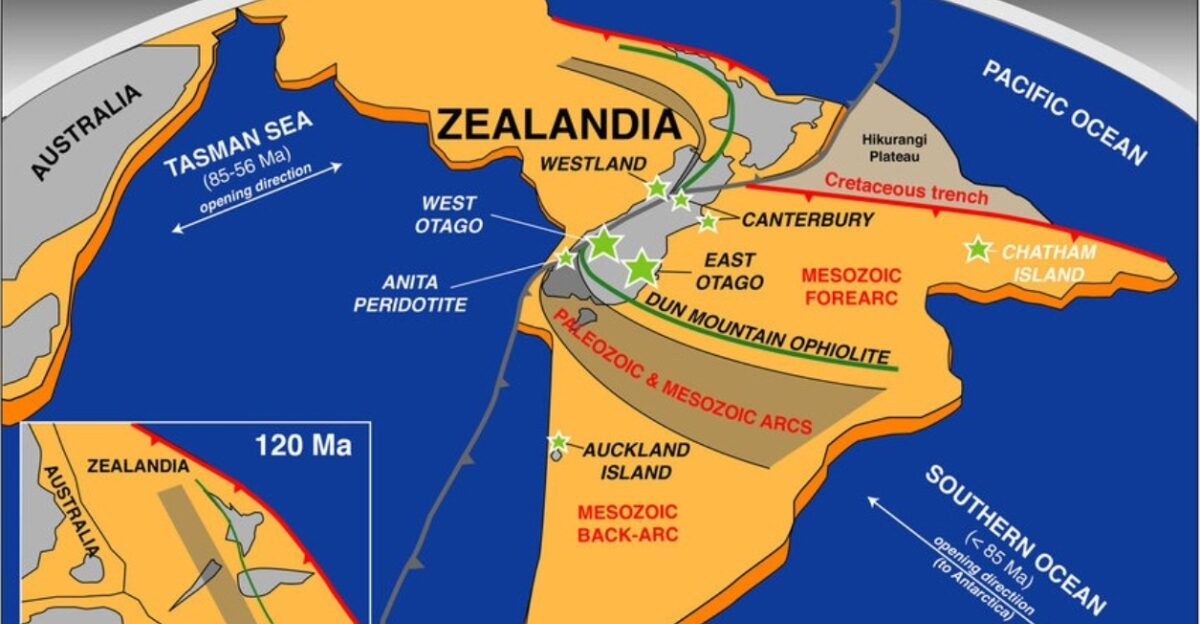
While its continental status is solidly supported by evidence in the IODP Expedition 371 Preliminary Report (2018) and GNS Science geological surveys, 94% of Zealandia lies beneath the ocean’s surface, making practical access to its resources uniquely challenging.
Ongoing research will continue to uncover the true potential of Zealandia and its role in global geological studies and resource management. The exploration of Zealandia is just beginning.
The Future of Zealandia Exploration
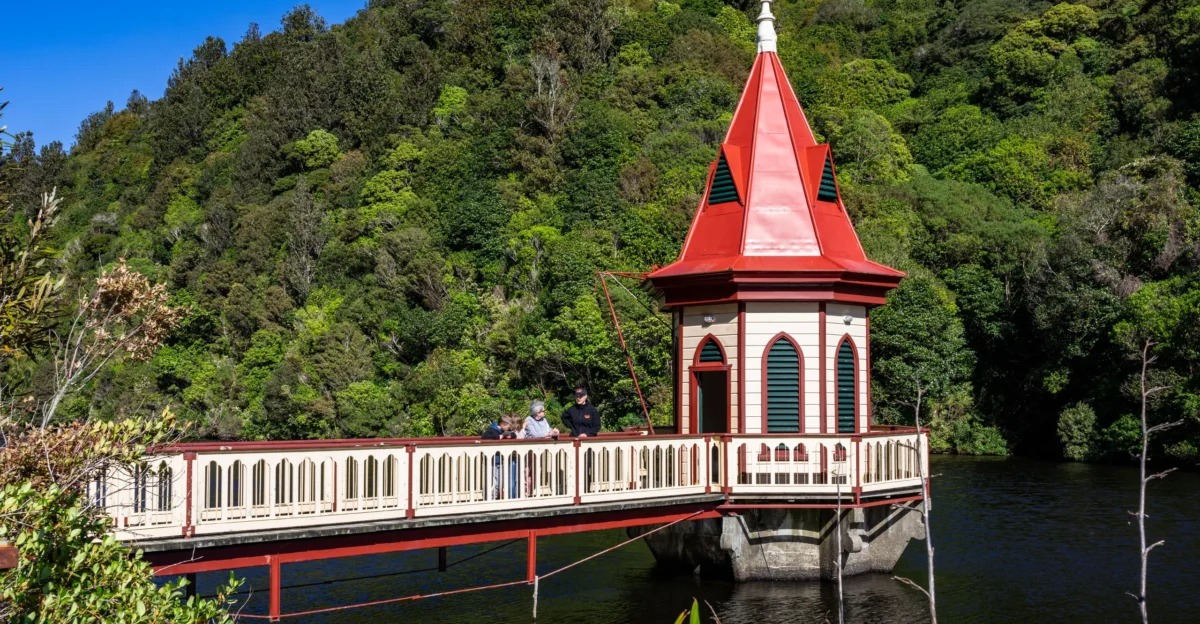
Zealandia’s story is far from over. Geologists and marine researchers are planning further drilling and mapping missions to unlock the secrets of the submerged continent. These efforts will help reveal more about Zealandia’s geological history, its potential resources, and its place in Earth’s evolving structure.
The future of Zealandia is a frontier in geological science.
The Political Landscape Changes

According to the Ministry of Foreign Affairs and Trade (MFAT) Maritime Zones and Boundaries framework and UN CLCS guidelines for extended continental shelf claims, the acknowledgment of a new continent beneath the Pacific Ocean will likely lead to the renegotiation of maritime boundaries and resource rights throughout the region.
The political landscape of the Pacific is shifting dramatically.
Global Attention on Zealandia
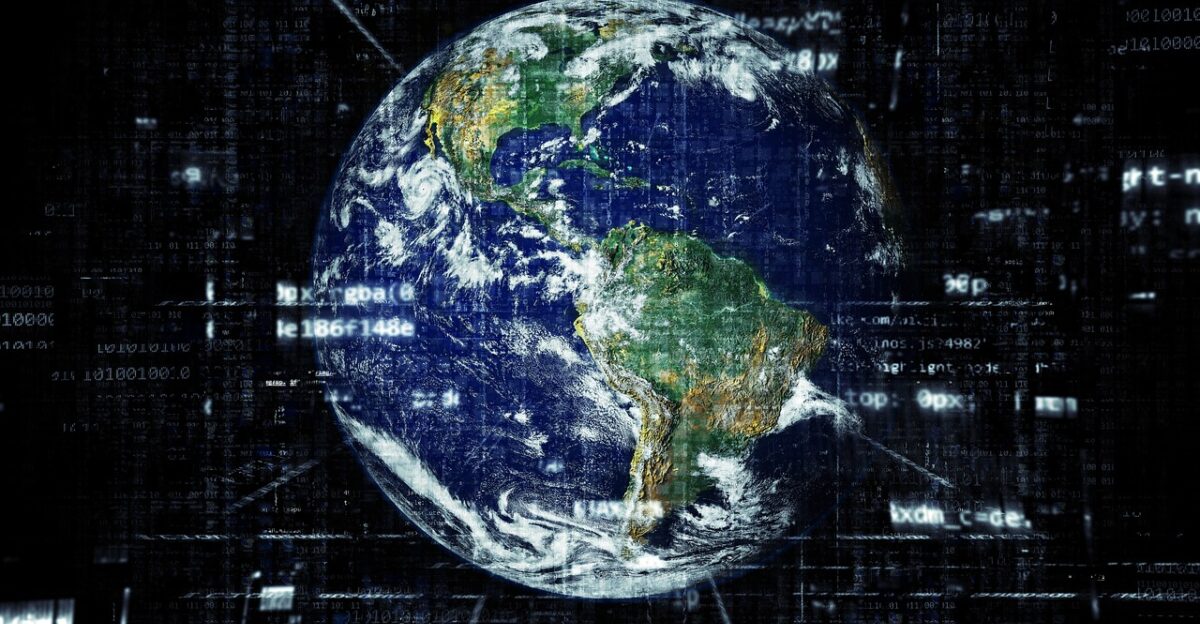
The discovery of Zealandia has captured the attention of the global scientific community. Marine geologists, environmentalists, and governments worldwide are now focusing on the continent’s significance. The potential for new scientific discoveries and shifts in ocean governance has spurred interest, with experts anticipating that Zealandia will reshape how we view the planet’s geological and environmental future.
The world is watching Zealandia closely.
Environmental Concerns
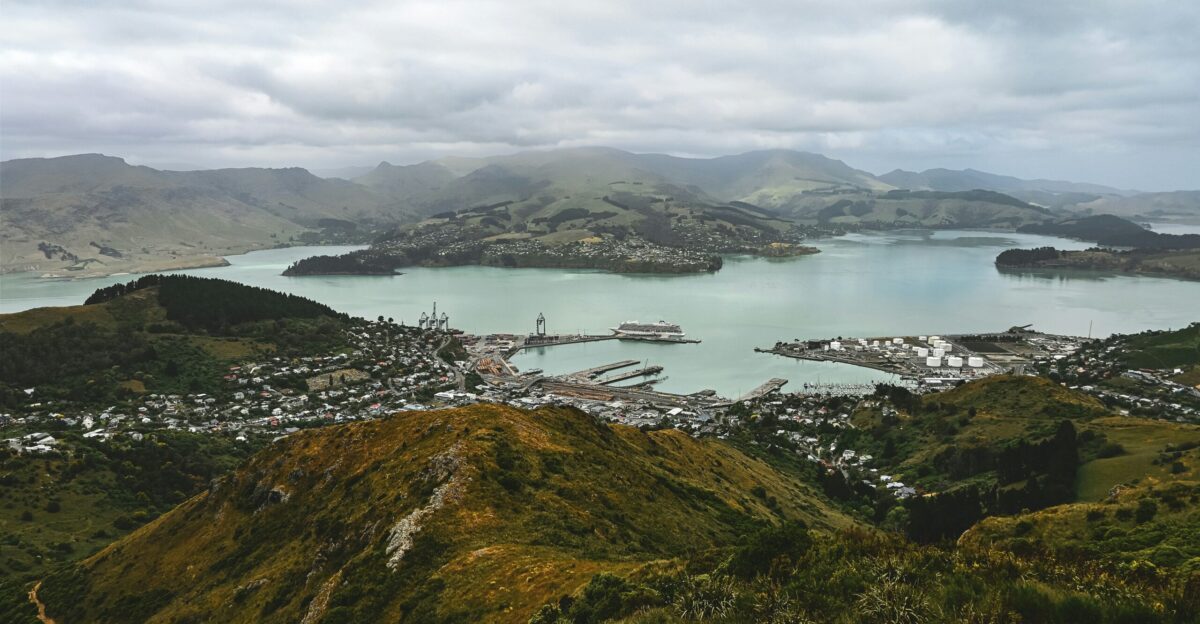
With the rising interest in Zealandia’s resources comes environmental concern. The continent’s ecosystem, though submerged, may harbor delicate marine environments. Environmentalists are calling for responsible exploration, emphasizing the need to balance resource extraction with conservation. Zealandia’s recognition may trigger debates over how to protect these fragile marine ecosystems while still utilizing their potential.
Careful management is necessary to safeguard Zealandia’s underwater treasures.
Shifting Perceptions of Earth’s Geography
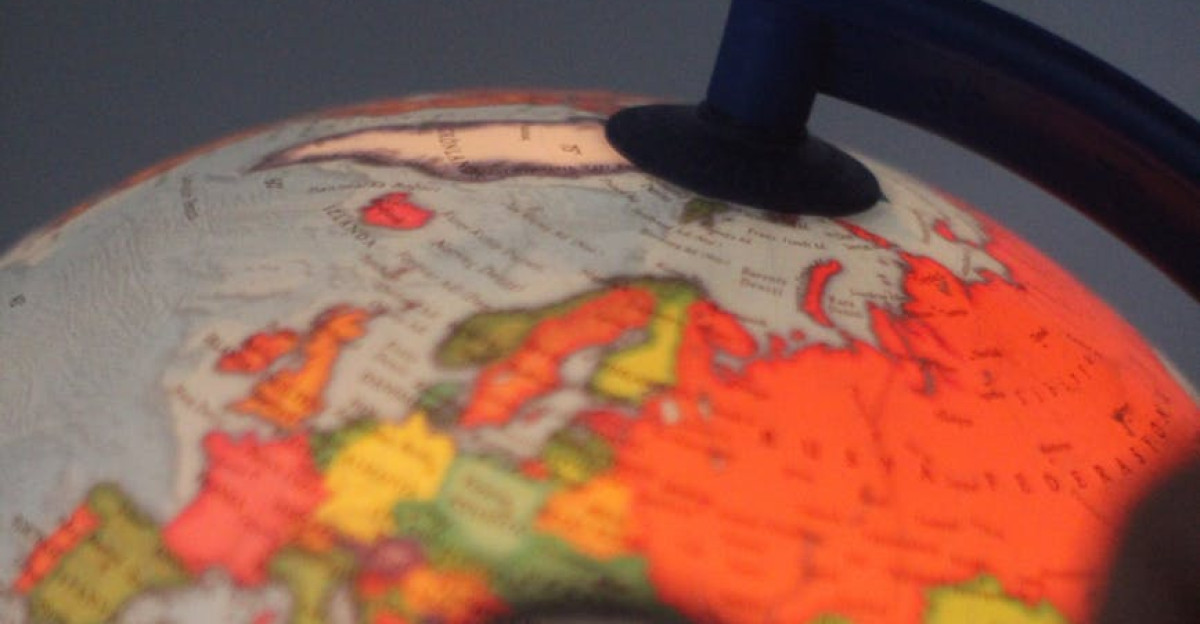
Zealandia’s formal recognition is reshaping our understanding of Earth’s geography. Textbooks, scientific literature, and public knowledge are being updated to include the eighth continent. The recognition marks a significant shift in the way the world perceives its geological structure, encouraging a new generation of students and scientists to rethink the boundaries of our planet.
Zealandia’s story is inspiring a new era of geographical exploration.
The Ongoing Journey of Discovery
The recognition of Zealandia is a reminder that much of our planet remains unexplored. What’s next for Earth’s hidden continents? The search for submerged landmasses continues, and Zealandia’s story opens new doors for discovery, scientific collaboration, and understanding of Earth’s dynamic nature.
The world has only begun to uncover its hidden geological treasures.
Sources:
GNS Science; GSA Today “Zealandia: Earth’s Hidden Continent” (2017)
Journal of Geophysical Research: “Tectonics, Geology and Origins of Te Riu-a-Māui / Zealandia”
PubMed Central: “Fossil Vertebrates from Southern Zealandia”
New Zealand Government LINZ Continental Shelf Project
Mortimer, N., Watts, A.B., Kinney, P.W., et al. (2017). “Zealandia: Earth’s Hidden Continent.”