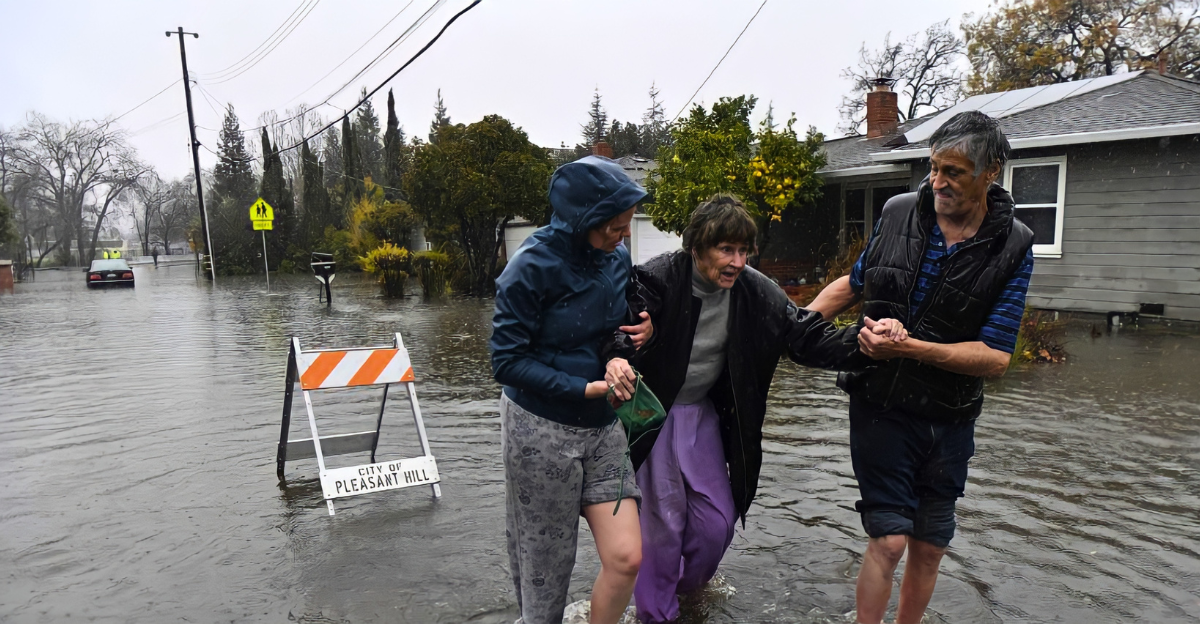
Powerful storms battered both U.S. coasts on September 18, 2025. The National Weather Service reported concurrent weather events affecting both coasts.
Climate scientists have noted that changing climate patterns are affecting the frequency of multi-regional weather events, presenting new challenges for emergency response systems.
Millions saw chaotic impacts from Florida to California.
California’s Mudslide Emergency
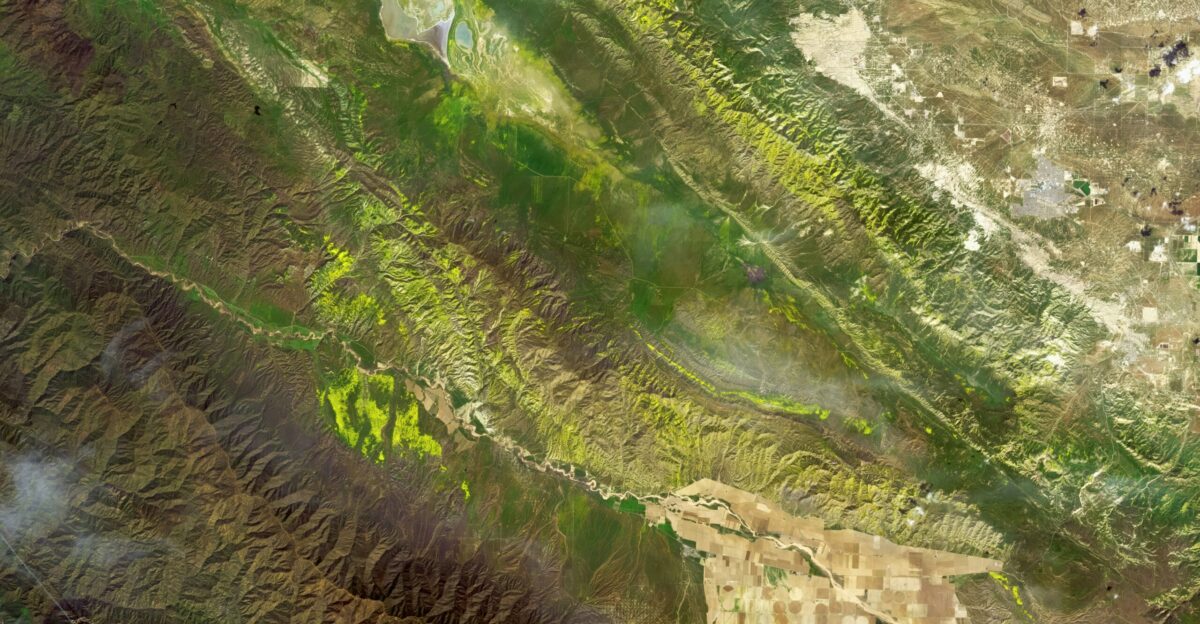
Tropical Storm Mario’s remnants triggered massive mudslides in Southern California. San Bernardino County Fire’s Chris Prater reported, “Roads vanished in minutes, and rescue calls skyrocketed.”
Firefighters saved ten trapped motorists from Highway 38 overnight. Blockaded debris had isolated mountain communities and put homes at risk.
South Florida Floods
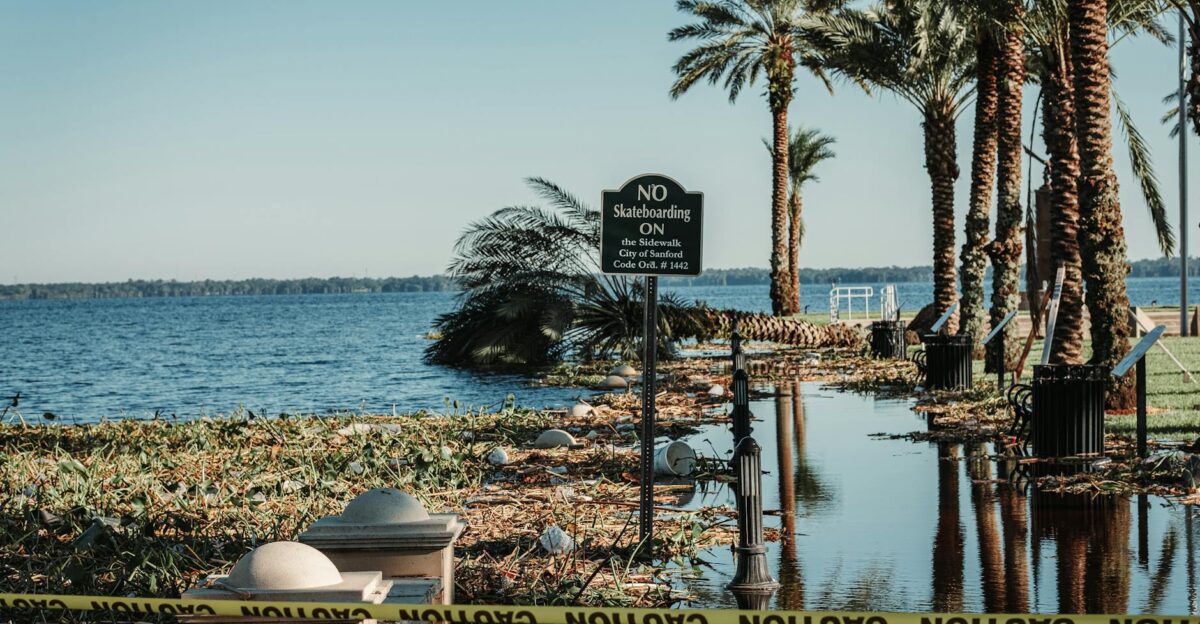
Tropical moisture dumped over three inches of rain into Miami-Dade and Palm Beach. Weather experts warned that heavy rainfall systems were producing significant precipitation totals.
Flood warnings blanketed the East Coast, and water surged onto main highways, stranding drivers and flooding homes.
Historic Rainfall Totals
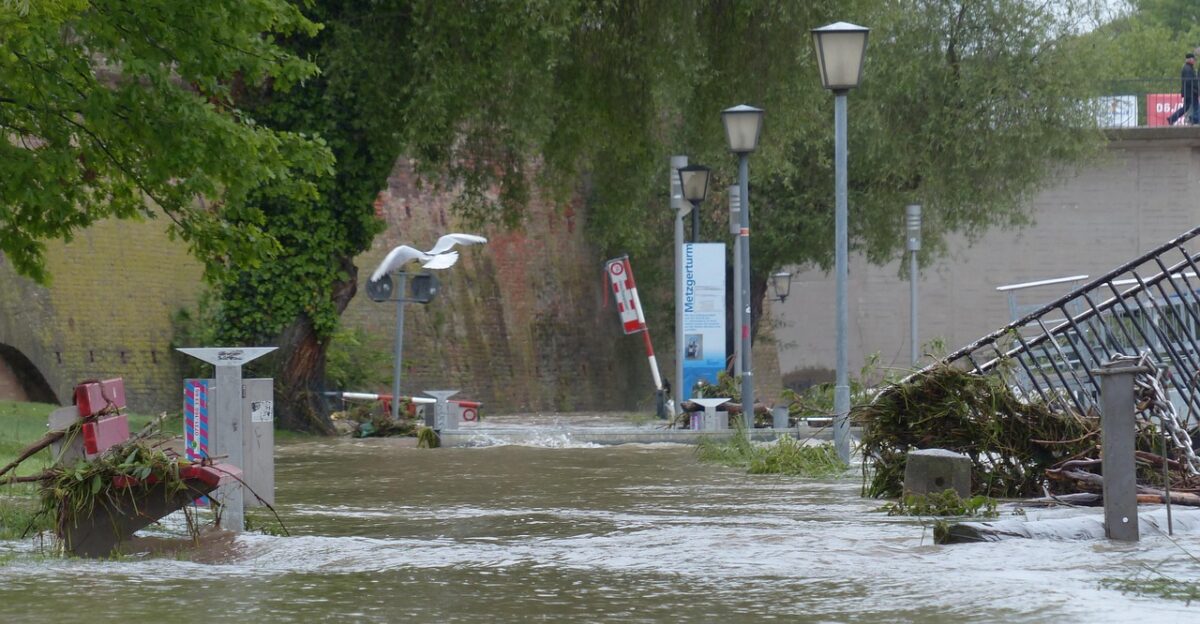
Forest Falls saw more than 1.7 inches of rain in one hour—triple its monthly average. The National Weather Service reported a September rainfall record for Miami.
Climate experts have noted the unprecedented nature of such events. Heavy rain overwhelmed drainage and caused widespread backups.
Statewide Emergencies
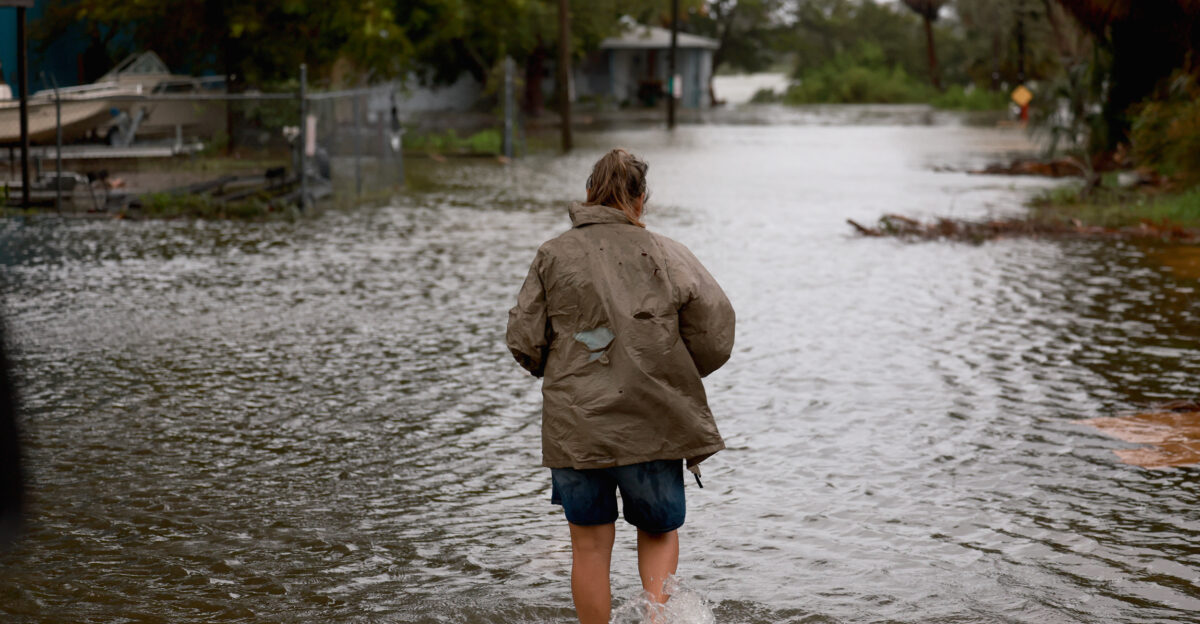
California’s governor activated emergency centers as floodwaters rose. Florida’s disaster teams launched into action with regional response groups.
FEMA coordinated response efforts for simultaneous disasters affecting multiple regions. Major airports and railways experienced long interruptions.
Mountain Community Fallout
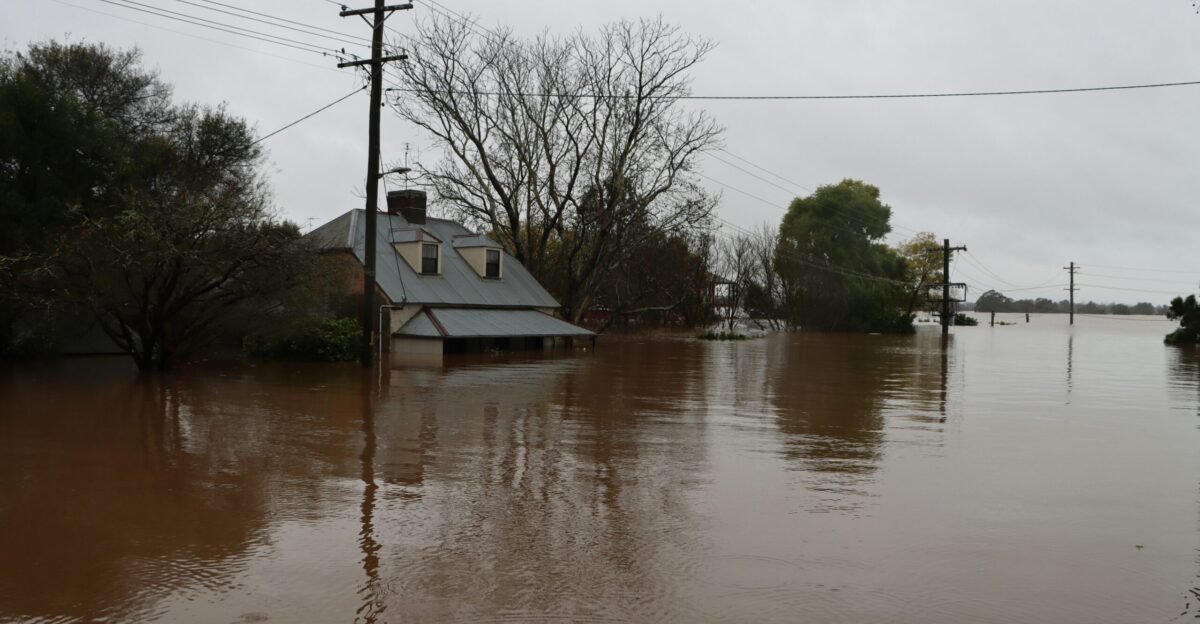
Mud and rushing water destroyed homes throughout San Bernardino’s foothills. Highway closures left residents stranded, forcing officials to urge everyone indoors.
Chris Prater said, “Our crews worked nonstop for 36 hours—we expect recovery to take weeks.” Damage extended to power lines and public utilities.
Florida’s Urban Struggle
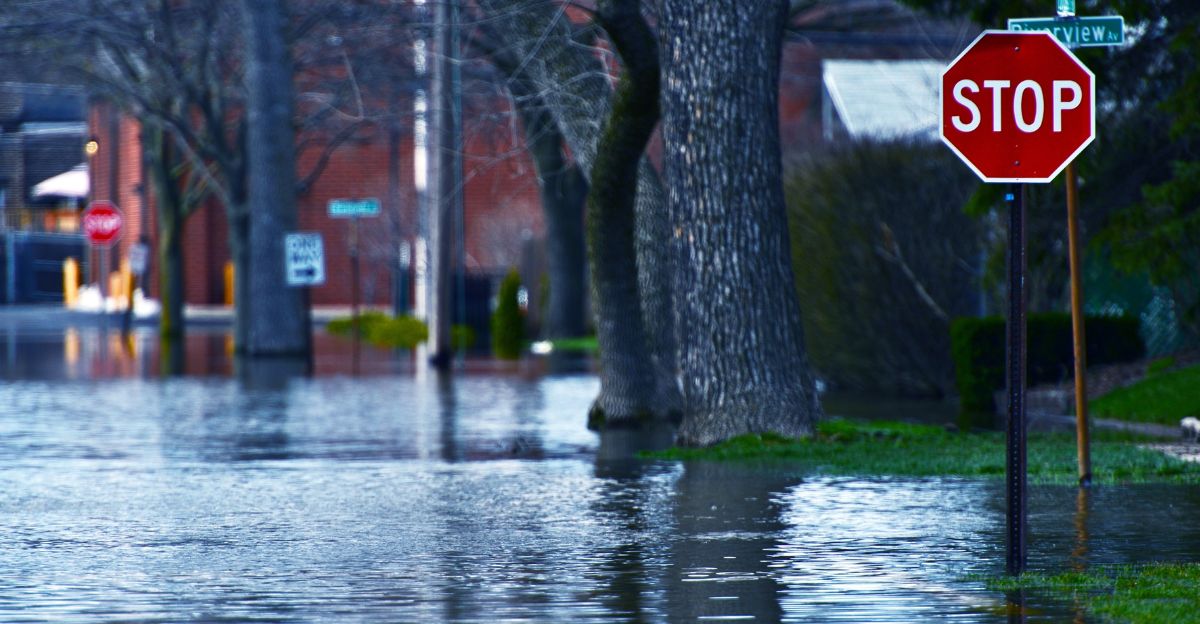
Flooded streets and swamped basements paralyzed downtown Miami and Fort Lauderdale. City officials reported that sewer systems were quickly overwhelmed, leading to widespread basement flooding. Rush-hour commuting collapsed as roads closed. Families pumped water out all night to save property.
Search and Tragedy

Rescue teams spent 20 hours searching for a missing toddler in Barstow. Barstow police recounted that they found the 2-year-old’s body in a flood channel after he and his father were swept away by floodwaters. The tragedy shocked and saddened the whole community. Volunteers supported the grieving family.
Coordinated Response
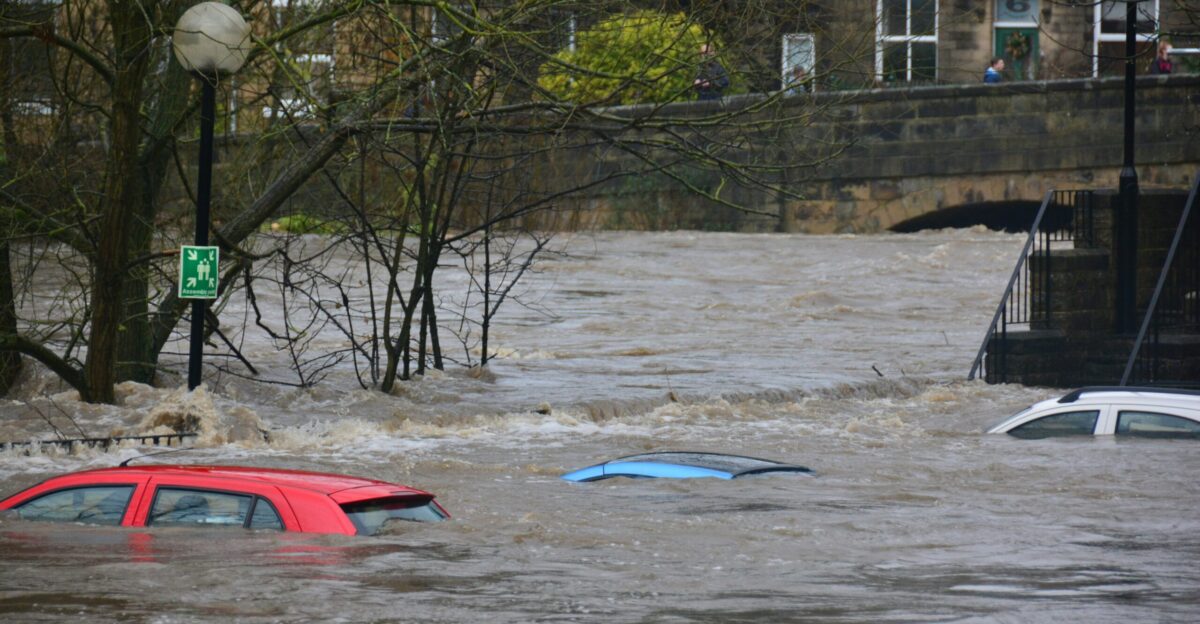
Agencies quickly filed disaster relief requests across both states. FEMA coordinated response efforts with local teams using satellite communications.
Florida emergency officials noted the unprecedented nature of coordinating responses across multiple affected areas.
Mutual aid and resource sharing reached their limits.
Scientists Raise the Alarm
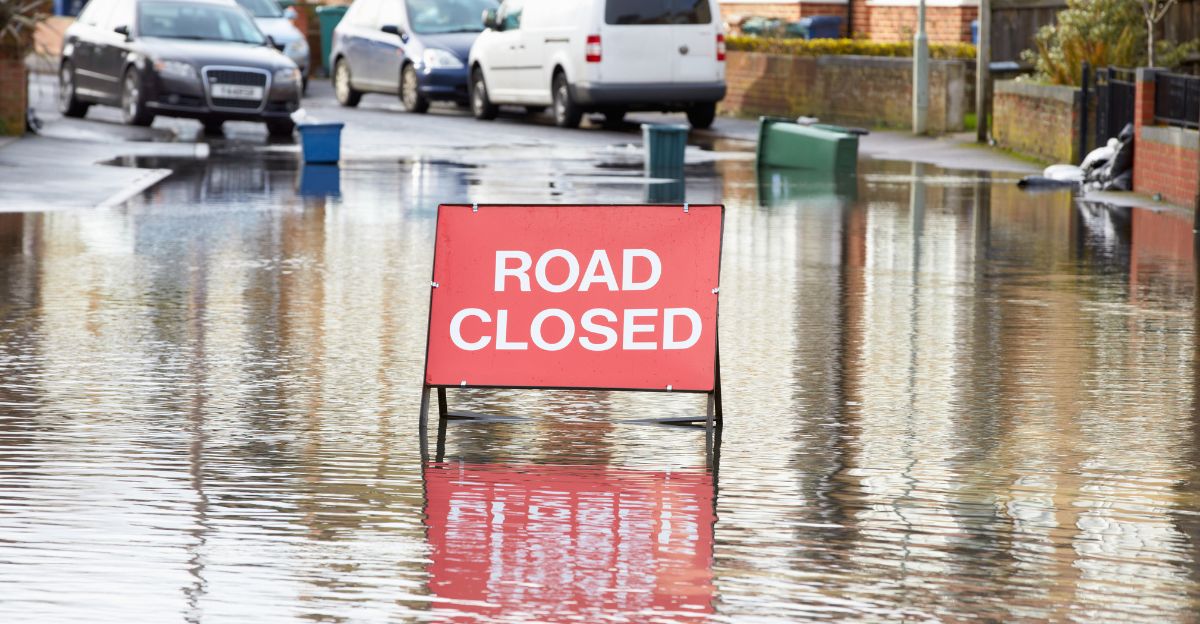
Researchers blamed compound disasters on climate shifts. Climate scientists have observed an increase in extreme weather events nationwide.
Climate experts emphasized that existing backup systems face challenges from changing weather patterns. Pressure for stronger disaster policies intensified.
Infrastructure Put to the Test
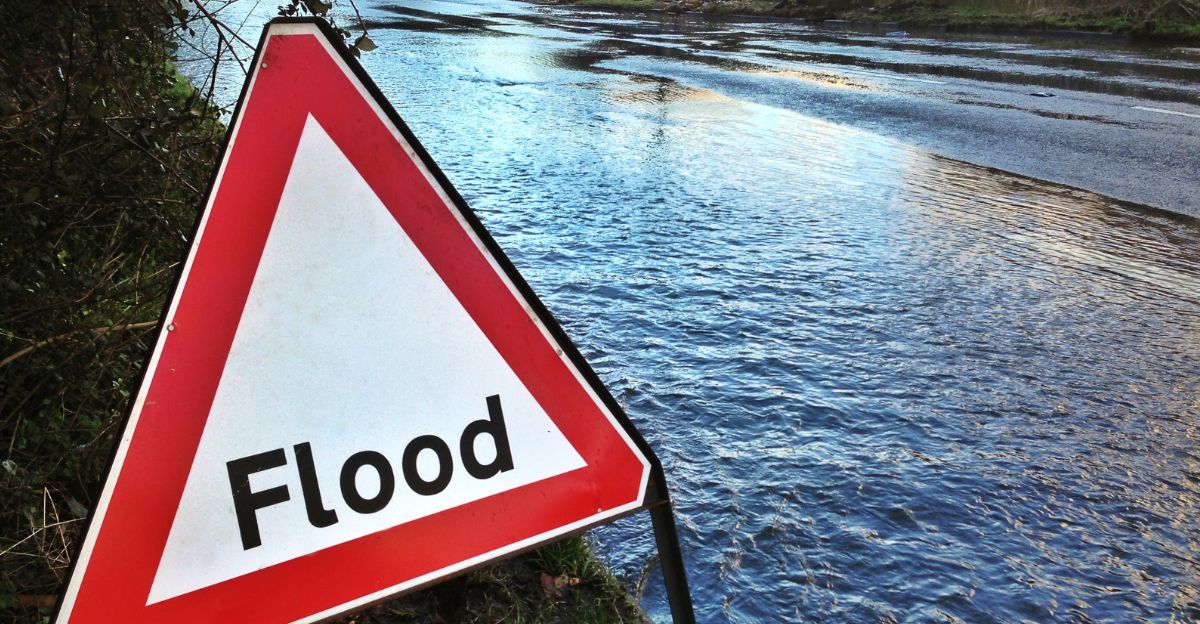
California’s DOT cleared hazardous debris while Florida fixed failing sewers. Civil engineers noted they were addressing infrastructure problems not previously encountered. Both states ran repair crews day and night. Some streets stayed flooded days after the storms.
Grassroots Efforts Mobilize
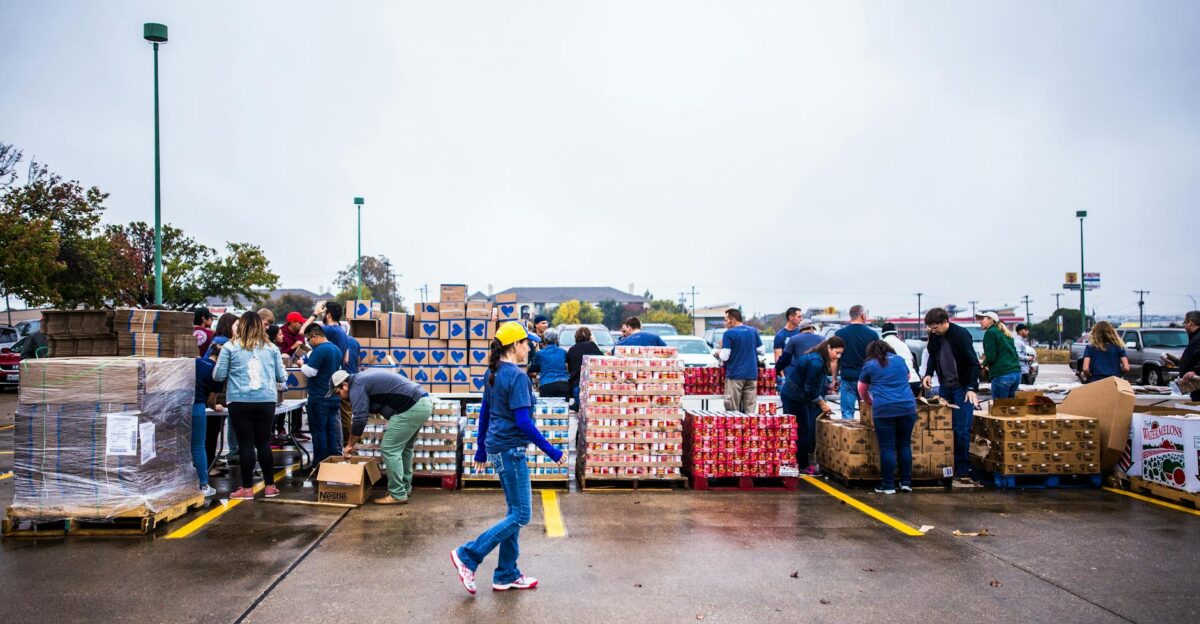
Volunteers used social media to organize supply drops and neighbor check-ins. Local officials praised residents for taking immediate action to help their communities. Firefighters credited grassroots action for helping responders. Neighbors eased the strain for struggling families.
Financial Toll Increases
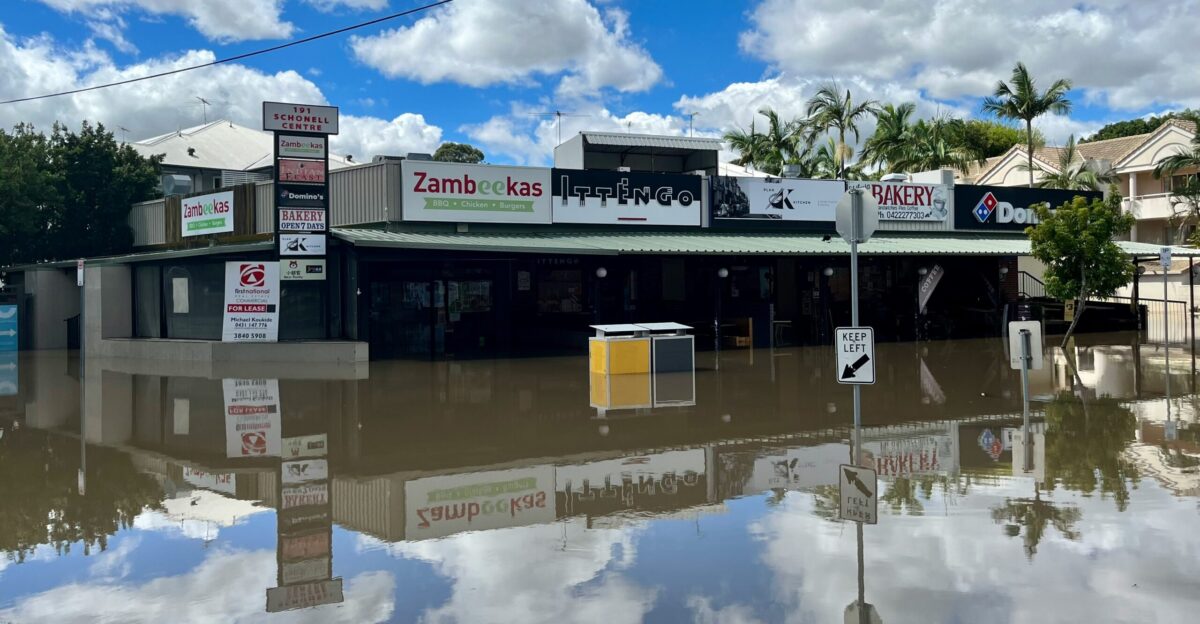
Analysts projected damages in the tens of millions of dollars. Shop owners closed businesses hit by mud and floods.
Economic analysts warned that delays in recovery efforts increase overall costs. Insurance claims began pouring in citywide.
Recovery Efforts Begin
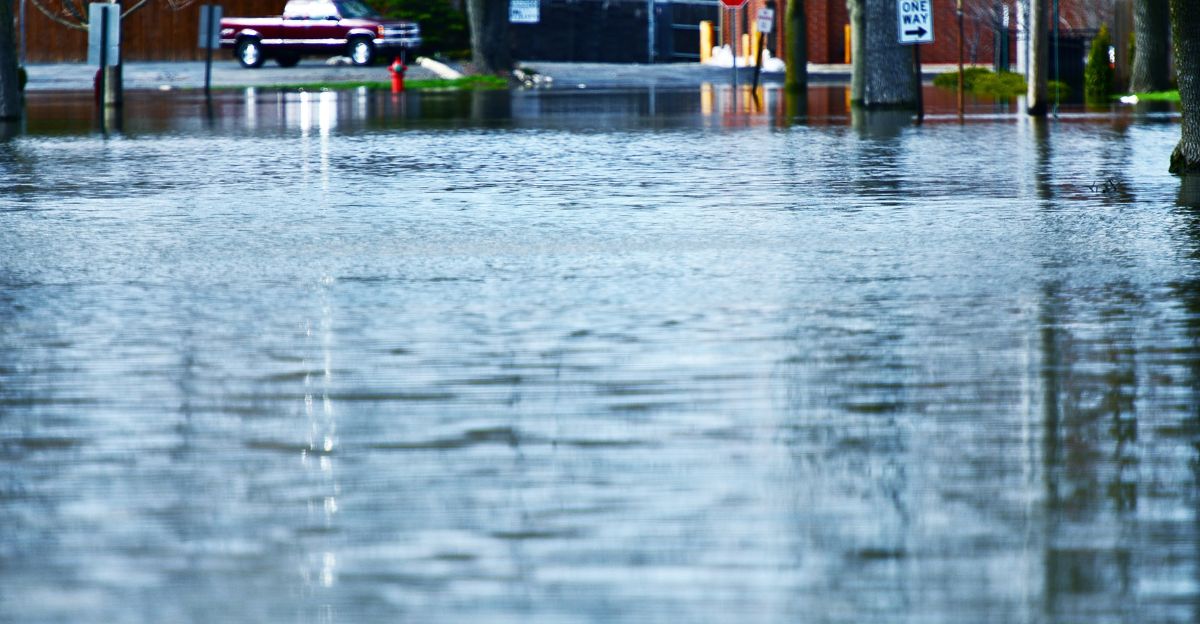
Rapid assessment teams launched long-term rebuilding plans in both states. Federal funds and engineers joined local workers to restore homes and roads.
FEMA officials noted that rebuilding for future storms presents significant challenges. Some neighborhoods waited for power or water services to return.
Policy Debate Intensifies
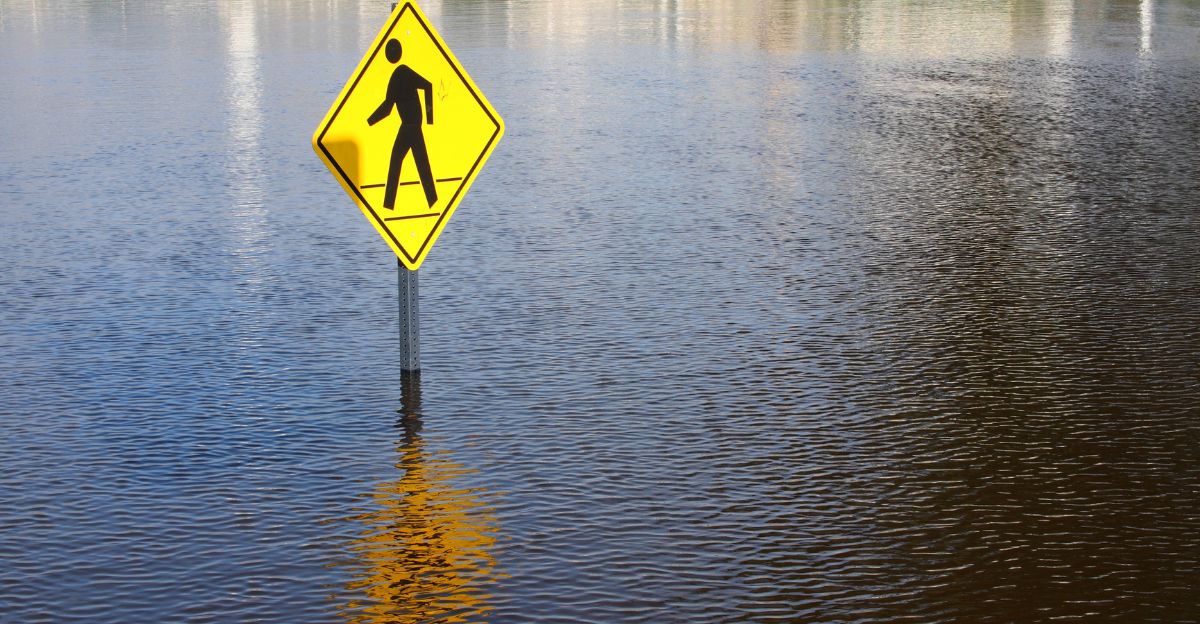
Congress reviewed funding for national disaster readiness. Congressional leaders urged building resilience for a changing climate.
State officials debated stricter building codes for risk areas. Legislators considered new cost-sharing policies for emergencies.
Insurance Faces Scrutiny
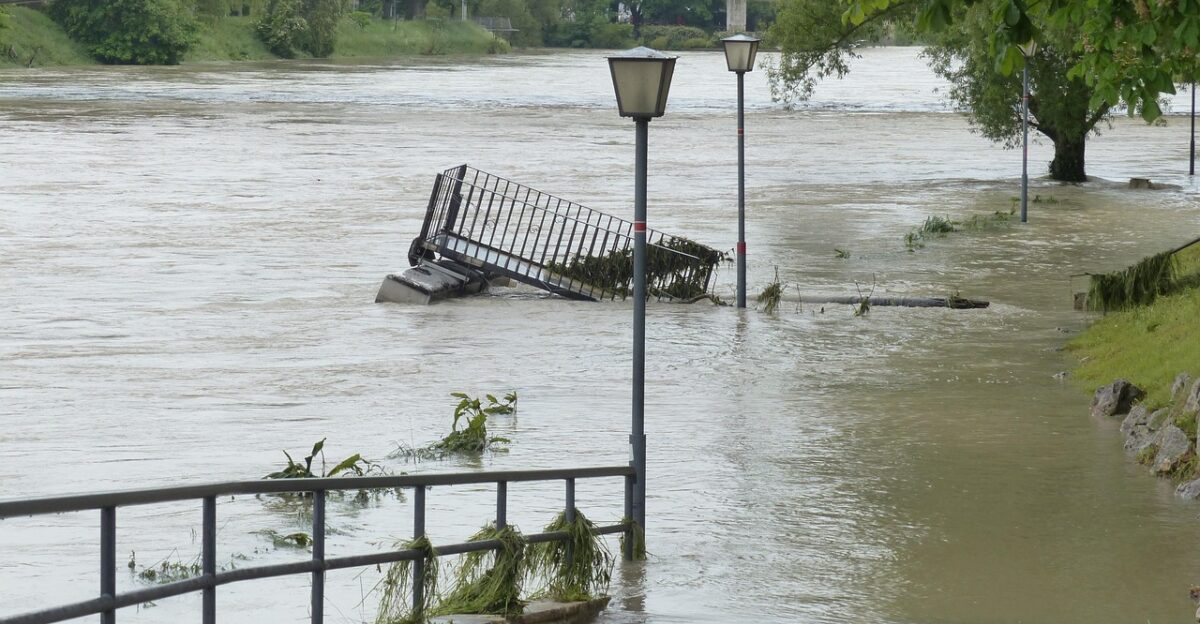
Homeowners struggled with denied claims for mudslide and flood damage. Florida insurance regulators warned that basic insurance plans often lack comprehensive disaster coverage. Lawmakers agreed to review flood program limits. Many residents demanded clarity in insurance rules.
Lessons from Abroad
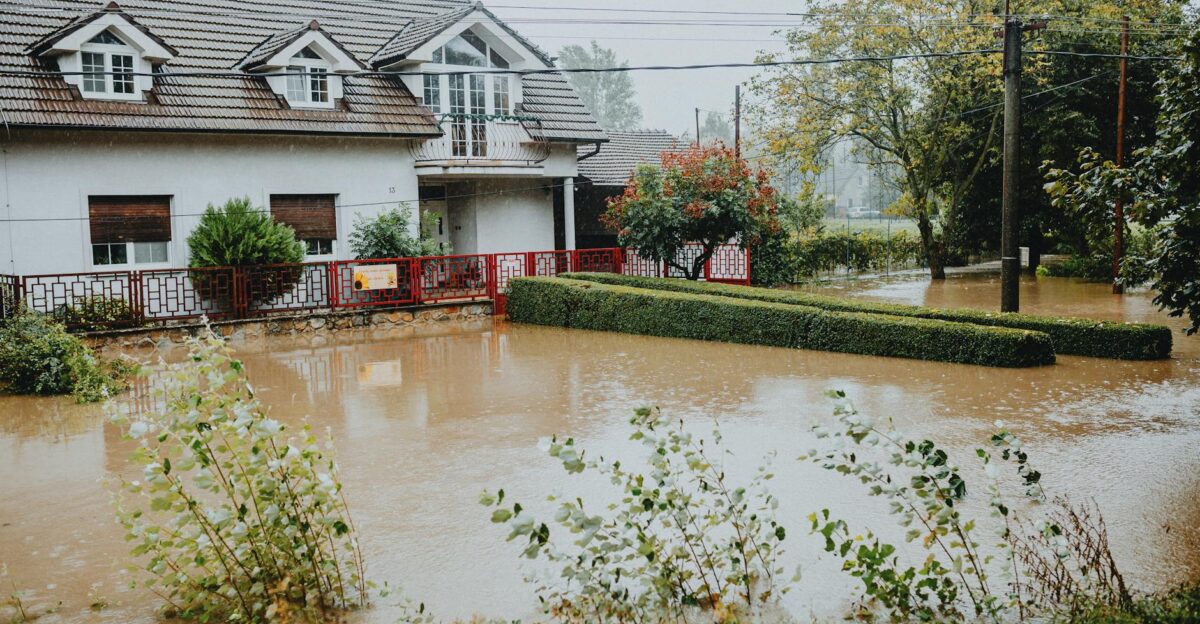
International reports indicated similar compound flooding events in other countries this year. Researchers noted that cities worldwide are developing new approaches to handle cascading climate risks. Global networks began sharing best climate strategies online.
Social Attitudes Shift
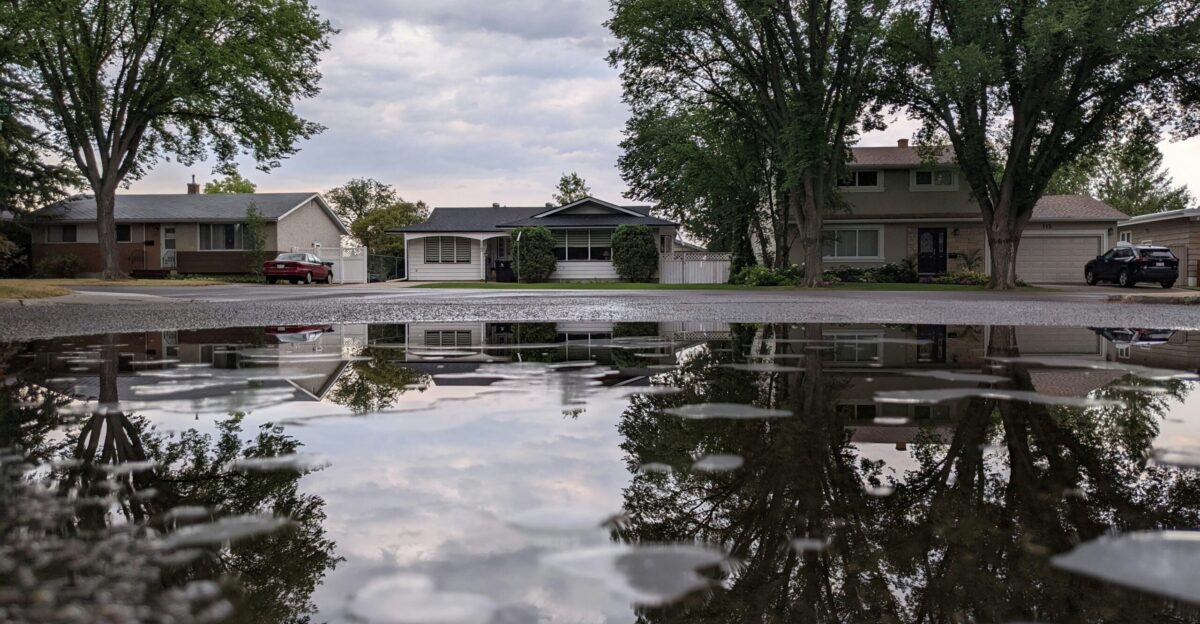
Younger Americans expect more frequent major storms. Researchers noted that younger generations expect improved technology and leadership for emergency response.
Disaster alerts moved to social platforms and neighborhood networks. Families adapted quickly and changed their response habits.
National Economic Impact
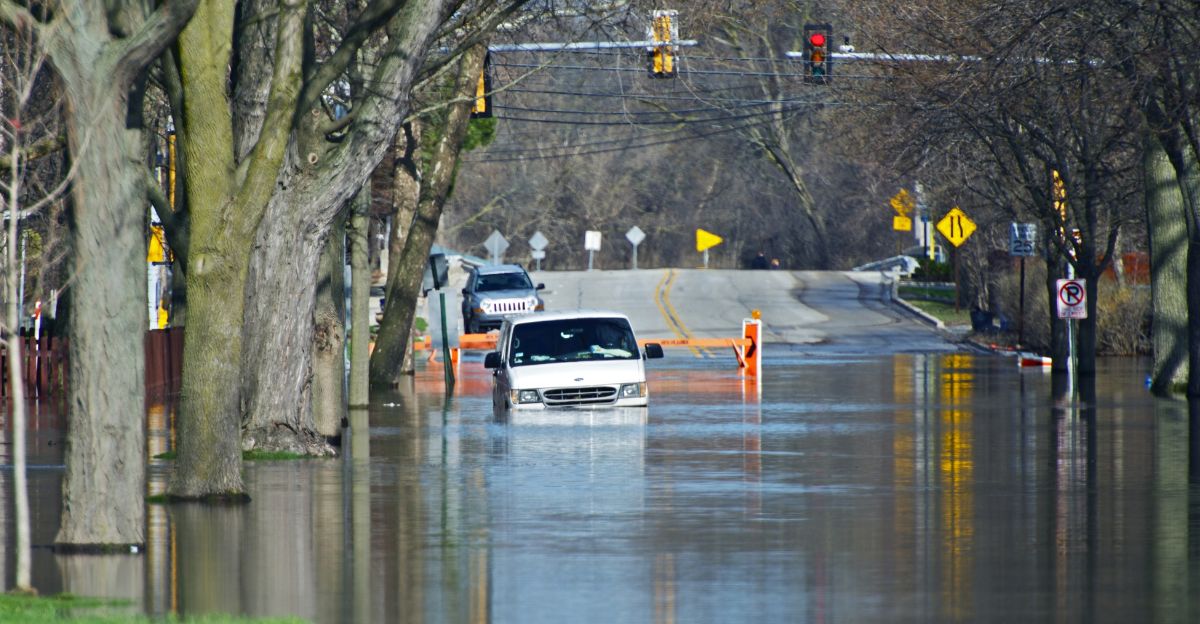
Crops failed and shipping slowed after coast-to-coast road closures. Economic analysts emphasized that multi-state crises result in larger, longer-lasting economic impacts. Federal recovery spending will strain budgets into next year. Urban planners plan for multi-hazard investments.
Preparing for the Future
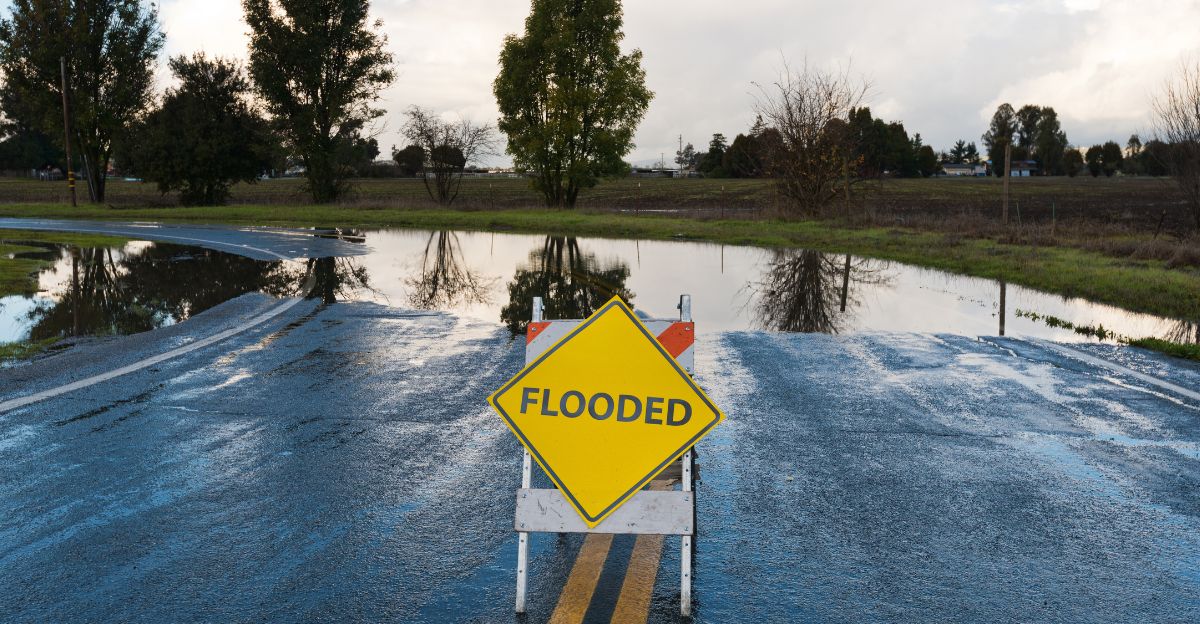
Climate scientists warn that regional crises are merging into national disasters. Climate researchers concluded that multi-regional weather events are becoming more frequent. Leaders pledged to prepare for larger, simultaneous climate threats.