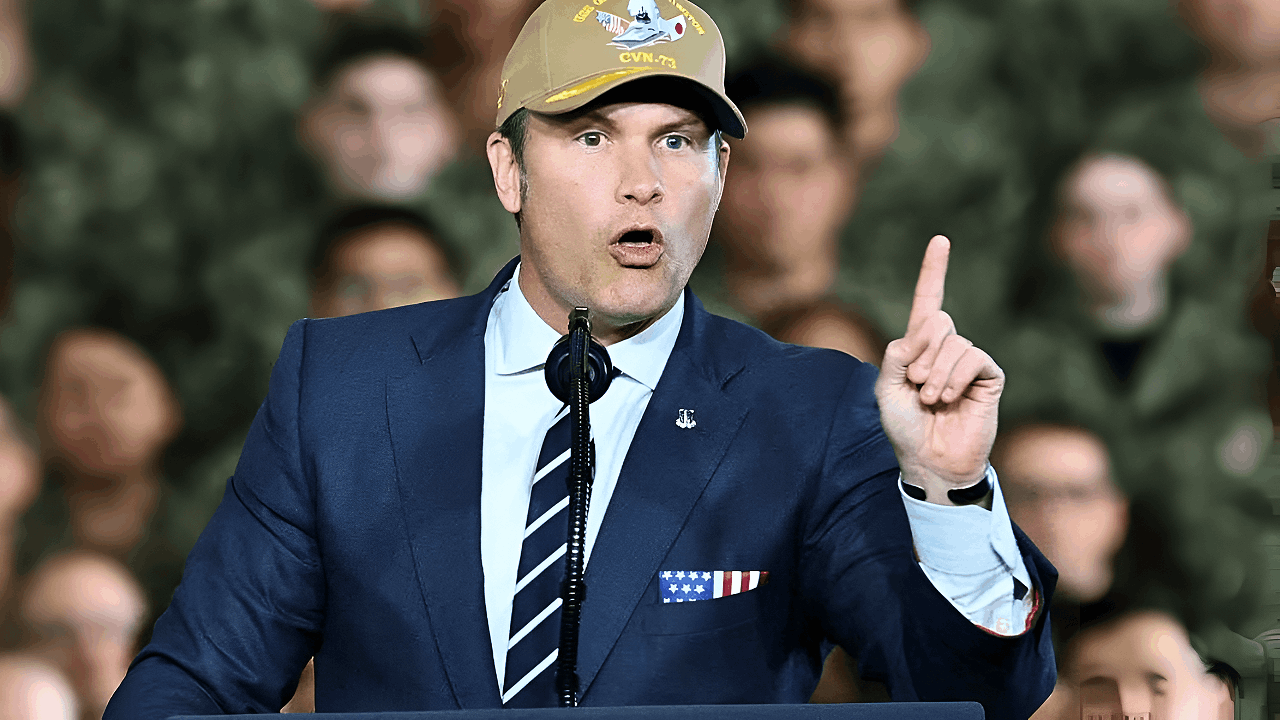
On October 27, 2025, the U.S. military launched a high-profile anti-narcotics operation off Colombia’s Pacific coast, conducting airstrikes to destroy four vessels suspected of carrying illicit drugs. Fourteen people were killed, marking the deadliest single engagement in the ongoing fight against drug trafficking. This action signals a dramatic escalation in U.S. strategy, shifting from law enforcement-led interdiction to direct military intervention—a move that is reshaping the landscape of the war on drugs.
A New Phase: Military Power Replaces Policing
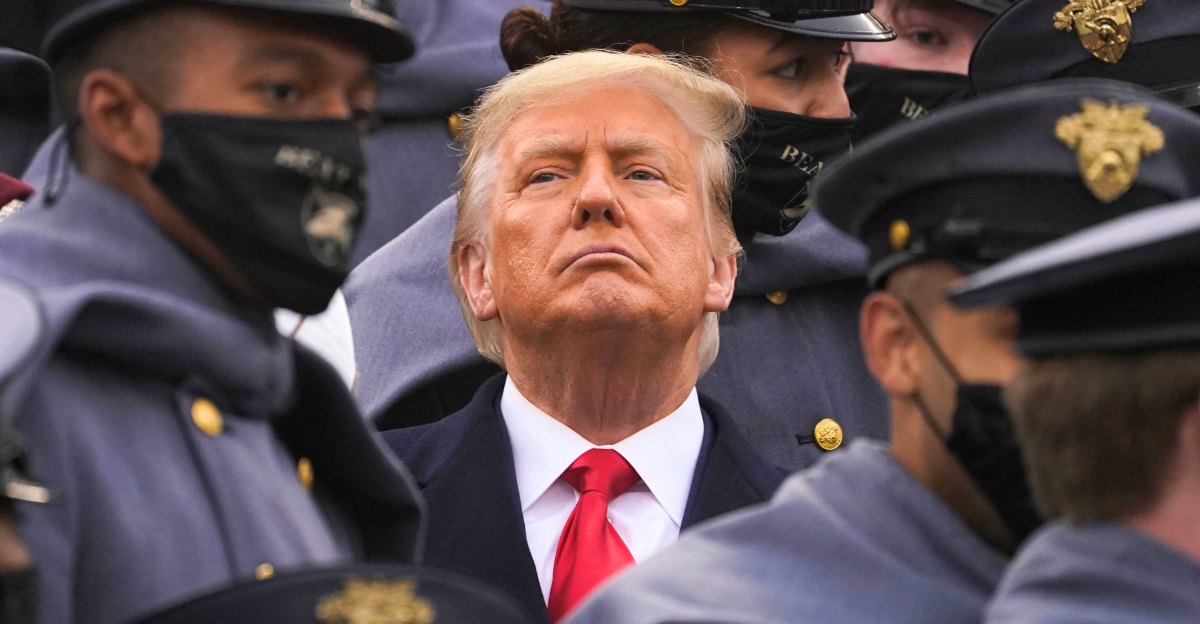
The Trump administration’s decision to classify major drug cartels as “narco-terrorist” organizations has paved the way for counterterrorism tactics previously reserved for groups like ISIS and al-Qaeda. Defense Secretary Pete Hegseth announced the creation of a counter-narcotics Joint Task Force under U.S. Southern Command, stating, “Our mission is to crush the cartels, stop the poison, and keep America safe.”
By targeting vessels at sea, the military sidesteps traditional legal constraints, allowing for lethal force without capture or trial. This marks a fundamental shift in how the U.S. approaches transnational drug crime, prioritizing rapid, decisive action over lengthy investigations.
Disrupting Supply Chains: Immediate and Long-Term Effects
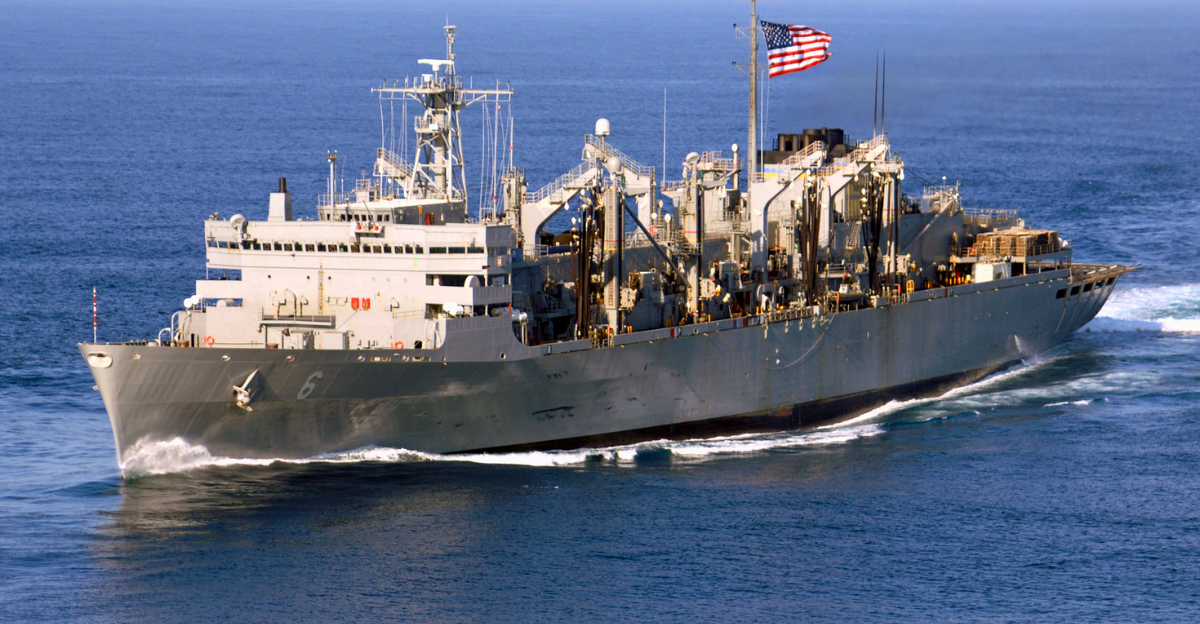
The destruction of the four vessels has temporarily disrupted established smuggling routes in the Eastern Pacific. Experts warn, however, that traffickers are likely to adapt quickly, shifting to overland routes through Central America or employing aircraft and tunnels to evade detection. This constant adaptation complicates enforcement and may lead to fluctuations in drug availability and pricing in U.S. markets.
The ripple effects are already being felt by local communities and legitimate shipping companies, which now face increased scrutiny and rising insurance costs as military operations intensify in high-traffic waters.
Local Voices: Communities Caught in the Crossfire

Coastal communities in Colombia and neighboring countries are experiencing unprecedented disruption. Fishermen, in particular, fear collateral damage to their livelihoods. The heightened military presence has led to anxiety and economic uncertainty, as legitimate maritime activity is increasingly scrutinized alongside suspected trafficking.
In a separate incident in September, Colombia’s President Gustavo Petro claimed that a Colombian fisherman, Alejandro Carranza, was killed in a U.S. strike, though the Pentagon disputes this account. Analysts caution that while the intention is to disrupt drug flows, the long-term impact on local economies and trust in authorities could be severe, underscoring the need for balanced approaches that consider both security and community welfare.
Global Comparisons: A Broader Perspective
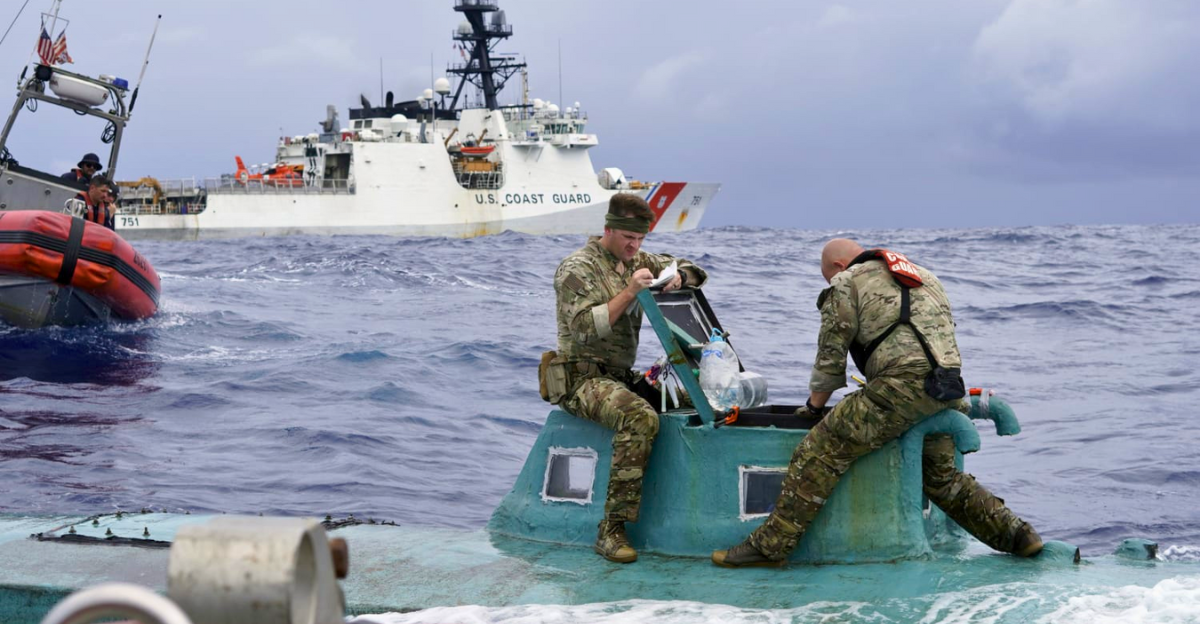
The U.S. escalation mirrors tactics used in other regions battling organized crime. In Mexico, for example, military interventions against cartels have led to short-term successes but also sparked concerns about human rights and civilian casualties. The use of advanced technology, such as submarines and semi-submersibles by Mexican cartels, highlights the global nature of the challenge and the need for international cooperation.
Diplomatic tensions are rising, with Colombia’s President Gustavo Petro disputing the Pentagon’s accounts of operations and threatening to reconsider U.S. military presence in the country—a move that could undermine regional security efforts.
Policy Debate: Legal and Ethical Implications
President Trump has indicated plans to seek Congressional authorization for potential ground missions in Venezuela, though he maintains that existing counterterrorism authorities suffice for maritime operations. Lawmakers are divided, with some expressing concern over the expanding scope of military engagement and the bypassing of traditional war powers.
The administration’s designation of cartels as foreign terrorist organizations provides a legal framework for strikes but raises questions about oversight and accountability. Civilian casualties remain a contentious issue; Colombia’s government claims Carranza was mistakenly killed in a September strike, a charge the White House denies. Defense Secretary Hegseth has emphasized reliance on intelligence to minimize harm.
Looking Ahead: Balancing Force and Diplomacy
As the U.S. intensifies its military campaign, the future of drug trafficking in the region remains uncertain. Cartels are expected to continue adapting, employing new technologies and routes to evade detection. Experts argue that a comprehensive strategy—integrating military, law enforcement, and diplomatic efforts—is essential for lasting impact.
Strengthening partnerships with regional governments and investing in economic opportunities for vulnerable communities may help address the root causes of trafficking. The effectiveness of this new approach will depend on the ability to balance aggressive enforcement with respect for human rights and local livelihoods, shaping the next chapter in the global fight against narcotics.