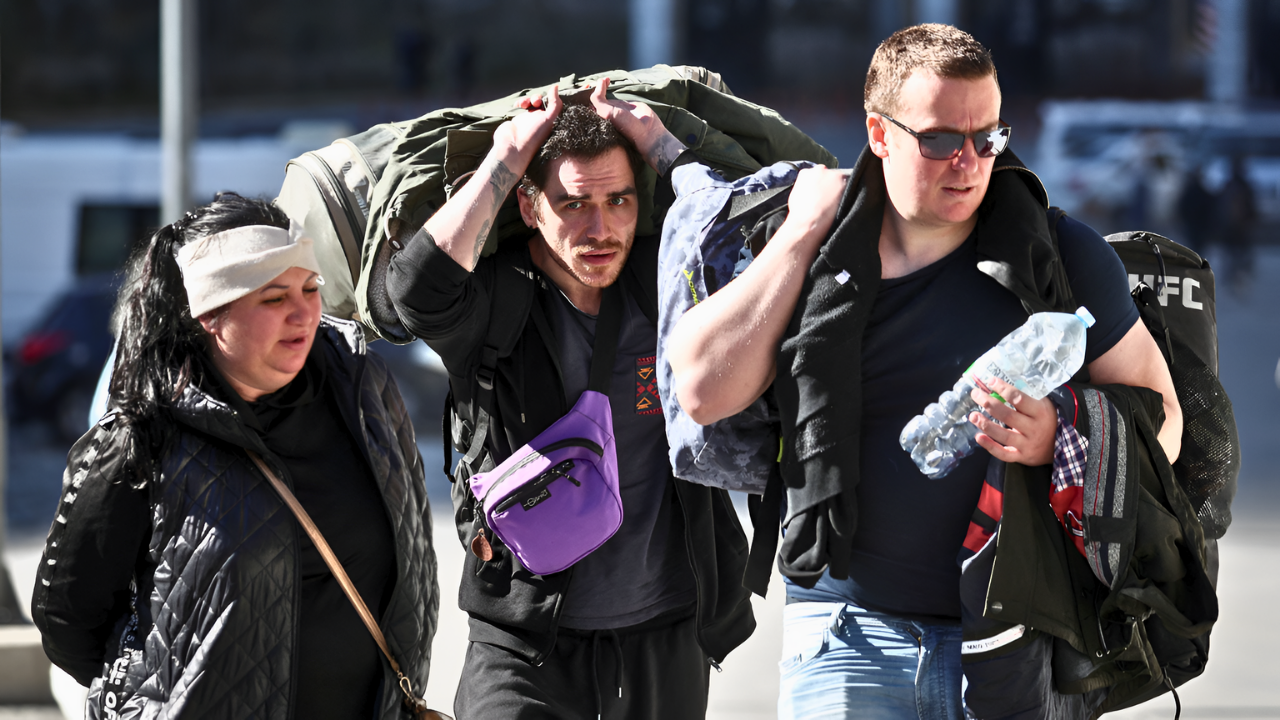
Travelers arriving in Russia now face a stark reality: stepping off a plane can mean entering a web of military checkpoints where draft summonses await. Since November , authorities have stationed personnel at 12 major airports, issuing fines of $330 and targeting unregistered men, including naturalized citizens who risk losing citizenship or freedom. Transit hubs have become conscription traps, intercepting over 70% of the nation’s air passengers.
Let’s look into this deeper…
The 12-Airport Enforcement Grid
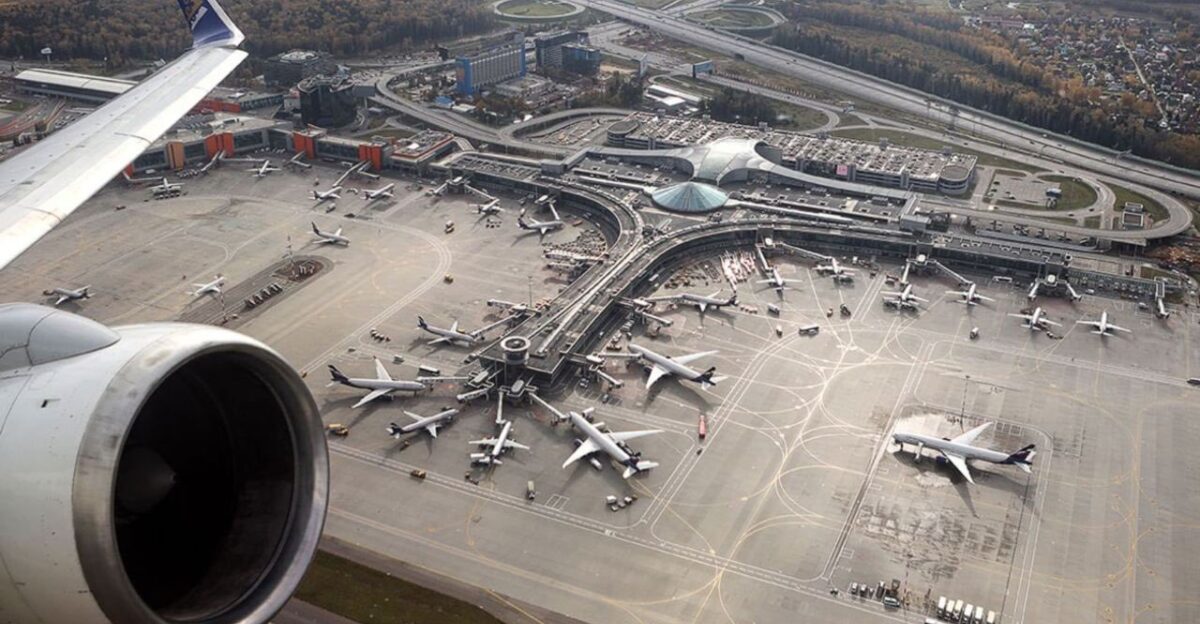
Authorities have set up migration control points at key airports, including Moscow’s Sheremetyevo, Vnukovo, and Domodedovo, as well as St. Petersburg’s Pulkovo, Sochi, Yekaterinburg, Koltsovo, Kazan, and Novosibirsk. In 2024, these sites handled 151.4 million passengers, covering 70% of Russia’s 216.4 million air travelers. Military investigators scan facial recognition against registration databases, issuing fines or draft summonses on the spot.
Naturalized citizens, mainly from Tajikistan, Uzbekistan, and Kyrgyzstan, face heightened scrutiny. Investigative Committee Chief Alexander Bastrykin reported that around 80,000 were identified as unregistered, signaling a focused effort to enforce compliance among vulnerable populations.
Biometric Surveillance Expansion

Facial recognition systems, originally from Moscow’s metro network, now connect to a national biometric database shared with police and intelligence agencies. Airports integrate these databases to flag individuals of military age in real-time. State media footage from Koltsovo Airport on November 20, showed a man receiving a draft notice immediately upon landing, contradicting government assurances that only foreigners are targeted.
The Moscow Times, reporting from October, noted that individuals challenging summonses at checkpoints often face detention. Airports have shifted from transit points to permanent tracking nodes, redefining the way citizens and travelers interact with Russian authorities.
Disproportionate Risks for Naturalized Citizens
While native Russians face lighter administrative penalties, naturalized citizens encounter a dual legal track with severe consequences. By summer 2025, authorities had revoked citizenship for 214 individuals for failing to comply with military service, according to hthe uman rights group ADC Memorial. Those affected become stateless, losing access to employment, healthcare, and vital registrations.
Fines for military registration violations now reach 30,000 rubles ($330), with additional penalties of 20,000–30,000 rubles for unreported address changes. Bastrykin disclosed on May 19, 2025, that around 20,000 naturalized citizens already serve on Ukraine’s front lines. Recent U.S. deportations to Domodedovo on December 7–9, 2025, triggered immediate draft notices for returning citizens, further heightening the risks.
Economic Ripples from Migration Enforcement
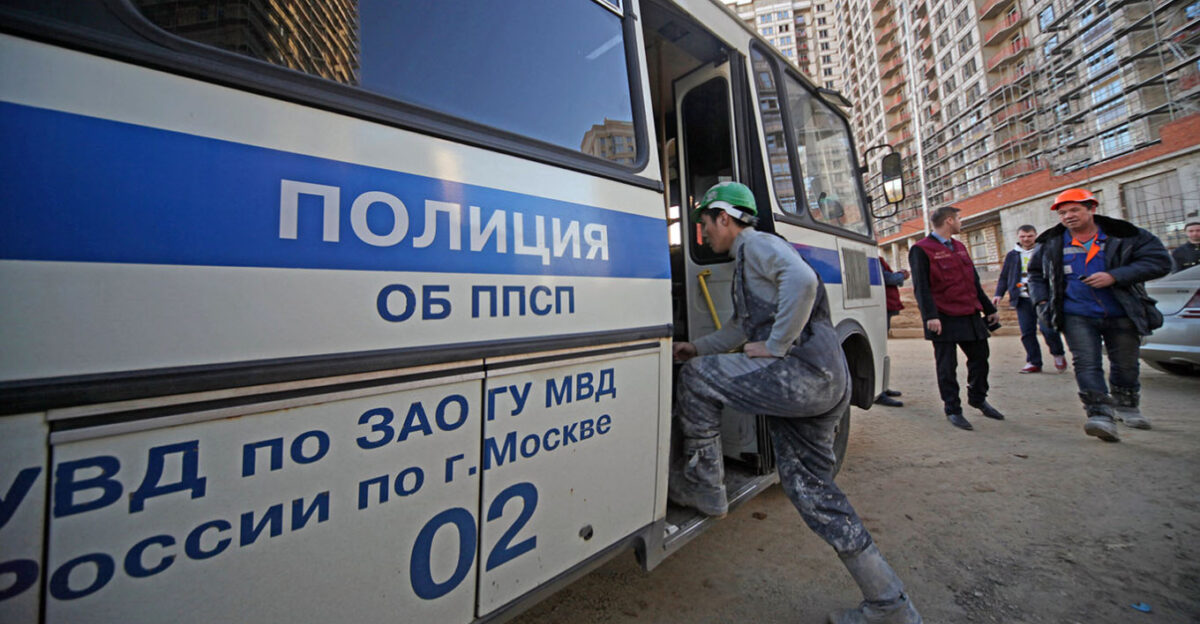
Russia relies on roughly 10.5 million Central Asian migrant workers, whose remittances account for 51% of Tajikistan’s GDP and support regional economies. New regulations cap migrant spending at 30,000 rubles ($351) monthly, blocking cross-border transfers and limiting work permit renewals.
This double pressure—military conscription and financial restrictions—has intensified labor shortages. Russia faces an estimated deficit of 160,000 defense-sector workers, straining employment stability. Recruiting migrants into the military splits families and drains labor pools essential for economic functioning, highlighting the far-reaching consequences of these enforcement policies.
Unified Surveillance Architecture
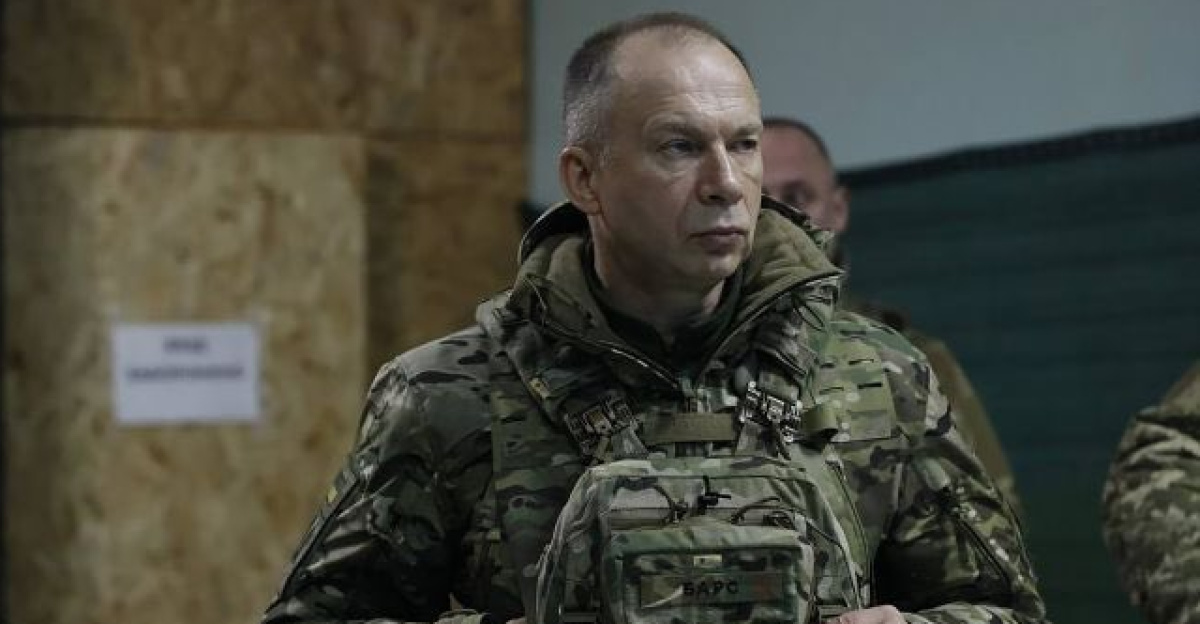
The enforcement measures reflect a coordinated approach, powered by biometric firms such as NtechLab and VisionLabs, which embeds military tracking into civilian infrastructure. Airports, once neutral gateways, now enforce population control amid ongoing conflict.
As biometric reach expands and penalties intensify, the line between security and individual rights becomes increasingly blurred. The potential for economic disruption and altered migration patterns is significant, leaving authorities to balance military objectives against the broader social and economic impact of these unprecedented enforcement strategies.
The Human and Economic Stakes
Russia’s new airport checkpoints have transformed travel into a calculated risk, particularly for naturalized citizens and migrant workers. Beyond individual penalties, the enforcement system reshapes labor markets, disrupts families, and challenges economic stability.
The integration of biometric surveillance, strict fines, and draft summonses illustrates a merging of civil infrastructure with military objectives. These policies leave an indelible mark on migration patterns, human rights, and the broader regional economy, underscoring the complex consequences of a system where transit hubs are now instruments of conscription.
Sources:
“Russia Starts Issuing Draft Notices at Airports to New Citizens and Returning Expats.” United24Media, November 30, 2025.
“Moscow Using Facial Recognition to Detain Men Challenging Military Drafts.” The Moscow Times, October 20, 2025.
“Russia is stripping political prisoners of their citizenship for refusing military service.” ADC Memorial, August 3, 2025.
“Russia Forces 20,000 Naturalized Migrants to Fight in Ukraine or Face Losing Citizenship.” United24Media, May 19, 2025.
“Russian airports boost passenger traffic to 216.4 mln in 2024.” TASS (Russian Federal News Agency), March 13, 2025.