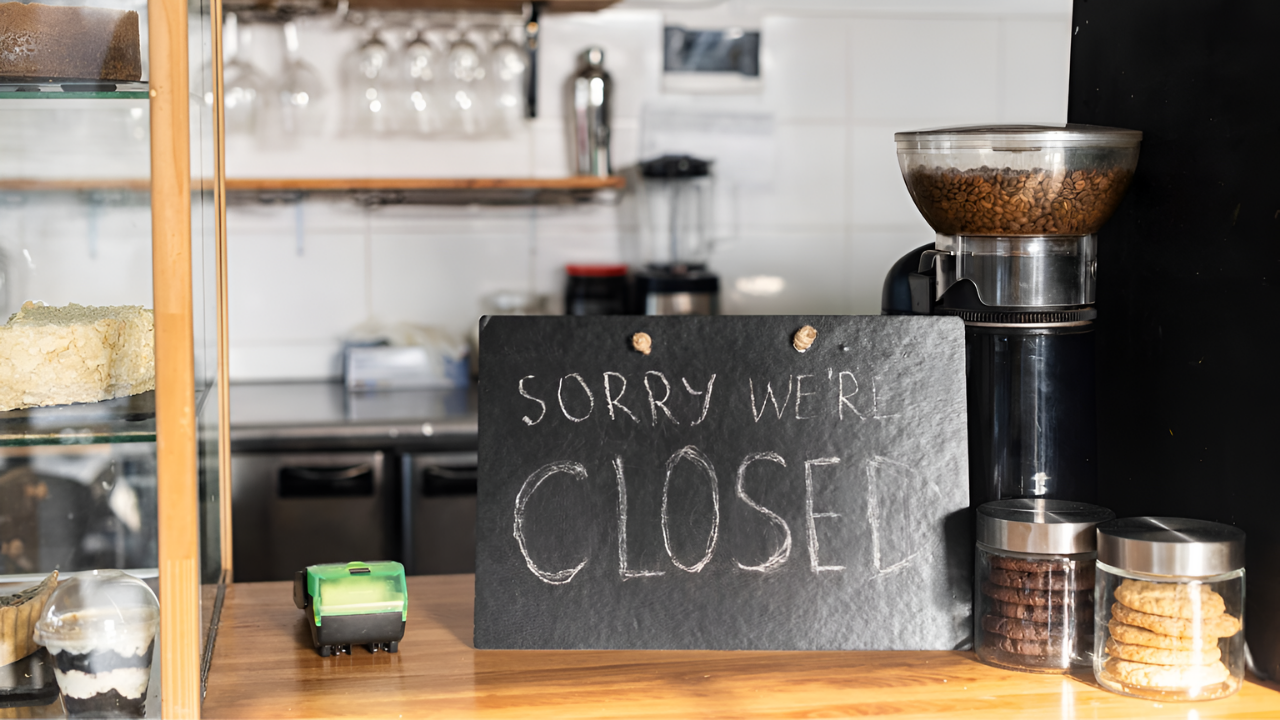
Across the United States, coffee shops are closing at an alarming rate as prices soar and economic pressures mount. From independent cafés to regional chains, the industry faces a wave of bankruptcies and layoffs not seen in years.
Behind these closures lies a complex mix of global supply shocks, trade tariffs, and inflation reshaping how Americans get their daily brew. The fallout is reverberating through local economies, workers, and consumers alike.
Here’s what’s driving this nationwide coffee crisis.
A Brewing Storm Hits Local and National Chains

Independent coffee shops and multi-store chains have been hit especially hard in 2025. In Florida, The Blend Coffee & Cocktails—a locally popular chain known for its creative coffee flights—filed for Chapter 11 bankruptcy earlier this month after rapid expansion and mounting debts. In Texas, Cuppa Austin, founded in 2013, met a similar fate, as its parent company filed for bankruptcy protection in October.
The pattern extends nationwide. Red Bay Coffee in California, Switchback Coffee Roasters, and Ink! Coffee in Colorado have all recently filed for bankruptcy. Even the industry’s biggest player isn’t immune. Starbucks confirmed in September 2025 a $1 billion restructuring plan, including 124 U.S. store closures and roughly 900 layoffs, after six straight quarters of sales declines.
Global Supply Shocks and Tariffs Reshape the Market
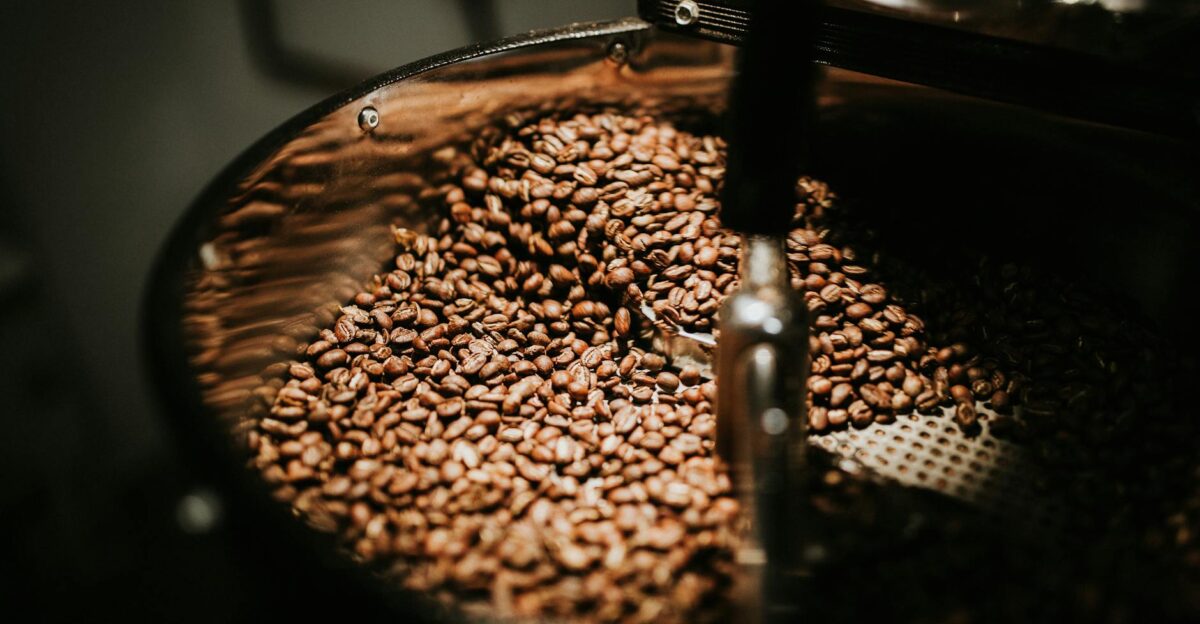
The industry’s troubles trace back to three forces colliding in 2025: climate change, tariffs, and inflation. Severe drought in Brazil’s Minas Gerais—the world’s top arabica-producing region—brought the driest conditions since 1981, devastating harvests. At the same time, Vietnam, the world’s second-largest coffee supplier, saw robusta yields drop by up to 50%, triggering the steepest global supply deficit in years.
In August, the Trump administration imposed a 50% tariff on Brazilian coffee imports, a move without precedent in recent decades. Brazil normally supplies around 40% of the world’s coffee, so the policy hit the U.S. market especially hard. According to the National Coffee Association and trade trackers, global supply has now tightened for five consecutive years.
Inflation and Price Spikes Hit Consumers Hard
With supply collapsing and tariffs in place, coffee prices have surged. U.S. Labor Department and commodity data show average coffee prices rising 19% year-over-year by September 2025, with some regions seeing spikes of up to 40%. The average American now spends about $325 per year on coffee—roughly $60 more than in previous years.
For those who visit cafés daily, the cost increase can mean an extra $800 to $1,200 annually. Small and independent shops have tried to stay afloat by raising prices 30–60%, but many still face dwindling traffic as customers cut back or switch to at-home brewing.
Workers and Small Businesses Struggle to Stay Afloat
The U.S. coffee service industry employs about 2.2 million people, including nearly half a million baristas. Recent bankruptcies and restructuring efforts have already placed thousands of jobs at risk—3,000 to 4,000 from Starbucks and other chains alone.
In Nevada, independent operators such as Hub Coffee Roasters have raised prices just to manage higher bean and labor costs, all while trying to maintain loyal customer bases. Despite these efforts, cash flow challenges persist, leaving small cafés uncertain about how long they can survive under current market conditions.
Political Battles and the Road Ahead
The crisis has now spilled into the political arena. In October 2025, Senators Catherine Cortez Masto and Rand Paul introduced the “No Coffee Tax Act” to eliminate tariffs and ease pressure on U.S. importers and consumers. Senator Paul argued, “Taxing coffee doesn’t create American jobs, because the United States does not grow coffee.” His point reflects industry consensus, as U.S. production is limited mostly to Hawaii.
The White House insists tariffs are vital for economic security, but the U.S. Supreme Court is reviewing their legality. Even if tariffs are lifted, experts warn that drought-stricken production in Brazil and Vietnam could take years to rebound, leaving the American coffee sector in a prolonged state of recovery.
The Bitter Taste of an Industry in Turmoil
The wave of café closures highlights the fragility of an industry long powered by small businesses and global trade. Rising costs, tariffs, and environmental strain have collided to create a perfect storm that’s reshaping how—and where—Americans enjoy their coffee.
While political and economic solutions may take time, the current downturn has already altered habits, supply chains, and employment across the country. Whether the local café survives or not, this crisis serves as a stark reminder of how global shocks can ripple down to the smallest cup on the counter.