
Winter Storm Blair descended on the central United States January 5–6, 2025, delivering blizzard conditions across Kansas, Nebraska, and Missouri while paralyzing 13 states with heavy snow and dangerous ice.
The system spawned 14 tornadoes in the Deep South, killed at least 10 people, and left 365,000 without power. What started as a weather event evolved into an economic shock, rippling across industries, supply chains, and consumer behavior nationwide.
Why A “Perfect Storm” Formed Over America

A rare polar vortex displacement in early January 2025 pushed Arctic air southward while a powerful low-pressure system tracked from the Pacific Northwest. The collision of these atmospheric conditions created exceptional severity: Kansas recorded 20.5 inches of snow, its heaviest in decades.
Wind gusts exceeded 45 mph across the Plains, producing near-zero visibility. Meteorologists attributed the pattern to broader climate oscillations unusual for January, setting the stage for an active winter season ahead.
Consumers Rush to Grocery Stores; Shelves Empty in Hours

As the storm approached, shoppers flooded supermarkets across the Midwest and Mid-Atlantic, buying bread, milk, eggs, and canned goods in panic-buying volumes unseen since the 2020 pandemic. Retailers reported checkout lines extending into parking lots.
In Kansas City, Indianapolis, and Louisville, major grocery chains announced temporary closures or limited hours for January 6–7. Supply-chain constraints meant that shelves took days to restock, while consumers faced elevated prices on essential items.
Airlines Cancel Over 1,300 Flights; Travel Industry Loses Millions

The aviation sector absorbed catastrophic losses as major carriers, including Delta, United, American, and Southwest, cancelled or delayed over 1,300 flights across the Midwest and Eastern Seaboard on January 5–6.
Reagan National Airport in Washington, D.C., and Kansas City International Airport shut down runways. Hotels near major hubs reported an 80% surge in bookings from stranded passengers. Airlines estimated combined losses of over $ 200 million in cancellation refunds and rebooking expenses.
Trucking & Logistics Networks Fractured; Food & Goods Delayed Weeks
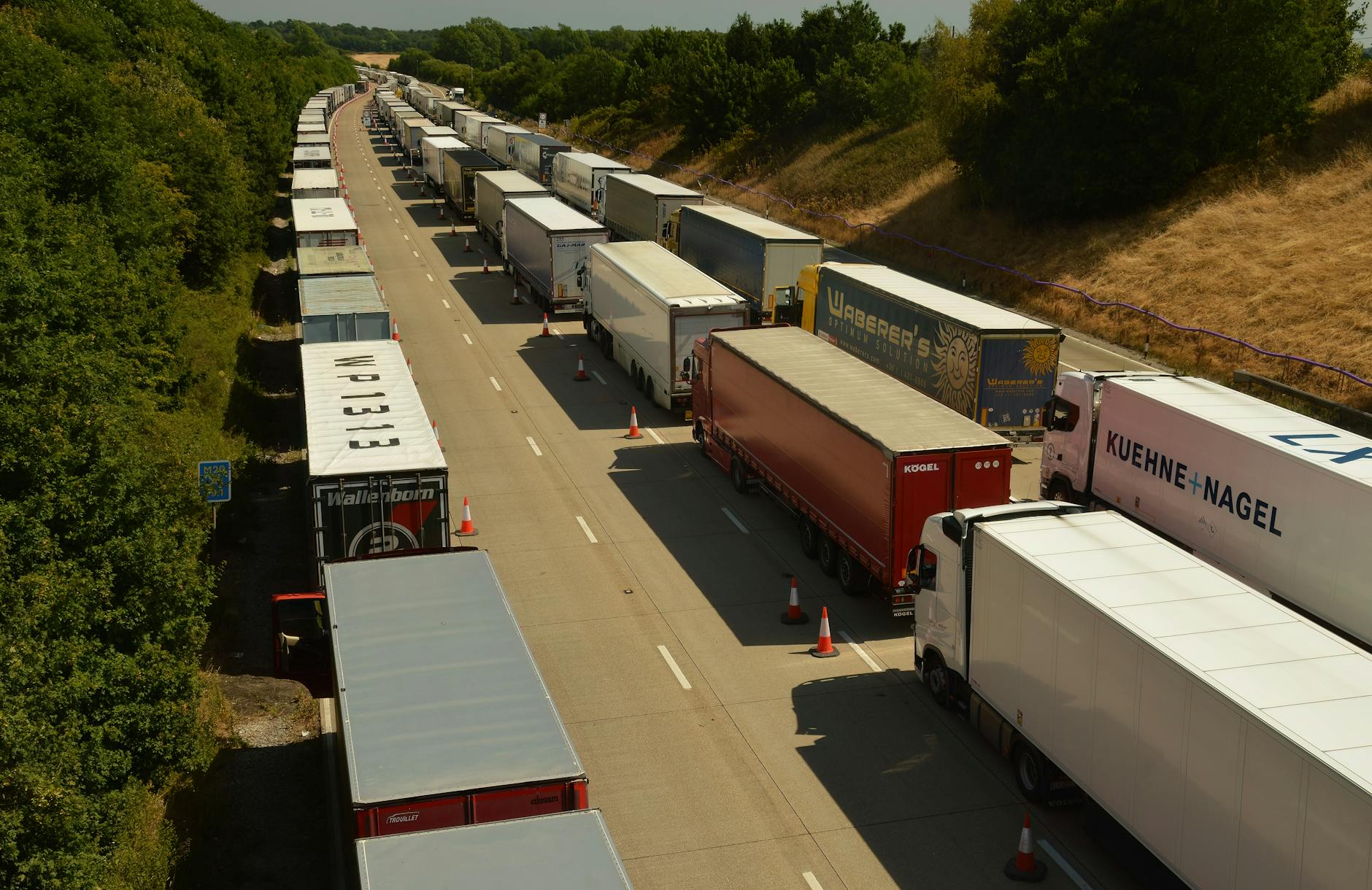
Interstate highways I-29, I-80, and I-95 faced closures lasting 24 to 48 hours. The American Trucking Association warned of cascading delays across the nation’s supply chain. Perishable goods destined for East Coast retailers spoiled in refrigerated trailers stranded near the Missouri-Kansas border.
Furniture, electronics, and automotive parts shipments backed up, delaying consumer deliveries by one to three weeks. Companies, including Walmart and Amazon, reported inventory misalignment and strain on fulfillment centers through mid-January.
Global Supply Chains Ripple: Ports Lose Days; Shipping Costs Spike
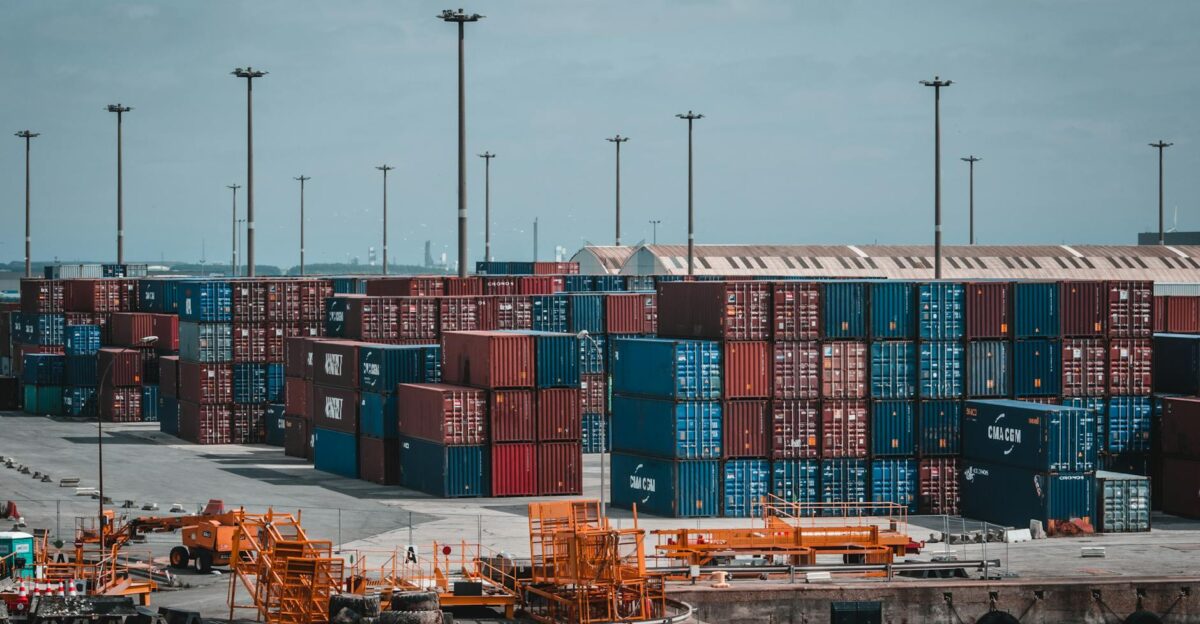
Delayed trucking created bottlenecks at East Coast ports in Baltimore, Norfolk, and Newark. Ships waiting for container offloading incurred demurrage charges (extra fees for idle vessels). International shippers, particularly Asian importers, faced delays of up to a week in receiving U.S. goods.
Container shipping rates on the transpacific route rose 3–5% within days. Chinese and Vietnamese manufacturers have warned of potential January order fulfillment delays, signaling potential downstream impacts for Spring 2025 retail inventories.
Farmers Face Collapsed Equipment; Spring Crop Uncertainty Grows

Rural communities bore a human toll often overlooked in urban reporting. Kansas and Nebraska farmers reported equipment failures in subzero temperatures; hydraulic lines froze, and fuel gelled in tanks. Livestock shelters collapsed under snow weight in Missouri and Kansas, killing dozens of cattle and necessitating emergency rescue operations.
Agricultural extension offices fielded hundreds of crisis calls. Analysts warned early spring planting could suffer delays if thawing and soil recovery took longer than anticipated, potentially impacting 2025 harvest yields.
Governors Declare States of Emergency; Feds Release Disaster Aid

Kentucky Governor Andy Beshear, Virginia Governor Glenn Youngkin, West Virginia Governor Jim Justice, Kansas Governor Laura Kelly, and Maryland Governor Wes Moore each declared states of emergency on January 4–5.
The Federal Emergency Management Agency (FEMA) pre-positioned resources. The U.S. Department of Energy opened strategic petroleum reserves to stabilize fuel prices amid supply disruptions. Congress fast-tracked supplemental disaster funding. The insurance industry is bracing for claims exceeding $500 million nationwide.
Inflation Fears Resurge; Energy Costs Spike, Pushing Consumer Prices Higher

Power outages across the affected region forced utilities to activate expensive peak-demand generators burning natural gas. Heating oil demand surged 40% above normal. Wholesale energy futures spiked 8–12% on January 6, briefly lifting crude oil toward $95 per barrel.
Federal Reserve officials warned inflation expectations could inch higher if supply disruptions persisted. Grocers and retailers already struggling with logistics delays faced additional pressure to raise prices, threatening January’s consumer sentiment and retail sales reports, which are due mid-month.
Hospitals Overflow; Cold-Related Illnesses Spike; Mental Health Warnings Issued

Emergency rooms across the Midwest reported surges in hypothermia, frostbite, and heart-attack cases triggered by exertion in extreme cold. Hospital staffing faced strain as many employees were unable to reach work; Louisville’s primary trauma center operated at 95% capacity.
Mental health professionals warned of “cabin fever” and seasonal affective disorder exacerbated by prolonged indoor confinement. Public health agencies urged vulnerable populations, including older adults, people experiencing homelessness, and the uninsured, to seek warming centers, although capacity and transportation remained critical challenges.
Climate Change Debate Intensifies; “This Is Our Future” Warnings Emerge
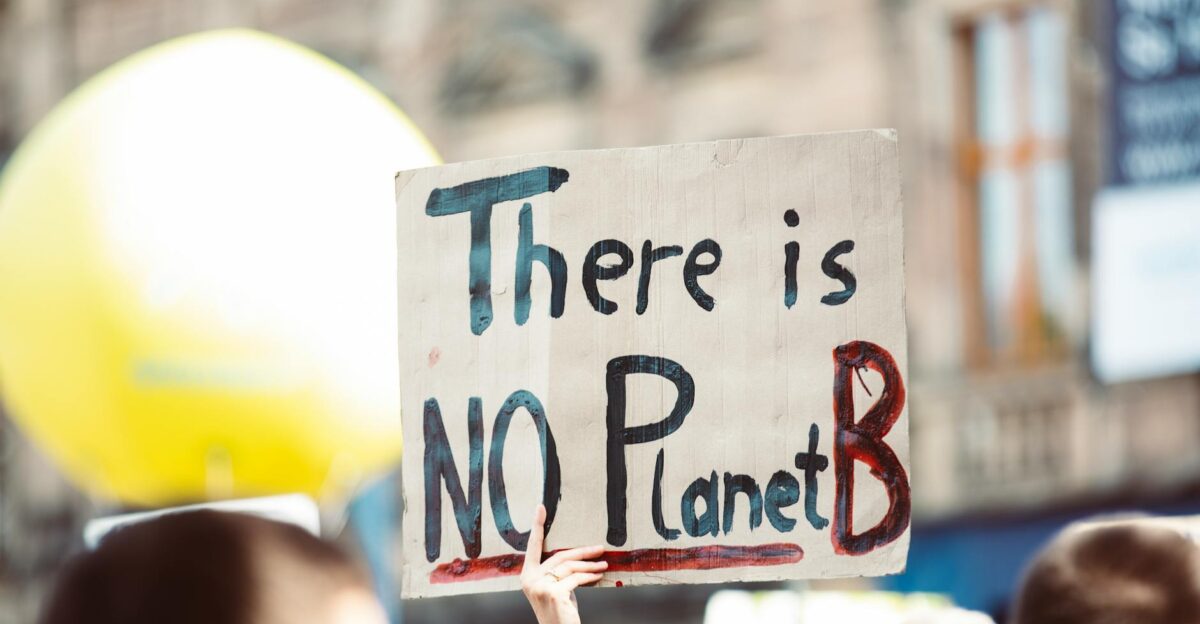
Environmental advocates seized on the storm’s intensity, citing polar vortex disruption as evidence of climate destabilization. The Nature Conservancy and the Union of Concerned Scientists published op-eds linking extreme weather patterns to shifts in jet streams. Conservative commentators countered that single winter events don’t prove long-term warming trends.
The debate continued to amplify on social media, influencing January’s polling on climate policy priorities. Renewable energy advocates highlighted the risks to grid resilience, reigniting discussions on infrastructure investment in Congress.
Global Markets Watch U.S. Winter; Investors Bet on Bounce-Back

International investors closely monitored the U.S. economy’s resilience. European and Asian markets initially dipped on January 7 as concerns about U.S. GDP growth surfaced. However, analysts predicted that “pent-up demand” following the storm would boost retail spending and manufacturing activity through February.
Japanese and German automakers closely monitored U.S. auto dealer inventory disruptions, making production adjustments accordingly. Currency markets saw the U.S. dollar weaken slightly as inflation-hedge bets shifted. Emerging markets braced for further dollar strength if the Federal Reserve maintained restrictive policy.
Unexpected Winners: Winter Sports, Home Improvement, and Power Backup Sales Surge

Ski resorts across Colorado and Wyoming celebrated 20+ inches of fresh powder, attracting record January visitor traffic. Hardware retailers (Home Depot, Lowe’s) reported 60% increases in sales of snow blowers, generators, and weather-sealing materials. Home security system installers saw a surge in inquiries for backup power solutions.
Insurance agents fielded record policy inquiries for “weather events” coverage. Real estate investors in unaffected warm-weather markets (Arizona, Florida, Texas) capitalized on migration interest from “climate-anxious” northern buyers concerned about future winter severity.
Financial Markets React; Expert Advice Shifts Consumer Strategy

Stock futures initially fell as recession fears spiked, but energy, utility, and insurance stocks rose. Crude oil and natural gas futures climbed 8–12%. Fed fund futures priced in delayed rate cuts.
Financial advisors urged consumers to (1) diversify emergency funds (cash, crypto, stable assets); (2) lock in fixed-rate mortgages before inflation resurges; and (3) stock up on non-perishable goods and first-aid supplies. Investors repositioned their portfolios toward “weather-resistant” sectors, with agricultural technology, disaster recovery, and renewable energy infrastructure projects gaining analyst upgrades.
Lessons for 2025: Resilience, Preparedness, and the New Winter Norm

Winter Storm Blair exposed systemic fragility in supply chains, energy infrastructure, and disaster readiness. Federal officials are committed to infrastructure hardening, including grid resilience, highway salt reserves, and warming center capacity. Businesses accelerated the adoption of remote work and regional inventory diversification.
Meteorologists flagged January 2025’s four major winter storms as a harbinger of an unusually active season. The takeaway: Extreme weather isn’t an aberration, but an emerging baseline. Consumers and companies alike must build redundancy, maintain emergency supplies, and recognize that adaptability, not just prediction, defines resilience in the climate reality of 2025.
Sources
National Weather Service Storm Summary, January 7, 2025
Wikipedia January 5–6, 2025 United States blizzard
Severe Weather Europe Winter 2025/2026 Forecast, December 25, 2025
NOAA Weather Prediction Center Storm Summary, January 7, 2025
Reuters Massive winter storm to clobber U.S. from Plains to East Coast, January 5, 2025
CNN 62 million people under threat of major winter storm, January 3, 2025