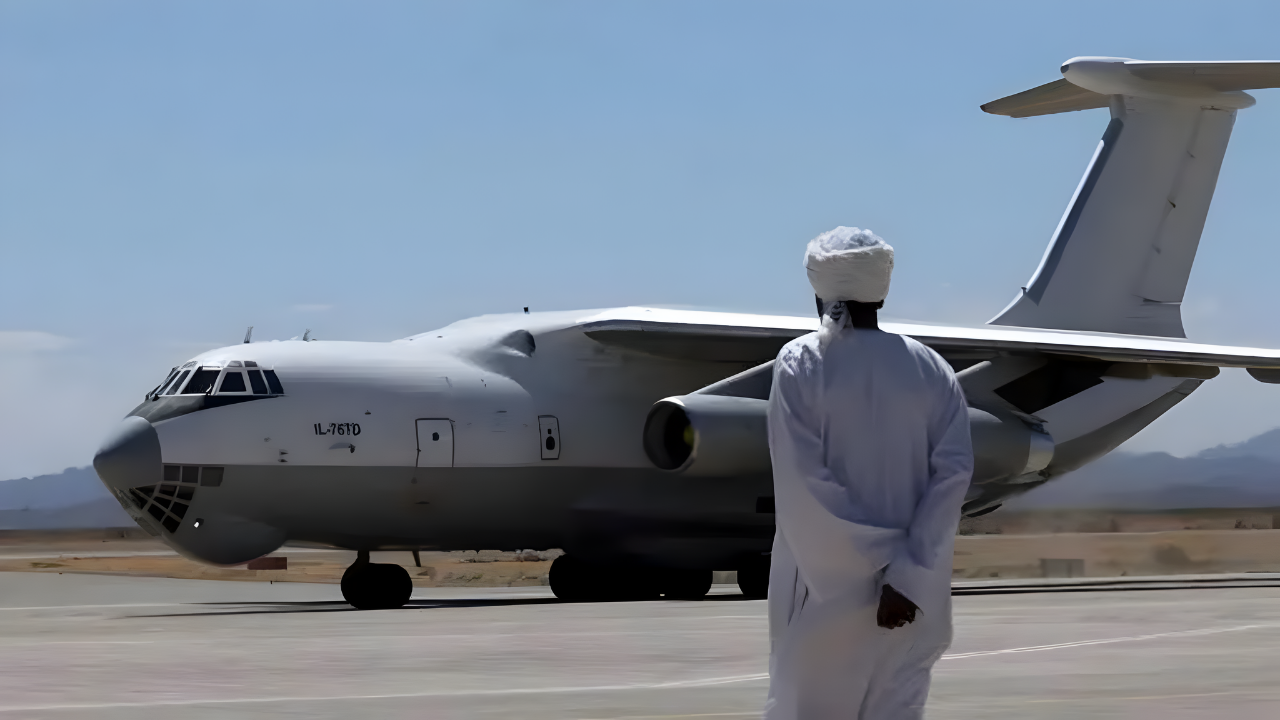
On December 9, 2025, a Russian-made Il-76 cargo plane crashed while attempting to land at Osman Digna Air Base in Port Sudan. The crash killed all crew members, marking a devastating loss for Sudan’s military efforts. Just a day earlier, Sudan’s largest oil facility, Heglig, fell into enemy hands.
These events represent a steep descent for Sudan’s military and its Russian backers.
Putin’s Setback
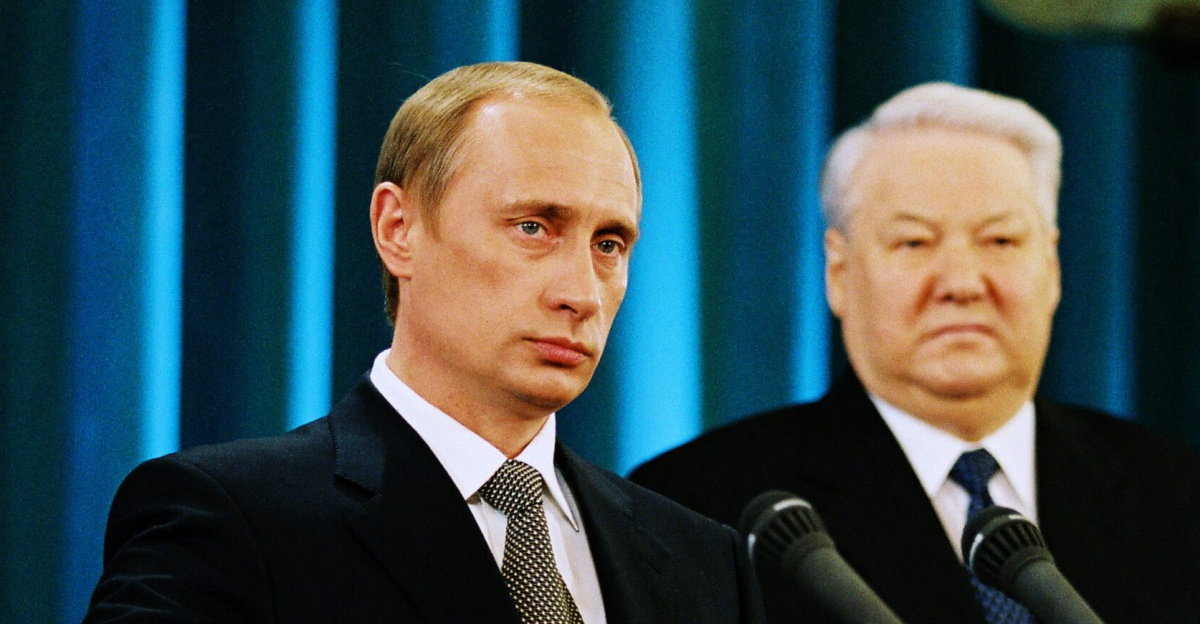
The crash was part of a broader sequence of misfortunes for Sudan’s government and its Russian patrons. The Rapid Support Forces (RSF), a powerful paramilitary group, seized Heglig on December 8, 2025. Heglig’s loss represents a major blow to Sudan’s military efforts, symbolizing the crumbling foundation of Russia’s involvement in Sudan’s war.
The Russian-backed Sudanese Armed Forces (SAF) face a double defeat, with vital military infrastructure and oil revenue slipping away.
War’s Descent
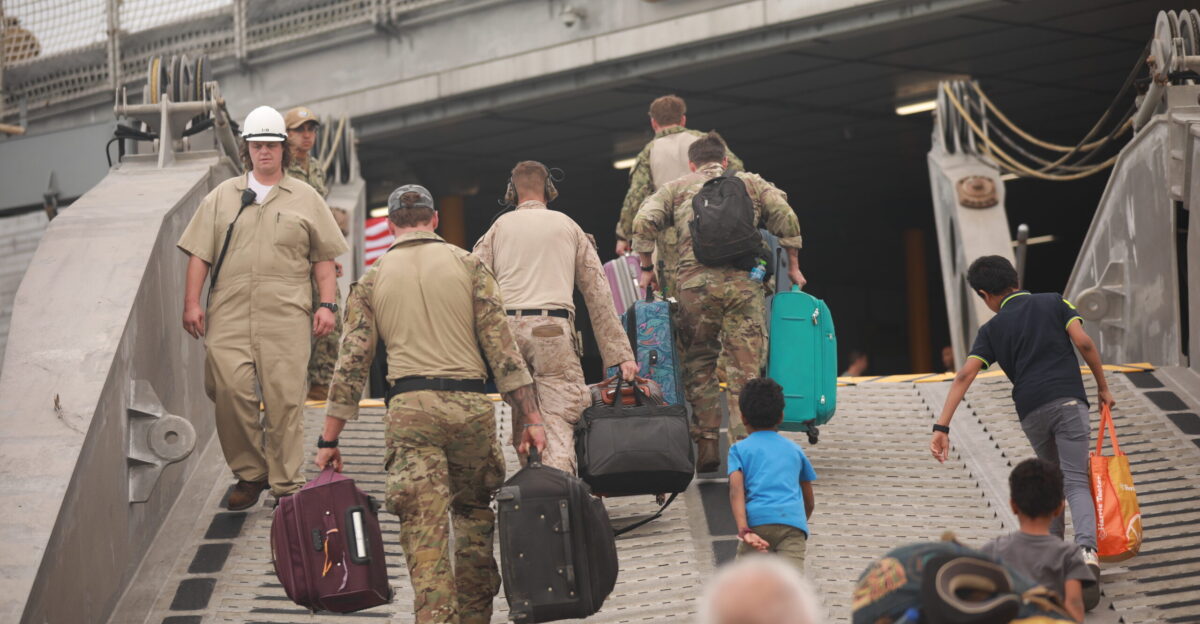
Sudan’s brutal conflict began in April 2023 when rival generals Abdel Fattah al-Burhan and Mohamed Hamdan Dagalo turned against each other. The violence escalated, claiming over 150,000 lives and displacing more than 12 million people. The war, marked by widespread shelling, looting, and civilian suffering, shows no sign of abating.
Cities are trapped in a spiral of destruction, and the humanitarian crisis deepens as the front lines shift dangerously into civilian areas.
Humanitarian Spiral
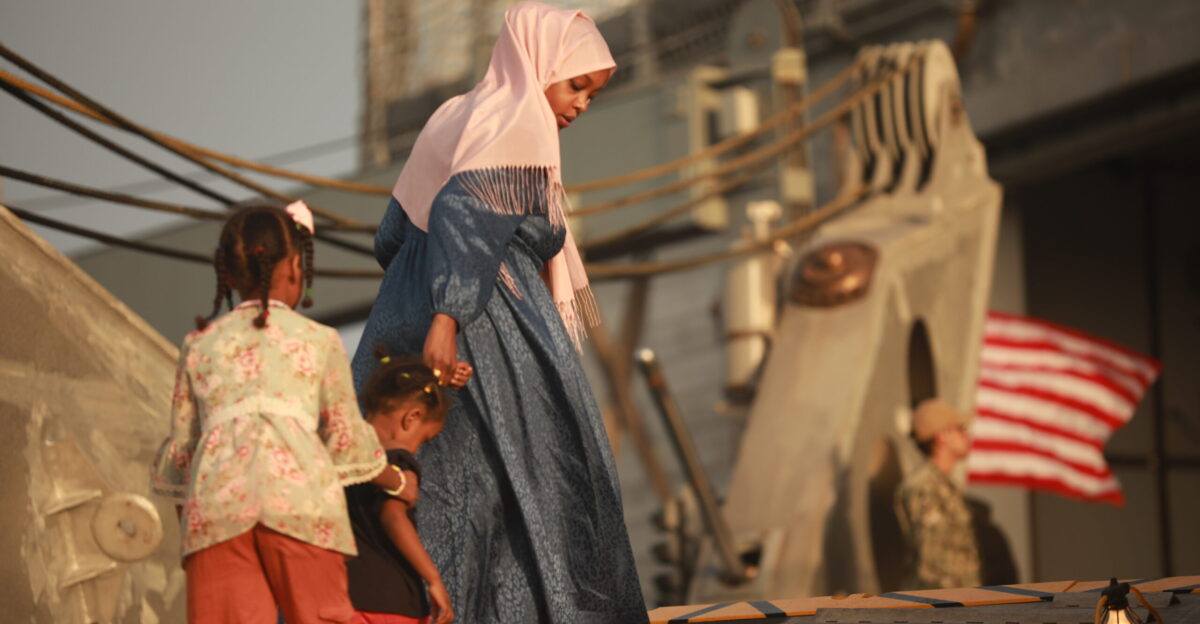
The human cost of this war is staggering. Approximately 21.2 million people are facing acute food insecurity, with nearly 375,000 teetering on the brink of catastrophic hunger. Medical agencies, including Doctors Without Borders, have described the war as “catastrophic,” with widespread violence crushing civilian lives.
Regions like el-Fasher are seeing the collapse of basic services, leaving millions of Sudanese vulnerable to starvation and violence.
Double Blow
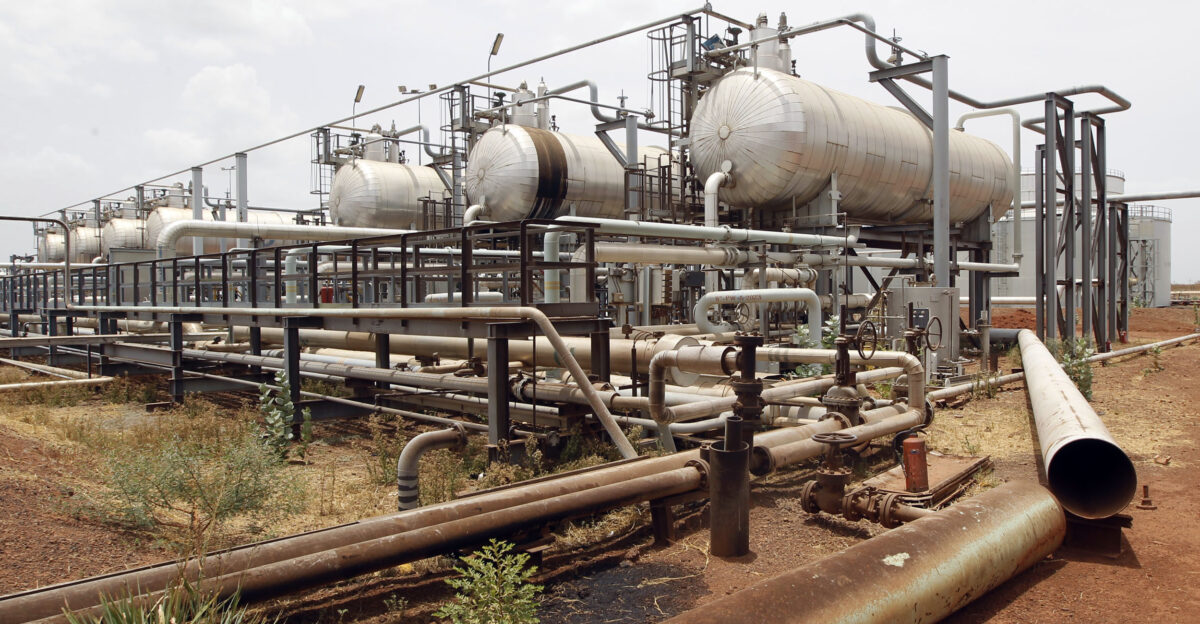
On December 8, the RSF captured Sudan’s largest oil facility, Heglig, a key source of the country’s revenue. The next day, a Russian-made Il-76 military plane crashed in Port Sudan, killing its entire crew. These events, one after the other, reveal the fragile state of Sudan’s defense and economy.
The losses have compounded the strategic collapse, severely undermining the Russian-backed forces in Sudan.
Oil Lifeline Cut
![Contains modified Copernicus Sentinel data [2024], processed by <a rel="nofollow" class="external text" href="https://twitter.com/Pierre_Markuse">Pierre Markuse</a>
<p>Fire and smoke at the Al Jaili oil refinery 70 kilometers north of Khartoum, Sudan - July 25th, 2024
</p><p>Image is about 8 kilometers wide
</p>
Follow me on <a rel="nofollow" class="external text" href="https://twitter.com/Pierre_Markuse">X!</a> and <a rel="nofollow" class="external text" href="https://mastodon.world/@pierre_markuse">Mastodon!</a>](https://aws-wordpress-images.s3.amazonaws.com/ruckus/wp-content/uploads/2025/12/fire-and-smoke-at-the-al-jaili-oil-refinery-70-kilometers-north-of-khartoum-sudan-july-25th-2024-53885094691-cropped.jpg)
Heglig is vital to Sudan’s economy, processing up to 130,000 barrels of crude oil daily, including oil from neighboring South Sudan. According to the Progress Centre for Policies, disruptions to Heglig represent annual economic losses of up to $2.5 billion, with the facility’s daily throughput of 130,000 barrels translating to approximately $2.9 billion in annual economic value.
The facility has been a crucial source of Sudan’s hard currency reserves. Losing Heglig to the RSF deprives Sudan of its most important economic lifeline, deepening the financial crisis while leaving the population to face an even more severe economic downturn.
RSF Ascendant
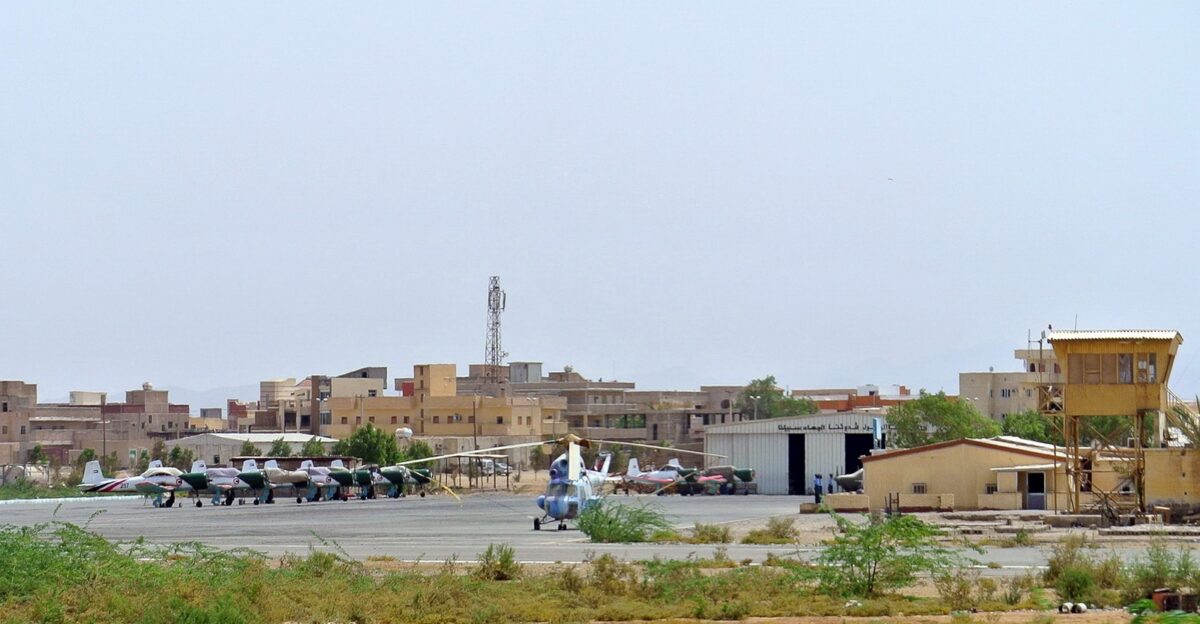
The RSF has grown from a militia rooted in the Darfur conflict to a force capable of challenging Sudan’s military-led government. With their capture of Heglig, the RSF has not only seized crucial infrastructure but also made significant territorial gains.
These advances could eventually bisect the country, further fragmenting Sudan’s already fractured military and political landscape.
Russian Footprint
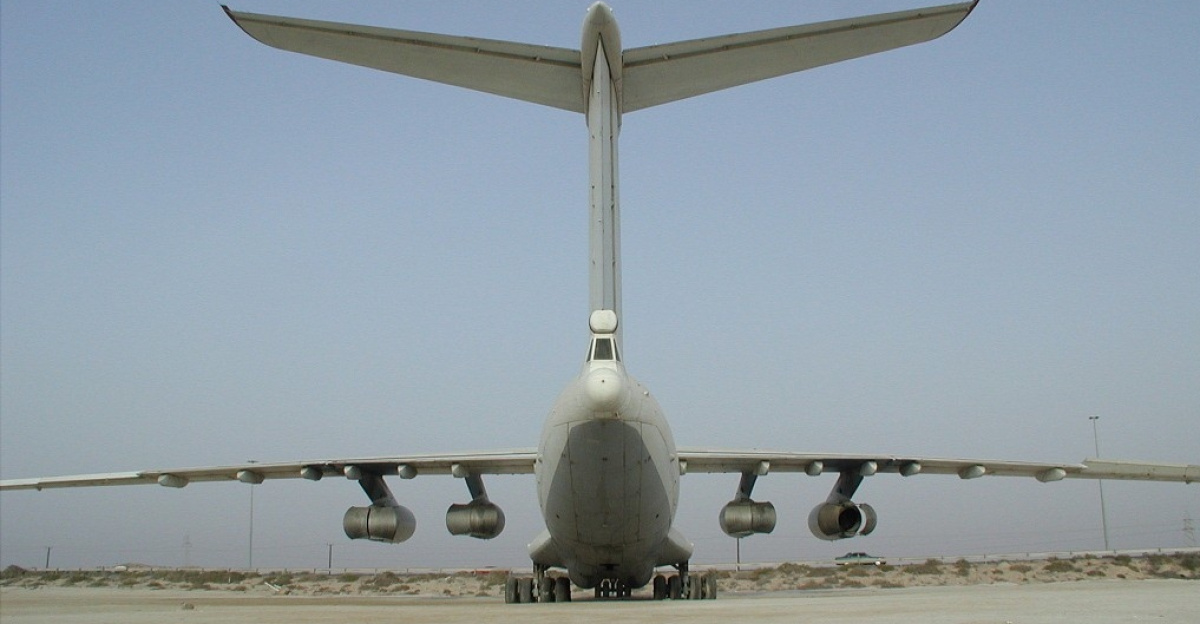
Russia has long backed Sudan’s military regime, providing support for operations in key areas such as Port Sudan and the Red Sea. The Il-76 crash is a stark reminder of the Kremlin’s stake in Sudan’s conflict. As the SAF struggles to hold ground and key military assets like Heglig fall, Russia’s influence and military footprint in the region are increasingly at risk.
Moscow now faces a dilemma: double down on its support or pull back from an increasingly unstable situation.
Economic Freefall
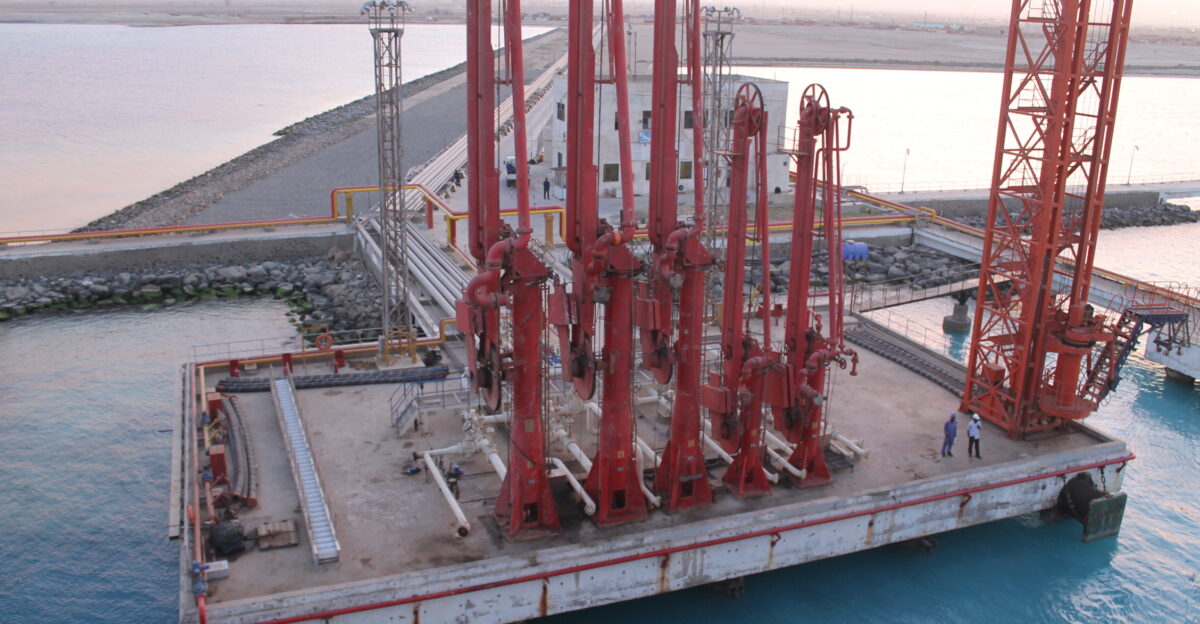
Before the war, Sudan’s oil revenue was essential to the national economy. Now, with Heglig captured and production at a halt, the country’s economy is spiraling. According to World Bank estimates, Sudan’s economy contracted by an estimated 29.4% in 2023, with a further 14% decline expected in 2024.
With oil exports interrupted, inflation skyrockets, and essential goods become scarce. The average Sudanese is struggling to survive amid soaring costs and a currency in freefall.
Foreign Fighters
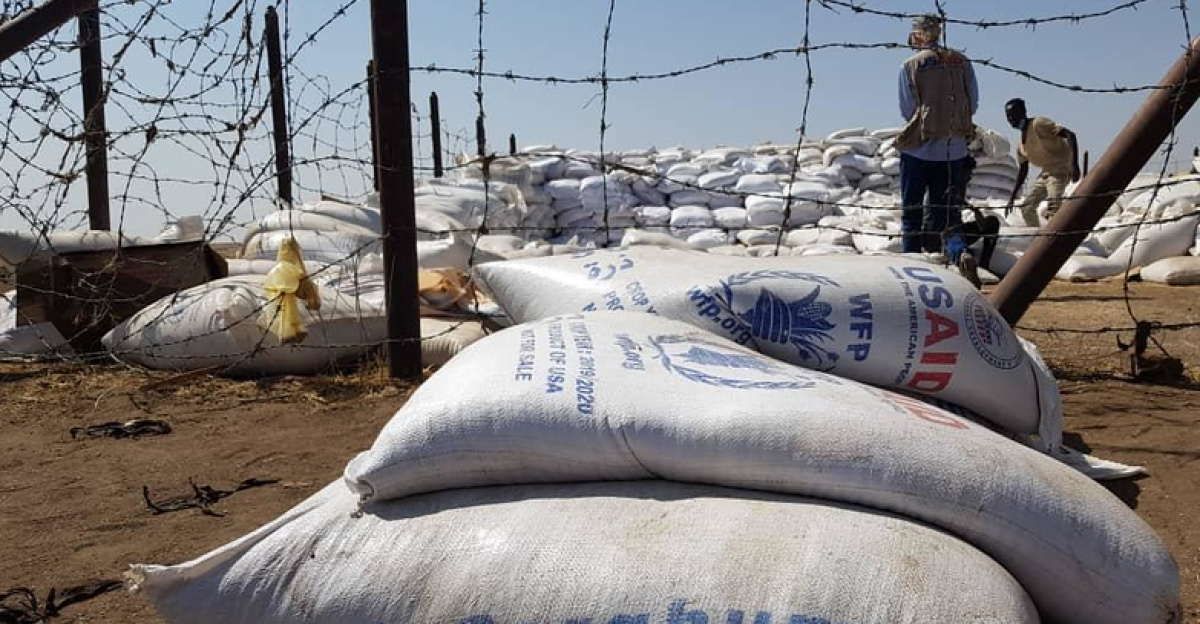
The war in Sudan has drawn fighters from around the world, adding another layer of complexity to the conflict. On December 9, 2025, the U.S. imposed sanctions on Colombian nationals and companies recruiting former military veterans to fight for the RSF.
This development underscores how the Sudan conflict is not just a local war but a globalized struggle, with mercenaries from Latin America joining the fray and complicating international diplomacy.
Civilian Toll
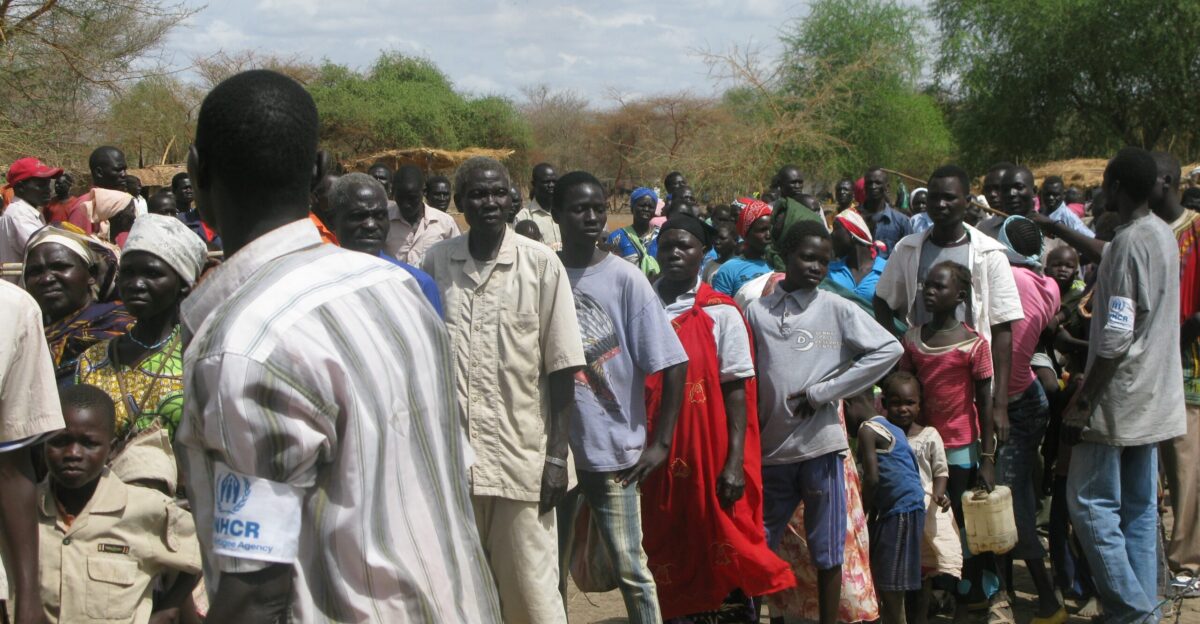
The cities of Sudan have become battlefields, and the toll on civilians is catastrophic. Cities like el-Fasher in Darfur are described as “crime scenes,” where looting, shelling, and violence are commonplace. The collapse of government authority and the absence of safety nets have left millions of Sudanese without shelter, food, or medical care.
Humanitarian workers warn that the situation is deteriorating rapidly, with millions more at risk.
Justice Pressure
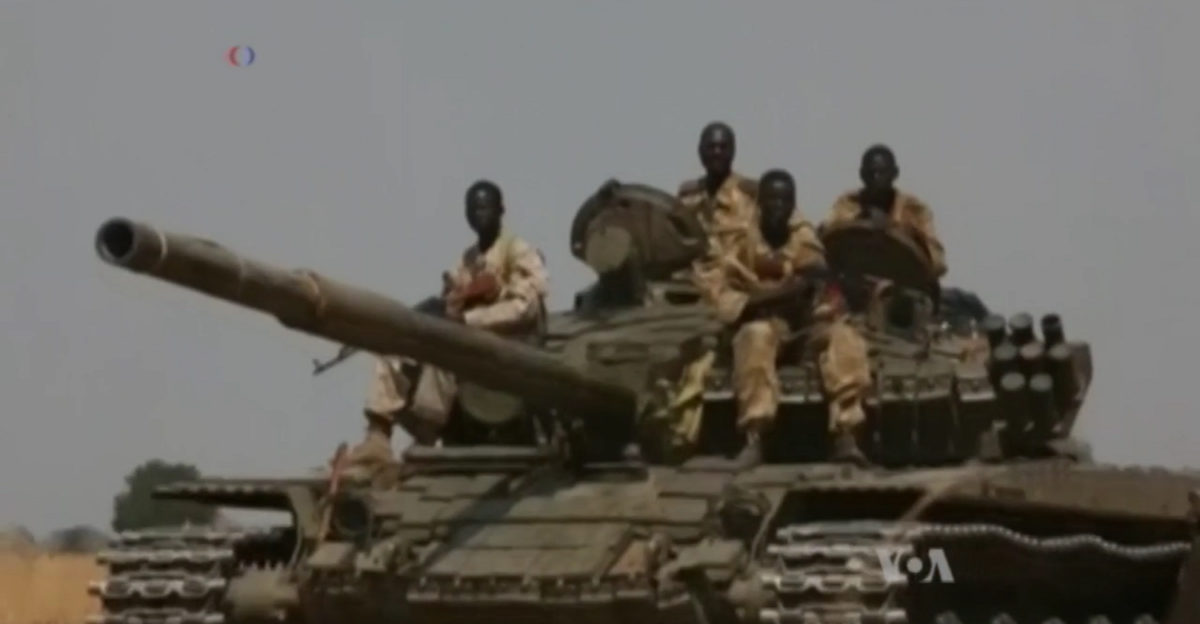
International pressure is building on Sudan’s armed groups. On December 9, 2025, the International Criminal Court sentenced Ali Kushayb, a former Janjaweed militia leader, to 20 years for crimes against humanity committed during the Darfur conflict.
This historic conviction sends a message to all factions involved in Sudan’s civil war: the world is watching, and accountability is a growing demand, especially as new atrocities continue to unfold.
Energy Shockwaves
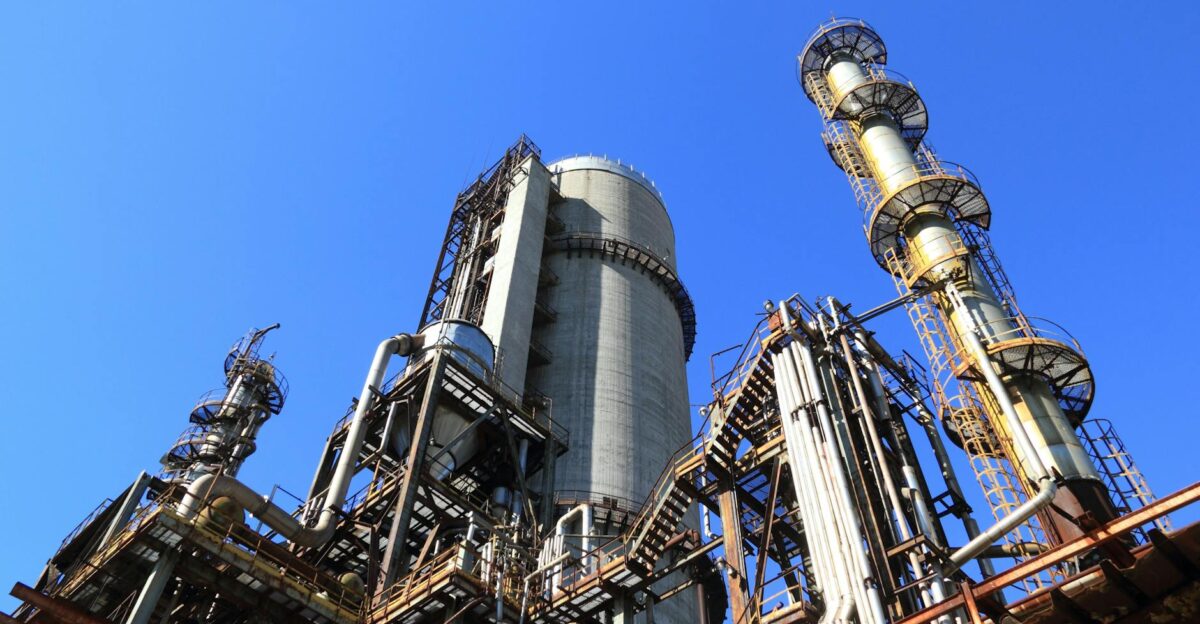
Heglig’s loss isn’t just a blow to Sudan’s military; it has far-reaching effects on the region’s energy stability. The loss of Sudan’s oil lifeline, combined with ongoing pipeline disruptions from the conflict, has triggered a wider energy crisis.
Sudan’s oil production has plummeted, and the region’s energy infrastructure is struggling to meet demand, which has led to shutdowns and force majeure declarations at key facilities.
Russia’s Dilemma
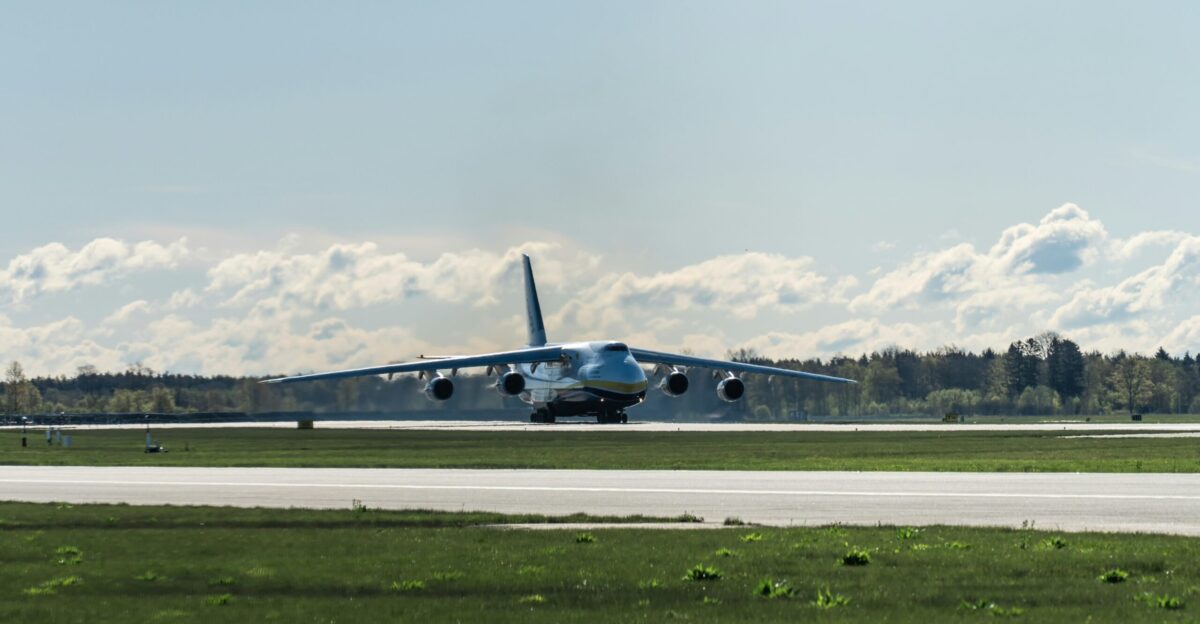
As Russia’s involvement in Sudan becomes more apparent, the stakes for Moscow are growing. The fall of Heglig, the loss of a Russian-made transport plane, and the declining military presence of the Sudanese Armed Forces pose tough questions for the Kremlin.
Moscow’s involvement is increasingly seen as a liability rather than a strategic asset. The question remains: can Russia maintain its influence in the region, or is this the beginning of its retreat?
Sliding Toward Collapse
As the war escalates, Sudan teeters on the brink of collapse. With the RSF advancing, vital infrastructure under siege, and millions of people facing starvation, Sudan’s future hangs in the balance.
The country’s internal fragmentation, coupled with external pressures from Russia and regional powers, suggests that Sudan’s civil war will continue to redraw the map of the region for years to come. Can the international community prevent the complete collapse of Sudan, or will it spiral further into chaos?
Sources:
Al Jazeera – “RSF seizes key Heglig oilfield as it pushes to expand” (December 8, 2025)
Associated Press – “Sudanese military plane crash kills crew” (December 10, 2025)
Al Jazeera – “South Sudan army to secure critical Heglig oilfield in Sudan war spillover” (December 11, 2025)
World Bank Sudan Economic Update (May 2025)
IFPRI/World Bank Analysis – “Sudan’s war is an economic disaster: Here’s how bad it could get” (July 26, 2025)
Al Jazeera – “What’s changed in Sudan after the Rapid Support Forces control of Heglig” (December 9, 2025)