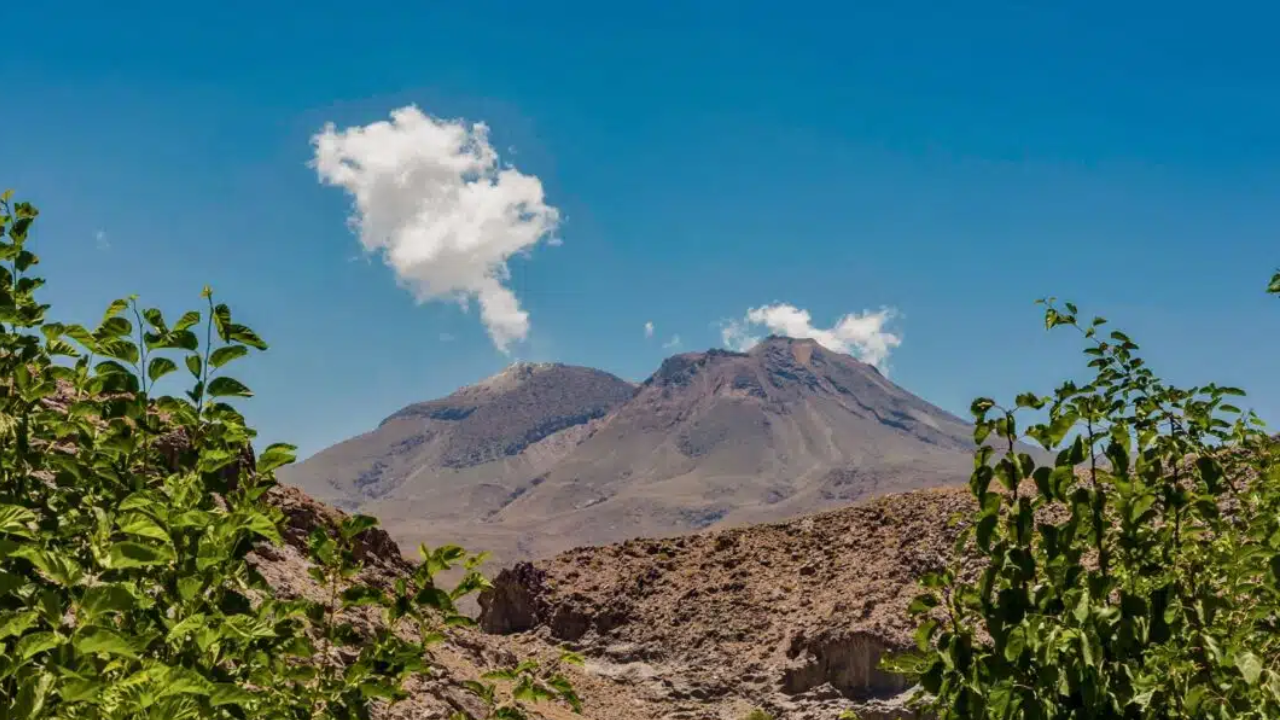
Between July 2023 and May 2024, satellites detected alarming activity at a remote mountain near the Iran-Pakistan border.
The summit rose 3.5 inches, far faster than in earlier years. This swelling is ongoing, signaling relentless underground pressure.
No earthquakes or weather explain the change, yet the mountain appears deceptively calm, aside from sulfur gas drifting toward a city 31 miles away.
Troubling Signals
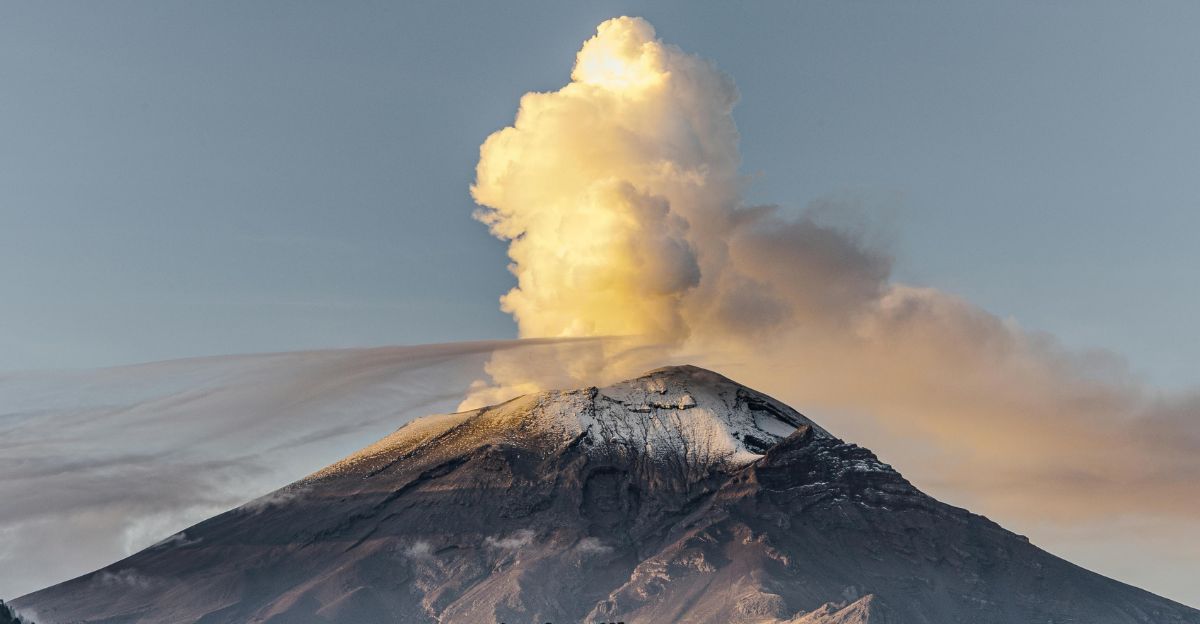
Residents of Khash, a city of 56,584 people located 31 miles away, began to smell a strong sulfur odor in 2023. The smell triggered allergic reactions and sent people to hospitals.
Smoke soon became visible from the city, and sulfur dioxide emissions surged to 20 tons per day, with major spikes in May 2024.
These are unmistakable warning signs of volcanic activity, but scientists had dismissed this mountain as dead for decades, leaving the community with little defense.
Tectonic Origins
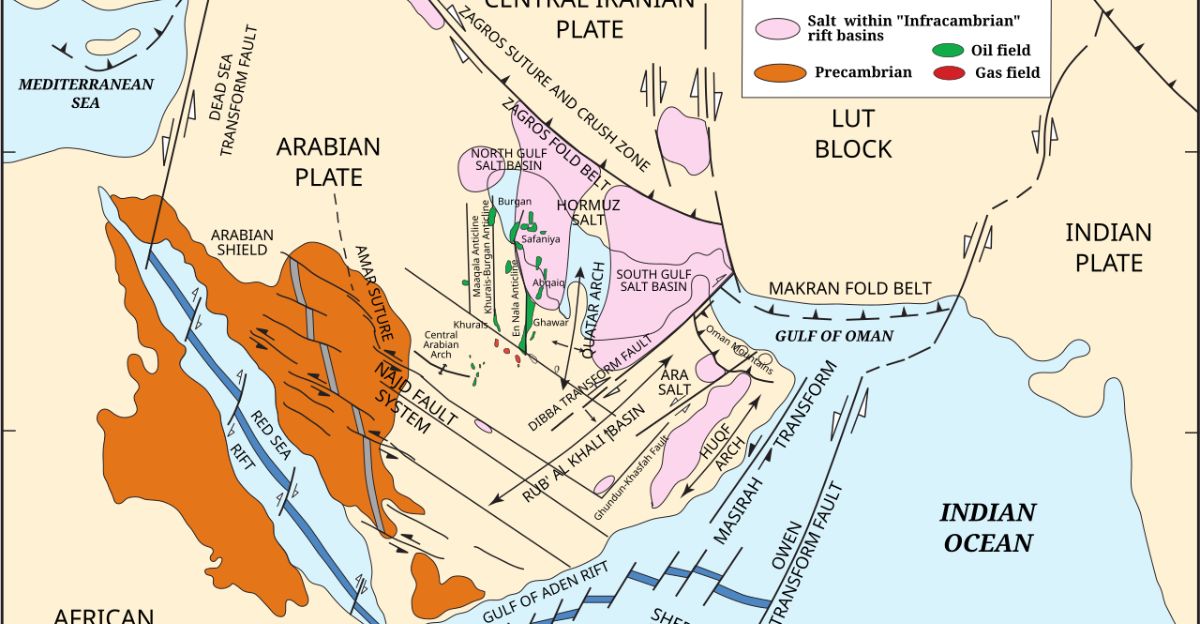
The mountain is situated on the Makran subduction zone, where the Arabian Plate is being subducted beneath the Eurasian Plate.
This collision creates magma deep underground, which feeds the region’s volcanoes.
The Makran arc has few volcanoes, making each one significant. Stratovolcanoes form over millions of years from repeated layers of lava and ash, building tall, steep peaks.
Classification Confusion
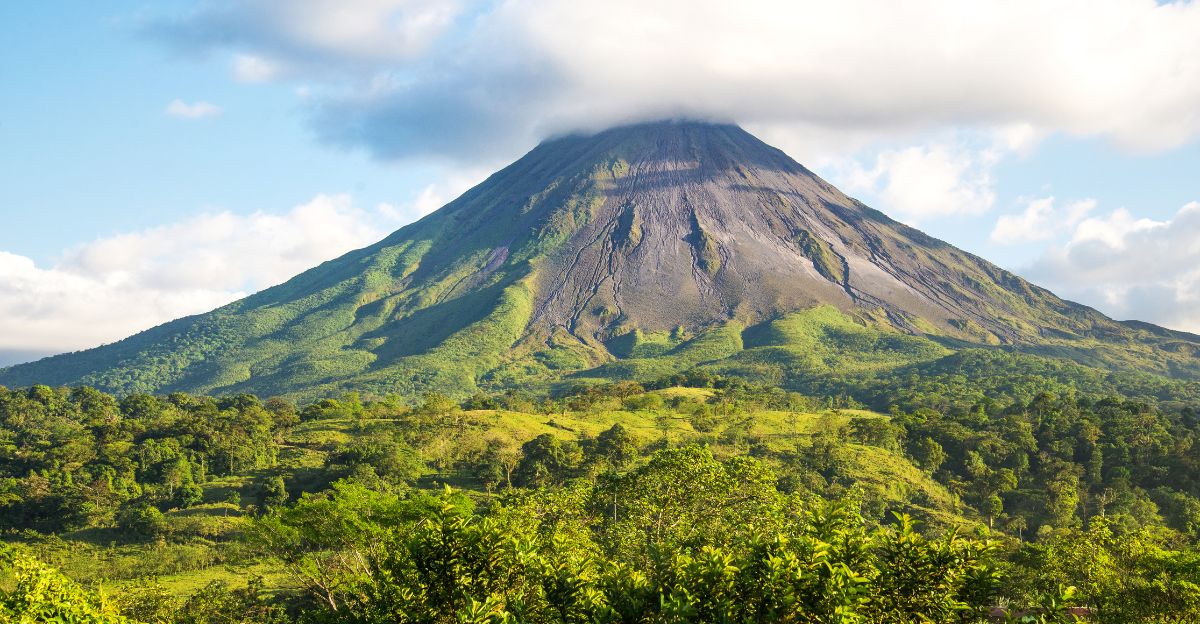
Volcanoes are classified by eruption history. Those that haven’t erupted in the past 11,700 years are labeled extinct, meaning they’re considered permanently inactive.
This classification influences government policy, hazard mapping, and emergency planning. Extinct volcanoes receive little monitoring, and local communities rarely make evacuation plans.
However, proving a volcano is truly extinct requires solid evidence that its magma system has cooled completely. Data for such proof is lacking for most remote volcanoes, raising questions about some extinction labels.
Ancient Giant
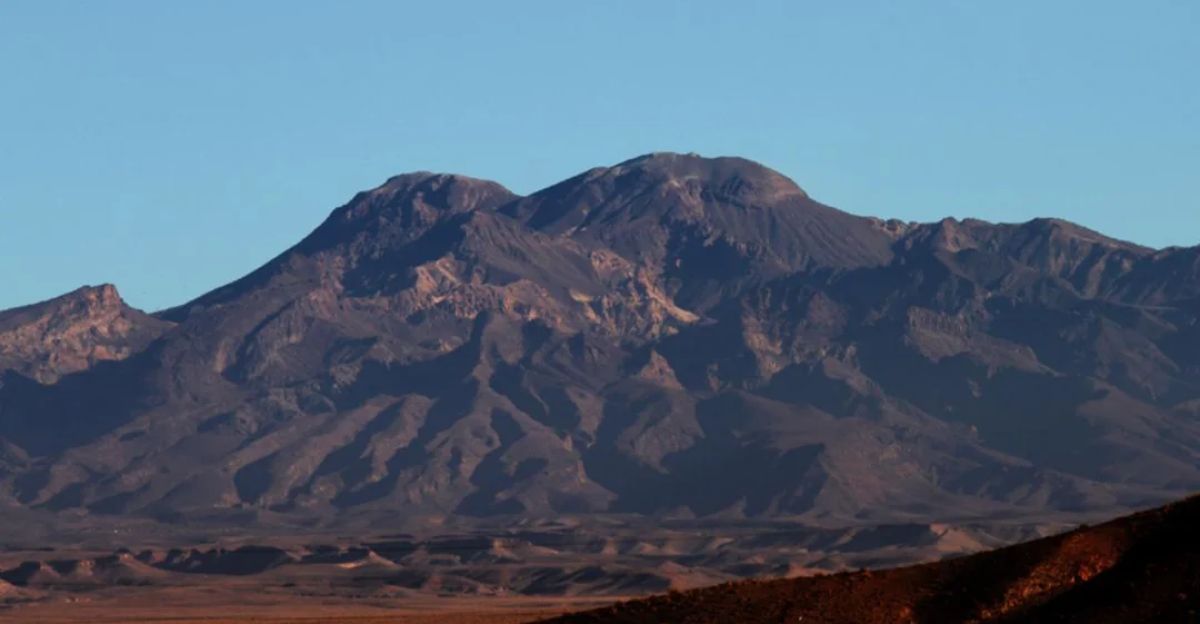
The mountain is Mount Taftan, a 12,927-foot stratovolcano. Its last major eruption happened 700,000 to 710,000 years ago, long before modern humans existed.
No significant eruptions have occurred since. Located in Iran’s Sistan and Baluchestan Province, near the border with Pakistan, Taftan is the highest peak in southeastern Iran.
Historical records mention smoke in 1902 and possible lava in 1993, but recent activity surpasses these events.
Unprepared Communities
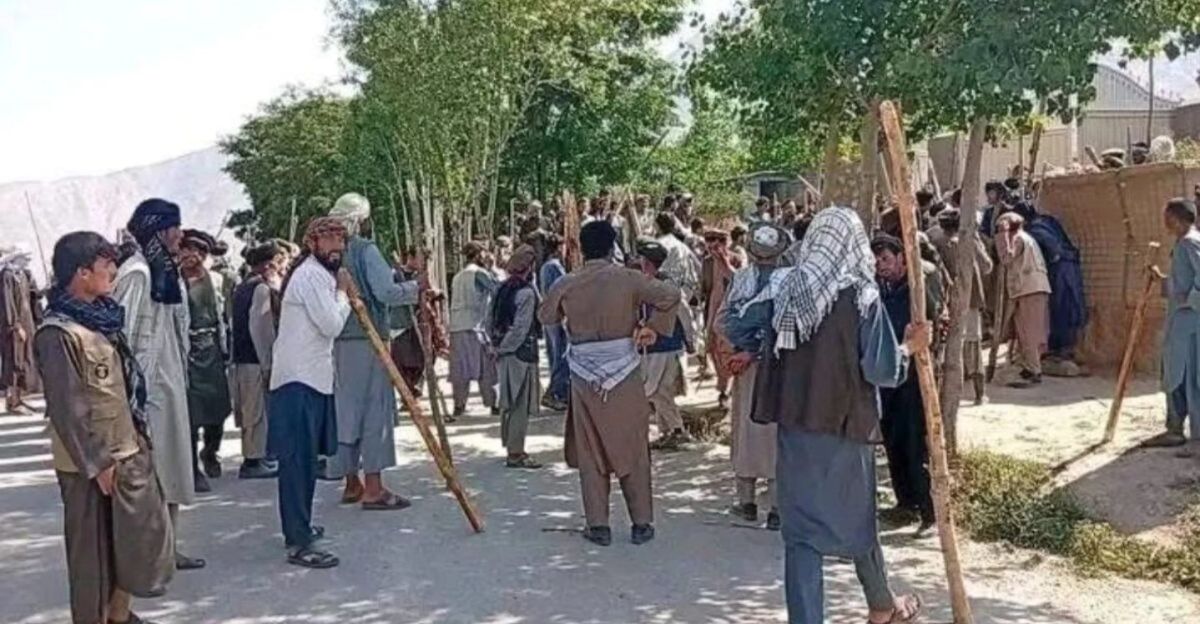
Khash residents, mostly Baloch and Persian speakers, live in a region facing earthquakes, water shortages, and border tensions.
The 2016 census counted 56,584 people in the city and 173,821 in the county. No evacuation routes exist for volcanic emergencies. No hazard maps cover pyroclastic flows or mudflows.
The area’s isolation and security problems make monitoring perilous and emergency coordination even more difficult—leaving people extremely vulnerable if the volcano erupts.
Health Impacts

In May 2024, sulfur emissions sent Khash residents to hospitals with allergic reactions. The local governor stated that steam escapes from Taftan almost yearly after snowfall and rainfall.
The sulfur smell was so strong that people 50 kilometers away had to close their windows. Sulfur dioxide causes eye irritation, coughing, headaches, and breathing problems.
Indonesian sulfur miners face similar dangers at much higher concentrations.
Satellite Detection
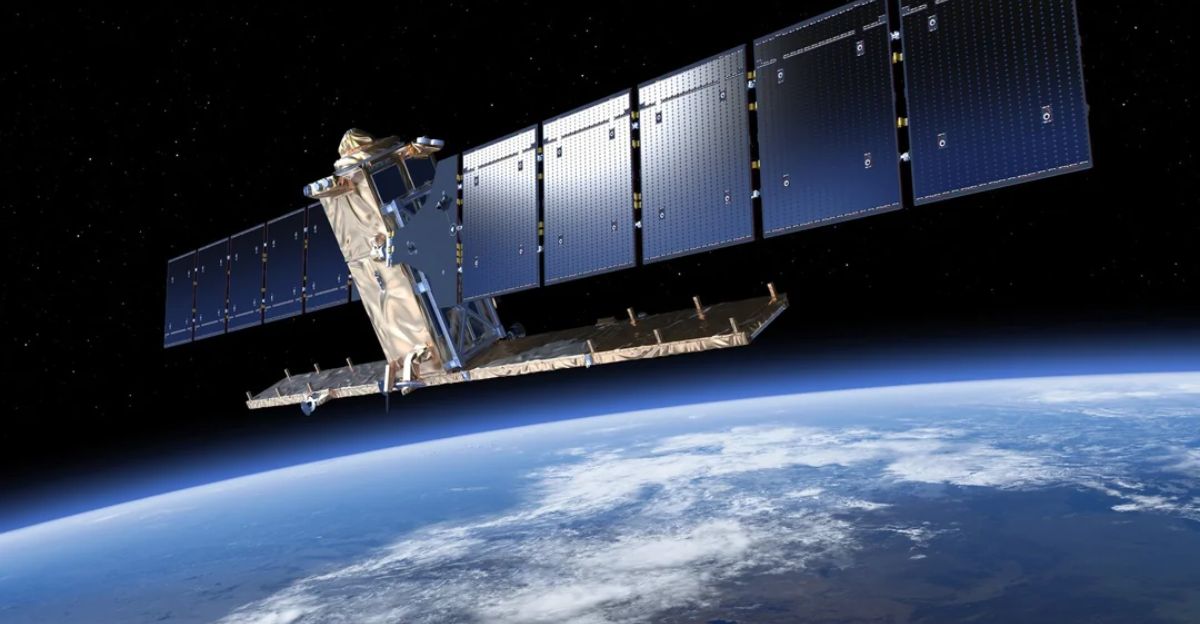
Researchers used satellite radar technology to detect ground changes. The Sentinel-1 satellites measure small elevation changes by comparing repeated radar images.
This is particularly helpful for remote volcanoes that lack ground-based equipment.
Their analysis showed uplift began in July 2023, peaked at 11 centimeters per year, then slowed but did not stop.
Global Implications
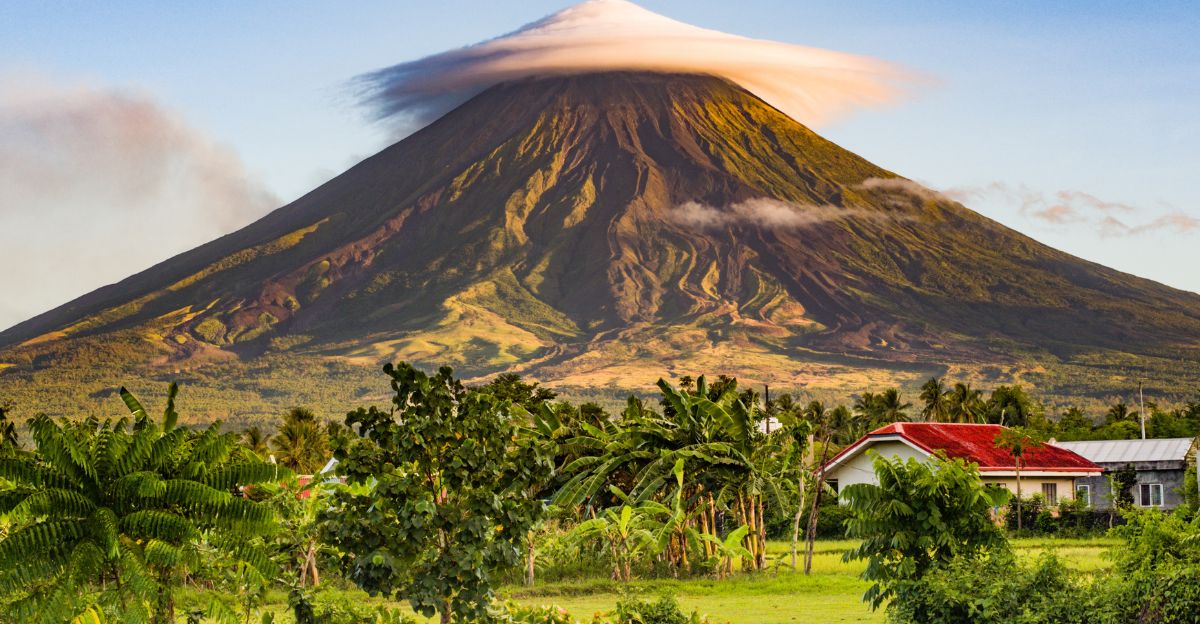
About 1,500 potentially active volcanoes exist worldwide. Around 800 million people live within 100 kilometers of an active or dormant volcano.
Many volcanic systems lack proper monitoring, especially in poorer countries. The Taftan case starkly demonstrates how unrest can go unnoticed until danger grows severe.
As climate change disrupts water patterns beneath dormant peaks, satellite detection becomes urgent for early warning and disaster prevention.
Hidden Threat
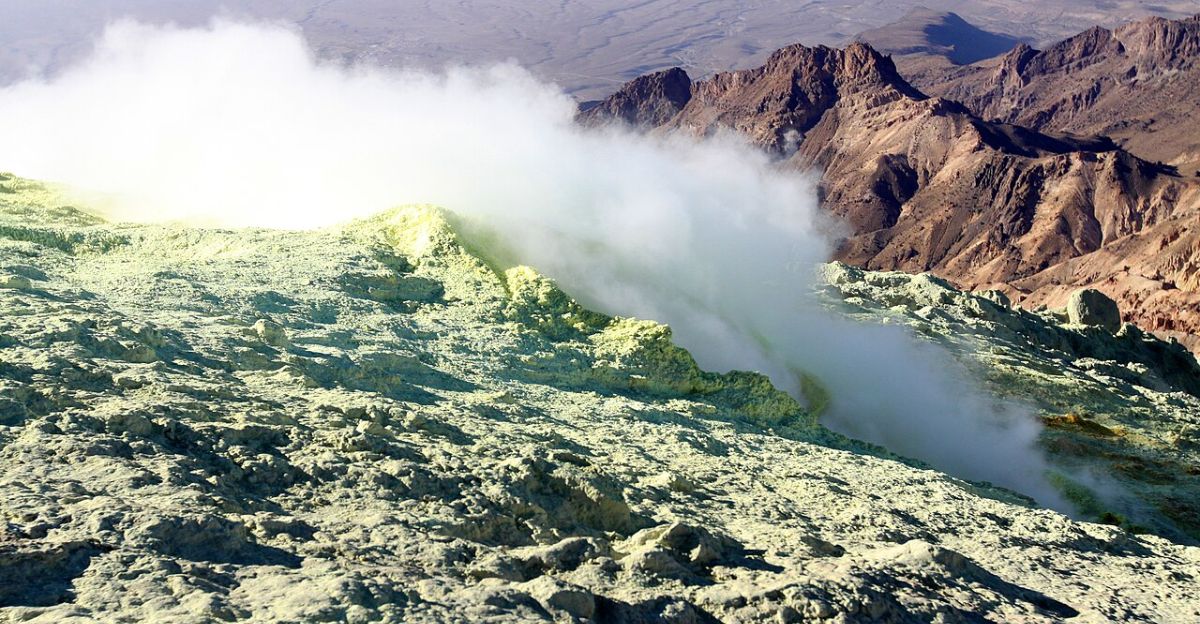
Taftan’s uplift source is only 490 to 630 meters below the summit—alarmingly shallow compared to the main magma chamber. This indicates acute underground pressure from water and gas.
The volcano is awakening without any earthquakes or clear signs of magma movement, creating a silent and hazardous buildup.
If this pressure releases suddenly, nearby communities could face ash falls, toxic gases, and hot volcanic flows with little or no warning.
Monitoring Gaps
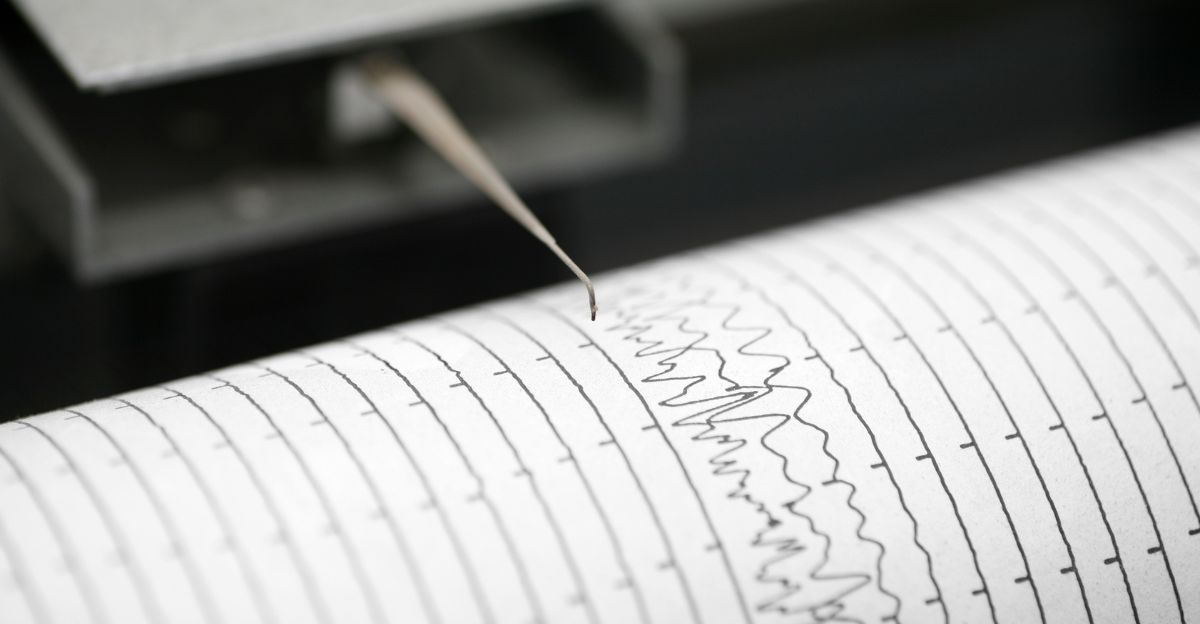
Taftan lacks the GPS receivers, seismometers, and gas monitors used at well-watched volcanoes like Mount St. Helens. Border conflicts and insurgent activity make equipment installation dangerous.
González called the study “a wake-up call” for Iranian authorities to urgently allocate resources and begin monitoring.
Without real-time data, authorities cannot distinguish harmless from dangerous volcanic activity—putting the public at enormous risk.
Reclassification Needed
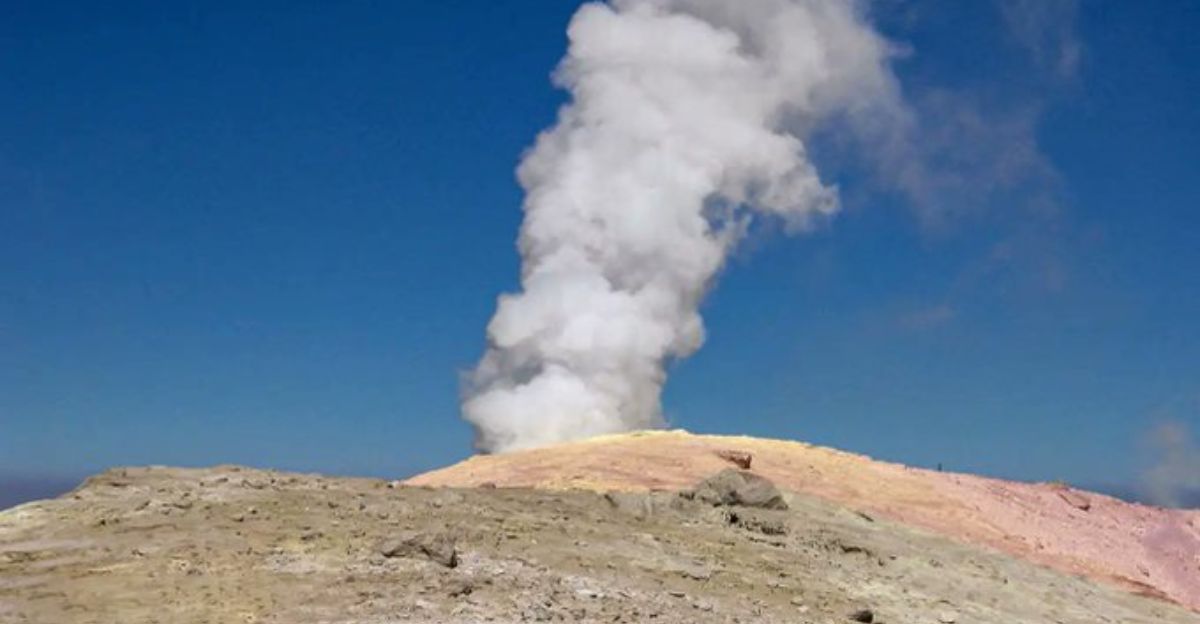
González’s team urges authorities to act by reclassifying Mount Taftan from “extinct” to “dormant” and implementing monitoring networks, updated hazard maps, and emergency programs.
Their October 2025 study called for an urgent risk review, stating Taftan is “more active than previously recognized.”
This reclassification increases government responsibility for public safety and demands immediate evacuation planning for nearby communities.
Uncertain Timeline
González told the media the current activity doesn’t mean the eruption is imminent. He said pressure “has to release somehow in the future, either violently or more quietly.”
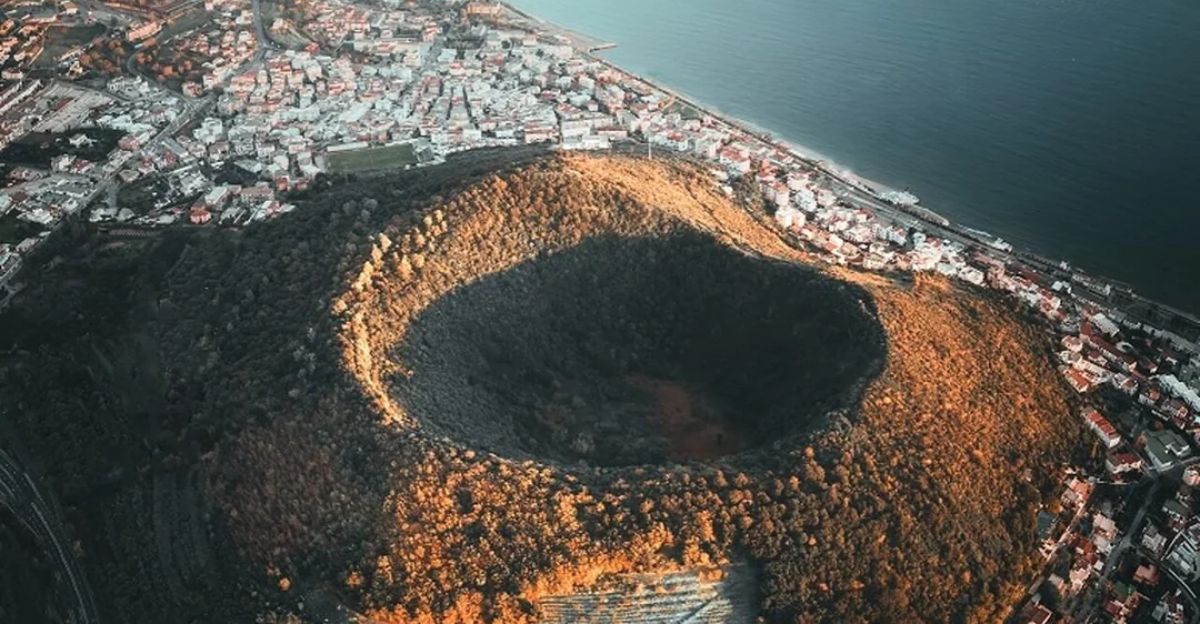
Italy’s La Fossa Caldera lifted 6 centimeters over three months without erupting, proving ground movement doesn’t guarantee an explosion. Taftan’s continued uplift suggests ongoing pressure buildup.
The volcano could stay this way for months, years, or decades before erupting or venting harmlessly.
Precedent Concerns
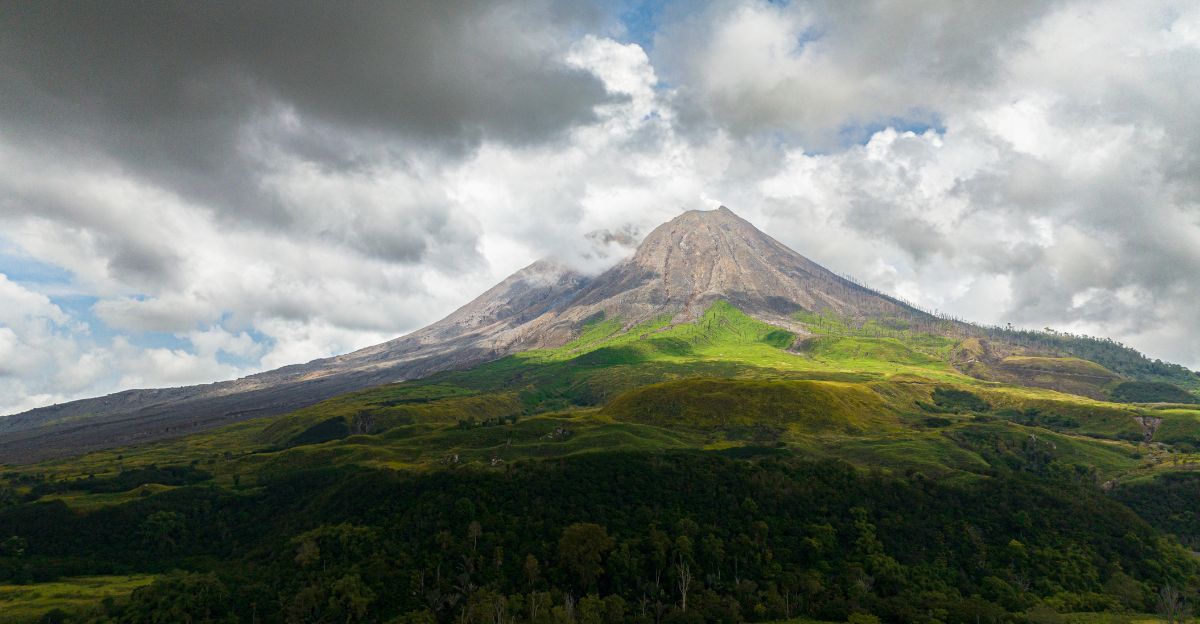
Volcanoes can sleep for thousands of years before reactivating suddenly. Alaska’s Mount Spurr, Indonesia’s Mount Sinabung, and Iceland’s Eyjafjallajökull all awakened after long quiet periods, causing evacuations and travel disruptions.
Stratovolcanoes are especially hazardous, producing fast-moving, hot flows at speeds of up to 450 miles per hour and temperatures exceeding 1,000°C.
The ancient Toba eruption showed how volcanic winters can affect entire continents and ecosystems.
Awakening Question
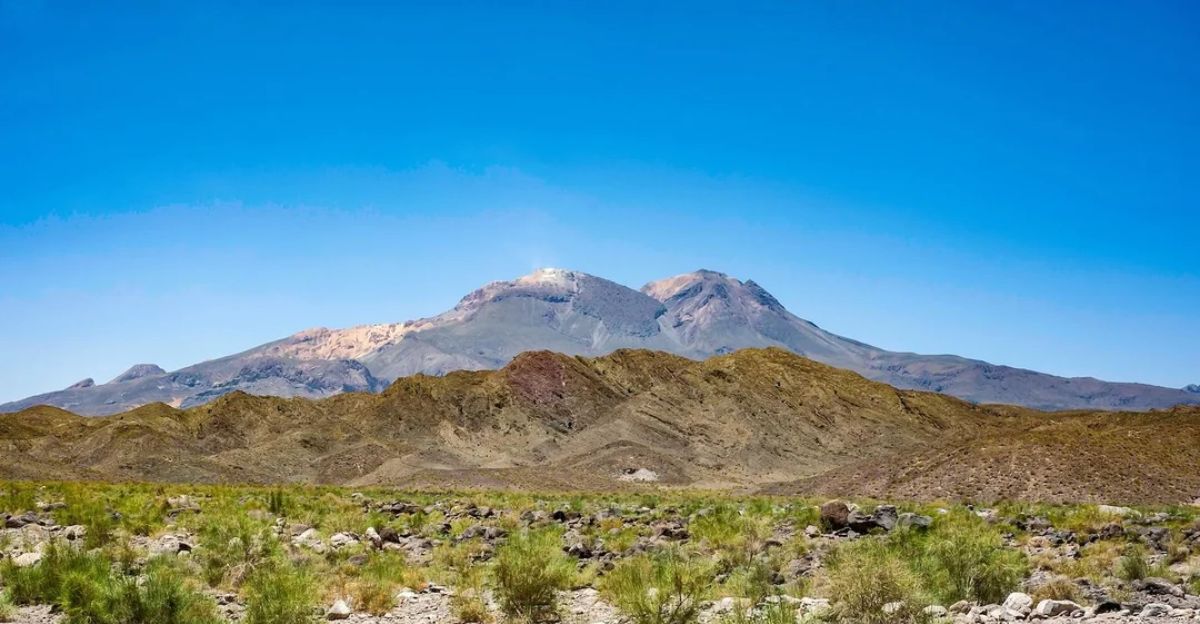
The Taftan case makes it clear: authorities must urgently reassess remote, seemingly extinct volcanoes worldwide.
Proactive monitoring and rapid classification updates are crucial for protecting communities residing near these mountains.
As satellite technology improves, officials must act now to identify and prepare for hidden volcanic threats before disaster strikes.