
More than half of U.S. employees are quietly unhappy at work. They keep productivity up at their desks, but underneath they feel stressed, burned out, and disengaged. Business Insider warns employers have “a new workplace issue…quiet cracking,” where workers are “struggling in silence”.
These employees continue to meet basic job requirements – unlike a visible quitting – yet their morale slowly erodes.
Experts say this hidden disengagement has become a new poster child of workplace stress. Many workers end up doing just enough to get by while their own well-being quietly crumbles.
Economic Trap

Global employee engagement has sunk to just 21%, the lowest since before the pandemic, cutting about $438 billion from the world economy.
Meanwhile, U.S. labor demand is cooling. Job openings fell to a 10-month low, and firms are adding only about 35,000 jobs per month – far fewer than last year’s pace.
With rising living costs and fewer new vacancies, workers say they feel trapped in unsatisfying roles. Many would love to quit unhappy jobs, but growing economic uncertainty and a tight market leave them fearing they have nowhere else to go.
Market Context

After a hiring boom, U.S. job growth has cooled sharply. Federal Reserve Chair Jerome Powell noted payroll growth slowed to roughly 35,000 per month by mid‑2025, down from about 168,000 per month in 2024.
He pointed to new tariffs and a surge of AI innovation as reasons many companies are delaying hires.
This unexpected labor‑market softening has Powell hinting that sooner-than-expected rate cuts may be needed. The net effect: many firms have paused expansion plans, leaving workers debating whether to stay put or risk moving on.
Workplace Pressures

The traditional 9–5 model is breaking down under constant connectivity. Microsoft’s latest data show the modern workday is “infinite”: 40% of people now check email before 6 a.m., and meetings after 8 p.m. are up 16% year-over-year.
The typical worker receives 117 emails and 153 Teams messages daily, with interruptions roughly every two minutes.
Even weekends blur: about 20% of employees report responding to messages on Saturdays or Sundays. These figures highlight how blurred modern work-life boundaries have become, often leaving little real downtime.
Quiet Cracking Unveiled

Financial year 2025 research is revealing this hidden affliction. EY’s Frank Giampietro calls it “quiet cracking”: workers who “show up…do their job, but struggle in silence while they do it”.
TalentLMS surveys confirm it’s widespread: over half of U.S. workers say they quietly suffer through their workday.
These employees typically avoid resigning under market pressures, yet they report high anxiety and steadily dropping engagement. In other words, a silent workforce crisis has emerged: people stuck in their jobs, keeping up appearances, even as their spirits slowly crack.
Regional Impact

Evidence suggests this problem is global. New Zealand’s Massey University found that about 25% of Kiwi workers feel similar “cracking” pressure.
In Australia, psychologist Michelle McQuaid reports roughly 55% of employees quietly cracking under stress.
Workers in Europe and elsewhere tell comparable stories of silent burnout. Economists note a common thread: these trends link to worldwide economic strain and underinvestment in employee support. In each case, people feel stuck between financial worries and mental health – a pattern that transcends borders.
Human Stories

Affected workers speak plainly about the toll. Career coach Dave Smith hears it repeatedly: “Quiet cracking is everywhere right now… It starts with ‘I feel lucky to have a job, but…,’ and then it gets to the trapped part”.
Such stories capture the dilemma many feel. One professional told an interviewer she’d wake up each day “dreading opening my laptop.” Another said she avoided seeing her manager, too burned out to make small talk.
Together, these accounts highlight a pervasive despair at work: people caught between financial necessity and psychological well-being.
Corporate Response
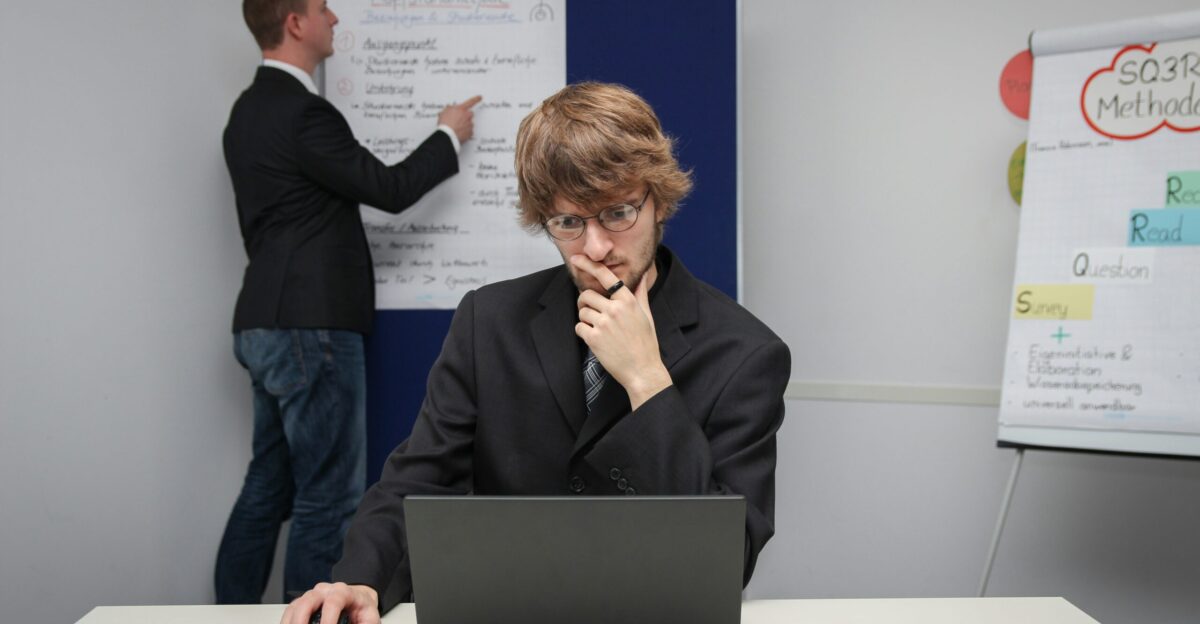
Employers and consultants are scrambling for solutions. University of Connecticut management professor Travis Grosser notes how hard quiet cracking is to spot: employees “may fulfill their basic duties but lack the enthusiasm or initiative they once had”, which can look like mere lukewarm performance.
Companies now roll out leadership training on empathy and listening, plus regular one-on-ones, public recognition, and clear career paths. In practice,
Some firms are also adjusting management spans and using pulse surveys to catch disengagement early, bringing the hidden problem into view.
Broader Trend

This problem ties into global mental health trends. About 15% of working-age adults worldwide have a mental disorder.
Depression and anxiety alone cause roughly 12 billion lost workdays each year, costing about $1 trillion in reduced productivity.
Quiet cracking can be seen as an early warning: a workforce quietly burning out. If these trends continue unchecked, the mounting stress and low engagement documented by health experts will likely translate into even larger productivity and economic losses.
Managers Under Pressure

Line managers – the so-called “squeezed middle” – are feeling it too. Many face pressure from above and burnout below, leading to what one analyst calls “the silent unraveling of middle managers under the weight of compounding pressure”.
Survey data confirm manager morale is down: Gallup reports global manager engagement fell from 30% to 27% in 2024, with female managers down 7 points and those under 35 down 5 points.
The very leaders who should detect quiet cracking are themselves becoming overwhelmed.
Internal Tensions

Survey data confirm quietly cracking workers feel far less supported: only 53% say their managers listen to them, versus 62% of other employees.
They are similarly less likely to be developed: quietly cracking employees received training at 29% lower rates and felt valued at 68% lower rates compared to others.
These gaps suggest a major breakdown in trust and communication at work. When employees see no growth path and feel ignored, their hidden distress deepens – reinforcing the cycle of quiet cracking.
Leadership Shift

Many companies are realizing old top-down styles make things worse and are retraining leaders accordingly. TalentLMS advises firms to “train the managers who shape the culture,” focusing on empathy, listening, and one-on-one check-ins.
Programs now encourage managers to admit vulnerabilities and invite feedback, creating psychological safety. Companies are tracking “people metrics” alongside performance metrics.
The goal: creating an environment where employees feel safe to voice concerns without fear of retribution.
Recovery Strategies
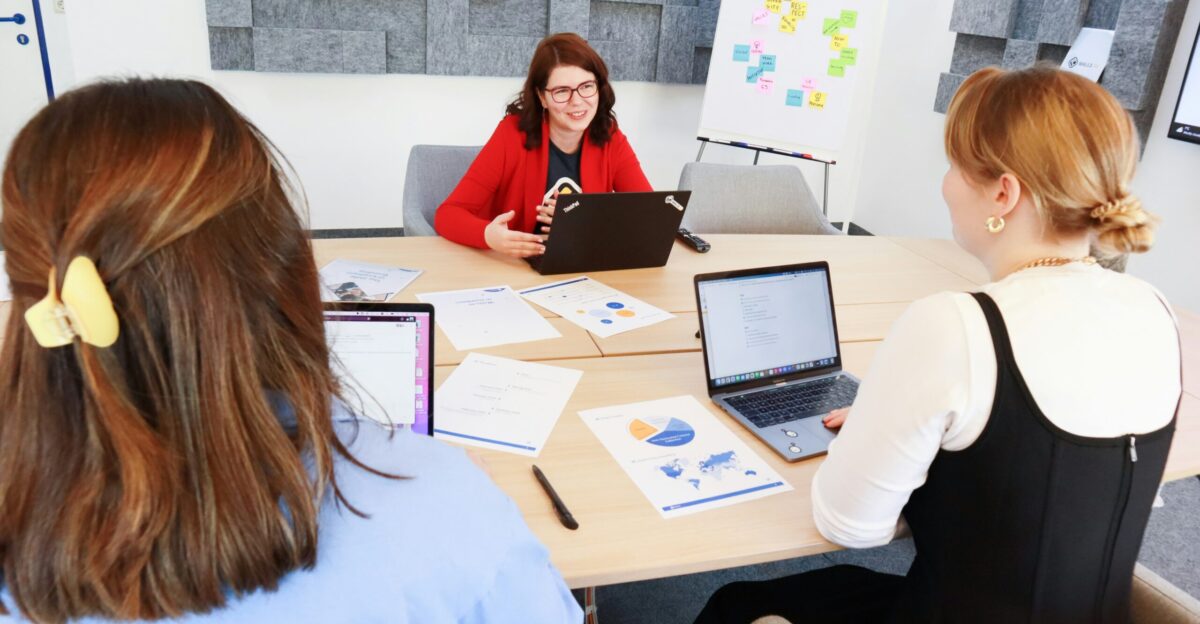
Practical fixes are emerging. Teams are establishing explicit “quiet hours” with no emails sent outside work, and well-being check-ins are now routine. Microsoft suggests applying an 80/20 rule: focus on the 20% of tasks that deliver 80% of results and automate the rest.
Many companies also analyze manager workloads after layoffs to prevent burnout.
Organizations are shifting toward working smarter – prioritizing high-impact tasks and preserving time for meaningful work – rather than just logging hours. These strategies aim to rebuild trust and keep employees engaged as conditions improve.
Expert Outlook

Analysts caution that quiet cracking may worsen before the labor market recovers fully. Former supermarket CEO Mark Price emphasizes retention: “If people are happy in their jobs…they don’t leave…you retain knowledge…all of which leads to more profitable…organizations”.
He urges companies to pay fairly, value employees, and offer flexibility. Observers similarly warn that ignoring today’s warning signs will later lead to a sudden exodus that seems to come “out of nowhere.” A wave of departures tomorrow could be a predictable result of today’s inaction.
Future Questions

These trends raise fundamental questions about work itself. Global engagement has just fallen to a two-decade low, prompting analysts to ask: Can companies stay productive if many workers feel hidden distress?
Will traditional management models survive when newer employees demand psychological support as much as pay? Many believe the answers now will determine who attracts and keeps talent as markets rebound.
Ultimately, firms that align productivity goals with genuine employee well-being will likely pull ahead, while others may fall behind.
Policy Implications

Governments and policymakers are starting to take notice. WHO data already show mental disorders cost the world $1 trillion in lost productivity each year, and analysts point out that the $438 billion lost to disengagement in 2024 is a significant drag on growth.
Public health advocates now argue that workplace psychological safety should be regulated like physical safety. Some proposals include requiring companies to assess staff stress and fund wellness programs.
Quiet cracking is increasingly being framed as an economic issue requiring systemic solutions.
International Ripples

Some countries have already taken steps. Portugal’s “right to disconnect” law bans after-hours contact, protecting employee downtime.
The UK now mandates stress risk assessments and forbids discrimination against mentally ill workers. In these places, policies explicitly target exactly this silent stress. Observers note that international competitiveness may hinge on workforce health: companies in those regions even highlight well-being metrics as part of their brand.
As global trends are tracked more closely, psychological health may become a formal part of economic performance.
Legal Considerations

As awareness spreads, legal experts foresee more workplace-culture lawsuits. The trauma of layoffs (“survivor syndrome”) has measurable effects: research shows even a 1% workforce cut can trigger a 31% rise in turnover.
Over time, attorneys say courts may treat pervasive workplace stress as corporate negligence. For example, emotional-distress suits could cite a company’s failure to prevent chronic harm.
Businesses may soon have to document mental-health safeguards as rigorously as they document safety protocols, or face liability for predictable harm.
Cultural Evolution

Generational shifts are amplifying quiet cracking. Younger workers report far poorer workplace well-being: 71% of Gen Z and 59% of Millennials have “unhealthy” work-health scores, vs. only 42% of Boomers.
Many new employees feel unable to speak up or be themselves at work, and they often insist on psychological safety over rigid hours.
This cultural evolution means firms clinging to outdated norms risk losing entire cohorts. In practice, younger employees now expect empathy and support – or they simply move on to employers who provide it.
Fundamental Reckoning
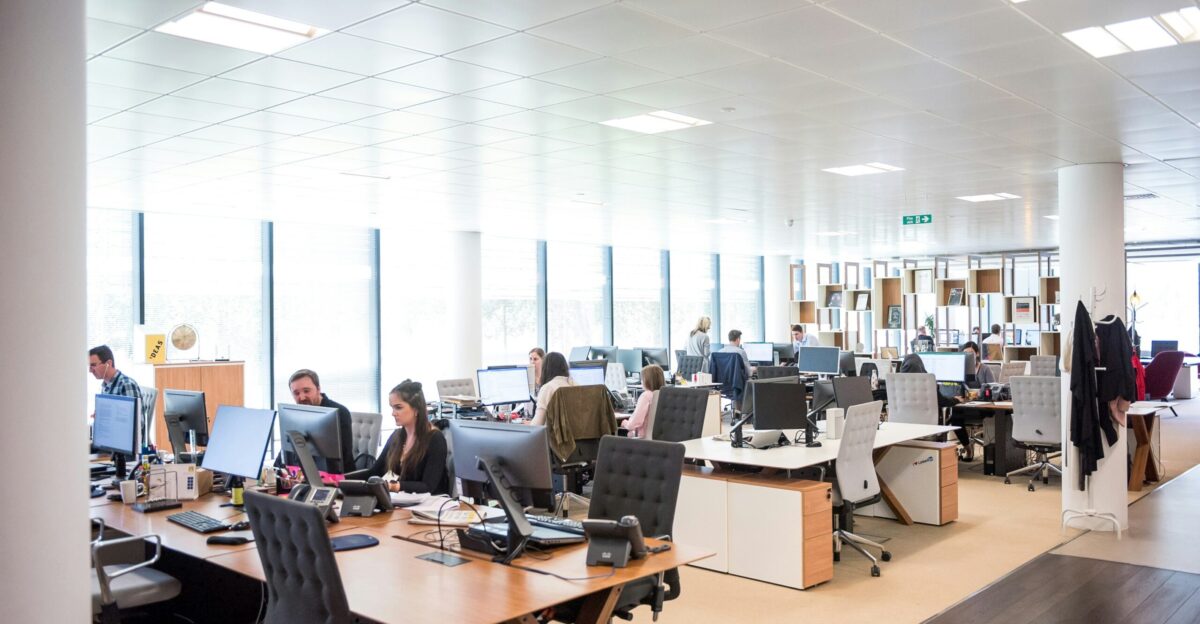
Quiet cracking may mark a crossroads for modern capitalism. The trend highlights the human cost of our always-on culture, suggesting traditional productivity models have reached their limit.
Economists warn that companies focused solely on efficiency risk undermining the very labor they rely on, especially as AI reshapes work.
The upshot: those organizations that learn to align technology and labor with genuine human well-being – by redesigning jobs, rewarding outcomes over hours, and offering real support – will pull decisively ahead. Solving quiet cracking could become the ultimate competitive advantage in the AI era.