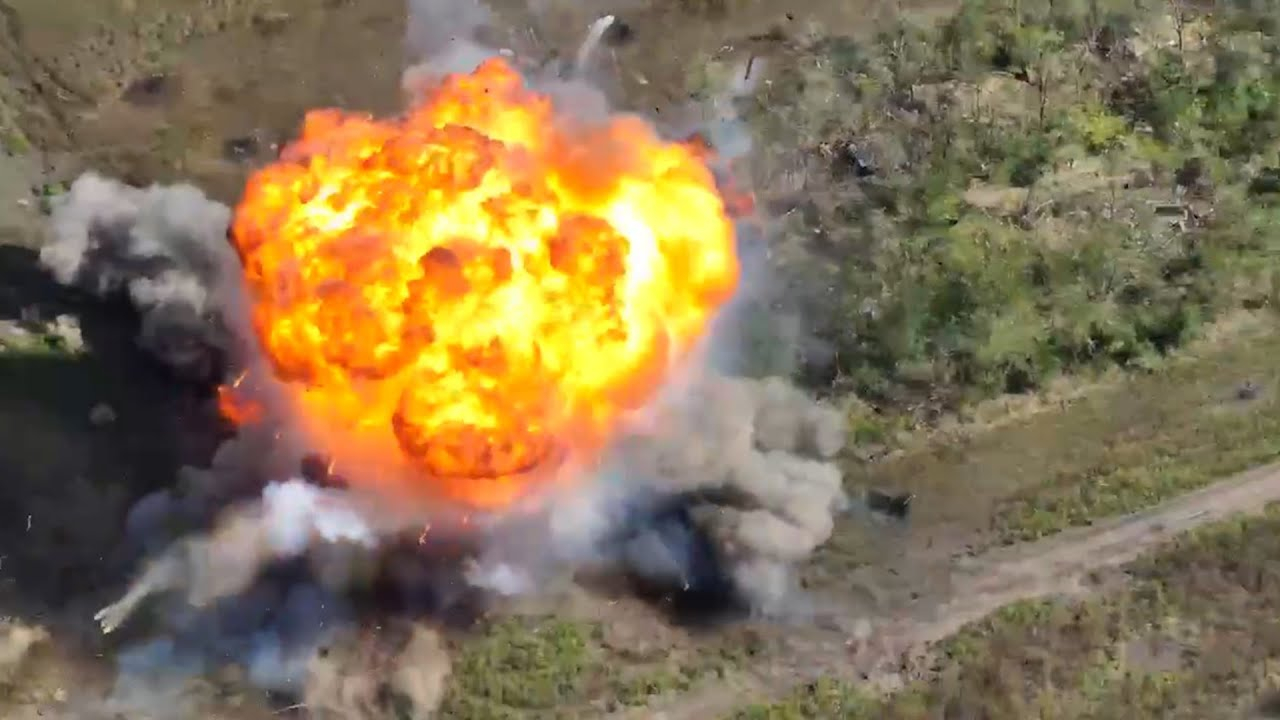
“Don’t forgive such mistakes,” warned Ukraine’s Ministry of Defense one year ago, releasing dramatic footage of a Ukrainian FPV drone slipping through an open hatch and destroying a Russian turtle tank near Bakhmut. The strike instantly killed the vehicle, exposing a deadly flaw in armor design.
This single moment highlights how human error, not just weapon power, can decide battles. The incident signals a shift in modern warfare, where precision drones challenge even the heaviest armor. Here’s what unfolded and why it matters.
One Hatch Changed Everything
Video released 5 June 2024 showed a Ukrainian FPV drone entering an open hatch of a Russian turtle tank near Bakhmut. The drone struck inside and destroyed the vehicle.
The strike proved heavy tanks are vulnerable to human error and mistakes spotlight weakness. Could drones now rewrite war strategy everywhere?
What Is A Turtle Tank?
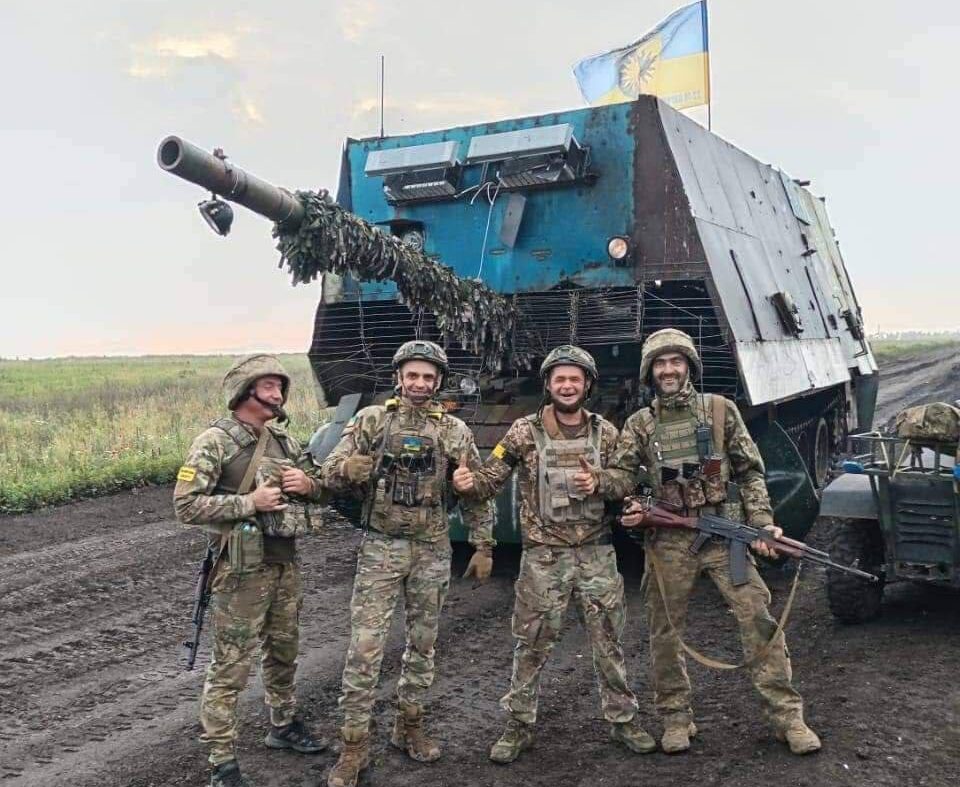
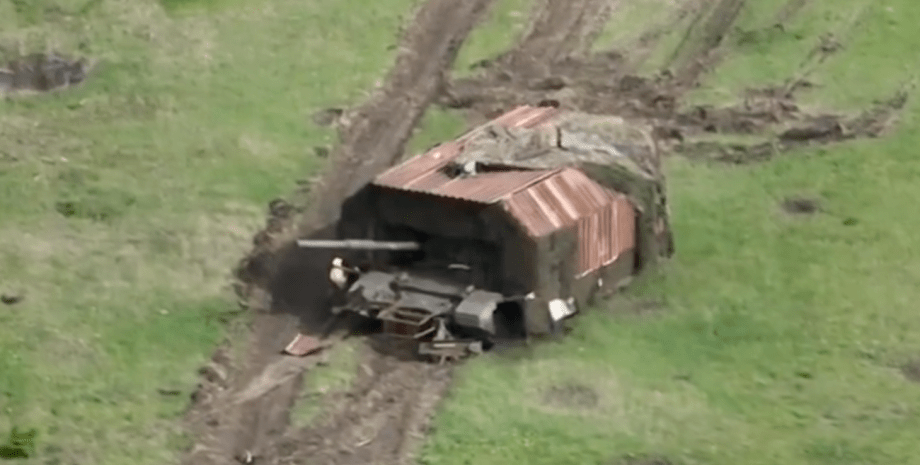
A turtle tank is a Russian main battle tank wrapped in a cage-like metal shell designed to protect it from incoming FPV drone strikes. These improvised armored vehicles act like mobile shields, deflecting or triggering attacks before they can hit the hull.
This design marks Russia’s first full-coverage armor improvisation on a wide scale since World War II.
Ukrainian Drone Unit Strike
The 93rd Mechanized Brigade “Kholodnyi Yar,” one of Ukraine’s most battle-hardened units defending Bakhmut, executed the strike using an FPV kamikaze drone under precise control.
An operator wearing goggles guided the drone into the tank’s vulnerability with surgical accuracy. The strike proved effective. Could this precision define future battlefield tactics?
How Drone Found The Opening
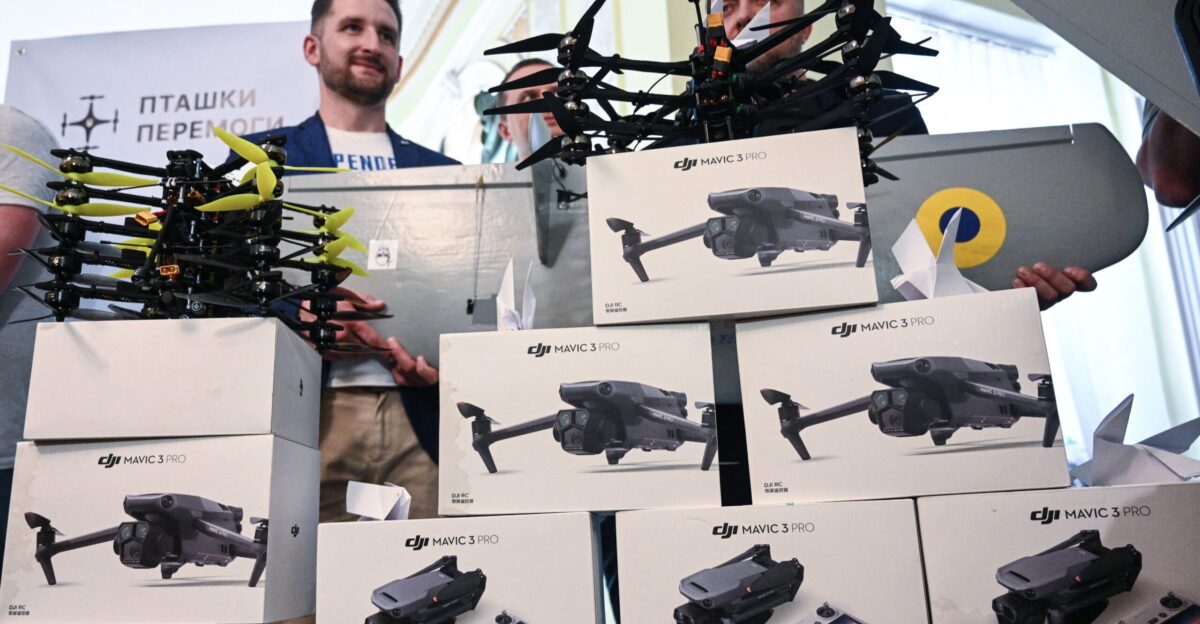
Rather than striking the exterior metal shell which would absorb the blow, the operator waited until the crew had left the hatch open likely for ventilation.
The drone dived vertically into the crew compartment triggering an internal explosion that destroyed the tank. Was this the moment that changed armor defense forever?
Efficiency Of One Strike
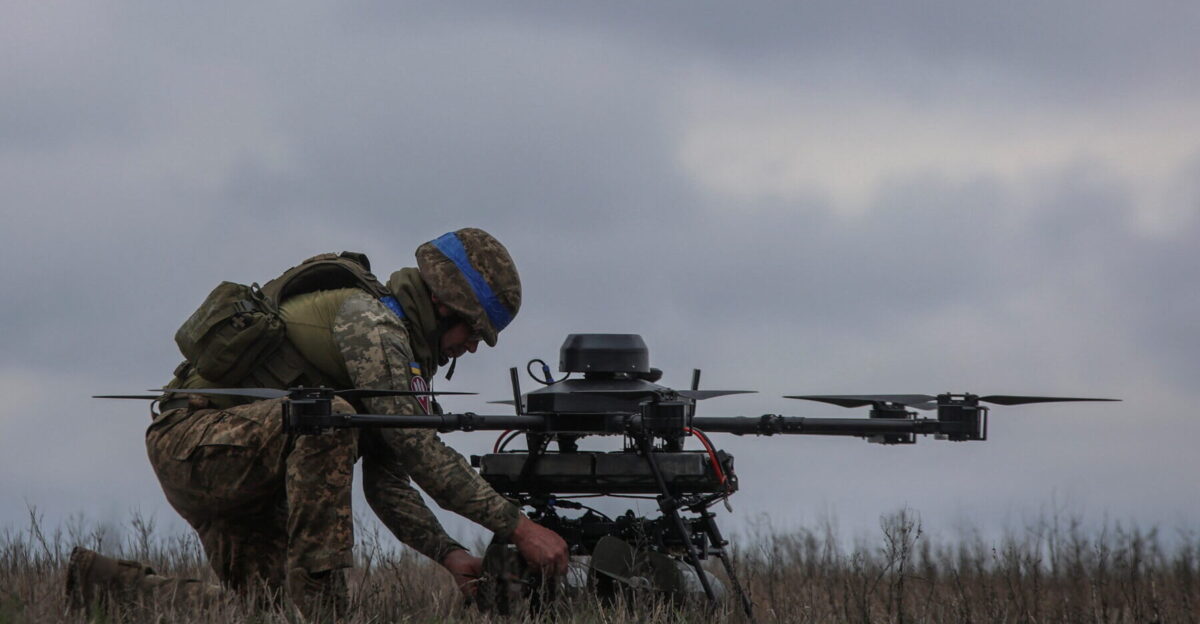
Typically Ukrainian forces require six to eight FPV drones on average to disable a properly buttoned-up turtle tank, according to military analysis in mid-2024 from reports.
This single drone achieved total destruction representing a six to eight fold efficiency gain and cost financial savings.
Cheap Drones Versus Expensive Missiles
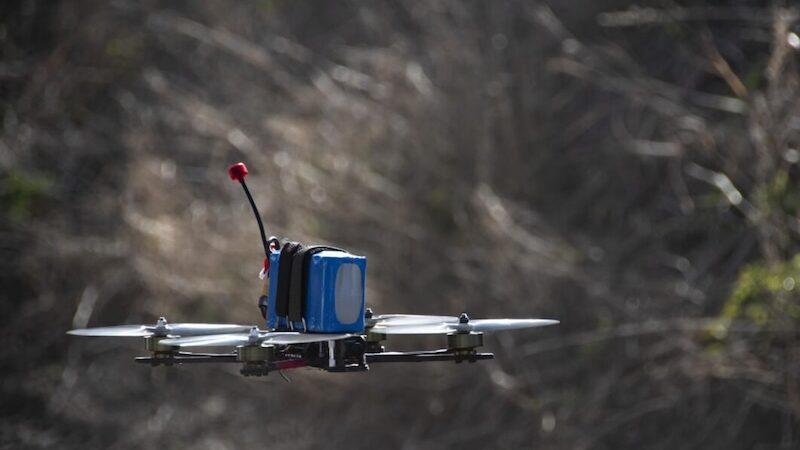
An FPV kamikaze drone costs about $300–$500 to manufacture. A Javelin anti-tank missile costs between $78,000 and $216,000 depending on the variant.
These drones cost under one percent of Western missiles forcing thinking shift. Could cheap weapons now decide tank fate?
When Armor Depends On Crew
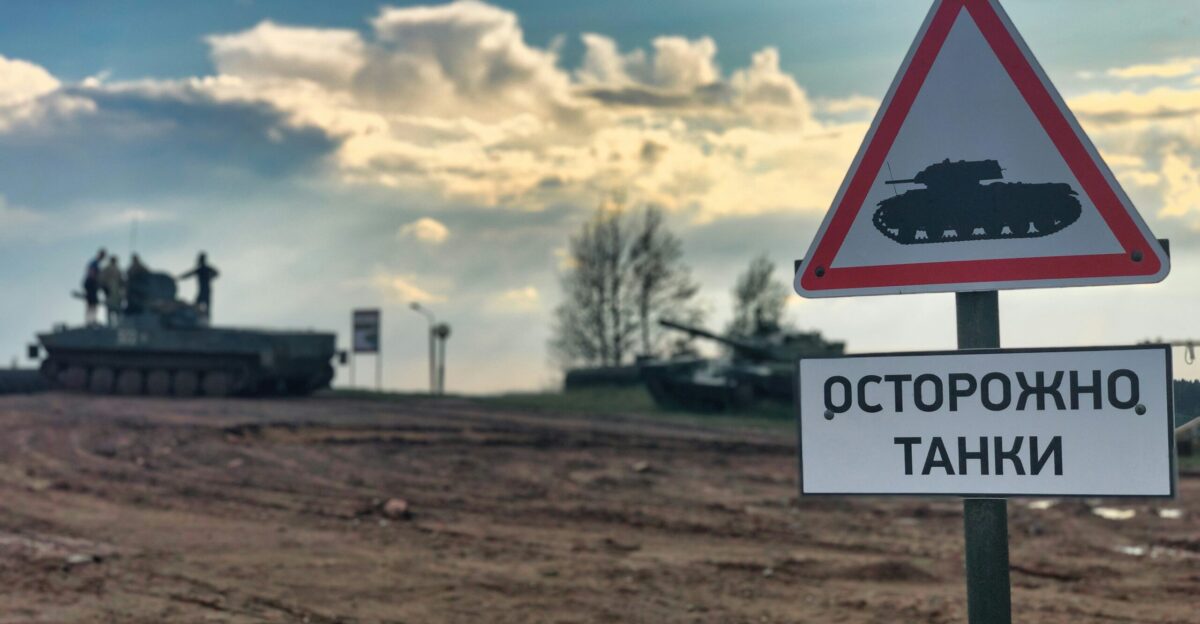
The strike exposed a critical vulnerability: Russian tank crews trapped inside heavy metal shells suffer from poor ventilation and limited visibility forcing impossible decisions.
When crews open the hatch for ventilation they risk immediate deadly drone strikes instead of breathing safely.
Turtle Tanks Can Survive Some Hits
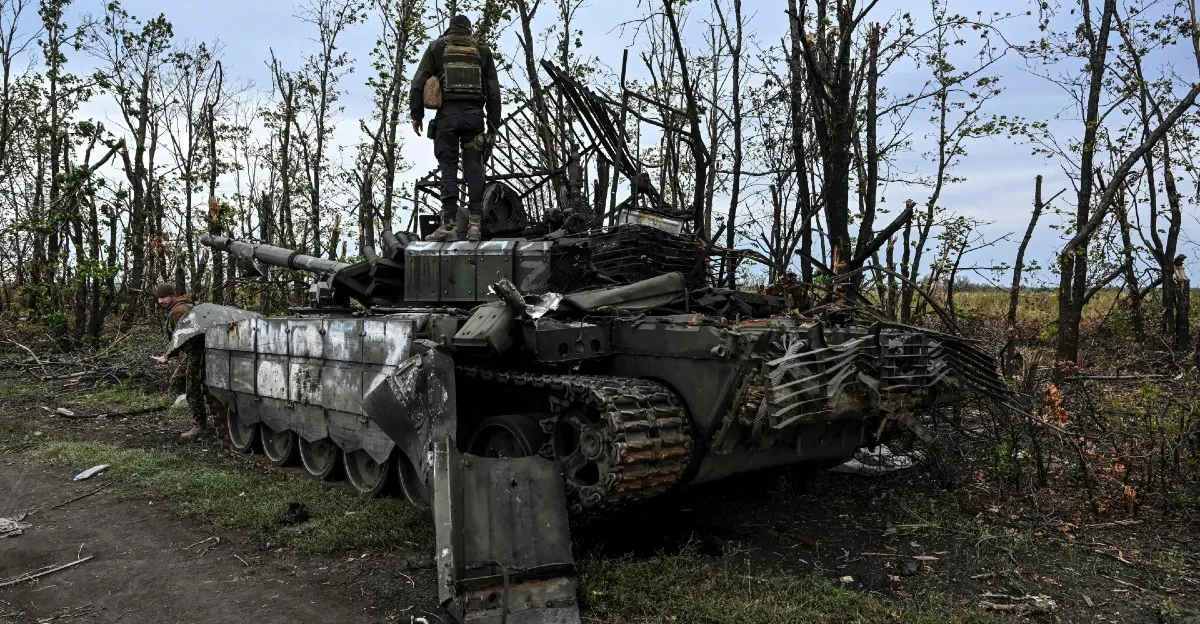
In mid-2024 near Siversk a Russian turtle tank reportedly survived around twenty-five Ukrainian mines and FPV strikes before being finally disabled. That shows these improvised cages can extend tank survival under pressure.
But even heavy improvised armor cannot guarantee immunity against growing drone pressure.
Thermite Drones Melt Armor Shells
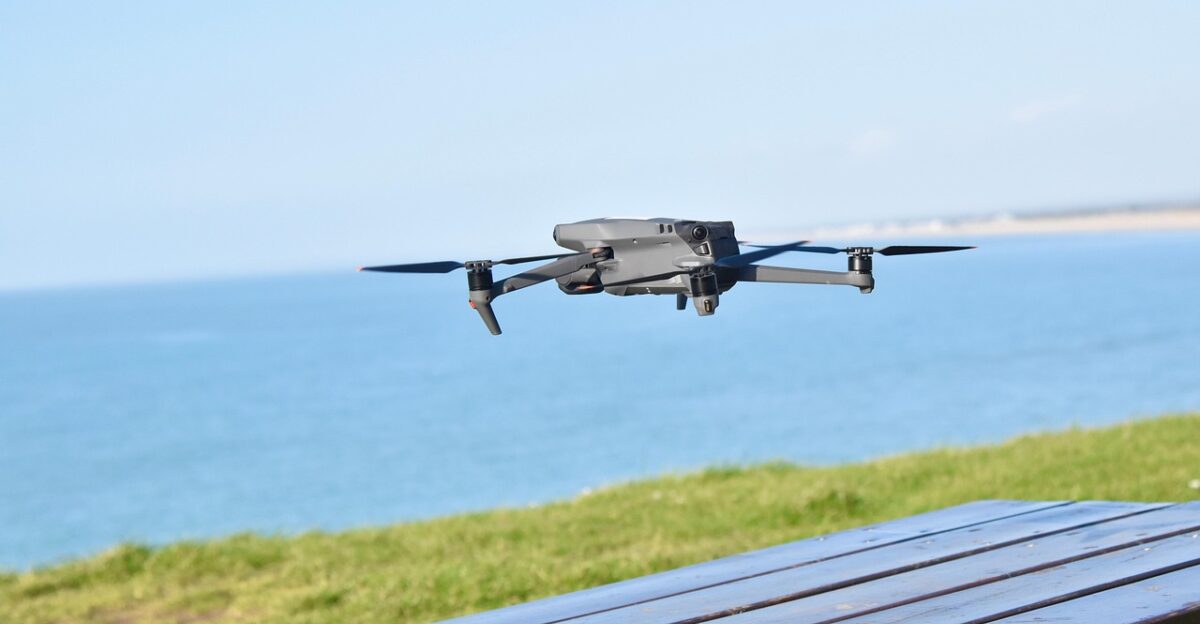
Ukrainian units including the 3rd Mechanized Battalion from the Separate Presidential Brigade have started deploying “Dragon Drones” armed with thermite charges capable of burning metal shells at roughly four thousand five hundred degrees Fahrenheit.
These incendiary payloads eat through cages at minimal cost. Is this armor proof obsolete?
Small Workshops Fuel Drone Supply
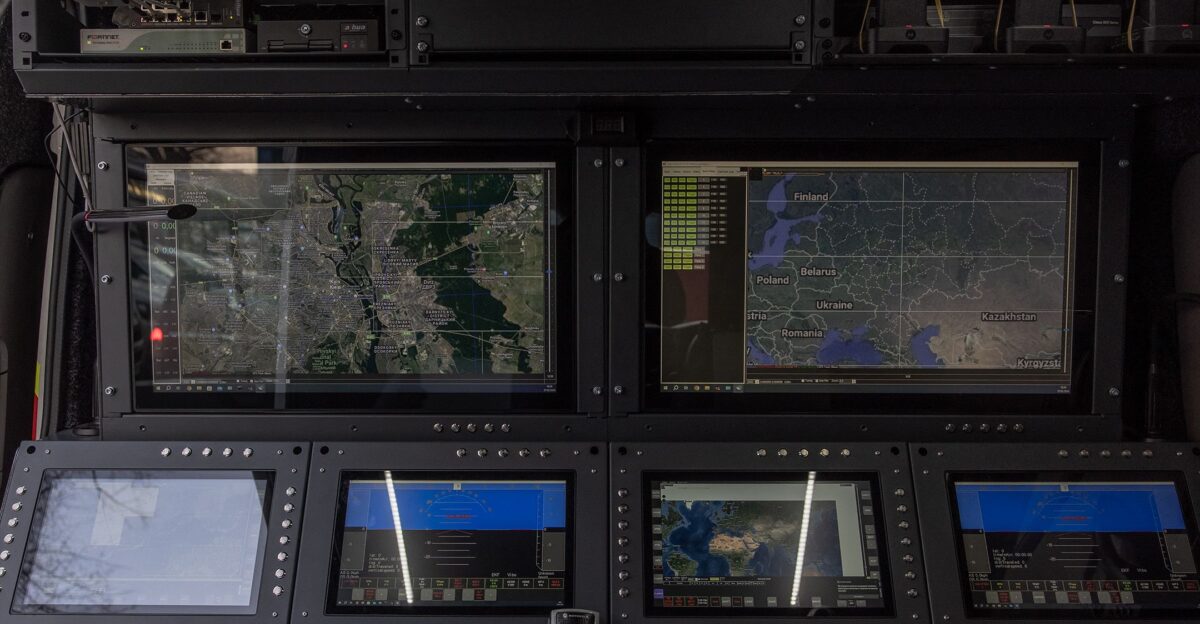
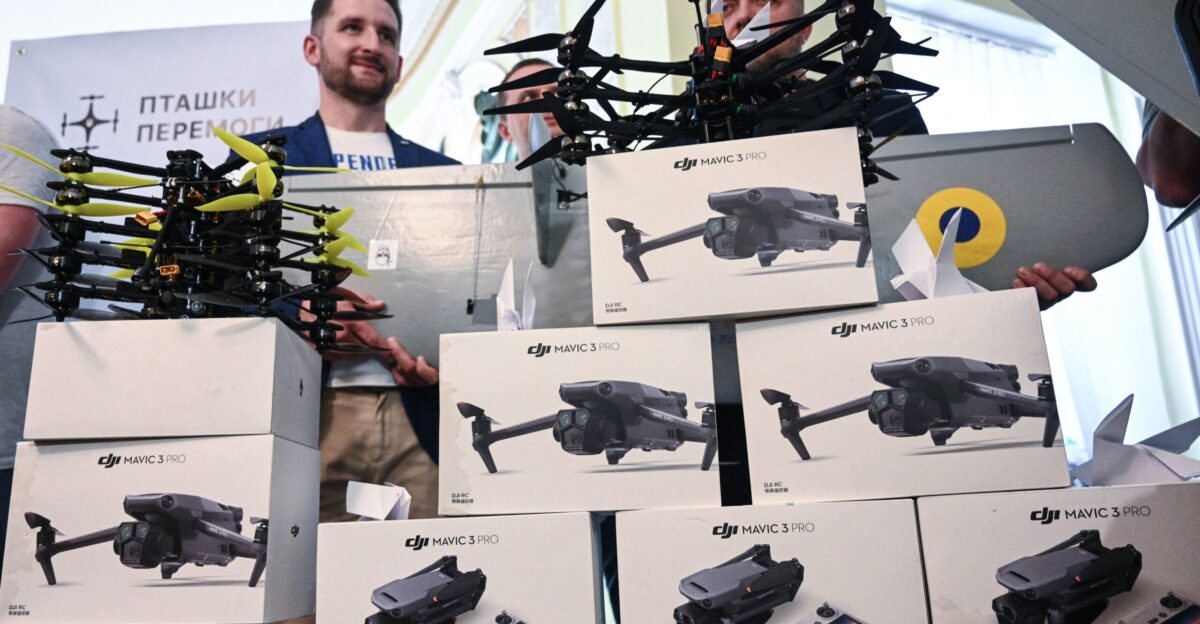
Many Ukrainian FPV drones are built in decentralized civilian labs and volunteer workshops bypassing traditional military procurement hurdles while Russia’s centralized heavy industry struggles to refurbish lost tanks fast enough to replace wrecked hulls.
The structural mismatch gives Ukraine a distributed cost production advantage. What happens if cages keep failing?
Why Russia Cannot Build Fast Enough
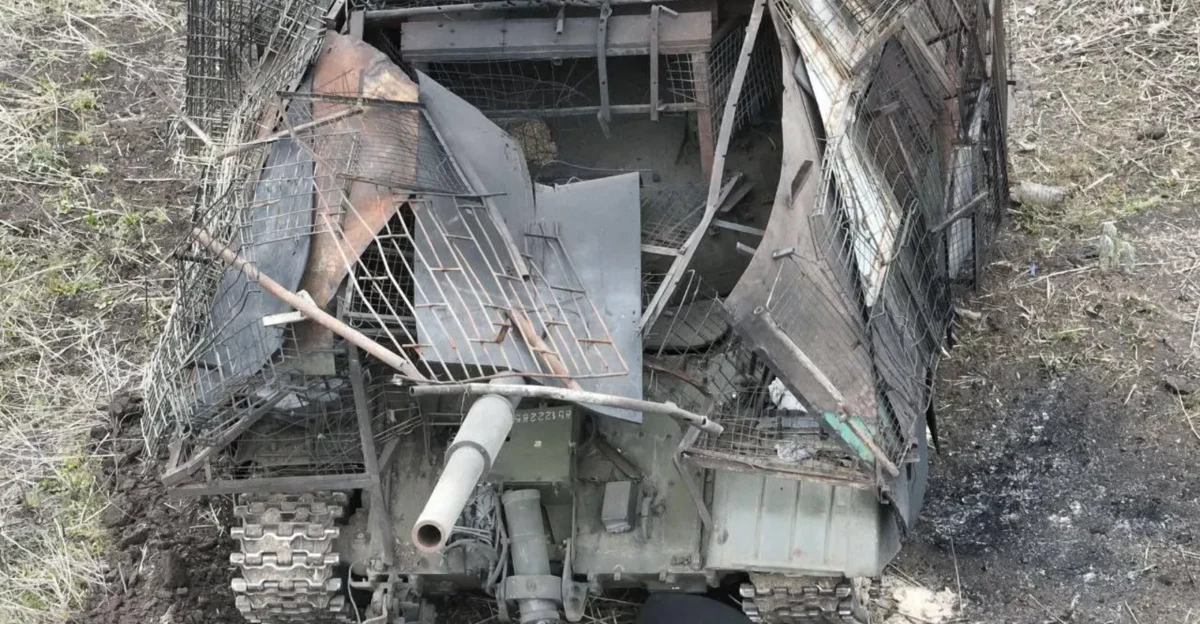
Each improvised turtle tank requires thousands of dollars in welded steel, hours of labor and maintenance diverted from repairing standard hulls. Ukraine meanwhile mass-produces affordable drones efficiently and in large numbers with minimal infrastructure overhead.
Russia must armor every tank; Ukraine needs drones. Could this unbalanced race decide outcomes soon?
Drone Versus Defense Evolution
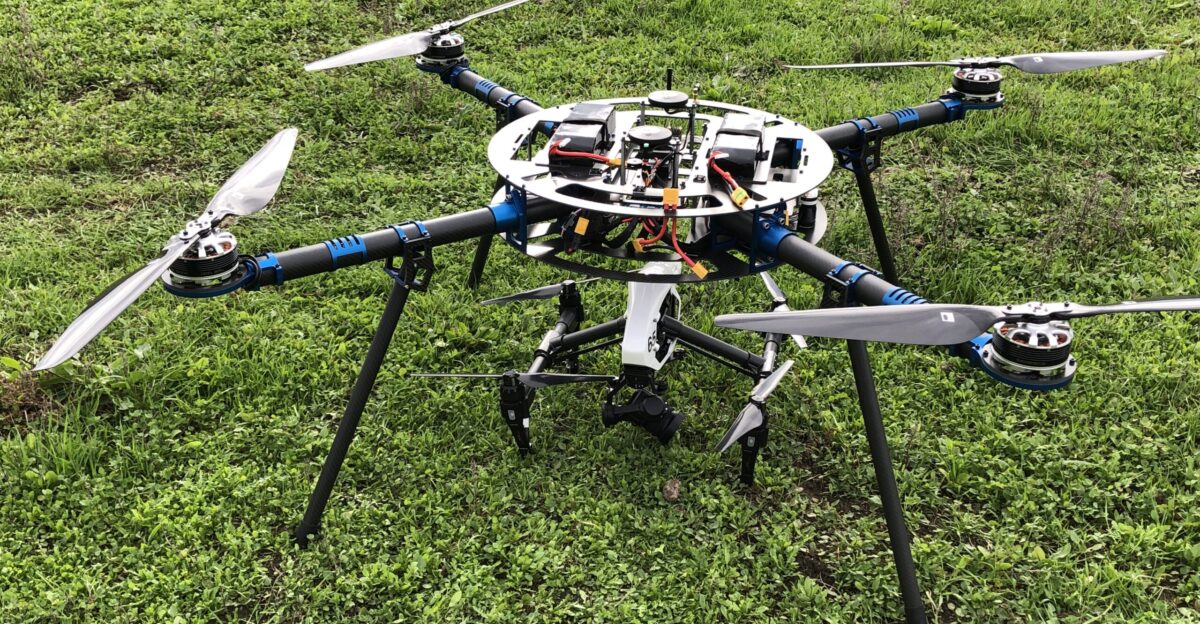
After Russia deployed turtle tanks in early 2024 Ukrainian operators quickly learned to target open hatches with precision drones and shifted to thermite payloads. Each iteration forced Russia to redesign defenses under growing pressure.
This adaptation cycle accelerated with each assault on modern armor doctrine. What comes after armor fails?
Tank Doctrine Faces Existential Threat
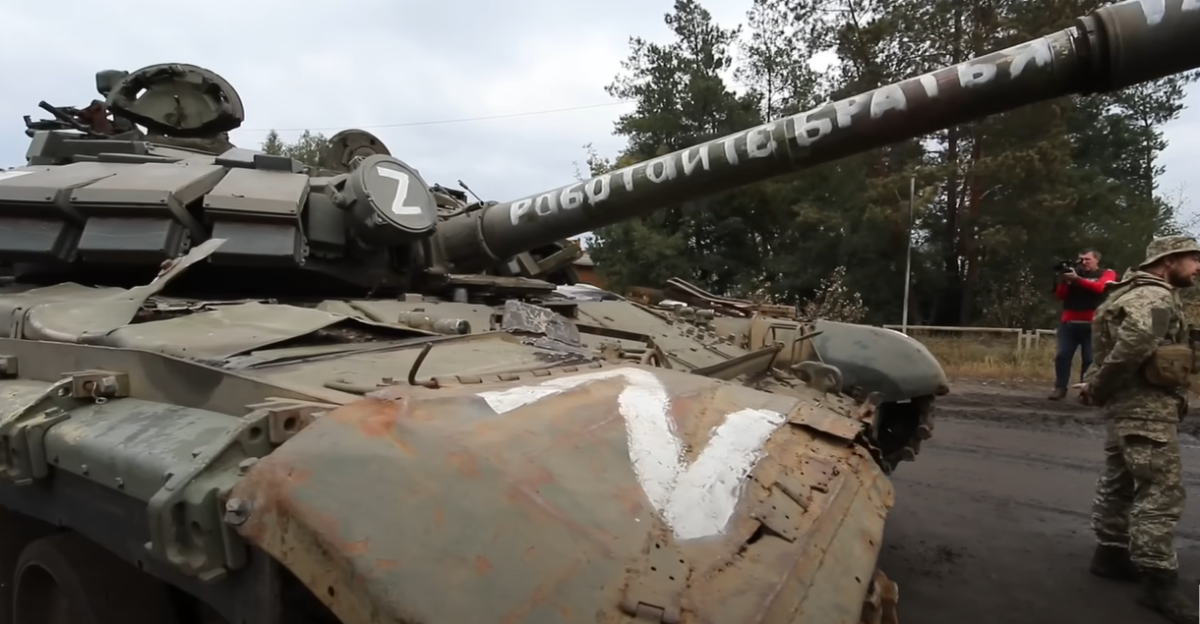
That strike demonstrated that main battle tanks, once the backbone of armored warfare for seventy years, now face an existential threat. A five to ten million dollar vehicle can be destroyed by a drone costing a few hundred dollars.
Armor investment may no longer pay.
Psychological Message To Crews
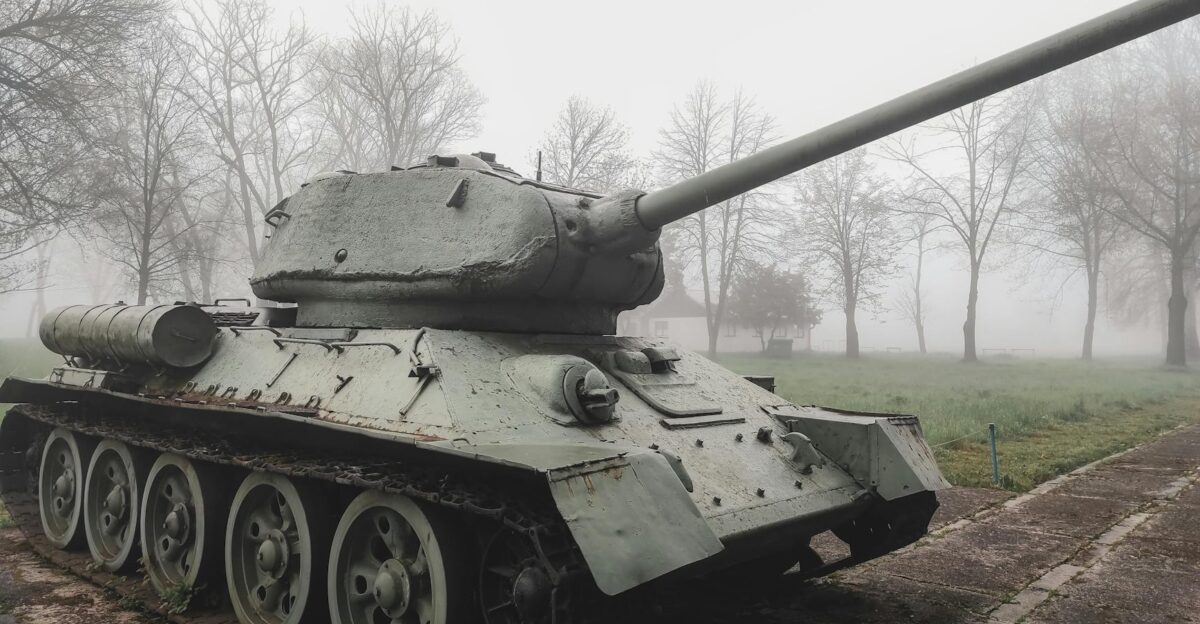
On 5 June 2024 Ukraine’s Defense Ministry released footage with the caption: “Occupiers made a ‘turtle’ tank but forgot to close a hatch. Ukrainian drone operators don’t forgive such mistakes,”. The message aims to pressure crews psychologically.
No metal shell can save crews from error.
Sources:
Ukraine Ministry of Defense official statement, 5 June 2024
Business Insider reporting on video release and geolocation, 5 June 2024
93rd Separate Mechanized Brigade “Kholodnyi Yar” operational reports
CSIS Missile Threat FGM-148 Javelin cost analysis, 2024
Forbes analysis of turtle tank vulnerabilities and drone costs, July–October 2024
Institute for the Study of War (ISW) Bakhmut sector assessments