On Oct. 2, 2025, the White House publicly raised alarms. Press Sec. Karoline Leavitt told reporters that if the shutdown drags on, “the federal government may have to lay off ‘thousands’ of employees”.
Officials were already scouring agency budgets for cuts. The shutdown’s early rhetoric signaled a deeper confrontation over federal jobs and funding.
Federal Payroll Freezes and Permanent Cuts

By Day 2, the shutdown’s impact was immediate. Estimates showed about 750,000 federal workers furloughed, costing roughly $400 million per day in lost pay.
Unlike past shutdowns (when furloughed staff later returned with back pay), the current approach hints at permanent cuts. The administration is treating this standoff as an opportunity to restructure the civil service, not just a temporary pause.
Shutdown Record vs Today’s Plans

This crisis breaks historical patterns. Since 1976 there have been around 20 funding gaps or shutdowns. The longest recent shutdown (35 days in 2018–19) cost the economy about $11 billion, with roughly $3 billion lost permanently.
In every prior case, affected workers were temporarily furloughed, not threatened with permanent firing. Today’s threats are unprecedented by comparison.
Healthcare Budget Clash Sparks Shutdown

At root is a partisan fight over health care funding. Democrats want automatic extension of expiring Affordable Care Act subsidies, while Republicans refuse to tie them to the spending bill.
With no compromise in sight, the White House seized the impasse. As AP noted, Trump has “seized on the shutdown as an opportunity to reshape the federal workforce and punish detractors”. Politics drove the crisis.
Trump’s Project 2025 Revealed
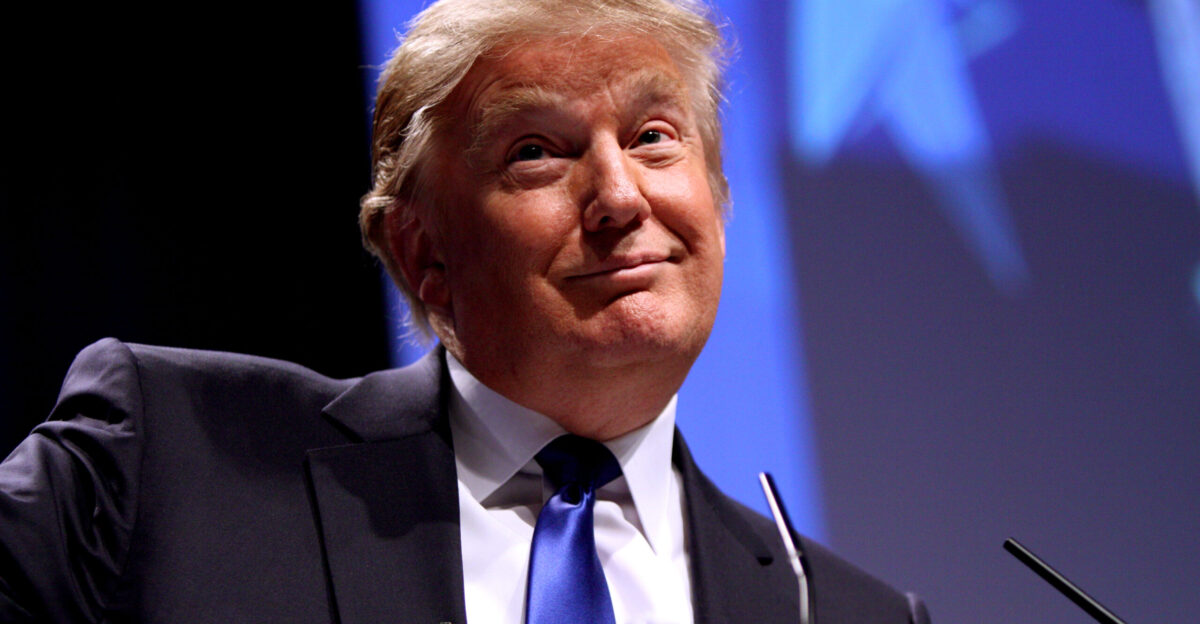
In a surprise, Trump explicitly tied the shutdown to his Project 2025 agenda. On Oct. 2 he said he’d meet with OMB boss Russell Vought “to determine which of the many Democrat Agencies… will be cut”.
He crowed on social media, “I can’t believe the Radical Left Democrats gave me this unprecedented opportunity”. With Vought drafting cut lists, the White House weaponized the funding lapse for ideological ends.
Transit Funding Targets New York

One early target was New York City. OMB froze about $18 billion in transit infrastructure funding – notably for the Hudson River tunnel and Second Ave. subway, projects backed by Democratic leaders.
That suspension hits millions of daily commuters and thousands of union workers. The move shows how shutdown tactics can suspend key projects in opposition strongholds.
Leaders and Families in the Crossfire
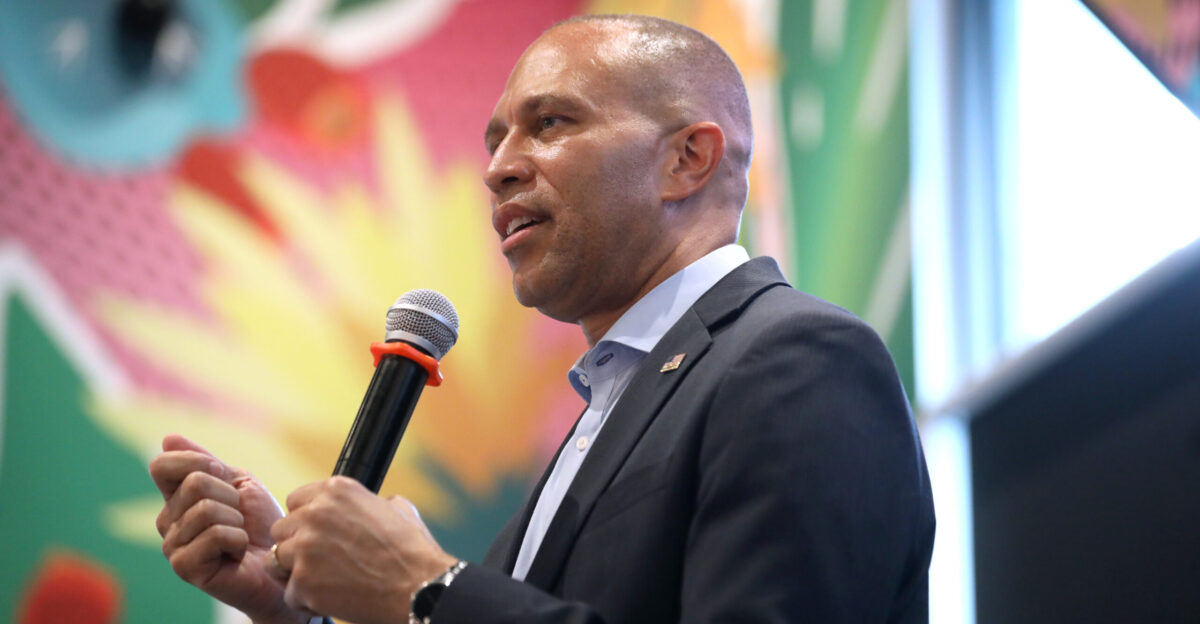
Democratic leaders denounced the freeze as political. House Minority Leader Hakeem Jeffries blasted the action as deliberate: “The cruelty is the point”. Meanwhile, federal workers’ families are already struggling.
Coast Guard spouse Jaime Billert told ABC News, “Your dad’s not getting paid right now. That’s our sole source of income”. Across the country, furloughed parents and spouses face sudden income gaps.
Attacks on Green Energy and Media
The White House also targeted Democratic priorities nationwide. The Energy Department halted roughly $7.6–8.0 billion in clean-energy grants to 16 Democratic-leaning states, and even U.S.-funded Voice of America broadcasts were cut offline for the first time in decades.
Analysts say these moves mix budget cuts with ideology: Reuters notes the administration is using the shutdown “to punish his political opponents”.
GDP and Business Hit Hard

Every corner of the economy feels the impact. EY-Parthenon economists estimate each week of shutdown shaves about 0.1–0.2 percentage points from GDP, roughly $7 billion of lost growth.
The travel industry warns of about $1 billion in weekly lost revenue as parks close and passport processing halts. Local businesses near federal offices see sales drop. And federal contractors – unlike civil servants – get no back pay for the idle weeks, meaning some earnings are gone for good.
Unions Seek Court Intervention

However, unions moved immediately to block the firing spree. On Oct. 1, the AFGE and AFSCME unions sued, arguing that mass layoff plans violate the Antideficiency Act.
Their complaint stresses that “nothing…authorizes RIFs of employees” during a funding lapse. AFGE President Everett Kelley blasted the threats as “not only illegal – it’s immoral and unconscionable”. The case could force judges to confront the president’s limits in a shutdown.
Staffers Warn of Legal Risk

Inside the government, alarms are sounding. Senior civil servants say internal lawyers privately warned the White House that firing workers during a shutdown likely breaks the law.
Some agencies have sketched cut lists, but career managers cautioned that mass layoffs now (and paying severance) might violate appropriations rules. The administration insists cuts are needed, but officials worry that gutting agencies mid-shutdown could cripple key programs.
Vought at the Helm of Restructuring
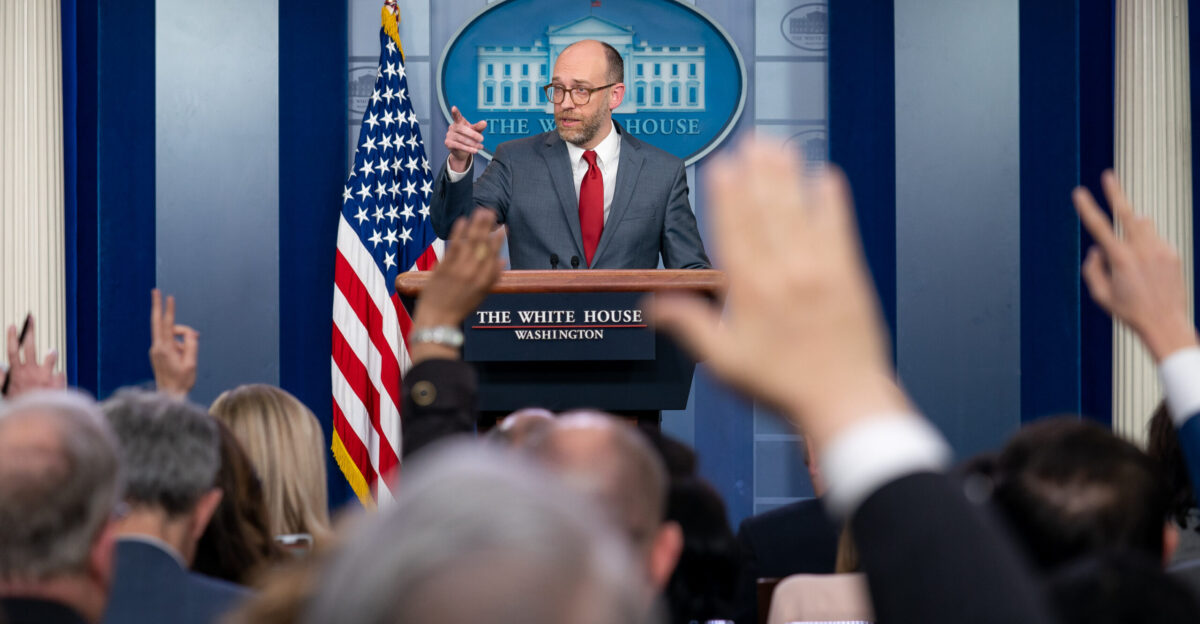
Indeed, Budget Director Russell Vought has become the pivot of these plans. AP notes he “emerged as a central figure in the shutdown”. Previously, Vought quietly canceled $4.9 billion in foreign aid via pocket rescissions, and allies say he may wield rescissions on a far larger scale.
Vought’s approach – asking what Trump wants and then engineering a solution – has turned OMB into the engine of a sweeping federal overhaul.
Democrats Resist and Rally the Public
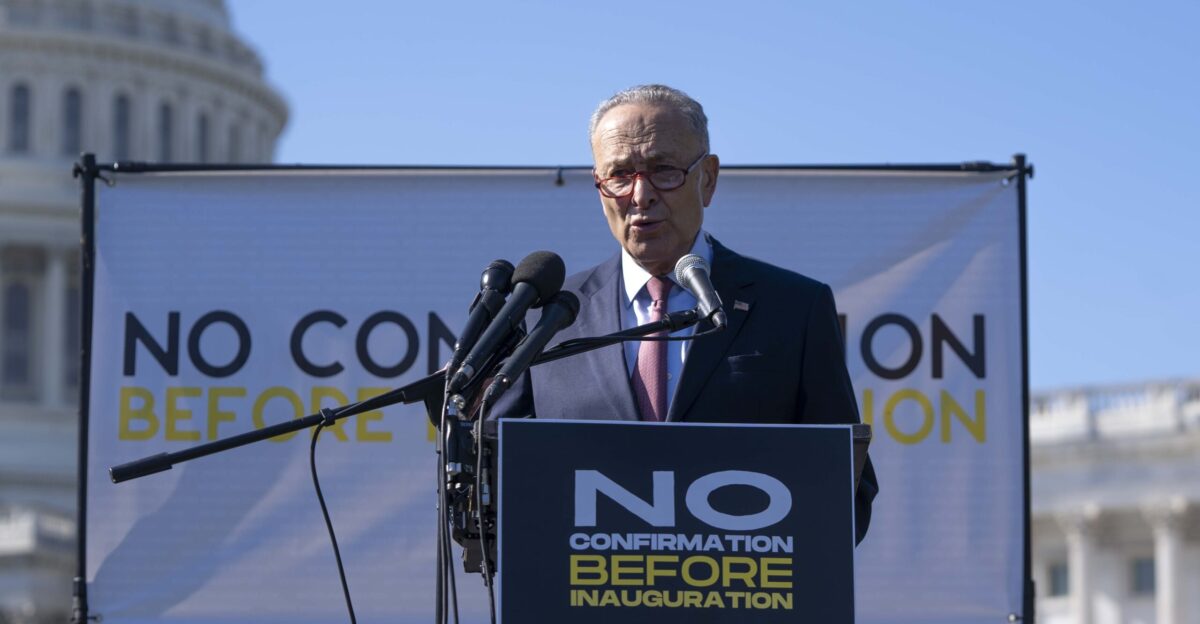
Democrats vow not to blink. Senate leader Chuck Schumer branded the firing threats “an attempt at intimidation”, and others likened them to “mafia-style blackmail” of public employees.
GOP strategists hope voter backlash will force concessions, but leaders on both sides now brace for a lengthy impasse. For now, there is no sign of a quick settlement as lawmakers dig in.
Constitutional Limits Questioned

Legal scholars warn that this fight tests U.S. constitutional boundaries. Courts have so far allowed many of Trump’s bold moves to go forward, with Reuters noting they have let the President’s “aggressive…uses of executive authority proceed largely unhindered” in ways that “undermine Congress”.
Turning shutdowns into a tool for cutting agencies raises serious separation-of-powers questions. Any court ruling could redefine the balance between the branches.
Controllers’ Walkout Could Force an End

A critical test will be transportation. In 2019, a rash of sick calls by unpaid air traffic controllers caused major flight delays and helped force an end to that shutdown.
Today about 14,000 controllers still work without pay. If history repeats and staffing lapses trigger airport chaos – and even TSA delays – it could rapidly shift public pressure, compelling the White House to restart funding as it once did.
Executive Power vs Congressional Authority
Trump’s open embrace of Project 2025 signals a broader power play. Using a budget stalemate to purge agencies essentially claims expanded executive control over spending. Critics say this directly challenges Congress’s constitutional role.
Reuters reports the Supreme Court has often allowed such emergency moves “in ways…that undermine Congress”. If litigation reaches the high court, it could become a landmark test of separation of powers.
International Influence at Stake

The shutdown’s impact even reaches abroad. With VOA off the air, U.S. government broadcasts to foreign audiences have effectively ended. Former CIA Director William Burns condemned the purge of career officials as “a retribution campaign—of a war on public service and expertise”.
Allies warn that gutting expertise and communications assets “signals weakness” to adversaries like China and Russia, weakening America’s global standing just when it needs it most.
Legal Battles and Agency Appeals

Courts and boards are now the front lines. This week a Merit Systems judge certified a class of 1,700 Interior Department probationary employees to challenge their firing. But the Merit Board itself is paralyzed – Trump ousted two board members, leaving no quorum to issue decisions. Meanwhile, federal unions have dozens of active lawsuits.
The result could be conflicting rulings on the administration’s authority, prolonging legal chaos.
Public Divisions Over Government Role

The shutdown has exposed deep public divides. Surveys show 80% of Republicans now favor a smaller government with fewer services, while 65% of Democrats support a larger government with more services.
Younger voters skew toward the latter view. Trump’s push to shrink federal agencies appeals to his base’s anti-bureaucracy sentiment, but it risks alienating many independents and Democrats who depend on government programs. The standoff may harden these generational and partisan gaps.
Setting a Dangerous Precedent
Ultimately, this shutdown may redefine how the U.S. governs. Economic analyses note the last long shutdown cut GDP by ~$11 billion, with ~$3 billion irrecoverable. But more troubling is the precedent: if funding gaps now routinely end with ideological cuts, each fiscal deadline becomes a constitutional showdown.
In that scenario, failing to pass a budget wouldn’t just pause services – it could trigger full-blown policy feuds, a fundamental shift in American governance.