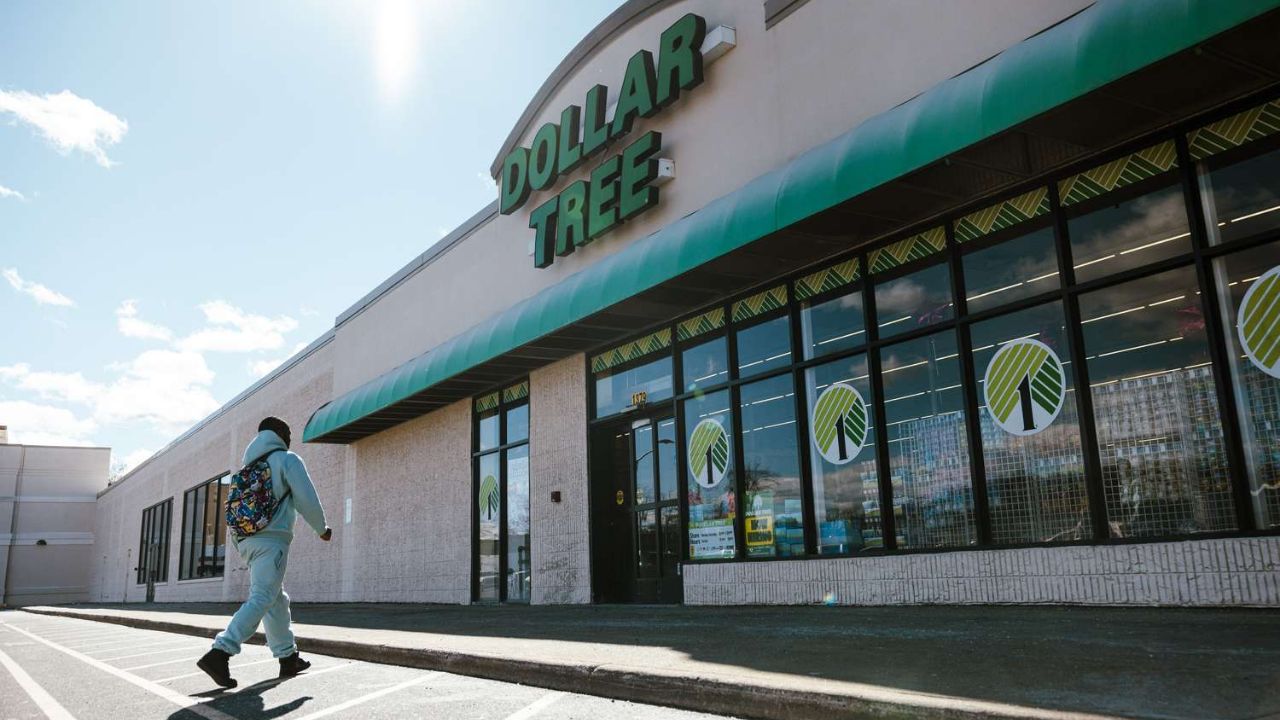
In March 2025, Dollar Tree shoppers across the U.S. were met with a new reality: the era of the $1 store was over. Ramen noodles, once a staple at $1.25, now cost $1.50. Aluminum foil pans climbed to $1.75. For millions of Americans who rely on discount retailers for everyday essentials, these price hikes signaled a profound shift in the landscape of affordable shopping.
Tariffs, Inflation, and the Supply Chain Squeeze
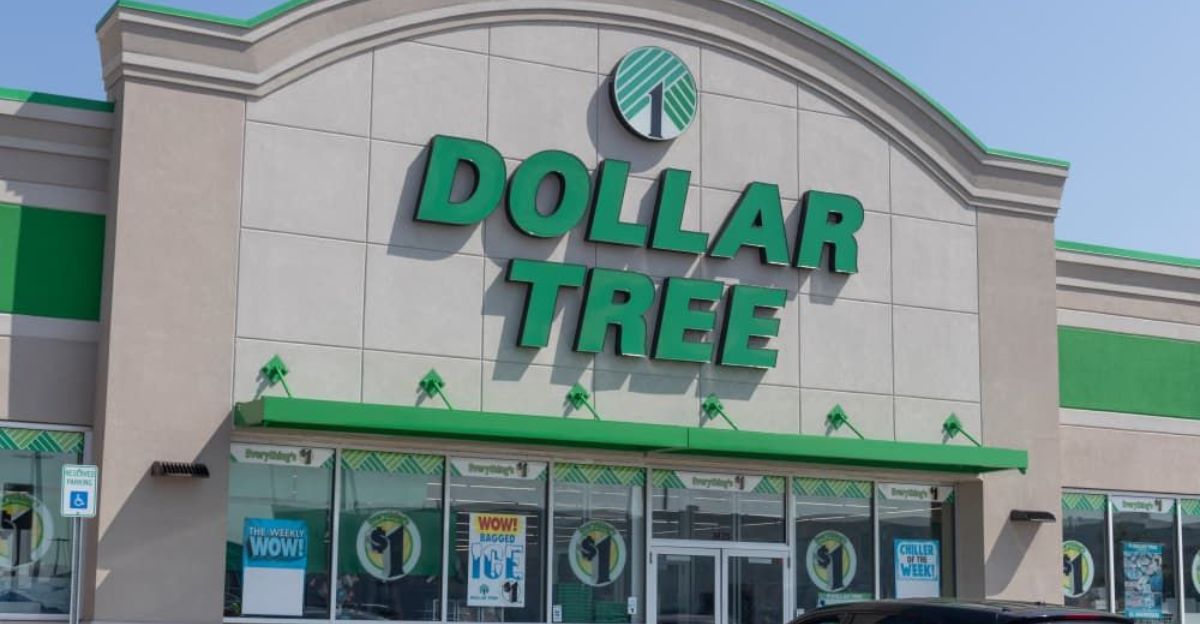
The latest round of price increases at Dollar Tree was driven by a confluence of economic pressures. Chief among them were rising tariffs on Chinese imports, which have steadily increased the cost of goods for U.S. retailers. Dollar Tree, which sources about 40% of its inventory from overseas, faced mounting expenses as tariffs and global supply chain disruptions pushed import costs higher. Inflation compounded the problem, raising the price of everything from raw materials to transportation. According to company leadership, these factors left little choice but to adjust prices upward to maintain profitability.
For consumers, the impact was immediate and tangible. A shopping trip that once totaled $25 now cost closer to $28 or $30. For families living paycheck to paycheck, these incremental increases added up, straining already tight budgets.
A New Pricing Model and Shifting Strategies
To navigate these challenges, Dollar Tree rolled out a three-tier pricing strategy across its stores. The original “1.0” store format kept most items at $1.25, but newer “2.0” and “3.0” formats introduced aisles with products priced up to $7. This approach allowed the company to retain its core value-focused customers while expanding its offerings to include higher-margin goods. Company executives emphasized that the vast majority of items would remain at the $1.25 entry-level price point.
The changes at Dollar Tree rippled through the discount retail sector. Family Dollar, which Dollar Tree sold in July 2025 for $1 billion, and competitors like Five Below also faced pressure to raise prices. As these chains adjusted, the entire discount landscape shifted, making it harder for Americans to find ultra-low-cost goods.
Global Trade and Labor Costs Reshape Retail

The effects of U.S. tariffs extended far beyond store shelves. Manufacturers, seeking to avoid steep duties on Chinese goods, began relocating production to countries such as Vietnam, India, and Mexico. While this diversification helped some companies sidestep tariffs, it introduced new challenges: higher labor costs, longer shipping times, and increased complexity in global supply chains. Ultimately, these costs were passed on to retailers and, by extension, to consumers.
Labor costs within the U.S. also played a significant role. As wages for warehouse and retail workers rose in a competitive job market, Dollar Tree and its peers faced higher operational expenses. These increases further eroded the razor-thin margins that define discount retail, making price hikes all but inevitable.
Political and Consumer Responses
The economic pain caused by tariffs and inflation did not go unnoticed in Washington. Lawmakers, including Senator Elizabeth Warren, criticized trade policies that they argued disproportionately hurt working families. The debate over tariffs highlighted a growing political divide over how best to protect American jobs while keeping consumer prices in check.
Meanwhile, inflation continued to erode purchasing power, especially for households earning under $50,000 a year. As prices climbed, shoppers were forced to make difficult choices, cutting back on non-essentials or seeking out alternative retailers.
Big-box giants Walmart and Target, with their vast scale and diversified sourcing, weathered the storm more effectively. By shifting to private-label goods and adopting their own tiered pricing strategies, they managed to keep many prices competitive, drawing in cost-conscious shoppers who might once have relied on dollar stores.
Ripple Effects for Small Businesses and Other Sectors
The impact of Dollar Tree’s price increases extended beyond individual consumers. Small businesses—restaurants, caterers, salons, and daycare centers—that depended on discount retailers for affordable supplies faced higher operating costs. Many were forced to either absorb these expenses, reducing their profit margins, or pass them on to customers through higher prices.
Other industries, including pet food, fertilizer, and cleaning supplies, faced similar pressures from tariffs and inflation. As costs rose across the board, consumers found themselves adjusting their purchasing habits, seeking value wherever they could find it.
The Future of Discount Retail
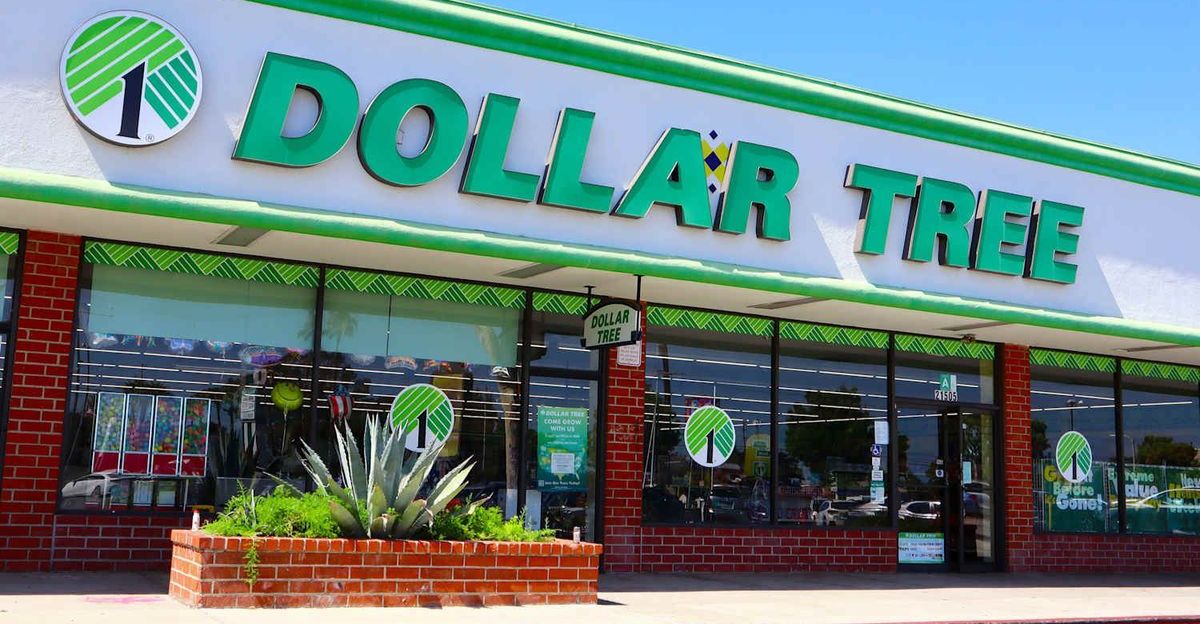
Despite higher prices, Dollar Tree reported a 3% increase in store traffic in the second quarter of 2025, suggesting that demand for value remains strong even as the definition of “discount” evolves. Social media buzzed with debate over whether the “dollar store era” had truly ended, as shoppers shared their experiences and questioned the store’s identity.
Winners in this new landscape included discount grocers like Aldi and warehouse clubs such as Costco, which saw increased traffic from budget-conscious shoppers. But for many low-income families, the loss of true dollar pricing meant fewer affordable options and tougher choices at the checkout.
As Dollar Tree’s stock performed strongly over the course of 2025, analysts predicted further evolution in the sector. The $1 store era, which began over three decades ago, effectively ended in 2021 with the first price hike to $1.25. Looking ahead, the discount retail market is likely to remain segmented, with a range of price points and product categories reflecting the new economic realities. The stakes are high for both retailers and consumers as they navigate a landscape defined by rising costs, shifting trade policies, and the enduring search for value.