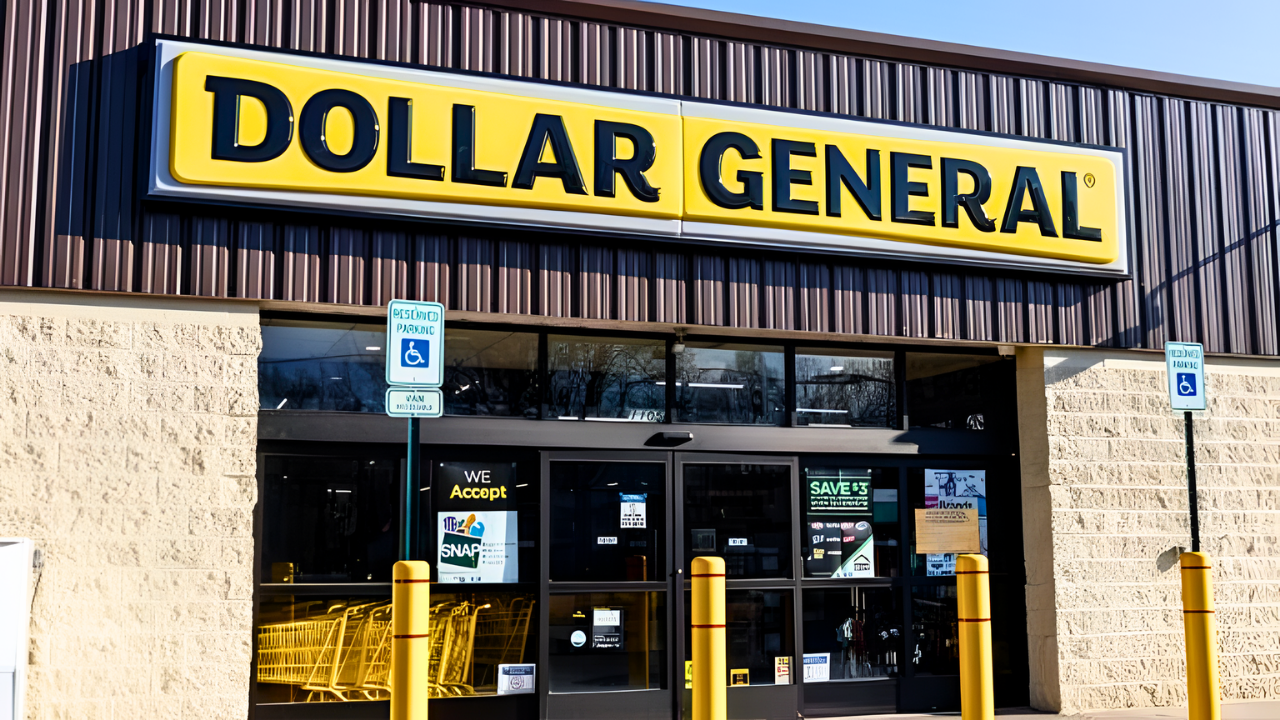
Dollar General, one of the most ubiquitous discount chains in the United States, is facing intense scrutiny in Pennsylvania after a four-year investigation found widespread pricing discrepancies at its stores. On December 9, 2025, state officials announced a $1.55 million settlement with the company, concluding that customers at more than 900 locations had routinely been charged more at the register than the prices displayed on store shelves. The case has become a high-profile test of how far regulators will go to protect consumers—particularly low-income shoppers—when basic pricing accuracy breaks down.
Pricing Problems Hidden in Plain Sight
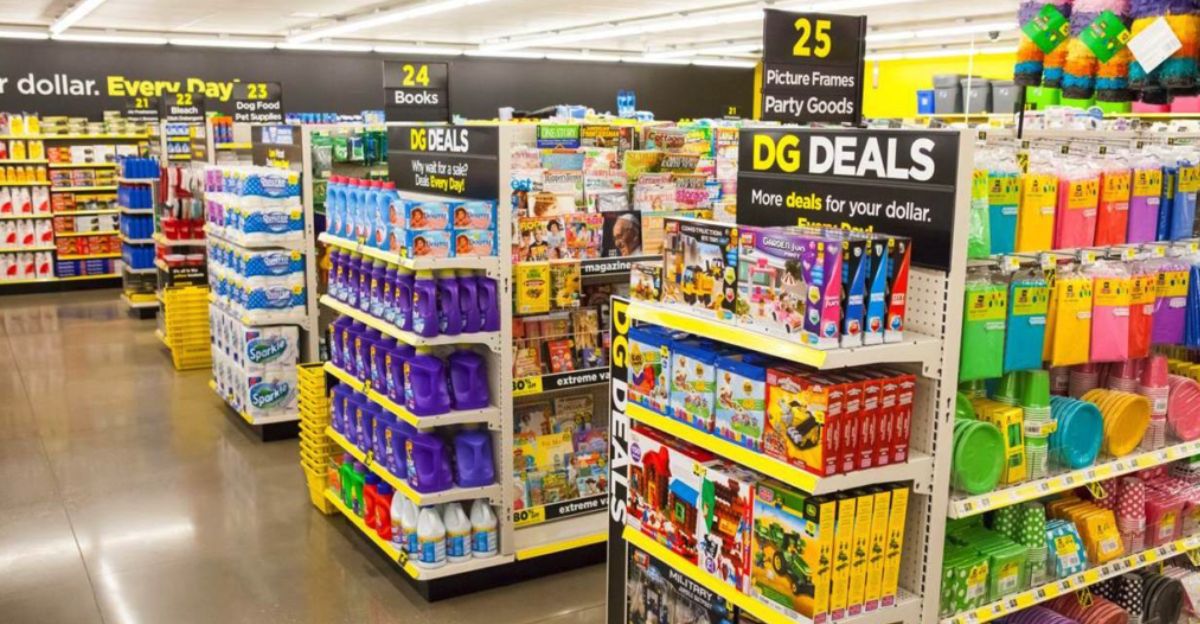
According to the Pennsylvania Attorney General’s Office, inspectors documented persistent failures at Dollar General between 2019 and 2023, with more than 40% of stores flunking state pricing checks during that period. Investigators linked the overcharges to outdated shelf tags, chronic understaffing, and slow price updates as promotions and product costs changed. Those gaps created a pattern in which the price scanned at the register exceeded the shelf label, turning routine shopping trips into what officials described as a “pricing trap” for unwitting customers. The problem was not isolated to a handful of outlets; with hundreds of stores involved, regulators concluded that millions of transactions may have been affected.
Consumers Hit During a Cost‑of‑Living Squeeze
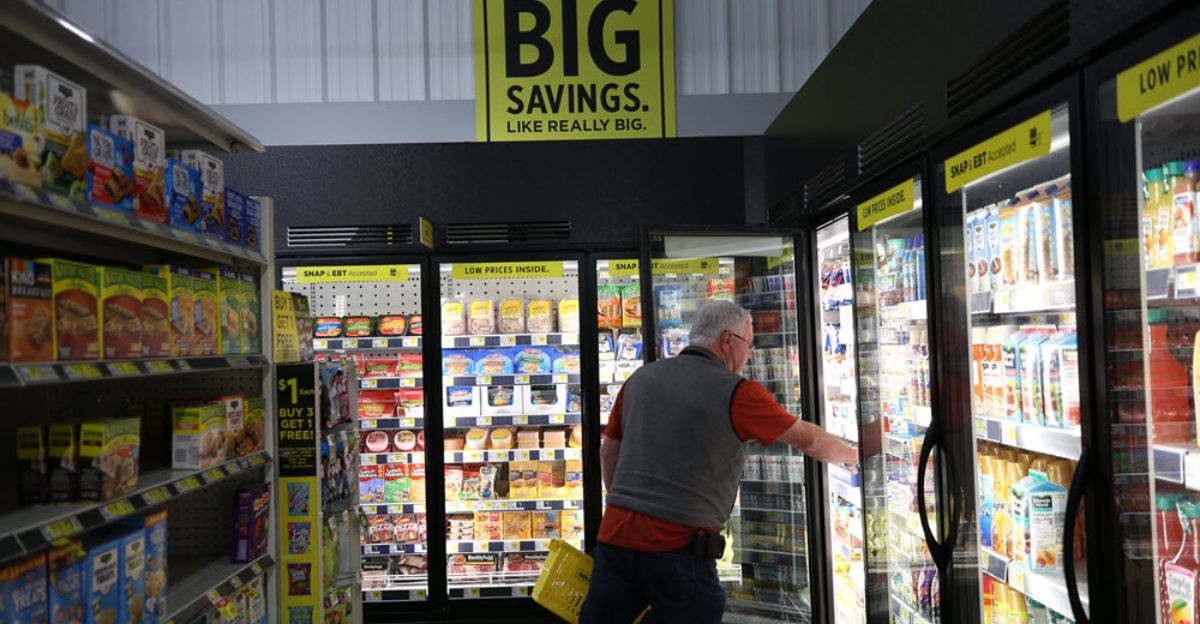
The timing of the violations increased their impact. As Pennsylvania residents coped with rising food, fuel, and housing costs from 2019 through 2023, many turned to discount chains to stretch tight budgets. Instead, shoppers at Dollar General often paid more than advertised for everyday items such as groceries, cleaning supplies, and basic household goods. State Attorney General Dave Sunday condemned the pattern as “blatant deception,” arguing that consumers reasonably relied on posted shelf prices when making purchasing decisions. For low-income families, advocates say, even small overcharges across multiple visits can erode already fragile finances and deepen mistrust of retailers that present themselves as budget-friendly lifelines.
New Compliance Rules Inside the Stores
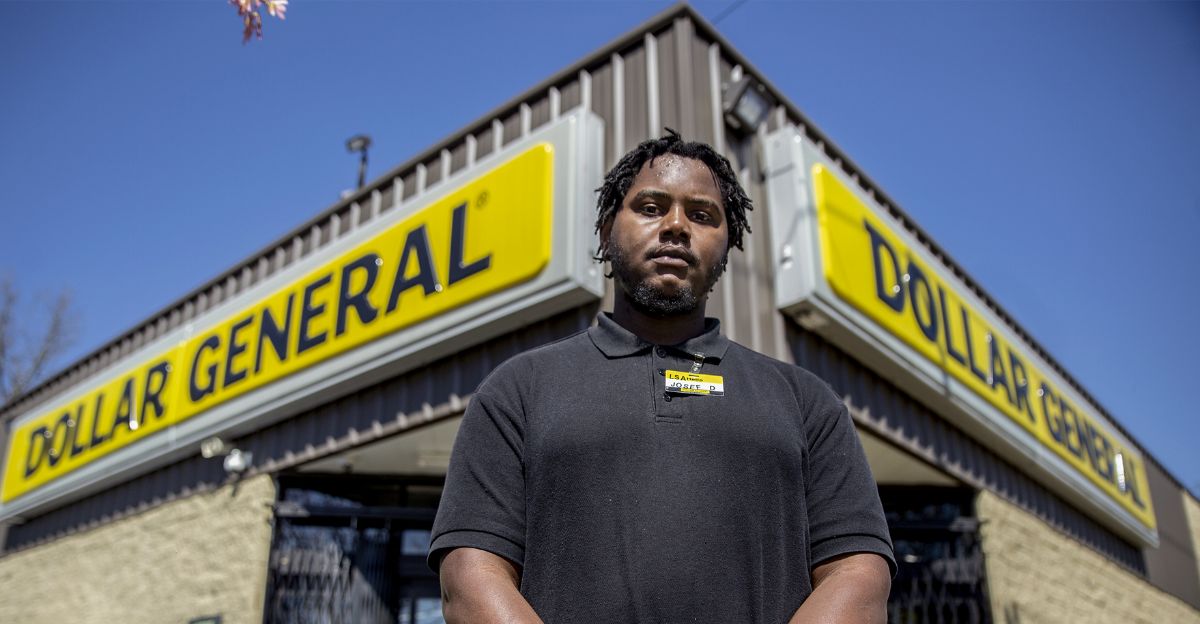
Under the settlement, Dollar General has agreed to overhaul how it manages prices in Pennsylvania. Stores must now update shelf tags at least weekly and correct any identified pricing discrepancy within 24 hours. The company is also required to honor the lowest displayed price when differences arise, giving customers a clear remedy at the checkout counter. To enforce these changes, Dollar General will conduct at least two unannounced internal pricing audits per store each year. Locations that fail three audits in a 12‑month span will face heightened inspections and additional corrective measures. Employees, from cashiers to stockers, will receive enhanced training on pricing procedures, but they will also work under tighter standards and closer monitoring than before.
Ripple Effects for Competitors, Regulators, and Investors
The settlement has implications far beyond Dollar General’s Pennsylvania footprint. With the company operating thousands of stores nationwide, attorneys general in other states are watching the case closely and may launch their own probes into pricing practices. Other discount and grocery chains, eager to differentiate themselves, are already emphasizing accurate scanning and clear guarantees about honoring advertised prices in their customer messaging. Suppliers and technology vendors that provide pricing systems to retailers may also feel pressure, as companies seek tools that reduce human error and allow faster, more reliable updates.
For policymakers, Pennsylvania’s case underscores the potency of existing consumer protection laws. Officials have framed the outcome as evidence that statutes like the state’s Unfair Trade Practices and Consumer Protection Law can be used aggressively to address everyday harms that may otherwise go unnoticed. The settlement is likely to encourage further discussions in other jurisdictions about strengthening enforcement or modernizing statutes to keep pace with large-scale, multistate retailers.
What It Means for Shoppers and the Road Ahead
One notable aspect of the agreement is that the $1.55 million payment goes to the state, not directly to affected customers. That has raised questions about who ultimately benefits when a large corporation is penalized for relatively small but widespread overcharges. Competitors may gain from any loss of trust in Dollar General, while the company must absorb both the financial hit and the cost of new compliance systems as it works to repair its reputation with value-conscious shoppers and investors wary of operational missteps.
Consumer advocates and state officials are urging shoppers to become more vigilant at the checkout line—checking receipts, comparing them to shelf tags, and documenting discrepancies. Under the settlement, Dollar General is obligated to correct overcharges and honor the lowest price, but it remains up to customers to spot and report problems. The agreement, filed as an Assurance of Voluntary Compliance in Allegheny County, ensures that Pennsylvania regulators will continue to monitor the chain’s performance. Future inspections and any new complaints will help determine whether the company’s new controls are sufficient or whether deeper reforms are needed. For retailers nationwide, the case stands as a reminder that even small errors repeated at scale can trigger major legal consequences and reshape expectations for transparency and fairness in everyday shopping.
Sources
“Attorney General Dave Sunday Obtains $1.55 Million Settlement with Dollar General for Overcharging Pennsylvania Consumers.” Pennsylvania Office of Attorney General, 8 Dec 2025.
“Dollar General to pay $1.55 million for allegedly overcharging Pennsylvania customers.” PhillyVoice, 8 Dec 2025.
“Dollar General to pay Pennsylvania $1.5 million after investigation finds overcharging at checkout.” CBS News Pittsburgh, 9 Dec 2025.
“Dollar General to Pay $1.55 Million in Pennsylvania Settlement Over Pricing Practices.” Franklin County Free Press, 9 Dec 2025.