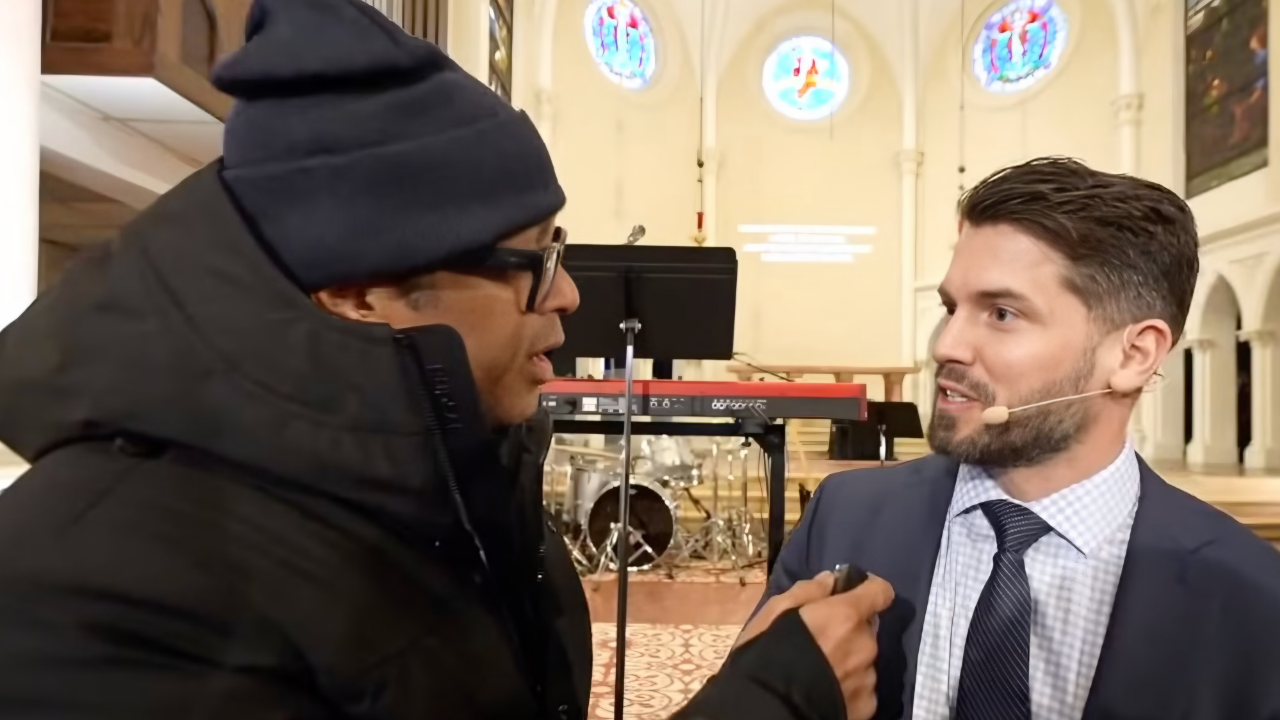
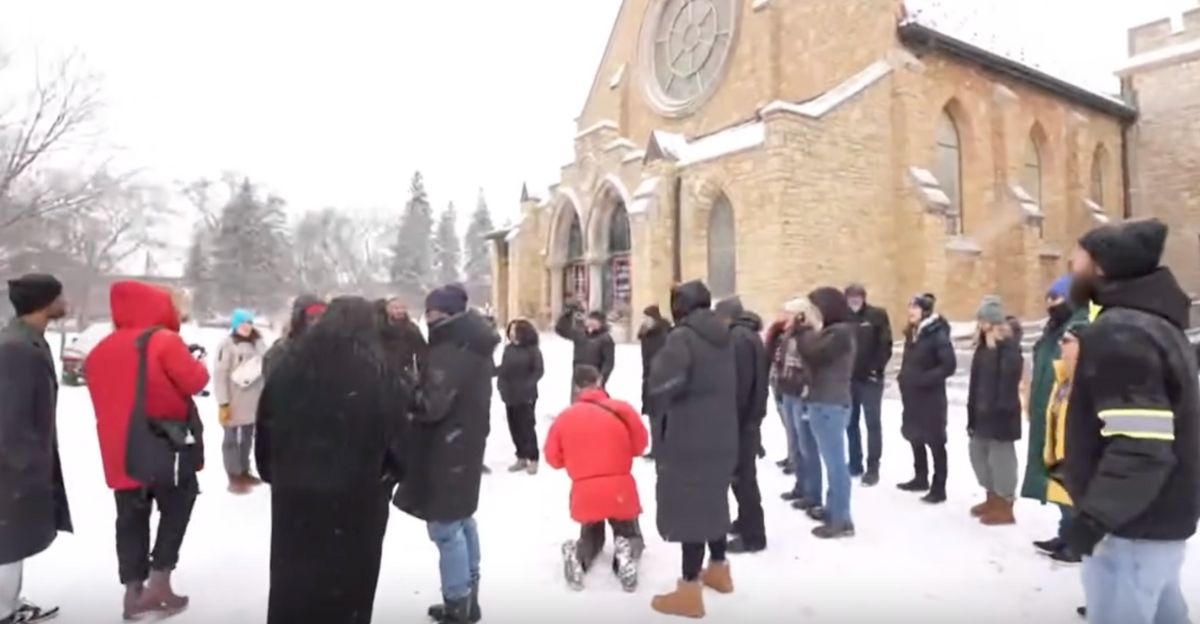
On Sunday, January 19, 2026, approximately 30 to 40 protesters entered Cities Church in St. Paul, Minnesota, during worship services. Their target was David Easterwood, a pastor who also serves as the acting field director of the local Immigration and Customs Enforcement office. Chanting “ICE out!” and “Justice for Renee Good,” the protesters disrupted the sanctuary for about 25 minutes.
However, the most significant development that day was the federal investigation that would follow, reaching back 155 years to Reconstruction and pulling in Don Lemon, the 59-year-old former CNN host who was livestreaming the event.
Why Renee Good’s Death Sparked the Protest
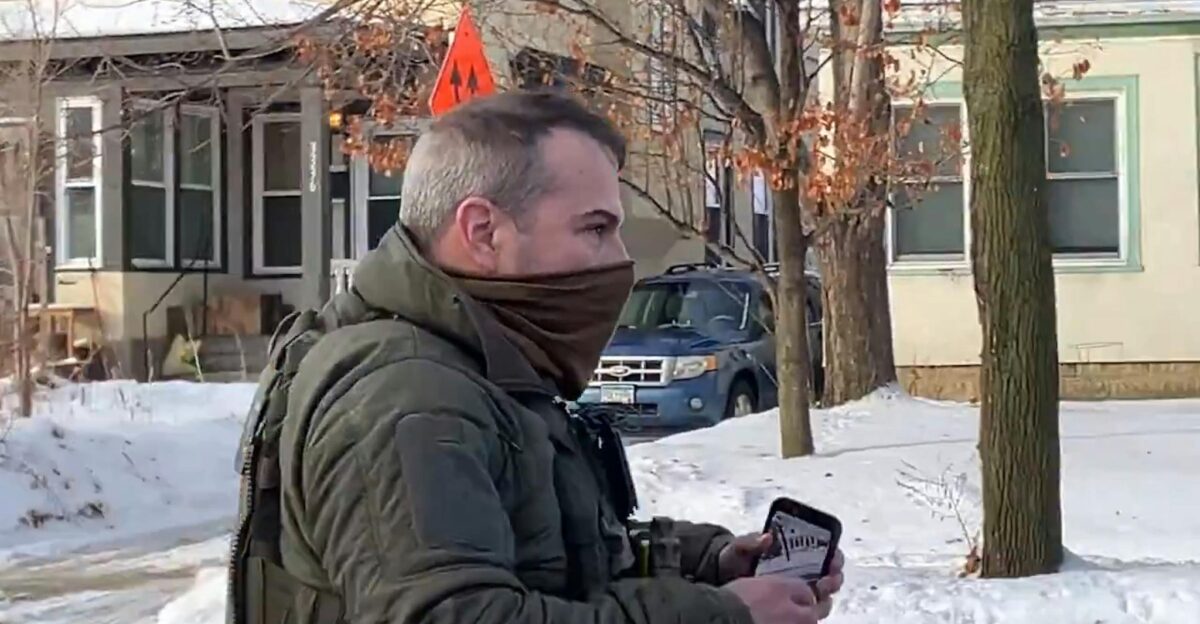
On January 7, 2026, ICE agent Jonathan Ross fatally shot Renee Good, a 37-year-old mother of three, on a Minneapolis street. The Department of Homeland Security claimed Good was “attempting to run over” law enforcement officers. Minnesota officials and witnesses disputed this account entirely.
Video footage showed Good inside a stopped vehicle when the shooting occurred. Her death sparked immediate outrage across the state. Protesters demanded accountability and an end to aggressive ICE operations in Minnesota.
Don Lemon Arrives With a Camera
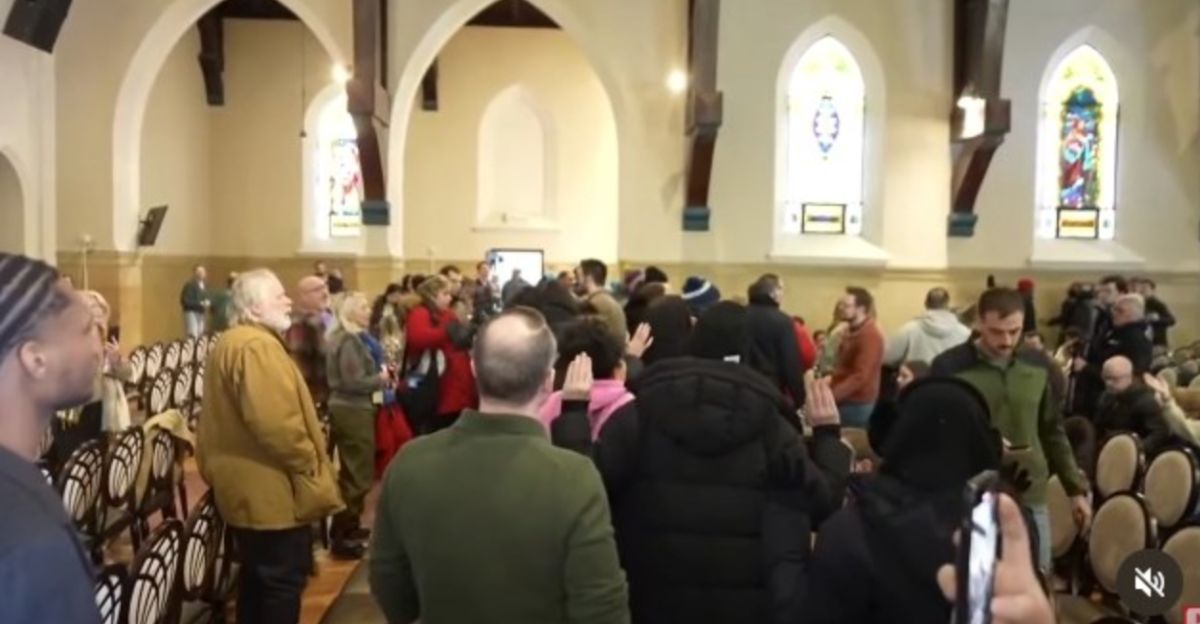
Don Lemon, the 59-year-old former CNN host, was at Cities Church that morning with a livestream capability. In a video posted later that night, Lemon stated he “had no affiliations with that organization” and “no prior knowledge that protesters planned to enter the church.” He characterized his role as purely journalistic—covering a story, not organizing one.
Yet prosecutors are now examining whether the line between coverage and participation has blurred. The distinction between observer and participant will determine whether federal charges are appropriate and whether First Amendment protections apply.
A Kiss Becomes Potential Evidence
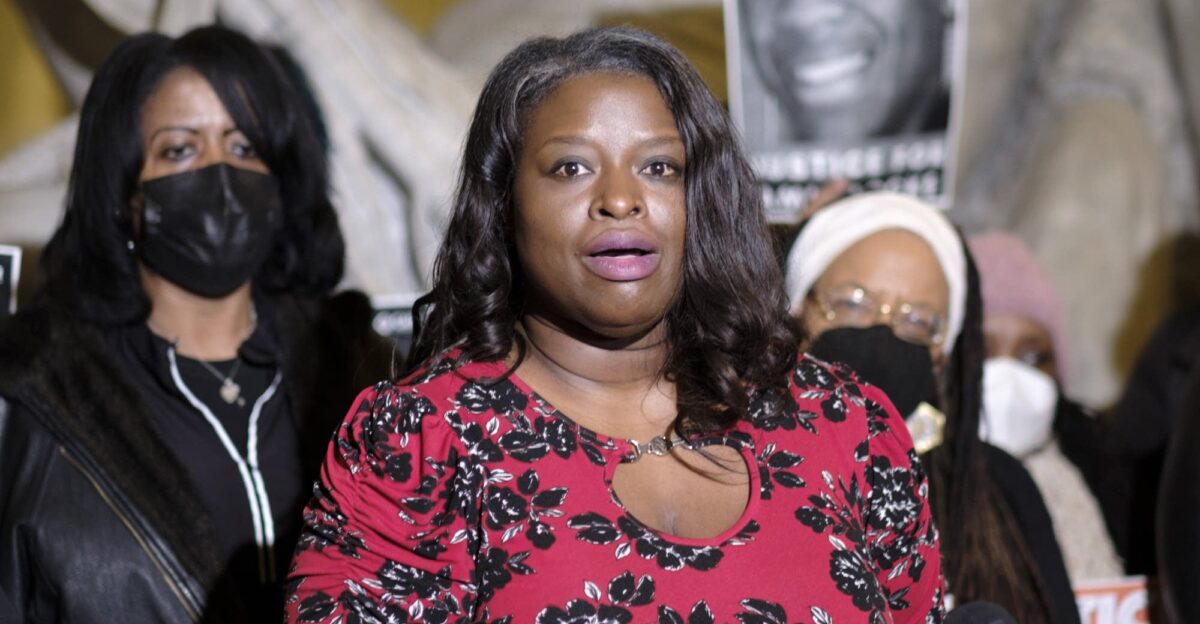
Video captured at the protest shows Lemon greeting protest organizer Nekima Levy Armstrong with a kiss on the cheek. That single gesture, prosecutors could argue, demonstrates ties closer than journalistic to the protest. Levy Armstrong, a civil attorney, had organized the demonstration and was actively coordinating with other groups to target Easterwood.
The kiss is now part of the federal investigation, a physical detail that prosecutors will use to question whether Lemon was merely observing or actively participating.
The Quote That Ignited the Firestorm
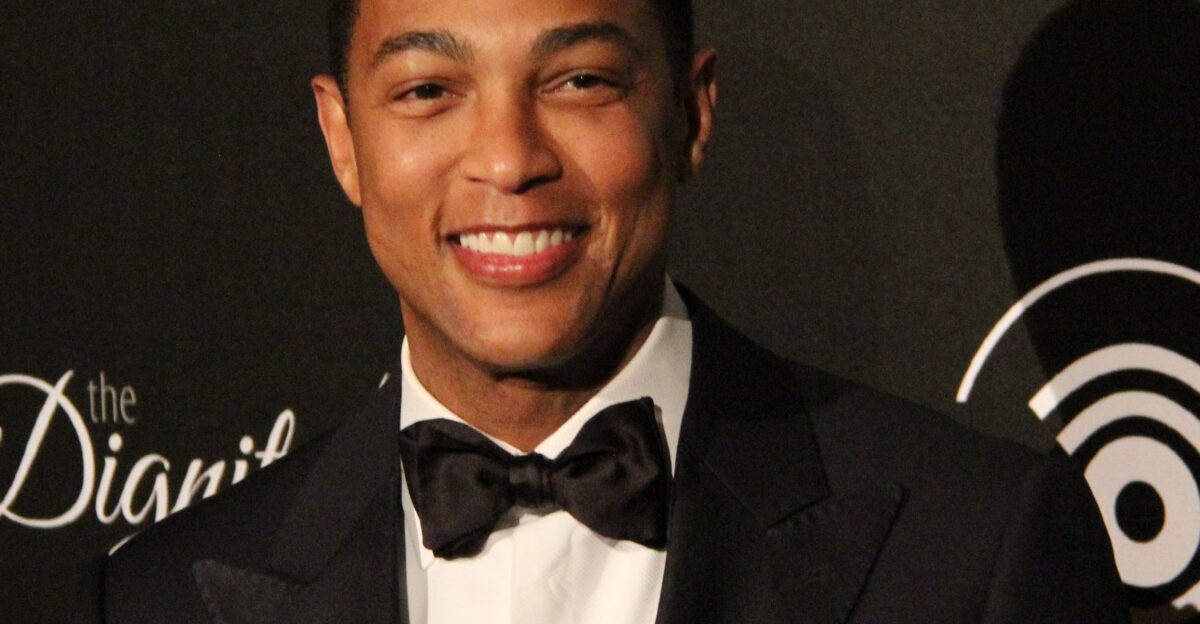
In an interview with IHIP News on January 20, 2026, Lemon described the church’s congregation and their beliefs. He characterized certain religious groups as having “a sense of entitlement” that “comes from a supremacy, a white supremacy.” He added that “they believe this nation was created for them, that it is a Christian nation.”
His comments were inflammatory and divisive. Conservative media seized on the remarks as evidence of bias against the congregation.
Harmeet Dhillon Puts Lemon ‘On Notice’
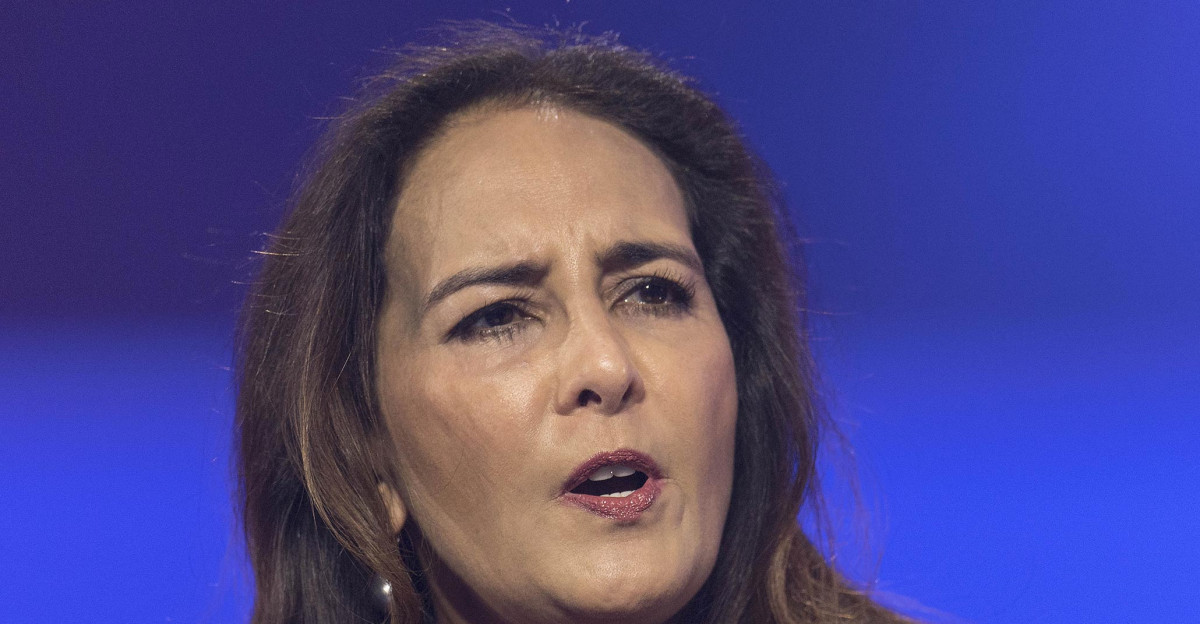
On January 19, Assistant Attorney General Harmeet Dhillon, the Trump-appointed head of the Civil Rights Division, posted directly to Lemon on X: “A house of worship is not a public forum for your protest! You are on notice.” The warning was explicit and severe.
Dhillon’s characterization of Lemon’s presence as “pseudo-journalism” foreshadows the prosecution’s central argument: that Lemon was not a neutral observer but an active participant using journalistic cover as a shield.
Two Statutes in the DOJ’s Crosshairs
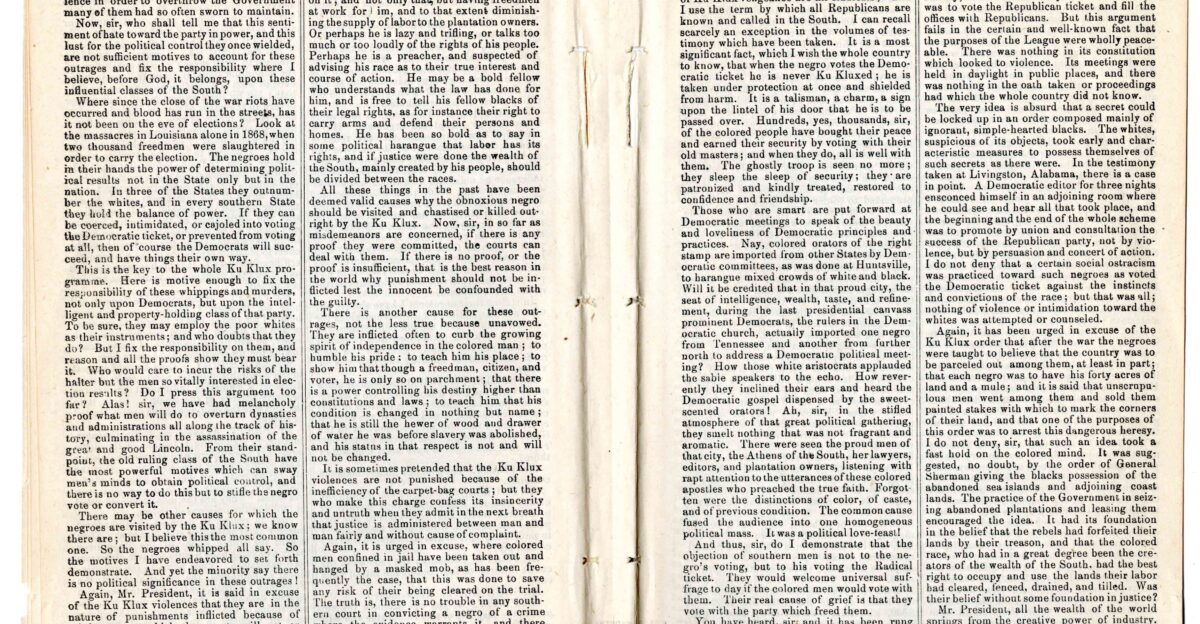
The Department of Justice is reviewing two distinct statutes as potential bases for prosecution. The FACE Act, passed in 1994, prohibits interference with religious worship. The second statute is far more significant: the Enforcement Act of 1871, commonly known as the Ku Klux Klan Act, which criminalizes conspiracy to deprive citizens of their constitutional rights.
Dhillon confirmed in an interview that the office is “assembling the facts” and charges are “fair to say” they’re coming. She emphasized the KKK Act as “one of the most important federal civil rights statutes.”
Understanding the Ku Klux Klan Act
During her interview on The Benny Johnson Show, Dhillon explained the statute’s reach. “Whenever people conspire this, the Klan Act can be used,” she said. She added a warning to the broader protest movement: “Everyone in the protest community needs to know that the fullest force of the federal government is going to come down and prevent this from happening.”
No specific threat was made directly to Lemon—it was a general warning to activists nationwide. Yet the message was unmistakable: the DOJ intends to use every available tool to prosecute.
The Historical Origins
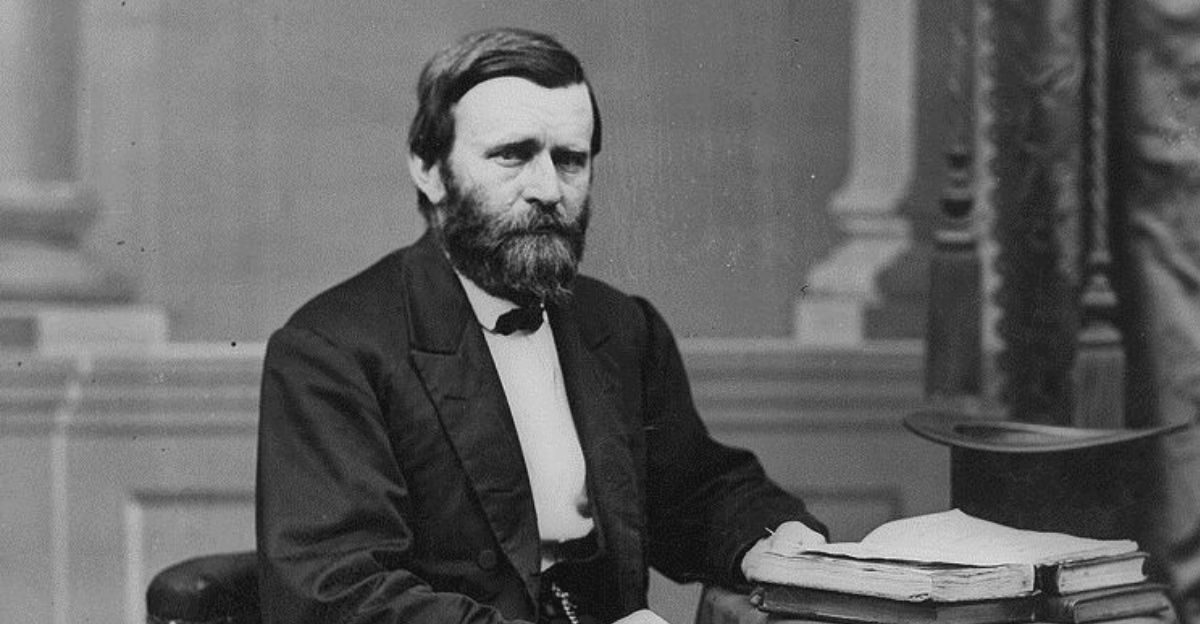
President Ulysses S. Grant signed the Enforcement Act into law on April 20, 1871, at the height of the Ku Klux Klan’s campaign of terror against newly freed Black Americans. The law was designed as a sledgehammer against a specific crisis.
It authorized the president to deploy federal troops and suspend habeas corpus in areas where violence made the enforcement of normal law impossible.
A Rare and Controversial Modern Application
Modern prosecutors rarely invoke the 1871 law. It remains available with minor modifications, and courts have interpreted it expansively over 155 years of American jurisprudence. However, its use against protesters—and especially against a journalist—represents a significant departure from typical federal practice.
Civil rights lawyers and legal experts have expressed concern that applying a Reconstruction-era statute against modern activists marks a radical shift in prosecutorial strategy.
The Pastor at the Center of the Storm
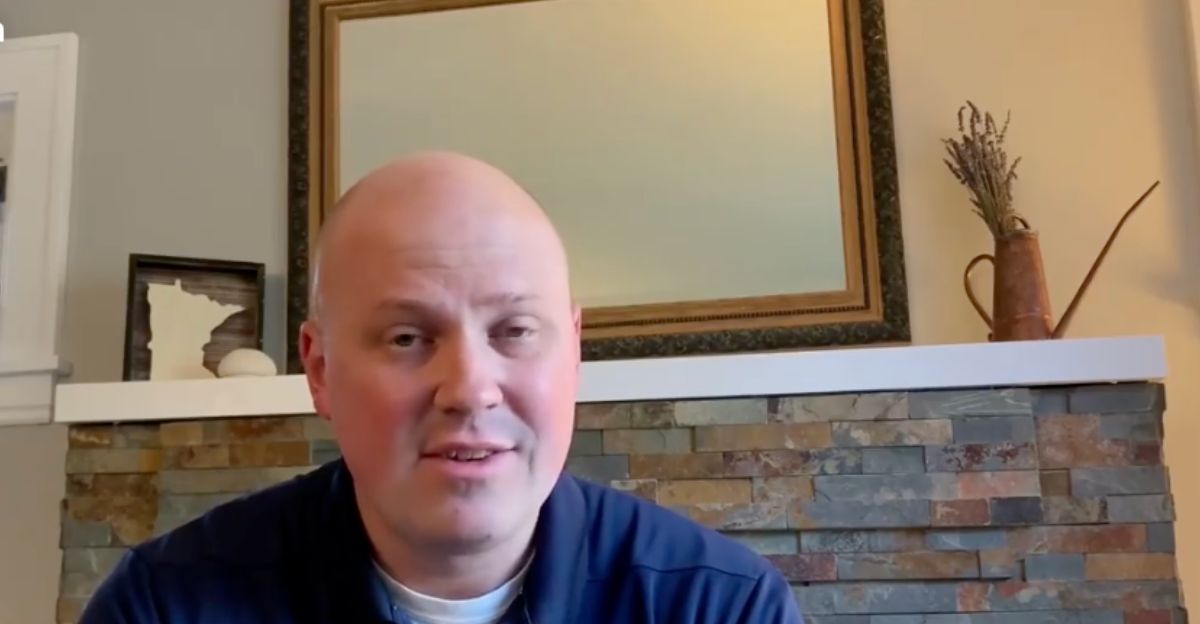
David Easterwood, the pastor and ICE official whose presence triggered the protest, was likely not present during the disruption. Church records and video footage suggest that Jonathan Parnell, another pastor at Cities Church, was leading the service that morning.
Yet Easterwood remains the focal point of the entire investigation. Public records identify him as the acting field director of ICE’s Enforcement and Removal Operations in St. Paul, a role he has held since 2015.
The First Amendment Battle Ahead
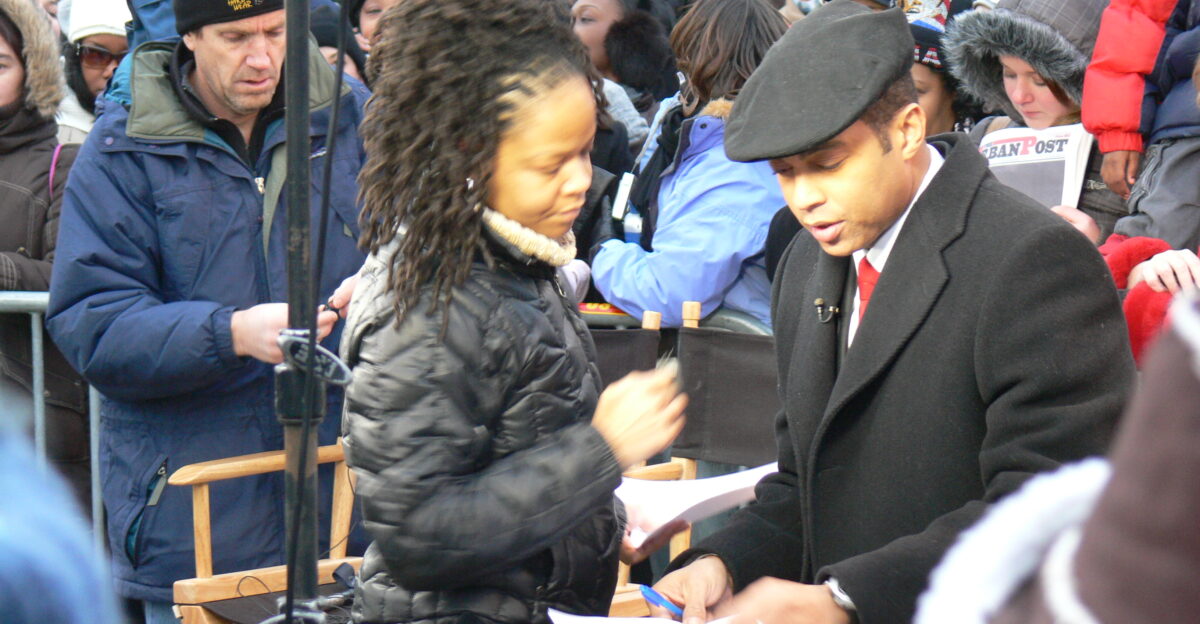
Lemon’s legal team will almost certainly assert robust First Amendment protections. Journalists have historically covered protests without facing criminal charges for their presence. The constitutional distinction between reporting and participating is becoming central to the case.
If Lemon was simply interviewing protesters and documenting the event for public consumption, First Amendment law suggests he should be protected. If he was actively encouraging or coordinating the disruption, that protection may be substantially weakened.
The ‘Pseudo-Journalism’ Accusation
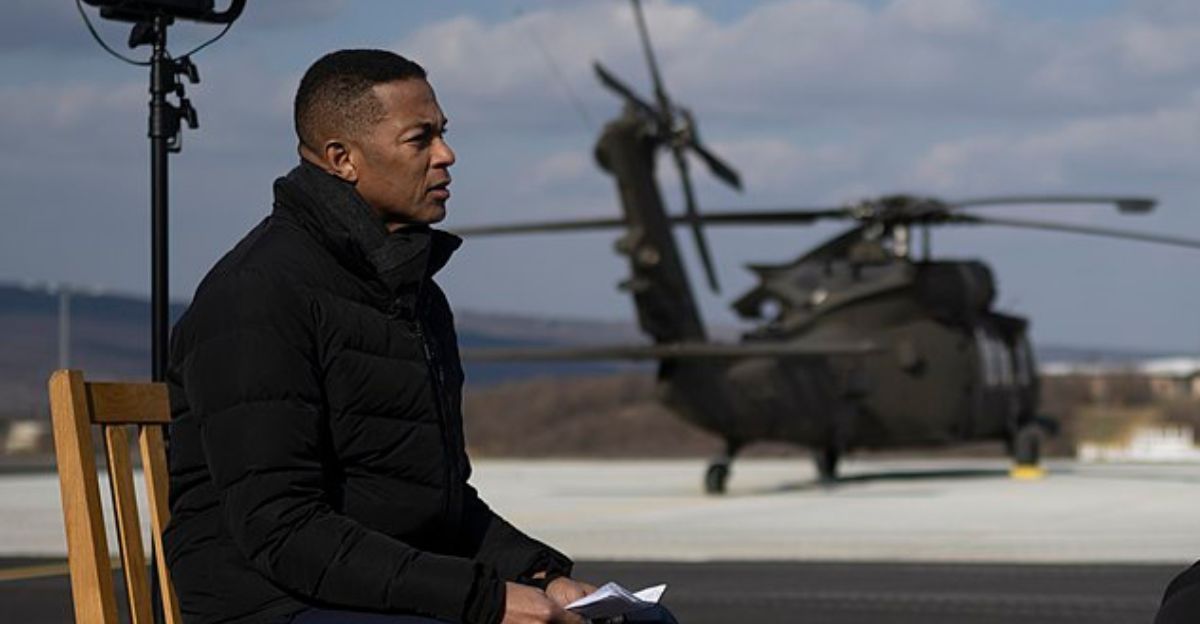
Dhillon’s criticism of “pseudo-journalism” reflects the prosecution’s potential theory: that Lemon was not a neutral observer but a participant using journalistic credibility as cover for activist involvement. The livestream, the greeting to Nekima Levy Armstrong, the inflammatory comments about the congregation—all could be framed as evidence of active participation rather than objective reporting.
This mirrors ongoing national debates about whether activist-journalists who blend reporting with advocacy forfeit traditional press protections.
Lemon’s Defense and His Perspective
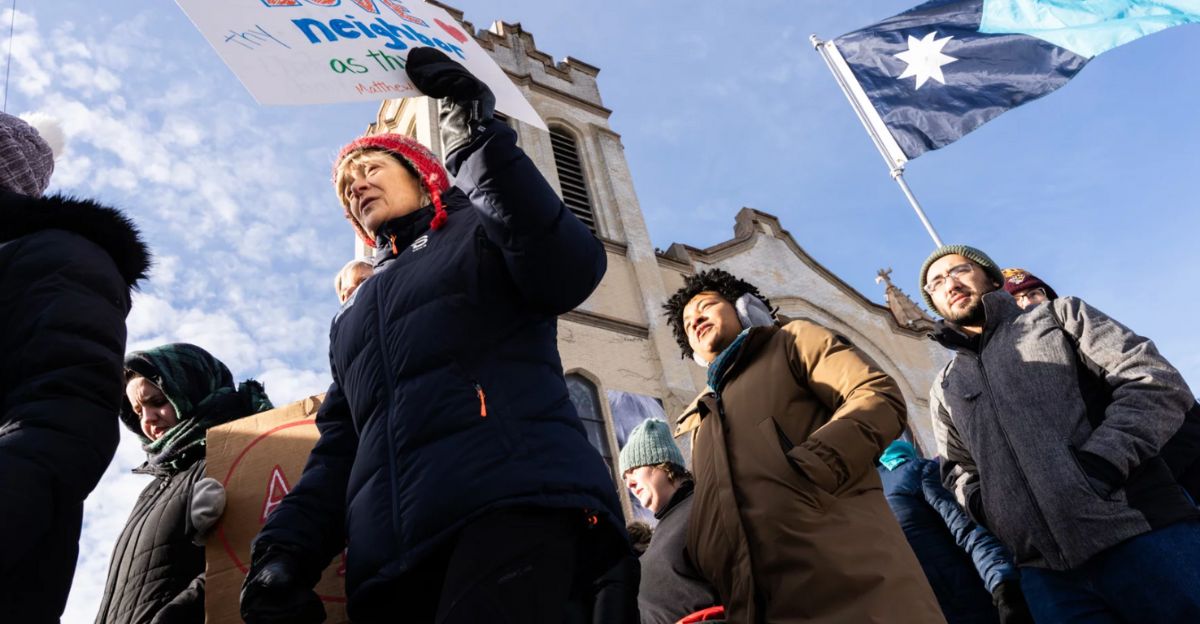
In his statement posted Sunday night, Lemon directly addressed the conspiracy accusation: “I have no affiliations with that organization.” He claimed he had no advance notice of the protest plan.
In subsequent interviews, he described the charges as an “intimidation tactic” and pointed to his prominence as the “most recognized figure there,” suggesting selective prosecution based on his public visibility.
A Chilling Effect on Press Freedom
Media lawyers and journalism organizations are watching this case closely. If the DOJ successfully prosecutes Lemon under the KKK Act, the precedent could discourage journalists from covering controversial protests.
Reporters might self-censor—choosing not to cover demonstrations to avoid federal charges. The irony is stark: a law meant to protect civil rights could become a tool to suppress the reporting of civil rights activism.
The Broader Context: ICE Escalation
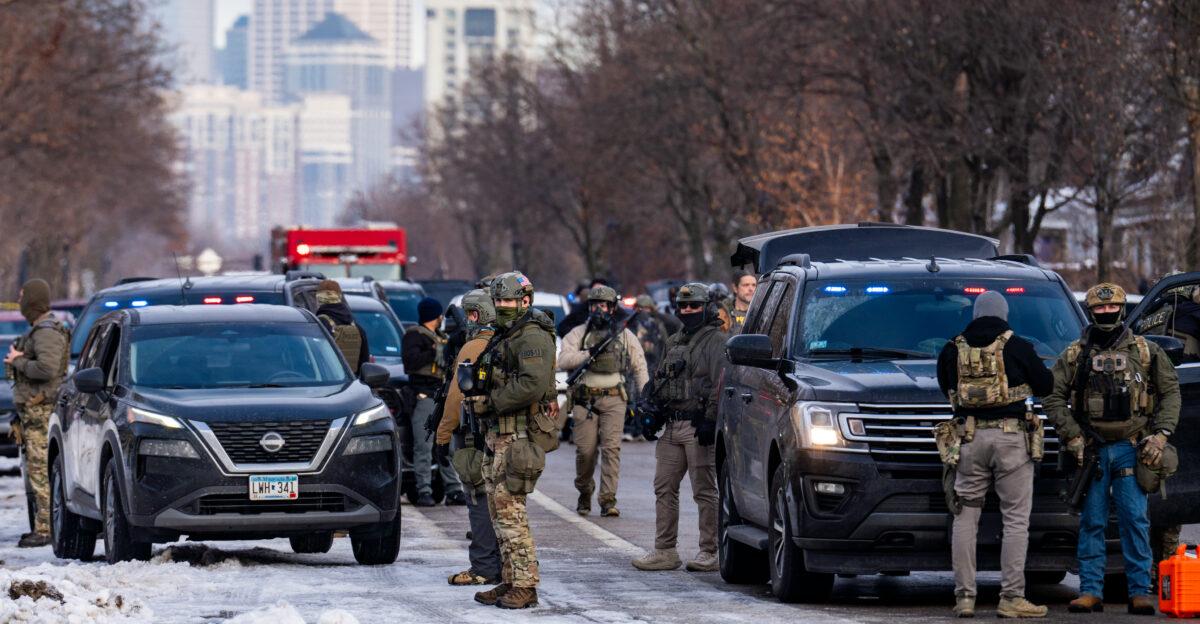
The church protest is one flashpoint in a larger escalation of federal enforcement activity. The Trump administration has dramatically expanded ICE operations across Minnesota. On the same day Lemon was put “on notice,” Deputy Attorney General Todd Blanche announced that the DOJ would not investigate the fatal shooting of Renee Good by ICE agent Jonathan Ross.
Yet the DOJ announced investigations into state officials, including Governor Tim Walz and Minneapolis Mayor Jacob Frey, allegedly for inciting protests against federal enforcement. The asymmetry is stark.
The Paradox at the Heart
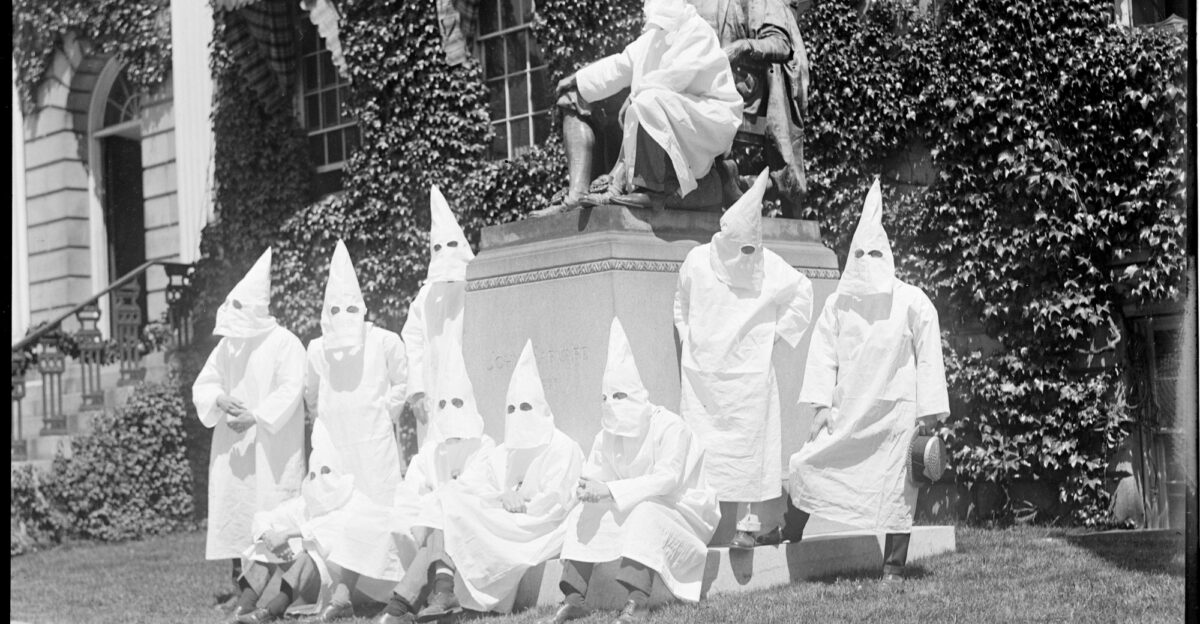
A law created during Reconstruction to protect Black Americans from racial violence is now being wielded against a Black journalist who reported on protests demanding accountability for an ICE shooting.
Legal scholars are grappling with the perversion of the statute from its original purpose. The Enforcement Act of 1871 was designed to stop the Ku Klux Klan’s campaign of terror. Now it may be used to prosecute someone challenging aggressive federal enforcement.
Prosecutorial Strategy and Political Implications
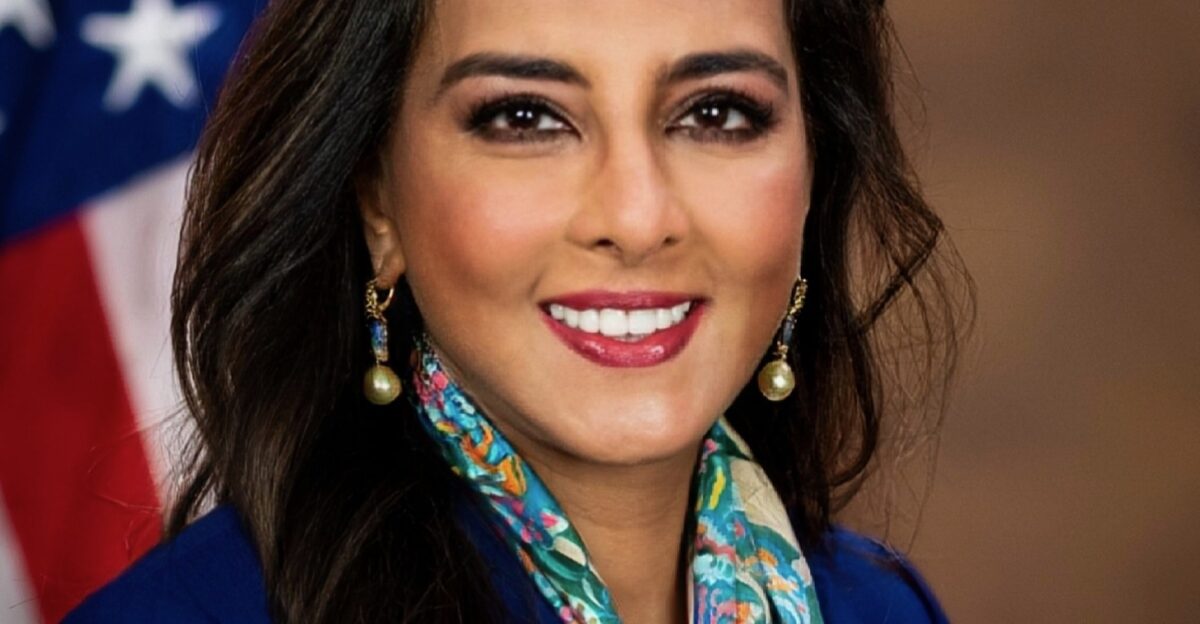
The DOJ’s approach signals a broader strategy to criminalize protest and journalism covering protest activity. Dhillon’s emphasis on the KKK Act and her public warnings suggest prosecutors intend to make examples of high-profile figures.
The selection of Don Lemon—a prominent former CNN host—amplifies the message. This represents a significant expansion of how federal civil rights statutes can be weaponized.
The Legal Battle Ahead
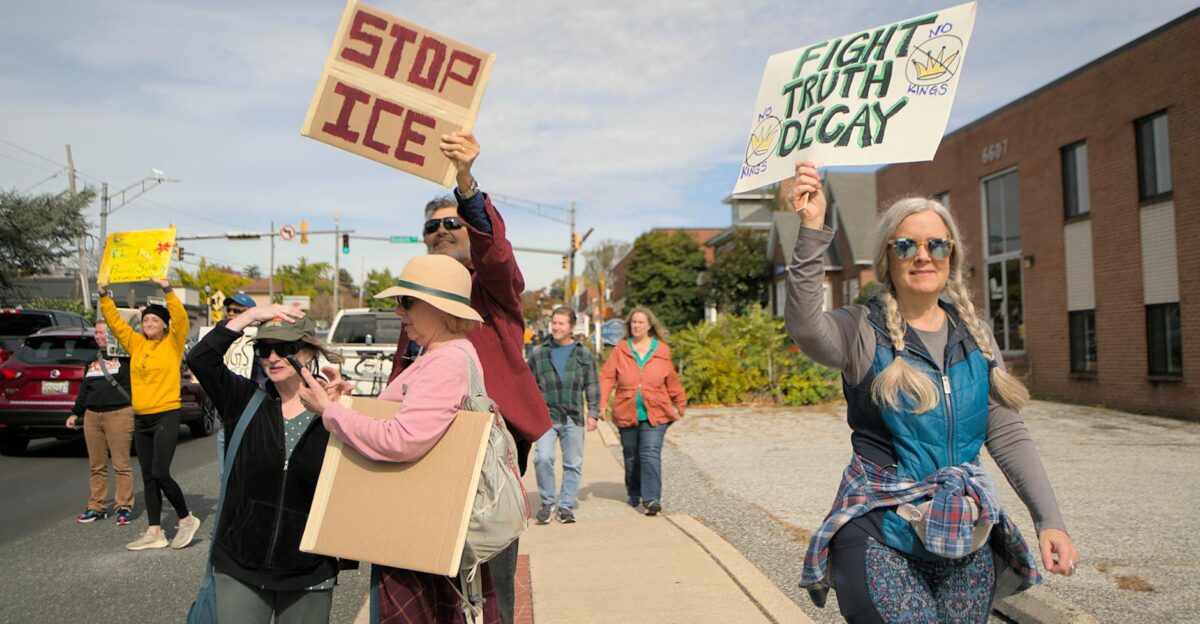
The FBI is actively interviewing witnesses. Dhillon has signaled that charges could come quickly. However, as of January 20, 2026, no formal charges have been filed. A federal grand jury will decide whether the facts meet the threshold for prosecution. The legal battle is likely months away.
The central mystery remains: Was Don Lemon a journalist covering a story or an active participant in a protest?
Stakes for Press Freedom in America
Whatever the outcome, the case illustrates fundamental tensions in American constitutional law. A statute designed to protect freed slaves from racial violence may now criminalize journalism covering demands for accountability.
The case raises urgent questions about who gets to define journalism, when presence becomes participation, and whether the First Amendment protects reporters at contentious events. The resolution will shape press freedom for years to come.
Sources
DOJ civil rights chief blasts Don Lemon for covering anti-ICE protest inside church, vows charges against protesters – NBC News
Reports, videos show how ICE agent Jonathan Ross fatally shot Renee Good – CNN
Don Lemon claims some religious groups have White supremacy ‘entitlement’ after anti-ICE church protest – Fox News
Cell phone footage raises new questions about ICE agent’s shooting of Renee Good – CNN
Don Lemon reacts to MAGA backlash over anti-ICE protest coverage: ‘We did an act of journalism’ – Hindustan Times