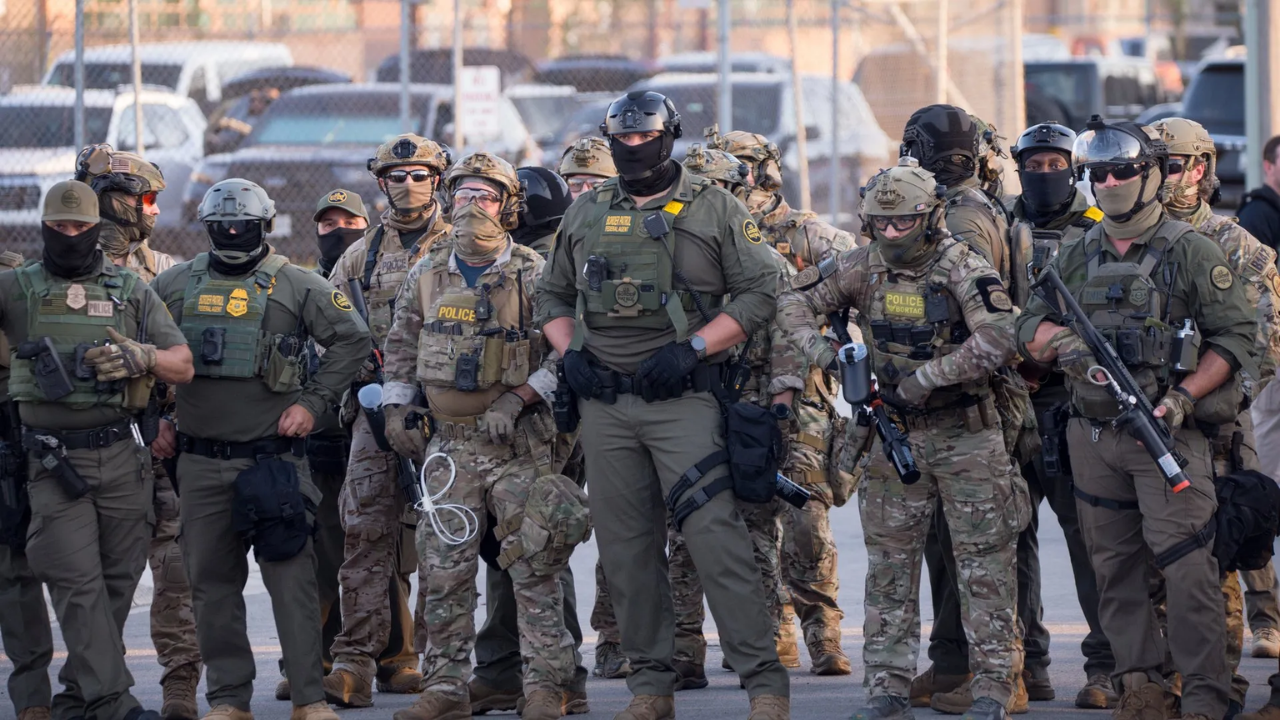
A routine traffic stop in Minneapolis turned deadly on January 7, 2026, when ICE agent Jonathan Ross shot 37‑year‑old mother and poet Renee Nicole Good, igniting protests that have escalated tensions between federal and state authorities. Multiple videos show Good in her Honda Pilot on a residential street as agents approached during a federal immigration operation, turning an ordinary neighborhood into the center of a national confrontation.
Good’s family described her as a joyful artist “made of sunshine and kindness,” whose social media posts often showcased her poetry and singing. Her killing transformed private grief into public outrage, symbolizing, according to friends and local organizers, an increasingly militarized approach to immigration enforcement in Minnesota. Here’s what’s happening in the aftermath of her death.
Moments Before the Shooting
Footage from Portland Avenue captures Good’s SUV angled as armed agents ordered her to exit. Witnesses report she turned her steering wheel slightly away from the cluster of officers before Ross fired three shots through her window, striking her and causing the vehicle to roll forward. Federal officials later confirmed Ross, 43, a decade‑long ICE veteran, cited a prior June 2025 incident in Bloomington when a fleeing driver injured him, leaving him with dozens of stitches on both arms.
The shooting has raised questions about federal rules of engagement during routine stops. While the officer cited fear for his life, civil liberties advocates emphasize that Good posed no immediate threat. This moment has become central to debates over the militarization of ICE operations in urban neighborhoods, prompting protests and widespread calls for accountability.
Escalating Confrontations and Public Protests

A week later, on January 14, another traffic stop turned violent when an ICE agent shot a Venezuelan man in the leg after he allegedly fled and others attacked officers with a snow shovel and broom handle. The Department of Homeland Security maintained the agents acted in self‑defense, yet civil liberties groups argued it highlighted the rapid escalation of routine encounters into violence under the federal operation.
Protests surged following Good’s death. On January 10, tens of thousands marched through downtown Minneapolis demanding ICE leave the state. Daily vigils outside the Whipple Federal Building, ICE’s local headquarters, included chanting, drumming, and calls for agent withdrawal. By January 17, solidarity rallies spread to other major cities, amplifying national scrutiny over federal immigration tactics.
State and Federal Tensions Rise
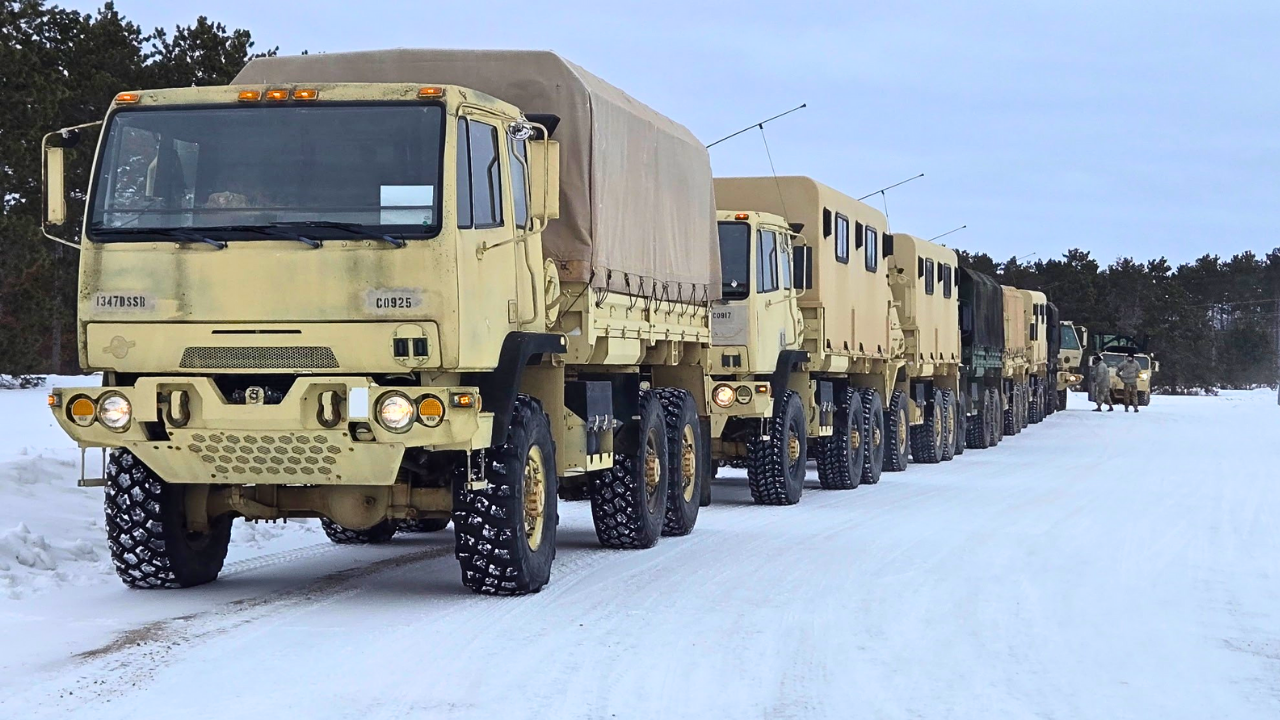
President Donald Trump escalated the standoff on January 15, warning Minnesota officials on Truth Social that he could invoke the Insurrection Act if federal agents were attacked. The 1807 law allows presidents to deploy troops domestically, though using it over a governor’s objections is rare and legally contested.
Governor Tim Walz responded by mobilizing roughly 13,000 National Guard personnel, instructing them to wear bright yellow vests to distinguish them from federal agents and emphasizing their protective, supportive role. Meanwhile, the Pentagon placed 1,500 active-duty Army soldiers on prepare-to-deploy status in Alaska, a contingency plan highlighting how a local traffic stop escalated into a national security concern.
Operation Metro Surge Under Fire
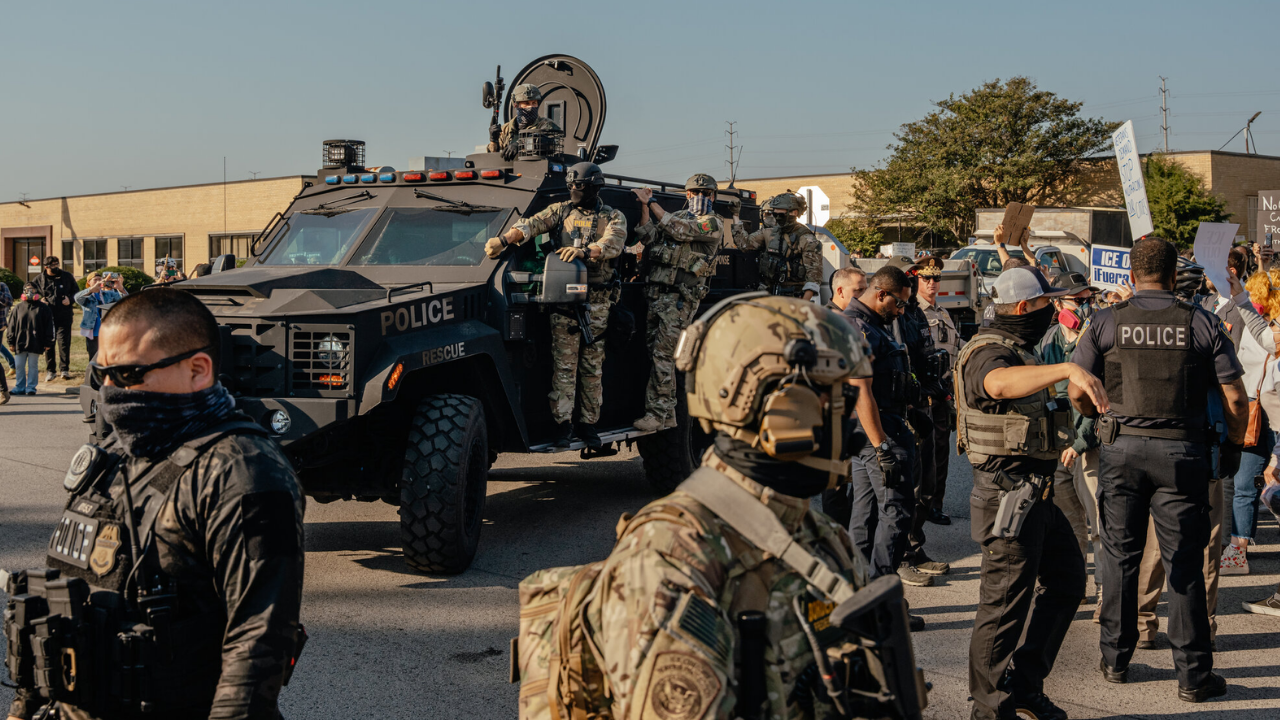
The crisis stems from Operation Metro Surge, launched in December 2025, which sharply increased federal immigration enforcement in Minnesota. DHS deployed nearly 3,000 agents to Minneapolis, far outnumbering municipal police forces. Acting ICE Director Todd Lyons defended the initiative as targeting suspected immigration violations and fraud, but Minneapolis Mayor Jacob Frey called it an “occupation” that undermines public safety.
Legal challenges followed. On January 17, U.S. District Judge Katherine Menendez issued a preliminary injunction limiting DHS agents’ crowd-control measures and vehicle stops during peaceful protests. The Justice Department quickly appealed, while Homeland Security Secretary Kristi Noem insisted chemical agents had only been used when demonstrations turned violent, further inflaming tensions.
Life in a City Under Siege
Residents describe Minneapolis and Saint Paul as transformed. The state lawsuit notes peaceful bystanders, including U.S. citizens, were detained for hours based on perceived ethnicity or accent, sometimes at gunpoint near schools, hospitals, and day-care centers. Civil rights groups filed suits alleging violations of Fourth and First Amendment protections.
Economic disruption has been severe. Some businesses reported revenue drops of 50% to 80%, police logged over 3,000 overtime hours, and schools temporarily locked down or shifted to remote learning. Protests continued at a lower intensity, while Walz and Frey urged an orderly drawdown of federal operations. The standoff remains unresolved, with ongoing investigations into Good’s killing and federal enforcement practices, shaping the future balance between state authority and federal immigration power.
Conclusion: A Turning Point in Enforcement
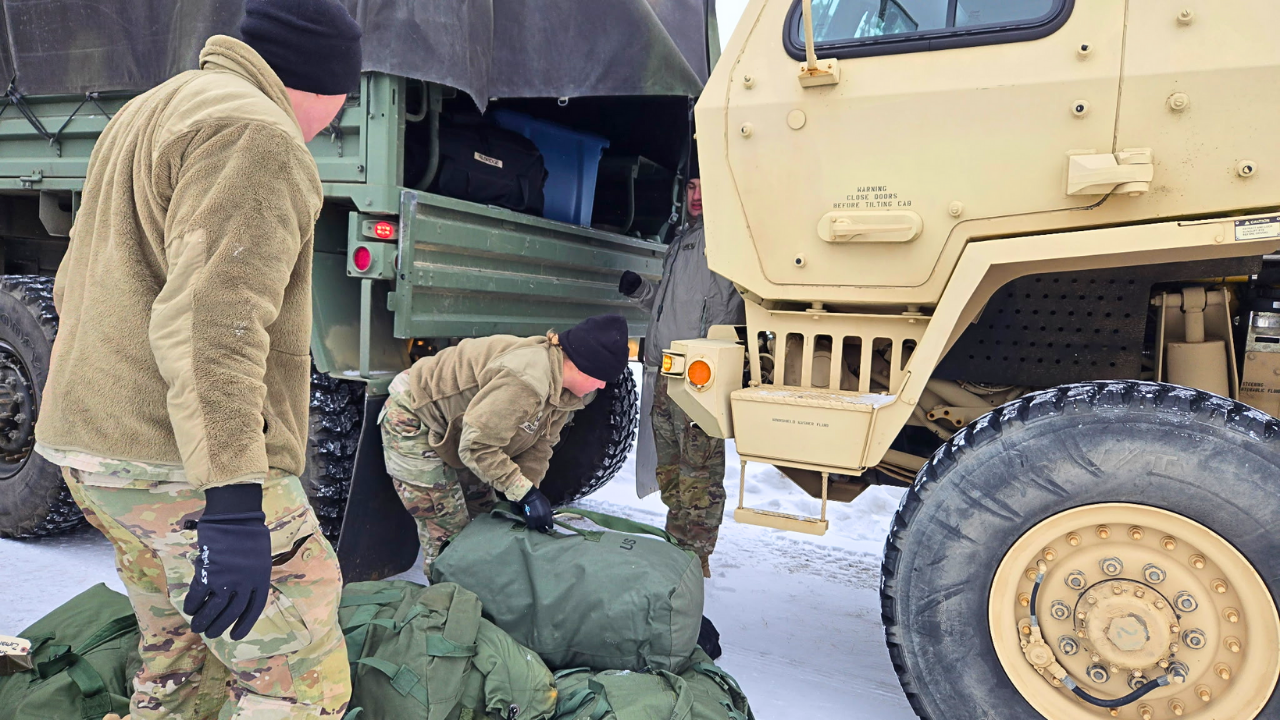
The killing of Renee Good and the fallout from Operation Metro Surge have thrust Minneapolis into a national spotlight, highlighting the human and political costs of militarized federal immigration operations. Legal challenges, DOJ investigations, and continued civil unrest underscore the delicate tension between enforcing immigration law and protecting residents’ rights.
As the state pushes back, the situation exemplifies how quickly local enforcement actions can escalate into broader political crises. For families, communities, and city officials, the events of January 2026 serve as a stark reminder of the stakes involved when federal power, local authority, and public safety intersect on American streets.
Sources:
Minneapolis ICE Shooting: A Minute-by-Minute Timeline of How Renee Nicole Good Died. ABC News, Jan. 9, 2026
Judge Rules ICE Can’t Arrest Peaceful Protesters in Minnesota. Time Magazine, Jan. 17, 2026
DOJ Investigating Gov. Tim Walz, Minneapolis Mayor Jacob Frey Over Alleged Conspiracy to Impede Immigration Agents. CBS News, Jan. 17, 2026
The Insurrection Act, Explained. Brennan Center for Justice, 2026
U.S. Justice Department Appeals Temporary Restraining Order on Federal Agents’ Response to Protests. CBS Minnesota, Jan. 20, 2026