The ongoing clash between federal authorities and so-called “sanctuary” cities is shaping U.S. immigration policy and governance in 2025.
According to The New York Times, the Justice Department has intensified enforcement efforts, making headlines from coast to coast.
“This is the most far-reaching action against sanctuary jurisdictions in decades,” said Dr. Linda Chen, an immigration policy expert.
High-Stakes Gambit
Federal grant funding—totaling up to $50 million—is now at risk for over 600 cities, counties, and states identified as sanctuary jurisdictions.
According to Reuters, U.S. officials believe the financial threat could prompt wider policy changes. “Grant terminations are a powerful tool to ensure compliance,” notes Dr. Chen.
How We Got Here

Sanctuary policies first emerged to shield undocumented immigrants from deportation, but have rapidly expanded. Major cities now face federal scrutiny as state and local leaders defend these laws as vital for public trust.
According to The New York Times, no standard definition exists for sanctuary cities, adding to the debate’s complexity.
Pressure Intensifies
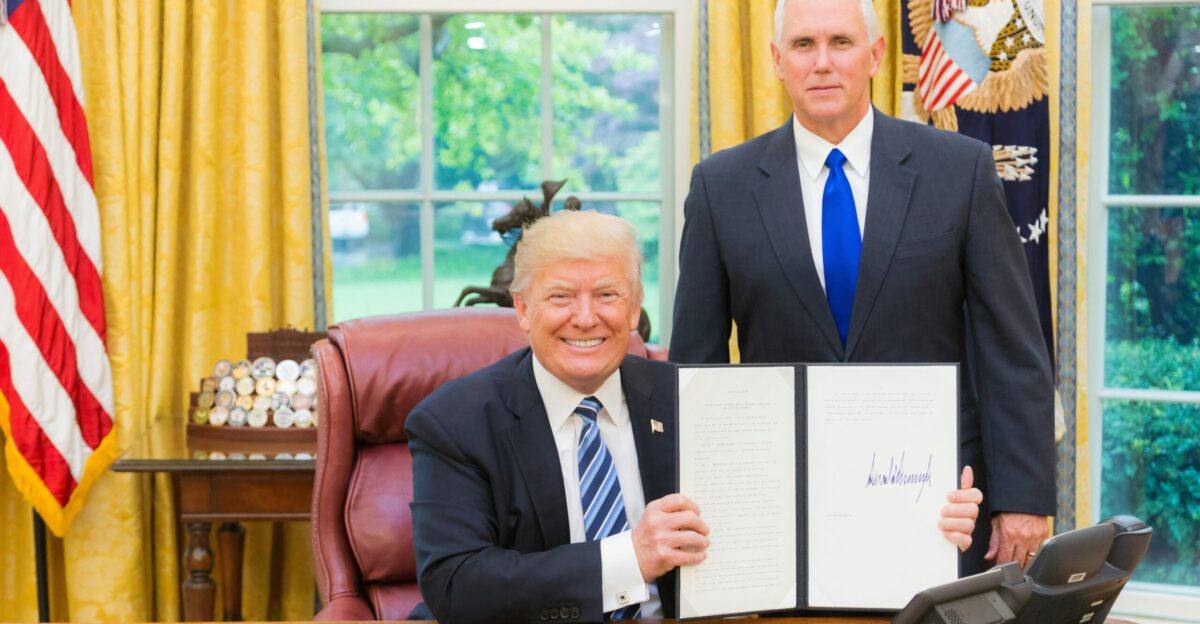
Mounting tensions reached new heights in April, when President Trump signed an executive order requiring the Department of Homeland Security to publish a list of non-cooperating jurisdictions.
According to Reuters, this policy forced local governments nationwide to review their stances. “Federal and local authorities are locked in a very public battle,” Dr. Chen observes.
DOJ List Unveiled
On August 5, 2025, the Justice Department released an official list naming dozens of states, cities, and counties as sanctuary jurisdictions, and confirmed lawsuits against major locations.
The announcement, reported by both Reuters and the Associated Press, warned of imminent litigation and federal grant losses.
Big States in the Crosshairs

New York, California, Colorado, and Illinois have been directly targeted, with lawsuits and threatened budget cuts grabbing headlines.
The New York Times reports that these cases are likely to shape future immigration enforcement. “States face immense uncertainty,” said Dr. Samuel Ortiz, professor of public policy.
Human Angle: City Voices
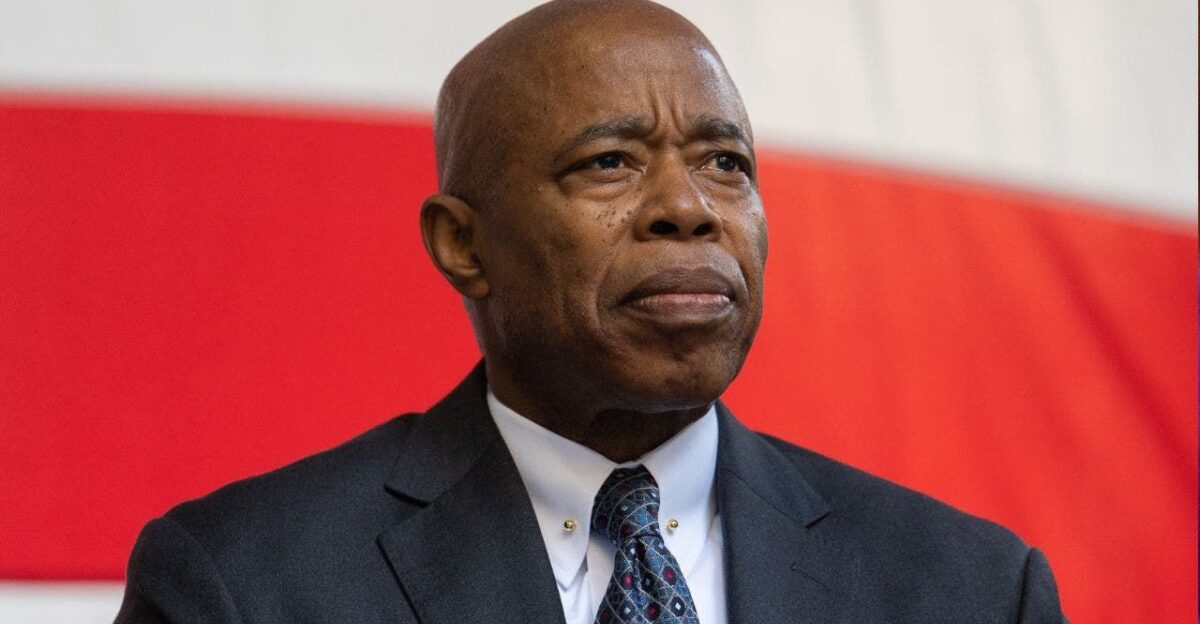
City leaders have expressed alarm over potential impacts on services for vulnerable groups. “We will not abandon our residents—every New Yorker deserves safety and dignity,” Mayor Eric Adams told reporters. Reuters notes that similar pledges have been echoed by mayors in Los Angeles and San Francisco.
Rapid Policy Shifts

A number of cities, such as Louisville, Kentucky, have altered or rescinded sanctuary policies out of concern for losing federal support.
According to The New York Times, these quick pivots show the pressure local leaders face. “Adaptation is a must when millions in funding are threatened,” Dr. Ortiz states.
The Policy Patchwork

With more than 600 entities identified, the policy landscape is highly fragmented. Many cities contend their rules enhance public safety, yet the federal government cites obstacles to enforcement. “There’s no consensus, only confusion,” observes Dr. Chen, as reported by Reuters.
Legal Hurdles Emerge

Not all federal actions have succeeded. On April 24, 2025, a federal judge issued a temporary injunction blocking grant cuts to 16 jurisdictions, noting unresolved constitutional questions. Both Reuters and The New York Times report that more court rulings are expected soon.
County-Level Divide

Some counties dispute their inclusion on the DOJ’s list. According to The New York Times, disagreements between local and federal officials have led to further policy reviews and intra-government tension. “No county wants to be penalized unjustly,” Dr. Ortiz remarks.
Changes at the Top
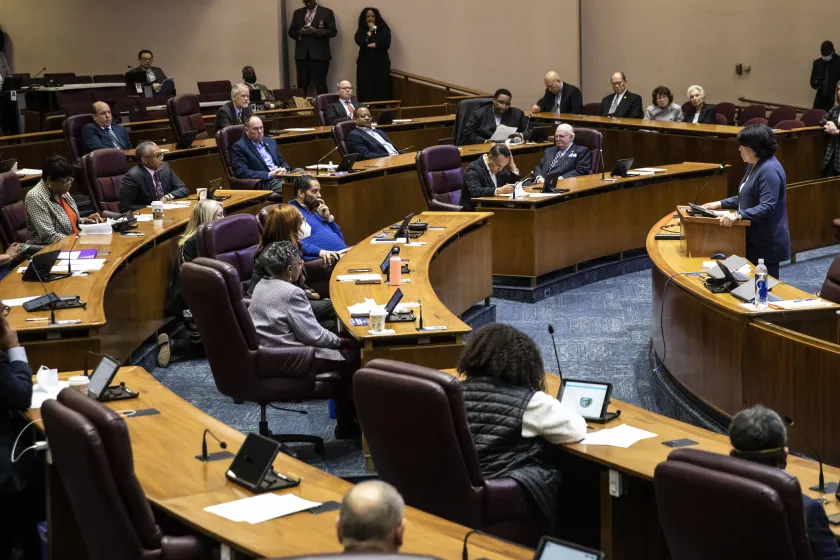
Leadership changes are underway as city councils and mayors attempt to reposition their communities. Reuters reports new task forces are being formed to review compliance and safeguard funds. “There’s a scramble for legal clarity,” says Dr. Chen.
Legal and Political Counterattacks

Municipalities nationwide have filed counter-lawsuits, arguing that local control over law enforcement boosts community trust.
The New York Times notes a surge in advocacy efforts and legal coalitions as cities resist grant cutoffs. “Cities are banding together for mutual defense,” Dr. Ortiz explains.
Expert Assessments
Legal scholars argue that federal attempts to coerce cooperation by threatening funds will likely be decided by the Supreme Court. “Tenth Amendment protections remain a key issue,” said Professor Emily Juarez in The New York Times.
Uncertain Future

While landmark lawsuits proceed, the big question is whether threatened grant losses will actually drive major cities to change their policies—or spark further defiance. Both Reuters and The New York Times suggest that 2026 could bring new legislative efforts in Congress.
Partisan Fallout
The crackdown is now a major issue in state and national elections. Republicans argue it protects citizens, while Democrats warn of harm to families and local budgets. “Each side sees the stakes as existential,” noted political strategist James Lee to Reuters.
International Scrutiny
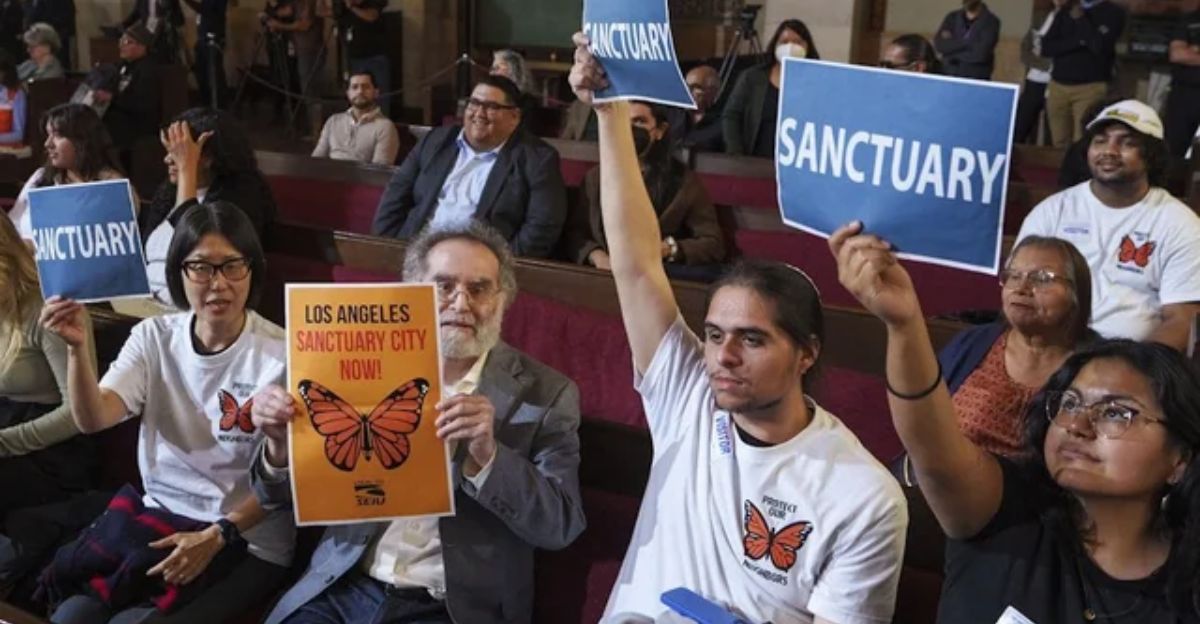
Worldwide, U.S. sanctuary city policies are being closely examined, especially as allies raise concerns about civil liberties and human rights. The New York Times notes international pressure may influence future reforms.
Legal Precedents in Flux

Several 2025 court decisions are poised to set new legal standards on federal-state power dynamics. “We may see a reshaping of constitutional law around immigration,” said Professor Juarez, as quoted in The New York Times.
Changing Public Views

Public opinion is deeply divided. New York Times polling indicates that while many large-city residents back sanctuary rules, rural and suburban communities remain skeptical. “It’s become a mirror of America’s political divide,” Dr. Chen explains.
Broader Significance
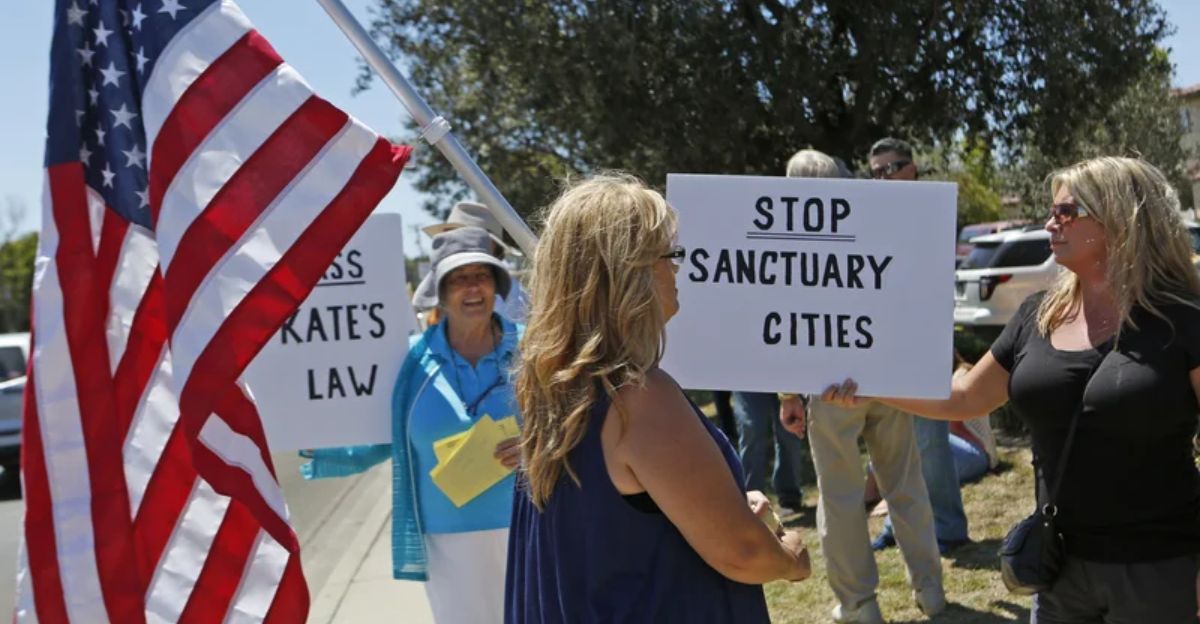
The federal crackdown on sanctuary cities is reshaping debates about immigration, local autonomy, and constitutional rights.
According to Reuters, the final outcomes may influence American politics and public policy for years ahead. “History will judge how we balance enforcement and inclusion,” concludes Dr. Juarez.