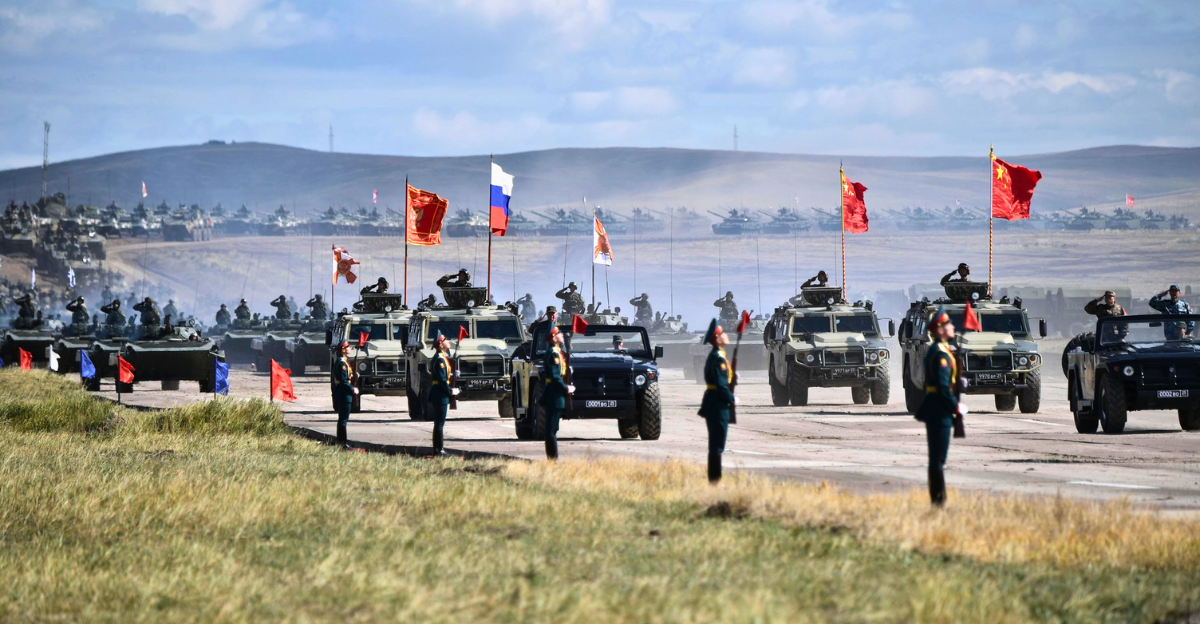
In September 2025, hackers known as “Black Moon” released about 800 pages of classified Russian military contracts. The documents, vetted by RUSI and the media, detail an arms sale to China worth roughly $584 million.
It includes training regimens and specialized kit. This leak marks an unprecedented look at an unpublicized Beijing-Moscow pact aimed at enabling airborne assaults.
Airborne Arsenal Identified
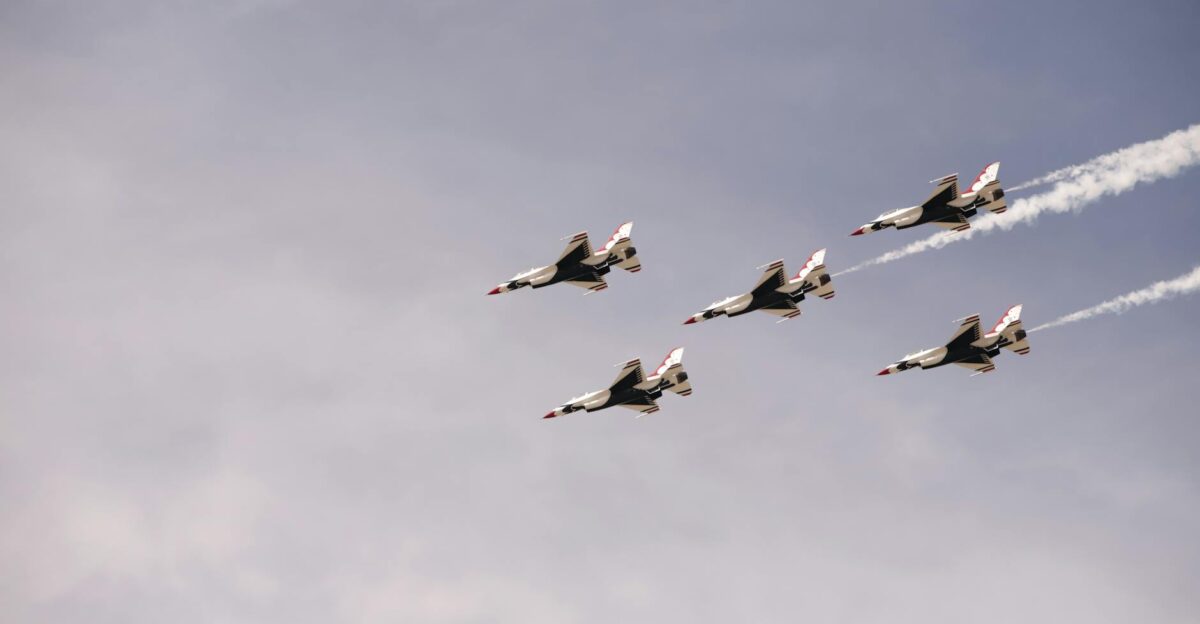
Specifically, the leaked contracts enumerate the exact gear to be shipped. They list 37 BMD-4M light amphibious assault vehicles, 11 Sprut-SDM1 light tanks, and 11 BTR-MDM airborne APCs, each fitted for parachute deployment.
Command-and-control vehicles and high-altitude parachute systems are included. Independent outlets have confirmed these figures, signaling a major new PLA airborne arsenal.
Decades of Sino-Russian Ties

Historically, Russia has long been China’s top weapons supplier. Between 1990–2005, China bought over 83% of its arms from Russia. In the 2010s, Russia’s exports to China surged amid Xi Jinping’s military buildup.
By the 2020s Beijing’s own defense industry matured, slowing imports. Still, experts note that “Russians have become an enabler for the Chinese,” embedding Moscow’s battle experience into China’s forces.
Rising Cross-Strait Pressure
Meanwhile, Beijing has intensified drills near Taiwan. Chinese warplanes flew a record 3,075 sorties around Taiwan in 2024 (vs. ~972 in 2021).
These aggressive patrols often coincide with large joint “island-blockade” exercises (around ten major drills since 2018). Taiwan’s leaders decry the buildup, noting that the equipment in these leaks would directly magnify those threats if deployed.
New Strategic Capability
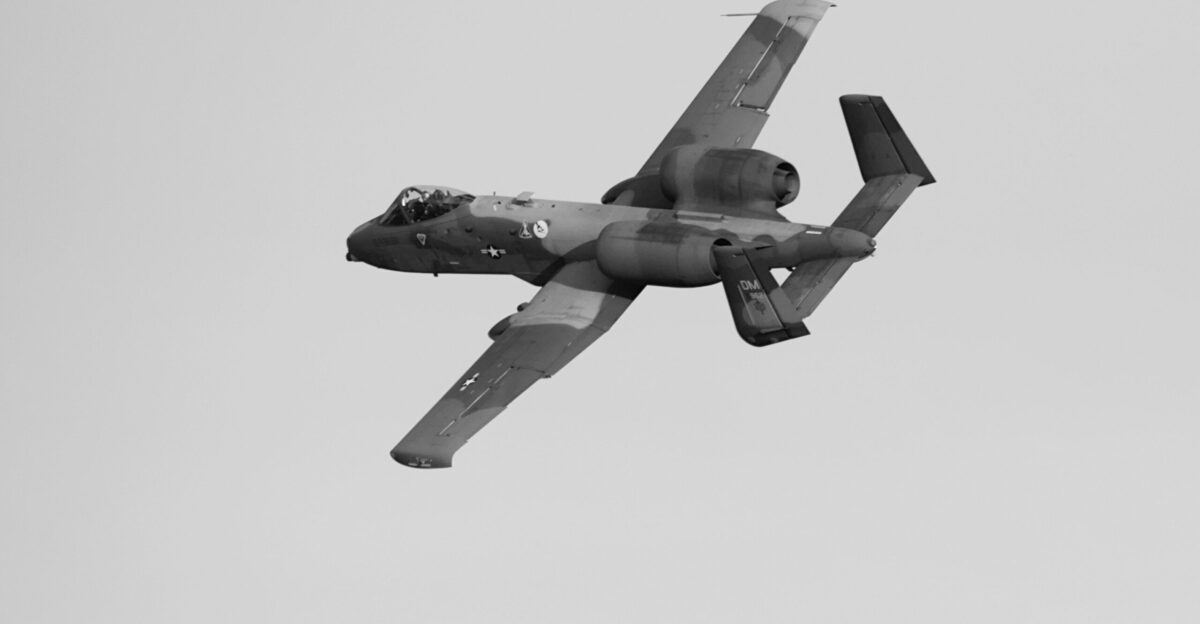
The uncovered is how this pact transforms China’s capabilities: in 2023, Moscow secretly agreed to equip and train a whole Chinese airborne battalion. That includes all the parachute-drop vehicles and gear needed for a rapid air assault.
RUSI analysts emphasize that this deal even transfers manufacturing know-how so China can build the weapons itself. This revelation suggests China could develop invasion-ready airborne forces about a decade faster.
Taiwan on Alert

Taiwan’s government says it has tracked the flow of new Russian paratrooper tech to the mainland. Its Mainland Affairs Council confirms it is monitoring improved Chinese airborne command systems.
Analysts warn that having these advanced vehicles and Russian training could compress China’s invasion timeline by roughly 10–15 years. Taiwan’s military insists it is fully prepared to deter any incursion.
Gaining Combat Expertise
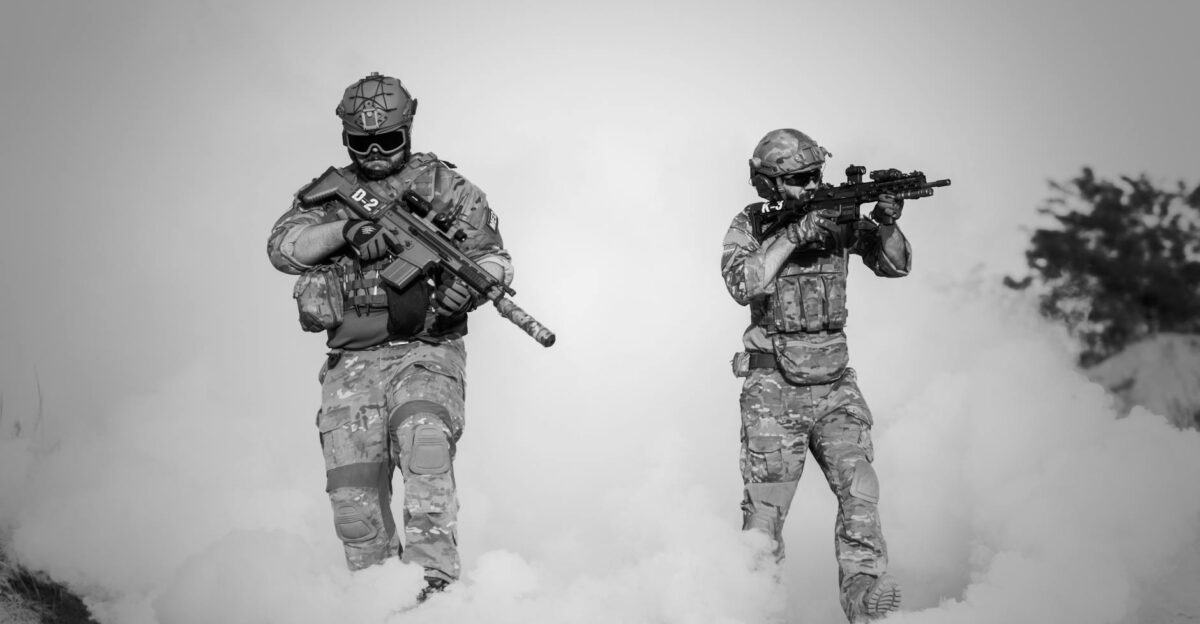
However, experts note the true value for China is the know-how. RUSI’s Danylyuk and Watling emphasize, “the greatest value of the deal to the PLA…is most likely in the training and procedures for command and control of airborne forces, as Russia’s airborne forces have combat experience, while the PLA does not”.
Moscow is not just selling hardware, but passing on hard-earned tactics from Ukraine’s battlefields.
Global Security Alarm
In Washington and NATO, leaders are alarmed. The Pentagon is reportedly urging missile manufacturers to double output for China-related weapons.
Across the Atlantic, NATO’s Secretary-General Mark Rutte warned, “China now has more ships sailing than the U.S., and shipbuilding in the U.S. is not at a rate that they can…catch up”. Allies are bolstering air and sea defenses accordingly.
Joint Exercises Surge
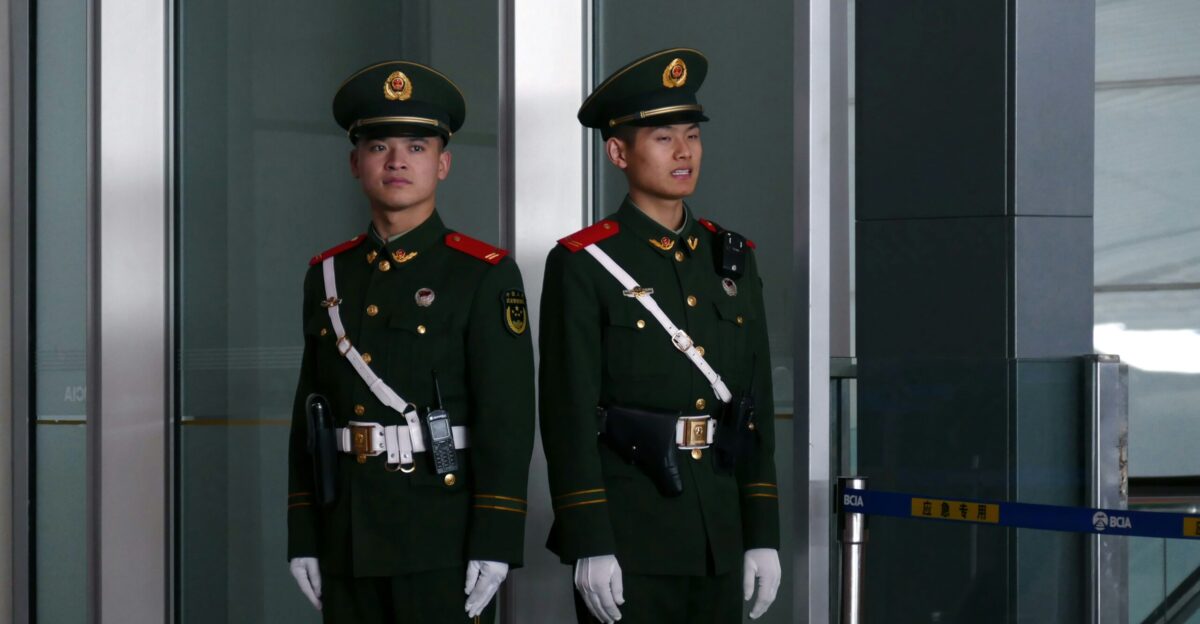
China and Russia’s military cooperation is deepening across all domains. Last year their forces held at least 14 joint drills– nearly double the annual rate a decade ago.
August 2025 saw the first-ever China-Russia submarine patrol in the Pacific, a milestone in naval collaboration. These displays, from anti-sub hunts to bomber flights, send a strategic message: the partnership is operational.
Long-Term Tech Transfer

Crucially, beyond selling finished weapons, Russia agreed to hand over key production technology. The contracts stipulate that production drawings and software accompany the deal, letting China replicate the vehicles in its own factories.
All systems are to be fitted with Chinese comms gear and ammo, ensuring integration. This [Mini-Nugget] signals a lasting synergy: Beijing gains Russian engineering blueprints for future expansion.
Scrutiny of the Leaks

Analysts caution that not every detail is certain. RUSI and media note some pages “appear to be genuine, although parts may have been omitted or altered,” and no independent proof exists that China has yet paid for or received the equipment.
Neither the Kremlin nor Beijing’s defense ministry has publicly confirmed the deal. The contracts conspicuously omit “Taiwan,” even as they bolster China’s power projection.
Meet “Black Moon”
The leaked cache comes from Black Moon, a shadowy hacktivist group claiming to target governments with aggressive policies. It has no known members, so security experts urge skepticism about the documents.
While Black Moon has previously released genuine Russian files, how it obtained this one is unclear. For now, analysts piece together the story from cross-verified document fragments.
Equipment in Detail
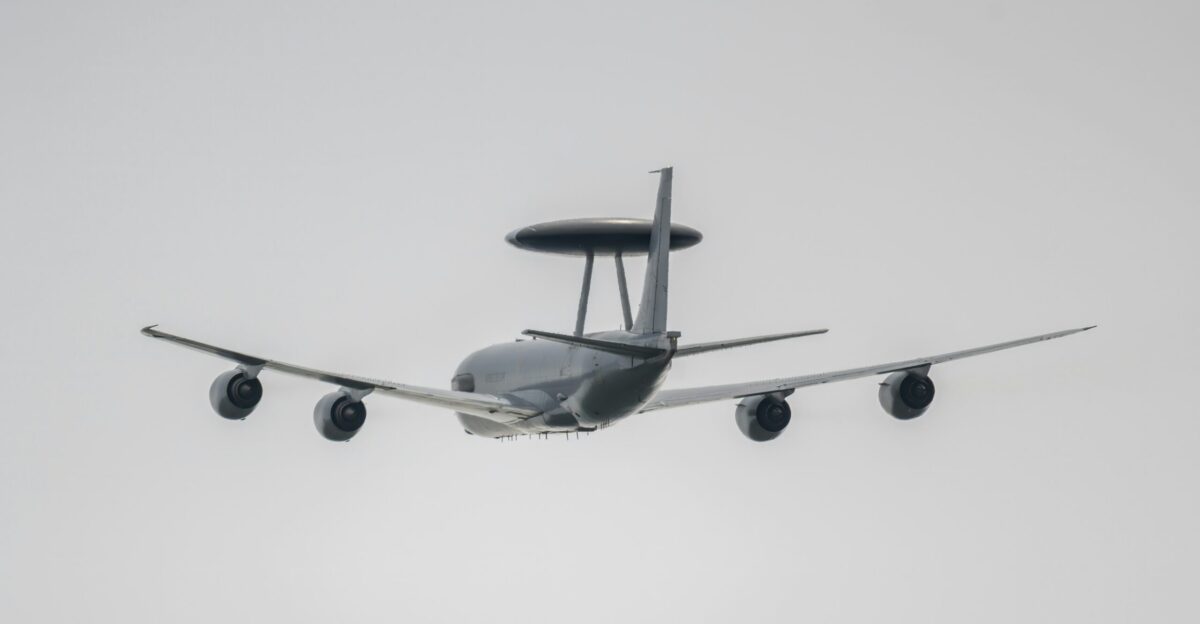
The vehicles on offer are state-of-the-art. The BMD-4M airborne IFV carries a 100mm cannon paired with a 30mm autocannon.
The Sprut-SDM1 anti-tank gun mounts a 125mm smoothbore (identical to the guns on Russian T-72/80/90 tanks). These lightweight platforms allow Chinese paratroopers to land with heavy firepower – exactly the capability Beijing has been missing.
Tactical Constraints
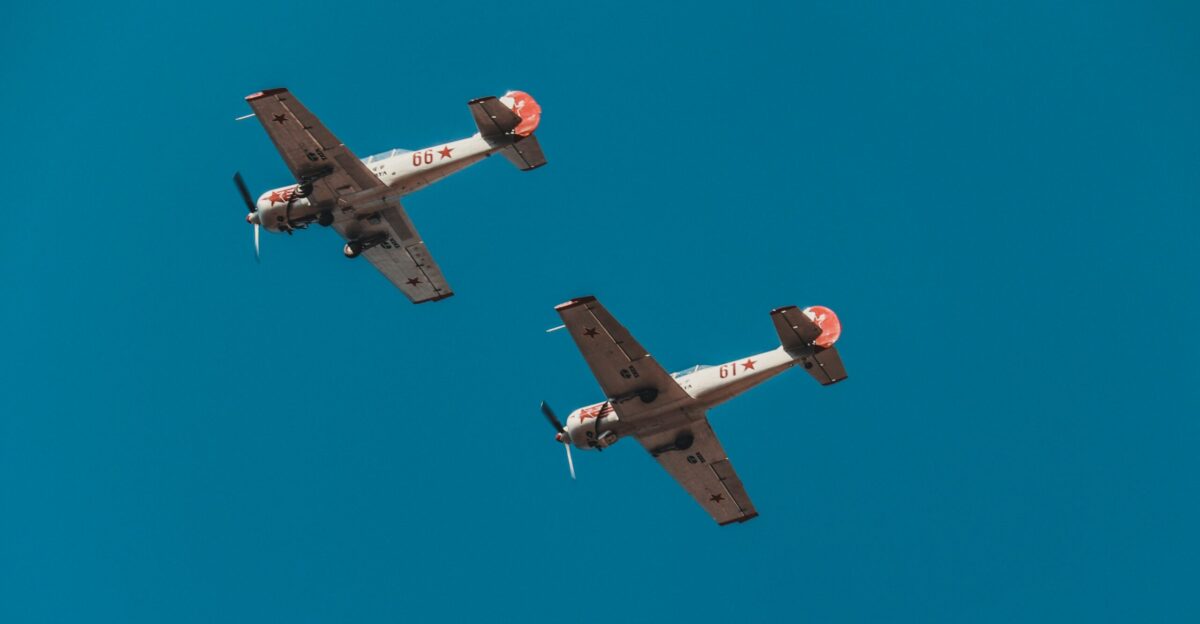
Still, analysts stress these airborne tools aren’t a turnkey solution. As Brown University’s Lyle Goldstein notes, China’s planners “studied D-Day backward, forward and upside down…realized it would have failed without an airborne component”.
That insight drives China’s interest, but even with these vehicles, any Taiwan invasion would demand massive amphibious landings under fire. In short, these arms give China more options, but do not guarantee success.
Accelerated Timeline
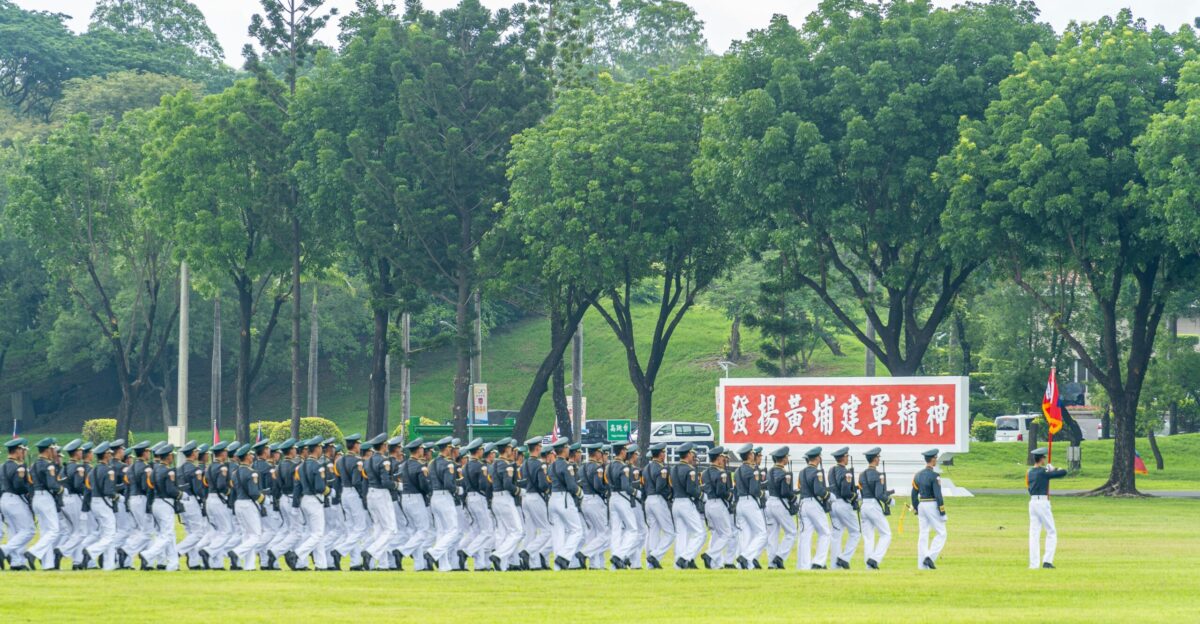
With training and equipment moving, the contracts imply China could field advanced airmobile units by 2027. U.S. intelligence assesses Xi Jinping has ordered the PLA ready to seize Taiwan by that year.
China’s drills this year include large parachute drops and full-division exercises. Analysts caution that Beijing hasn’t publicly set an invasion date, but it is clearly building the tools on a fast schedule.
Washington’s Balancing Act

U.S. leaders now juggle deterrence and dialogue. In mid-September 2025, a bipartisan U.S. congressional delegation visited Beijing and pressed Chinese leaders to resume military-to-military communication. “I’m deeply concerned that our two militaries don’t communicate more,” Rep. Adam Smith told reporters.
At the same time, Washington is accelerating arms shipments to Taiwan as a hedge against any future clash.
Global Reactions
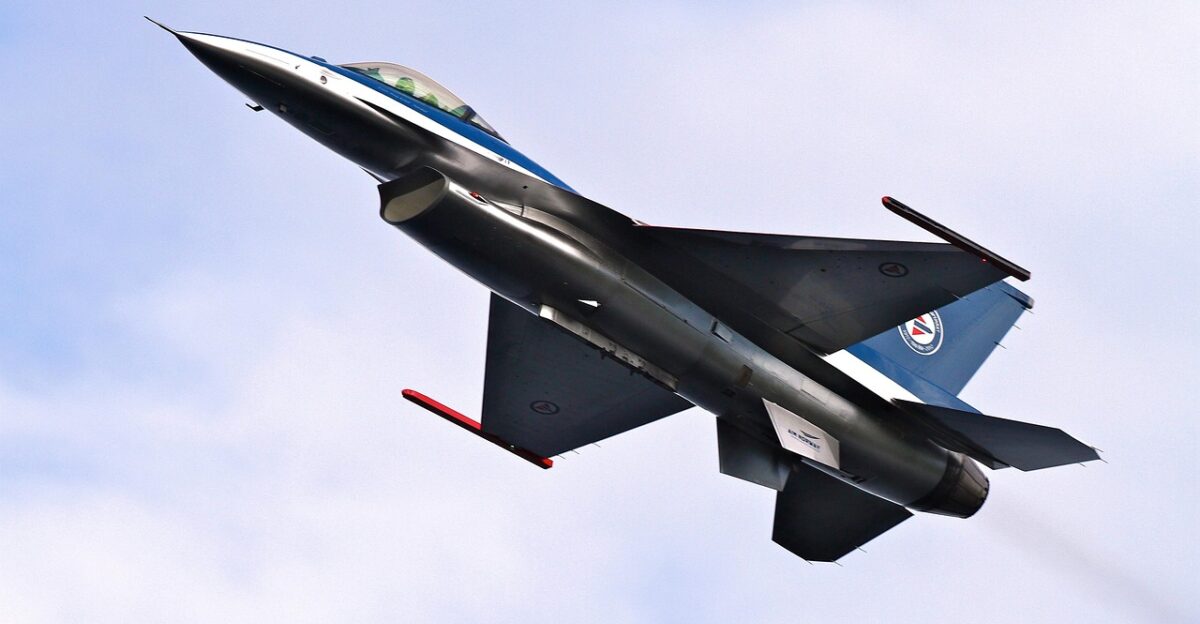
Around the world, democracies are reacting to the new China-Russia alignment. In the Indo-Pacific, Japan, Australia and NATO navies have all increased patrols near Chinese waters. Reuters reports Russia and China even plan regular joint naval patrols in the Asia-Pacific.
Meanwhile in Europe, many allies are deploying additional forces eastward to counter Moscow’s aggression. Security experts warn that coordinated China-Russia drills stretch Western forces thin in both theaters.
Legal Implications

International lawyers debate the legality of these transfers. By arming China with tools specific to seizing territory, some say Russia is preparing an act of aggression prohibited by the UN Charter. But because the contracts never name Taiwan explicitly, proving a treaty violation is tricky.
What’s clear is that this cooperation is aimed at breaking Taiwan’s defenses, raising urgent questions under international law.
Shifting Doctrines
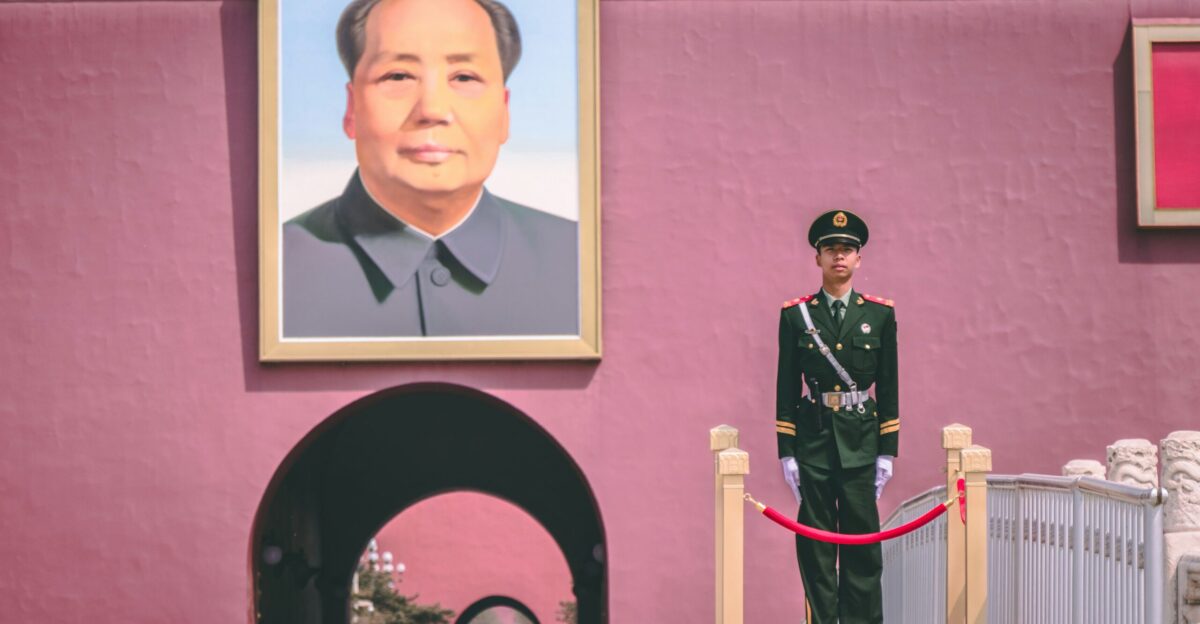
The deal reflects a broader shift in Chinese military thinking. Xi Jinping has tasked the PLA with becoming a “world-class” force by mid-century, moving beyond purely defensive postures. Chinese analysts even admit their airborne troops are “very young,” underscoring why Russia’s experience is so valued.
Overall, the contracts signal Beijing’s new emphasis on power projection and rapid expeditionary tactics.
Strategic Takeaways
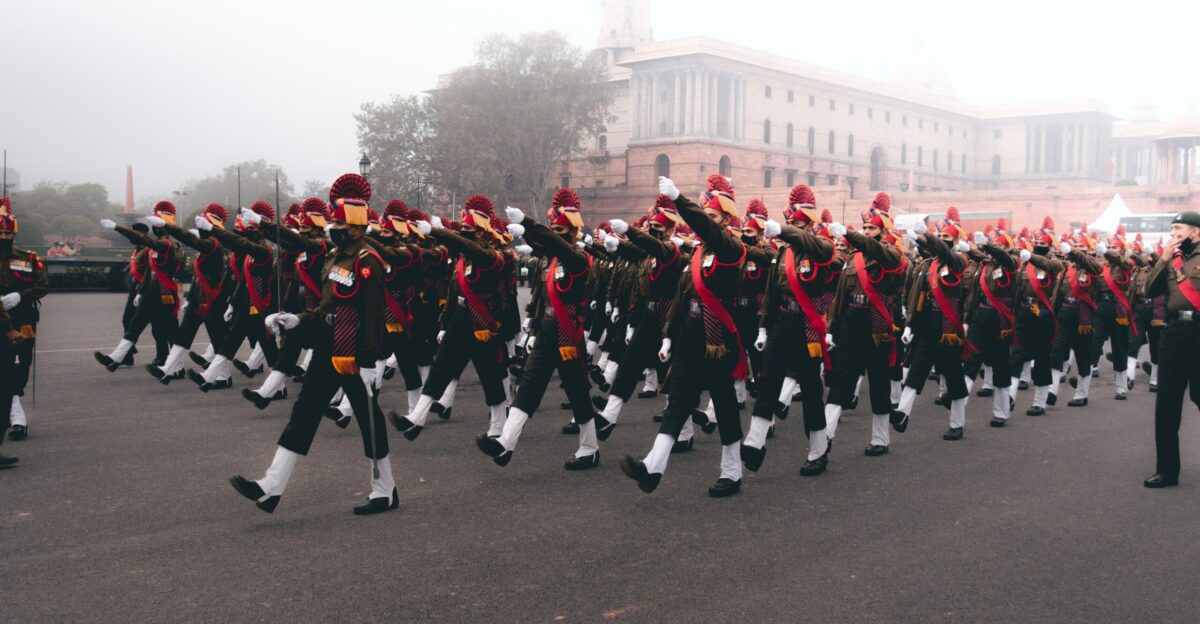
In the end, these revelations tie multiple crises together. A recent U.S. report warns the era of isolated threats is over, urging that America and its allies “must be ready to deter and defeat” both China and Russia simultaneously.
Beijing and Moscow are synchronizing power-projection, forcing democracies to prepare for truly parallel conflicts rather than one crisis at a time.