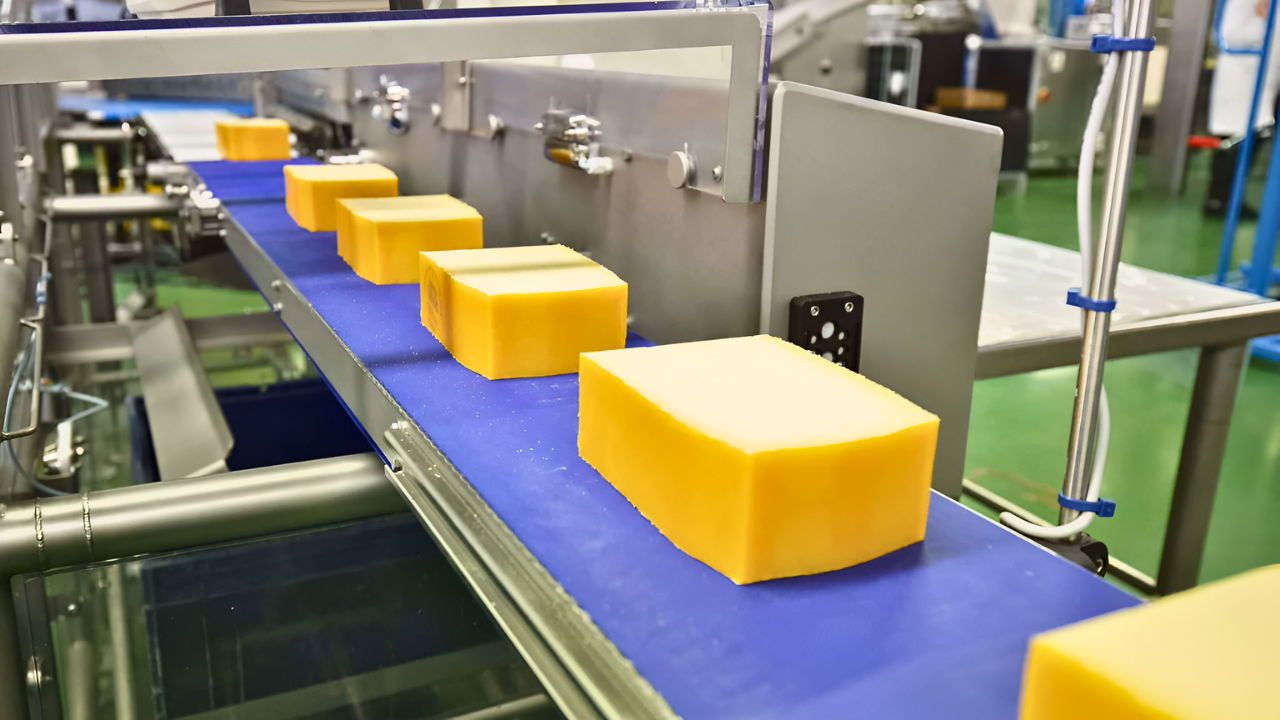
Metal fragments in shredded cheese have sent a quiet Ohio supplier’s October recall spiraling into a national crisis. Great Lakes Cheese Co. provides over 30 store brands across 31 states and Puerto Rico, and the FDA’s December Class II upgrade turned a routine notice into a public warning affecting millions of households.
While no injuries have been reported, the scale and reach reveal hidden risks in America’s food supply. Here’s what’s going on.
The Contamination Crisis Unfolds
On December 2, the FDA upgraded Great Lakes Cheese Co.’s recall to Class II—the second-highest severity tier. Over 1.5 million bags across 31 states and Puerto Rico are affected. Metal fragments could cause choking, dental damage, or internal cuts, prompting immediate consumer warnings.
This story didn’t start in December. It actually began months earlier, when suppliers first detected a problem.
October to December: A Two-Month Reclassification
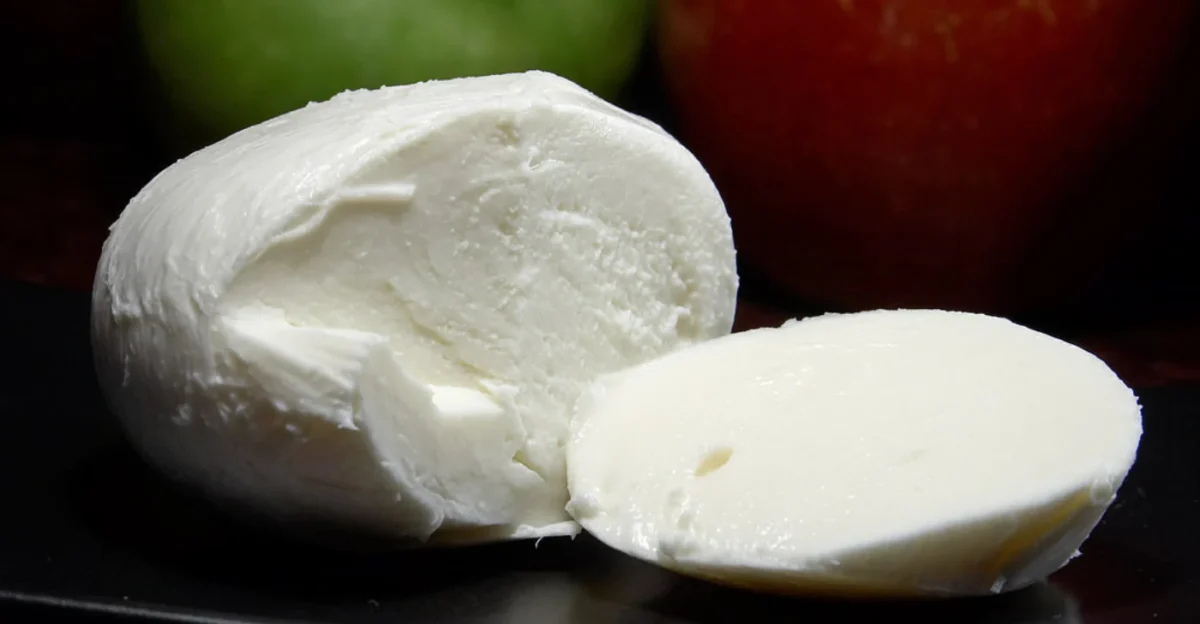
Great Lakes Cheese initiated a voluntary recall on October 3 after a supplier reported contaminated raw mozzarella. The company spent two months removing products. On December 2, the FDA escalated the recall to Class II. Bags with “Best By” dates through March 2026 may still be in homes.
The geographic spread shows how interconnected modern food production really is.
Walmart to Target: How One Factory Became Everywhere
The recall spans 31 states and Puerto Rico, covering roughly 75–80% of the U.S. population. Walmart, Target, Aldi, Publix, H-E-B, Food Lion, and Sprouts Farmers Market all carried affected products. Millions of households bought cheese from different brands that came from the same Ohio facility.
The brands reveal a competitive illusion most shoppers don’t realize.
“Great Value” and “Good & Gather” Share One Secret
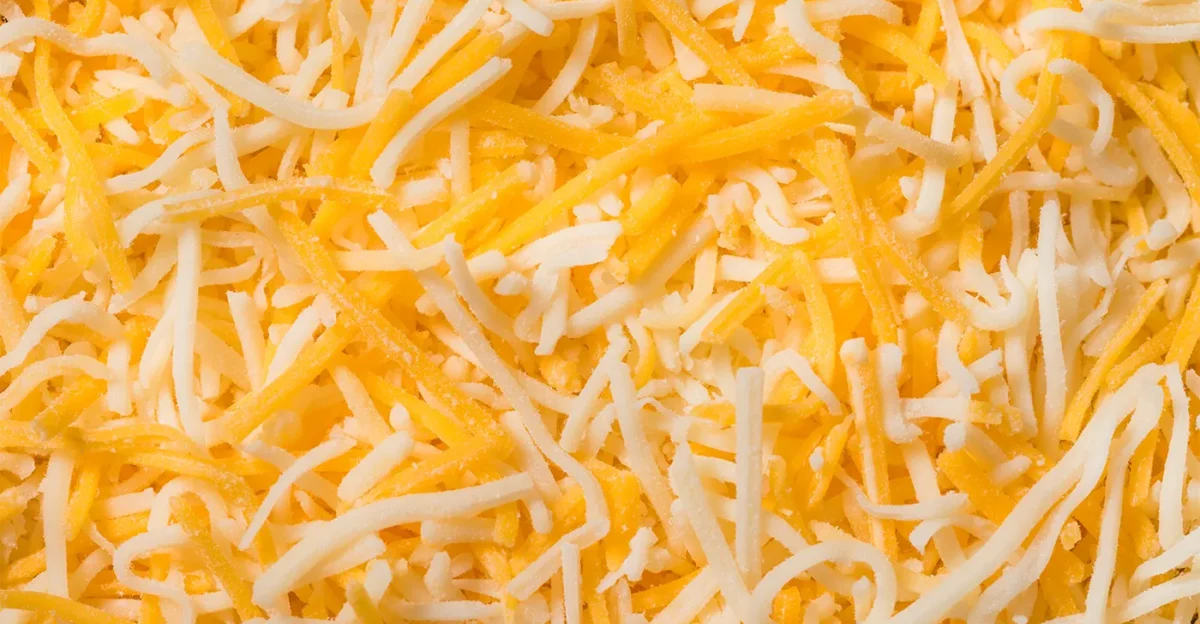
More than 30 store brands are involved, including Always Save, Borden, Brookshire’s, Cache Valley Creamery, Good & Gather, Great Value, Aldi’s Happy Farms, and H-E-B. These products share a single supply chain, not distinct origins. Branding disguises the fact that a single factory produced them all.
The scale of affected products shows just how much was distributed nationwide.
Breaking Down the Recall’s True Magnitude
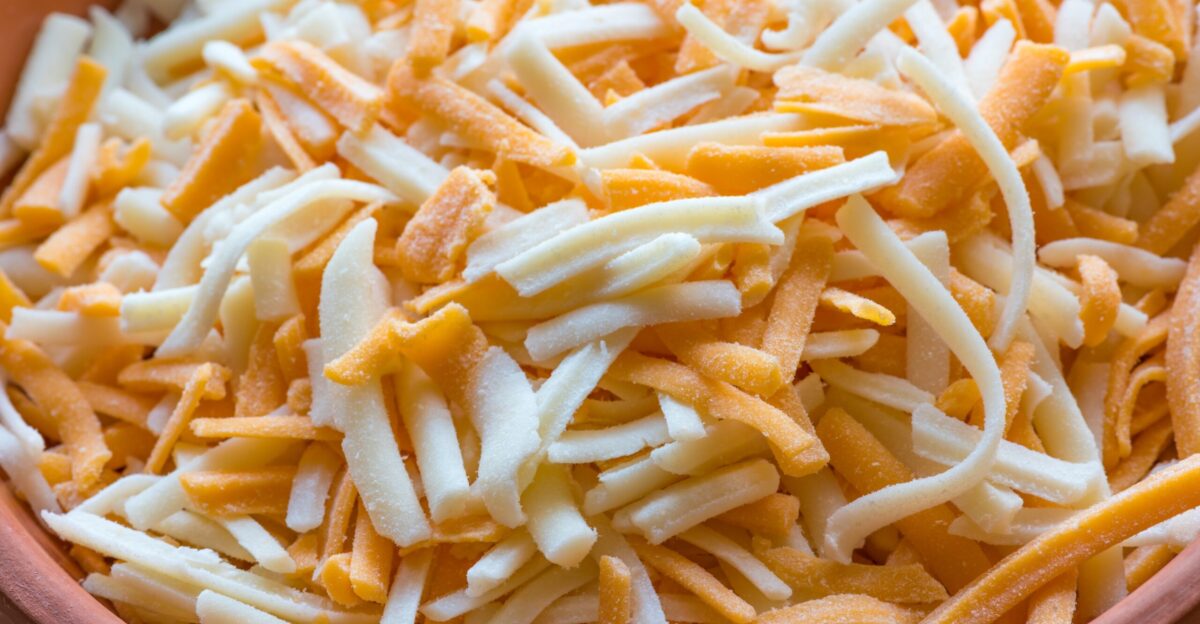
The FDA documented 263,575 cases recalled, equating to over 1.5 million bags. Mozzarella alone accounted for 236,000 cases. Other blends included Italian-style, pizza-style, mozzarella/provolone, Aldi Italian-style, and Target mozzarella/parmesan. These totals represent roughly 50–100+ SKUs across retailers. One contamination source affected multiple product types and millions of consumers.
The source of contamination reveals an unexpected upstream failure.
Where Did the Metal Fragments Actually Come From?
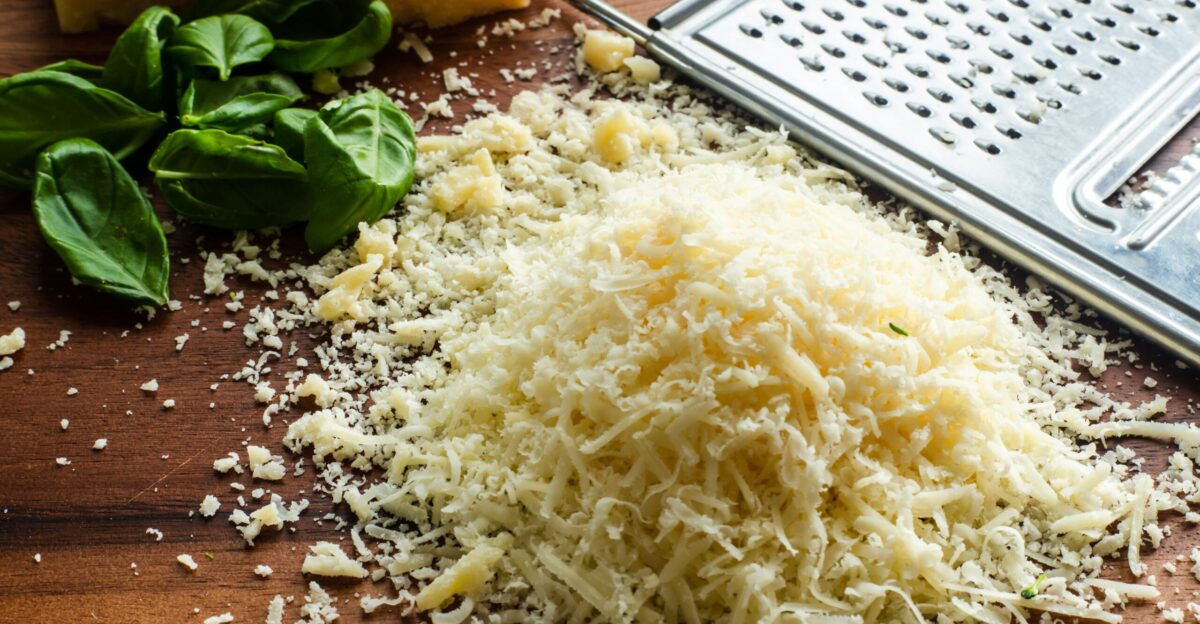
Great Lakes Cheese explained: “A supplier of low-moisture part-skim mozzarella cheese notified us that they were recalling cheese they had supplied to us due to foreign material.” The contamination entered via bulk raw ingredients, not the manufacturer’s own equipment, showing that even top facilities can be compromised by distant suppliers.
The company’s immediate response shaped the next critical steps.
“We Instructed Retailers to Remove Products Immediately”

Great Lakes Cheese acted quickly: “We instructed retailers to remove the products from store shelves after the announcement in October. When we were confident all recalled products had been removed, we distributed the new product without foreign material.” The two-month lag before FDA escalation created uncertainty for consumers unaware of the initial recall.
Yet a reassuring fact remained largely unknown to shoppers.
Why “Remote” Doesn’t Mean “Impossible”

As of December 4, no injuries, illnesses, or deaths have been reported, according to Healthline. But FDA Class II guidance warns that “use may cause temporary or medically reversible adverse health consequences; probability of serious adverse health consequences is remote.” Metal fragments can still cause choking, cuts, or dental fractures.
Consumer homes remain the new frontier of potential risk.
1.5 Million Bags Still Sitting in Fridges
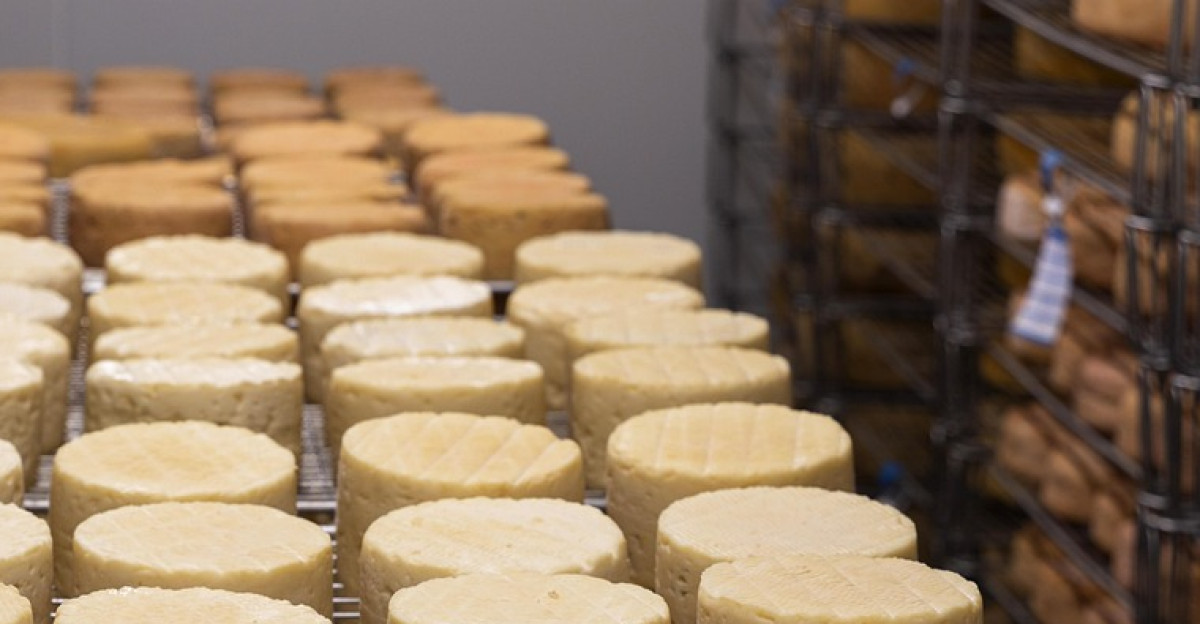
Industry estimates suggest 500,000–2 million units may remain in homes. Bags with “Best By” dates through March 2026 could stay undiscovered. Shredded cheese hides metal fragments, leaving families unaware while preparing meals. Great Lakes Cheese’s statement that all products were removed gives little comfort to those who bought them earlier.
The financial toll on the manufacturer reveals the real cost of this crisis.
What Does a Food Recall Actually Cost?
Mid-sized cheese recalls typically cost around $10 million, including reverse logistics, refunds, regulatory compliance, legal exposure, and lost sales. Retailers face secondary costs such as restocking and customer service inquiries. For a private company, this represents a major hit. Supply chain dependencies amplify financial pressures across multiple partners.
The impact goes beyond money to the people behind production.
How Recalls Affect the People Behind Production
Warehouse staff handled reverse logistics while truck drivers rerouted shipments to remove contaminated cheese. Retailers faced consumer confusion and spikes in demand for replacements. AI-driven logistics minimized shortages, but front-line workers experienced immediate strain. Smaller brands faced emergency sourcing and temporary suspensions due to dependence on Great Lakes Cheese.
Smaller retailers felt the ripple effects more acutely.
Regional Brands Left Vulnerable by One Manufacturer
Chains like Food Lion, Publix, and Schnuck’s rely heavily on Great Lakes for private-label products. Empty shelves and upset customers during the holiday season caused operational and reputational damage. Independent stores also faced brand harm and emergency sourcing challenges. Consolidated supplier reliance exposed critical vulnerabilities in smaller supply chains.
Regulatory oversight shaped the next step for consumers and industry.
What Does Class II Really Mean for Consumers?
Class II recalls signal serious but non-fatal hazards. Class I is deadly; Class III is minor. FDA upgraded Great Lakes on December 2, marking the injury risk serious enough for escalation. The “Do Not Consume” advisory reflected supplier-sourced contamination, allowing continued operation under closer supervision.
Understanding Class II raises questions about consumer behavior and safety.
How Shoppers Are Supposed to Respond
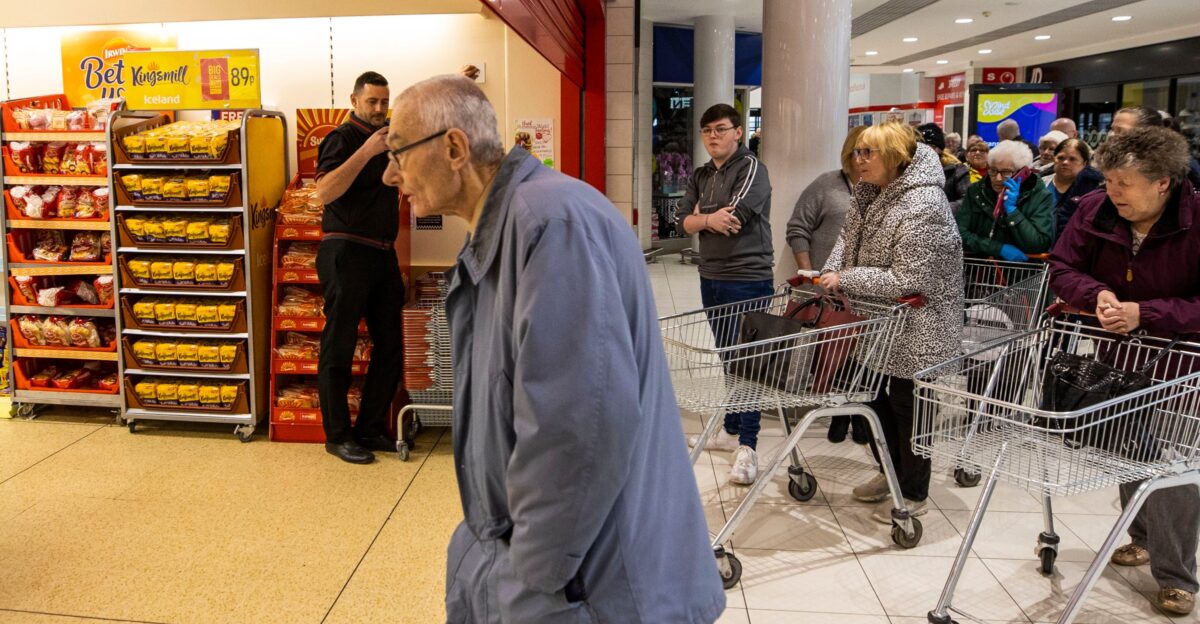
Consumers are instructed to check UPC codes, avoid consumption, return products for a refund, and contact a physician if needed. Awareness is low, especially among October buyers. Packaging shows no warning, leaving monitoring and vigilance to shoppers. Retailers increased signage and email alerts, but compliance is uneven.
The scale of this crisis signals troubling industry trends.
How Does This Compare to Past Food Crises?

In 2023, a listeria outbreak affected multiple states, including Pecorino Romano. 2024 saw numerous dairy recalls. The Great Lakes recall—30+ brands, 31 states, 263,575 cases, 1.5 million bags—is one of the largest multi-brand cheese recalls recently. The gap before FDA escalation and the single factory’s widespread impact highlight systemic vulnerabilities in consolidated food production.
Industry response in the coming weeks may determine long-term change.
What Happens to Great Lakes Cheese Now?
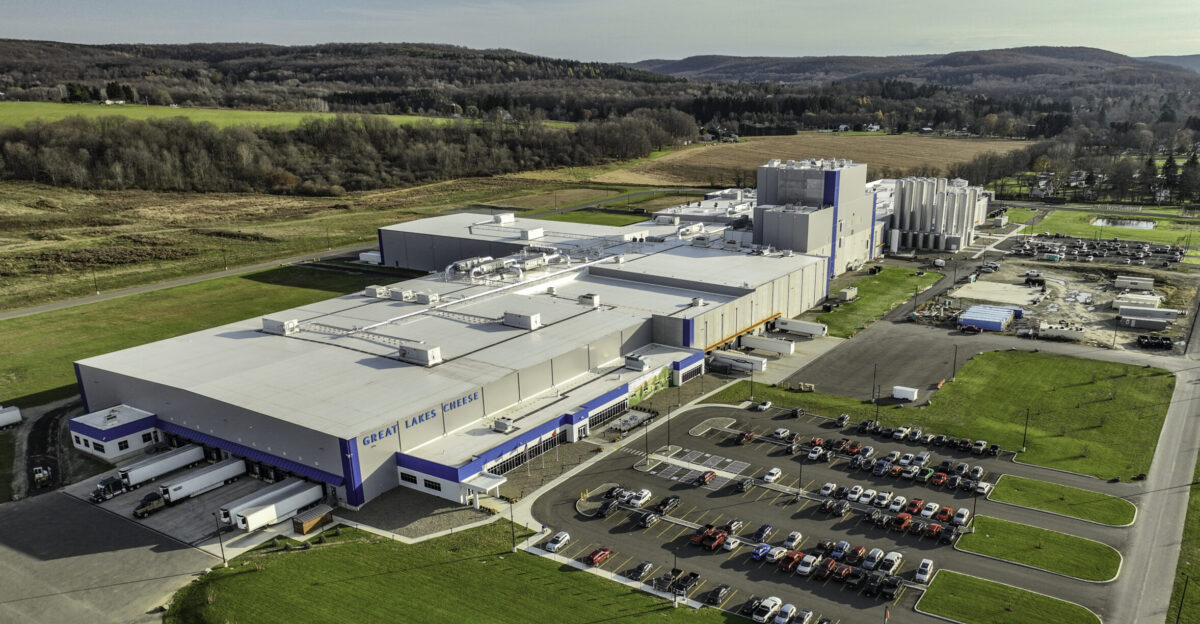
The FDA will verify the removal of contaminated products and audit quality control systems. They may require enhanced testing, third-party audits, or corrective actions. Facility closure is unlikely unless systemic issues exist. Retailers can suspend supply agreements. The Great Lakes must document supplier verification and prevention measures to meet federal standards.
Broader questions remain about grocery safety and supply chain transparency.
Private Labels Aren’t What You Think They Are
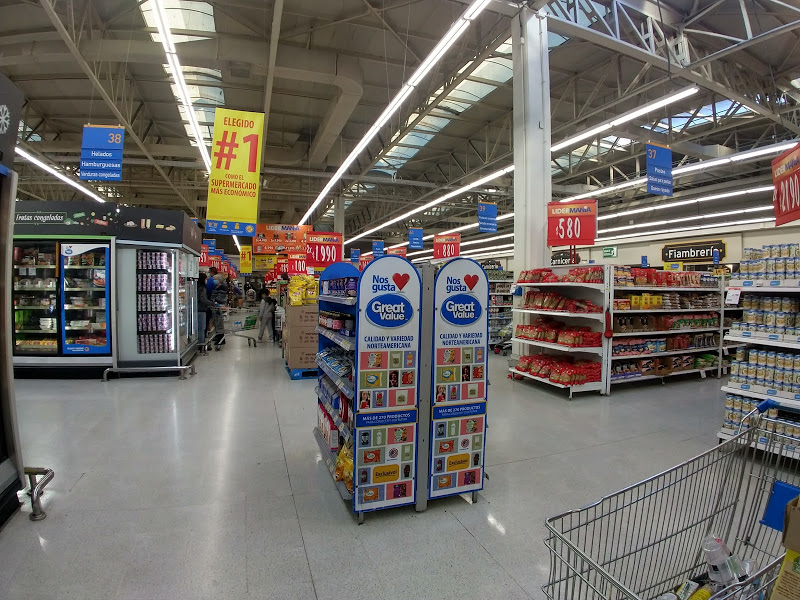
Walmart’s Great Value, Target’s Good & Gather, and dozens of others come from the same manufacturer. Marketing portrays distinct brands, but sourcing and safety depend on upstream suppliers. A single contamination incident exposes the limits of brand differentiation. Traceability, not labeling, is essential for consumer confidence and food safety assurance.
Looking ahead reveals both immediate and systemic concerns.
The Supply Chain Blind Spot Nobody Wants to Address
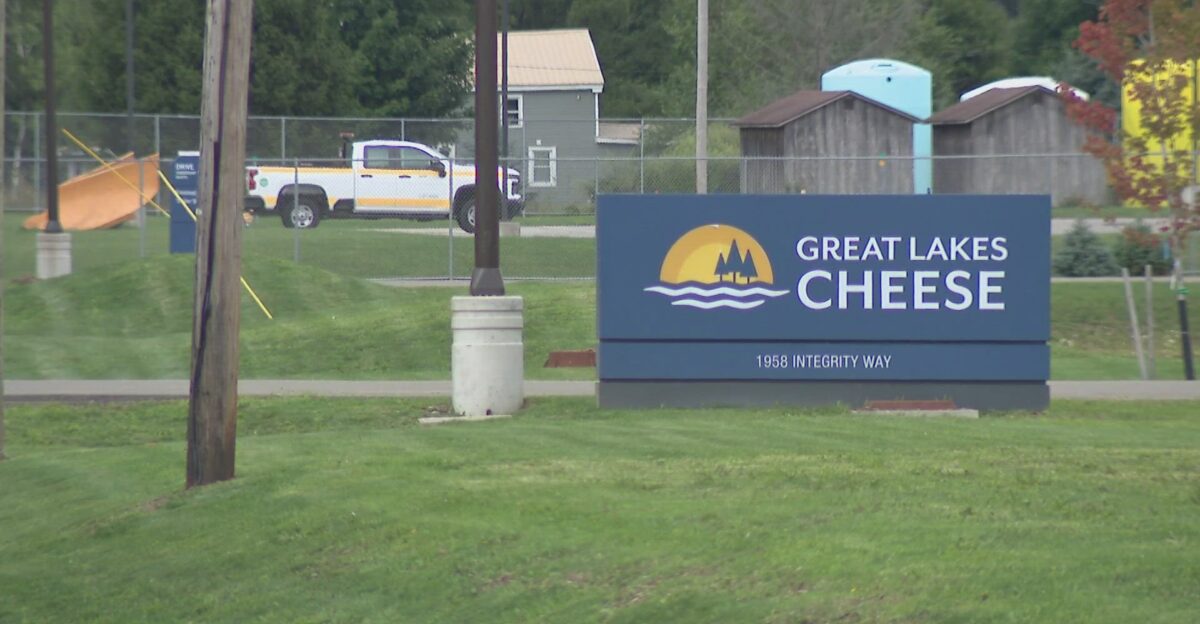
Retailers and manufacturers often lack visibility into raw material sourcing. Great Lakes didn’t detect contamination; the supplier did after shipment. Consolidation increases efficiency but eliminates redundancy. Experts recommend blockchain traceability, third-party audits, and ingredient diversification. Cost and margin pressures have delayed adoption. The December 2025 recall may prompt systemic change—or fade as another isolated incident.
The final takeaway brings this story into focus.
Metal Fragments, Consumer Trust, and System Change
The recall is operationally resolved: products removed, FDA monitoring in place, no injuries reported. But a single supplier failure in Ohio affected millions. The incident highlights supply chain fragility and the need for transparency. Consumers, retailers, and regulators now face pressure to improve traceability and resilience to prevent future crises.
The real question isn’t if it will happen again—it’s whether we’re ready.
SOURCES:
FDA Enforcement Report (December 2, 2025)
USA Today Food Safety Reporting (December 3, 2025)
Healthline Food Recall Coverage (December 4, 2025)
AInvest Supply Chain Analysis (December 2–4, 2025)
Great Lakes Cheese Co. Official Statement (December 3, 2025)
Food Manufacturing Recall Cost Benchmarking (2025)
Oregon Health Authority WIC Recall Notice (December 4, 2025)