The Piasts, Poland’s first royal dynasty, are the subject of recent, ground-breaking DNA research that questions conventional wisdom. Genetic analyses show that the male lineage’s Y-chromosome haplogroups closely resemble those discovered in ancient Pictish remains from eastern Scotland, which date to the fifth or sixth century, defying the long-held notion that the Piasts were native Slavic rulers.
These results suggest that rather than being native to the area, the paternal ancestors of the Piast dynasty most likely migrated from the North Atlantic region, most likely Scotland. This discovery offers fresh insights into Central European migration, dynastic formation, and cultural blending during the Middle Ages.
An Overview of the Piast Dynasty’s History
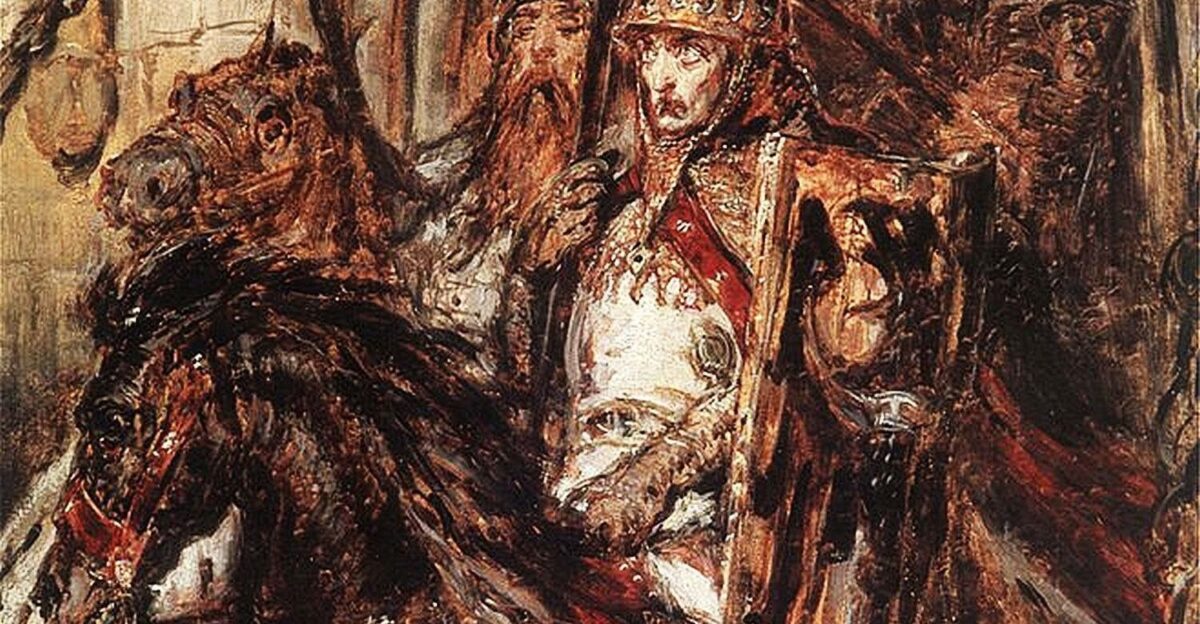
Known as Poland’s first royal family, the Piast dynasty ruled from the tenth to the fourteenth centuries. This dynasty’s origins were traditionally thought to be exclusively Slavic, with strong roots in the regional tribal structures of early medieval Poland. Poland’s entry into European Christendom is attributed to the unification of diverse tribes and the adoption of Christianity by the first known ruler, Mieszko I (r. 960–992).
The Piasts consolidated their power in Central Europe by building a strong kingdom over many centuries. The story of Polish nationalism and autochthony was emphasized by this history.
The Genetic Proof: DNA Examinations

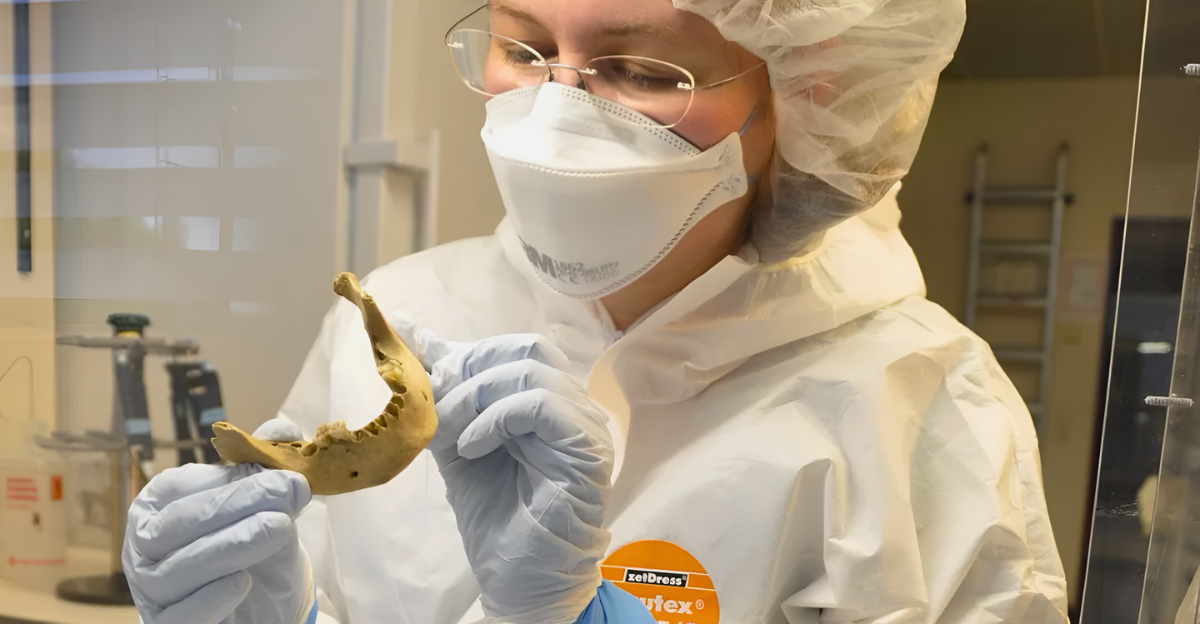
The Y-chromosome DNA that was taken from the skeletal remains of the Piast rulers and their kin forms the scientific basis of this reexamination of history. Under the direction of Marek Figlerowicz, a research team from the Poznań University of Technology was able to successfully recover readable Y-DNA from three females and thirty males from various Piast crypts.
The unique genetic marker was almost entirely attributed to a haplogroup that was primarily present in ancient specimens from eastern Scotland that were connected to the Picts. The hypothesis of foreign paternal ancestry is supported by this lineage’s rarity and distinction from typical Central European haplogroups. It also suggests a cross-regional gene flow or dynastic relocation that may have occurred centuries before the Piasts came to power.
Environmental and Archaeological Verifications
In addition to genetics, the foreign-origin hypothesis is supported by paleoenvironmental and archaeological evidence. Pollen cores from Lake Lednica, the birthplace of Piast, Poland, show significant ecological changes in the ninth century, including a transition from forest to farmland that is consistent with the introduction of slash-and-burn farming methods to support a new elite.
The sediment’s layers of soot and charcoal show extensive fires that may have been caused by resource exploitation and fort construction, indicating social and economic changes that occurred at the same time as the dynasty’s founding. These results highlight the ways in which environmental changes coincided with the establishment and strengthening of a potentially Scottish-influenced monarchy that influenced the development of medieval Poland.
Rethinking Historical Narratives
The DNA results support a reexamination of historical accounts that primarily depicted the Piasts as regional Slavic leaders. For many years, the dynasty’s ancestors were either indigenous Slavs, Viking invaders, or Moravian exiles, according to scholarly debate. According to a new framework, the Piasts might have come from a small migrant elite who arrived through dynastic marriage or conquest, given the strong Scottish genetic signal.
Instead of emphasizing strict ethnic divisions or nationalist myths, this migration would have blended into a predominantly Slavic populace, demonstrating medieval Europe’s interconnected aristocracies and the fluid movement of peoples.
Critiques and Contrarian Opinions
Some experts express valid concerns regarding the findings, even in the face of strong evidence. Critics point out differences in the radiocarbon dating of some remains and highlight possible methodological problems like contamination, DNA deterioration, and sample misattribution. Some skeletons attributed to important Piast rulers, for example, were discovered to be centuries later than anticipated.
More locally prevalent variants are suggested by alternative haplogroup identifications, such as the U512 subclade that was common in ancient Poland. These difficulties highlight the difficulties in studying ancient DNA and the necessity of more open data and larger sample sizes to resolve the origins controversy definitively.
The Consequences for Politics and Psychology
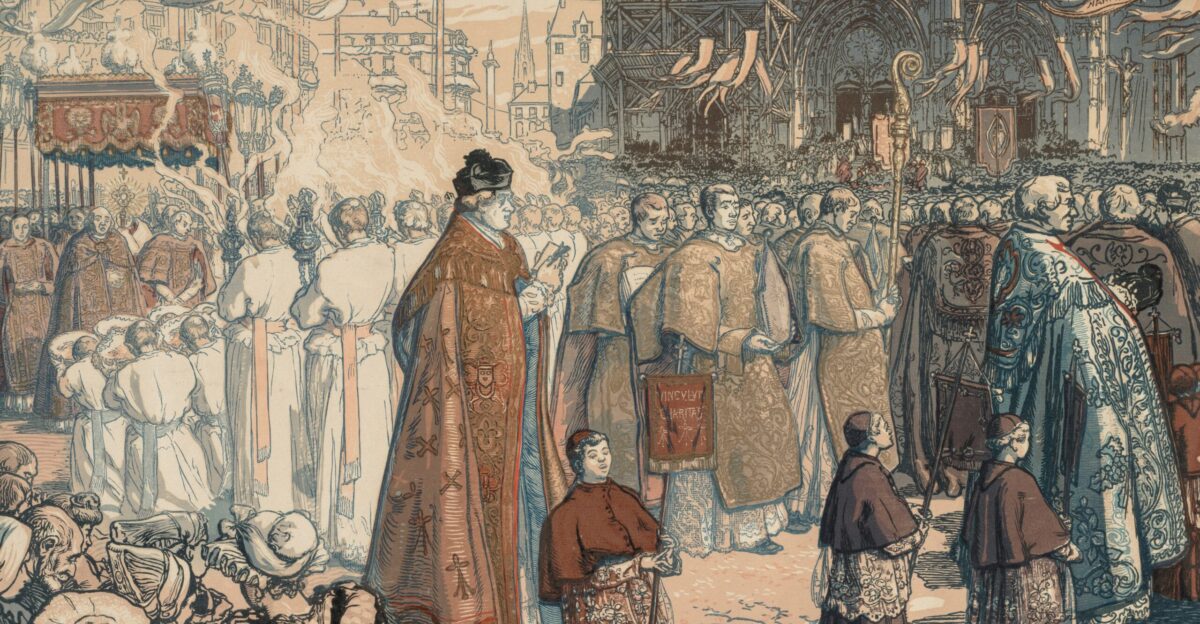
There are profound political and psychological ramifications to the discovery that Poland’s first monarchs may have been of Scottish ancestry. Mythic origins that are strongly linked to geography and ethnicity are frequently the foundation of national identities. Traditional Polish narratives about indigenous nobility and ongoing territorial sovereignty are called into question by this new paradigm.
On a psychological level, it could spark discussions about national histories’ construction, identity, and belonging. A more inclusive and sophisticated view of nation-building in medieval Europe can be promoted by acknowledging dynastic origins as multicultural and migratory rather than purely local.
Migration of Elites and Hybrid Identity

A novel conceptual framework regarding elite migration and the formation of hybrid identities in medieval Europe is revealed by utilizing this DNA evidence. Through strategic alliances and cultural assimilation, ruling dynasties were able to introduce foreign paternal lines into primarily local populations, as demonstrated by the Piast example.
This “migratory elite” model demonstrates how the legitimacy of rulership was created dynamically by fusing indigenous customs with foreign origins, challenging static notions of ethnicity. Compared to purely insular theories, it helps explain the complex political map of medieval Europe by forecasting cascading effects on trade, diplomacy, and cultural transfer across regions.
A Case Study of Medieval Globalization: The Piast Dynasty
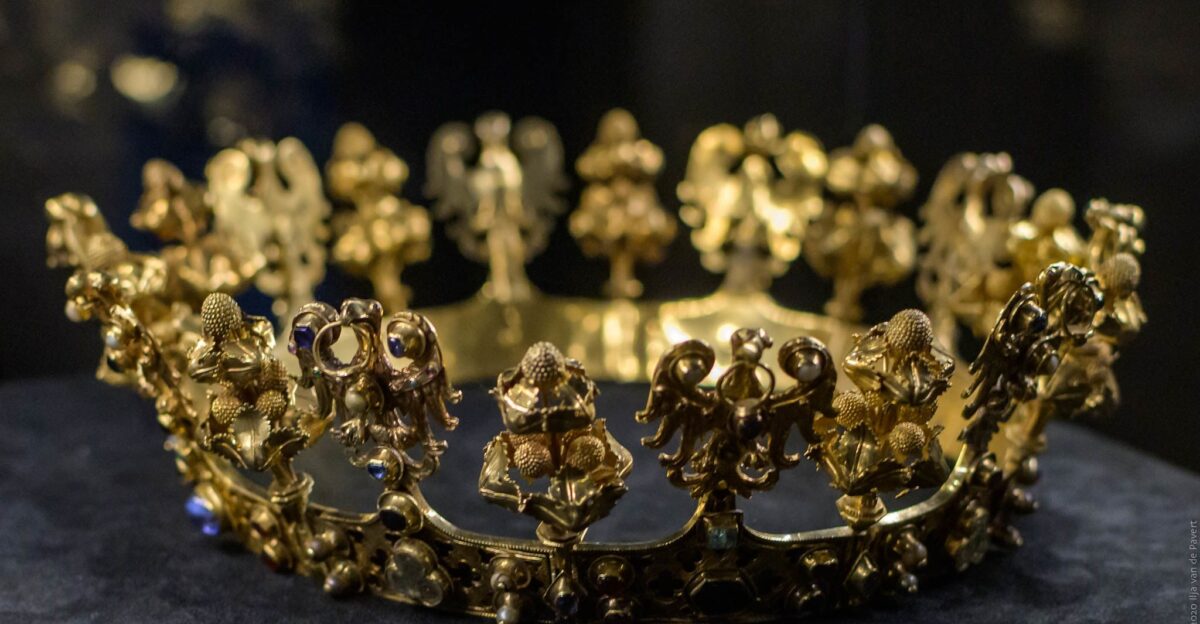
Given that distant regions like Scotland and Poland were connected by dynastic ties, the Piast genetic discovery can be seen as an early example of medieval globalization. This case illustrates how, long before the modern era, elite families were involved in proto-global networks involving population movements, marriage alliances, and trade (like the Amber Route).
It challenges us to reconsider the early medieval states’ apparent isolation and to take into account the larger Eurasian background that influenced European history, fusing environment, culture, and genetics into a multifaceted tapestry.
The Impact of the Ecological Setting on the Piast Ascent
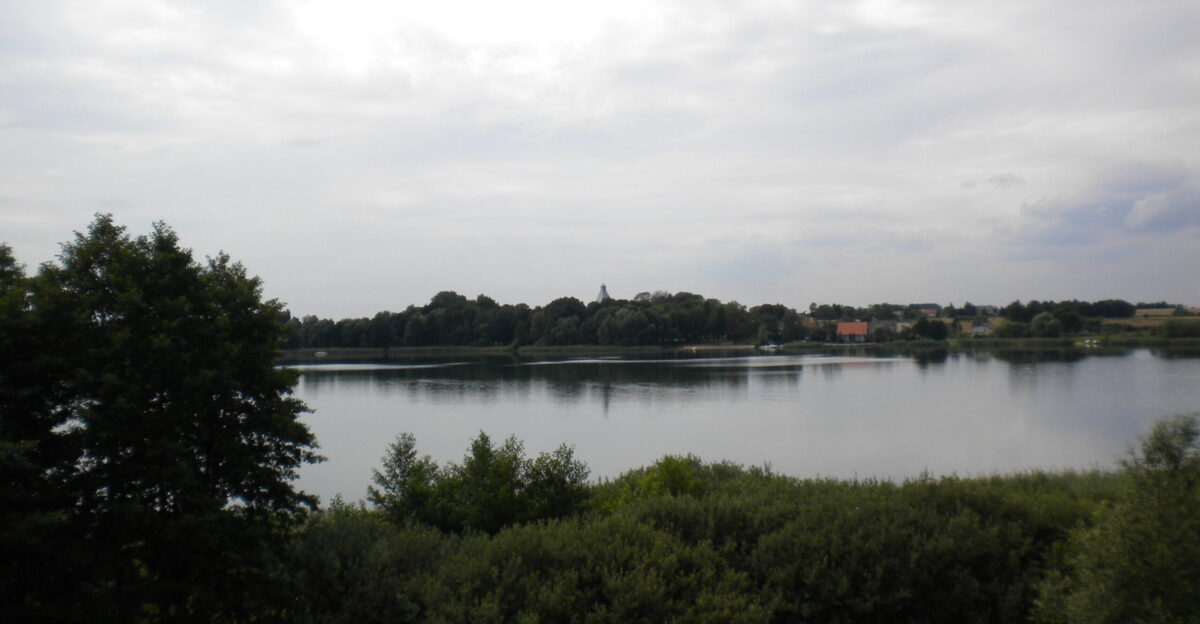
The ecological changes that could have made the Piast ascent easier are highlighted by the environmental data at Lake Lednica. Larger populations and social stratification were supported by the increased arable land brought about by slash-and-burn agriculture. As fortified settlements like Gniezno and Poznań were established, increased levels of charcoal show that forests and the landscape have been altered by humans for resource extraction and defense infrastructure.
State formation may have accelerated as a result of these environmental pressures and adaptations favoring migrant elites with outside knowledge or customs, like those originating in Scotland.
Continuity of Genes and Local Integration

Broader genetic studies show that the Polish population as a whole has maintained remarkable genetic continuity since the Iron Age, despite the Piast male lineage displaying foreign roots. Local populations carried consistent continental European genetic markers over millennia, according to DNA analyses of different burial sites.
This implies that the royals of Scottish descent ruled over a Slavic population that was genetically stable and probably assimilated culturally. Medieval societies’ multi-layered social structure is exemplified by the contrast between local majority genetics and foreign elite paternal lines.
Dynastic Power’s Economic Foundations and Trade
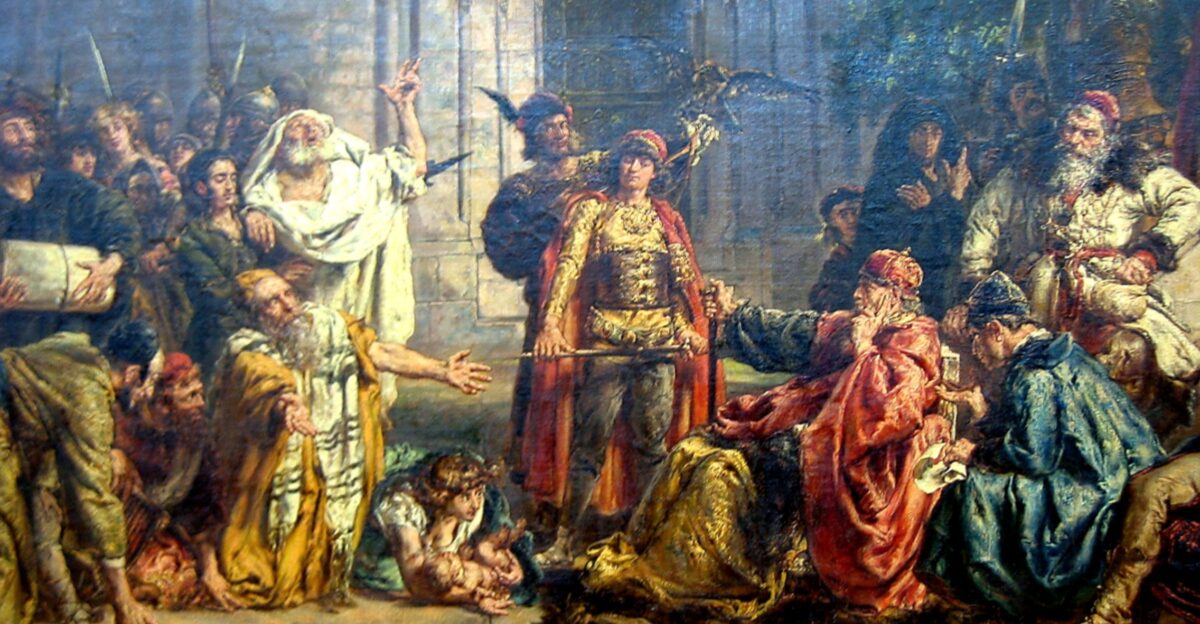
Economic considerations were crucial in establishing the Piasts’ dominance. The dynasty created wealth and allowed for military and political domination by controlling portions of the enslaved person and amber trade routes that connected the Baltic to Rome. Infrastructure for governance and the building of forts were aided by the flood of silver tributes.
The emergence of the Scottish-linked DNA and these economic dynamics suggest that the dynasty’s foreign origins also reflect integration into larger Northern European trade networks, which is a crucial aspect of early statehood.
Methodological Advancements in the Study of Ancient DNA
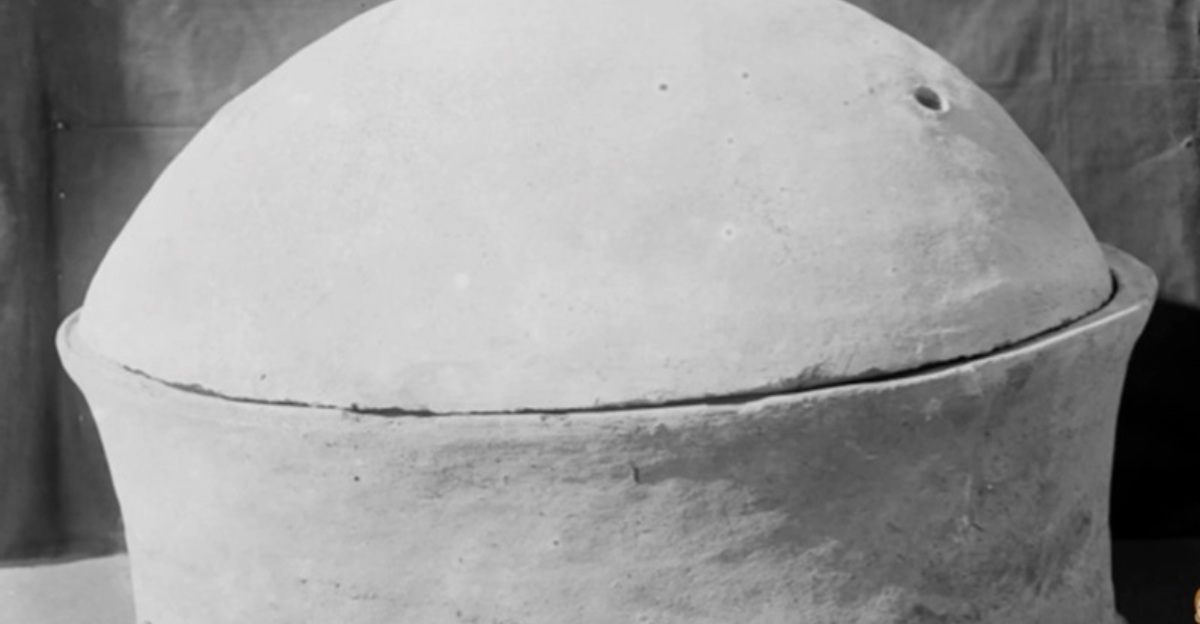
Advances in molecular biology and genomics are demonstrated by the successful extraction and analysis of ancient DNA from Piast crypts. Current methods enable both the identification of familial relatedness and the tracing of geographic origins via Y-chromosome haplogroups, in contrast to previous periods that relied on limited archaeological interpretation.
This integrated approach has been pioneered by Poland’s Poznań University of Technology, which uses interdisciplinary collaboration to combine paleogenomics, archaeology, and paleoecology to create a comprehensive understanding of medieval history.
Relevance to Medieval European History
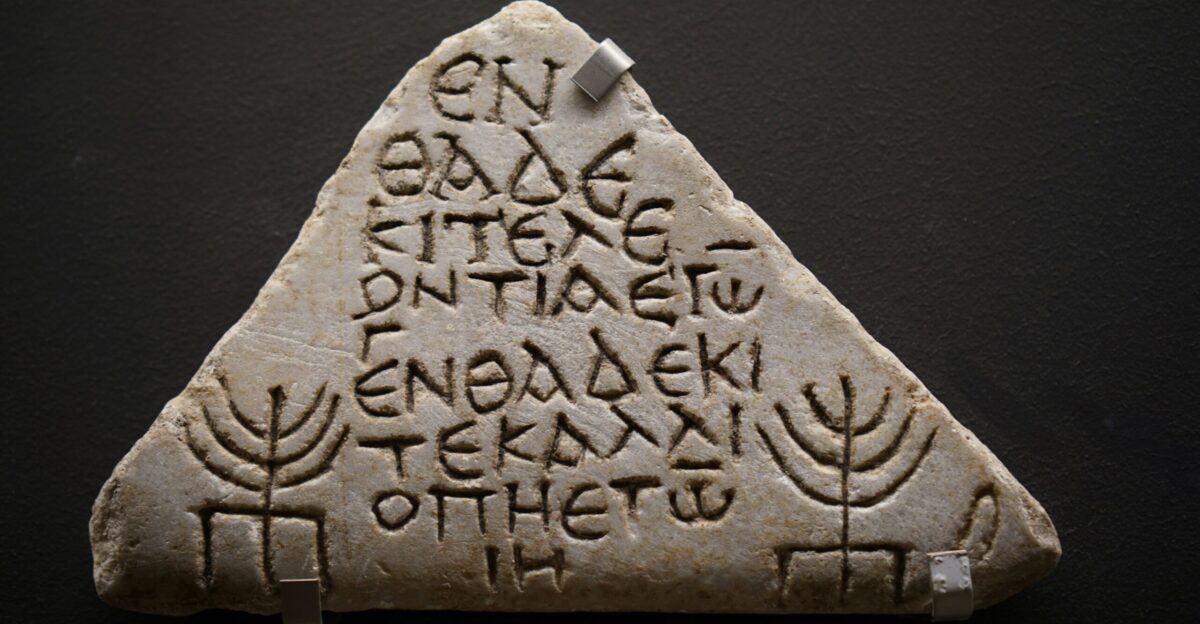
The traditional narratives about medieval European nobility being predominantly autochthonous are challenged by this Scottish-origin theory. It draws attention to how ethnic and geographic identities were flexible during the Middle Ages, reflecting intricate political and migratory trends.
Cross-regional elite movements were more widespread than previously thought, according to the Piast example. This changes historical perspectives to emphasize migration and cultural hybridity in the formation of early polities, and to see medieval European states as nodes within transcontinental networks of influence.
Possible Second- and Third-Order Implications of the Results
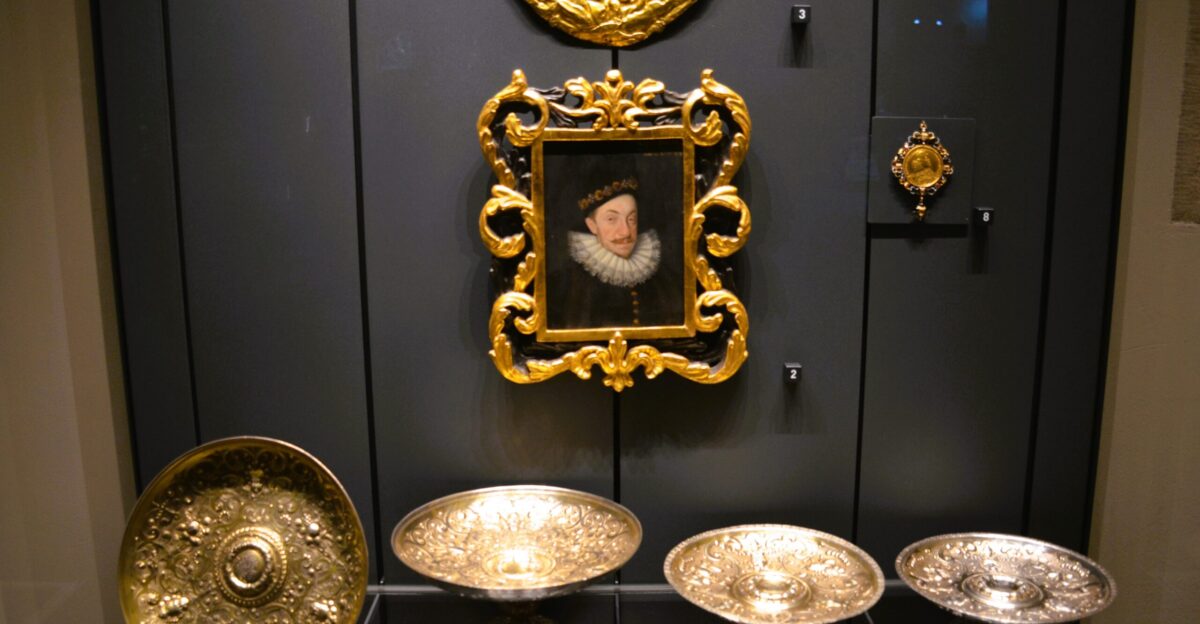
The idea that the first Polish kings were Scottish could change modern national identities, encourage scholarly reexaminations, and affect cultural diplomacy between Scotland and Poland. In the past, it may have led to textbook revisions and the rewriting of stories about local pride. Politically, it might promote collaboration by emphasizing long-standing ties.
Socially, this acknowledgment could broaden discussions about migration, identity pluralism, and intercultural interaction while providing a compelling case study of the advantages and difficulties of historical cultural integration.
Comparing the Origins of Piast with Those of Other European Dynasties
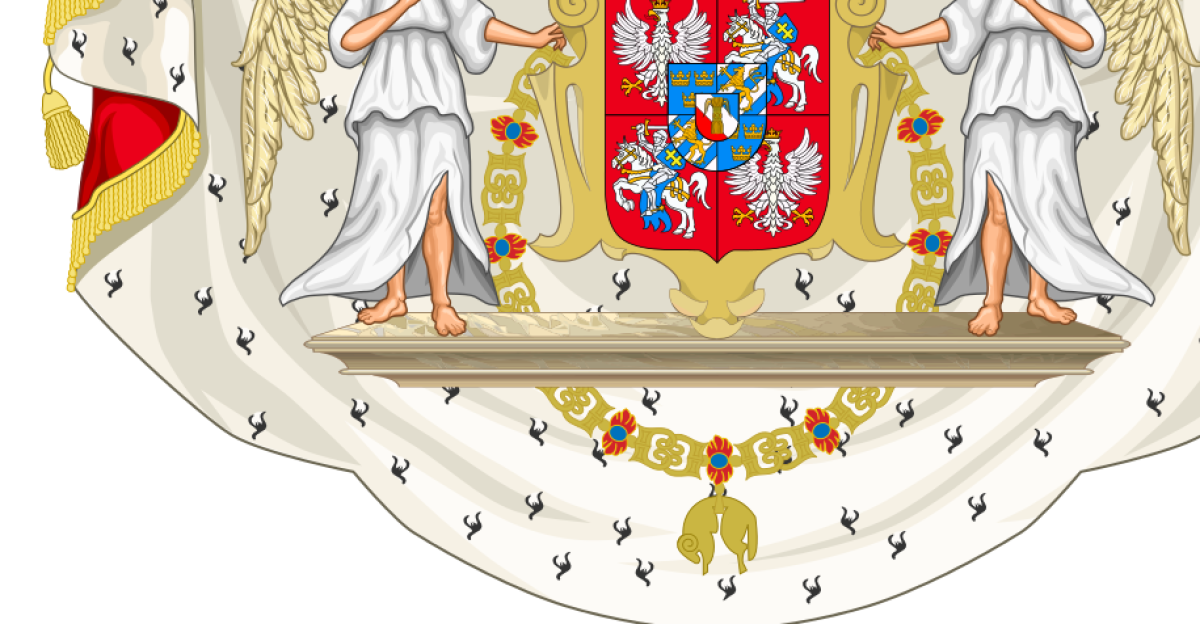
Like the Normans, who came from Viking Scandinavia, or the Habsburgs, who ruled over several different regions, many European royal houses have complicated migratory histories. This broader trend of dynasties emerging across genetic and cultural divides is consistent with the recently discovered Scottish paternal lineage of the Piast dynasty.
In favor of a pan-European aristocratic fluidity, where identity is constructed through politics and marriage rather than straightforward ancestry, this comparison challenges nationalist historical perspectives.
Theoretical and Unverified Hypotheses
One of the theoretical hypotheses is that the Piasts were descended from a noble family from Scotland who were uprooted by tribal conflicts and then made their home in Poland through calculated alliances. According to a different theory, the Y-DNA lineage was introduced by Viking intermediaries from Scotland during larger Norse expansions.
These theories, while unverified, demonstrate how the medieval North Sea and Baltic Sea regions were intertwined, creating opportunities for interdisciplinary research in the fields of archaeology, genetics, and historical linguistics.
Wider Cultural Consequences of DNA Disclosures
The revelation that the governing bloodlines originated in far-off places upends rigid notions of ethnic purity and emphasizes the cosmopolitanism of the medieval nobility.
It acts as a reminder that contemporary ideas of nationhood are social constructs that are relatively new. Understanding the migratory, hybrid character of ancient elites can promote greater historical humility and cultural tolerance, impacting current debates about nationalism and identity politics in Poland and throughout Europe.
Prospective Research Paths
In the future, additional DNA sequencing of remains from other Piast sites, like Kraków’s Wawel Castle, may provide answers to questions about ancestry. Long-term paleoenvironmental research that traces ecological shifts back to the 7th century could help us better understand how societies evolved.
More extensive sampling from contemporaneous burial sites in Europe could improve our understanding of migrations and interactions. Multidisciplinary studies like these have the potential to constantly transform medieval historiography and enable more complex reconstructions of the early European state structures.
In Conclusion

Long-standing historical and cultural narratives are fundamentally challenged by the DNA evidence indicating that Poland’s first kings were of Scottish paternal origin. Emphasizing the interaction of migration, environment, and elite strategies in forming early states promotes a paradigm shift towards accepting complexity in medieval identities.
Although there are still disagreements and criticisms, the study shows how sophisticated genetic techniques can reveal obscure periods of history, challenging academics and societies to reevaluate the origins of nationhood as complex, interrelated, and dynamic processes rather than static or insular. This discovery invites a more thorough comprehension of the medieval past and enhances Polish and broader European historiography.