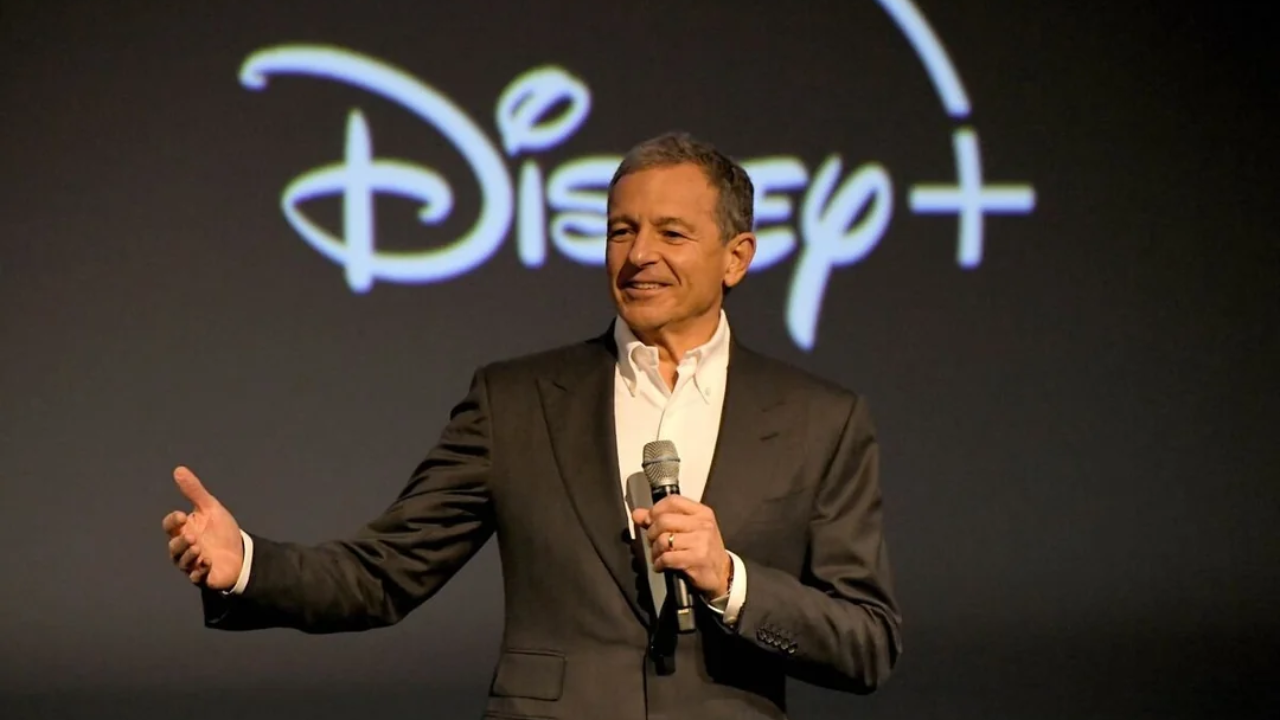
In October 2025, Disney will move the first four Indiana Jones films from Disney+ to Amazon Prime Video, a decision that highlights the shifting landscape of streaming rights and the growing challenge for fans to access beloved franchises in one place. Despite Disney’s ownership of Lucasfilm and the Indiana Jones intellectual property, Paramount retains distribution rights to the original films, creating a complex web of licensing that now splits the saga across two major platforms.
A Franchise Caught Between Studios
The Indiana Jones franchise, spanning from 1981’s “Raiders of the Lost Ark” to 2008’s “Kingdom of the Crystal Skull,” has long been a staple of action-adventure cinema. When Disney acquired Lucasfilm in 2012, it gained control over the brand but not the distribution rights to the first four films, which remained with Paramount. This arrangement has led to periodic rotations of the movies between streaming services. In 2024, the films were briefly available on Disney+, but with the new licensing window, Amazon Prime Video will become their exclusive home for a period starting in late 2025.
This isn’t an isolated case. “It’s frustrating for longtime fans,” said Orlando resident and Indiana Jones enthusiast Maria Lopez. “You think you have the whole series, and then suddenly half of it disappears from your subscription.” Her experience reflects a growing sentiment among viewers who find themselves juggling multiple services to follow a single story.
The Mechanics and Motives of Licensing
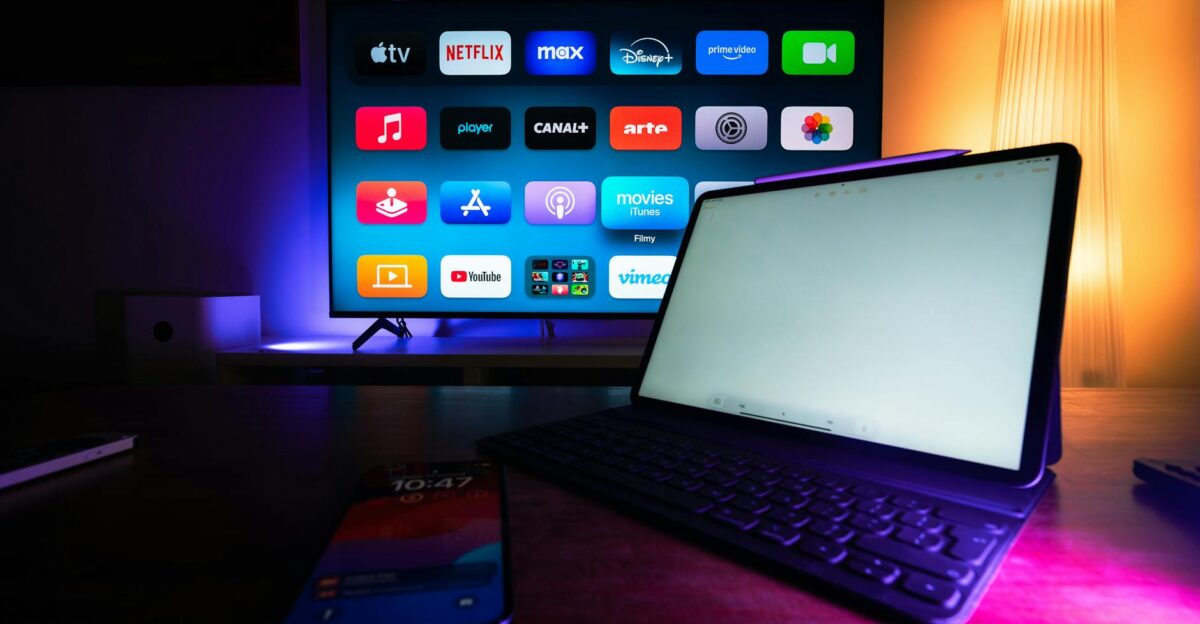
Streaming platforms like Disney+ and Prime Video operate under licensing agreements that are often temporary and region-specific. When a licensing window closes, rights can shift to another bidder, maximizing revenue for studios but complicating access for audiences. “Studios are increasingly treating their content libraries as assets to be monetized across as many platforms as possible,” explained media analyst Dr. Kevin Wu of UCLA. “This means exclusivity is rarely permanent, even for properties owned by the streaming service itself.”
By rotating titles, studios can extract more value from their catalogs, but this practice forces fans to maintain multiple subscriptions. The Indiana Jones move is emblematic of a broader industry trend, as seen with franchises like Star Trek and The Office, which are also split across competing platforms.
Fragmentation and Its Impact on Viewers

The division of major franchises across services is reshaping the streaming experience. For Indiana Jones fans, watching the entire saga now requires both a Disney+ and a Prime Video subscription. This not only increases costs but also disrupts the seamless viewing experience that streaming once promised. According to a recent Deloitte Digital Media Trends report, no single streaming service commands more than 8.75% of Gen Z’s total media attention, and 23% of Gen Z cable customers plan to cancel their subscriptions within the next year—signs of mounting “subscription fatigue.”
The financial implications are significant. To access all five Indiana Jones films, viewers must pay for both services, with Prime Video alone costing an additional $17.98 per month. Over two years, that adds up to more than $430, a price point that may drive some to seek alternative, less legitimate means of viewing.
Global Trends and Comparisons
This fragmentation is not unique to the United States. In the United Kingdom, for example, the Harry Potter films have rotated between Sky, Now TV, and Netflix, often leaving fans uncertain where to find them at any given time. “The global streaming market is now defined by these shifting windows,” said Dr. Wu. “It’s a challenge for both consumers and content owners, as loyalty to a single platform is eroded by the need to chase favorite titles across the digital landscape.”
The emotional toll is real. Fans report frustration and a sense of loss when favorite films vanish from their libraries. “It’s like playing musical chairs with your childhood memories,” Lopez said. The annual licensing shuffle creates urgency and anxiety, pushing viewers to binge-watch before titles disappear again.
Looking Ahead: The Stakes for Studios and Audiences
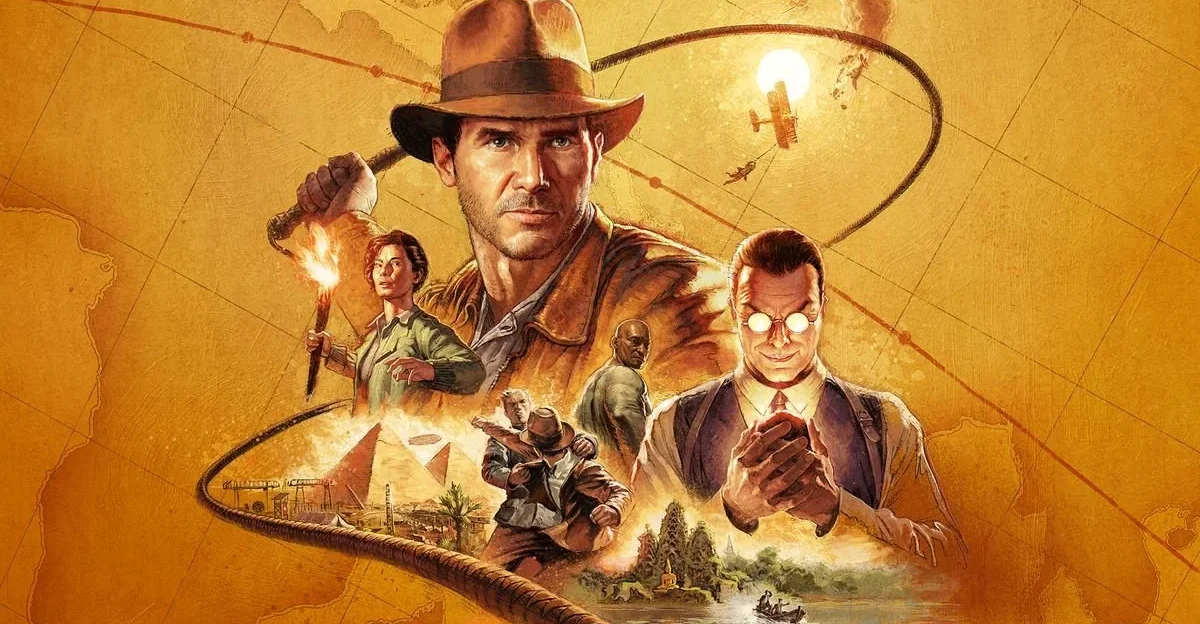
As studios prioritize short-term licensing revenue over long-term viewer satisfaction, the trend toward content fragmentation is likely to accelerate. Some experts predict this could lead to increased password sharing and piracy, while others foresee a future where bundled or consolidated services emerge to simplify access.
For now, the Indiana Jones saga stands as a case study in the complexities of modern streaming. The industry’s next moves will determine whether audiences continue to accept this fractured model or demand a return to more unified access. As Dr. Wu put it, “The streaming wars are far from over, and the real winners—or losers—will be the viewers navigating this ever-changing terrain.”