At midnight on October 30, 2025, millions of YouTube TV subscribers were left in the dark. Disney’s iconic channels, including ESPN and ABC, suddenly vanished from the service, leaving users scrambling for answers. The timing was perfect for a showdown between two corporate giants, and as the blackout extended day by day, Disney’s revenue loss began to mount—$4.3 million each day, according to Morgan Stanley. As subscribers vented their frustration, neither Disney nor YouTube TV appeared willing to blink first.
But what drove the blackout, and what were the lasting consequences? Stay tuned as we dive into the high-stakes battle between Disney and Google.
Why Did It Happen?
At the heart of this blackout is a bitter carriage dispute. Disney accuses Google of refusing to meet fair rates for its channels, while Google insists Disney’s price hikes would make YouTube TV unaffordable.
As the battle rages on, neither side seems willing to compromise, deepening the rift that keeps subscribers in the dark.
The Immediate Impact on Subscribers
For YouTube TV users, the blackout has been a major inconvenience. In addition to missing key events like Monday Night Football, college football games, and ABC news programs, frustrated subscribers are now stuck with a service that’s no longer delivering its promised content.
What was once a $72.99 monthly package is now missing major parts of its offering.
YouTube TV’s Response
To stem subscriber frustration, YouTube TV issued a $20 credit to affected users starting November 13. Although the gesture was a step toward placating unhappy customers, it was far from enough.
A missed playoff game or weeks of prime programming couldn’t be compensated for with a one-time credit.
The Churn Dilemma
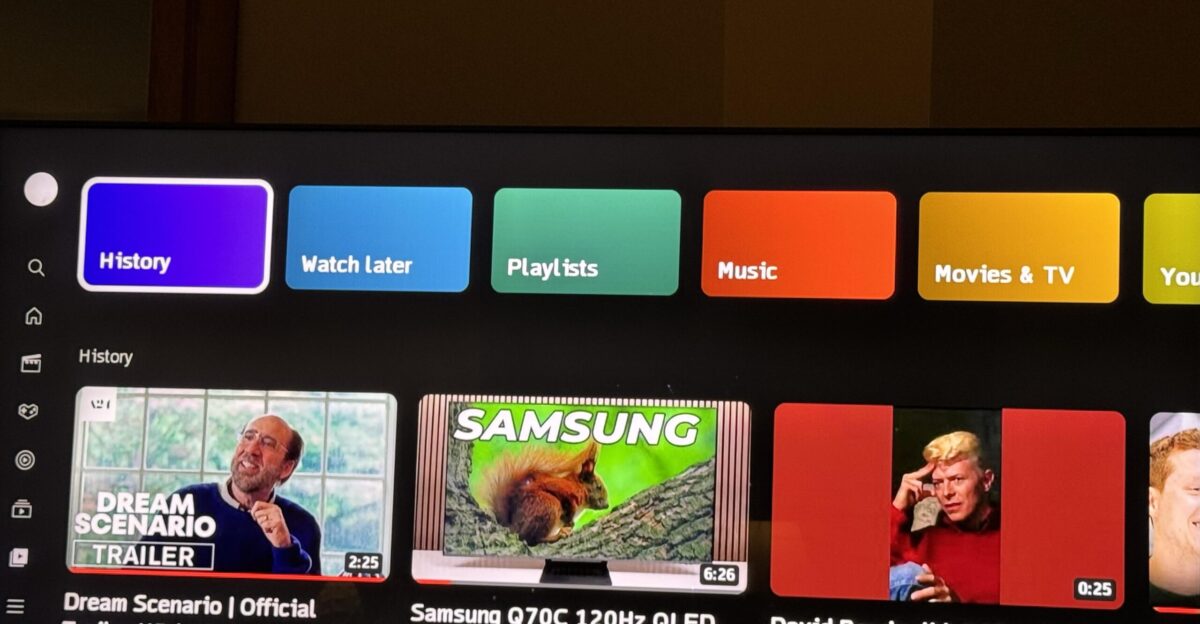
YouTube TV faces an uphill battle with potential subscriber churn. Industry analysts suggest up to 24% of users could cancel their subscriptions due to the blackout.
While YouTube disputes these figures, the financial implications of even a small percentage of cancellations would mean massive revenue losses.
Rivals Step In
As YouTube TV struggles, its competitors are capitalizing on the situation. Hulu + Live TV, Sling TV, and other services are drawing in YouTube TV refugees with better service reliability and promotional deals.
Even traditional cable providers are seeing a bump in new subscribers as frustrated users seek alternatives.
Advertisers Feel the Pressure

The blackout also took a toll on advertisers. Major NFL games, college football, and primetime ABC slots were cut off from 10 million potential viewers.
With advertising dollars on the line, marketers are rethinking their budgets, causing ripple effects in the media-buying world, especially during the holiday season.
Disney’s Direct-to-Consumer Push
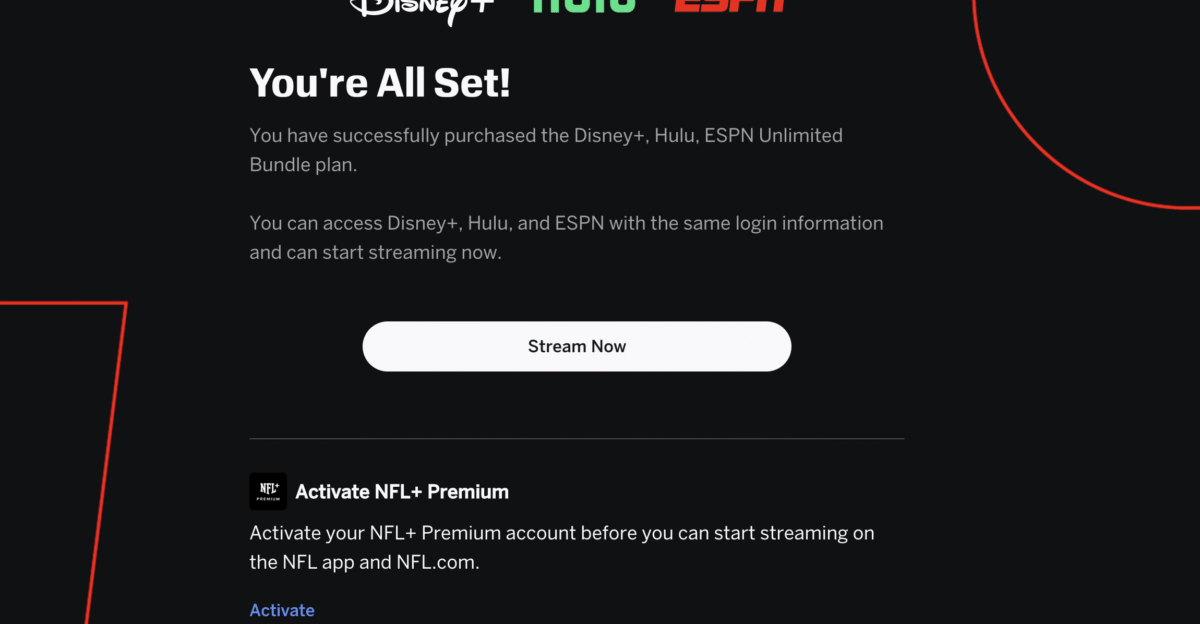
While YouTube TV struggles, Disney’s direct-to-consumer platforms, including Disney+, Hulu, and ESPN Unlimited, are seeing a surge in subscriber interest.
With ESPN Unlimited offering a dedicated sports streaming service, Disney is proving that its own platforms can thrive without relying on third-party distributors like YouTube TV.
Sports Fans’ Growing Frustration
Sports fans are at the center of the storm. After missing key NFL games and college football matchups, fans are venting their frustrations on social media.
Some are exploring Disney’s offerings, while others remain frustrated by the ongoing dispute. The blackout is widening the rift between platform choices and loyalty.
ESPN Unlimited’s Growth
Disney’s ESPN Unlimited service, launched in August 2025, is seeing a surge in subscribers due to the blackout.
Projections show that by September 2026, the service will have 3 million subscribers, generating between $648 million and $720 million annually. This growth signals the success of Disney’s direct-to-consumer model.
Wall Street’s Concerns
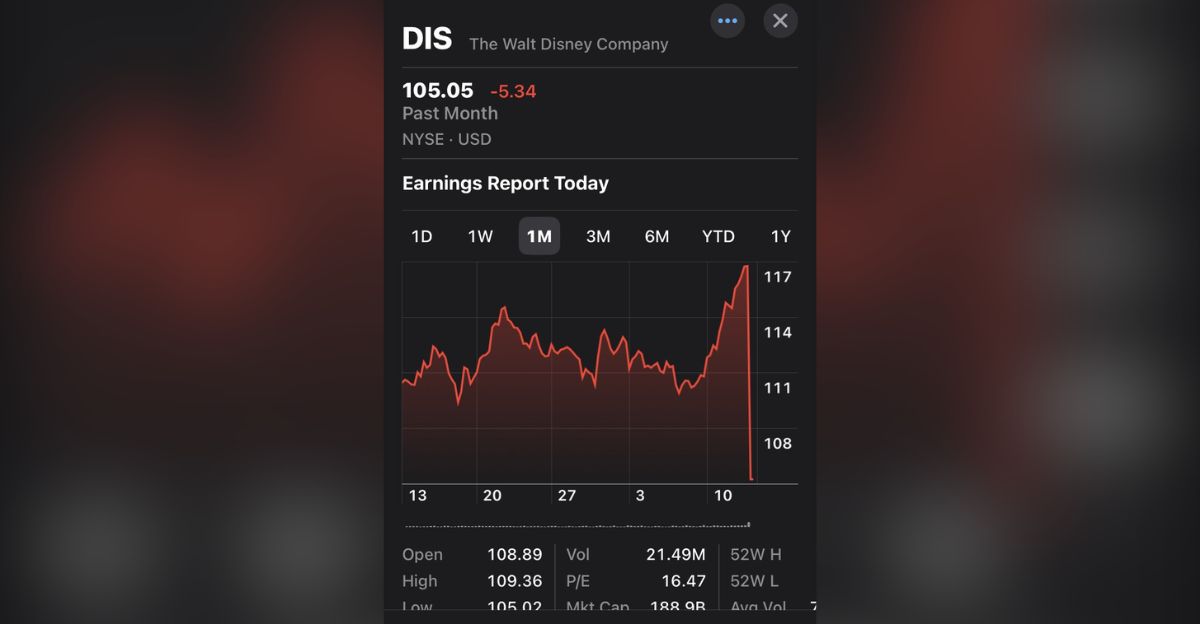
The blackout’s financial toll is also drawing attention from investors. Disney’s November 13 earnings call became a major point of scrutiny, with analysts questioning the company’s strategy and financial outlook.
The dispute has put both Disney’s stock and its future earnings under intense pressure as Wall Street watches closely.
YouTube TV’s Financial Woes
YouTube TV, with its 10 million subscribers, is feeling the financial pinch from the ongoing blackout. If churn continues at high rates, the platform could lose millions in monthly revenue.
The question remains: will Google negotiate a deal with Disney to restore access, or will they continue to weather the financial consequences?
Content Creators Face Uncertainty

For content creators on YouTube TV, the blackout represents a distribution and advertising nightmare. Independent networks, local stations, and regional providers are grappling with the consequences of lost viewership.
Their reliance on YouTube TV’s broad reach is now in jeopardy, creating uncertainty in the content creation space.
The NFL’s Growing Influence
The NFL’s involvement with ESPN is growing, with reports suggesting the league is negotiating a significant equity stake in ESPN as part of its broadcast rights deal.
This unprecedented alignment between a major sports league and its broadcaster could reshape media dynamics, further strengthening the NFL’s influence on ESPN’s future.
The Cord-Cutting Paradox
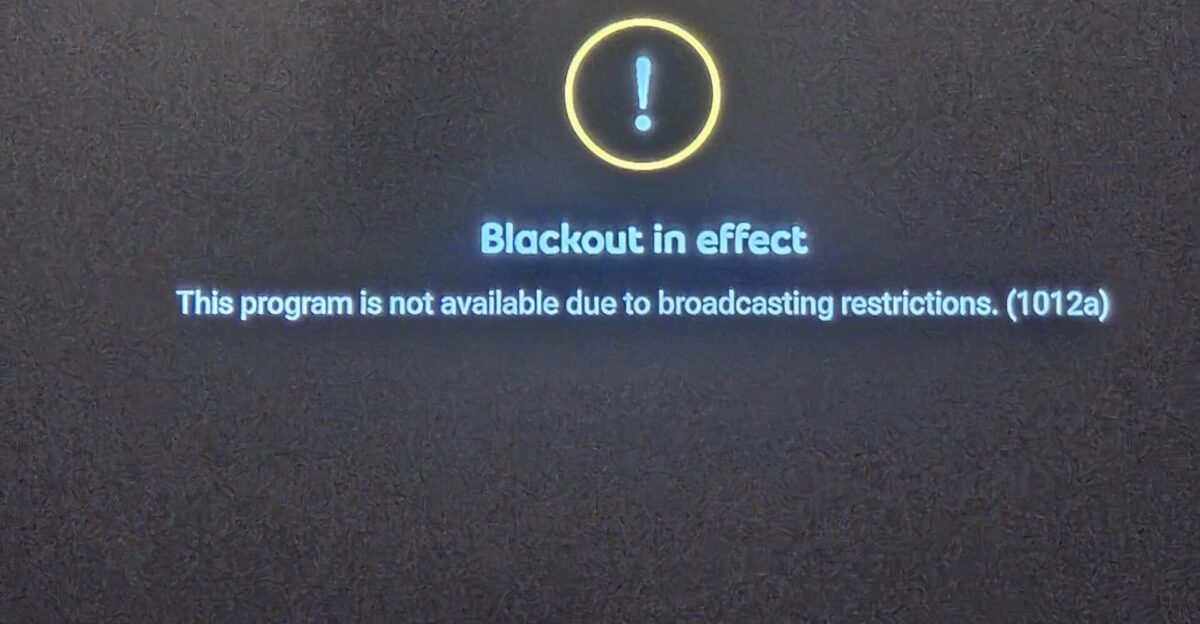
Streaming promised to end the frustrations of cable TV blackouts. Yet, the ongoing dispute between Disney and YouTube TV is bringing back familiar issues for cord-cutters: service disruptions and limited access to content.
As streaming services become as fragmented as traditional cable, consumers are left questioning the value of their subscription.
Regulatory Attention Intensifies
With millions of viewers affected, lawmakers and regulators are starting to take notice. The ongoing blackout may spark future legislation regulating streaming services, especially when disputes disrupt consumers’ access to essential content.
This growing regulatory scrutiny could reshape how streaming platforms negotiate and operate in the future.
Competitors Gain Traction
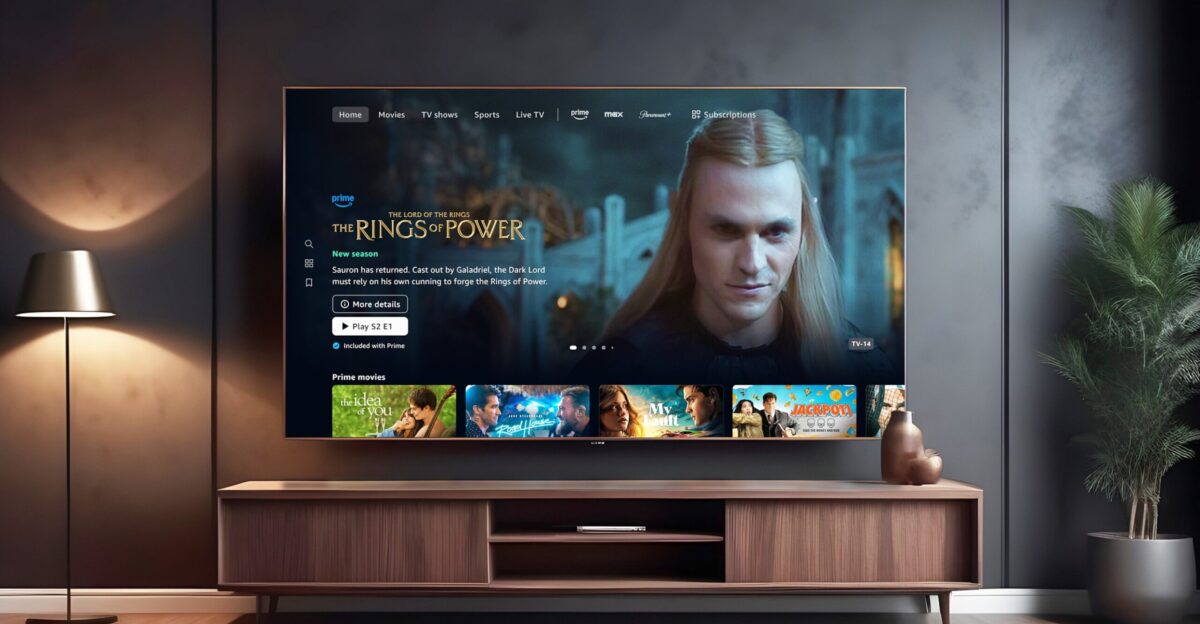
As YouTube TV’s market share shrinks, other services are capitalizing. Hulu + Live TV, FuboTV, and Sling TV are luring away subscribers with appealing offers and reliable service.
Even Amazon Prime Video is benefiting from the streaming shake-up, gaining more sports fans and viewers seeking alternatives to YouTube TV.
Consumer Conversations Amplify
The blackout has sparked a flurry of online discussions among consumers, with many actively researching alternative services. Sports fans, in particular, are evaluating whether they should switch to ESPN Unlimited or explore other standalone options.
Meanwhile, financial advisors are advising households to reevaluate their overall streaming costs across multiple platforms.
Future Implications for Streaming Giants
The blackout raises important questions for the future of streaming. If Disney and YouTube TV can’t reach an agreement, other major content providers like Netflix or Amazon could leverage similar tactics.
The Disney-YouTube standoff highlights the underlying vulnerabilities in the streaming ecosystem, where corporate disputes can disrupt millions of consumers.
The Streaming Battle Heats Up
The Disney-YouTube TV blackout has triggered a chain reaction that’s being felt across industries, from media and sports to Wall Street.
With shifting subscriber loyalties, increased competition, and potential regulatory changes, this dispute may shape the future of streaming services for years to come. As this battle continues, the ultimate resolution will determine how consumers experience the future of TV.