
In a move that sent shockwaves through the monarchy, King Charles III took the rare step of removing Andrew Mountbatten Windsor’s royal titles. As of November 3, 2025, Andrew is no longer “His Royal Highness” or “Prince,” solidifying a public break from the royal family. This legal decision, formalized through Letters Patent, signals a shift in how the monarchy addresses its scandals.
This action, however, raises important questions: What does this mean for the future of the royal family? Is this the beginning of greater accountability, or is it an isolated event?
A Shift in Royal Governance
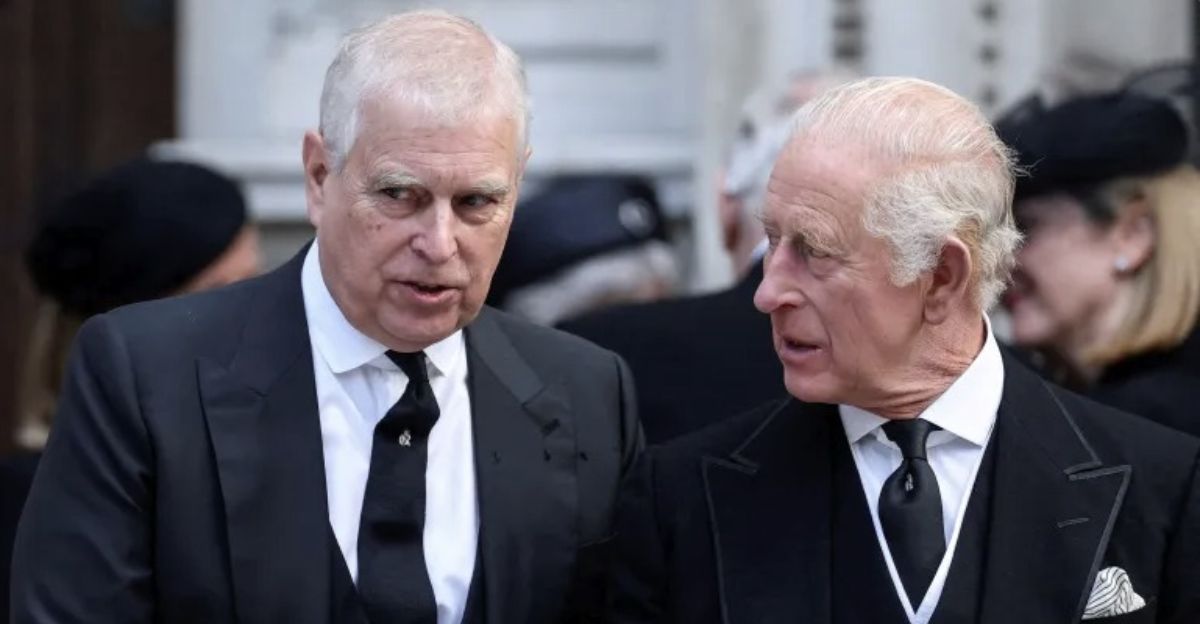
King Charles III’s decision reflects increasing scrutiny on the monarchy. With public trust waning, Charles’ actions responded to growing pressure for accountability. By stripping Andrew of his titles, the monarchy set a precedent.
But how far will this go? The royal family’s response to future crises may very well define its legacy in modern Britain.
Andrew’s Glory Days
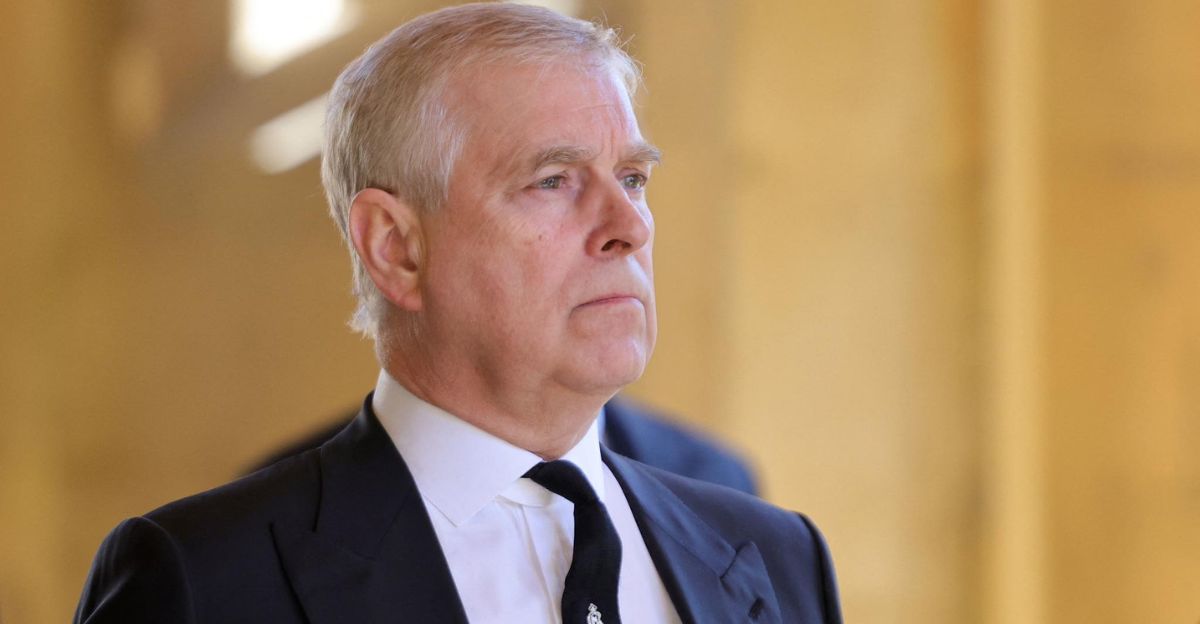
Andrew once stood as the Duke of York, holding high honors within the royal family. He gained recognition for his military service and public duties, making him a beloved figure. But as the years passed, cracks began to show, with public scandals shaking his reputation.
How did it all go wrong for the Duke? The path from military hero to public disgrace is complex, and his story raises questions about the monarchy’s ability to handle its own.
The Scandal Erupts
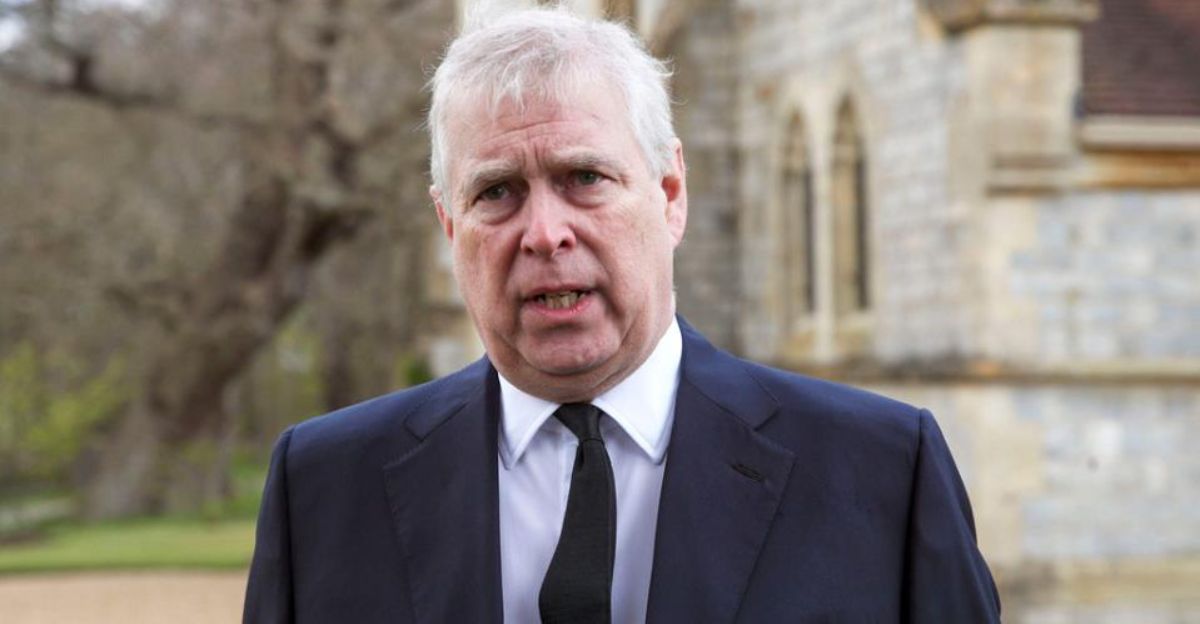
In the late 2010s, Andrew’s name became synonymous with scandal. Allegations of misconduct, including a highly publicized civil lawsuit, brought the once-revered prince to his knees. When Virginia Giuffre’s memoir was published posthumously in October 2025, the case reignited, bringing even more heat.
Can the monarchy survive the fallout? The case continues to haunt the royal family, as it struggles to maintain its dignity in the face of widespread public outcry.
Royal Titles Revoked
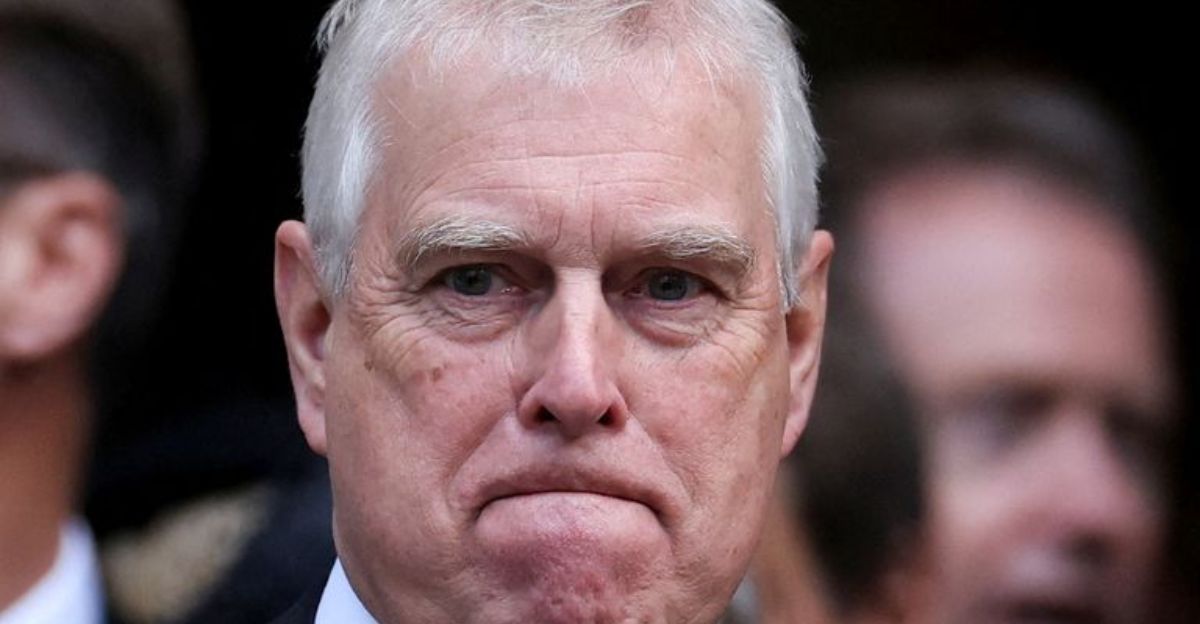
November 3, 2025, marked the day Andrew’s royal titles were officially removed. With the legal documentation published in the London Gazette, the monarchy made a firm, irrevocable decision. But this move did not come out of nowhere—Andrew had already lost his military affiliations in 2022.
This action, however, makes it permanent. What does this move say about royal power? And what does it mean for the future of the monarchy’s ability to handle internal crises?
Local Reactions: York in Shock

The royal family’s decision has been met with mixed emotions, especially in York. For locals, Andrew’s title holds historical significance, making this decision a tough pill to swallow. The monarchy’s move is being watched closely as a test case for how royal family controversies will be handled in the future.
What are the local consequences? For many, Andrew’s legacy in York was deeply intertwined with his title, making the decision even more impactful for his hometown.
Personal Fallout for Andrew
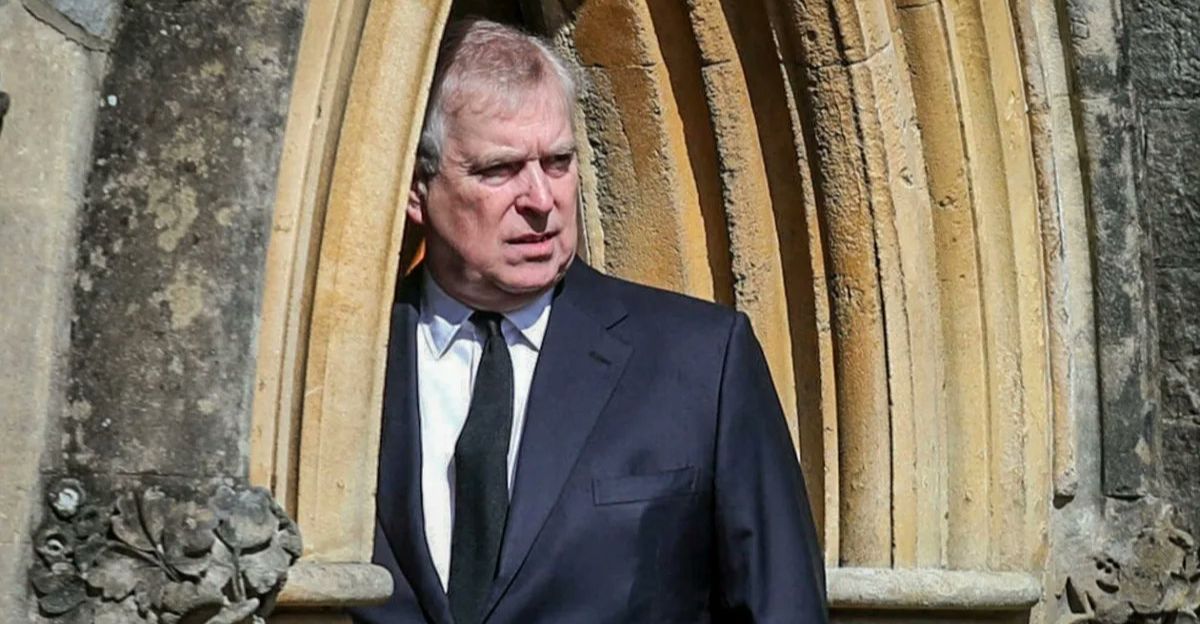
Behind the headlines, Andrew’s personal life has taken a devastating turn. Forced to vacate the Royal Lodge after over 20 years, he now faces a future away from his royal past. The eviction and ban from family events, including Christmas gatherings, highlight the personal isolation he now faces.
What does this mean for his legacy? Andrew’s future, once tied to the monarchy, is now uncertain, and the loss of his titles marks the beginning of a new chapter in his life.
Legal Complexities: Peerage Remains
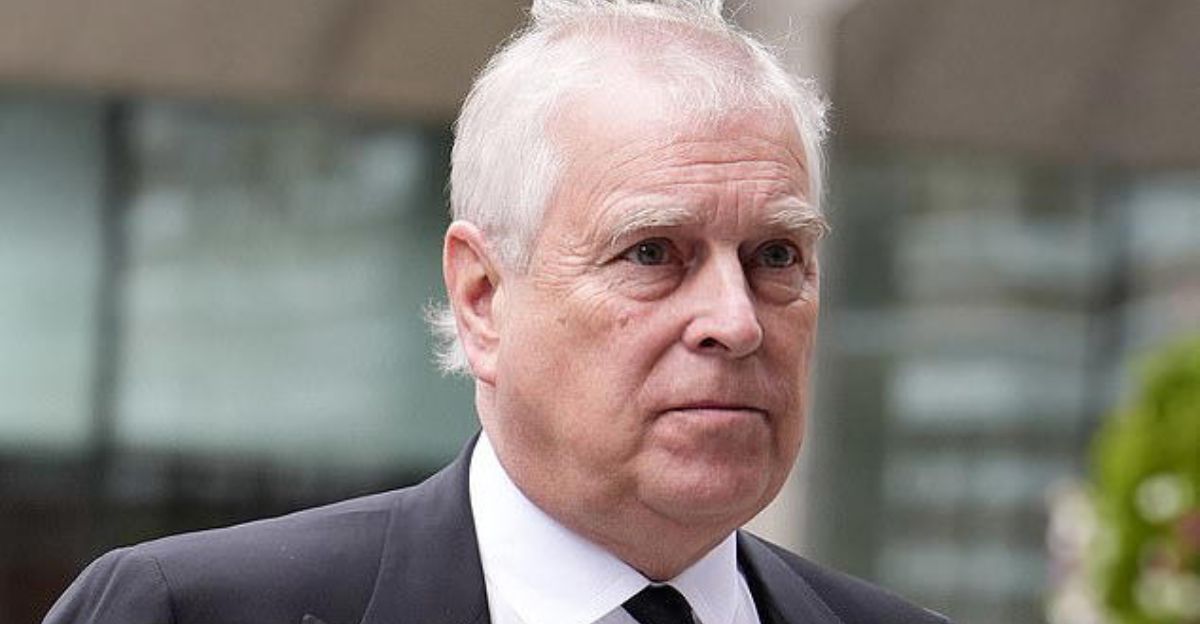
Despite the title removal, Andrew remains the Duke of York—a hereditary title that can’t be revoked without parliamentary intervention. This legal nuance brings attention to the royal family’s limitations. Only Parliament has the power to remove these hereditary peerages.
Can the monarchy ever fully control its own members? The question of peerage titles and the monarchy’s power to revoke them is a constitutional quagmire that highlights the need for reform.
The Limitations of Peerage Removal
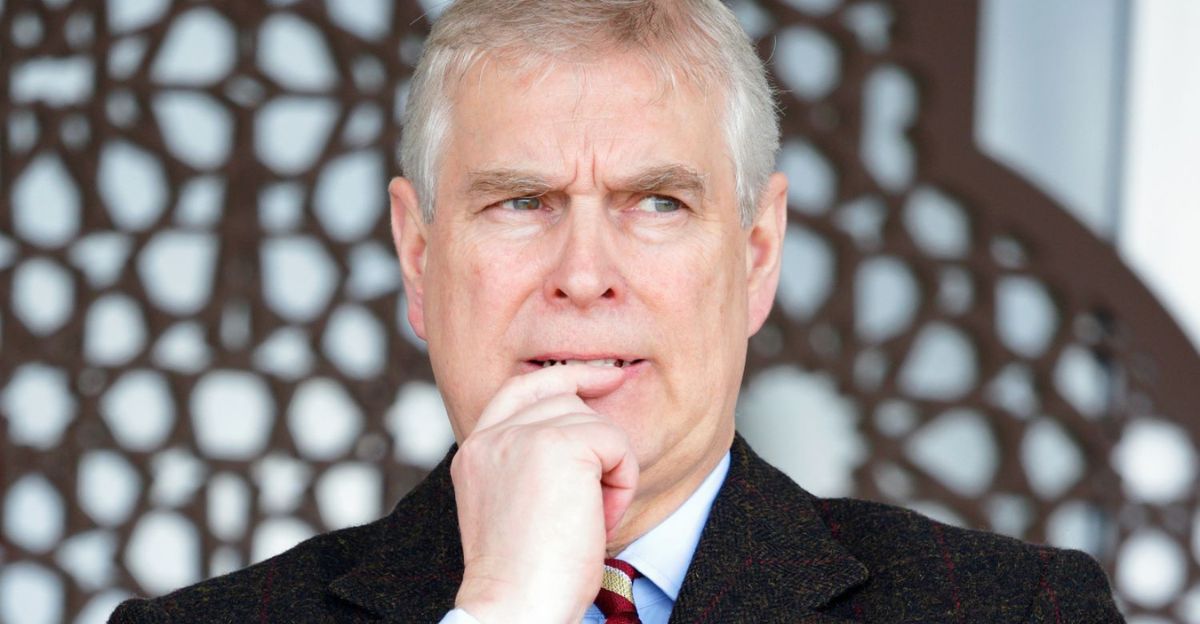
The Duke of York title remains intact, even amid public disgrace. The monarchy’s inability to revoke this title without legislative action exposes a flaw in the system. It’s a question that the royal family and Parliament may soon need to confront.
Should peerage laws evolve in response to modern crises? The Andrew case reveals the paradox within the British legal system, where only Parliament has the power to address certain royal privileges.
A Symbolic Step
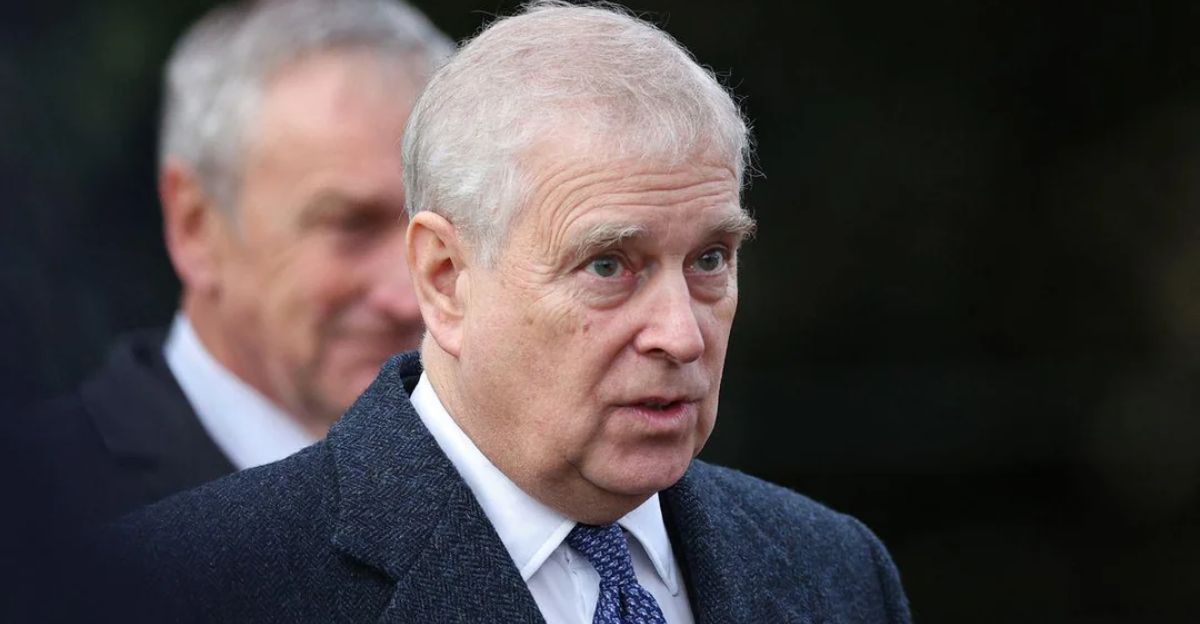
In October 2025, Andrew promised to stop using the “Duke of York” title in public—a symbolic but non-binding gesture. His public distancing from the title represents an ongoing effort to reduce his association with royal privileges.
But how effective is this voluntary move in repairing his image? It’s a small step in the face of much larger public discontent, and many doubt its ability to restore his reputation.
Family Division: Tension Within the Royals
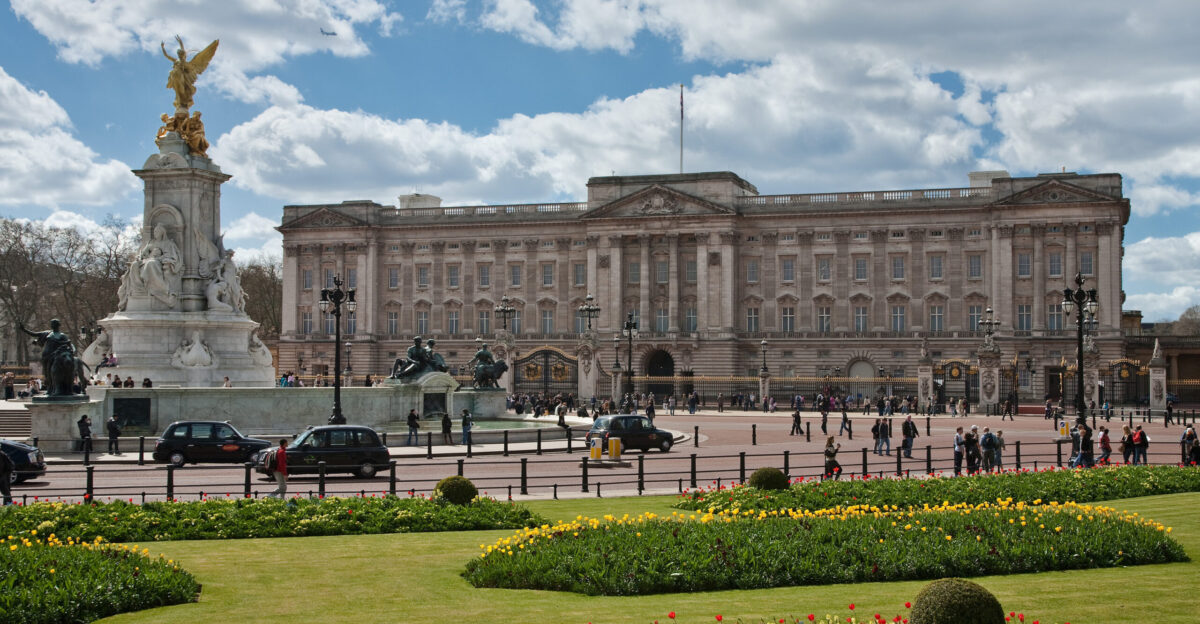
Andrew’s fate has caused rifts within the royal family. King Charles III’s decision to enforce the removal of titles has reportedly sparked division among the royals. While some support the move, others express concern about the fallout.
Is the royal family united in their approach to modernizing its image? The internal tensions speak to the difficulties of navigating the monarchy through modern controversies.
Royal Accountability
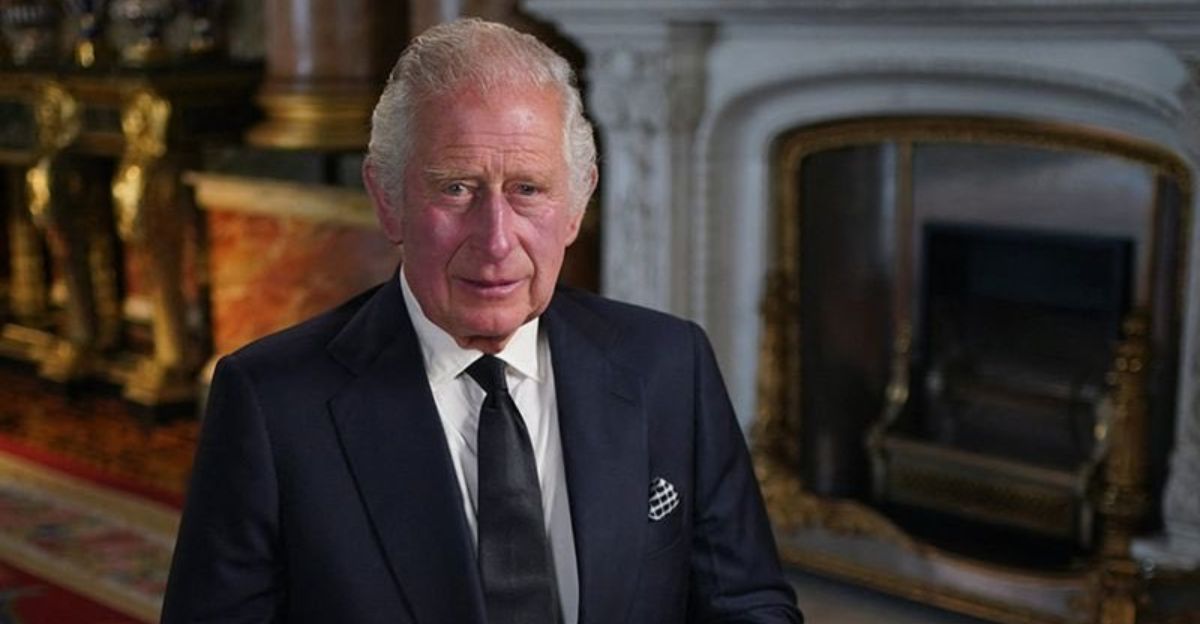
King Charles III’s handling of Andrew’s situation has been viewed by some as a manifestation of greater accountability in the monarchy.
But is this enough to restore public faith in the monarchy? How will Charles navigate future challenges, and can he unify the royal family during turbulent times?
Andrew’s Attempts at Redemption
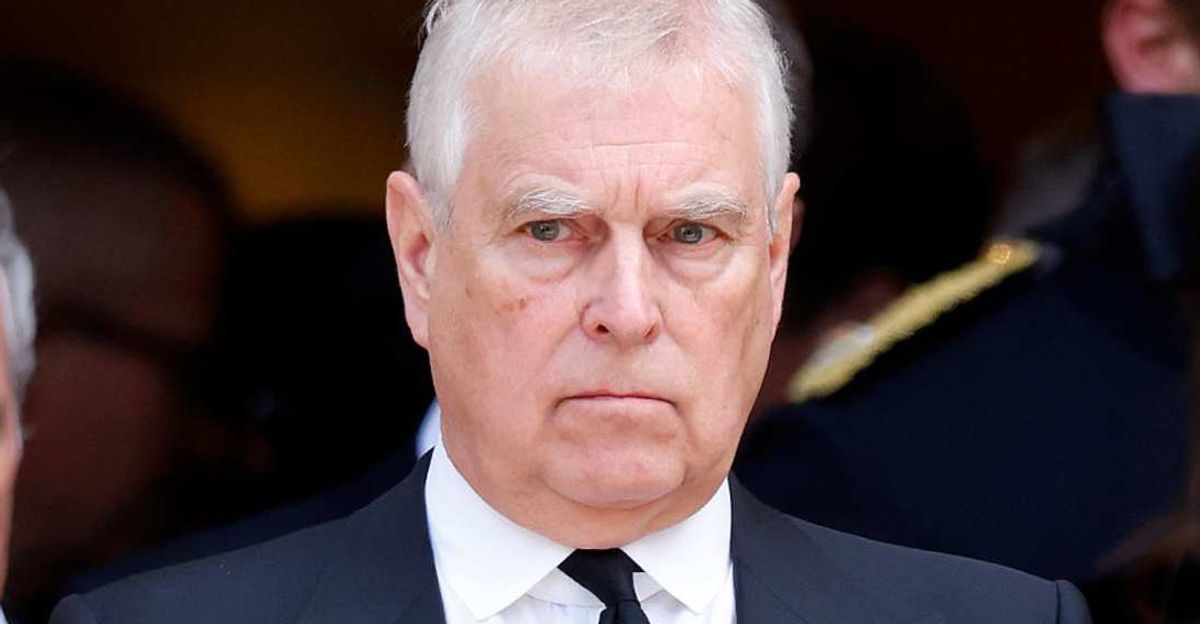
Despite efforts to make public appearances and rehabilitate his image, Andrew’s actions have failed to convince the public. His removal from royal titles only adds to the damage to his reputation.
Can Andrew ever fully redeem himself, or has he been irreparably tarnished? The loss of his royal titles seems to mark the end of any chance for a full return to royal life.
Expert Opinions: A Dangerous Precedent?

Royal historians and legal experts suggest that Andrew’s case may set a dangerous precedent. While some see it as a necessary step toward modernizing the monarchy, others warn that it could create a slippery slope for future royal scandals.
Is the monarchy truly equipped to deal with these modern challenges? The Andrew case may spark wider debates about the monarchy’s future and the institution’s ability to evolve.
Will Royal Titles Be Reformed?
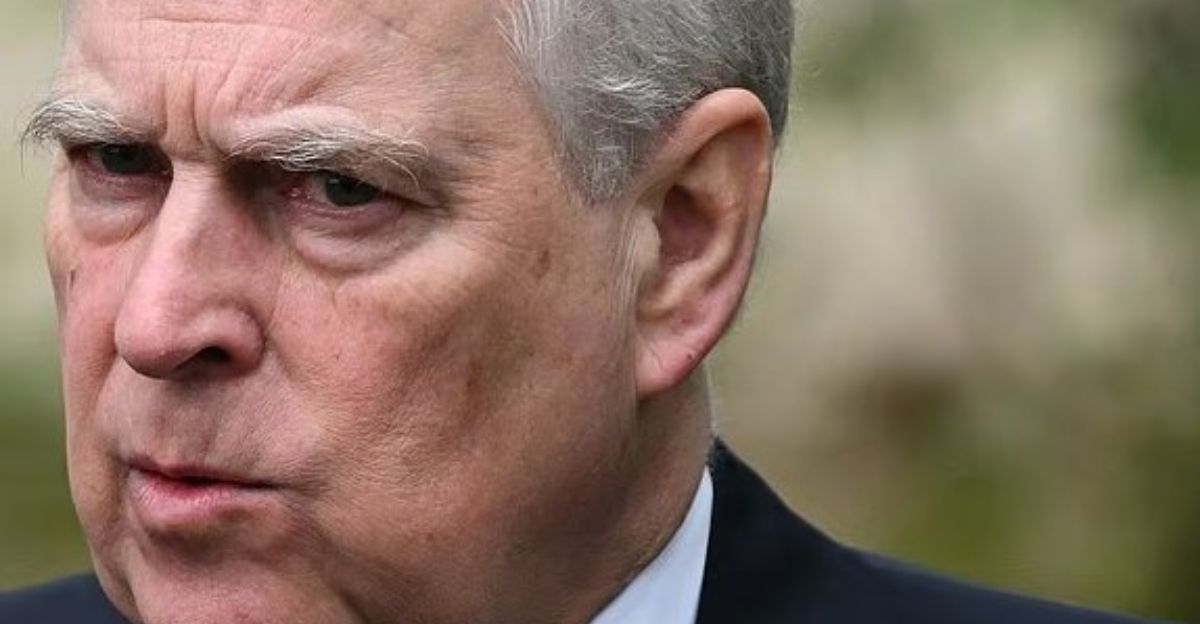
The controversy surrounding Andrew’s titles raises broader questions about the future of royal titles and hereditary peerages. Will Parliament move to reform the system? The Andrew case may well be a catalyst for change in how titles are treated in the UK.
Is reform inevitable? The monarchy may soon face pressure from both the public and lawmakers to change how titles and peerages are handled in the modern era.
Political Pressure: MPs Weigh In
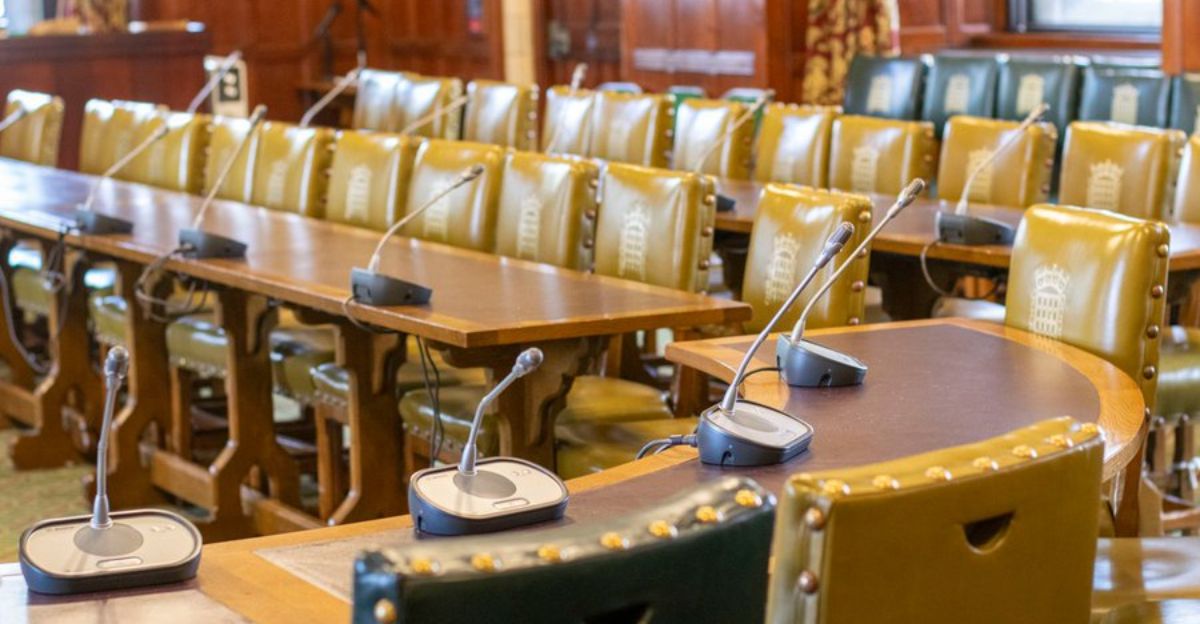
The issue has sparked political debates in Westminster. Some MPs are calling for a reevaluation of the laws governing peerages, arguing that the current system no longer serves the needs of modern Britain.
How will the political landscape shift in response to this royal crisis? As the monarchy faces increasing scrutiny, Parliament may be forced to reconsider the power it holds over the royal family.
Global Attention: Eyes on the British Monarchy

The Andrew scandal has not only captured the attention of the UK but also that of the international media. Monarchies worldwide are watching to see how Britain handles this issue.
Could this have ripple effects on royal families in other countries? The spotlight on the British monarchy could spark similar debates in other constitutional monarchies.
The Royal Legal Conundrum

Legal experts highlight the complexities involved in removing royal titles. The distinction between royal styles and hereditary peerages is a relic of an ancient legal system that complicates efforts for modern reform.
Can the monarchy adapt to the realities of today’s society? The legal complexities surrounding Andrew’s case may be a challenge the royal family can’t avoid much longer.
Changing Views on Royalty

Public attitudes toward the monarchy are shifting, especially among younger generations. Many now question the relevance of hereditary titles and privileges. Andrew’s case is more than just a family issue; it’s a cultural debate about the role of monarchy in modern Britain.
What’s the future of the royal family? As public opinion evolves, the monarchy faces growing pressure to evolve with it.
A Turning Point for the Monarchy
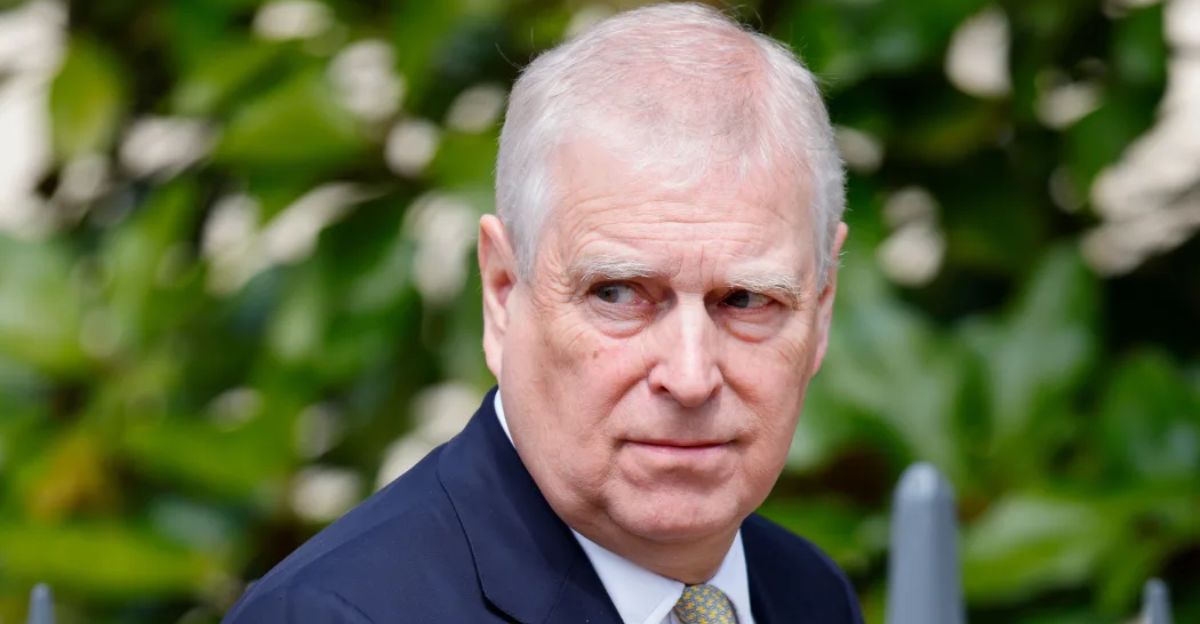
The formal stripping of Andrew’s royal titles marks a historic turning point for the monarchy. As the public demands more transparency and accountability, the monarchy faces an uncertain future.
Can the institution evolve, or is it doomed to repeat its past mistakes? Only time will tell if King Charles III’s approach will be enough to maintain the monarchy’s relevance in the modern age.